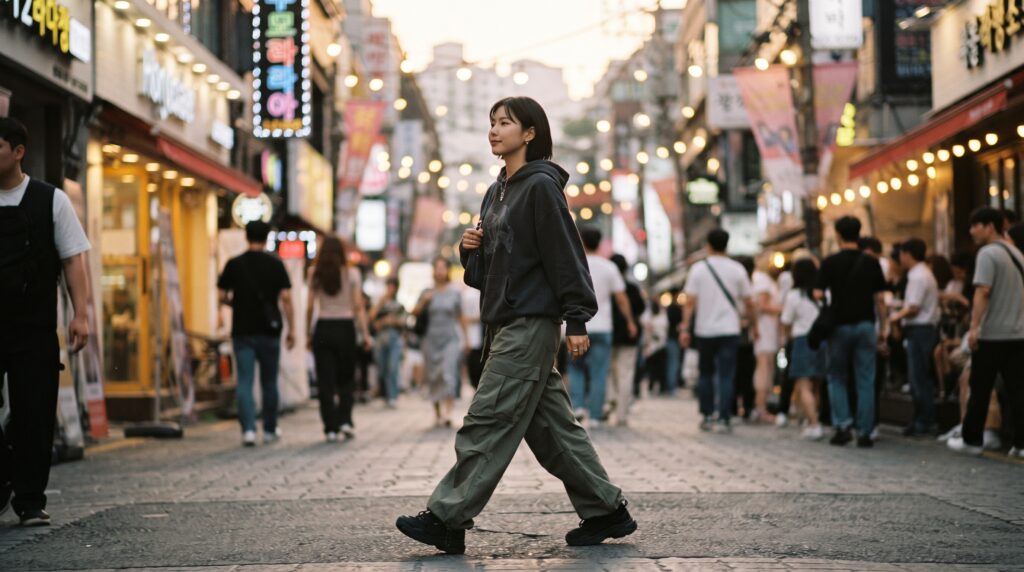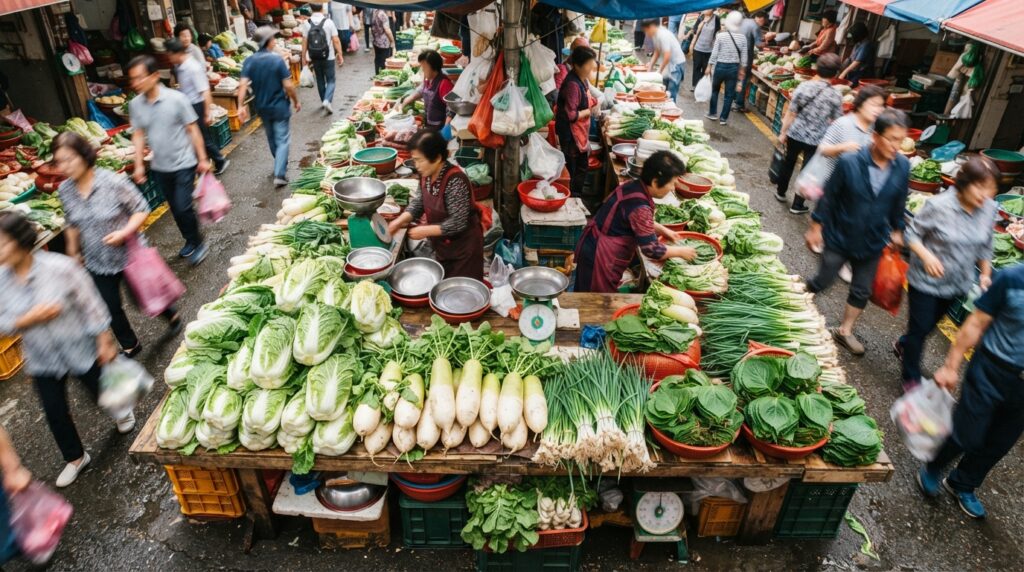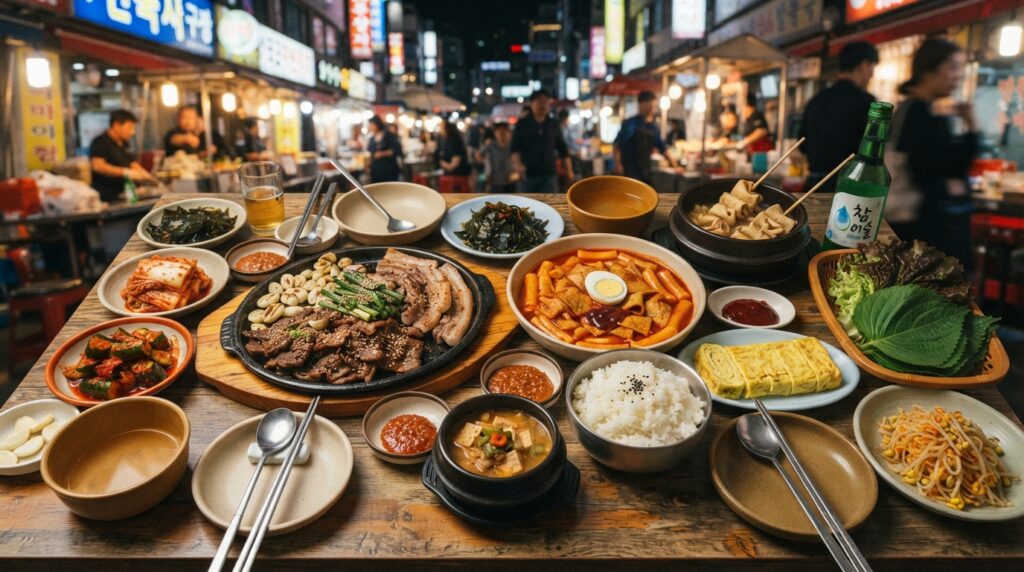
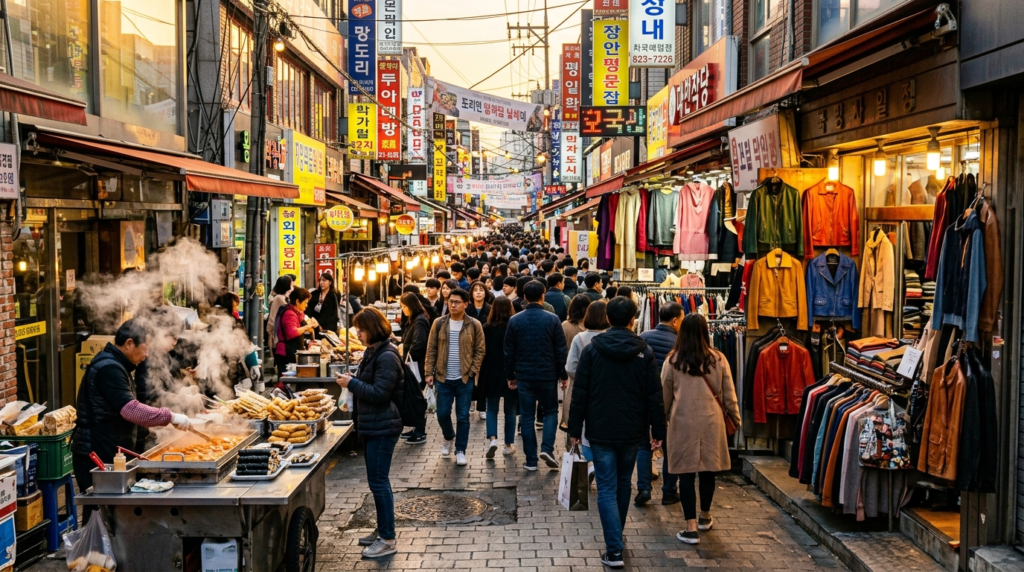
The moment you step out of Itaewon Station, the air shifts. Turkish kebabs sizzle beside Nigerian fabric stalls. A vendor calls out in Korean, then pivots seamlessly to English, then Arabic. Somewhere down the block, a tailor is fitting a suit for a customer who flew in from three continents away. This is Itaewon Market — and nowhere else in Seoul, or arguably in all of South Korea, does shopping feel quite this global.
If you’ve searched for a guide to Itaewon Market, chances are you’re planning a visit and want to know exactly where to go, what to buy, and which food stalls are worth the calories. This guide answers all of that — and goes further, covering the alleys, vendor habits, and insider details that most travel articles skip entirely.
What Is Itaewon Market? A Quick Introduction
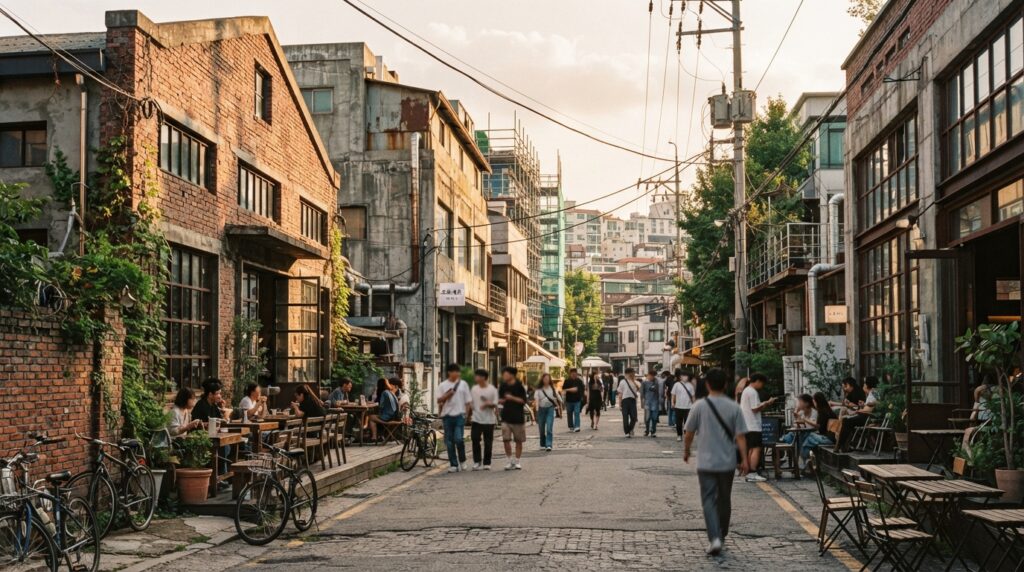
Itaewon Market isn’t a single enclosed building like Namdaemun or a themed complex like Dongdaemun Design Plaza. It’s a sprawling, open-air shopping district that spreads across several interconnected streets in Seoul’s Yongsan District, centered around Itaewon-ro and its surrounding alleys. Unlike markets built around a single product category, Itaewon defies easy categorization — a single block might contain a bespoke tailor, a Nigerian grocery, a vintage record shop, and a halal butcher, all within a two-minute walk of each other.
Location and How to Get There
The market is most easily accessed via Itaewon Station (Line 6), and understanding the exit layout will save you considerable backtracking. Exit 1 drops you near the main shopping strip and leads directly toward the tailoring and leather goods stores that have defined the neighborhood for decades — this is the natural starting point for most first-time visitors. Exit 2 feeds into a quieter stretch popular with residents doing everyday grocery runs rather than tourist browsing. Exit 3 is better if you’re heading toward the international grocery stores and the antique furniture street, both of which sit slightly off the main tourist path and are easy to miss if you don’t know to look for them. Exit 4 puts you closest to the heart of the street food scene, making it the best choice if food is your priority for the visit.
Noksapyeong Station, one stop away on the same line, is a useful alternative entry point if you want to start from the quieter, more residential end of the district and gradually work your way toward the busier commercial core — a route that also happens to pass some of the hidden alleys covered later in this guide. From central Seoul neighborhoods like Myeongdong or Hongdae, the journey typically takes between 20 and 35 minutes by subway, depending on transfer connections, making Itaewon Market a comfortably reachable half-day or full-day trip from almost anywhere in the city.
A Brief History — From U.S. Army Base Town to Global Hub
Itaewon’s transformation into Korea’s most international shopping district didn’t happen overnight — it’s the product of more than half a century of layered history. The neighborhood’s modern character began taking shape in the mid-20th century, when the nearby U.S. military garrison brought a steady population of American service members, diplomats, and their families to the area. To serve this new international clientele, local entrepreneurs began opening shops selling tailored suits, leather goods, and imported items that were otherwise difficult to find in postwar Korea — a commercial specialty that, remarkably, has persisted into the present day.
As the decades passed, Itaewon’s reputation as a welcoming, English-friendly neighborhood attracted a widening circle of residents: diplomats stationed at nearby embassies, immigrants from across Africa, the Middle East, and Southeast Asia, and later, a growing wave of expatriate professionals and English teachers. Each community left its commercial fingerprint on the district, which is why today’s market features Nigerian fabric shops beside Turkish restaurants beside Bangladeshi grocers — a genuinely organic multiculturalism rather than a curated tourist attraction. This layered history is worth understanding before your visit, because it explains why Itaewon feels fundamentally different from Seoul’s other markets: it wasn’t designed to showcase Korean culture to outsiders, but rather grew as a genuine meeting point between Korean and international communities.
What Makes It Different from Namdaemun or Dongdaemun Market
Comparisons to Seoul’s other major markets are inevitable, but understanding the distinctions helps set the right expectations for your visit. Namdaemun Market, one of Korea’s oldest and largest traditional markets, leans heavily toward traditional goods — dried seafood, kitchenware, hanbok fabric, and classic Korean street snacks — and caters to a customer base that skews toward domestic shoppers and older generations. Dongdaemun Market, by contrast, is a fashion powerhouse, built around massive wholesale buildings that operate around the clock and cater heavily to fashion retailers, designers, and late-night shoppers hunting for trendy, affordable clothing.
Itaewon Market occupies a distinct third category entirely. Where Namdaemun and Dongdaemun compete on scale and specialization, Itaewon competes on diversity and discovery. You won’t find the sheer volume of goods that Dongdaemun offers, nor the traditional Korean authenticity that draws visitors to Namdaemun. Instead, you’ll find things that exist nowhere else in the city — imported ingredients from a dozen different countries, custom tailoring at prices unmatched elsewhere in Seoul, and a street food scene that reads more like a world food festival than a typical Korean market. For travelers who have already checked Namdaemun or Dongdaemun off their list and are looking for something genuinely different, Itaewon delivers an experience the other two simply can’t replicate.
Best Times to Visit Itaewon Market
Weekday vs. Weekend Crowds
Timing your visit around the market’s crowd patterns can significantly shape your experience. Weekday afternoons, particularly between 2 and 5 p.m., offer the most relaxed browsing environment. Shop owners tend to have more time to chat, explain their products in detail, and engage in the kind of unhurried conversation that often leads to better deals or personalized recommendations — something that’s much harder to come by when a shop is juggling a dozen customers at once. This is especially true in the tailoring district, where a proper consultation for custom clothing benefits enormously from an unrushed setting.
Weekends, and Saturday evenings in particular, transform the district entirely. Foot traffic increases substantially, street food stalls operate at full capacity, and the neighborhood takes on a livelier, almost festival-like energy as both locals and tourists fill the streets. If your goal is efficient, focused shopping — say, finalizing a custom tailoring order or hunting for a specific import — a weekday visit serves you better. If you’re after the full sensory experience, with crowds, music spilling from bars, and the street food scene at its peak, Saturday night is when Itaewon Market truly comes alive.
Seasonal Considerations
The market’s rhythm shifts noticeably across the seasons, and knowing what to expect can help you plan a more satisfying visit. Summer brings extended evening hours across most food stalls, as warmer temperatures encourage later-night browsing and dining. This season also tends to bring occasional street festivals and pop-up cultural events that spill into the market area, adding an extra layer of energy — and occasionally, extra vendors — to the usual lineup.
Winter, by contrast, shortens the outdoor food stall hours somewhat, as vendors understandably scale back exposure to the cold. That said, the covered and indoor shops — including the tailoring stores, grocery markets, and antique dealers — operate on their usual year-round schedule regardless of weather, meaning a winter visit still offers full access to the shopping side of the market even if the street food scene is a bit more limited. Spring and fall remain the most comfortable seasons overall for extended walking and browsing, with mild temperatures that make it easy to spend several hours moving between the market’s various streets without discomfort.
Time of Day: Morning Shopping vs. Nighttime Food Scene
Understanding the market’s daily rhythm is just as important as picking the right day. Mornings and early afternoons are ideal for the retail side of Itaewon Market — this is when tailoring shops are freshest for consultations, when grocery stores are best stocked before weekend rushes deplete popular items, and when you can browse vintage and antique shops without competing for space with crowds. Many serious shoppers treat the market as a two-visit destination: one trip focused entirely on shopping during daylight hours, and a separate evening trip dedicated to food.
The street food scene, in particular, follows its own distinct schedule. While a handful of stalls open during the day, the scene truly comes alive after 6 p.m., when the vendors that define Itaewon’s food reputation — the kebab stands, the skewer grills, the dessert carts — set up in full force and the neighborhood’s dining energy shifts into high gear. If food is your primary reason for visiting, planning your trip around early evening will give you access to the widest possible selection.
Best Shops and Shopping Streets in Itaewon Market

Custom Tailoring and Leather Goods
Itaewon’s tailoring tradition is arguably the market’s most storied commercial legacy, dating back generations to the neighborhood’s earliest days serving an international clientele. Shops clustered along the main strip near Exit 1 specialize in made-to-measure garments — suits, overcoats, dress shirts, and leather jackets — crafted using techniques and fabric sourcing relationships that have been refined over decades. What makes this tradition genuinely valuable for visitors is the pricing: custom work here often costs significantly less than equivalent bespoke tailoring in Europe or North America, without a corresponding drop in craftsmanship quality, since many of the tailors trained under masters who built their reputations serving discerning international customers throughout Itaewon’s history.
The process typically unfolds over multiple visits if your schedule allows it. An initial consultation involves selecting fabric, discussing style preferences, and taking detailed measurements, followed by one or two fitting sessions to fine-tune the garment before final delivery. For travelers with limited time, many shops offer expedited turnaround — sometimes completing a full suit within 48 to 72 hours — though quality and fit are generally better served by allowing the full multi-visit process if your itinerary permits it. Leather goods follow a similar model, with several workshops offering custom bags, jackets, and accessories alongside ready-made stock, giving shoppers the flexibility to choose between instant gratification and a fully personalized piece.
Vintage and Secondhand Fashion Finds
Tucked into the side streets branching off the main shopping strip, Itaewon has developed a genuinely thriving vintage and secondhand clothing scene, one that’s earned a loyal following among Seoul’s younger, style-conscious crowd. These shops range considerably in character — some are curated boutiques with carefully selected pieces from specific decades or design movements, while others are dense, rack-packed spaces that reward patient digging with genuinely rare finds.
What distinguishes Itaewon’s vintage scene from similar offerings elsewhere in Seoul is the sourcing. Given the neighborhood’s decades-long connection to international communities, many shops carry imported vintage pieces from the U.S., Europe, and Japan alongside domestic Korean vintage fashion, creating a genuinely global mix that’s harder to find concentrated in one place elsewhere in the city. Store inventory tends to rotate frequently, sometimes on a weekly basis, which is why many dedicated vintage shoppers treat Itaewon as a recurring destination rather than a one-time stop — the shop you visit on a Tuesday may look entirely different by the following weekend.
International Grocery Stores and Specialty Imports
For travelers craving a taste of home, expats settling into life in Seoul, or home cooks chasing down ingredients that simply don’t exist elsewhere in the country, Itaewon’s international grocery stores represent one of the market’s most genuinely practical offerings. Several stores specialize in Middle Eastern staples — spice blends, tahini, specific cuts of halal meat — while others focus on South Asian ingredients like an extensive range of lentils, rice varieties, and curry pastes rarely stocked in mainstream Korean supermarkets.
Southeast Asian grocers fill in another crucial gap, carrying fish sauces, fresh herbs, and packaged goods familiar to visitors and residents from Thailand, Vietnam, and the Philippines, while African grocery stores cater to the neighborhood’s West African community with staples like cassava flour, palm oil, and specific vegetable varieties imported specifically to serve that customer base. Rounding out the selection are shops specializing in imported cheeses, wines, and European pantry staples — a category that, prior to Itaewon’s development, was almost entirely unavailable anywhere in Seoul. Taken together, this concentration of specialty grocers makes Itaewon Market an essential stop for anyone cooking internationally inspired meals during an extended stay in the city.
Souvenir and Handicraft Shops
While Itaewon doesn’t match the sheer souvenir density of a district like Insadong, it offers something arguably more valuable for travelers seeking distinctive gifts: handicrafts shaped by the neighborhood’s international vendor base rather than mass-produced items aimed purely at tourists. Look for handmade jewelry incorporating both Korean and international design influences, leather goods crafted in-house by the same workshops serving the tailoring trade, and small home decor pieces — candle holders, textiles, ceramics — that carry a genuinely artisanal quality.
Because many of these shops are run by the same vendors who source the market’s imported goods, you’ll often find souvenir items with an international character alongside more traditionally Korean offerings, giving visitors the option to choose gifts that reflect either the country they’re visiting or the specific, globally-flavored neighborhood they found them in.
Antique Furniture Street
A lesser-known but genuinely rewarding stretch near the district’s edge houses several antique and vintage furniture dealers, an aspect of Itaewon Market that rarely appears in mainstream travel coverage despite its considerable appeal. These shops attract two fairly distinct customer bases: long-term expats furnishing apartments who appreciate the mix of Korean antique pieces and imported Western furniture, and dedicated collectors hunting for specific mid-century items, some of which arrived in Korea decades ago through the same international connections that shaped the rest of the neighborhood.
Even for visitors with no intention of purchasing furniture, this stretch is worth a dedicated walk-through simply for the sheer variety on display — a single storefront might contain a traditional Korean wooden chest beside a mid-century European armchair, offering a tangible, physical illustration of the cultural blending that defines Itaewon as a whole.
Must-Try Street Food in Itaewon Market
Korean Street Food Classics
Even in a district celebrated for its global flavors, Itaewon Market doesn’t skimp on the Korean street food staples that anchor the broader Seoul food scene. Long-running stalls serve tteokbokki — spicy stir-fried rice cakes in a sweet-and-spicy sauce — with a consistency and quality built on years of repeat customers and refined recipes. During colder months, hotteok stalls draw steady lines for their sweet, syrup-filled pancakes, griddled fresh and served piping hot, a seasonal treat that many visitors specifically plan winter trips around.
For a lighter, more portable option, several stalls offer freshly rolled gimbap in a range of fillings, from classic vegetable and egg combinations to more contemporary variations incorporating cheese or spicy tuna. These Korean staples serve an important function within the broader market experience: they provide a familiar, approachable anchor point for visitors who might otherwise feel slightly overwhelmed by the sheer variety of international options nearby, and they remain some of the most budget-friendly food choices in the entire district.
Global Flavors You Won’t Find Elsewhere in Seoul
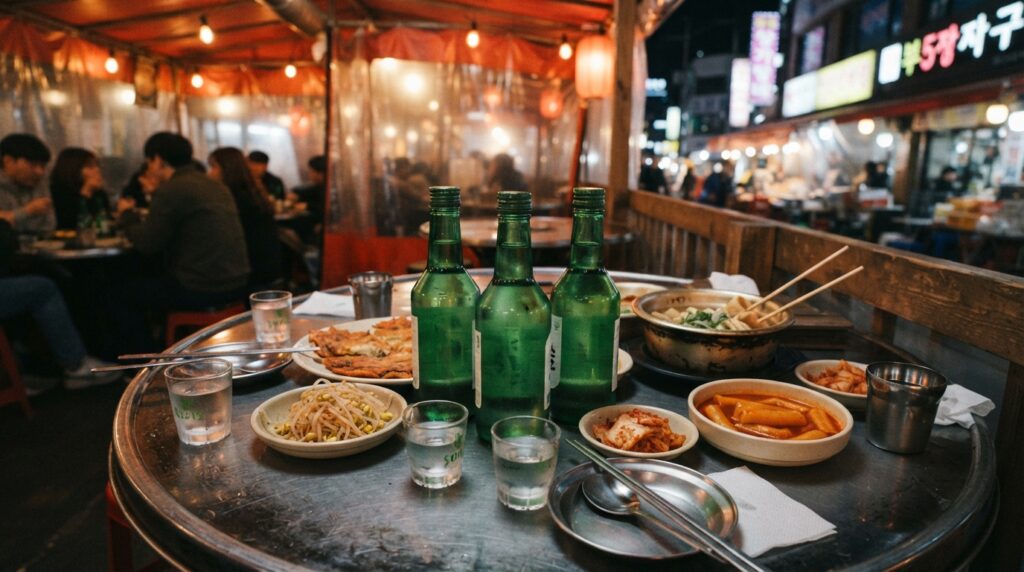
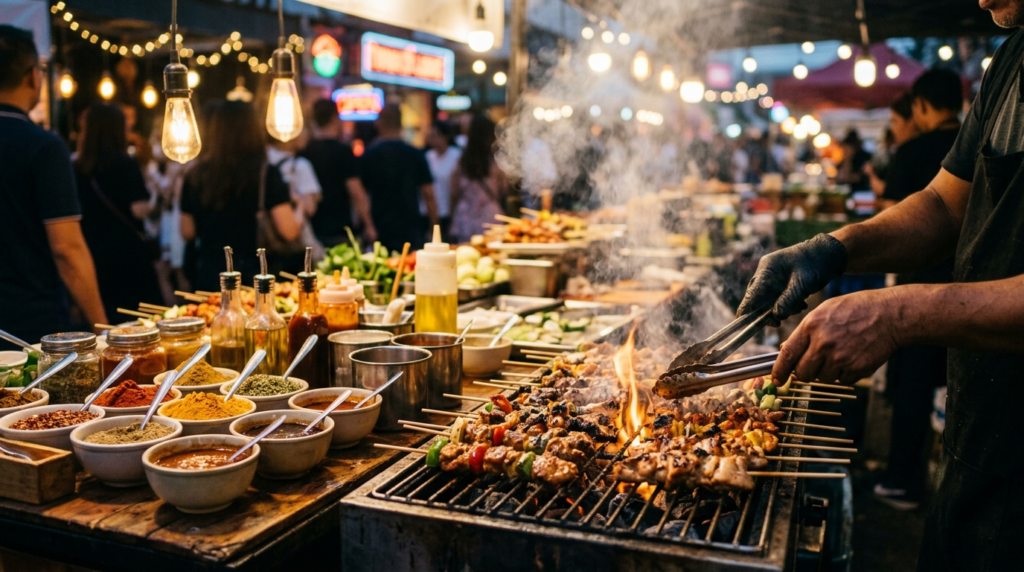
This is the category that fundamentally distinguishes Itaewon Market’s food scene from every other market in Seoul, and it’s worth understanding in some depth given how central it is to the district’s identity. Turkish kebab stands, often run by vendors with direct family ties to Turkey, serve döner-style wraps and grilled meat plates using recipes and techniques passed down rather than adapted for a Korean palate. Nigerian suya stalls offer spiced, skewered meat grilled over open flame, seasoned with a distinctive peanut-based spice blend rarely found anywhere else in the country.
Vietnamese banh mi carts turn out sandwiches built on properly crusty baguettes with pickled vegetables and fresh herbs, while Middle Eastern shawarma stands compete for the title of the district’s most popular late-night food stop. What makes this lineup genuinely remarkable isn’t just the variety, but the authenticity — because many of these stalls are run by first- or second-generation immigrants from the countries whose food they’re serving, the flavors tend to reflect genuine home cooking rather than a commercialized, localized interpretation. For food-focused travelers, this represents a rare opportunity in Seoul to sample international street food that hasn’t been adapted or diluted for a domestic audience.
Halal and Vegetarian-Friendly Options
Thanks to Itaewon’s long-standing Muslim community — a legacy tied to the neighborhood’s historic mosque, one of the most prominent in the country — the market has developed one of the highest concentrations of halal-certified restaurants and food stalls anywhere in Seoul. Several vendors prominently display halal certification, giving Muslim travelers a level of dietary confidence that’s genuinely difficult to find in most other Korean shopping districts, where halal options remain comparatively rare.
Vegetarian and vegan travelers also fare notably well here compared to much of Seoul’s broader food scene, which can sometimes prove challenging for plant-based diets. Stalls offering stuffed grape leaves, vegetable-based curries, falafel wraps, and various plant-forward Middle Eastern and South Asian dishes provide genuine variety rather than a single token option, making Itaewon Market a practical, reliable stop for travelers navigating dietary restrictions during their time in Korea.
Best Cafes and Dessert Spots Nearby
After working through the savory stalls, the streets surrounding the main market offer a genuinely strong lineup of independent cafes and dessert spots, many featuring outdoor or window seating ideal for people-watching as the market’s diverse crowd passes by. Specialty coffee shops, often run by owners with a serious focus on sourcing and brewing technique, sit comfortably alongside Middle Eastern dessert counters serving baklava, Turkish delight, and other treats rarely available elsewhere in the city.
Korean bakeries round out the mix, offering both classic and contemporary pastries for visitors looking for something more familiar. This concentration of dessert and coffee options makes for a natural, satisfying conclusion to a market walk — a way to sit, rest, and process the sheer sensory range of a district that spans continents in flavor within just a few city blocks.
Hidden Finds — What Most Guides Miss
Lesser-Known Alleys Worth Exploring
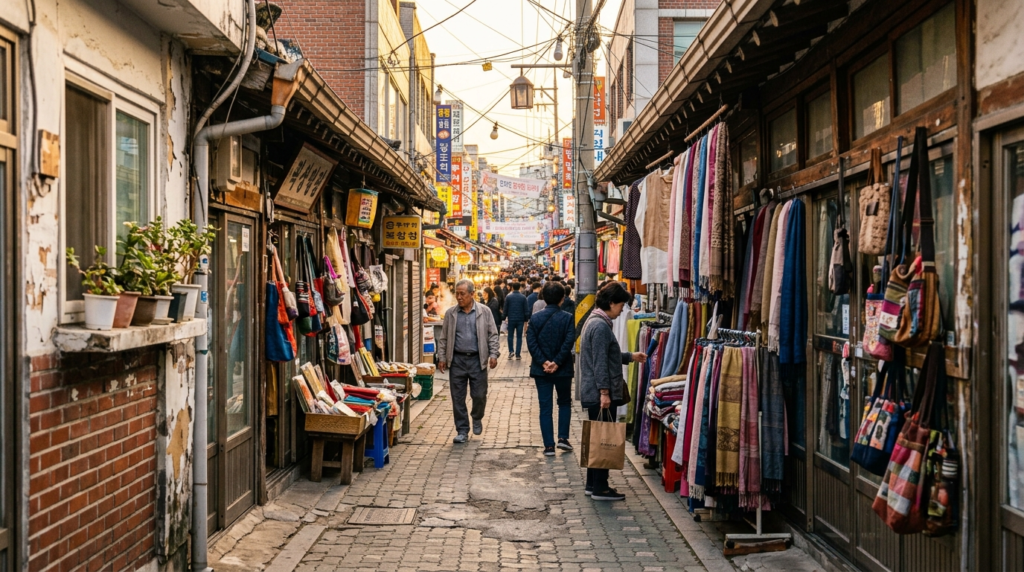
Beyond the main strip that most visitors stick to, several narrow side alleys branching off Itaewon-ro reward those willing to wander a little further off the obvious path. These lanes tend to house smaller, family-run shops that see considerably less foot traffic than their main-street counterparts — and, as a natural consequence, often offer more attentive service and, in some cases, better prices, since these vendors aren’t competing directly with the visibility and foot traffic of the primary shopping corridor.
On a recent weekday walk through the district, some of the most interesting discoveries came not from the main strip but from these secondary alleys — a small leather goods workshop where the owner was hand-stitching a wallet at the counter, and a spice vendor selling loose blends by weight out of unmarked jars, clearly catering to a regular customer base rather than passing tourists. Exploring these alleys requires a bit more patience and a willingness to backtrack and double-check side streets, but the payoff is a noticeably different, less commercialized side of the market.
Local Vendor Recommendations and Insider Tips
Conversations with long-time vendors in the tailoring district reveal patterns that rarely make it into standard travel guides. Several tailors note that mid-morning on weekdays tends to be their most available window for detailed consultations, since weekend visitors are typically browsing casually rather than committing to custom orders — meaning a weekday morning visit often results in more personalized attention and a more thorough fitting process.
Grocery store owners, meanwhile, frequently mention that their stock rotates according to shipping schedules from their home countries or regions, so directly asking about “new arrivals” can sometimes turn up recently imported items that haven’t yet been placed on regular shelves. This kind of direct, conversational approach — simply asking vendors about their process, their sourcing, or their busiest times — tends to unlock a noticeably richer shopping experience than passively browsing storefronts, and it’s a habit worth adopting throughout your visit to Itaewon Market.
Off-the-Beaten-Path Spots Locals Actually Visit
Locals and long-term expat residents of the neighborhood tend to gravitate toward a specific handful of smaller grocery stores and eateries that rarely, if ever, appear in mainstream travel content. These spots are often identifiable by a few consistent markers: minimal or absent English signage, a steady stream of regular customers who greet the staff by name, and a general absence of the tourist-oriented cues — English menus, prominently displayed prices in multiple currencies — that mark more visitor-facing establishments.
Finding these places typically isn’t a matter of searching online, since they intentionally don’t cater to a search-driven tourist audience. Instead, the most reliable path is building a bit of rapport with a shopkeeper or vendor you’ve already interacted with — after a positive interaction at a grocery store or food stall, simply asking for their personal recommendation often yields results that no guidebook or travel article could provide.
Itaewon Market and the Surrounding Neighborhood
Nearby Attractions
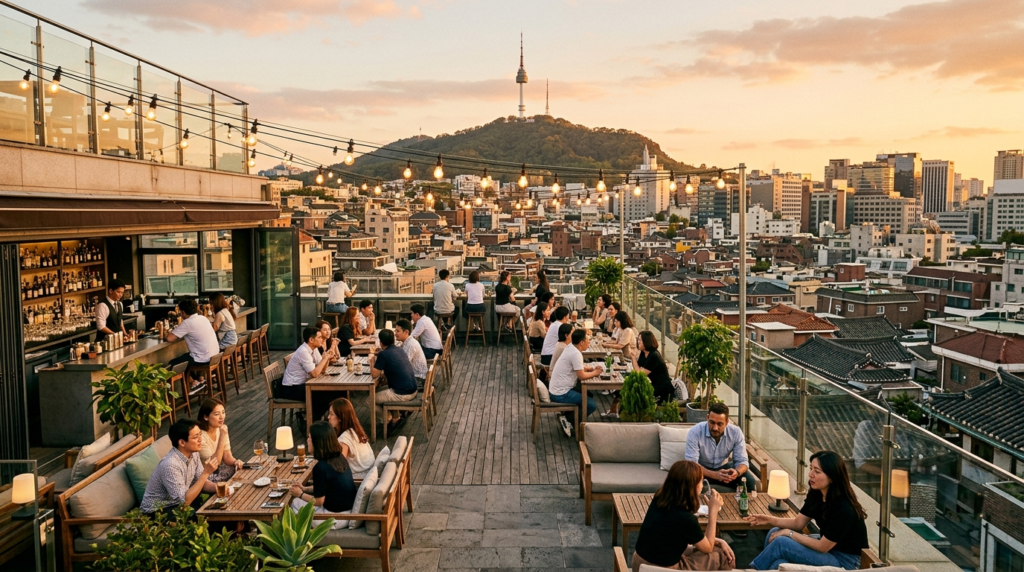
Itaewon’s broader neighborhood offers considerably more to explore beyond the market itself, making it easy to build a full day around a single visit. The area has appeared as a backdrop in several popular Korean dramas and films, drawn to its distinctive multicultural streetscape and rare visual character compared to more traditionally Korean settings — fans of K-drama location tourism will likely recognize certain streets, staircases, and rooftop bars from productions filmed in the neighborhood.
A short uphill walk from the market also brings visitors toward elevated viewpoints with sightlines toward Namsan Tower, one of Seoul’s most recognizable landmarks, offering a scenic contrast to the dense, street-level energy of the market itself. This combination of pop-culture familiarity and genuine scenic value gives visitors several natural reasons to extend their time in the neighborhood well beyond the shopping district’s boundaries.
Connection to Itaewon’s Multicultural Dining District
The market blends almost seamlessly into Itaewon’s broader dining scene, which extends well beyond the street food stalls into full-service international restaurants, rooftop bars, and late-night lounges representing an equally diverse range of cuisines and atmospheres. This means the transition from market browsing into a proper sit-down meal requires no real planning — simply walking a few blocks in most directions surfaces a substantial concentration of dining options spanning multiple continents’ worth of cuisine.
This continuity between market and neighborhood is part of what makes Itaewon function so well as a half-day or full-day destination rather than a quick stop: the shopping and dining experiences aren’t separate attractions requiring separate trips, but rather two expressions of the same underlying multicultural character.
Day Trip Itinerary: Pairing the Market with Other Itaewon Highlights
A well-paced day exploring Itaewon Market might reasonably begin with morning visits to grocery stores and tailoring shops, when both are best stocked and least crowded, before moving into an early afternoon dedicated to browsing the vintage and antique furniture streets. As the afternoon shifts into early evening, the street food stalls begin their transition into full operation, making this the natural window to work through the market’s food offerings.
The day can then wind down with a rooftop bar or sit-down restaurant in the surrounding neighborhood, potentially preceded by a short detour toward the Namsan Tower viewpoint if timing and energy allow. This kind of itinerary showcases the full range of what the neighborhood offers — shopping, food, scenery, and nightlife — without requiring a single subway transfer, since everything falls within comfortable walking distance of Itaewon Station.
Practical Tips for Visiting Itaewon Market

Bargaining Etiquette
Light negotiation is generally acceptable practice at smaller stalls and independent shops throughout Itaewon Market, particularly when shopping for clothing, accessories, and antique furniture, where prices often carry some built-in flexibility. That said, bargaining is considerably less common — and generally less welcome — at food stalls or more established grocery stores, where prices tend to be fixed and negotiation can come across as inappropriate given the smaller margins involved in food service.
When negotiating is appropriate, a polite, friendly approach consistently works better than aggressive or persistent haggling, both in terms of the final price achieved and the overall quality of the interaction. Many vendors respond considerably better to genuine interest in their products and a respectful tone than to customers who treat negotiation as purely transactional.
Cash vs. Card
While most established shops and sit-down restaurants throughout Itaewon Market accept card payments without issue, a meaningful number of smaller stalls — particularly street food vendors and some of the smaller family-run shops in the side alleys — remain cash-preferred or, in some cases, entirely cash-only. Carrying a reasonable amount of Korean won is a practical safeguard for any visit, especially if street food is a planned part of your itinerary, since getting caught without cash at a popular food stall can mean missing out entirely rather than simply being inconvenienced.
Language Tips for Shopping and Ordering Food
Thanks to the neighborhood’s decades-long international history, English is more widely spoken and understood here than in most other Seoul markets, and many vendors are comfortably able to communicate in basic English regardless of their own cultural background — a natural byproduct of serving an international customer base for so many years. That said, arriving with a handful of simple Korean phrases remains a worthwhile investment.
Basic expressions for asking prices, saying thank you, or requesting recommendations are consistently well-received and occasionally lead to friendlier service, more generous portions, or a better negotiated price, even in a neighborhood where language barriers are generally less of an obstacle than elsewhere in the city.
Safety and Accessibility Notes
Itaewon Market is generally regarded as safe and welcoming for solo travelers, families, and international visitors alike, a reputation built on the neighborhood’s decades of familiarity hosting foreign guests, residents, and diplomats. As with any dense, crowded shopping district, it remains wise to stay attentive to personal belongings during peak weekend hours, when the combination of large crowds and narrow streets can create the kind of environment where pickpocketing risk modestly increases, as it would in any similarly busy urban shopping area worldwide.
Frequently Asked Questions
Is Itaewon Market open every day?
Most shops and food stalls throughout Itaewon Market operate daily, though individual hours vary considerably by vendor. Street food stalls in particular tend to run shorter hours during winter months and extend their operating hours during the warmer summer season.
What is Itaewon Market famous for?
The market is best known for its genuinely multicultural shopping and dining scene, offering custom tailoring, international groceries, vintage fashion, and street food representing countries from around the world — a combination unavailable at any other market in Seoul.
Is Itaewon Market good for souvenirs?
Yes, particularly for unique handicrafts, leather goods, and imported items shaped by the neighborhood’s international vendor base — options that tend to feel more distinctive than the mass-produced souvenirs found at more tourist-focused shopping districts elsewhere in the city.
How do I get to Itaewon Market from Myeongdong or Hongdae?
Itaewon Market is directly accessible via Itaewon Station on Line 6, making it an easily reachable subway trip from most central Seoul neighborhoods, typically taking between 20 and 35 minutes depending on your starting point and transfer connections.
Is Itaewon Market expensive compared to other Seoul markets?
Pricing varies considerably by category. Street food remains genuinely budget-friendly across the board, while custom tailoring and imported specialty goods can run somewhat higher than typical Korean market prices, a natural reflection of the international sourcing and craftsmanship involved.
Itaewon Market isn’t just a shopping destination — it’s a walkable cross-section of Seoul’s global community, condensed into a handful of blocks filled with tailors, grocers, and food stalls representing cuisines from across the world. Whether you’re hunting for a custom-made jacket, chasing down hard-to-find spices for a home-cooked meal, or simply looking for the best street food crawl in the city, this guide provides a clear, practical plan for making the most of your visit.
Pair your trip with a stop at nearby K-drama filming locations or a scenic detour toward the Namsan Tower viewpoint, and you’ll come away with a full day that captures everything that makes this corner of Seoul genuinely unlike anywhere else in the country.