A decade ago, camping in South Korea was a quiet hobby reserved for outdoor enthusiasts and families looking for a weekend escape. Then something shifted. Annual campers more than doubled — climbing from roughly 3 million before the pandemic to over 7 million in just a few years — and the country’s camping market ballooned to a staggering 6.3 trillion won (around $46.5 billion USD) by 2022. Campsite operators nearly tripled to a record 3,600 locations nationwide. What started as a socially distanced escape from city life became a full-blown national obsession, and it hasn’t slowed down since.
If you’re planning a trip to Korea — or you’re already living here and wondering where to start — figuring out the right camping gear in Korea isn’t as simple as importing your usual packing list. Korea’s climate swings hard across four distinct seasons, its camping culture has its own unwritten rules, and its gear market is dominated by brands you’ve likely never heard of but that campers around the world are now quietly obsessing over.
This guide breaks down everything you need to know: how Korean camping culture actually works, exactly what gear to pack for each season, which local brands are worth your money, where to buy it, and how to avoid the common mistakes that trip up first-timers. Whether you’re chasing the chabak (car camping) trend, planning a family glamping weekend, or gearing up for a solo backpacking trip through Gangwon-do, this is the resource that goes further than the typical gear checklist.
Understanding Korean Camping Culture First (Why Gear Choices Differ Here)
Before you buy a single item, it helps to understand how Koreans camp — because the culture shapes the gear market in ways that catch a lot of newcomers off guard.
Chabak (차박) — Korea’s Car Camping Revolution

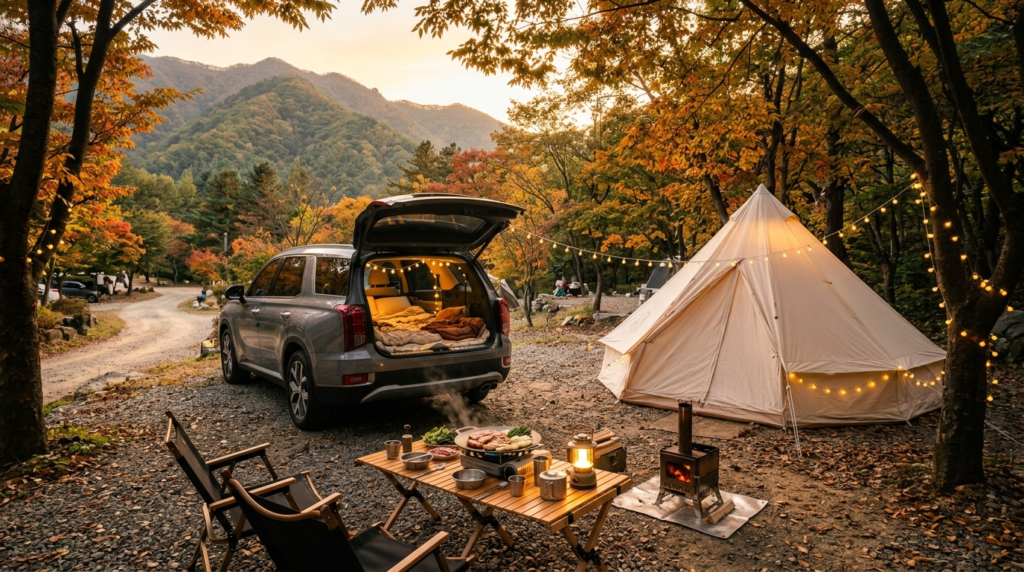
One of the biggest shifts in Korean outdoor culture is the rise of chabak (차박), a term combining cha (car) and bak (stay). It essentially means converting your SUV or van into a mobile bedroom for the night. This trend has become so mainstream that SUVs now make up over 70 percent of Korean car sales, with the chabak lifestyle cited as one of the driving factors. If you’re renting a vehicle or have access to an SUV during your stay, chabak-compatible gear — trunk mattresses, window shades, portable power stations — is worth considering alongside traditional tent gear.
Glamping vs. Traditional Camping vs. Backpacking
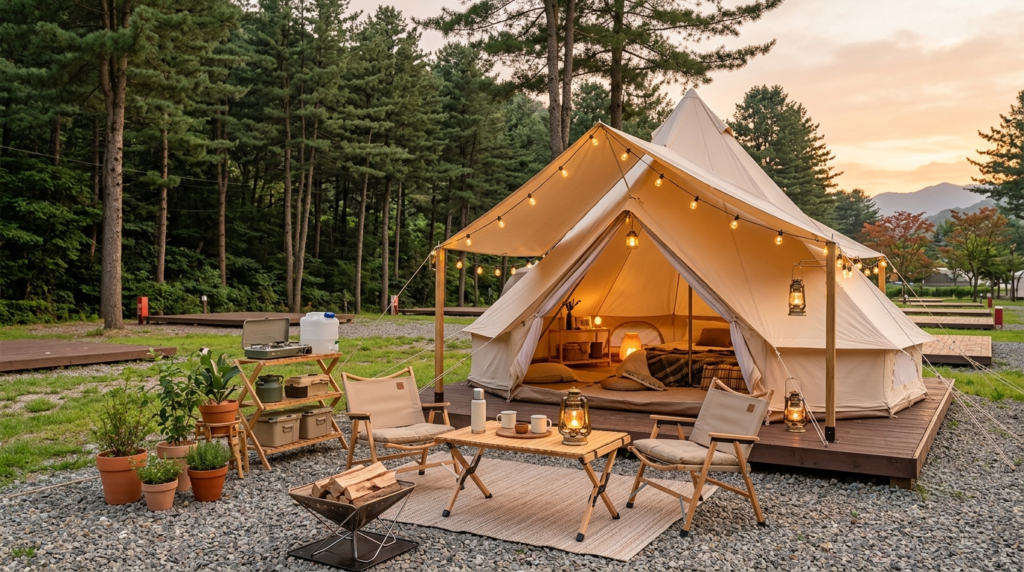
Korean camping style also differs noticeably from neighboring camping cultures. Where minimalist, small-tent setups are more the norm elsewhere in the region, Korean campers tend to favor a bigger, more glamping-oriented approach, with spacious tents designed as much for comfort and aesthetics as for function. This is part of why Instagram-worthy campsite setups — neatly arranged furniture, warm lighting, styled cookware — are such a visible part of Korean camping culture. If you’re buying gear here, don’t be surprised that even “budget” tents are designed with visual appeal in mind.
What Korean Campsites Actually Provide
Here’s a detail that surprises a lot of first-time campers: camping in Korea rarely means going off-grid. Most established campsites are designed for comfort and convenience rather than wilderness immersion, commonly offering flush toilets, shared kitchen sinks, and dedicated parking directly at your site. This matters for your gear list — you likely don’t need heavy-duty water filtration systems or bulky off-grid power setups for a standard weekend trip. Save your budget for gear that actually improves comfort, like a good sleeping pad or a proper stove, rather than survivalist equipment you won’t use.
Camping Gear in Korea by Season (The Core Buying Guide)
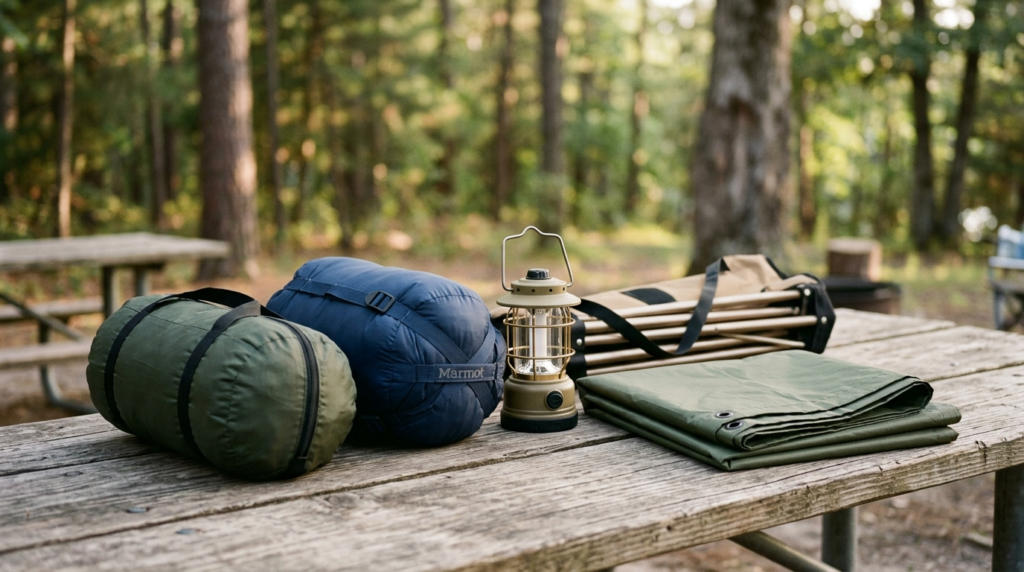
Korea’s four seasons are sharply defined, and your gear list should change significantly depending on when you’re heading out. Here’s a season-by-season breakdown.
Spring Camping Gear (March–May)
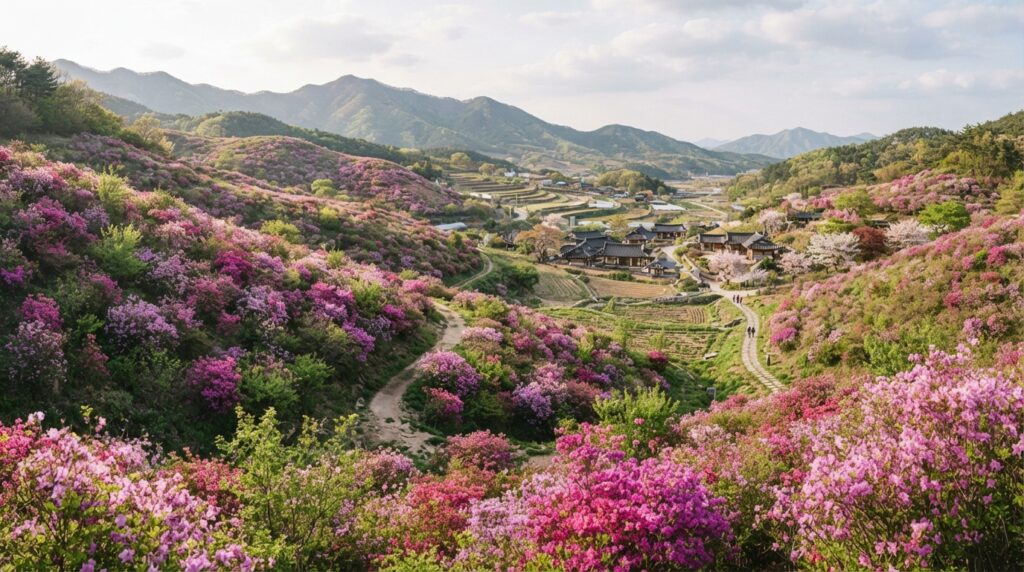
Spring is a favorite season for Korean campers, especially for scenic trips timed around cherry blossoms and azalea blooms. Days are mild, but nights can still dip cold, and spring is also when Korea’s fine dust and yellow dust (hwangsa) levels tend to spike.
What to pack:
- A 3-season sleeping bag rated for temperatures down to at least 0–5°C
- Layered clothing — a base layer, insulating mid-layer, and a windproof/waterproof shell
- A compact rain fly or tarp, since spring showers are common
- A dust mask or KF94-rated mask for high pollution days
- A lightweight, well-ventilated tent that still blocks wind
Summer Camping Gear (June–August)
Summer in Korea means heat, humidity, and monsoon season — typically arriving in July. This is the season where the wrong gear choice can genuinely ruin a trip.
What to pack:
- A tent with strong mesh ventilation and a reliable rainfly (look for a high hydrostatic head rating)
- A portable battery-powered fan — a genuinely essential item for Korean summer camping, with rechargeable circulator fans being a common sight at nearly every campsite
- Bug protection: citronella coils, a mesh tent inner, or a portable electric repellent
- A cooling mat or gel pad for sleeping
- Quick-dry towels and moisture-wicking clothing
- A reliable dry bag for electronics, given the monsoon risk
Autumn Camping Gear (September–November)
Autumn is widely considered the best season for camping in Korea. Humidity drops, temperatures are comfortable, and the fall foliage across Gangwon-do and other mountainous regions makes for some of the best campsite views of the year.
What to pack:
- A medium-weight sleeping bag (comfort rating around 5–10°C)
- A light jacket or fleece for cooler evenings
- Standard 3-season tent — no need for heavy winter gear yet
- This is also the ideal season to invest in furniture upgrades (comfortable chairs, a proper table) since weather conditions are the most forgiving
Winter Camping Gear (December–February)
Winter camping has a dedicated, growing following in Korea, but it demands serious gear. Temperatures can drop well below freezing, especially in mountain regions like Gangwon-do.
What to pack:
- A genuine four-season tent — worth noting that true four-season models can be harder to find domestically compared to 3-season options, so it’s worth checking specs carefully or ordering in advance
- A sleeping bag rated for sub-zero temperatures, ideally down-filled
- An insulated sleeping pad with a high R-value
- A portable, well-ventilated heater (always paired with a carbon monoxide detector — non-negotiable for safety)
- Insulated boots, thermal layers, and hand warmers
- A cot to keep you off the cold ground
Essential Camping Gear Checklist (Category by Category)
Beyond seasonal adjustments, every camper in Korea needs a core set of gear categories covered. Here’s the full breakdown.
Shelter — Tents and Tarps
Your tent is the single most important piece of camping gear you’ll buy, and Korea’s market has options across every style: pop-up tents for casual weekend trips, tunnel tents for family glamping setups, and technical backpacking tents for solo or lightweight travel. When comparing tents, weigh packed weight against packed size — a typical two-person tent in the Korean market weighs somewhere between 2.5–4 kg and packs down to roughly 50 cm in length. A smaller pack size isn’t automatically better if it sacrifices interior space or durability, so balance compactness against comfort based on how you’ll actually be traveling.
Sleep System — Sleeping Bags, Pads, and Cots
Don’t underestimate this category. A poor night’s sleep from an underrated sleeping bag or a thin pad can undo an otherwise great trip. Match your sleeping bag’s comfort rating to the season (see the breakdown above), and consider a cot for winter trips specifically, since it lifts you off cold ground and significantly improves insulation.
Cooking Gear — Stoves, Griddles, and Cookware
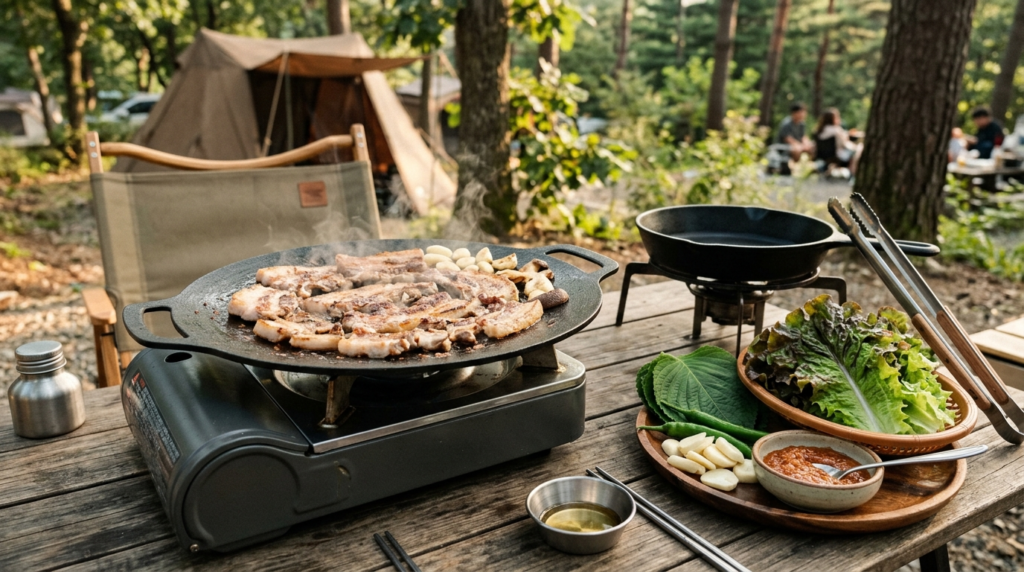
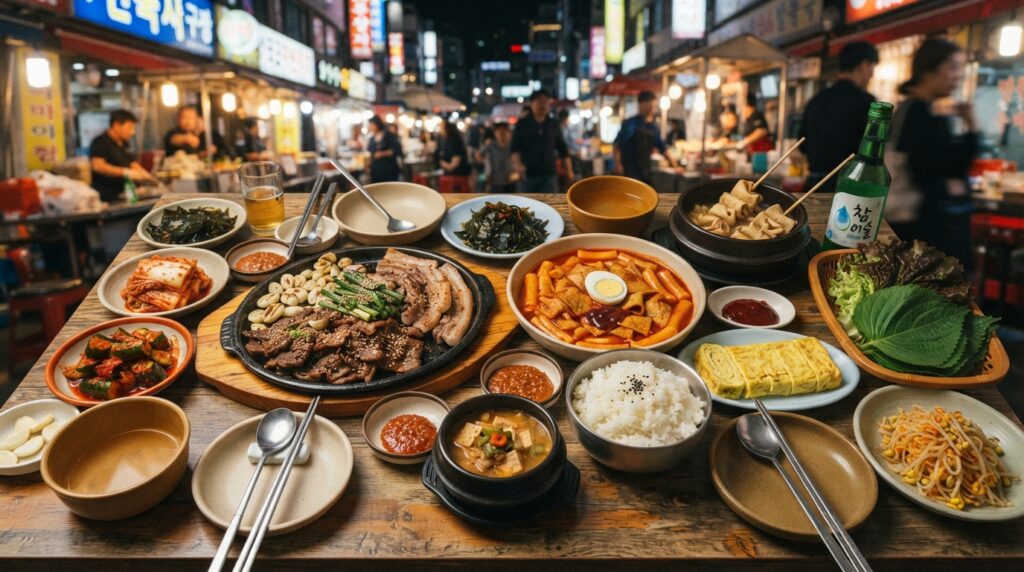
Food is central to Korean camping culture — arguably more central than it is in many other camping traditions. The classic camp menu starts with samgyeopsal (thick-cut pork belly) grilled on a portable burner and wrapped in lettuce with garlic and ssamjang, alongside bulgogi on cast iron pans and a bubbling pot of ramyeon to finish the night. Reflecting this food culture, Korean campers commonly favor round griddles for grilling, rather than the charcoal grill setups more common in neighboring camping cultures. If you want an authentic Korean camping experience, prioritize:
- A portable gas stove (Kovea is the standard choice here)
- A round griddle or Korean-style BBQ plate
- A compact induction burner if you’re glamping with access to power
- Basic cast iron cookware for durability and even heat
Furniture — Chairs, Tables, and Storage
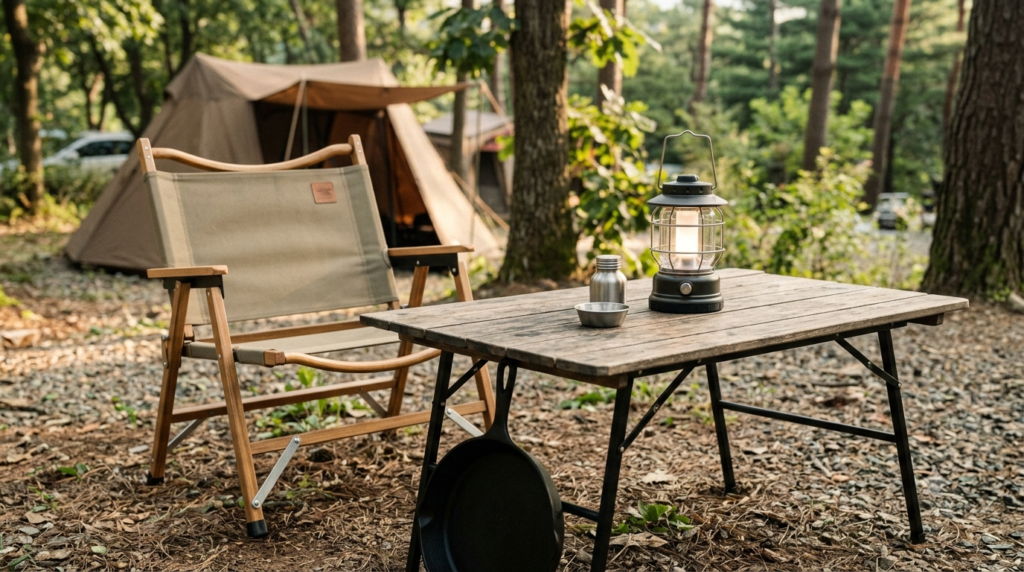
Korean campsite setups are known for looking good, and furniture is a big part of that. Lightweight, foldable chairs and tables that pack down small but still feel sturdy are the standard — this is actually a category Korean and Korean-adjacent brands have built entire reputations around, prioritizing designs that double as functional decor at the campsite.
Lighting and Power
LED lanterns, headlamps, and string lights are all standard. If you’re car camping (chabak-style) or glamping with induction cooking, a portable power station is worth the investment.
Extras Korean Campers Swear By
A few smaller items show up again and again at Korean campsites and are worth adding to your list:
- A rechargeable circulator fan for summer comfort
- LED gear hooks and interior tent pockets for organization
- A wireless folding torch for lighting fires or barbecues
- A durable, hand-forged tent stake for securing larger tents and tarps in firm ground
Top Camping Gear Brands in Korea (Where the Locals Actually Shop)
Korea has quietly become one of the most interesting outdoor gear markets in the world, producing several brands with genuine international followings. Here’s what’s actually worth knowing.
Premium, Design-Forward Brands
Helinox — Founded in Seoul in 2009, Helinox redefined the camp furniture market with a design-first approach to lightweight, packable chairs, tables, and cots, and has become a cult favorite among campers well beyond Korea.
Snow Peak Korea — The Korean branch of the legendary brand dominates the premium tent and cookware space, known for durability and refined design.
Trusted Korean Originals
Kovea — Established in 1982 and headquartered in Seoul, Kovea is the go-to name for portable stoves, lanterns, and headlamps, valued for being lightweight, durable, and user-friendly.
Black Yak — Founded in 1973, this Seoul-based brand has built a reputation for gear engineered to withstand harsh outdoor conditions, spanning tents, apparel, and mountaineering equipment.
Kolon Sport — A classic Korean outdoor brand established in 1973, well-regarded across hiking, trail running, and backpacking gear categories.
Budget-Friendly Options
Coleman Korea — A reliable, budget-friendly entry point for first-time campers, widely stocked at retail chains like E-Mart Traders.
Nepa — Founded in 2010 with a specific mission to offer affordable yet premium-quality camping gear, including a well-regarded line of tents, sleeping bags, backpacks, and stoves.
Where to Buy Camping Gear in Korea
Physical Stores and Specialty Shops
Korea has a strong network of dedicated camping retailers. Larger general stores are good starting points for standard family or car-camping gear, while more specialized shops cater to backpackers and technical campers looking for lightweight, high-performance equipment with a wider selection of international and local brands. If you’re after something specific — like a proper two-person backpacking tent — it’s worth visiting a store known for technical gear rather than a general outdoor retailer.
Online and Retail Chains
E-Mart Traders is one of the most accessible starting points for budget and mid-range gear, and most major brands maintain their own official online stores with full catalogs. Buying online also gives you time to compare specs rather than making a rushed in-person decision.
Tips for Foreigners and Expats Buying Gear in Korea
- Language barriers: Product descriptions and sizing info aren’t always available in English, so cross-check specs online before purchasing in person.
- Membership discounts: Some specialty stores offer meaningful discounts (reportedly ranging from 10% to 50%) for members, often requiring only a name and phone number to sign up.
- Luggage weight limits: If you’re shopping ahead of a flight home, it’s easy to underestimate how much camping gear weighs — keep an eye on your luggage allowance if you’re planning to stock up.
- Returns: Confirm return policies before buying, especially for higher-ticket items or anything ordered from overseas sellers.
Budget Breakdown — What to Expect to Pay
Camping gear prices in Korea span a wide range depending on brand origin and build quality:
- Budget tier ($30–$80): Entry-level pop-up tents, typically with fiberglass poles and lower waterproofing ratings — fine for occasional, fair-weather use.
- Mid-range ($80–$180): Aluminum-framed tents with better fabrics and improved ventilation — generally the best value for regular campers.
- Premium ($180–$400+): Designer collaborations and advanced materials, often targeted at enthusiasts and social-media-driven buyers who prioritize aesthetics alongside performance.
Domestic Korean brands often command higher prices due to brand reputation and distribution costs, so it’s worth comparing actual specifications rather than relying on visuals or brand name alone — especially with the rise of cheaper “Korean-style” replicas that don’t always match the quality of the originals.
Expert Buying Tips — What to Check Before You Purchase

Whether you’re buying your first tent or upgrading your setup, a few quality checks can save you from a disappointing purchase:
- Zippers: YKK zippers are widely regarded as a reliable quality signal.
- Seams and stitching: Look for double-stitched seams and reinforced stress points, particularly around corners and guy-line attachments.
- Waterproofing: Check for a clearly listed hydrostatic head (HH) rating — the absence of one is a red flag.
- Safety certification: Confirm fire-retardant labeling, especially for tents you’ll be cooking near.
- Red flags to avoid: No weight specification, missing HH rating, blurry product photos only, or no visible safety certification at all.
Real Camper Insight — Lessons from the Trail
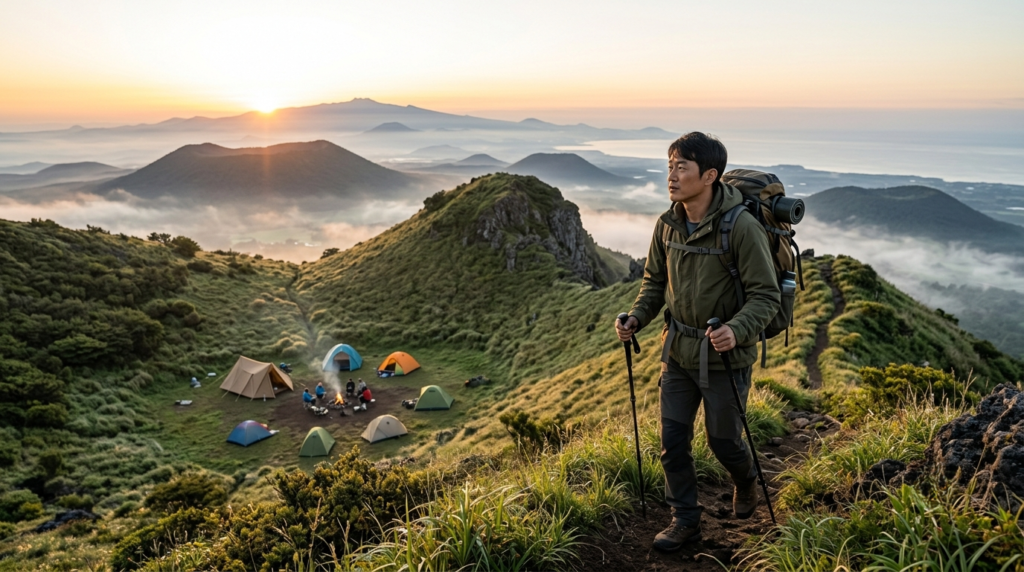
Camping in Korea often looks different from what international visitors expect. One camper’s account of a multi-day trip on Jeju Island captures this well: after flying in and packing gear for a coastal and mountain camping trip, the camper noted that Korean campsites weren’t about disappearing into the wilderness — they were about relaxing in nature while still having easy access to essentials like flush toilets and kitchen sinks. The trip included a stop at Bul Geun Oreum, one of Jeju’s volcanic cones, and ended at Hyeopjae Beach, known for camping directly among palm trees near the shore.
The takeaway for gear planning: you don’t need to over-prepare for isolation. Focus your budget and pack space on comfort and food-related gear, since that’s where Korean camping culture puts its emphasis.
Frequently Asked Questions
What camping gear is essential for first-time campers in Korea?
A reliable 3-season tent, a sleeping bag matched to the season, a portable stove, and basic lighting cover most first trips. Since most Korean campsites have facilities like toilets and kitchen sinks, you don’t need heavy survivalist gear.
Is it cheaper to buy camping gear in Korea or bring it from home?
It depends on the item. Budget and mid-range gear (tents, stoves, basic furniture) is often reasonably priced locally and avoids luggage weight issues, while highly specialized technical gear may be easier to source from home if you already own it.
What is chabak, and do I need special gear for car camping?
Chabak (차박) is Korea’s car camping trend, where an SUV or van is converted into a sleeping space. If you’re trying it, look into trunk mattresses, window shades, and a portable power source rather than a traditional tent.
Can I rent camping gear in Korea instead of buying?
Yes — rental options exist at many campsites and through specialty outdoor stores, which is a practical choice for short trips or first-time campers who aren’t ready to invest in gear yet.
What’s the best season to go camping in Korea?
Autumn (September–November) is widely considered ideal, with comfortable temperatures, lower humidity, and standout fall foliage in regions like Gangwon-do.
Are Korean tents suitable for winter camping?
Some are, but true four-season models can be less common domestically compared to 3-season tents. Check specifications carefully, or order in advance if you’re planning a winter trip.
Conclusion — Building Your Korea-Ready Camping Kit
Getting the right camping gear in Korea isn’t about copying a generic packing list — it’s about understanding how Korean camping actually works and matching your gear to it. Start with the culture: expect well-equipped campsites, a strong food-focused camping tradition, and a market shaped by trends like chabak and glamping-style comfort. Then build your kit season by season, lean on trusted Korean brands like Kovea, Black Yak, and Helinox where it counts, and know where to shop whether you’re after budget basics or premium gear.
With the right preparation, you’ll be ready for everything from a spring cherry-blossom weekend to a full winter camp in the mountains of Gangwon-do — comfortably, and like someone who actually knows the terrain.