Landed in Seoul wearing a light cardigan, only to find yourself shivering through a surprise April cold snap? Or worse — packed for “mild Asian weather” and ended up drenched in July’s monsoon humidity with nothing but cotton t-shirts? You’re not alone. South Korea’s four dramatically different seasons catch even seasoned travelers off guard, turning what should be an unforgettable trip into a scramble for emergency layers or last-minute Olive Young runs. This South Korea packing list isn’t another generic checklist copied from a template.
It’s a season-by-season, expert-level guide built around what actually trips people up when visiting Korea — from its notoriously dry air and 220V electrical outlets to the shoe-removal etiquette at temples and the surprising limitations of Google Maps once you land. Whether you’re chasing cherry blossoms in Seoul, hiking in autumn foliage, or braving a Busan winter, this guide will make sure your suitcase works as hard as your itinerary does.
Let’s make sure you never have to buy an emergency coat at a convenience store again.
Why Packing for South Korea Is Different (And Trickier Than You Think)
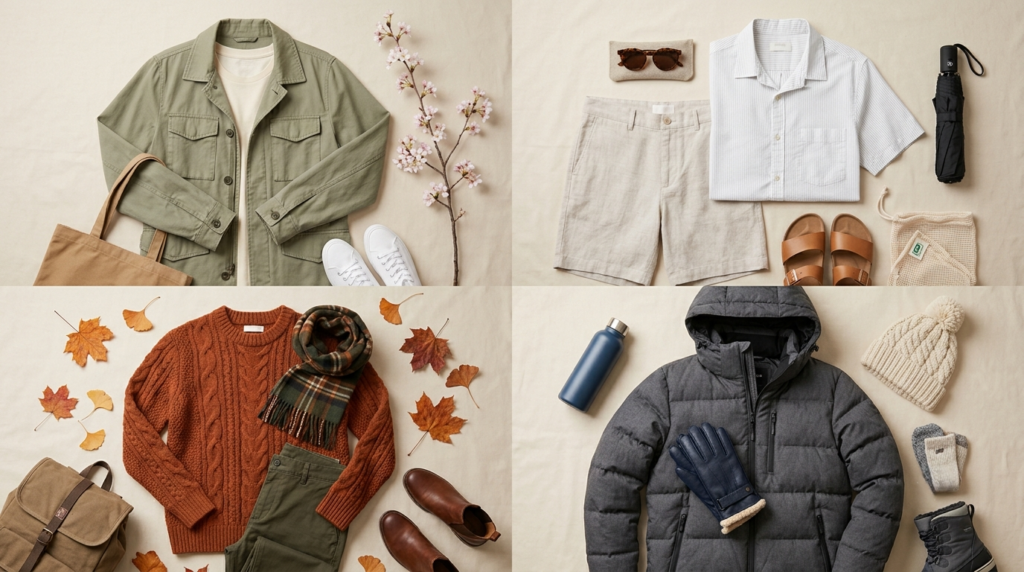
South Korea looks compact on a map, but its climate behaves like a country twice its size. Understanding why packing here requires more strategy than a typical beach or city-break trip will save you from the most common rookie mistakes.
Four Distinct Seasons, Four Different Suitcases
Unlike tropical Southeast Asian destinations where a single warm-weather wardrobe works year-round, South Korea experiences four fully realized seasons — and they’re not subtle. Winters bring genuine cold and occasional snow, summers bring intense heat and humidity, while spring and autumn swing between chilly mornings and warm afternoons. A packing list that works for a June trip will actively fail you in December, and vice versa.
The “Feels Like” Factor — Humidity in Summer, Dry Cold in Winter
Raw temperature numbers only tell half the story. Summer humidity in Korea makes the air feel notably hotter than the thermometer suggests, while winter’s dry cold — paired with biting winds — can feel harsher than the actual temperature implies. This is why layering strategy matters more here than packing for “average” conditions.
Common First-Timer Mistakes
The most frequent packing errors travelers make in Korea include:
- Overpacking toiletries and skincare — Korea is a global skincare capital, and most personal care items are easy (and often cheaper) to buy locally
- Bringing the wrong shoes — hard-soled or brand-new shoes lead to blisters on Korea’s walking-heavy itineraries, and slip-on styles matter more here due to frequent shoe removal
- Forgetting a travel adapter — Korea’s electrical system trips up travelers from adapter-incompatible regions
- Assuming Google Maps will work — it doesn’t, at least not reliably for walking or transit directions
Universal Travel Essentials for South Korea (Pack These No Matter the Season)
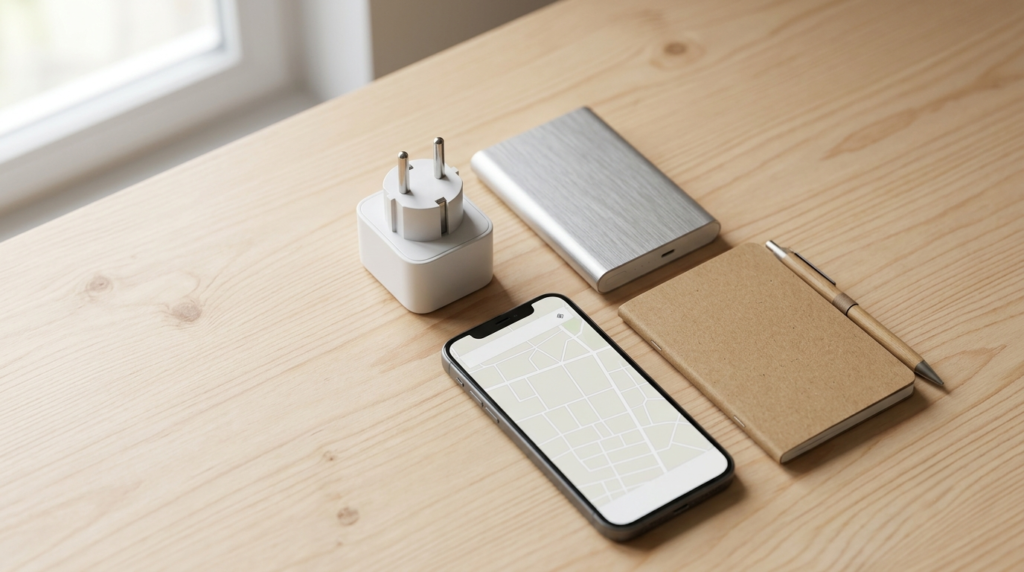
Before diving into seasonal specifics, these items belong in every suitcase heading to Korea, regardless of when you’re traveling.
Documents & Entry Requirements
Your passport must have sufficient validity remaining from your date of entry, along with blank visa pages — specific requirements vary by nationality, so verify yours against Korea Immigration Service guidance before departure. Most visa-exempt travelers will also need a K-ETA (Korea Electronic Travel Authorization), a low-cost electronic pre-approval that typically processes within a few days and remains valid for an extended period once approved. Because entry rules can shift based on nationality and travel purpose, it’s worth double-checking the latest requirements shortly before your trip rather than relying on outdated information.
Tech & Connectivity Must-Haves
South Korea runs on a 220V electrical system with Type C and Type F plugs — round two-pin outlets that differ from what many travelers use at home. A universal travel adapter is non-negotiable, and if you’re bringing multiple devices, a multi-port adapter or plug splitter will save you from hotel-outlet shortages.
A portable power bank is equally essential; Korea’s cities reward heavy phone use for navigation, translation, and transit, so batteries drain fast. One important logistics note: power banks must be packed in carry-on luggage, not checked bags, per aviation safety rules.
For connectivity, consider an eSIM or pocket Wi-Fi device booked before arrival. And here’s a detail that surprises many first-timers: Google Maps has limited functionality in South Korea due to local data regulations, particularly for walking and transit directions. Download Naver Maps instead — Korea’s homegrown equivalent — and switch the language to English before you land. It handles subway exits, real-time transit arrivals, and walking routes far more reliably.
Money & Payment Prep
Korea operates on the South Korean won (KRW). While credit cards are widely accepted in cities, carrying some cash is smart for smaller vendors, markets, and rural areas. If you’re bringing a large sum of cash or equivalent negotiable instruments, be aware that amounts exceeding a certain threshold must be officially declared at customs — undeclared excess funds can be detained or penalized.
Health & Personal Care Basics
Pack sufficient prescription medication along with official documentation or a generic drug name list, since customs officials may require proof of legitimate medical need. A small first-aid kit with basics like band-aids, pain relievers, and motion sickness or indigestion remedies is worth the suitcase space. Because Korea’s air is dry year-round — especially in autumn and winter — high-SPF sunscreen, moisturizer, and lip balm are practical daily essentials rather than optional extras.
Footwear for All-Day Walking
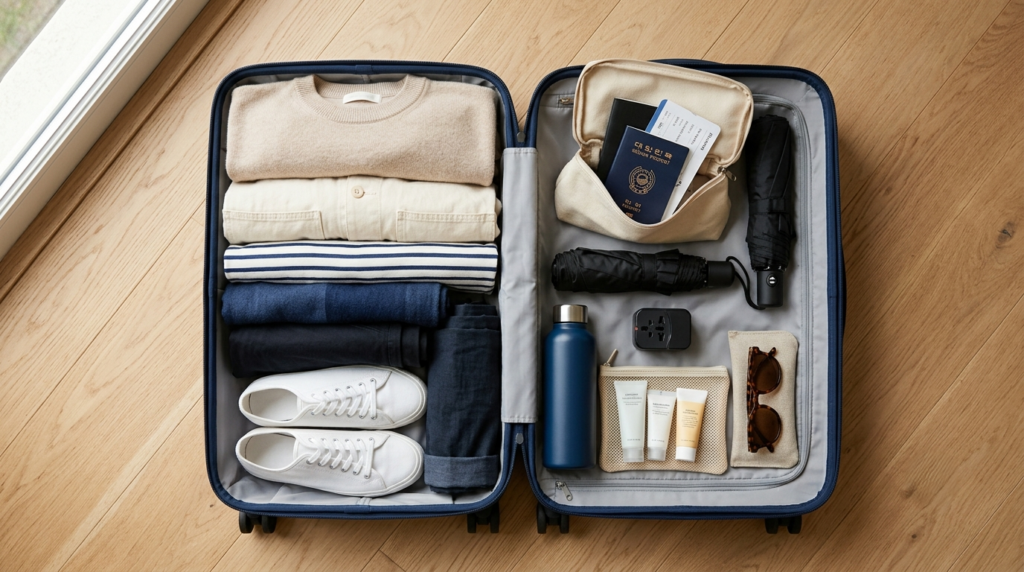
Korean travel itineraries are walking-intensive, whether you’re navigating Seoul’s sprawling subway system or exploring palace grounds. Comfortable, broken-in sneakers are essential across all seasons. Because you’ll frequently be asked to remove your shoes — entering homes, temples, traditional restaurants, and some accommodations — easy slip-on or quick-lace styles are genuinely more practical than shoes with complicated closures.
South Korea Packing List by Season
Now let’s get specific. Here’s exactly what to pack depending on when you’re visiting — because “pack layers” isn’t advice, it’s a placeholder for advice.
Spring (March–May): Cherry Blossoms and Layering
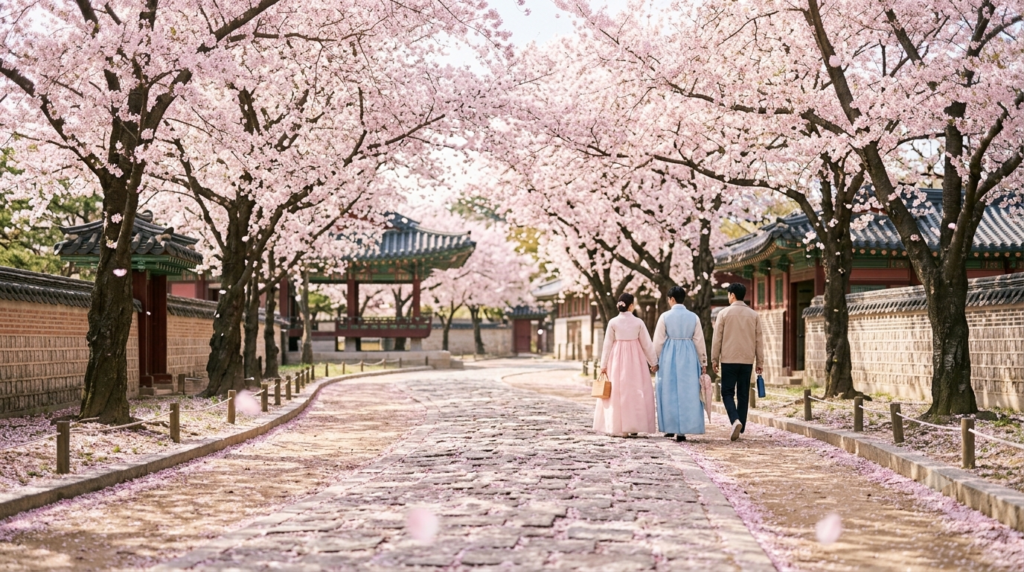
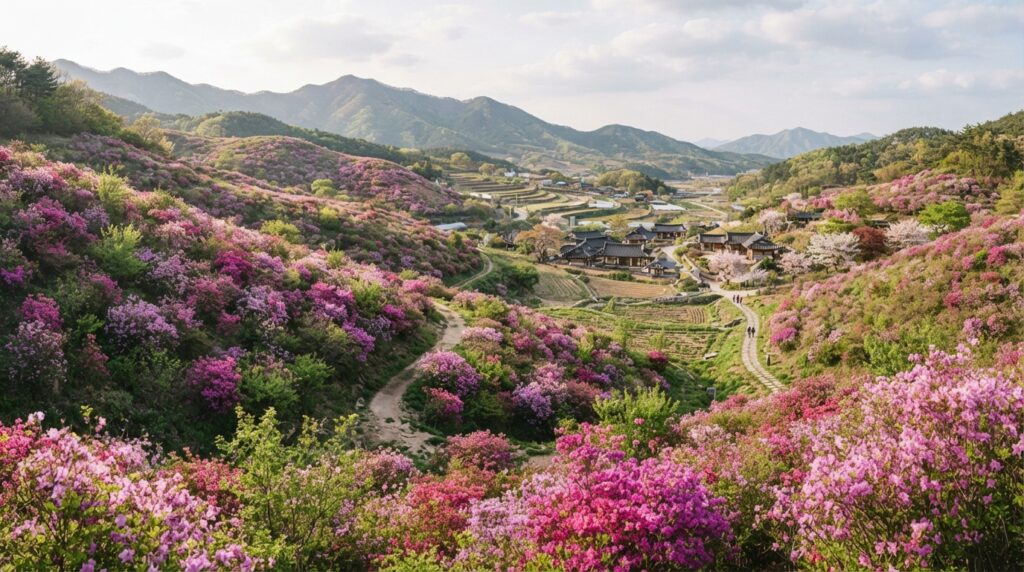
Spring is one of Korea’s most popular travel seasons, drawing crowds for cherry blossom season, but the weather is more unpredictable than the dreamy photos suggest. Early spring mornings can hover near freezing, while afternoons warm considerably as the season progresses — meaning a single outfit rarely works all day.
Pack:
- Light jacket or denim jacket for cool mornings and evenings
- Layerable long-sleeve shirts and sweaters
- Comfortable pants (temperatures can still dip unexpectedly in early March)
- A scarf or light wrap — useful both for warmth and for covering shoulders at temples
- Allergy medication if you’re sensitive to pollen, since blossom season brings heavy pollen counts
Pro tip: Don’t assume “spring” means light jacket weather. Early March can feel closer to winter, while late April can feel like summer. Check a short-range forecast before finalizing your suitcase.
Summer (June–August): Heat, Humidity, and Monsoon Season
Summer in Korea is hot, sticky, and — during a stretch of the season — genuinely rainy. Mid-June through late July typically brings the monsoon period, layering humidity on top of already high temperatures. This combination makes summer feel more intense than the raw numbers suggest.
Pack:
- Lightweight, breathable clothing (linen and moisture-wicking fabrics perform best)
- Shorts, t-shirts, and sundresses
- A compact umbrella or lightweight rain jacket — monsoon showers can appear with little warning
- A hat and sunglasses for sun protection
- A light layer or cardigan for heavily air-conditioned indoor spaces (Korean malls, subways, and restaurants run cold)
- Sandals or breathable shoes, plus a backup pair for rainy days
Pro tip: Air conditioning indoors is often set aggressively cold, creating a jarring contrast with outdoor humidity. A packable light layer solves this without sacrificing suitcase space.
Autumn (September–November): Korea’s Most Popular Travel Season
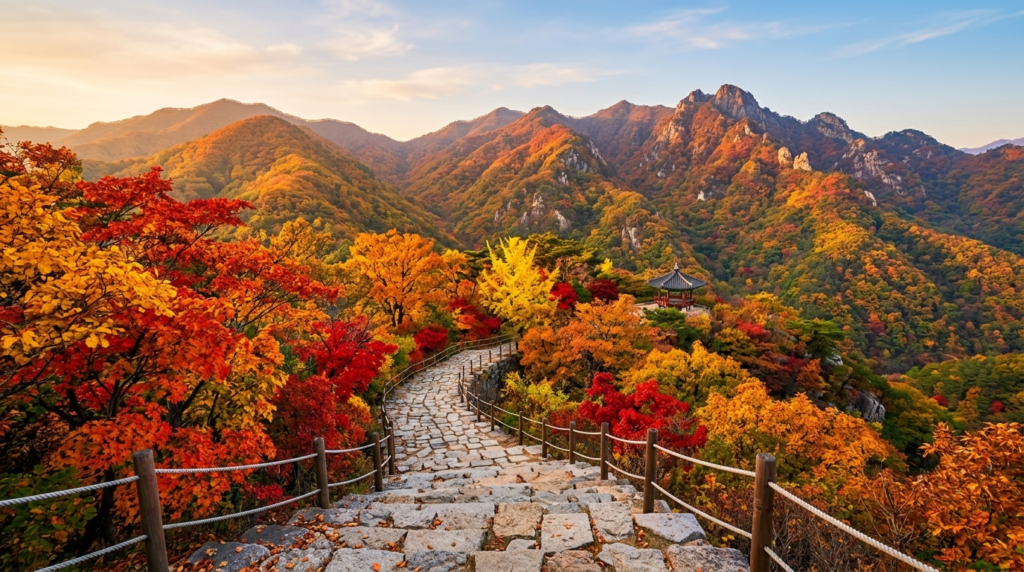
Many travel experts consider autumn the best time to visit South Korea, and for good reason — temperatures moderate, humidity drops, and the country’s mountains and parks turn vivid shades of red and orange. Mornings and evenings turn crisp, especially as November approaches, while afternoons often stay comfortably mild.
Pack:
- Light-to-medium jacket for layering
- Sweaters and long-sleeve tops
- Comfortable walking shoes (this is peak hiking and foliage-viewing season)
- A scarf for cooler evenings, particularly in late autumn
- Light gloves if traveling in November, when temperatures start dropping toward winter norms
Pro tip: Autumn’s popularity means major foliage spots and palaces get crowded. Pack a compact day bag and comfortable shoes, since you’ll likely be on your feet longer navigating crowds.
Winter (December–February): Cold, Dry, and Sometimes Snowy

Winter in Korea is a season of extremes — dry, biting cold with genuine snowfall potential, particularly from December through February. Coastal and northern regions can feel especially harsh, and wind chill often makes temperatures feel colder than they read.
Pack:
- A padded or insulated coat — ideally one with a hood for snow and wind protection
- Thermal base layers or fleece-lined leggings/tights
- Warm sweaters
- Touchscreen-compatible gloves (invaluable for using your phone without exposing bare hands to the cold)
- A scarf and beanie
- Waterproof, insulated boots for snow and slush
- Heavier moisturizer and lip balm — winter’s dry air is intense on skin
Pro tip: If you’re planning to visit ski resorts or mountainous regions, pack heavier gear than you would for city-only itineraries; temperatures in places like Pyeongchang or Gangwon Province run noticeably colder than Seoul.
What to Wear in South Korea (Cultural & Style Considerations)
Packing the right temperature-appropriate clothing is only half the equation — understanding Korea’s cultural norms around dress will help you feel confident rather than out of place.
Dress Norms for Women
Korean fashion tends to favor put-together, coordinated outfits over overly casual travel wear. Short skirts and pants are common and generally unremarkable, but low-cut tops or clothing that exposes a lot of shoulder can read as more provocative than intended, especially outside major cosmopolitan areas.
Dress Norms for Men
Business-casual and structured outfits are the norm in professional settings, and many Korean men dress relatively formally even in warm weather. For travelers, this doesn’t mean suits are required — but leaning slightly more put-together than ultra-casual beachwear will help you blend in.
Temple, Palace, and Traditional Site Etiquette
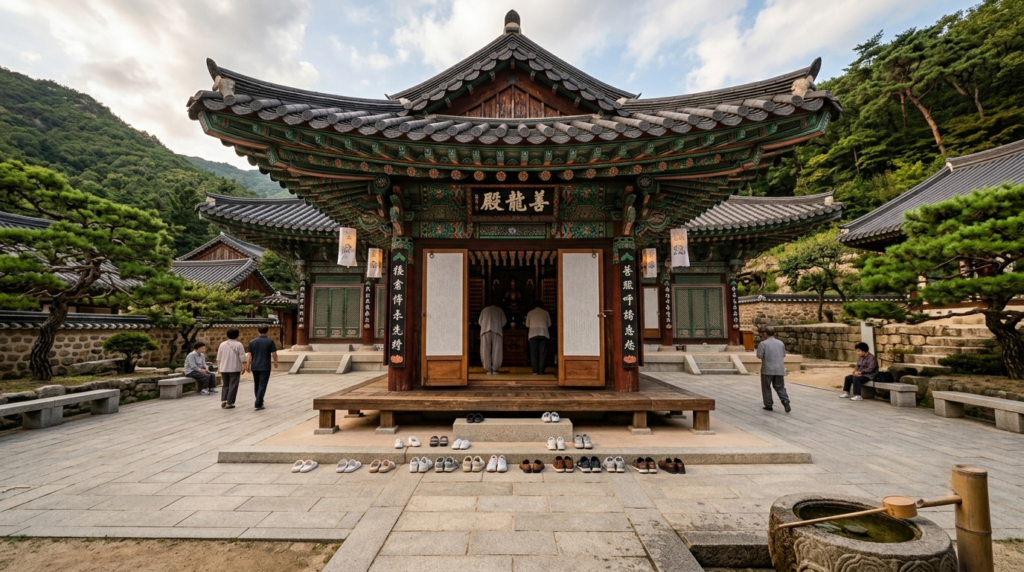
When visiting temples, palaces, or other culturally significant sites, dress more conservatively than you might elsewhere — covering shoulders and knees is a safe default. A lightweight scarf or wrap is a smart multi-purpose item for exactly this situation. Many of these sites also require shoe removal, reinforcing why easy-to-remove footwear matters throughout your trip.
Fashion-Forward Seoul — Blending In Without Overpacking
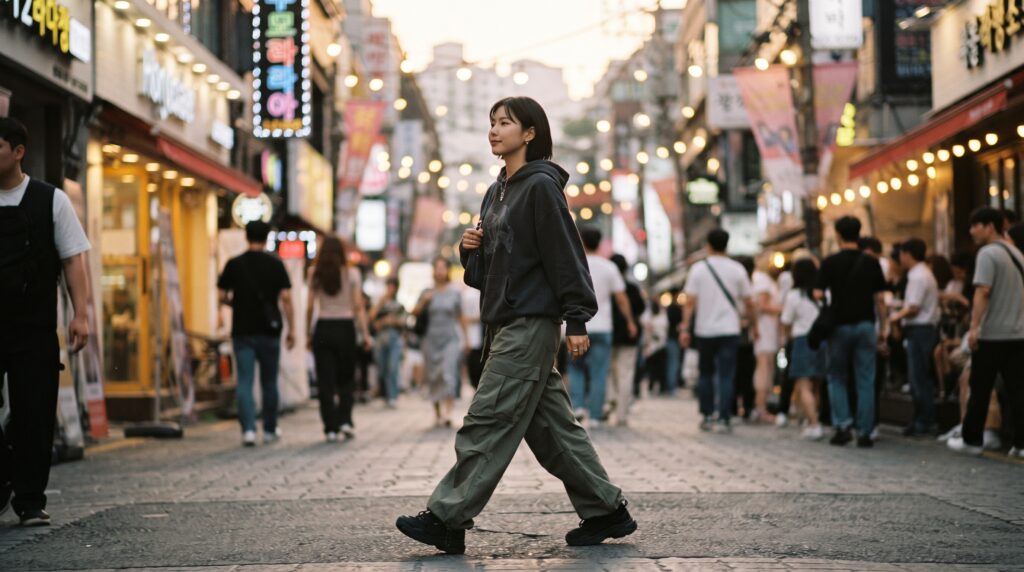
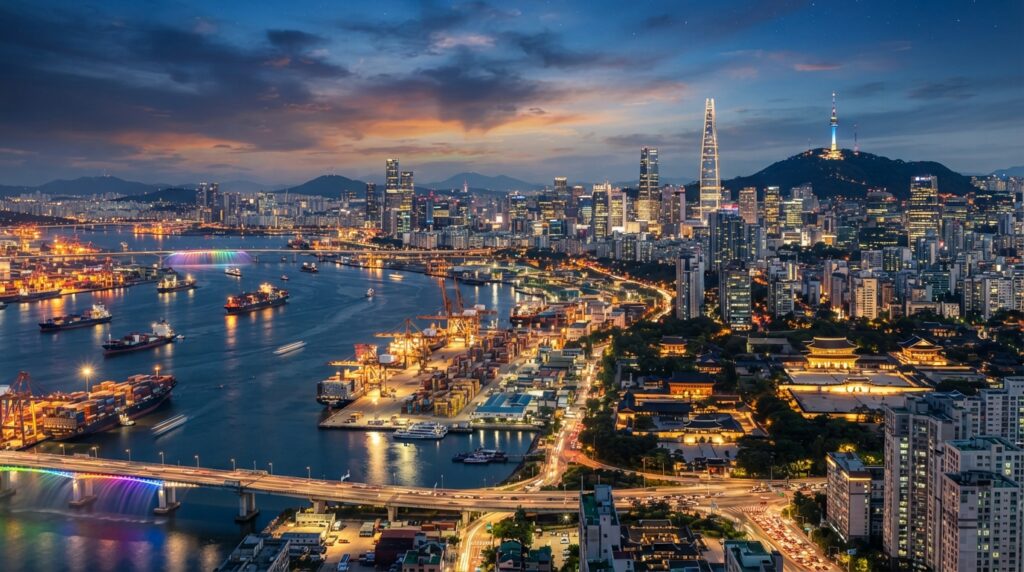
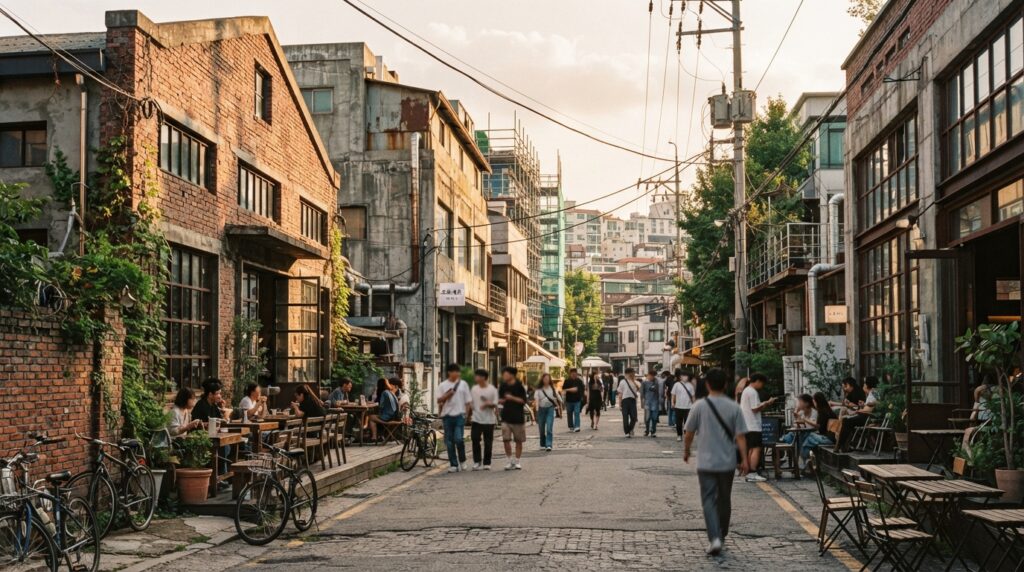
Seoul in particular has a reputation as a fashion-forward city, but you don’t need to overhaul your wardrobe to fit in. A few versatile, neutral-toned pieces that mix and match will serve you better than an oversized suitcase of single-use outfits.
Items You’ll Forget (But Really Need)
These aren’t headline items, but travelers consistently mention wishing they’d packed them:
- Anti-theft neck wallet or crossbody bag — pickpocketing is the most common tourist-targeted issue in Korea, so keeping your passport, cards, and cash secure and out of sight is worth the small effort
- Compact umbrella — useful across nearly every season, whether for summer monsoons or unexpected spring showers
- Reusable water bottle — practical and easy to refill throughout the day
- Tissues and hand sanitizer — some public restrooms don’t stock toilet paper, a detail that catches first-time visitors off guard
- Small day bag or crossbody — for carrying daily essentials like your phone, wallet, sunscreen, and umbrella without hauling a full bag
- A lightweight laundry bag — handy for separating worn clothes, especially since laundry facilities are widely accessible throughout Korea
What NOT to Pack for South Korea
Just as important as what to bring is what to leave behind:
- Large towels — many Korean accommodations provide smaller towels than travelers from other regions expect; pack your own only if this matters to you
- A full skincare and toiletry arsenal — Korea is one of the world’s leading skincare markets, with retailers like Olive Young on nearly every corner; packing light here and shopping locally often makes more sense
- Heavy guidebooks — digital resources and apps like Naver Maps and Papago cover most needs more efficiently
- Brand-new or hard-soled shoes — these are a fast track to blisters on Korea’s walking-heavy itineraries
- Excess cash beyond declared limits — know the customs threshold before you pack a large amount of cash
Packing Tips for a Smoother Trip

Packing Light with a Carry-On Strategy
Korea’s subway platforms, stairs, and cobblestone streets make oversized luggage a genuine hassle. A carry-on-sized suitcase paired with a daypack is often more manageable than a large checked bag, particularly if your itinerary includes multiple cities.
Laundry Access to Reduce Clothing Volume
Self-service laundromats are widespread, affordable, and often open around the clock in Korean cities. This makes packing fewer clothing items a realistic strategy rather than a compromise — you can simply do a load partway through a longer trip.
Leaving Suitcase Space for Souvenirs and Skincare Hauls
Korea is a shopping destination in its own right, from K-beauty products to unique handicrafts and snacks. Packing light on the way in — particularly on toiletries and clothing you can easily replace — leaves practical room for what you’ll want to bring home.
Frequently Asked Questions
What voltage does South Korea use, and do I need an adapter?
South Korea uses a 220V electrical system with Type C and Type F plugs (round two-pin outlets). Travelers from countries using different voltage or plug types will need a universal travel adapter; these are also easy to find locally at stores like Daiso if you forget one.
Does Google Maps work in South Korea?
Not reliably. Local data regulations limit Google Maps’ navigation accuracy for walking and transit routes in Korea. Naver Maps is the recommended alternative and functions similarly to what most travelers expect from a modern maps app.
What should I pack for South Korea in each season?
Spring calls for light layers and a jacket for cool mornings; summer requires breathable fabrics and rain protection; autumn favors light-to-medium layers and walking shoes; winter demands insulated coats, thermal layers, and waterproof boots.
Can I buy toiletries and skincare once I arrive?
Yes, easily. South Korea has extensive skincare and beauty retail options, including stores found throughout most cities, making it practical to pack light on these items and shop locally instead.
What’s the biggest packing mistake first-time visitors make?
Underestimating how dramatically the seasons differ and packing for “average” weather instead of the specific season of travel — along with forgetting a compatible travel adapter and comfortable, easy-to-remove shoes.
Do I need a K-ETA to enter South Korea?
Most visa-exempt travelers need a valid K-ETA for short-term tourism entry. Requirements vary by nationality, so verify the latest rules through official Korea Immigration Service resources before departure.
Final Thoughts
Packing for South Korea isn’t about assembling a generic “Asia trip” wardrobe — it’s about respecting a country with four genuinely distinct seasons, a tech-forward but occasionally surprising infrastructure (looking at you, Google Maps), and cultural norms around dress and footwear that reward a little preparation. Use this South Korea packing list as your season-specific starting point, adjust based on your exact travel dates and regions, and you’ll spend far less time scrambling for last-minute purchases and far more time enjoying everything from Seoul’s palaces to Jeju’s coastline.
Bookmark this guide before you pack, and safe travels on your Korean adventure.