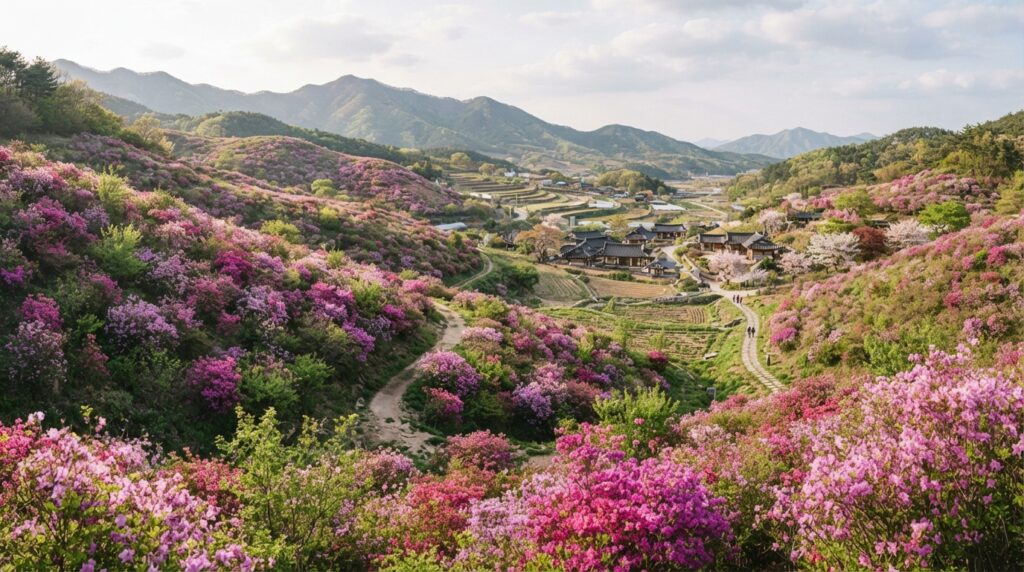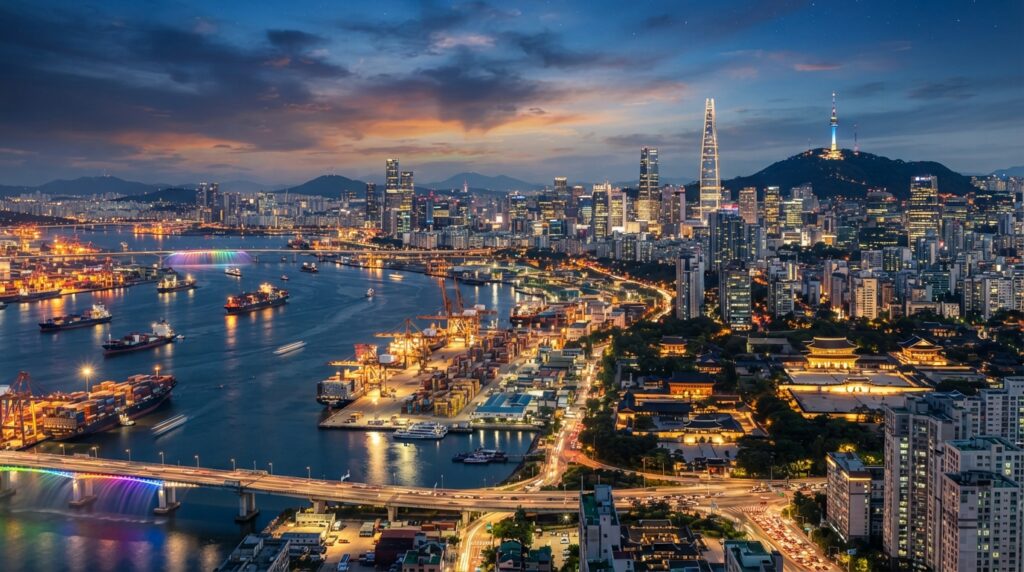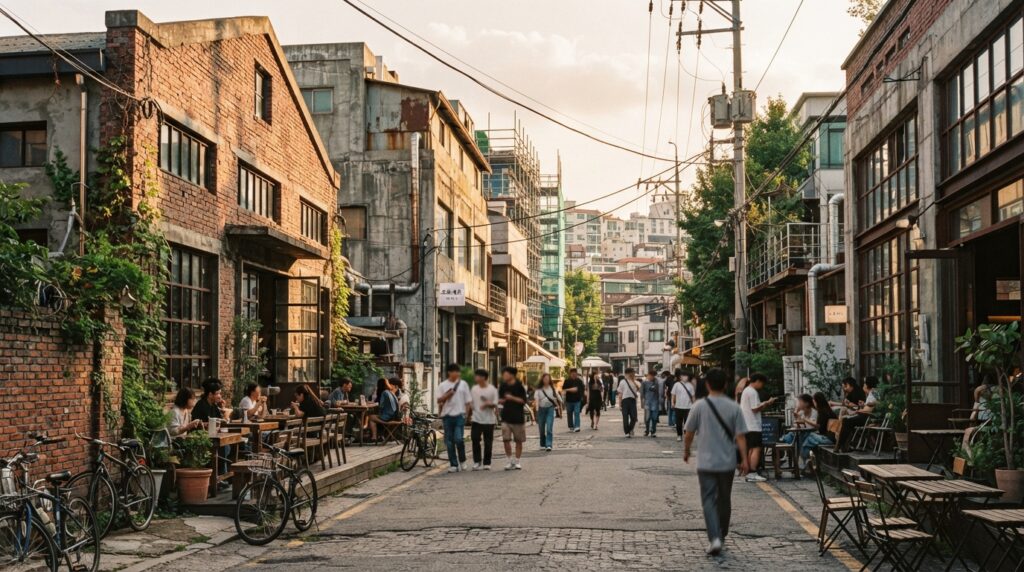

There’s a narrow window every year when South Korea seems to exhale. The frantic cherry blossom crowds of spring have thinned out, the sweltering peak of summer hasn’t arrived yet, and the whole country turns a deep, saturated green almost overnight. That window is June — and if you time it right, it might be the smartest month on the calendar to book a trip to South Korea. But here’s what most travel guides won’t tell you plainly: South Korea in June is really two different trips wearing one calendar.
The first half rewards you with some of the best weather of the entire year. The second half quietly shifts the rules, as humidity builds and the early monsoon season starts to test your itinerary. Visitors who don’t know this distinction often end up either disappointed by unexpected showers or needlessly cautious, skipping a month that’s genuinely one of Korea’s most rewarding.
This guide exists to close that gap. Drawing on current seasonal weather patterns, regional travel data, and on-the-ground festival calendars, we’ll walk through exactly what to expect, what to pack, where to go, and how to build a trip that works with June’s personality instead of fighting it. By the end, you’ll know precisely how to plan — whether you’re chasing palace gardens in Seoul, beach mornings in Busan, or misty mountain trails in Jirisan.
Is June a Good Time to Visit South Korea?
Yes — with one important caveat. June is widely considered one of the better shoulder-season months to visit South Korea, but the experience changes meaningfully depending on which half of the month you’re in.
Think of June as having two distinct personalities. The first two to three weeks behave like an extension of late spring: warm, mostly dry, and blessed with the longest daylight hours of the year. Then, typically somewhere between mid-and-late June, the jangma — Korea’s monsoon season — begins to roll in, starting in the south and gradually working its way north.
The Two Faces of June: Early vs. Late
Early June (roughly the 1st–15th): This is arguably the sweet spot of the entire month. Daytime temperatures are warm without being oppressive, humidity is still manageable, and skies are predominantly clear. It’s an excellent window for hiking, palace visits, beach mornings, and the kind of long outdoor exploring that becomes much less comfortable later in summer.
Late June (roughly the 16th–30th): As the month progresses, humidity climbs noticeably and the chance of afternoon showers increases — first in Jeju and the southern coast, then spreading north toward Seoul. This doesn’t mean your trip is ruined; it means your itinerary needs to get a little smarter, with indoor backup plans and a flexible morning-to-afternoon rhythm.
Travelers who understand this two-phase structure consistently report better experiences than those who treat “June” as one uniform block of weather.
South Korea Weather in June: What to Actually Expect

Numbers help here more than adjectives, so let’s get specific.
Temperatures by Region
- Seoul: Daytime highs typically range from about 18°C to 27°C (64°F to 81°F), with mornings and evenings noticeably cooler than midday.
- Busan and the southern coast: Slightly warmer and more humid than Seoul, often climbing into the high 20s°C (around 82°F+), tempered somewhat by ocean breezes.
- Jeju Island: The warmest of Korea’s major destinations in June, and also the first region to feel the monsoon’s arrival — Jeju’s rainy season tends to begin earlier than the mainland’s.
- Mountain regions (Seoraksan, Jirisan): Noticeably cooler than lowland cities, sometimes by several degrees, making national parks a refreshing escape once humidity builds elsewhere.
Understanding Jangma (the Monsoon Season)
Jangma is the Korean term for the country’s rainy season, and June marks its opening act. It’s worth understanding what jangma is not: it isn’t the relentless, all-day downpour many travelers picture. In June specifically, rain tends to arrive in shorter, more predictable bursts — frequently concentrated in the afternoon or evening — rather than soaking an entire day. The truly heavy, sustained rainfall that jangma is known for usually peaks later, in July.
This distinction matters enormously for trip planning. A traveler who assumes “monsoon season has started, so the trip is doomed” will plan far too conservatively. A traveler who understands that June rain is intermittent and often avoidable with smart scheduling will get far more out of the same days.
Daylight, Humidity, and UV
One underrated advantage of visiting in June: daylight. With sunrise around 5:10–5:15 AM and sunset close to 7:45–8:00 PM in much of the country, you’re working with some of the longest days of the year. That extra daylight is a genuine asset — it gives you room to front-load outdoor activities in the cooler morning hours and still have plenty of time left for evening exploring once the day’s heat and humidity have softened.
Humidity, on the other hand, is the trade-off. It builds steadily through the month, and by late June it can make even moderate temperatures feel stickier than the thermometer suggests. UV exposure is also strong during this period, given the long daylight hours — sun protection deserves real attention in your packing list, not an afterthought.
What to Pack for South Korea in June

Packing for June in South Korea is really an exercise in flexibility. You’re dressing for warm, sunny mornings that can give way to humid, occasionally wet afternoons — sometimes within the same day. The goal isn’t to overpack for every scenario, but to build a small set of adaptable pieces that handle both halves of the month.
Clothing Essentials
Lightweight, breathable fabrics are non-negotiable. Cotton and linen blends perform far better than synthetic materials once humidity climbs, since they allow your skin to breathe rather than trapping moisture. Pack mostly short sleeves and breathable trousers or skirts, but bring at least one light long-sleeve layer — useful for heavily air-conditioned interiors, which in Korea can run surprisingly cold even in summer.
A single smart-casual outfit is worth the suitcase space if your trip includes a nicer dinner, a palace hanbok rental, or an evening out in Seoul’s more polished neighborhoods. Beyond that, prioritize comfort over formality; June is not a month that rewards heavy or restrictive clothing.
Rain-Ready Gear
Given the second half of the month leans into jangma conditions, rain preparation deserves real thought rather than a last-minute umbrella grab.
- A compact, sturdy umbrella — sold everywhere in Korea, including convenience stores, but worth bringing one you trust rather than relying entirely on a last-minute purchase
- A light, packable rain jacket rather than a heavy raincoat — breathability matters as much as water resistance in humid conditions
- Quick-dry footwear — closed-toe shoes that won’t stay soaked all day if you’re caught in a shower
- A waterproof phone pouch or dry bag, especially useful for coastal day trips or hiking
Sun and Humidity Protection
With June’s long daylight hours come strong UV levels, particularly around midday. A high-SPF sunscreen, a wide-brim hat or cap, and sunglasses are all worth packing — and reapplying sunscreen matters more than most travelers expect, especially on beach days in Busan or Jeju.
Cooling towels or a small handheld fan can make a noticeable difference on humid afternoons, and they’re inexpensive enough to be worth the suitcase space.
Quick Packing Checklist
- Breathable short-sleeve tops and bottoms
- One light long-sleeve layer for AC interiors
- One smart-casual outfit
- Packable rain jacket
- Compact umbrella
- Comfortable, quick-dry walking shoes
- Sunscreen (high SPF) and sunglasses
- Reusable water bottle
- Power adapter (Korea uses Type C/F plugs, 220V)
- Small dry bag or waterproof phone pouch
Best Places to Visit in South Korea in June
June’s split personality — dry and warm early, humid and showery later — actually makes for excellent regional planning. Some destinations are at their best early in the month; others, particularly mountain areas, become more appealing as the lowlands heat up.
Seoul — Palaces, Markets, and Riverside Evenings

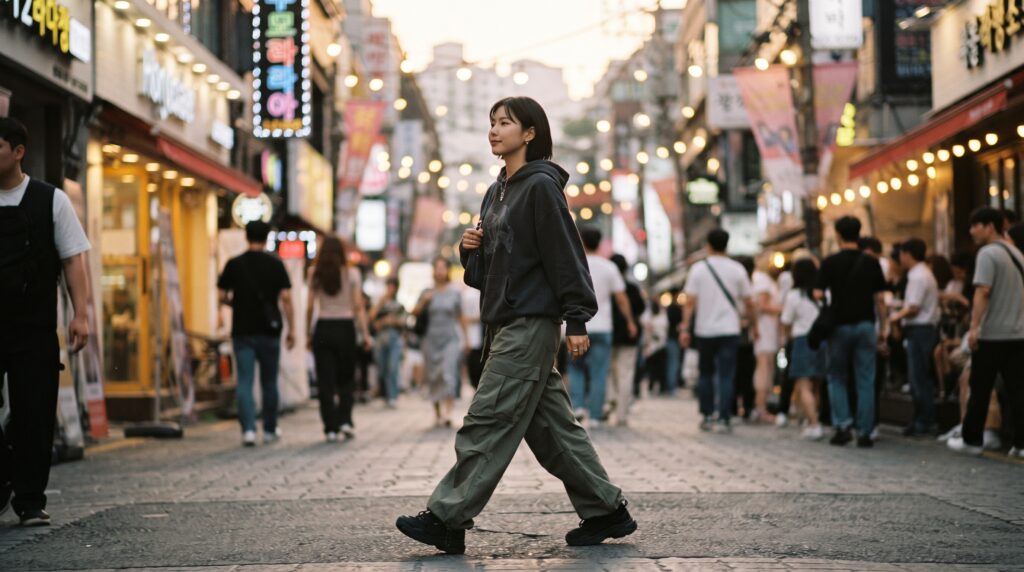
Seoul in June rewards an early start. Mornings are typically cool enough to comfortably explore palace grounds like Gyeongbokgung or Changdeokgung before the midday humidity sets in. Stone courtyards and shaded garden paths help, but plan major outdoor sightseeing before noon where possible.
As the day softens into evening, the Han River becomes one of the city’s most pleasant spaces — long daylight hours mean you can stroll, cycle, or simply sit along the riverbank well into the evening while the temperature eases. If an afternoon shower does roll through, Seoul’s abundance of museums, palace interior exhibits, and covered shopping districts make it easy to simply shift indoors and pick back up later.
Busan — Coastal Breezes and Beach Season Begins

Busan tends to feel more comfortable than inland cities during June, largely thanks to ocean breezes that temper the rising humidity. This is genuinely the start of beach season here — sea temperatures are warming, coastal cafés and resorts are fully reopened, and the heaviest summer crowds haven’t yet arrived.
It’s a particularly good window for travelers who want a beach experience without the packed sand and inflated prices of July and August. Haeundae and Gwangalli beaches are worth visiting in the morning or early evening, when the light is best and the heat is gentler.
Jeju Island — Lush Green Season

Jeju is both the warmest and the wettest of Korea’s major destinations in June, since the island typically feels the monsoon’s arrival before the mainland does. That said, this isn’t necessarily a reason to avoid it — Jeju in June is strikingly green, with lush volcanic landscapes and citrus groves (including the island’s famous hallabong orchards) at their most vivid.
The practical approach here is to build flexibility into a Jeju itinerary specifically: treat outdoor hikes and coastal drives as morning priorities, and keep an afternoon backup plan — a café, a museum, a covered market — in your back pocket.
Mountain Escapes — Seoraksan and Jirisan National Parks

As lowland humidity builds through the month, Korea’s mountain national parks become increasingly appealing. Seoraksan and Jirisan both run noticeably cooler than the cities, and June’s early rainfall feeds the waterfalls and streams to some of their most scenic, full-flow levels of the year. Trails are lush and green, and the cooler elevation makes hiking far more comfortable than it will be in the thick heat of July and August.
Underrated June Picks

A few smaller destinations are worth folding into a June itinerary precisely because they handle the month’s weather gracefully. Nami Island’s tree-lined paths feel especially atmospheric under June’s soft, overcast light. Gangneung, on the east coast, offers a quieter beach-and-coffee-culture alternative to Busan. And Korea’s smaller coastal towns generally offer the same early-summer advantages — fewer crowds, warming water, manageable prices — without the big-city density.
Festivals and Events Happening in South Korea in June
June’s festival calendar is quieter than spring’s cherry-blossom season or summer’s headline events, but it has its own worthwhile moments — and a few important notes for trip timing.
Seoul Drum Festival
Seoul’s drum festival typically brings energetic percussion performances and cultural programming to the city, offering a vibrant evening activity that works well around June’s warm-but-manageable temperatures.
Early Summer Coastal Festivals and Beach Openings
As Busan, Gangneung, and other coastal cities formally open their beach season, expect a build-up of small-scale local events, beach festivals, and waterfront programming in June — a gentler preview of the much larger Boryeong Mud Festival, which lands in July rather than June.
A Note on Memorial Day (June 6)
Memorial Day, observed nationally on June 6th, is a solemn occasion commemorating those who died in service to the country. While it’s not a festival, it’s worth knowing about for trip planning: some businesses and attractions may have modified hours, and the mood in certain areas is notably quieter than usual.
A Sample 3-Day Itinerary for South Korea in June
If you want a tangible starting point rather than a list of options, here’s a flexible three-day framework built specifically around June’s weather patterns — front-loading outdoor time into cooler hours and keeping indoor alternatives ready for any afternoon showers.
Day 1: Seoul — Palaces in the Morning, Riverside in the Evening
Start early at Gyeongbokgung Palace, ideally before 10 AM, when the courtyards are cooler and quieter. From there, walk through the nearby Bukchon Hanok Village for a slower, atmospheric look at traditional architecture. Break for lunch somewhere air-conditioned, then use the early afternoon — typically the most humid stretch of the day — for an indoor option like the National Museum of Korea. As evening light softens, head to the Han River for a relaxed walk, bike ride, or riverside dinner, taking advantage of June’s long daylight hours.
Day 2: Day Trip to Nami Island or the DMZ
Both options work well as a single full-day excursion from Seoul. Nami Island’s tree-lined paths are especially atmospheric under June’s hazy light and offer a slower, nature-focused contrast to the city. The DMZ tour, alternatively, offers a serious, historically grounded experience and tends to run rain-or-shine, since much of it involves guided indoor briefings alongside outdoor viewpoints — a practical choice if the forecast looks uncertain.
Day 3: Coastal Finish — Incheon or Onward to Busan
If your trip is Seoul-based, a day trip to Incheon offers coastal air, seafood, and a lighter pace to close out the visit. If your itinerary extends further, this is the natural point to head toward Busan, where ocean breezes typically make the humidity more bearable and beach season is already underway.
This structure isn’t rigid — it’s a template. The underlying principle, regardless of which cities you choose, is the same: protect your mornings for outdoor plans, and keep a flexible, air-conditioned fallback ready for the afternoon.
Tips for Traveling in South Korea During the Rainy Season
A little structural planning goes a long way toward making June’s weather feel like a manageable variable instead of a constant worry.
Build a morning-out, afternoon-flexible rhythm. This is the single most useful habit for traveling in Korea during early monsoon season. Schedule your must-see outdoor activities — palace visits, hikes, beach time, walking tours — in the morning, when skies are most likely to be clear. Treat afternoons as adaptable: have a nearby museum, café, shopping district, or indoor market in mind as a backup, so a sudden shower becomes a minor pivot rather than a disruption.
Keep a running list of indoor alternatives. Korea is well-equipped for this kind of contingency planning. Major cities have an abundance of museums, palace interior halls, department stores, indoor markets, and café culture that make “rainy day in Korea” a far less limiting prospect than it sounds.
Book ahead, especially for popular activities. June is a genuinely popular travel month — comfortable shoulder-season pricing combined with good weather draws a steady stream of visitors. Outdoor tours, river cruises, and well-known restaurants can fill up, so reserving key activities in advance is worth the small extra effort.
Use Korea’s transit system to your advantage. The Seoul Metro and most major city subway systems are efficient, extensive, and fully air-conditioned, making them one of the easiest ways to move between activities without much regard for sudden weather changes.
Check forecasts daily rather than relying on a single pre-trip check. Korea’s June weather can shift meaningfully from one day to the next, particularly as the month progresses. A quick daily check lets you adjust the next day’s plan rather than locking into a rigid schedule set weeks in advance.
Frequently Asked Questions
Is it rainy in South Korea in June?
It can be, particularly in the second half of the month as the jangma monsoon season begins. Early June tends to be dry and sunny, while rain becomes more frequent — though usually in short, afternoon-concentrated bursts rather than all-day downpours — as the month progresses.
What is the best part of June to visit South Korea?
Generally, the first half of the month (roughly the 1st through the 15th) offers the most reliably comfortable combination of warm temperatures, lower humidity, and minimal rainfall.
Do I need to bring an umbrella to South Korea in June?
Yes, especially if your trip extends into the latter half of the month. A compact umbrella and a packable rain jacket are sensible additions to any June packing list, even if you don’t end up needing them every day.
Is June too hot to visit Seoul?
Not typically. Seoul’s June temperatures usually sit in a warm but manageable range, generally between the high 60s and low 80s°F (around 18–27°C), which is noticeably milder than the intense heat of July and August.
Is Jeju Island worth visiting in June despite the monsoon arriving earlier there?
Yes, for travelers who plan around it. Jeju’s monsoon does tend to start earlier than the mainland’s, but the island’s landscapes are exceptionally lush and green during this period, and a flexible morning-outdoor, afternoon-indoor approach handles the rain risk well.
Final Verdict: Should You Visit South Korea in June?
For most travelers, the answer is a confident yes — particularly if you can lean your trip toward the first half of the month. June offers a genuinely appealing combination: warm but not punishing temperatures, the longest daylight hours of the year, noticeably thinner crowds than spring’s cherry blossom season, and shoulder-season pricing that beats the peak of summer. The trade-off — rising humidity and the early stages of monsoon season, especially after mid-month — is real, but it’s a manageable one for any traveler willing to build a little flexibility into their itinerary.
Treat June less as a single block of weather and more as two connected halves, plan your outdoor priorities accordingly, and you’ll likely find it’s one of the more rewarding windows on Korea’s entire travel calendar.
Looking to round out your Korea itinerary? You might also enjoy our guides on the best time to visit South Korea, Jeju Island’s Hallabong orange season, and planning a trip to South Korea in November for a seasonal comparison.