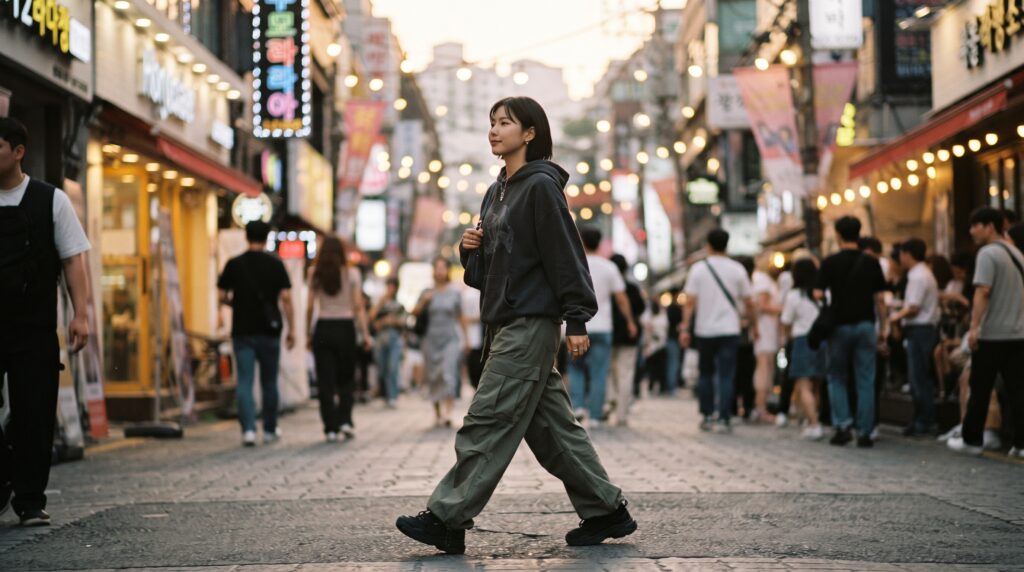

Imagine this: you are three days into your dream trip to Seoul, exploring the vibrant streets of Myeongdong, when suddenly you slip on a rain-slicked staircase and fracture your wrist. Or picture arriving at Incheon International Airport after a 12-hour flight, only to discover your luggage never made it. These moments can turn the trip of a lifetime into a stressful, expensive nightmare — unless you have the right travel insurance Korea plan in place before you board your flight.
South Korea has become one of Asia’s most exciting travel destinations. From the neon-lit streets of Seoul and the volcanic landscapes of Jeju Island to iconic K-drama filming locations and world-class food scenes, millions of tourists visit every year. Yet one of the most overlooked steps in trip planning remains securing proper travel insurance.
This complete guide breaks down everything you need to know — what Korean travel insurance covers, how much it costs, which plans are worth your money, and exactly what to do if something goes wrong. Whether this is your first trip to Korea or your fifth, this guide will help you travel smarter and safer.
Why You Need Travel Insurance for South Korea

South Korea Is Safer Than You Think — But Risks Still Exist
South Korea consistently ranks among Asia’s safest countries for tourists. Crime rates are low, public transport is reliable, and the country’s infrastructure is genuinely world-class. However, safety is not the only reason travelers need insurance coverage.
Medical emergencies do not discriminate by destination. A sudden illness, a road accident, a severe allergic reaction to unfamiliar food — any of these can happen regardless of how carefully you plan. And when they do happen in a foreign country, the financial consequences can be serious.
Consider these real-world scenarios that travelers face in Korea:
- A tourist develops appendicitis in Busan and requires emergency surgery
- A traveler on a Jeju Island hiking trail sustains a leg injury requiring helicopter evacuation
- A family’s flights are cancelled during Chuseok due to a typhoon warning, resulting in two nights of unplanned accommodation costs
- A backpacker’s camera and laptop are stolen from a guesthouse in Hongdae
None of these situations are uncommon. And without travel insurance, every single one becomes an out-of-pocket financial burden on top of an already stressful experience.
Is Travel Insurance Required for Korea?
Here is the straightforward answer: travel insurance is not legally mandatory for most tourists visiting South Korea. Citizens of many countries can enter Korea visa-free or through the K-ETA (Korea Electronic Travel Authorization) system without needing to show proof of insurance.
However, “not required” does not mean “not necessary.” Unlike some destinations — such as Schengen Area countries in Europe where travel insurance is a visa condition — Korea leaves the decision to the traveler. This is precisely where many tourists make a costly mistake: assuming that because it is not required, it is not important.
If you are traveling from a country where your national health insurance does not extend overseas — which applies to the vast majority of international travelers — you will be treated as a self-paying patient at Korean hospitals. That means full, unsubsidized medical costs billed directly to you.
The bottom line: while Korea does not require travel insurance for entry, every responsible traveler should have it.
What Does Travel Insurance for Korea Typically Cover?
Not all travel insurance policies are created equal. Understanding what a standard plan covers — and what it does not — is essential before you purchase. Here is a breakdown of the key coverage areas relevant to travelers in South Korea.
Medical Coverage and Emergency Hospitalization
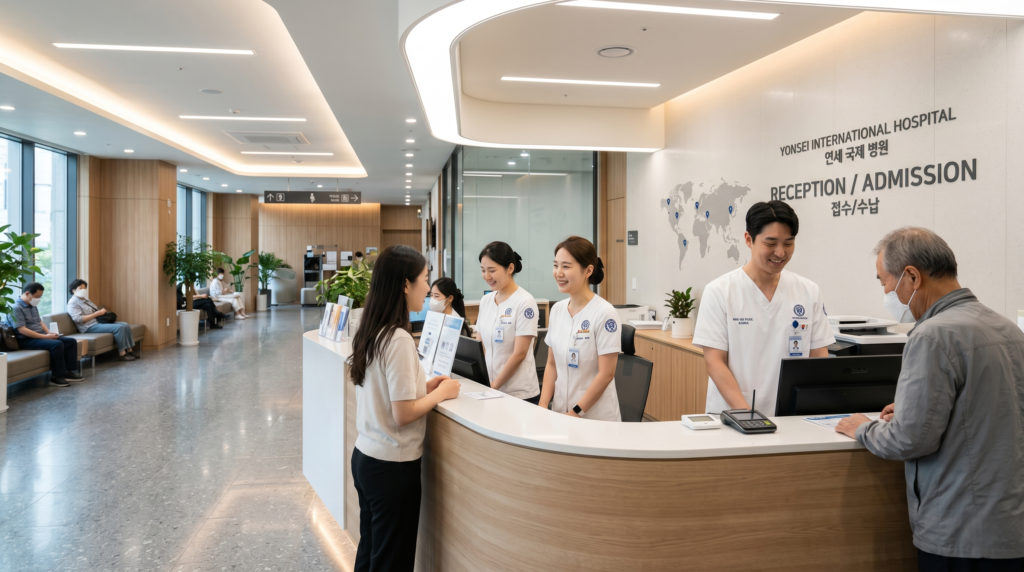
This is the single most important component of any Korea travel insurance plan. South Korea has an exceptional healthcare system with hospitals that meet international standards, particularly in Seoul and other major cities. However, foreign nationals without Korean national health insurance (which tourists are not enrolled in) pay full private rates.
To put this in perspective:
- A basic emergency room visit in Seoul can cost between $100–$300 USD
- A one-night hospital stay can range from $300–$800 USD depending on the facility
- Emergency surgery costs can easily reach $10,000–$30,000 USD or more
- Medical evacuation to your home country, if required, can exceed $50,000 USD
A solid travel insurance plan should include a minimum of $100,000 USD in medical coverage, with higher limits strongly recommended for older travelers or those with pre-existing conditions.
Look for plans that offer direct billing arrangements with Korean hospitals, meaning the insurer pays the hospital directly rather than requiring you to pay upfront and claim reimbursement later. This is particularly valuable in emergency situations when you may not have access to large amounts of cash or credit.
Trip Cancellation and Interruption
Trip cancellation coverage reimburses your prepaid, non-refundable travel costs — flights, hotel bookings, tour packages — if you are forced to cancel before departure due to a covered reason.
Covered reasons typically include:
- Serious illness or injury to you or an immediate family member
- Death of a family member
- Natural disasters affecting your destination or departure city
- Airline bankruptcy or significant flight delays
- Jury duty or legal obligations
Trip interruption coverage applies when your trip is cut short after you have already departed. For example, if a family emergency requires you to fly home from Seoul mid-trip, interruption coverage reimburses unused prepaid costs and the additional cost of last-minute return flights.
For travelers booking expensive Korea tour packages, K-pop concert tickets, or multi-city itineraries across Seoul, Busan, and Jeju, trip cancellation coverage is especially valuable given the non-refundable nature of many advance bookings.
Lost, Stolen, or Delayed Baggage

Incheon International Airport is one of Asia’s busiest transit hubs, handling tens of millions of passengers annually. While its baggage handling is generally efficient, delays and losses do occur — particularly on connecting flights.
Baggage loss coverage reimburses you for the value of permanently lost luggage and its contents, up to your policy’s limit.
Baggage delay coverage provides a daily allowance to purchase essential items — clothing, toiletries, medication — if your bags are delayed beyond a specified number of hours (typically 6–12 hours depending on the policy).
Important tip: Always keep receipts for high-value items you pack. In the event of a claim, insurers will request proof of ownership and value. Additionally, file a Property Irregularity Report (PIR) with the airline immediately upon discovering your luggage is missing — this document is required for any baggage claim.
Emergency Evacuation and Repatriation

Medical evacuation coverage pays for the cost of transporting you to the nearest adequate medical facility — or back to your home country — if local treatment is insufficient or unavailable.
While South Korea’s major cities have excellent hospitals, travelers exploring more remote destinations such as mountain hiking trails in Seoraksan National Park or rural areas of Gangwon Province may face situations where evacuation is necessary.
Repatriation of remains coverage — while an uncomfortable topic — is equally important. This covers the cost of returning a traveler’s remains to their home country in the event of death, which can be an enormous financial burden for families without coverage.
Optional Add-Ons Worth Considering

Beyond standard coverage, several optional add-ons are particularly relevant for travelers to South Korea:
Adventure Sports Coverage Korea offers a surprising range of adventure activities — skiing and snowboarding at Pyeongchang and Yongpyong resorts, paragliding in Danyang, surfing in Yangyang, and serious hiking on Hallasan volcano in Jeju. Many standard policies exclude injuries sustained during these activities. If your Korea itinerary includes any adventure sports, confirm your policy covers them or purchase a specific add-on.
Cancel for Any Reason (CFAR) This premium upgrade allows you to cancel your trip for any reason — not just covered reasons — and receive a partial refund (typically 50–75% of prepaid costs). It offers the maximum flexibility for travelers with uncertain schedules or changing circumstances.
Electronics and Valuables Coverage Standard baggage coverage often has low sub-limits for electronics. If you are traveling with an expensive camera, laptop, or drone to capture Korea’s stunning scenery, consider a plan with higher electronics coverage or a standalone gadget insurance policy.
Pre-Existing Medical Condition Waiver If you have a pre-existing health condition, look for plans that offer a waiver — meaning they will cover medical events related to that condition, provided you purchase the policy within a specified window after making your initial trip deposit (usually within 14–21 days).
How Much Does Travel Insurance for Korea Cost?

One of the most common questions travelers ask is: how much should I budget for travel insurance for Korea? The answer depends on several factors, but here is a practical overview.
Average Cost Breakdown by Trip Length
| Trip Duration | Budget Plan | Mid-Range Plan | Comprehensive Plan |
|---|---|---|---|
| 5–7 days | $25–$45 | $50–$80 | $90–$130 |
| 10–14 days | $40–$70 | $80–$120 | $130–$200 |
| 3–4 weeks | $70–$110 | $120–$180 | $200–$320 |
Note: Costs are approximate and based on a single adult traveler aged 25–40. Prices vary by nationality, insurer, and coverage selected.
As a general rule of thumb, travel insurance costs approximately 4–10% of your total trip cost for a comprehensive plan. For a $2,500 Korea trip, that means budgeting roughly $100–$250 for solid coverage — a small price compared to the potential cost of a medical emergency.
Factors That Affect Your Premium
Several variables influence how much you will pay for travel insurance:
Traveler Age: Premiums increase significantly for travelers over 60, as the statistical likelihood of medical claims rises with age.
Total Trip Cost: Higher declared trip costs mean higher cancellation coverage — and therefore higher premiums.
Coverage Limits: Plans with higher medical coverage caps, lower deductibles, and broader inclusions naturally cost more.
Pre-Existing Conditions: Travelers requiring coverage for pre-existing health conditions will pay higher premiums.
Single-Trip vs. Annual Multi-Trip Plans: If you travel to Korea or other international destinations more than twice a year, an annual multi-trip policy often provides better value than purchasing individual single-trip policies each time.
Is Cheap Travel Insurance Worth It for Korea?
Budget travel insurance plans exist, and while they keep upfront costs low, they often come with significant trade-offs: lower medical coverage limits, higher deductibles, more exclusions, and slower claims processing.
For Korea specifically, the most important coverage to prioritize is medical and emergency evacuation, given the potential cost of hospital treatment for uninsured foreigners. A plan with $50,000 in medical coverage may sound sufficient, but it can fall short quickly in the event of a serious illness requiring surgery, extended hospitalization, or repatriation.
The recommendation from experienced travelers and insurance experts is consistent: do not underinsure your health to save $30 on a premium.
Best Travel Insurance Plans for Korea in 2025
Choosing the right travel insurance plan for South Korea requires matching your coverage needs to your traveler profile. There is no single “best” plan for everyone — the right choice depends on your age, budget, trip cost, health status, and the type of travel experience you are planning.
Below is a breakdown of recommended plan types by traveler profile, followed by the key features you should always compare before purchasing.
Top Picks for Different Traveler Types
Budget Traveler If you are keeping costs low with guesthouses, street food, and budget airlines, your primary concern should still be medical coverage. Look for plans from providers such as World Nomads (Explorer or Standard plan) or SafetyWing, which offer solid medical coverage at affordable premiums. SafetyWing’s Nomad Insurance is particularly popular among budget travelers for its flexible subscription-based model and reasonable medical limits.
Family Trip Families traveling to Korea should prioritize plans that cover all members under a single policy, include coverage for children at no additional cost (offered by several major insurers), and provide strong trip cancellation benefits given the higher total trip investment. Allianz Travel and Travel Guard offer family-friendly plans with comprehensive cancellation and medical coverage.
Solo Backpacker Solo travelers — especially those hopping between Seoul, Busan, Gyeongju, and Jeju — need flexible, lightweight coverage with strong medical and baggage protection. World Nomads is a long-standing favorite in the backpacker community for its adventure activity coverage and straightforward claims process.
Senior Traveler Older travelers face higher premiums but also face the greatest financial risk from medical emergencies abroad. Plans from Allianz, InsureMyTrip, or Travelex that offer pre-existing condition waivers and high medical limits are strongly recommended. Always disclose health conditions accurately when purchasing — failure to do so can result in denied claims.
K-Drama Fan Trip or Cultural Tour For travelers joining organized K-drama location tours, K-pop fan meetings, or cultural heritage experiences, the key concern is trip cancellation and interruption coverage — particularly if you have paid non-refundable deposits for group tours or concert tickets. A mid-range comprehensive plan with strong cancellation benefits and baggage protection is the ideal fit for this traveler type.
Key Features to Compare When Choosing a Plan
When evaluating travel insurance options for Korea, use the following checklist to compare plans side by side:
Medical Coverage Limit Aim for a minimum of $100,000 USD in emergency medical coverage. For travelers over 60 or those with health conditions, $250,000 or higher is advisable. Korea’s hospital costs for uninsured foreigners are significant, and serious conditions can generate bills that exceed lower coverage limits quickly.
Emergency Medical Evacuation Look for at least $500,000 in evacuation coverage. Medical evacuation flights — particularly from remote areas or back to your home country — are extraordinarily expensive. This is non-negotiable coverage for any international trip.
Pre-Existing Condition Waiver If you have a pre-existing health condition, confirm the policy offers a waiver and understand the purchase deadline. Most insurers require you to buy the policy within 14–21 days of your first trip deposit to qualify for the waiver.
Trip Cancellation Coverage Ensure the plan covers 100% of your prepaid, non-refundable trip costs. Check the list of covered cancellation reasons carefully — some budget plans have narrow definitions that exclude common scenarios.
24/7 Emergency Assistance A reliable, round-the-clock emergency assistance hotline is essential. In a medical crisis in a foreign country, having a dedicated team that can coordinate hospital admission, translation services, and insurer communication is invaluable. Confirm the hotline operates in English.
Direct Billing Capability Some insurers have direct billing arrangements with major hospitals in Seoul and other Korean cities, meaning they pay the hospital directly rather than requiring you to pay and claim reimbursement. This feature is particularly important if you do not have access to a high credit card limit while traveling.
Claims Process and Reputation Research the insurer’s claims reputation before purchasing. Read independent reviews on platforms such as Trustpilot or travel forums. A low-cost plan from an insurer known for claim denials or slow processing is rarely a good deal.
Should You Buy Insurance Through Your Airline or Independently?
Many airlines and booking platforms offer travel insurance as an add-on during the checkout process. While convenient, these airline-bundled or OTA (online travel agency) insurance products are frequently inferior to standalone policies purchased directly from specialist travel insurers.
Airline-bundled insurance — common limitations:
- Lower medical coverage limits
- Narrower list of covered cancellation reasons
- Limited or no adventure sports coverage
- Weaker baggage coverage sub-limits
- Less responsive claims support
Standalone travel insurance — advantages:
- Broader, more customizable coverage
- Higher medical and evacuation limits
- Better pre-existing condition waiver options
- More transparent policy documentation
- Dedicated travel insurance claims teams
The recommendation is clear: purchase your Korea travel insurance independently from a reputable, specialist travel insurance provider. Use comparison platforms such as InsureMyTrip, Squaremouth, or PolicyBazaar (depending on your country of residence) to compare multiple plans side by side before committing.
How to Use Travel Insurance in South Korea
Purchasing travel insurance is only half the equation. Knowing exactly how to use it — before, during, and after your trip — is what ensures you actually benefit from the coverage when it matters most.
Before You Travel — What to Prepare
Preparation before departure makes an enormous difference if you ever need to make a claim. Follow these steps before you fly to Korea:
Save your policy documents in multiple formats. Keep a digital copy in your email, saved to cloud storage, and downloaded to your phone. Carry a printed copy in your travel wallet alongside your passport. In an emergency, you need to access your policy number and insurer contact details quickly.
Save your insurer’s emergency assistance number. Store it in your phone contacts as “Travel Insurance Emergency” before you leave home. In a stressful situation — a hospital admission, a theft, a missed connection — you do not want to be searching through paperwork for a phone number.
Know your coverage details. Understand what your policy covers and what it excludes before you travel, not after an incident occurs. Pay particular attention to exclusions around pre-existing conditions, alcohol-related incidents, and high-risk activities.
Research medical facilities at your destination. Know where the nearest internationally accredited or English-friendly hospital is located in each city you plan to visit. Seoul has several excellent options including Severance Hospital, Samsung Medical Center, and Asan Medical Center, all of which have international patient centers.
Register with your country’s embassy. Many countries offer traveler registration services (such as the U.S. STEP program or the UK’s FCDO registration) that allow the embassy to contact you in a national emergency. This is separate from insurance but an important safety measure.
If You Need Medical Care in Korea

If you experience a medical emergency or require treatment during your Korea trip, follow these steps:
Step 1: Contact your insurer’s emergency assistance line immediately. Before seeking non-emergency treatment, call your insurer’s 24/7 assistance line. They can confirm coverage, recommend approved hospitals with direct billing arrangements, and initiate the claims process from the start.
Step 2: Go to the appropriate facility. For genuine emergencies, proceed to the nearest hospital emergency department without delay. For non-emergency treatment — a minor illness, a prescription refill, a sprained ankle — your insurer can direct you to an appropriate clinic or hospital with English-speaking staff.
Step 3: Inform the hospital that you have travel insurance. At registration, advise the hospital that you are covered by travel insurance and provide your policy details. Ask whether the hospital has a direct billing arrangement with your insurer. If direct billing is available, the hospital bills your insurer directly. If not, you will need to pay upfront and submit a reimbursement claim afterward.
Step 4: Keep all documentation. Retain every document associated with your medical treatment — admission records, diagnosis paperwork, itemized bills, prescription receipts, and discharge summaries. These are required for your insurance claim.
Recommended International-Friendly Hospitals in Korea:
| City | Hospital | Notable Feature |
|---|---|---|
| Seoul | Severance Hospital (Yonsei) | Dedicated international health center |
| Seoul | Samsung Medical Center | English-speaking staff, international clinic |
| Seoul | Asan Medical Center | One of Korea’s largest hospitals |
| Busan | Pusan National University Hospital | International patient services |
| Jeju | Jeju National University Hospital | Main hospital on Jeju Island |
How to File a Claim After Your Trip
Filing a travel insurance claim is straightforward if you have kept proper documentation throughout your trip. Here is what to expect:
Documents typically required for a medical claim:
- Completed claim form (available on your insurer’s website or app)
- Original itemized medical bills and receipts
- Medical records or diagnosis documentation from the treating physician
- Proof of payment (credit card statement or bank transfer confirmation)
- Your travel itinerary and booking confirmations
- Copy of your passport showing entry and exit stamps
Documents typically required for a baggage or theft claim:
- Property Irregularity Report (PIR) from the airline, for lost or delayed baggage
- Police report, for theft or loss (file within 24 hours of the incident at the nearest Korean police station — gyeongchal)
- Receipts or proof of value for claimed items
- Airline correspondence confirming loss or delay
Typical claim processing timeline: Most reputable travel insurers process straightforward claims within 5–15 business days of receiving complete documentation. Complex claims involving large medical bills or ongoing treatment may take longer. Keep copies of everything you submit and follow up proactively if you do not receive an acknowledgment within 5 business days.
Common reasons claims get denied — and how to avoid them:
- Failure to disclose pre-existing conditions: Always disclose accurately at the time of purchase. Non-disclosure is the most common reason for denied medical claims.
- Incident not reported to insurer in time: Most policies require you to notify the insurer within 24–48 hours of an incident. Do not delay.
- Insufficient documentation: Missing receipts, no police report, or incomplete medical records lead to delayed or denied claims. Document everything in real time.
- Activity exclusions: Injuries sustained during activities not covered by your policy — extreme sports, motorcycling without a valid license — will not be covered. Confirm inclusions before participating.
- Intoxication clause: Most policies exclude claims arising from incidents where the traveler was under the influence of alcohol or drugs. This is a standard exclusion across virtually all travel insurance products.
Special Situations — Travel Insurance Tips for Korea
South Korea attracts a diverse range of travelers, each with unique coverage considerations. Here are tailored tips for specific travel situations.
Travel Insurance for K-Drama and Cultural Tours
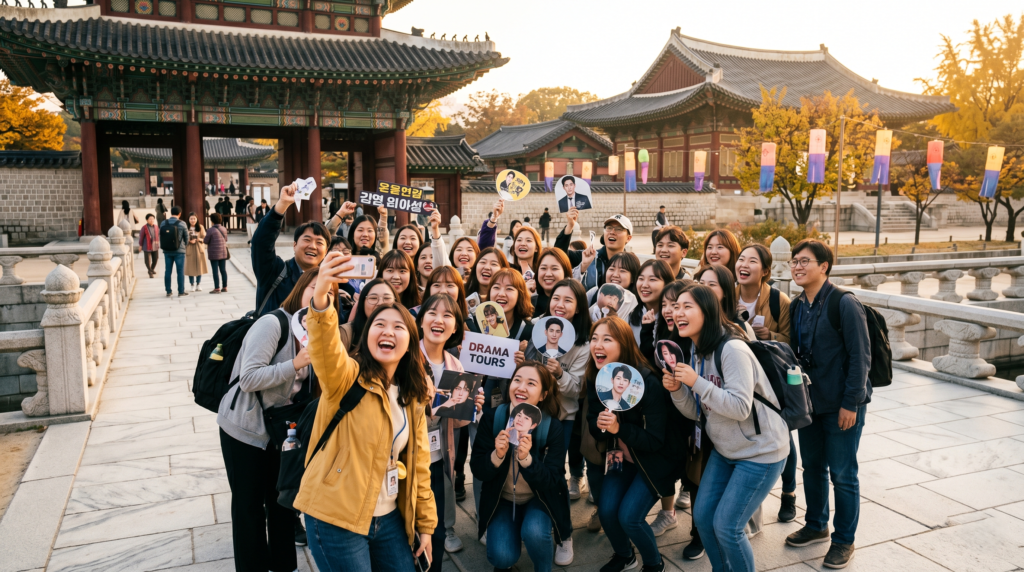
The Korean Wave — Hallyu — has driven a surge in cultural tourism, with fans traveling to Korea specifically to visit K-drama filming locations, attend K-pop fan meetings, or experience Korean festivals and cultural events.
If your Korea trip includes:
- Paid K-pop concert or fan meet tickets: Ensure your trip cancellation coverage specifically includes event ticket costs as a covered expense. Not all standard plans include entertainment tickets in their cancellation reimbursement.
- Organized group tours to K-drama locations: Confirm that your policy covers trip interruption for group tours, including the cost of rejoining the tour if you miss a segment due to illness or delay.
- Pre-purchased cultural experiences: Temple stays, traditional Korean cooking classes, hanbok photo shoots — keep all booking confirmations and receipts in case of cancellation claims.
Traveling During Korean Festivals or Peak Seasons

Korea’s major holiday periods — Chuseok (Korean Thanksgiving, typically September or October) and Seollal (Lunar New Year, January or February) — are among the busiest travel periods of the year. During these times:
- Domestic flights between Seoul, Busan, and Jeju are heavily booked and more prone to delays
- Train tickets on the KTX sell out weeks in advance
- Hotel rates spike and cancellation policies tighten
Travelers planning trips around these peak periods face a higher risk of trip disruption and should prioritize strong trip cancellation and delay coverage. Purchase insurance as early as possible — ideally at the time of your first booking — to maximize the cancellation coverage window.
Cherry blossom season (late March to mid-April) and autumn foliage season (October to November) are also peak travel periods when flights and accommodation book up quickly and disruptions are more likely.
Long-Term Stays and Digital Nomads in Korea

South Korea has become an increasingly popular destination for digital nomads and remote workers, particularly following the introduction of various long-stay visa pathways. Standard single-trip travel insurance, however, is typically designed for trips of 30–90 days and may not be appropriate for extended stays.
For stays of 3–12 months, consider:
- International health insurance plans offered by providers such as Cigna Global, AXA International, or Allianz Care, which provide continuous medical coverage for long-term expatriates and remote workers
- Working holiday visa holders in Korea should investigate whether their visa category grants access to Korea’s National Health Insurance (NHI) scheme — in many cases, foreign residents staying longer than six months are required to enroll
- SafetyWing’s Remote Health product, designed specifically for digital nomads, offers a subscription-based model with comprehensive international health coverage suitable for extended stays
If you are planning to stay in Korea long-term for work, language study, or extended cultural immersion, consult an international health insurance broker to find the most appropriate coverage for your specific situation.
Frequently Asked Questions About Travel Insurance Korea
Do I need travel insurance to visit South Korea?
Travel insurance is not a legal requirement for entering South Korea as a tourist. However, it is strongly recommended for all travelers. Without coverage, you are personally responsible for all medical costs, trip disruption expenses, and lost or stolen property — all of which can be financially devastating.
Does my credit card cover travel insurance for Korea?
Some premium credit cards include basic travel insurance as a cardholder benefit. However, these policies typically offer lower coverage limits, narrower cancellation conditions, and less comprehensive medical protection than standalone travel insurance. Always read your credit card’s insurance terms carefully and consider whether the limits are sufficient for your Korea trip.
What is the best travel insurance for Korea?
The best plan depends on your individual needs. For most travelers, a comprehensive plan from providers such as Allianz Travel, World Nomads, or Travel Guard offering at least $100,000 in medical coverage, strong trip cancellation benefits, and 24/7 emergency assistance represents excellent value. Use a comparison platform to find the best fit for your specific itinerary and budget.
Does travel insurance cover COVID-19 in Korea?
Many travel insurance plans now include COVID-19 related coverage, including medical treatment costs if you contract COVID-19 during your trip and trip cancellation if you test positive before departure. However, coverage varies significantly by insurer and plan. Confirm COVID-19 coverage explicitly before purchasing and check Korea’s current entry requirements regarding health documentation.
Can I buy travel insurance after arriving in Korea?
Most travel insurance policies must be purchased before you depart your home country. Some insurers allow purchase after departure, but these plans typically exclude any claims arising from conditions or events that were already known at the time of purchase. For full coverage, always buy travel insurance before you travel.
How much does medical treatment cost in Korea without insurance?
Costs vary depending on the type of treatment required. A basic clinic visit may cost $50–$150 USD. An emergency room visit can range from $150–$400 USD. Surgery, extended hospitalization, or medical evacuation can cost tens of thousands of dollars. Without travel insurance, these costs are paid entirely out of pocket by the patient.
South Korea is a destination that rewards every traveler who makes the journey — from the electric energy of Seoul’s city streets and the serene beauty of Jeju’s coastlines to the rich cultural depth of Gyeongju and the warmth of Korean hospitality. It is a country worth every moment of the planning that goes into visiting it.
But great trips are built on more than just great itineraries. They are built on preparation — and travel insurance Korea is one of the most important preparations any traveler can make.
The cost of a comprehensive travel insurance plan is modest compared to the financial exposure of an uninsured medical emergency, a cancelled flight, or a stolen camera. More importantly, it buys something that no amount of careful planning can guarantee: peace of mind. The freedom to explore Korea knowing that if something unexpected happens, you are covered.
Before you finalize your Korea bookings, take the time to compare travel insurance plans from reputable providers, choose coverage that matches your trip profile, and purchase your policy as early as possible. Then pack your bags, charge your camera, and get ready for one of the most memorable travel experiences Asia has to offer.
Disclosure: This article is for informational purposes only. Coverage terms, conditions, and pricing vary by insurer and country of residence. Always read your policy documents carefully before purchasing.