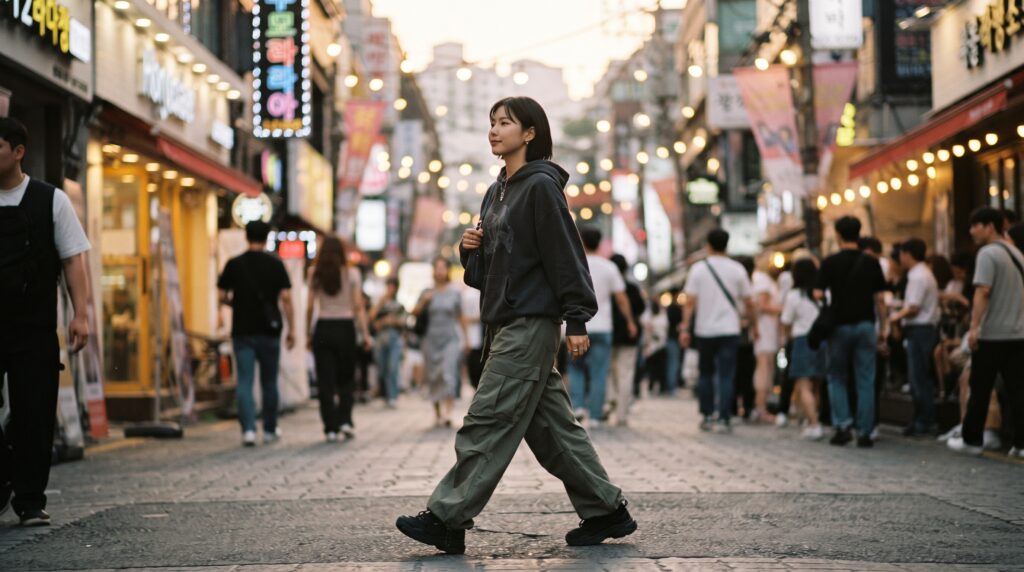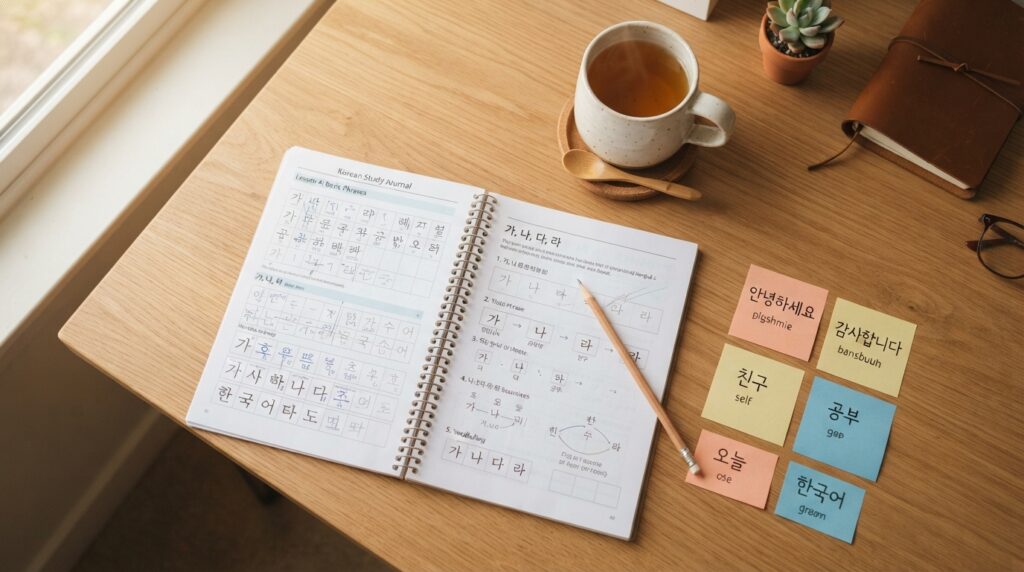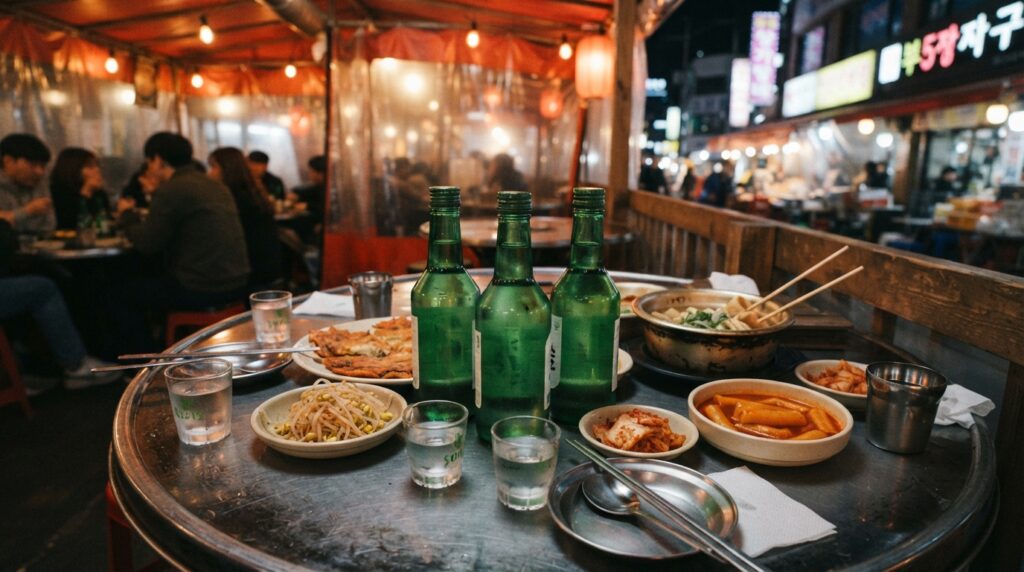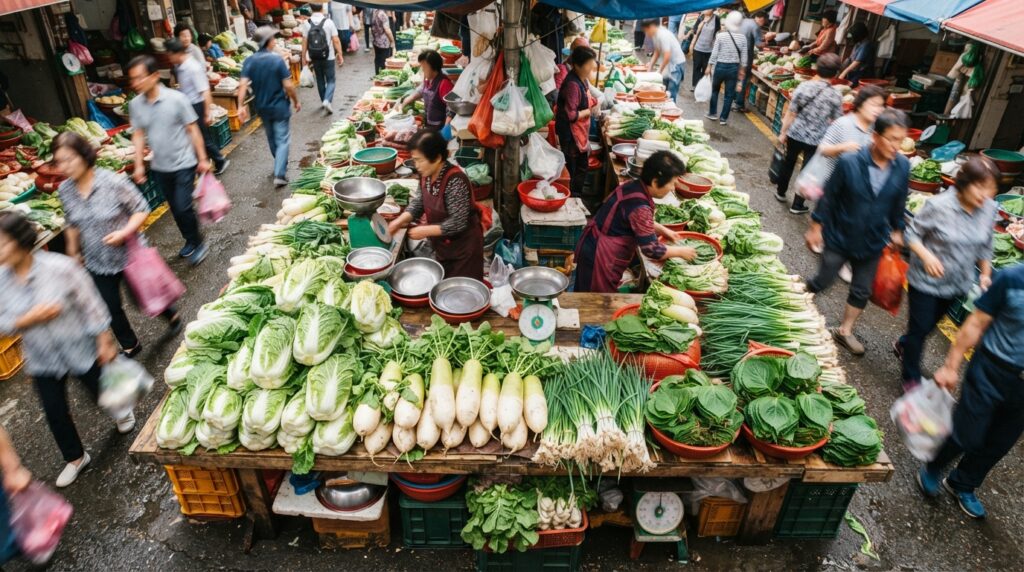

It is 7:30 in the morning in Seoul. A six-year-old tightens the straps of a cartoon-character backpack, slips on a pair of indoor shoes tucked neatly into a small bag, and heads out the door — lunchbox packed, pencil case zipped, ready for another day at chodeung hakgyo. If you have ever watched a K-drama and paused at a nostalgic school flashback, or if you are a parent preparing to raise a child in South Korea, you already know that elementary schools in Korea carry a cultural weight far beyond the classroom walls. They are where values are formed, friendships are forged, and the famously rigorous Korean academic journey officially begins. This guide pulls back the curtain on everything — the curriculum, the daily schedule, the hagwon culture, the expat experience, and even what your favorite K-dramas get right (and gloriously wrong) about Korean primary school life.
What Is the Elementary School System in Korea?

The Official Name — “Chodeung Hakgyo” (초등학교)
In South Korea, elementary school is officially called chodeung hakgyo (초등학교), which directly translates to “primary school.” Prior to 1996, these schools were called gukmin hakgyo (국민학교), meaning “citizens’ school” — a term rooted in the Japanese colonial era education system. The name change to chodeung hakgyo was a deliberate cultural and political decision to shed colonial associations and redefine Korean public education under a more modern, democratic identity.
Elementary schools in Korea are the first stage of formal compulsory education. Attendance is not just expected — it is legally mandated. Both public and private elementary schools exist, though the overwhelming majority of Korean children attend public institutions, which are funded and regulated by the Ministry of Education.
Age Range and Grade Levels
Korean elementary school spans six years, covering Grades 1 through 6. Children typically begin at age seven by Korean reckoning — which generally corresponds to age six by international standards, since Koreans are considered one year old at birth and gain another year on New Year’s Day rather than their birthday.
For expat parents, this age discrepancy is one of the first points of confusion. A child who just turned six internationally might already be considered seven in Korea and therefore eligible to begin Grade 1. It is always worth confirming the exact cutoff date with the local district education office, as enrollment eligibility is calculated based on the Korean age system.
How Many Elementary Schools Are in Korea?
South Korea is home to approximately 6,000 elementary schools nationwide, with the highest concentration found in Seoul, Gyeonggi Province, and other major metropolitan areas. In cities like Seoul, Busan, and Incheon, schools are densely distributed across residential districts, and it is common for children to walk to school within a 10–15 minute radius of their home.
In rural and regional areas, however, declining student populations have forced many schools to merge or close. South Korea’s historically low birth rate has had a visible impact on primary school enrollment numbers — a challenge the government is actively working to address through education reform and incentive programs for families.
The Korean Elementary School Curriculum — What Do Kids Actually Learn?
Core Subjects Taught in Korean Elementary Schools
The Korean elementary curriculum is structured, rigorous, and deliberately broad. Students study a range of subjects designed to build both academic foundations and moral character. Core subjects include:
- Korean Language (국어) — reading, writing, grammar, and literature
- Mathematics (수학) — arithmetic through to foundational algebra concepts by Grade 6
- Moral Education (도덕) — ethics, social responsibility, and character development
- Social Studies (사회) — Korean history, geography, and civics
- Science (과학) — natural sciences, basic experiments, and environmental education
- Arts (미술) — drawing, crafts, and visual expression
- Music (음악) — singing, basic instrument play, and music appreciation
- Physical Education (체육) — sports, fitness, and outdoor activity
- Practical Arts (실과) — life skills, basic technology, and home economics (introduced in higher grades)
English is introduced as a mandatory subject beginning in Grade 3, typically with two to three lessons per week. By the time students reach Grade 5 or 6, English lessons become more frequent, though the depth of instruction varies significantly between schools and regions. It is partly this limited English exposure in public school that fuels the enormous demand for private English hagwon.
How the School Year and Schedule Works
The Korean academic year begins in early March — not September as in many Western countries. This is an important detail for families relocating to Korea mid-year. The year is divided into two semesters:
- 1st Semester: March to July
- Summer Vacation: Approximately late July to late August
- 2nd Semester: August/September to February
- Winter Vacation: Approximately late December to late February
A typical school day for Korean elementary students runs from around 8:30 AM to 1:00–3:00 PM, depending on the grade level. Lower grades (1 and 2) generally have shorter days, while upper grades (5 and 6) may have up to six or seven periods. Each class period is 40 minutes long, with short breaks in between.
Homework and Academic Pressure — Starting Early
Compared to middle and high school, elementary school homework in Korea is relatively moderate — but “moderate” is still a relative term. Students are expected to complete daily assignments, practice their Hangul writing, review mathematics, and occasionally complete project-based work.
The more significant academic pressure at the elementary level comes not from the school itself, but from family expectations and the wider culture of private education. Many Korean parents begin supplementing their child’s school education with private tutoring and hagwon attendance from as early as Grade 1 — sometimes even earlier. The belief that early academic investment pays long-term dividends is deeply embedded in Korean parenting culture.
School Life in Korea — A Day in the Life of a Korean Elementary Student
Morning Routines and Arrival
The Korean elementary school morning is a study in quiet organization. Students arrive before the first bell, change from outdoor shoes into indoor shoes at the entrance — a hygienic practice upheld across all Korean schools — and proceed to their homeroom class. Shoe lockers line the school entrance, and each student has an assigned slot.
Many schools begin the morning with a brief assembly or homeroom period where teachers take attendance, share announcements, and set the tone for the day. Classroom duties — such as cleaning the board, distributing materials, or leading the morning greeting — rotate among students, instilling a sense of shared responsibility from a young age.
Students either walk to school in small groups, are dropped off by parents, or take a school bus. The sight of uniformed middle and high schoolers contrasts with the comparatively casually dressed elementary kids, who bring an unmistakable energy to the school gate each morning.
Lunch at School — Cafeteria Culture

School lunch in Korea is a genuinely impressive affair. Since 2021, free school meals have been provided across all public elementary schools in South Korea, eliminating the financial burden on families and ensuring every child has access to a nutritious midday meal.
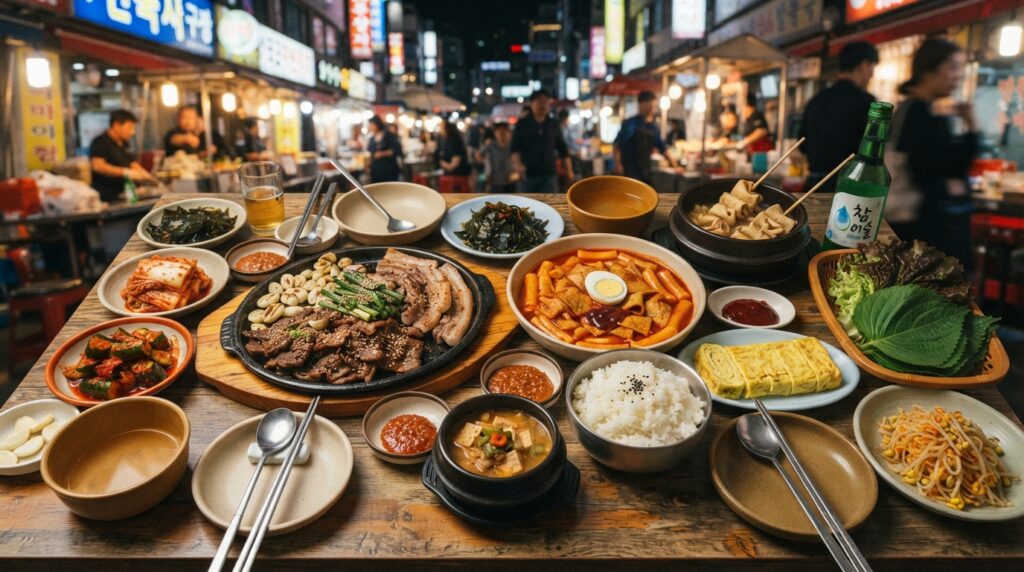
A typical Korean elementary school lunch includes steamed rice, a soup (often doenjang jjigae or kimchi soup), a protein dish, one or two vegetable side dishes (banchan), and kimchi. Meals are freshly prepared in the school cafeteria and reflect the nutritional standards set by the Ministry of Education.
One of the most charming aspects of Korean school lunch culture is the student lunch duty system. On a rotating basis, students serve meals to their classmates — wearing small aprons and carrying trays from the kitchen. This practice teaches responsibility, cooperation, and respect for communal work. K-drama fans will recognize this scene immediately; it is one of the most authentically portrayed elements of Korean school life on screen.
After-School Hours — What Happens When the Bell Rings?
For many Korean elementary students, the school bell does not signal the end of the academic day — it signals the beginning of the next phase. After school, a significant portion of students head directly to one or more hagwon, grab a snack from a nearby convenience store, or attend school-run after-care programs.
Some schools offer 돌봄교실 (dolbom gyosil) — supervised after-school care rooms where working parents can leave younger children until early evening. These programs include snack time, supervised homework completion, and light recreational activities.
Extracurricular clubs also operate within schools, covering areas like soccer, art, robotics, and choir — though participation rates vary. The gravitational pull of the hagwon system means that structured leisure and free play are increasingly rare commodities in a Korean elementary student’s afternoon.
The Hagwon Culture — The Invisible Extension of Elementary School

What Is a Hagwon?
No article on elementary schools in Korea would be complete without addressing the hagwon (학원) — the private tutoring academies that function as an unofficial second school system for millions of Korean children.
Hagwon cover virtually every subject and skill imaginable: English, mathematics, science, Korean, coding, art, taekwondo, swimming, piano, and more. They are private, fee-based institutions that operate independently of the public school system, and they are extraordinarily prevalent. In Seoul alone, there are tens of thousands of registered hagwon — more than there are convenience stores in some districts.
For many Korean elementary students, a typical weekday afternoon involves attending two or even three different hagwon back-to-back, returning home by 9 or 10 PM to complete homework before bed. This schedule is not unusual — it is, in many social circles, considered normal and even necessary.
Why Korean Parents Send Kids to Hagwon
The reasons Korean parents invest so heavily in hagwon from the elementary years are both cultural and practical. South Korea’s education system is intensely competitive, and the pressure ultimately builds toward the 수능 (Suneung) — the national college entrance exam taken at the end of high school. Many parents believe that laying a strong academic foundation in elementary school gives their child a compounding advantage in the years ahead.
There is also a powerful element of social conformity at play. When most children in a neighborhood attend English hagwon after school, parents who opt out risk their child falling behind peers — both academically and socially. The fear of being left behind, known informally in Korean parenting circles as 눈치 (nunchi) culture applied to education, drives enormous spending on private education even among middle-income families.
Controversy and Reform Around Hagwon
The Korean government has long recognized the social inequities and child well-being concerns created by the hagwon system. In response, regulations have been introduced to limit hagwon operating hours — most notably, a 10 PM curfew on hagwon instruction for students, which has been enforced with varying degrees of success across different municipalities.
Child psychologists and educators have raised concerns about the lack of unstructured play time, increasing rates of childhood stress, and the widening gap between families who can afford premium hagwon and those who cannot. Reform advocates push for a public education system strong enough to reduce hagwon dependency — a goal that remains aspirational rather than achieved.
Korean Elementary School Culture — Values, Discipline, and Community
Confucian Values in the Classroom
Korean education is deeply shaped by Confucian philosophy, which emphasizes respect for elders and authority, collective harmony over individual expression, and the moral duty to pursue knowledge diligently. In the elementary school classroom, these values manifest in concrete, observable ways.
Students stand when a teacher enters the room and greet them with a collective bow. They address teachers with formal honorific language. Disrupting class, speaking out of turn, or challenging a teacher openly is considered deeply inappropriate — a cultural norm that can feel startling to children raised in more individualistic Western educational environments.
Collective responsibility is also a recurring theme. If one student misbehaves, the class may be addressed as a unit. Group projects are common, and the ability to collaborate, compromise, and support peers is valued as much as individual academic performance.
Moral Education as a Core Subject
One of the most distinctive features of the Korean elementary curriculum is 도덕 (Dodeok) — Moral Education — which is a standalone, graded subject. Rather than embedding values education informally within other subjects, Korea treats it as a core academic discipline with its own textbooks, lessons, and assessments.
Topics covered in Dodeok include honesty, empathy, filial piety (respect for parents and elders), environmental responsibility, and social ethics. Lessons often use storytelling, role-playing, and discussion to bring moral concepts to life. The subject reflects Korea’s educational philosophy that academic excellence and ethical character development are inseparable goals.
School Events and Community Involvement

Korean elementary schools place great importance on community celebration and collective memory-making. The most beloved annual school event is the 운동회 (Undonghoе) — Sports Day — a full-day outdoor festival where students compete in team games, relay races, and performances. Parents attend in large numbers, and the event has a festive, almost carnival-like atmosphere that children look forward to all year.
Other notable school events include seasonal field trips, talent shows, art exhibitions, and the deeply sentimental graduation ceremony at the end of Grade 6 — which in Korea carries genuine emotional weight, as it marks the transition from childhood’s most carefree academic chapter into the considerably more demanding world of middle school.
Elementary School Uniforms in Korea — Do They Wear One?

The Uniform Policy at Elementary Level
One of the most common misconceptions about Korean schools — largely perpetuated by K-dramas — is that all students wear uniforms from a young age. In reality, most Korean elementary schools do not require uniforms. The iconic pleated skirts, blazers, and white collared shirts seen in school-based dramas are almost exclusively associated with middle school (중학교) and high school (고등학교) students.
At the elementary level, dress code policies are relaxed and left largely to individual school discretion. A small number of private elementary schools may introduce a semi-uniform or matching school jacket as a form of identity, but this is the exception rather than the rule. The majority of Korean elementary students attend school in everyday casual clothing chosen by their parents or, increasingly, by themselves.
What Korean Elementary Kids Typically Wear
Walk past any Korean elementary school at arrival time and you will see a colorful, cheerful crowd — sneakers, tracksuit pants, graphic tees, and puffer jackets in every imaginable combination. Practicality is prioritized over formality. Clothes need to survive PE class, lunch duty, outdoor recess, and art projects all in one day.
What is consistent, however, is the school backpack culture. Korean elementary students take their bags seriously. Character-themed backpacks featuring beloved Korean and Japanese cartoon figures are enormously popular, and a well-chosen backpack is a genuine point of social pride among younger students. Stationery culture follows the same logic — pencil cases, erasers, and notebooks adorned with popular characters are collectible, giftable, and very much part of elementary school social life in Korea.
Elementary Schools in Korea for Foreign Children — Expat and International Guide

Can Foreign Children Attend Korean Public Elementary Schools?
The short answer is yes — and the process is more accessible than many expat parents expect. South Korea’s public education system is open to foreign residents, and children of registered foreign nationals are legally entitled to enroll in their local public elementary school regardless of nationality.
The enrollment process is managed at the district level through the 교육지원청 (District Office of Education). Parents are generally required to provide:
- Proof of residence registration (외국인등록증 or Alien Registration Card)
- The child’s birth certificate (with certified Korean translation if necessary)
- Proof of address (utility bill or lease agreement)
- Vaccination records in some districts
Once enrolled, foreign children are assigned to their 학군 (hakgoon) — the school district corresponding to their home address — exactly as Korean children are. Attempting to enroll in a school outside the designated district is generally not permitted without special approval.
Language Support Programs for Non-Korean Speakers
One of the most practical concerns for expat families is language. Korean public elementary schools conduct all instruction in Korean, which can be an overwhelming environment for a child with little or no Korean proficiency.
To address this, many schools in areas with significant foreign populations — particularly in Seoul districts like Itaewon, Mapo, and Yongsan — offer 한국어 학급 (Korean language support classes) or connect newly enrolled foreign students with a bilingual support teacher or peer buddy. The Ministry of Education has also developed structured Korean language programs specifically designed for immigrant and multicultural family children, known as 다문화 학생 지원 (Multicultural Student Support Programs).
That said, the level of support varies considerably between schools and districts. Expat parents are strongly encouraged to visit the school in advance, ask specifically about available language support, and if possible, begin basic Korean language lessons with their child before enrollment.
International Schools vs. Korean Public Elementary Schools
For families who prefer English-medium instruction or a curriculum aligned with their home country, South Korea has a well-developed international school sector. Cities like Seoul, Busan, and Daejeon host internationally accredited schools offering British, American, International Baccalaureate (IB), and other curricula.
Here is a quick comparison to help expat families make an informed decision:
| Factor | Korean Public Elementary | International School |
|---|---|---|
| Language of instruction | Korean | English (or other) |
| Tuition | Free | High (₩20M–₩40M+ per year) |
| Curriculum | Korean national curriculum | IB, American, British, etc. |
| Cultural immersion | Very high | Moderate to low |
| Language support for non-Korean speakers | Variable | Not needed |
| Peer group | Korean children (majority) | Mixed international community |
| Admission eligibility | All foreign residents | Usually passport holders of specific countries |
The right choice depends heavily on the family’s length of stay in Korea, their child’s age and adaptability, budget, and long-term educational goals. Families on a short-term assignment of one to two years often prefer international schools for continuity, while families planning to stay for five or more years frequently find that Korean public school provides an irreplaceable cultural and linguistic foundation.
Practical Tips for Expat Parents Enrolling a Child
Navigating the Korean public school system as a non-Korean speaker requires preparation and patience. Here are key practical tips drawn from the experiences of expat parents across Korea:
- Start at the District Office of Education, not the school itself. The district office will confirm your school assignment and guide you through the paperwork process.
- Bring a Korean-speaking friend or interpreter to enrollment meetings if your Korean is limited. Schools are generally welcoming but administrative staff may have limited English.
- Inform the school about dietary restrictions in advance, particularly if your child has allergies or does not eat certain foods. Korean school lunches are heavily centered on rice, fermented vegetables, and pork or seafood dishes.
- Buy the right supplies early. Schools typically send home a supply list at the start of each semester. Stationery stores near schools stock everything needed, and teachers are understanding about newly arrived foreign students needing extra time to gather materials.
- Connect with other expat parents. Online communities such as Seoul Expats Facebook groups and Itaewon community boards are invaluable for navigating school life and getting candid, experience-based advice.
What K-Dramas Teach Us About Elementary Schools in Korea (And What They Get Wrong)
Iconic Elementary School Scenes in K-Dramas
If you have spent any meaningful time in the world of K-dramas, you have almost certainly encountered the nostalgic elementary school flashback. It is one of the genre’s most reliable emotional devices — soft-focus cinematography, oversized backpacks, childhood crushes sharing eraser dust and playground secrets.
Dramas like Reply 1988 use elementary school memories as the emotional anchor of an entire generation’s identity, weaving childhood friendships into the fabric of adult relationships with extraordinary tenderness. Our Blues features raw, emotionally complex school-age backstories set against the backdrop of Jeju Island’s community life. When the Camellia Blooms layers childhood trauma and social stigma into its protagonist’s elementary school years to explain the emotional wounds she carries into adulthood.
What these dramas understand — and execute beautifully — is that Korean elementary school is not merely an educational setting. It is a formative social universe where hierarchies are established, first loyalties are tested, and the emotional blueprints of adult personalities are quietly drawn.
Romanticized vs. Reality
K-dramas take generous creative liberties with the visual presentation of Korean elementary schools. The most common inaccuracy is the uniform portrayal — dramas frequently dress elementary-aged characters in full school uniforms for aesthetic consistency, even though most real Korean elementary students wear casual clothing. Audiences have grown so accustomed to this visual shorthand that many assume uniforms begin from primary school.
The “first love” trope is another area of charming but significant dramatization. While childhood friendships and early attachments are certainly a real and beautiful part of Korean elementary life, the intensity, articulateness, and romantic clarity with which K-drama children express their feelings bears little resemblance to the average eight-year-old’s experience of having a crush — in Korea or anywhere else.
There is also a tendency in dramas to present elementary school as a relatively pressure-free golden era of childhood, a sun-drenched contrast to the crushing stress of high school. While it is true that elementary school is less academically grueling than the years that follow, the reality of hagwon schedules, parental expectations, and social competition means that even Korean primary school life carries its own quiet weight.
What K-Dramas Actually Get Right
To their considerable credit, K-dramas frequently nail the texture and ritual of Korean elementary school life with impressive accuracy. Several elements are portrayed with genuine authenticity:
- The shoe locker system — shown faithfully in countless dramas, often used as a site of secret notes and small gifts
- Classroom cleaning duties — students sweeping floors, wiping desks, and emptying bins together after school is a real and regular part of Korean school life
- Lunch duty rotations — the apron-wearing, tray-carrying student servers depicted in dramas are an accurate reflection of actual cafeteria culture
- Morning group greetings — the collective bow and formal greeting to the teacher at the start of class is authentic
- The deep emotional significance of classroom seating — in Korean schools, seat assignments carry real social meaning, and being seated next to someone is genuinely formative
For the culturally curious K-drama viewer, these details are not just set dressing — they are a window into a daily lived experience that millions of Korean adults carry as shared memory.
Challenges and Reforms in Korean Elementary Education
Academic Pressure and Child Well-Being
South Korea’s education system is internationally celebrated for producing high academic achievement — Korean students consistently rank among the top performers in PISA (Programme for International Student Assessment) scores across reading, mathematics, and science. But this success has come with a growing acknowledgment of its human cost.
Child psychologists, educators, and even government officials have raised sustained concerns about academic pressure beginning too early in a Korean child’s life. Studies conducted by the Korean Educational Development Institute have found elevated rates of stress, anxiety, and sleep deprivation among elementary school students — particularly those attending multiple hagwon alongside their regular school schedule.
In response, the Ministry of Education has introduced policies aimed at reducing the homework burden in lower elementary grades, encouraging schools to expand play-based learning in Grades 1 and 2, and setting curriculum guidelines that prioritize creativity and critical thinking alongside rote learning. The Free Learning Semester program, originally designed for middle school, has inspired discussions about introducing similar low-stakes exploratory periods at the elementary level.
Progress is real but incremental. Changing deeply embedded cultural attitudes toward academic competition requires more than policy adjustment — it requires a generational shift in how Korean society measures childhood success.
Declining Enrollment Due to Low Birth Rate
South Korea is facing one of the most severe demographic crises of any developed nation. The country’s total fertility rate has fallen to historic lows — below 0.8 births per woman as of recent data — and the consequences are increasingly visible in the elementary school system.
Enrollment numbers in Korean elementary schools have been declining steadily for over a decade. In rural provinces, some schools have fewer than 50 students across all six grades. School mergers — where two or more small schools are consolidated into one — have become increasingly common, often over the fierce objections of local communities who see their neighborhood school as a cornerstone of community identity.
The government has responded with a range of pro-natalist policies including expanded childcare subsidies, parental leave incentives, and housing benefits for families with children. However, education policy experts note that reversing enrollment decline requires addressing the root cost of raising children in Korea — including the very private education costs that the hagwon system generates — rather than simply incentivizing birth rates in isolation.
Digital Learning and Smart Classrooms
On a more optimistic note, South Korea’s elementary schools are at the forefront of educational technology integration in Asia. Korea has long invested in classroom digitization, and the COVID-19 pandemic accelerated a transformation that was already underway.
Today, many Korean elementary schools are equipped with interactive smart boards, student tablet devices, and high-speed fiber internet. The Ministry of Education has piloted AI-assisted learning platforms that adapt to individual student performance, providing personalized practice exercises in subjects like mathematics and English.
Coding and computational thinking have been added to the elementary curriculum, reflecting Korea’s strategic investment in preparing the next generation for a technology-driven economy. Students as young as Grade 5 receive structured introduction to basic programming concepts — a forward-thinking curricular choice that positions Korean elementary education well for the demands of the coming decades.
Frequently Asked Questions About Elementary Schools in Korea
What age do children start elementary school in Korea?
Children begin elementary school at age 8 by Korean age, which typically corresponds to age 6 or 7 by international reckoning. The school year begins in March, and enrollment is based on the child’s birth year rather than a specific birthday cutoff in most cases.
Is elementary school free in Korea?
Yes. Public elementary school in South Korea is entirely free, including tuition and school meals. The government introduced universal free school lunches for all public elementary students, removing one of the last remaining direct costs for families.
Do Korean elementary schools teach English?
English is introduced as a compulsory subject from Grade 3. Lower grades (1 and 2) do not have English in the official curriculum, though many students begin English study at private hagwon well before Grade 3.
How long is the school day in Korean elementary schools?
School hours vary by grade. Lower grades typically finish by 1:00 PM, while upper grades may attend until 2:30 or 3:00 PM. After-school care programs and extracurricular activities can extend the time students spend on school premises until early evening.
What is the difference between Korean elementary school and middle school?
Elementary school (Grades 1–6) focuses on building foundational knowledge in a relatively nurturing environment. Middle school (Grades 7–9) marks a significant intensification of academic expectations, the introduction of school uniforms, and the beginning of the high-stakes trajectory toward the national college entrance exam.
Can my child attend a Korean public school if we move to Korea?
Yes. Foreign children residing in South Korea with valid immigration status are entitled to enroll in the local public elementary school in their residential district. The enrollment process is handled through the local District Office of Education, and some areas offer language support programs for non-Korean-speaking students.
Elementary schools in Korea are far more than buildings where children learn to read and count. They are living institutions shaped by centuries of Confucian educational philosophy, transformed by rapid modernization, and animated daily by the energy of children navigating one of the world’s most academically ambitious cultures — with cartoon backpacks on their shoulders and kimchi on their lunch trays.
For parents considering a move to South Korea, understanding the public elementary school system means understanding both its genuine strengths — a rigorous curriculum, a strong community ethic, remarkable investment in educational technology — and its very real pressures, from the hagwon marathon to the weight of competitive academic culture that begins earlier than many expect.
For K-drama fans, those nostalgic school flashbacks are more than mood-setting cinematography. They reflect a shared Korean cultural memory of formative years spent in classrooms where moral education was taken as seriously as mathematics, where lunch duty was a rite of passage, and where the friendships forged over shared rice and banchan have the kind of emotional permanence that only childhood can produce.
Whether you are packing your child’s school bag for a new life in Seoul or simply trying to understand why the characters in your favorite drama still talk about their elementary school days with such aching fondness — the answer is the same. In Korea, those early school years leave a mark that never quite fades.
Explore more on our site: Korean Middle School Life Explained | What Is a Hagwon? | Moving to Korea with Kids: A Complete Family Guide | K-Drama School Scenes That Got It Perfectly Right