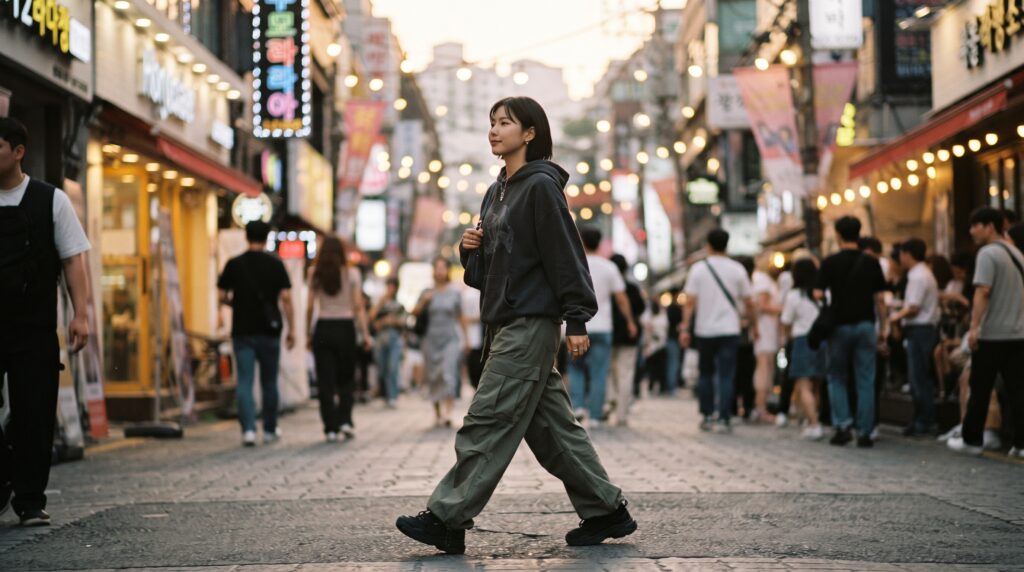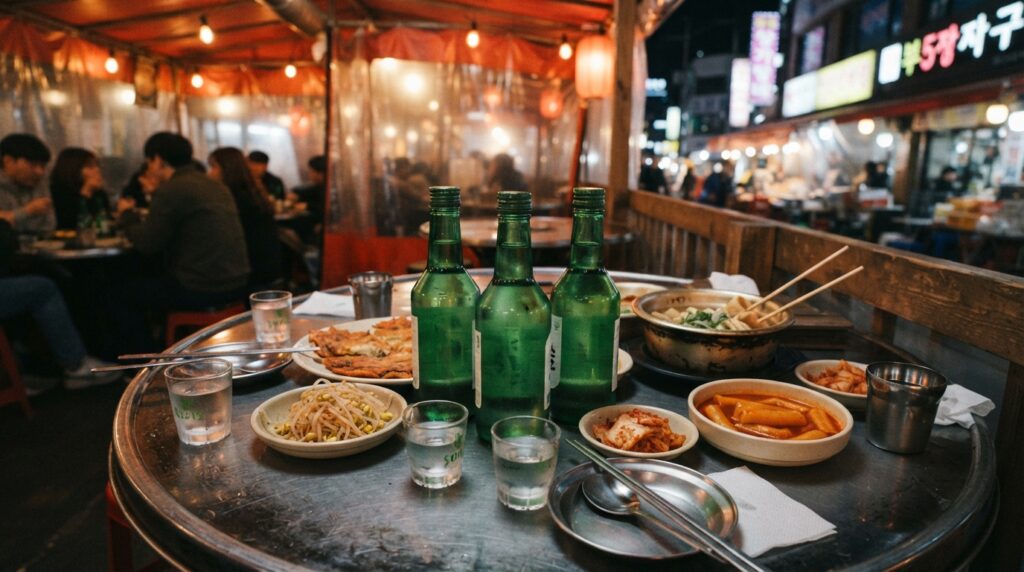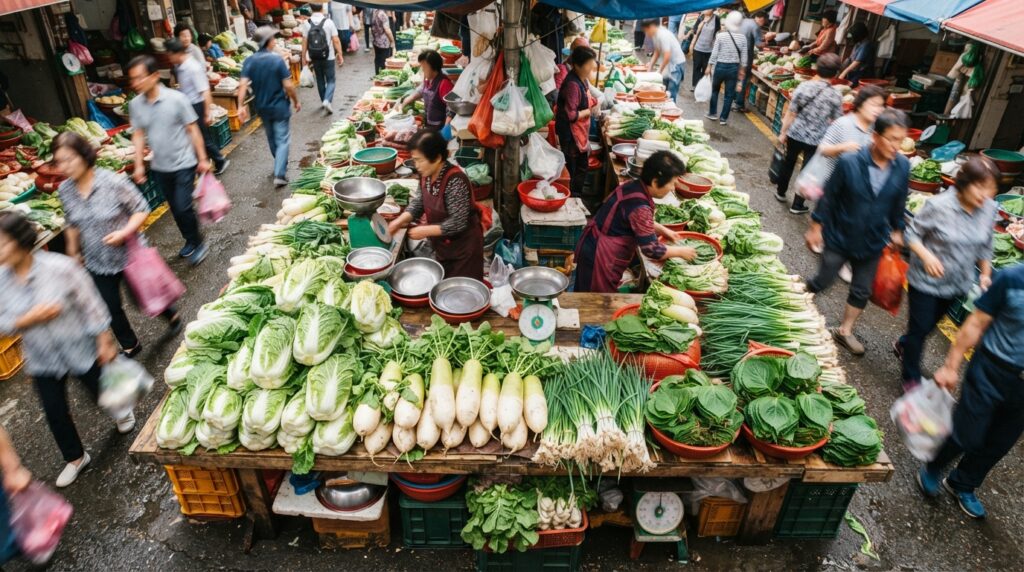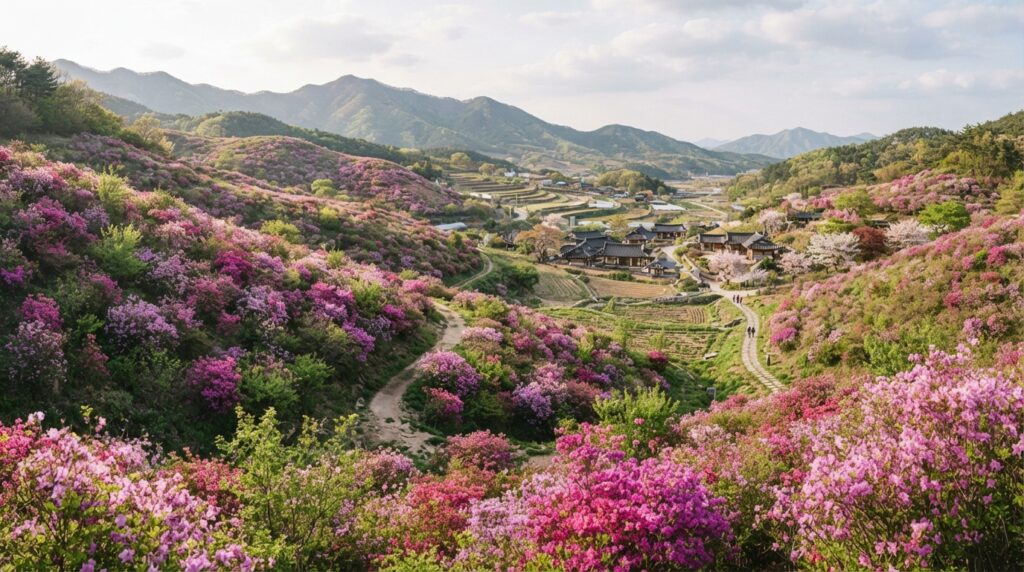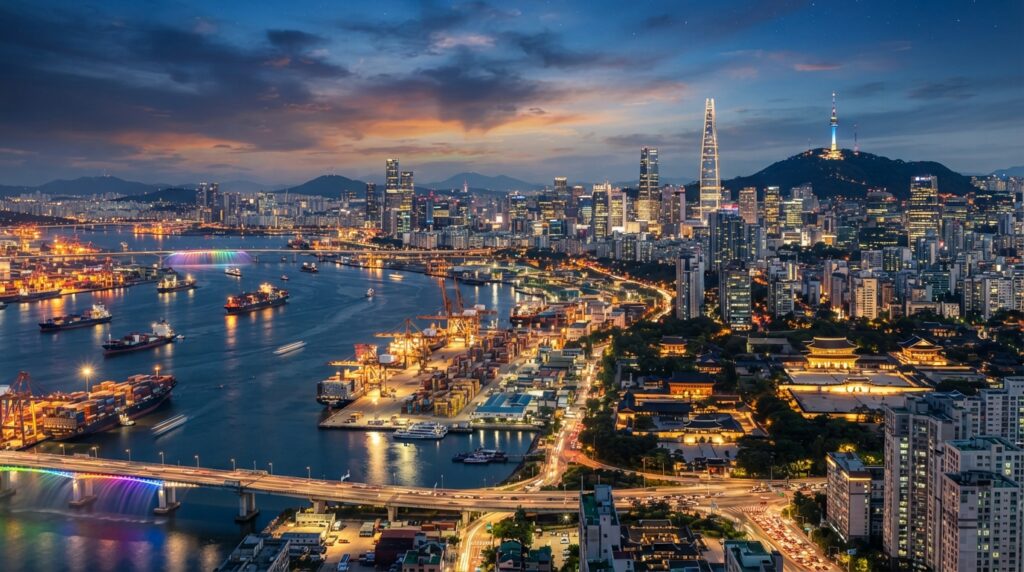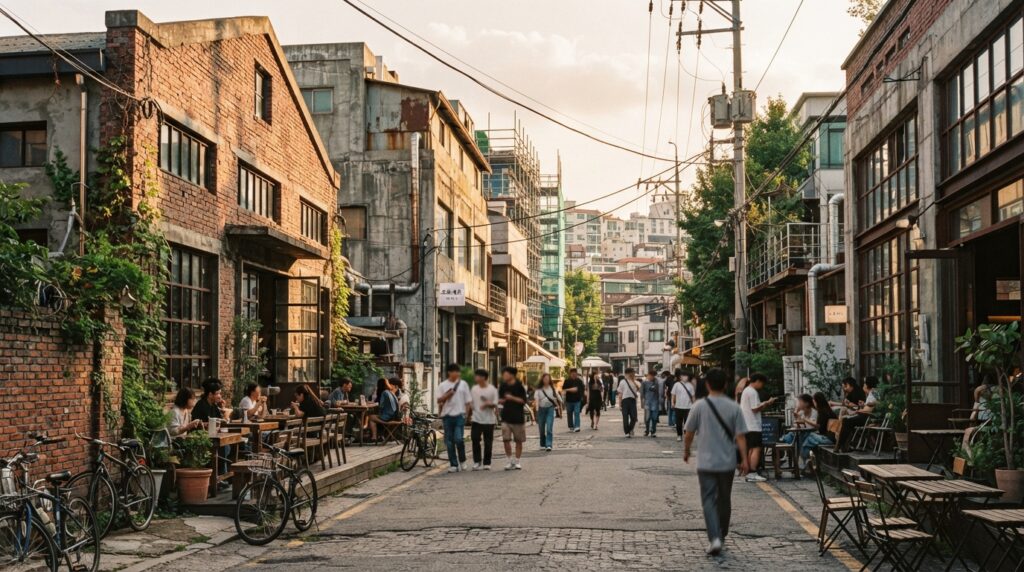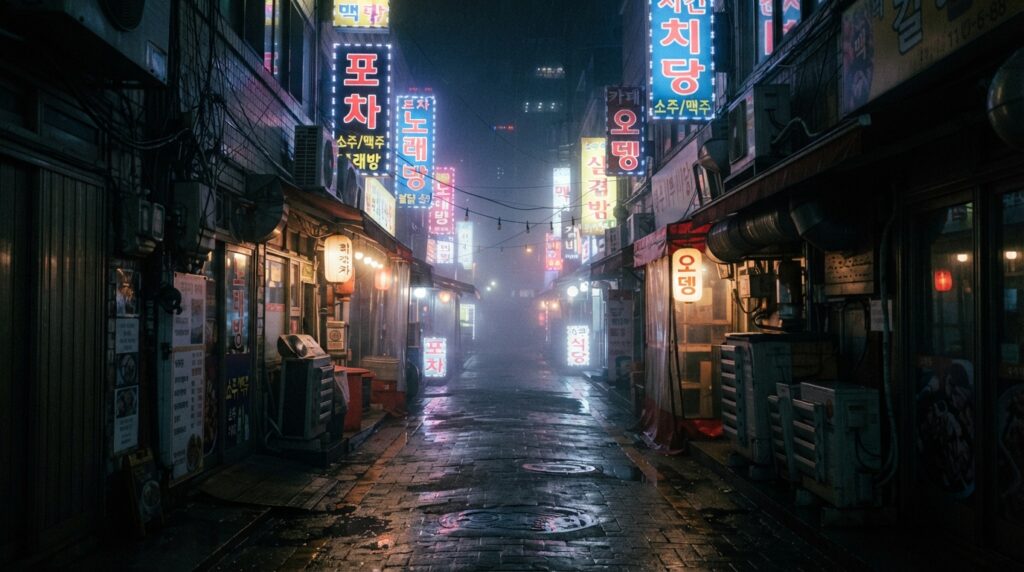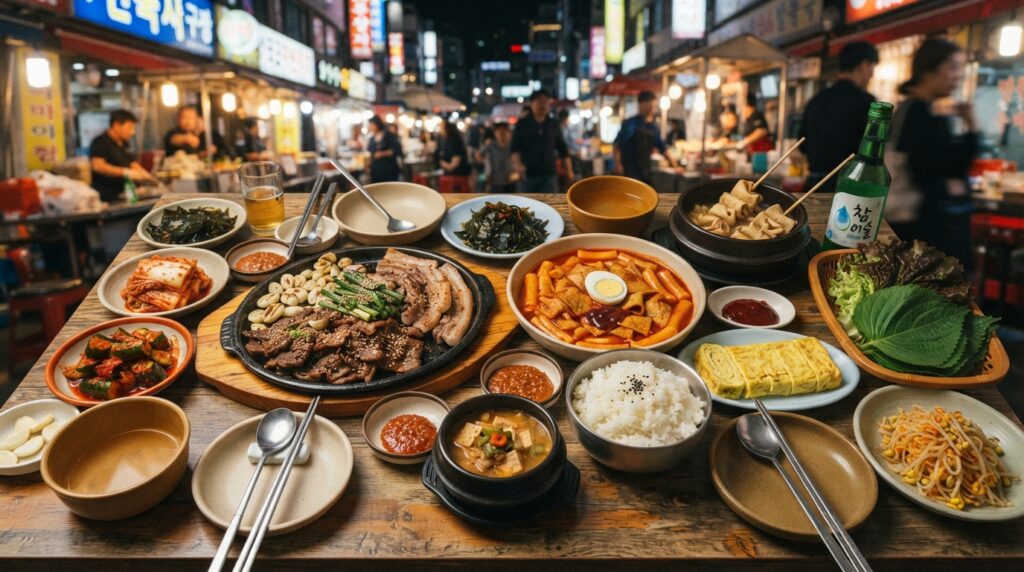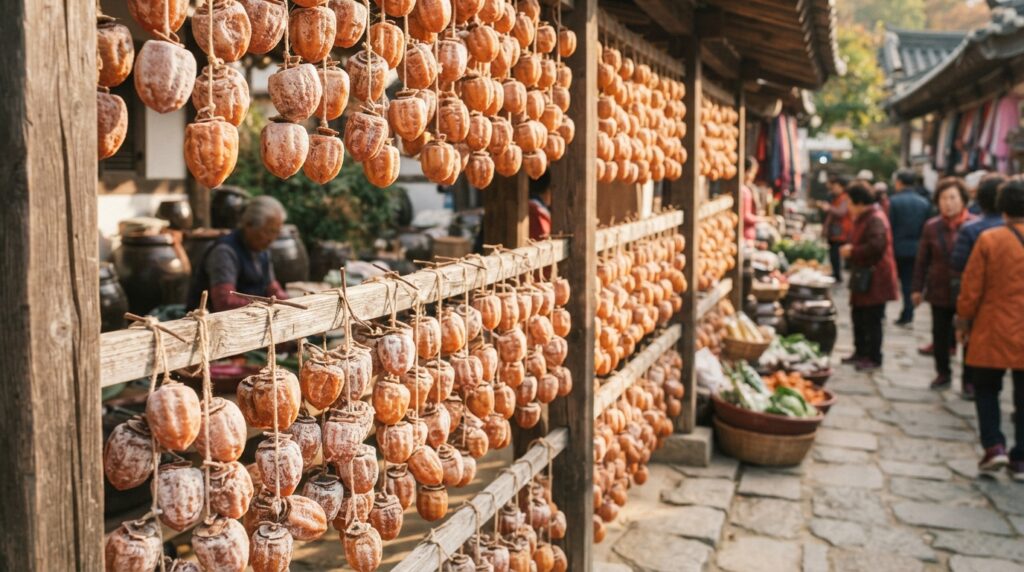

Picture this: you have just spent a magical week in Seoul, wandering through the lantern-lit alleys of Bukchon Hanok Village, slurping steaming bowls of tteokbokki at Gwangjang Market, and standing on the very streets where your favorite K-drama was filmed. The experience has been nothing short of extraordinary — but here is the secret that seasoned Asia travelers already know. The adventure does not have to end in Korea. The countries close to South Korea are some of the most exciting, culturally rich, and accessible destinations on the entire planet, all within a short flight from Incheon International Airport.
South Korea’s geographic position in the heart of Northeast Asia makes it one of the most strategically brilliant starting points for a multi-destination trip across the continent. Whether you are a K-drama fan chasing filming locations beyond Korean borders, a foodie eager to trace the culinary threads connecting Asian cuisines, or a traveler simply hungry for more after Seoul — this guide is your complete roadmap. Let’s explore every country neighboring South Korea worth adding to your itinerary, and how to turn a single Korea trip into the ultimate Asian adventure.
Why South Korea Is the Perfect Starting Point for an Asia Trip

South Korea’s Strategic Location in East Asia
South Korea occupies one of the most enviable geographic positions in all of Asia. Nestled on the Korean Peninsula in Northeast Asia, it shares maritime borders and short flight corridors with some of the continent’s most compelling destinations. To its east lies Japan, to its west lies China, and to its south and southeast, the entire sweep of Southeast Asia opens up like a treasure map.
Incheon International Airport — consistently ranked among the world’s best airports — serves as a global aviation hub connecting Seoul to over 180 destinations worldwide. More importantly for the regional traveler, it offers frequent, affordable flights to neighboring Asian countries, many of which depart multiple times daily. Budget carriers like Air Seoul, Jin Air, and Jeju Air have made hopping between South Korea and its neighbors more accessible than ever before, with fares that often rival the cost of a domestic train ride.
The Rise of Korean Culture and Its Regional Influence
Thanks to the Korean Wave — known globally as hallyu — South Korea’s cultural influence stretches far beyond its physical borders. K-dramas are streamed obsessively from Tokyo to Manila, K-pop concerts sell out arenas in Bangkok and Taipei, and Korean beauty and food trends have reshaped consumer culture across the entire region. This cultural connectivity creates a fascinating travel dynamic: the countries close to South Korea are not just geographic neighbors — they are cultural conversation partners, each shaped by centuries of exchange with the Korean Peninsula.
For K-drama fans in particular, this regional influence adds a thrilling layer to travel planning. Several beloved Korean dramas have been filmed in Japan, Vietnam, the Philippines, and Thailand, meaning your next K-drama pilgrimage might take you far beyond Seoul. That cultural thread — woven between Korea and its neighbors — makes a multi-destination Asia trip feel less like country-hopping and more like following a story across borders.
Countries Close to South Korea: A Complete Breakdown
Japan — The Most Popular Neighbor

No conversation about South Korea’s closest neighbors begins anywhere other than Japan. Separated by just the Korea Strait, Japan is both the geographically nearest and most visited foreign destination for Korean travelers. The flight from Seoul’s Gimpo Airport to Tokyo Haneda takes barely 90 minutes, and for the adventurous traveler, a ferry from Busan to Fukuoka or Shimonoseki offers a scenic maritime crossing that feels genuinely memorable.
The Korea-Japan relationship is one of Asia’s most complex and fascinating — centuries of shared history, cultural borrowing, and occasional rivalry have produced two nations that are strikingly similar in some ways and refreshingly different in others. Both countries share a deep reverence for seasonal beauty, particularly cherry blossoms in spring and autumn foliage, a meticulous food culture built on fermentation and umami, and an urban sophistication that rewards slow, curious exploration.
Top destinations: Tokyo for its electric modernity, Osaka for its legendary street food and warmer local vibe, Kyoto for temple-lined streets and geisha districts, and Fukuoka — the closest major Japanese city to South Korea — for its incredible ramen scene and compact, walkable city center.
K-drama connection: Several Korean productions have filmed scenes in Japan, and the cultural crossover between Korean and Japanese pop culture has made cities like Tokyo and Osaka natural pilgrimages for hallyu fans.
Travel tip: The Busan-to-Fukuoka ferry operated by Korea Ferry and Camellia Line is a budget-friendly and romantically scenic option that takes around three hours — a genuinely special way to cross between the two countries.
China — The Giant Next Door

China shares the Yellow Sea with South Korea’s western coastline, and while the two nations have had their share of diplomatic complexity, China remains one of the most historically and culturally significant neighbors on Korea’s doorstep. Flights from Seoul to Beijing and Shanghai take roughly 1.5 to 2 hours — shorter than many domestic flights within China itself.
The historical and cultural ties between Korea and China run extraordinarily deep. Confucian philosophy, Buddhist traditions, classical architecture, and centuries of dynastic exchange have left visible fingerprints on Korean culture that are fascinating to trace when visiting Chinese cities. For travelers who want to understand Korea more deeply, exploring China’s cultural heritage alongside Korea’s is an illuminating experience.
Top destinations: Beijing for its imperial grandeur — the Forbidden City, the Great Wall, and the Temple of Heaven — Shanghai for its cosmopolitan energy and stunning skyline, and Qingdao, a coastal city in Shandong Province with one of China’s largest Korean expatriate communities, making it a particularly Korea-familiar destination.
Hallyu connection: Despite periodic diplomatic tensions, China remains one of the largest consumers of K-drama content in the world. Korean cultural influence is visible in Chinese cities through Korean restaurants, beauty stores, and entertainment venues — making it a destination where Korean travelers often feel surprisingly at home.
Travel tip: Visa requirements for China have shifted in recent years, so always verify the latest entry requirements before travel. Chinese e-visa options have expanded and are worth checking well in advance.
Taiwan — The Underrated Gem

If there is one country close to South Korea that consistently surprises first-time visitors with how much it has to offer, it is Taiwan. Located approximately 2.5 hours from Seoul by air, Taiwan is a destination that has quietly become one of the most beloved short-trip getaways for Korean travelers — and once you visit, it is immediately obvious why.
Taiwan blends Chinese cultural heritage with Japanese colonial influences and its own deeply distinctive identity into something wholly unique. Its cities are clean, safe, and extraordinarily food-obsessed — a quality that resonates powerfully with Korean travelers who take their own culinary culture seriously. Taipei’s legendary night markets, particularly Shilin and Raohe, are sensory experiences that rival anything in Asia.
Top destinations: Taipei for its incredible food scene, vibrant street culture, and the soaring Taipei 101; Jiufen, a hillside village with golden lantern-lit teahouses that famously inspired the aesthetic of Studio Ghibli’s Spirited Away; and Sun Moon Lake, one of Taiwan’s most serene and scenic natural wonders.
Cultural overlap: Korean and Taiwanese food cultures share a love of fermented flavors, spicy condiments, and communal dining. The night market culture in Taiwan will feel immediately familiar and yet excitingly different to Korean travelers. Taiwan’s Buddhist temple culture also echoes elements of Korea’s own temple heritage.
Travel tip: Many nationalities can enter Taiwan visa-free for up to 90 days, making it one of the most logistically effortless destinations in Asia. Direct flights from Seoul to Taipei are frequent and competitively priced year-round.
Mongolia — The Surprising Close Neighbor

Mongolia may not be the first country that comes to mind when thinking about South Korea’s neighbors, but at roughly three hours by flight from Seoul, it is closer than most people realize — and it offers an experience that is about as far removed from Seoul’s urban intensity as it is possible to get while still remaining in the neighborhood.
The relationship between South Korea and Mongolia is warmer and more interconnected than many outsiders appreciate. South Korea hosts one of the world’s largest Mongolian diaspora communities, and Korean cultural influence — particularly K-dramas and K-pop — is enormously popular in Ulaanbaatar. Korean restaurants, Korean-language schools, and Korean businesses are woven into the fabric of Mongolia’s capital city.
Top experiences: The vast, humbling expanse of the Gobi Desert, nomadic homestays in traditional ger camps on the open steppe, Terelj National Park’s dramatic rock formations just outside Ulaanbaatar, and the Naadam Festival — Mongolia’s spectacular celebration of the “three games of men” (wrestling, horse racing, and archery) held every July.
Travel tip: Summer (June to August) is the best time to visit Mongolia, offering warm temperatures and the full spectacle of nomadic life on the steppe. Winter temperatures plunge to extremes that require serious preparation.
The Philippines — Southeast Asia’s Closest Stop

At approximately 3.5 to 4 hours from Seoul by air, the Philippines represents the gateway to Southeast Asia for Korean travelers — and it is a gateway that an enormous number of Koreans walk through every year. The Philippines is consistently one of the top outbound travel destinations for South Koreans, and the affection is mutual: Korean culture is deeply popular across the Philippine archipelago, and large Korean expatriate communities have established themselves in cities like Manila, Cebu, and Davao.
The Philippines offers something that neither Japan, China, nor Taiwan can easily match: world-class tropical beaches and islands that rank among the finest on Earth. Palawan has repeatedly been named one of the world’s best islands by international travel publications, while Boracay’s powder-white beach and Cebu’s combination of urban energy and island beauty give travelers a dazzling range of options.
Top destinations: El Nido and Coron in Palawan for crystalline lagoons and dramatic limestone karst scenery; Boracay for its iconic White Beach; Cebu City as a cultural and culinary hub; and Siargao for world-class surfing and a laid-back island atmosphere that has become increasingly fashionable among younger Korean travelers.
K-drama connection: The Philippines has served as a filming location for multiple Korean dramas and variety programs. The long-running Korean travel show 2 Days & 1 Night has featured Philippine destinations, and several romantic Korean dramas have used the country’s stunning island backdrops to memorable effect — directly boosting Korean tourist numbers to featured locations.
Travel tip: Direct flights from both Incheon and Gimpo airports to Manila, Cebu, and Puerto Princesa are available with multiple budget carriers, making the Philippines one of the most affordable international destinations accessible from Seoul.
Vietnam — Culture, Food, and K-Drama Magic

Vietnam has emerged over the past decade as one of the most compelling destinations for Korean travelers, and the numbers reflect this enthusiasm: South Korea is consistently among the top sources of international tourists to Vietnam. The affection flows in both directions — South Korean companies have invested heavily in Vietnam’s economy, and Korean cultural influence is deeply embedded in Vietnamese popular culture, particularly among younger generations who have grown up watching K-dramas and listening to K-pop.
At four to five hours from Seoul by air, Vietnam sits at the edge of what can reasonably be called “close” — but its extraordinary value, breathtaking scenery, and food culture that rivals anything in Asia make it well worth the slightly longer flight.
Top destinations: Hanoi for its atmospheric Old Quarter, French colonial architecture, and legendary street food scene; Ho Chi Minh City (Saigon) for its electric urban energy; Da Nang for its beaches and its central position between the ancient town of Hoi An and the misty mountains of Ba Na Hills; and Ha Long Bay, one of Southeast Asia’s most iconic and otherworldly natural landscapes.
K-drama connection: Vietnam has become an increasingly popular filming destination for Korean productions. Da Nang and Hoi An in particular have featured in Korean travel content and dramas, with their lantern-lit streets and golden beaches providing a romantically different visual palette from Korea’s urban landscapes.
Travel tip: Many nationalities can obtain a Vietnamese e-visa online, making entry straightforward. Da Nang is widely considered one of the best bases for Korean travelers seeking a balance of beach, culture, and excellent food at genuinely affordable prices.
Thailand — The All-Rounder

Thailand sits at roughly five to six hours from Seoul — at the outer edge of the “close neighbors” conversation — but its enduring popularity with Korean travelers, the depth of its cultural offerings, and the sheer variety of experiences it provides earn it a firm place on this list. Thailand is the all-rounder of Asian travel destinations: it delivers world-class beaches, magnificent temple culture, one of the planet’s great street food scenes, and a hospitality culture that genuinely embraces its visitors.
Korean tourist numbers to Thailand have grown significantly in recent years, driven in part by the rise of Thai-Korean drama collaborations and the increasing popularity of Thai actors and entertainment in Korea. Bangkok’s Koreatown in the Sukhumvit area reflects the deep ties between the two nations, and Korean restaurants, beauty stores, and cultural events are a familiar presence throughout the city.
Top destinations: Bangkok for its magnificent temples, rooftop bars, and legendary street food; Chiang Mai for its gentler pace, elephant sanctuaries, and stunning mountain-valley scenery; Phuket and Krabi for their dramatically beautiful Andaman Sea coastlines; and Koh Samui for a more relaxed island experience in the Gulf of Thailand.
Travel tip: Thailand’s weather varies significantly by region and season. The cool, dry season from November to February is generally the most comfortable time to visit across most of the country, though the north and south have somewhat different seasonal patterns worth researching before booking.
How to Plan the Perfect Multi-Destination Asia Trip Starting from South Korea

Choosing the Right Country Combination
One of the most common questions travelers ask when planning a multi-destination Asia trip is simply: where do I go after South Korea? The answer depends on three key factors — your travel style, your available time, and your budget. Getting this combination right before you book anything will save you considerable stress and money down the line.
For culture-focused travelers, the Korea–Japan–Taiwan triangle is arguably the most rewarding combination available in Asia. These three destinations share deep historical and cultural roots while offering enough contrast to keep every day feeling fresh and exciting. The food cultures are distinct yet connected, the public transport systems are world-class, and the sheer density of things to see, eat, and experience in each country means you will never run short of things to do.
For beach-and-city travelers, pairing South Korea with Vietnam and the Philippines creates an itinerary that moves beautifully from urban cultural immersion in Seoul to the colonial charm of Hoi An or Hanoi, and then onward to the jaw-dropping island scenery of Palawan or Boracay. This combination offers extraordinary visual variety and exceptional value for money.
For budget-conscious travelers, Vietnam and the Philippines represent the best value among South Korea’s accessible neighbors. Accommodation, food, and local transport in both countries are significantly more affordable than in Japan or Taiwan, allowing travelers to stretch their budget without sacrificing quality of experience.
For luxury travelers, Japan — particularly Tokyo and Kyoto — offers some of the finest hotels, restaurants, and cultural experiences in the entire world. Combining a luxury Seoul city experience with a refined Japanese itinerary creates one of Asia’s most sophisticated travel pairings.
Sample Multi-Destination Itineraries
To make your planning concrete and actionable, here are three fully structured sample itineraries that use South Korea as the launching pad for a broader Asian adventure.
7-Day Itinerary: South Korea + Japan
Days 1–3: Seoul, South Korea
Arrive in Seoul and spend your first three days immersing yourself in the city’s extraordinary depth. Day one is best spent in Gyeongbokgung Palace and the surrounding Bukchon Hanok Village, followed by an evening in the buzzing Insadong cultural district. Day two takes you to Myeongdong for shopping and street food, then up to N Seoul Tower for panoramic city views as the sun sets. Day three is ideal for a day trip to the DMZ — one of the most sobering and historically significant experiences available from Seoul — followed by an evening exploring the nightlife and café culture of Hongdae.
Day 4: Travel Day — Seoul to Fukuoka or Tokyo
Take the Busan-bound KTX train from Seoul Station, then board the ferry from Busan to Fukuoka for a scenic maritime crossing, or fly directly from Incheon to Tokyo Haneda in 90 minutes. Both options have their own distinct appeal.
Days 5–7: Japan
If you have chosen Fukuoka, spend three days exploring its legendary ramen scene at Ichiran, the atmospheric Dazaifu Tenmangu shrine, and the vibrant Canal City shopping complex. If Tokyo is your destination, dedicate a day each to Shibuya and Shinjuku, the temples and traditional streets of Asakusa, and a day trip to Nikko or Kamakura for a breath of historical Japan beyond the capital.
10-Day Itinerary: South Korea + Taiwan + Philippines
Days 1–4: Seoul, South Korea
Four days in Seoul gives you enough time to move beyond the tourist highlights and sink into the city’s neighborhood character. Add Ikseon-dong’s charming alleyway cafés, the street food paradise of Gwangjang Market, and an evening in the hip Yeonnam-dong district to the standard itinerary highlights.
Days 5–7: Taipei, Taiwan
Fly from Incheon to Taipei Taoyuan Airport — roughly 2.5 hours — and check into a hotel in the central Da’an or Zhongzheng districts. Day five is for Taipei 101, the surrounding Xinyi shopping district, and an evening at Shilin Night Market. Day six takes you on a day trip to Jiufen — the hauntingly beautiful hillside village that glows gold with lanterns after dark — and the historic gold mining town of Jinguashi. Day seven is ideal for the National Palace Museum in the morning and a final evening at Raohe Street Night Market before your flight south.
Days 8–10: Palawan or Cebu, Philippines
Fly from Taipei to Manila, then connect to Puerto Princesa in Palawan or Mactan-Cebu International Airport. Three days in Palawan gives you enough time for a tour of the stunning lagoons and hidden beaches around El Nido, a visit to the Puerto Princesa Subterranean River — a UNESCO World Heritage Site — and a sunset island-hopping tour that will produce photographs you will share for years. Alternatively, three days in Cebu allows you to combine the whale shark encounters of Oslob, the dramatic Kawasan Falls canyon canyoneering experience, and the vibrant food scene of Cebu City.
14-Day Itinerary: South Korea + Vietnam + Thailand
Days 1–4: Seoul, South Korea
Use four days to fully absorb Seoul before heading into Southeast Asia. Add a Korean cooking class, a hanbok rental experience in Gyeongbokgung, and a visit to the COEX Starfield Library — one of Seoul’s most photographed spaces — to your standard itinerary.
Days 5–9: Vietnam (Da Nang + Hoi An)
Fly from Incheon to Da Nang — approximately four hours — and use Da Nang as your base for exploring one of Vietnam’s most rewarding regions. Day five is for settling in and exploring My Khe Beach. Day six takes you to Hoi An Ancient Town, where the lantern-lit streets and tailor shops make for an utterly enchanting day that stretches naturally into evening. Day seven is ideal for the Golden Bridge at Ba Na Hills — that extraordinary pedestrian bridge held aloft by giant stone hands — which has become one of Vietnam’s most iconic and widely photographed modern landmarks. Days eight and nine are perfect for a cooking class in Hoi An, a bicycle ride through the rice paddies surrounding the ancient town, and an evening river cruise.
Days 10–14: Bangkok + Chiang Mai, Thailand
Fly from Da Nang to Bangkok — roughly 90 minutes — and spend two days exploring the Thai capital’s magnificent temple circuit (Wat Phra Kaew, Wat Pho, and Wat Arun), its legendary street food scene along Yaowarat Road in Chinatown, and the rooftop bar culture of the Silom and Sukhumvit districts. Then take a one-hour domestic flight or a comfortable overnight train to Chiang Mai for three days of a distinctly different Thailand — the Saturday Walking Street market, the elephant sanctuary experience at Elephant Nature Park, a sunrise visit to Doi Suthep temple above the city, and the extraordinary lantern festival atmosphere that lingers in Chiang Mai’s old city year-round.
Budget and Practical Planning Tips
Turning a South Korea trip into a full multi-destination Asia adventure requires some logistical thinking, but the good news is that the infrastructure supporting this kind of travel in Northeast and Southeast Asia is excellent.
Budget airlines from Incheon: Low-cost carriers including Air Seoul, Jin Air, Jeju Air, and T’way Air operate extensive networks of affordable routes connecting Seoul to destinations across Asia. Booking these flights four to eight weeks in advance typically yields the best fares. Flying mid-week — particularly on Tuesdays and Wednesdays — often produces meaningfully lower prices than weekend departures.
The Korea Travel Card: For travelers spending multiple days in Seoul before heading onward, the T-money card (South Korea’s rechargeable transit card) covers buses, subways, and even some taxis across Seoul and other Korean cities. It is an essential item for navigating the city affordably and efficiently.
Currency and payments: Japan and Taiwan are still largely cash-dependent societies in many contexts, so carrying local currency alongside a travel card is wise. Vietnam and Thailand are increasingly card-friendly in tourist areas, but cash remains king in markets, street food stalls, and rural areas. A travel debit card with low foreign transaction fees — such as those offered by Wise or Revolut — is genuinely invaluable across a multi-country Asian trip.
SIM cards and connectivity: South Korea’s Incheon Airport is one of the best places in the world to pick up a travel SIM card, with multiple providers offering data-only tourist SIMs at competitive prices. For multi-country travel, a regional eSIM covering several Asian countries simultaneously — available through providers like Airalo — eliminates the need to purchase a new SIM in every country.
Travel insurance: Always secure comprehensive travel insurance before embarking on a multi-destination trip. Look for policies that cover medical evacuation, trip cancellation, and adventure activities if you plan to engage in water sports, trekking, or other active pursuits in countries like the Philippines or Thailand.
Cultural Connections — How Korea’s Neighbors Share Its Soul
Food Trails Across Korea’s Neighboring Countries

One of the most rewarding ways to experience the countries close to South Korea is through the lens of food — because the culinary connections between Korea and its neighbors are genuinely deep, surprising, and delicious.
Korea’s love of fermentation finds echoes throughout the region. Japan’s miso, sake, and tsukemono pickles share a philosophical kinship with Korea’s kimchi, doenjang, and makgeolli. Vietnam’s dưa cải — a pungent fermented mustard green — mirrors the pickling traditions that define Korean banchan culture. Taiwan’s fermented tofu and pickled vegetables reflect the same instinct to preserve and transform that drives Korean fermentation.
Noodle culture is another powerful thread connecting Korea to its neighbors. Korean naengmyeon (cold buckwheat noodles) has fascinating parallels with Japanese soba. Vietnamese phở and bún bò Huế occupy the same emotional space in Vietnamese food culture that Korean gukbap and seolleongtang occupy in Korea’s — deeply nourishing, slow-cooked, identity-defining soups that locals eat for breakfast and reach for when the world feels difficult.
Must-try dishes by country for Korean food lovers:
- Japan: Hakata-style tonkotsu ramen in Fukuoka, takoyaki in Osaka, kaiseki multi-course dining in Kyoto
- Taiwan: Beef noodle soup, scallion pancakes, stinky tofu at night markets, pineapple cake as a take-home gift
- Vietnam: Bún chả in Hanoi, bánh mì from a sidewalk cart, fresh spring rolls in Hoi An, cà phê trứng (egg coffee) in the Old Quarter
- Philippines: Lechon (whole roasted pig) in Cebu, sinigang (sour tamarind soup), kare-kare (peanut stew), and fresh-caught seafood grilled on the beach
- Thailand: Pad Thai from a street wok, khao soi coconut curry noodles in Chiang Mai, som tam green papaya salad, and mango sticky rice as a perfect dessert
K-Drama Fans’ Guide to Filming Locations in Nearby Countries
For the growing global community of K-drama fans, the countries close to South Korea are not just travel destinations — they are extensions of the Korean storytelling universe, backdrops that have appeared on screen and now invite real-world exploration.
Japan has featured in numerous Korean productions, with Tokyo’s Shinjuku district, the cherry blossom paths of Kyoto, and the atmospheric streets of Hakodate providing romantic and visually stunning settings for Korean drama scenes and music video shoots.
Vietnam has emerged as one of the most popular international filming locations for Korean content. Da Nang’s Han River Bridge, the lantern-lit evenings of Hoi An, and the karst scenery of Ha Long Bay have all featured in Korean travel variety shows that subsequently drove significant increases in Korean tourist arrivals.
The Philippines has hosted filming for multiple Korean dramas and variety shows, with Palawan’s breathtaking natural scenery and Cebu’s island landscapes providing visually dramatic backdrops that are immediately recognizable to regular K-drama viewers.
Thailand is at the forefront of a new wave of Korean-Thai drama collaborations, with joint productions between Korean and Thai production companies bringing both countries’ actors and locations together on screen — a trend that is accelerating rapidly as hallyu continues to expand across Southeast Asia.
For K-drama fans planning a multi-destination Asia trip, researching which episodes of favorite dramas were filmed in your chosen destinations adds a wonderful layer of personal meaning to the travel experience. Fan communities on platforms like Reddit’s r/kdrama and dedicated K-drama travel blogs maintain regularly updated lists of international filming locations.
Frequently Asked Questions
What country is closest to South Korea?
Japan is the country geographically closest to South Korea. The two nations are separated by the Korea Strait, and the Japanese city of Fukuoka is only approximately 200 kilometers from the South Korean port city of Busan — close enough to be reached by ferry in around three hours.
Can you travel from South Korea to Japan by ferry?
Yes, several ferry services operate between South Korea and Japan. The most popular route runs between Busan and Fukuoka, operated by services including the Beetle hydrofoil and the Camellia Line. The crossing takes between three and six hours depending on the vessel. Ferry travel between the two countries is a budget-friendly and scenically memorable alternative to flying.
Which countries are within 3 hours of Seoul by plane?
Japan, China, Taiwan, and Mongolia are all reachable from Seoul’s Incheon International Airport within approximately three hours by air. Japan is the closest, with flights to Fukuoka taking under 90 minutes and flights to Tokyo around 90 minutes to two hours. Beijing and Shanghai are roughly 1.5 to 2 hours away, Taipei is approximately 2.5 hours, and Ulaanbaatar in Mongolia is around three hours.
Is it easy to travel from South Korea to nearby Asian countries?
Exceptionally so. Incheon International Airport is one of Asia’s premier aviation hubs, with frequent direct flights to destinations across Northeast and Southeast Asia. Multiple budget carriers operate out of both Incheon and Seoul’s secondary Gimpo Airport, offering affordable connections to Japan, China, Taiwan, Vietnam, the Philippines, Thailand, and beyond. Visa requirements vary by destination and nationality, so checking entry requirements well in advance is always recommended.
What is the best country to visit after South Korea?
Japan is consistently the most popular choice for travelers continuing onward from South Korea, thanks to its geographic proximity, cultural familiarity, world-class infrastructure, and extraordinary depth of experiences. However, the best country after South Korea truly depends on your priorities. For beaches and tropical scenery, the Philippines or Thailand is ideal. For cultural immersion on a budget, Vietnam offers extraordinary value. For a seamless, efficient travel experience with fascinating cultural contrasts, Taiwan is a superb choice.
How close is South Korea to China?
China shares the Yellow Sea with South Korea’s western coast. Flight times from Seoul to Chinese cities vary depending on the destination: flights to Qingdao and Beijing take approximately 1.5 to 2 hours, Shanghai is around 2 hours, and flights to southern Chinese cities like Guangzhou or Chengdu take 3 to 4 hours. South Korea and China do not share a land border — North Korea lies between them — but the maritime proximity makes air travel between the two countries quick and well-served.
South Korea is one of Asia’s most extraordinary travel destinations in its own right — but its greatest secret may be the neighborhood it sits in. The countries close to South Korea form a constellation of experiences that are among the most diverse, culturally rich, and genuinely thrilling on the entire planet. From the refined precision of Japan to the lantern-lit magic of Taiwan, from the vast, humbling steppes of Mongolia to the crystalline island paradise of the Philippines, from Vietnam’s soul-nourishing food culture to Thailand’s warm and magnificent all-round appeal — South Korea’s neighbors reward the curious traveler at every turn.
Using Seoul as your launchpad is not just a logistical convenience. It is a genuinely inspired way to begin an Asian adventure, because the cultural foundations you build during your time in Korea — the appreciation for meticulous food culture, the sensitivity to seasonal beauty, the understanding of Confucian social values and their modern expressions — travel with you as illuminating lenses through which to interpret every destination that follows.
Whether you have a week to combine Korea with Japan, ten days to weave through Taiwan and the Philippines, or a glorious two weeks to drift from Seoul through Vietnam into Thailand, your multi-destination Asia trip begins in the best possible place. Pack your bags, load your K-drama playlist for the flight, and let South Korea be the beginning of something much bigger.
Explore more Korea travel guides, K-drama filming location features, and cultural deep dives right here on the site — your next destination is waiting.