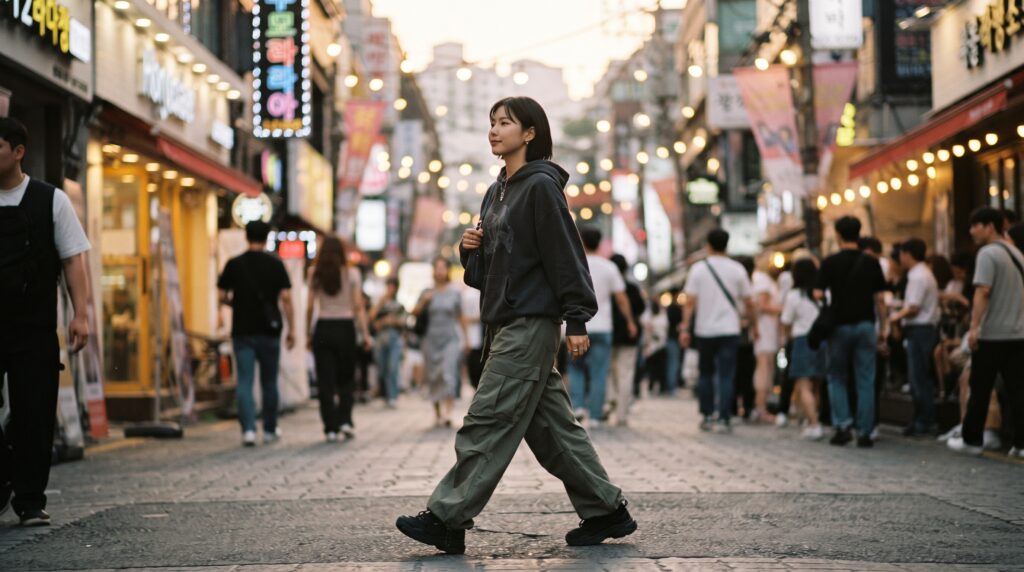

There’s a particular hour in Seoul — somewhere around 4:30 in the afternoon — when the light turns gold, the air sharpens, and the last maple leaves cling to branches like they know their time is almost up. This is November in Korea: not quite autumn, not yet winter, but a season all its own. It’s the month K-drama directors love for their final-act walks through quiet palace courtyards, and the month savvy travelers love because the crowds have thinned and the prices have dropped.
But November is also a tricky month to plan around. Visit too early and you might miss the festivals; visit too late and you might miss the color entirely. The weather can swing from a mild 15°C afternoon to a biting 2°C evening within the same week.
This guide breaks down exactly what to expect — region by region, week by week — so you can plan a November trip to Korea that actually matches what the season delivers, rather than what the postcards promise.
What Is November Like in Korea? (Season & Climate Overview)

Late Autumn Meets Early Winter — Korea’s Seasonal Identity in November
Korea divides its year into four distinct seasons, and November sits at the hinge between two of them. The first half of the month still belongs to autumn — crisp, dry, golden. By the back half, winter has already announced itself in the mornings, even if the afternoons haven’t caught up yet. This isn’t a flaw in the season; it’s the defining feature. Locals refer to this transitional stretch as the moment the country quietly exhales after the intensity of summer and the visual drama of peak autumn, settling into something calmer and more contemplative.
For travelers, this matters because it means your experience in early November will look and feel meaningfully different from your experience in late November — sometimes within the same city.
Average Temperatures by Region (Seoul, Busan, Jeju)
Temperature is the single biggest variable to plan around, and it shifts noticeably as the month progresses.
Seoul: Daytime highs typically start the month in the mid-teens (°C) and fall to single digits by the end of November, with overnight lows dropping close to freezing in the final week. Expect a realistic range of roughly 11–13°C by day and 2–3°C at night for most of the month.
Busan: As a coastal southern city, Busan runs several degrees warmer than Seoul throughout November, with daytime highs often holding in the mid-teens even toward month’s end. The sea air also keeps the cold from feeling as sharp.
Jeju Island: The warmest of the three, Jeju frequently sees daytime temperatures in the mid-to-high teens well into late November, which is part of why it holds onto fall color the longest of any major Korean destination.
The practical takeaway: if you’re chasing milder weather alongside your foliage, push your itinerary south.
Rainfall, Humidity & Sunshine Hours — Why November Is One of the Driest Months
One of November’s most underrated qualities is how dry it is. After Korea’s intense summer monsoon season, November settles into one of the driest, clearest stretches of the entire year. Most sources put the average rainfall for the month at somewhere between 45–55mm spread across just 8–11 rainy days — a fraction of what falls during peak monsoon months. Humidity also drops to some of its lowest annual levels, and skies stay largely clear, which is exactly the kind of weather that makes outdoor sightseeing, temple visits, and hiking genuinely pleasant rather than something to endure.
Sunshine hours average around 5 hours per day, and the air typically feels crisp and clean rather than damp — a welcome contrast for anyone who has visited Korea during its humid summer months.
Early Snow? What to Know About Late-November Flurries
Snow in November is the exception, not the rule, but it’s not impossible — particularly in the final week of the month or in higher-elevation areas like Gangwon-do province. Most years, any snowfall that does occur is light and doesn’t accumulate meaningfully. Still, if your trip falls in the back half of November, it’s worth packing for the possibility, especially if mountain hikes are on your itinerary.
Will You Catch Fall Foliage in November?

This is, understandably, the question most travelers are really asking when they search for information on visiting Korea in November. The honest answer: it depends entirely on where you go and when.
Foliage Timeline — Early vs. Mid vs. Late November
Korea’s autumn foliage doesn’t arrive everywhere at once — it moves like a wave, starting in the mountains and northern regions in October and rolling south and downhill as the weeks pass. By the time November begins, peak color has typically already passed through Seoul’s most famous spots like Namsan and the northern mountain parks. However, early November still offers strong color in many lower-elevation and southern areas, and that window holds even longer in places like Jeju.
As a general rule: early November rewards travelers chasing the tail end of vivid color, while mid-to-late November is better suited to those who’ve made peace with bare branches and want the quieter, starker beauty of true late autumn instead.
Best Foliage Destinations Still in Color
A few locations consistently hold onto their color longer than the rest of the country:
- Naejangsan National Park — known for some of the latest-lasting maple displays in Korea, often still vibrant in early-to-mid November
- Lower-elevation trails on Seoraksan — while the upper peaks peak in October, the base trails often stay colorful into November
- Jeju Island — thanks to its milder climate, fall color here persists noticeably longer than on the mainland
- Southern temple grounds, including quieter rural temples away from Seoul, which tend to retain color a week or two longer than the capital
Why Timing Your Trip to Early November Matters for Leaf-Peepers
If foliage is the priority driving your trip, the first one to two weeks of November represent the most reliable window for the mainland outside of Jeju. Waiting until the final week significantly increases the odds you’ll find bare trees rather than the fiery reds and golds Korea is known for.
Tip Box — Foliage Forecast Rule of Thumb: Color moves south and downhill as November progresses. If you’ve missed peak color in Seoul, head toward Jeju or southern regions like Jeonju rather than assuming the color has disappeared entirely — it’s simply relocated.
Top Things to Do in Korea in November

Cultural & Heritage Experiences
November’s cooler, clearer weather makes it one of the best months for exploring Korea’s palaces and traditional villages without summer crowds or heat fatigue. Bukchon Hanok Village in Seoul is especially atmospheric this time of year, its traditional wooden rooflines framed against bare or golden trees. The Jogyesa Temple Chrysanthemum Festival, running from mid-October through mid-November, transforms the temple grounds into a sea of color through elaborate chrysanthemum displays, exhibitions, and cultural performances — a distinctly Korean way of marking the season’s close.
Food Festivals & Seasonal Eats
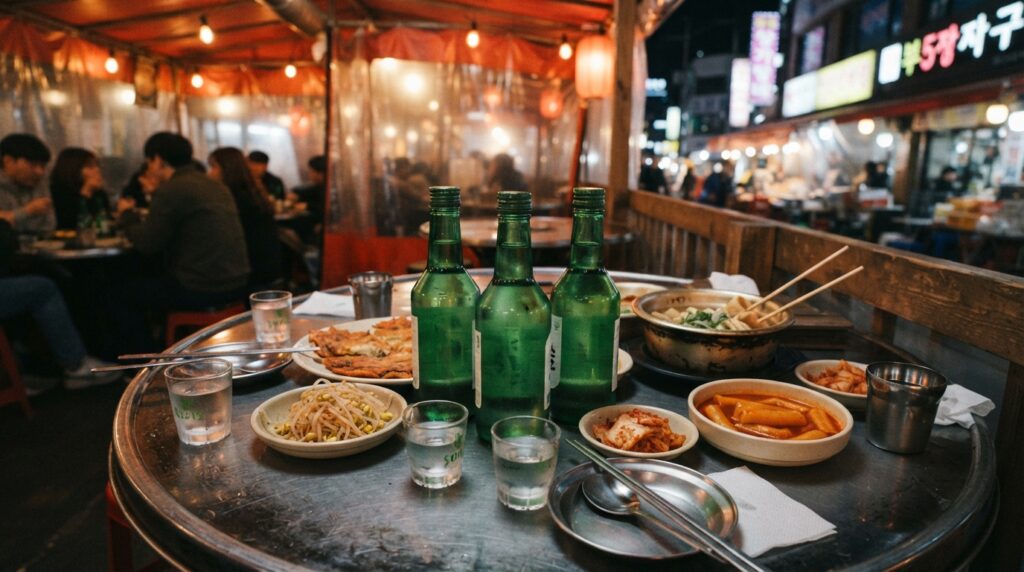
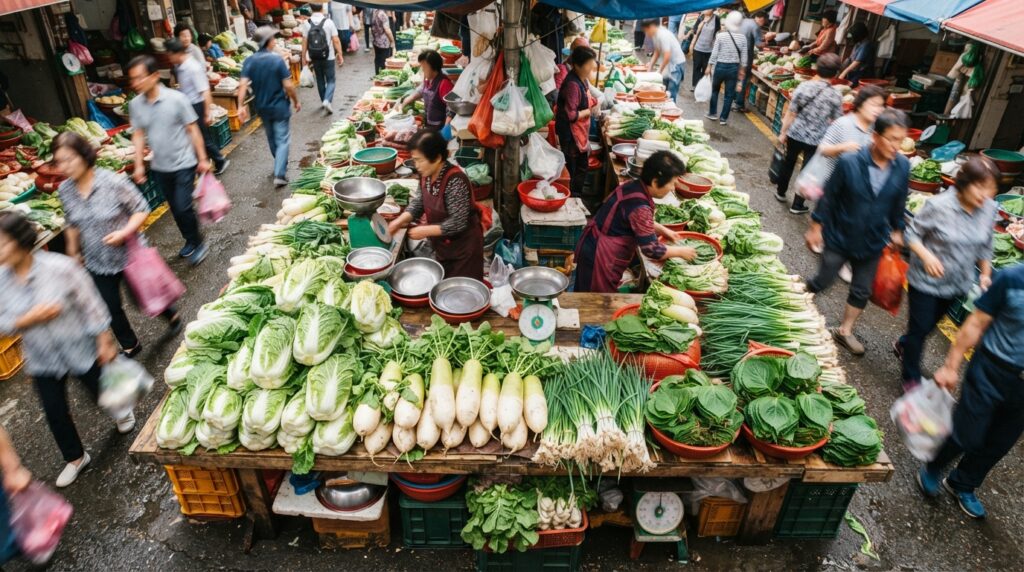
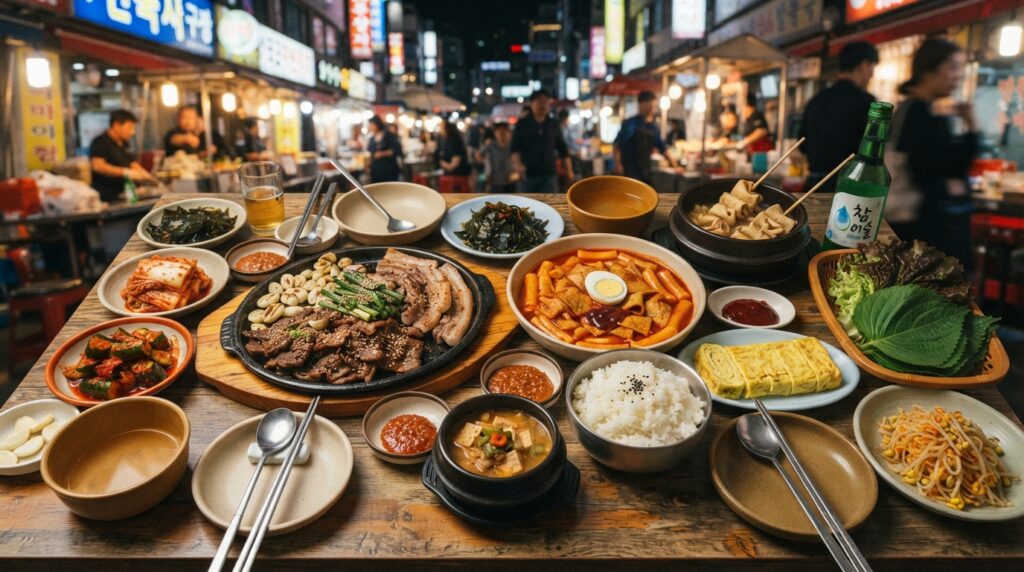
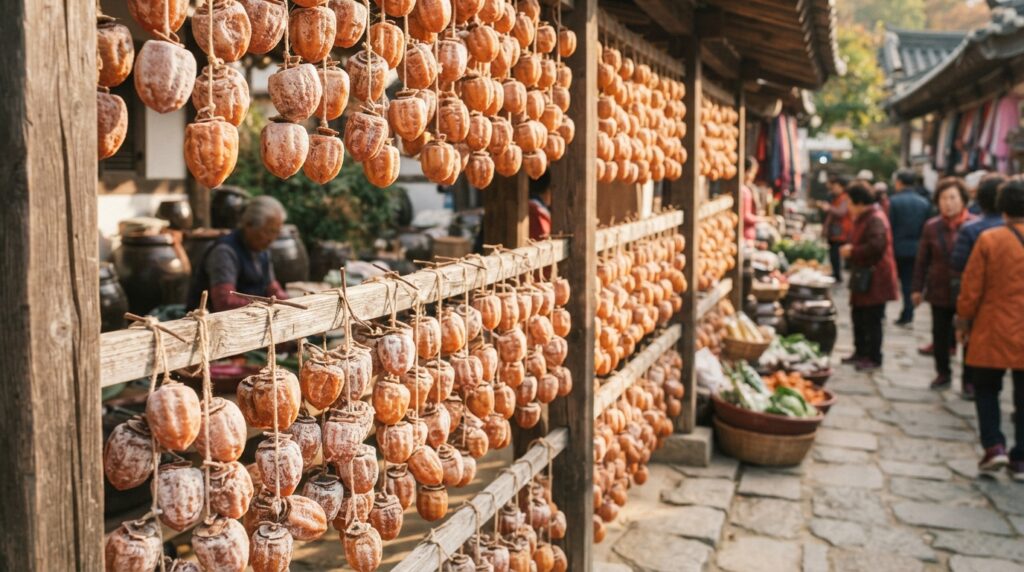
November carries deep culinary significance in Korea, centered around Kimjang — the traditional practice of making large batches of kimchi to last through the winter months. Seoul Plaza hosts a dedicated kimchi-making festival in early November, where visitors can participate hands-on, with much of the kimchi produced donated to those in need for the winter ahead. Beyond kimchi, November is peak season for roasted chestnuts sold from street carts, along with seasonal persimmons and the first warming bowls of stews that mark the shift toward colder-weather Korean cuisine.
Quiet-Season Hiking
With humidity low and crowds thinned, November is an excellent month for hiking trails that get uncomfortably packed in peak autumn weeks. Bukhansan, Songnisan, and the fortress walking paths at Namhansanseong all offer cooler-weather hiking with lingering color in their lower trails through early November, and stark, beautiful, crowd-free scenery for the rest of the month.
K-Drama Filming Locations That Shine in Late Autumn
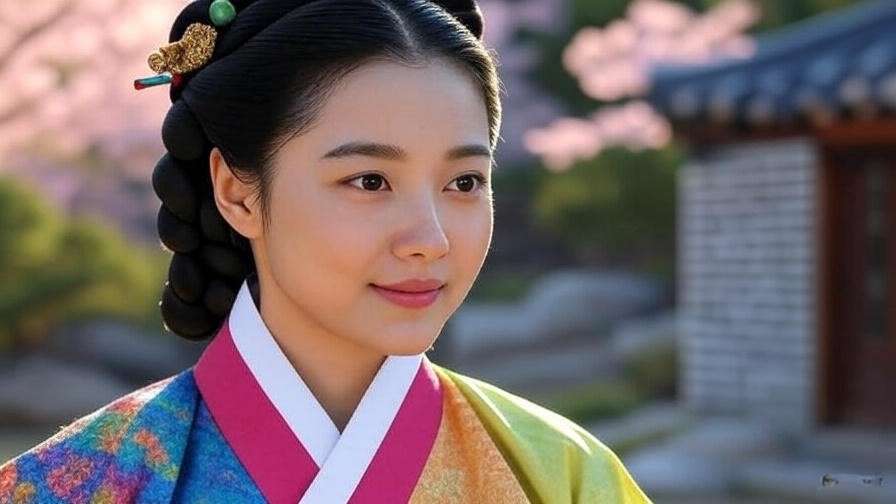
For fans of Korean dramas, November carries an extra layer of meaning. Many beloved series use Korea’s late-autumn palette — bare branches against traditional architecture, characters walking through fallen leaves at hanok villages — as visual shorthand for nostalgia, longing, or quiet emotional turning points. Locations like Bukchon Hanok Village and the palace grounds of central Seoul frequently double as backdrops for these scenes, meaning a November visit lets fans experience firsthand the same muted, melancholic beauty that shows up so often on screen.
Is November a Good Time to Visit Korea? (Pros & Cons)

Why November Is the “Shoulder Season Sweet Spot” — Fewer Crowds, Lower Prices
November sits in an underrated stretch between two of Korea’s busiest tourist windows: peak autumn foliage season (mid-to-late October) and the winter holiday and ski season (December onward). That positioning works heavily in the traveler’s favor. Hotel rates in major cities and even on Jeju tend to soften compared to October’s foliage rush, flights become easier to book at reasonable prices, and popular attractions — palaces, hanok villages, hiking trails — see a noticeable drop in foot traffic. For anyone who has visited Korea during peak cherry blossom season or October’s color rush and found themselves elbow-to-elbow with other travelers, November offers something different: room to actually experience a place rather than just photograph it through a crowd.
The dry, low-humidity weather adds to the appeal. Sightseeing simply feels more comfortable when you’re not battling summer heat or monsoon rain, and the clearer skies make for sharper, more dramatic photography light.
The Trade-Offs — Fading Foliage & Dropping Temperatures
The honest counterpoint: November is a month of diminishing returns on two fronts. Foliage that was vivid in early November fades fast, and by the back half of the month, many travelers will find bare branches rather than the fiery color they pictured. Temperatures follow a similar downward slope — what feels like a comfortable, light-jacket afternoon in week one can feel genuinely cold by week four, particularly once the sun sets.
There’s also less daylight to work with. By late November, Seoul sees under 10 hours between sunrise and sunset, which means itineraries need to be planned a little more tightly than they would in spring or summer.
Who Should (and Shouldn’t) Visit Korea in November
November tends to suit:
- Budget-conscious travelers who want lower hotel and flight costs without sacrificing good weather
- Culture and history travelers drawn to palaces, temples, and traditional villages, which photograph beautifully in low autumn light and crowd-free conditions
- Photographers chasing the quieter, starker beauty of late-autumn landscapes rather than peak color
- Food travelers interested in seasonal traditions like Kimjang and the shift toward warming winter dishes
November is less ideal for:
- Travelers whose primary goal is guaranteed vivid, peak-color foliage everywhere they go
- Beach or coastal-activity travelers, as water temperatures and weather have cooled significantly by this point
- Anyone highly sensitive to cold mornings and evenings without flexible, layerable clothing
What to Pack for Korea in November
Layering Essentials
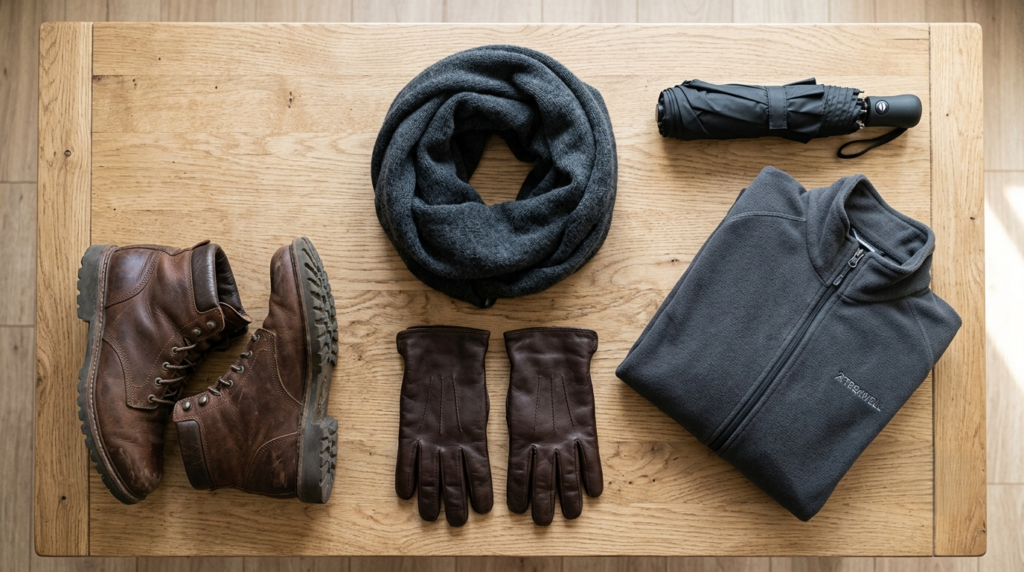
The single most useful packing strategy for a November trip to Korea is layering. Daytime temperatures can sit comfortably in the low-to-mid teens, while evenings drop sharply enough to need a genuinely warm layer. A good approach: a breathable base layer, a mid-weight sweater or fleece, and a wind-resistant jacket that can be added or removed throughout the day. A scarf and a light pair of gloves are worth packing as well, especially for evening outings or visits to higher-elevation areas in Gangwon-do.
Footwear for Cold Mornings & Leaf-Strewn Trails
Comfortable, closed-toe walking shoes with reasonable grip matter more in November than in warmer months. Stone palace courtyards, temple paths, and trails covered in fallen leaves can all become slightly slick, particularly after the occasional rain shower. Waterproof or water-resistant footwear is a smart addition if hiking is part of the itinerary.
One Often-Overlooked Item
Korea’s November air is notably dry, and the combination of lower humidity and cooler temperatures can be tougher on skin than travelers expect. A good moisturizer or lip balm is a small addition that makes a noticeable difference. A compact umbrella is also worth keeping in a daypack — while November is one of the drier months, the occasional shower still rolls through, and being caught without one on a long palace walk is an easy regret to avoid.
Regional Spotlight — Where to Go in Korea This November

Seoul — Palace Walks & City Lights
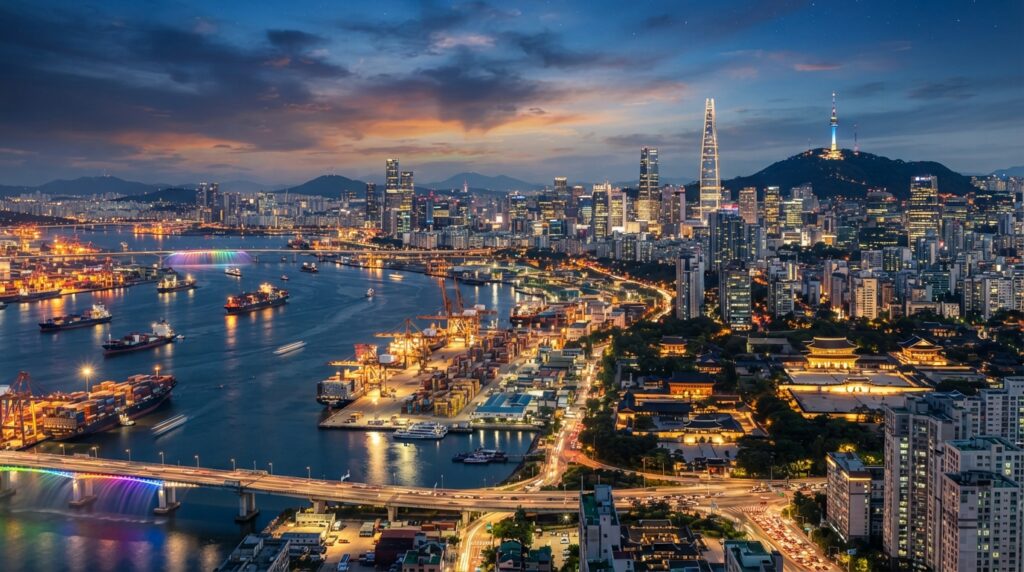
Seoul in November offers some of the most atmospheric palace walks of the year. With humidity low and crowds thinner than in October, sites like Gyeongbokgung and Changdeokgung’s Secret Garden feel noticeably calmer. As darkness falls earlier in the day, the city’s lighting — from traditional lantern displays to the glow of riverside walks along the Han — takes on a quieter, more intimate character than its summer counterpart.
Jeju Island — Mildest Weather, Lingering Color
For travelers who want to maximize both comfortable weather and lingering autumn color, Jeju is the strongest single destination in November. Its milder coastal climate keeps daytime temperatures noticeably higher than the mainland, and its volcanic landscape holds onto fall color longer than almost anywhere else in the country.
Gangwon-do & Nami Island — Iconic Late-Autumn Scenery
Gangwon-do province and the widely photographed Nami Island remain a strong draw in November, particularly in the first half of the month. The tree-lined avenues here are some of the most recognizable late-autumn images associated with Korea, frequently appearing in Korean dramas and films precisely because the scenery does so much emotional work on its own.
Jeonju & Southern Temple Towns — Slow Travel, Fewer Tourists
For a slower-paced alternative to Seoul, southern destinations like Jeonju offer traditional hanok architecture, quieter streets, and food culture (Jeonju is particularly famous for its take on bibimbap) without the crowds that build up during peak autumn weekends. Rural temple towns across the south follow a similar pattern — color lingers a little longer, and the pace of travel slows considerably.
Frequently Asked Questions
Is November too cold to visit Korea?
Not generally. Daytime temperatures across most of the month remain comfortable for sightseeing, typically ranging from the low teens down to around freezing by late November in Seoul, with milder conditions in Busan and Jeju. Evenings are where the cold becomes noticeable, so layering is the key to staying comfortable rather than avoiding the month altogether.
What is the best week in November to see fall foliage in Korea?
The first one to two weeks of November offer the most reliable foliage on the mainland, particularly in southern regions and lower-elevation trails. Jeju Island holds onto color longer than almost anywhere else, often remaining vibrant well past the point the mainland has gone bare.
Do I need a winter coat in Korea in November?
A full winter coat isn’t usually necessary, but a warm, wind-resistant jacket is essential, especially for evenings and the final weeks of the month. Layering with a sweater or fleece underneath gives more flexibility than a single heavy coat.
Are flights and hotels cheaper in Korea in November?
Generally, yes. November sits between the high-demand foliage season of October and the winter holiday travel surge, which means both flights and accommodations tend to be more reasonably priced than in the months immediately before and after.
What festivals happen in Korea in November?
Two of the most notable are the Jogyesa Temple Chrysanthemum Festival, running from mid-October into mid-November, and Seoul’s Kimjang kimchi-making festival in early November, which celebrates the traditional practice of preparing kimchi for winter.
Final Thoughts — Planning Your November Trip to Korea
November in Korea rewards travelers who plan around its specific rhythm rather than treating it like an extension of October. Go early for color, go south for warmth, and go in with the expectation that this is a quieter, more reflective season — one built for palace walks in low golden light, bowls of warming food, and the particular stillness that settles over the country as it eases toward winter.
Whether you’re chasing the last of the maple reds on Jeju or simply want to wander Bukchon’s hanok rooftops the way your favorite drama’s characters once did, November offers something October’s crowds and December’s chill can’t quite match: space to actually slow down and notice the season changing around you.