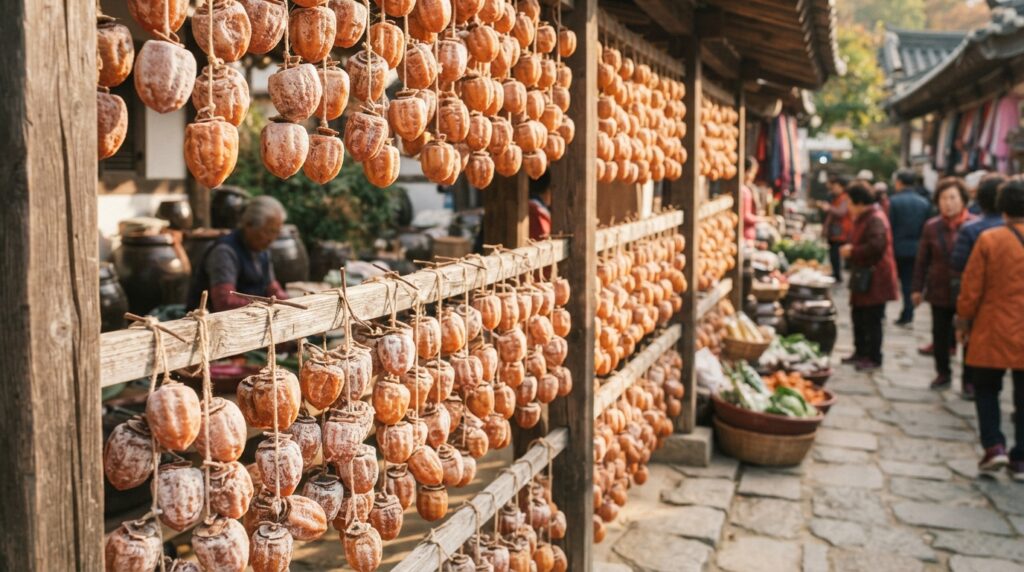

Walk into any Korean grocery store in the dead of winter, and you’ll see it before you see anything else: towering pyramids of bright orange fruit, stacked floor to ceiling, with shoppers filling their carts like it’s a seasonal ritual. Look closer, and you’ll notice something odd. Each fruit has a strange little bump near the stem, almost like a tiny hat. This isn’t a regular orange. When people search for oranges in Korea, this is almost always the fruit they’re picturing — and once you understand why it matters, you’ll never look at it the same way again.
For most travelers and curious food lovers, oranges in Korea usually leads to one specific fruit — a citrus hybrid so beloved that it has its own season, its own folklore, and its own dedicated shelf space in supermarkets nationwide. This guide breaks down exactly what Hallabong is, where it comes from, when to find it at its best, and why Koreans have turned a simple piece of fruit into a winter tradition worth understanding.
What Are “Oranges in Korea,” Really? Hallabong vs. True Oranges

Here’s the first thing to clear up: the fruit most people mean when they search for oranges in Korea isn’t a true orange at all. It’s Hallabong (한라봉), a citrus variety that Koreans treat as the gold standard of winter fruit, even though botanically it sits closer to the tangerine and mandarin family.
The Hallabong Origin Story
Hallabong’s story doesn’t begin in Korea. The fruit was first developed in Japan in 1972, where it was given the name “dekopon.” Japanese agricultural researchers were experimenting with citrus crossbreeding, and the result was a fruit with an unusually sweet flavor and a distinctive shape. It would take nearly two decades before this cultivar found its true home.
In the early 1990s, Jeju Island farmers imported the cultivar and began full-scale cultivation. The island’s unique growing conditions turned out to be perfect for the fruit, and within a few years, Hallabong had transformed from an imported curiosity into Jeju’s signature crop.
Hallabong’s Parentage: A Hybrid by Design
Hallabong is a deliberate hybrid, created by cross-pollinating a Kiyomi orange with a Ponkan tangerine. This parentage explains why the fruit sits in a gray zone between categories — it has the rounder, sweeter profile of an orange crossed with the easy-peel convenience of a tangerine. That hybrid nature is exactly why so many people simply call it a Korean orange, even though purists would call it a mandarin-orange cross.
Why It’s Named After Hallasan Mountain
The name “Hallabong” comes directly from Hallasan (한라산), the dormant volcanic peak that dominates Jeju Island’s skyline and happens to be South Korea’s tallest mountain. The bump near the fruit’s stem is said to resemble the shape of the mountain’s peak, which is how the fruit earned its name. It’s a small detail, but it reflects how deeply tied this fruit is to its place of origin — Jeju Islanders didn’t just grow Hallabong, they named it after the very land that made it possible.
Oranges vs. Tangerines vs. Mandarins — Clearing Up the Confusion
If you’ve ever wondered whether tangerines, mandarins, and oranges are interchangeable terms, you’re not alone — and in the context of Korean citrus, the distinction actually matters. Tangerines are technically a subgroup of mandarins, distinguished by their reddish-orange color and brighter flavor. Oranges are a separate citrus species entirely. Hallabong, being a hybrid of an orange and a tangerine, doesn’t fit cleanly into either box, which is exactly why English-language descriptions default to calling it a “Korean orange” for simplicity, even though “Jeju citrus hybrid” would be more accurate.
Why Jeju Island Is the Birthplace of Korea’s Best Citrus

Understanding Hallabong means understanding Jeju Island itself. This isn’t a fruit that could have been grown anywhere in Korea — it required a very specific set of environmental conditions that only Jeju could offer.
Volcanic Soil and Mineral-Rich Terrain
Jeju Island was formed by volcanic activity, and that geological history left behind soil that is unusually rich in minerals. This volcanic soil composition gives Hallabong trees access to nutrients that aren’t available in most other parts of the Korean peninsula, contributing directly to the fruit’s distinct sweetness.
Mild Winters and Abundant Sunshine
While mainland Korea experiences harsh, dry winters, Jeju enjoys a noticeably milder climate thanks to its position in the ocean. This means longer hours of usable sunlight and gentler temperatures during the exact months when citrus trees need to develop their fruit. Without this microclimate, the large-scale cultivation of sweet citrus in Korea simply wouldn’t be possible.
Greenhouse Cultivation Techniques
Most Hallabong grown today is cultivated in greenhouses on Jeju Island, which allows farmers to fine-tune temperature and humidity throughout the growing season. Pruning is a crucial part of this process — it ensures adequate sunlight reaches the fruit and keeps air circulating properly, which prevents disease and improves overall quality. Many farms also rely on drip irrigation systems, delivering consistent moisture levels without overwatering the trees. The result of all this careful management is a fruit that ripens with remarkable consistency, year after year.
When Is Orange Season in Korea? A Month-by-Month Guide

One of the most common questions about oranges in Korea is also the most practical: when can you actually find them at their best? Unlike fruits that have one short harvest window, Hallabong’s season unfolds in stages, and each stage offers a slightly different experience.
Early Season (October–November): First Harvest Begins
The earliest Hallabong and related citrus varieties start appearing in late October. At this stage, the fruit is technically ripe but still developing its full flavor profile. Freshly picked Hallabong tends to be noticeably sour right off the tree, which is why farmers and distributors typically let it age before sending it to market. If you’re visiting Jeju during this window, you’ll catch the beginning of the picking season, though the fruit available for eating fresh may still be a touch tart.
Peak Season (December–February): Best Sweetness and Availability
This is the window most food lovers and travelers should target. By December, the main harvest is in full swing, and the fruit reaches what most growers consider its optimal balance of sweetness and juiciness. Grocery stores across the country stock Hallabong heavily during these months, and prices are at their most reasonable. This is also when Jeju’s picking farms see their highest visitor traffic, since the orchards are visually at their best — heavy with fruit and humming with harvest activity.
Late Season (March–April): Premium Aged Hallabong
By the time spring approaches, most fresh-harvest Hallabong has been sold, but a select category remains: aged Hallabong. Because freshly picked fruit is naturally sour, some farms intentionally store their harvest in low-temperature conditions for a month or more, allowing the acidity to mellow and the sugar content to intensify. This aged fruit, sometimes harvested as late as February and stored into March, commands a premium price and is often considered the most luxurious version of the fruit — the citrus equivalent of a well-aged wine.
Quick Reference Table — Variety, Season, Flavor Profile
| Variety | Peak Season | Flavor Profile |
|---|---|---|
| Hallabong (Early/General) | October–November | Tart, still developing sweetness |
| Hallabong (Peak) | December–February | Sweet, juicy, balanced acidity |
| Hallabong (Aged/Premium) | February–April | Intensely sweet, low acidity |
| Cheonhyehyang | December–March | Sweet, low acid, soft texture |
| Red Hyang | December–February | High sugar, deep reddish color |
| Gamgyul (classic mandarin) | October–January | Sweet-tart, thin skin |
If your goal is simply to taste Hallabong at its best with the least effort, aim for a Korean grocery trip anytime between December and February. If you want the full orchard experience with trees still loaded with fruit, late October through January is your window for visiting Jeju in person.
Beyond Hallabong — Other Korean Citrus Varieties Worth Knowing

Hallabong might be the most famous name in Korean citrus, but it’s far from the only one. Jeju Island alone is home to more than 120 distinct citrus varieties, and a handful of them are popular enough that you’ll encounter them regularly in markets, cafes, and orchards.
Cheonhyehyang: The Sweet, Low-Acid Alternative
Cheonhyehyang is often described as a gentler version of Hallabong. It’s a cross between a tangerine and an orange, similar in concept to Hallabong but with noticeably less acidity and a softer texture. For visitors who find Hallabong’s tartness off-putting, especially early in the season, Cheonhyehyang is usually the easier entry point.
Red Hyang: The Premium Cousin
Red Hyang is a more recent cultivar, created by crossing Hallabong with Noji tangerines. It’s recognizable by its deep reddish-orange color and tends to carry an even higher sugar content than standard Hallabong, making it a favorite among those who prioritize sweetness above all else. It’s frequently sold at a premium alongside Hallabong in gift boxes.
Gamgyul: The Everyday Classic
Before Hallabong ever arrived on the scene, gamgyul was Jeju’s original citrus star. This is the classic Korean mandarin — smaller, thinner-skinned, and intensely sweet-tart. It remains the most commonly eaten citrus fruit in Korean households simply because of its affordability and availability, even though Hallabong gets more of the spotlight in conversations about Jeju’s specialty fruit.
Hagyul and Dangyuja: The Sour Specialists
Not every Jeju citrus variety is meant to be eaten straight off the tree. Hagyul and dangyuja are notably sour varieties, and rather than being snacked on fresh, they’re typically used to make citrus-ades, herbal teas, or tangy additions to dishes like salads and seafood. If you encounter these at a picking farm and find them too sharp to enjoy plain, that’s expected — they’re built for a different purpose entirely.
How to Pick and Eat Hallabong Like a Local

Knowing where Hallabong comes from is one thing — knowing how to actually select and enjoy it is what separates a satisfying experience from a disappointing one. Koreans have specific, almost instinctive habits around this fruit, and a little insider knowledge goes a long way.
How to Tell If a Hallabong Is Ripe
Color and weight are your two best indicators. A ripe Hallabong should have a deep, vibrant orange color — pale or greenish patches usually mean the fruit hasn’t fully matured. Pick it up and judge by weight relative to size: a good Hallabong should feel noticeably heavy for its size, which indicates a high juice content. The texture should be firm with a very slight give, not hard as a rock and not soft or mushy.
The Right Way to Peel It
One of Hallabong’s most appreciated qualities is how easy it is to peel by hand, which is part of why it’s so popular for casual snacking. The traditional method is to turn the fruit in both hands and use your thumb to find the “navel” near the stem bump, then work the peel away in sections. Unlike some thicker-skinned citrus, there’s no need for a knife — this is very much a fruit meant to be peeled and eaten with your hands, often at a kitchen table shared among family.
Why Fresh-Picked Hallabong Needs to Rest
If you ever pick Hallabong directly from the tree, don’t expect it to taste like the sweet fruit you’ve had from a grocery store. Freshly harvested Hallabong is naturally sour, and it typically needs to age for about a month after picking before its acidity mellows and its sugar content fully develops. This is precisely why farms and distributors store the harvest before sending it to market — the fruit you buy in a store has already gone through this resting period, which is what makes it taste so different from what comes straight off the branch.
Popular Ways Koreans Enjoy Hallabong
While eating it fresh and peeled is by far the most common approach, Hallabong has found its way into several other beloved preparations:
- Hallabong-cha (한라봉차): A warming tea made by simmering Hallabong marmalade with hot water and honey, especially popular during the colder months
- Hallabong bingsu: A Jeju specialty consisting of shaved ice topped with Hallabong puree and sweetened condensed milk, typically enjoyed in warmer weather despite the fruit’s winter season
- Hallabong ade: A refreshing citrus drink made by mixing fresh-squeezed juice with soda water, found at cafes across Jeju Island
- Candied peel and citrus chocolates: Found in specialty shops, particularly as souvenirs from Jeju
Experience It Yourself — Orange and Tangerine Picking on Jeju Island

For travelers who want more than just a grocery store purchase, Jeju Island offers something most destinations can’t: the chance to walk through a working citrus orchard and pick your own Hallabong directly from the tree.
Best Time to Visit for Picking
The picking season generally runs from late October through February, with November through January considered the peak period when farms are fully operational and orchards are most visually striking. If you specifically want the classic experience of trees heavily loaded with fruit, late autumn through early winter is your best bet.
What to Expect: Cost, Tools, and Farm Etiquette
Most picking farms charge a straightforward fee, often in the range of 7,000 to 15,000 Korean won per person, which usually covers entry, basic tools, and a set amount of fruit you can take home (commonly around 1 kilogram). Farms typically provide gloves, baskets, and small scissors or clippers for cutting the fruit from the stem. The correct technique involves a gentle twist combined with a precise snip — this protects both the fruit and the tree from unnecessary damage. If you’re ever unsure how to harvest properly, farm staff are generally happy to demonstrate, and most are well accustomed to hosting visitors who’ve never picked citrus before.
Family-Friendly Farms and Tips for First-Timers
Citrus picking is one of the more accessible activities for families traveling with young children, since the pace is relaxed and the activity itself is simple enough for toddlers to participate in. Many farms across Jeju, particularly in the Seogwipo area, are accustomed to hosting international visitors and often have English signage or staff comfortable communicating with non-Korean speakers. Reservations are recommended during the busiest weeks of peak season, though many farms also accept walk-in visitors depending on availability.
A few practical tips for first-timers:
- Wear clothing and shoes you don’t mind getting a little dusty
- Check whether the farm is “pick-only” or also sells fruit separately, since policies vary
- Ask about add-on experiences like jam-making, which some (but not all) farms offer
- Bring cash, as smaller rural farms may not always accept cards
Cultural Significance — Why Koreans Treasure Jeju Citrus

To really understand why oranges in Korea occupy such a special place in the national food culture, you have to look beyond agriculture and into history, tradition, and everyday social customs.
A Royal Fruit Since the Joseon Dynasty
Jeju’s citrus heritage didn’t begin with Hallabong — it goes back centuries. During the Joseon Dynasty, tangerines grown on Jeju Island were considered prized delicacies, valuable enough to be sent to the royal court as tribute. This long history of citrus being associated with status and quality laid the cultural groundwork for how Koreans would later embrace Hallabong once it arrived in the 1990s. The reverence wasn’t invented overnight; it was inherited from a tradition stretching back hundreds of years.
A Modern Gift-Giving Tradition
That royal-fruit reputation evolved into a thoroughly modern habit: giving citrus as a gift. Boxes of Hallabong, particularly the premium varieties like Red Hyang, are commonly given during holidays, as hospitality gestures when visiting someone’s home, or as a way of showing respect to elders and superiors. The presentation matters too — fruit is often arranged carefully in branded boxes, reflecting the same gift-giving etiquette that governs so much of Korean social life. Receiving a box of Hallabong isn’t just receiving fruit; it’s receiving a small, edible symbol of thoughtfulness.
Hallabong in Everyday Life and Pop Culture
Walk through Korean dramas set in winter, and you’ll likely spot Hallabong somewhere in the background — sitting in a fruit bowl on a kitchen table, being peeled and shared between family members, or appearing in a gift box exchanged between characters. These small, seemingly incidental details are intentional. Food carries enormous emotional weight in Korean storytelling, and a shared piece of fruit often signals warmth, domesticity, or care between characters in a way dialogue alone wouldn’t capture. For anyone who’s noticed citrus fruit appearing in K-dramas without quite understanding why, this cultural context fills in the gap.
Where to Buy Hallabong — In Korea and Abroad

Korean Grocery Stores and Price Ranges
Within Korea, Hallabong is sold everywhere from large supermarket chains to small neighborhood produce stands, with availability running from December through March. Pricing varies by quality and size, with standard 3-kilogram boxes commonly falling in a more affordable range, while premium boxes — particularly those labeled Cheonhyehyang or Red Hyang — sell at a noticeably higher price point.
Buying Direct from Jeju
For those wanting the freshest possible product, many Jeju-based farms and distributors now offer direct shipping within Korea, allowing buyers on the mainland to order boxes straight from the source rather than relying on supermarket supply chains.
Finding Hallabong Outside Korea
If you’re outside Korea, your best bet is checking Korean grocery stores during the winter season, where Hallabong is sometimes stocked under its Japanese name, dekopon. Specialty online retailers occasionally ship Jeju Hallabong internationally by air, though the cost tends to be significantly higher due to shipping logistics — something worth doing once as an experience, even if it’s not a regular habit.
Frequently Asked Questions
Is Hallabong the same as an orange?
Not exactly. Hallabong is a hybrid citrus fruit created by crossing a Kiyomi orange with a Ponkan tangerine, which means it shares characteristics with both but isn’t a true orange. Most English speakers simply call it a “Korean orange” for convenience.
What does Hallabong taste like?
At peak ripeness, Hallabong is notably sweet with a juicy, tender texture and very few seeds. Freshly picked fruit straight from the tree, however, tends to be sour until it’s been allowed to age for several weeks.
When is the best time to visit Jeju for orange picking?
Late October through February is the general picking season, with November through January considered peak season for the fullest orchards and most active farms.
Can you eat Hallabong peel?
While the peel itself isn’t typically eaten raw, it’s often candied or used in marmalade for hallabong-cha. The flesh is the primary part eaten fresh.
How long does Hallabong last after purchase?
Stored at room temperature, Hallabong generally stays fresh for one to two weeks. Refrigeration can extend this further, though many people prefer eating it at room temperature for the best flavor.
Final Thoughts — A Taste of Jeju in Every Slice
What starts as a simple search for oranges in Korea usually ends up revealing something far more interesting: a fruit with Japanese origins, a Jeju Island home, a royal historical pedigree, and a modern role as one of the country’s most cherished winter traditions. Hallabong isn’t just produce — it’s a small, edible piece of Jeju’s volcanic landscape, its agricultural ingenuity, and its deeply rooted gift-giving culture.
Whether you encounter it peeled at a friend’s kitchen table, freshly picked at a Jeju orchard, or stacked high in a Seoul grocery store during the depths of winter, Hallabong offers a uniquely Korean way of experiencing citrus. If you’re planning a trip to Jeju, consider building your visit around the harvest season — there’s no better way to understand why Koreans get genuinely excited every winter than to taste the fruit yourself, straight from where it all began.