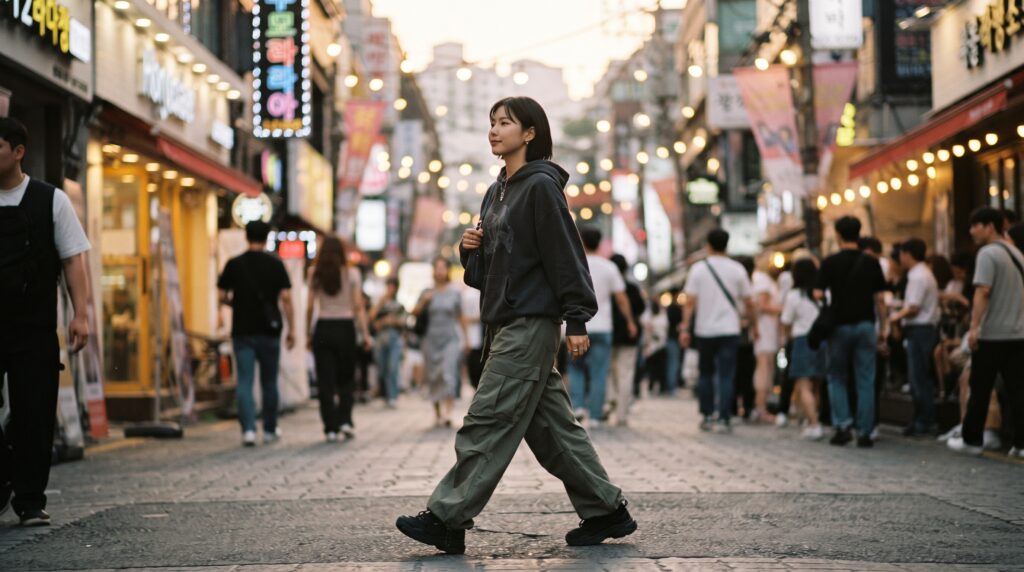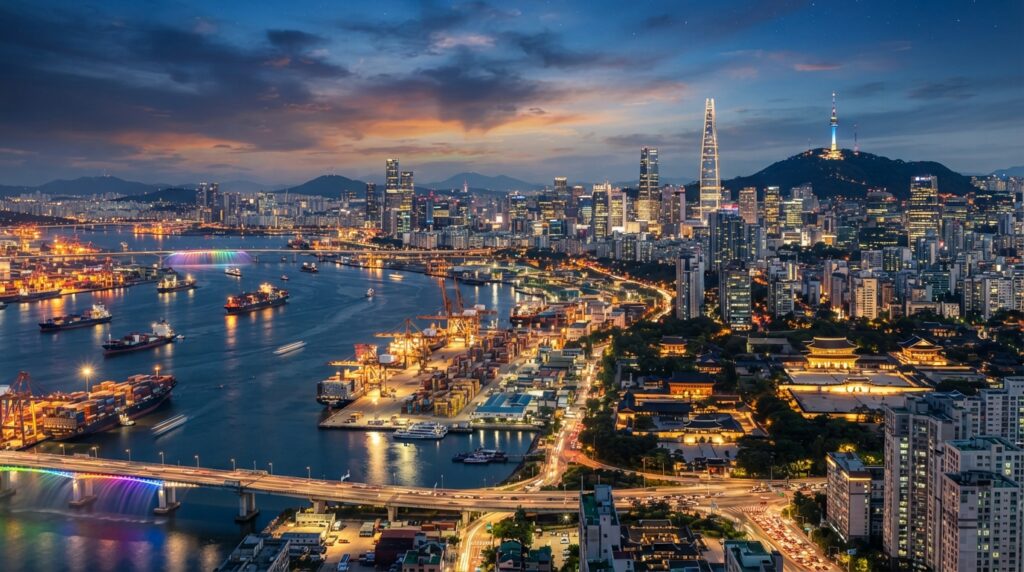
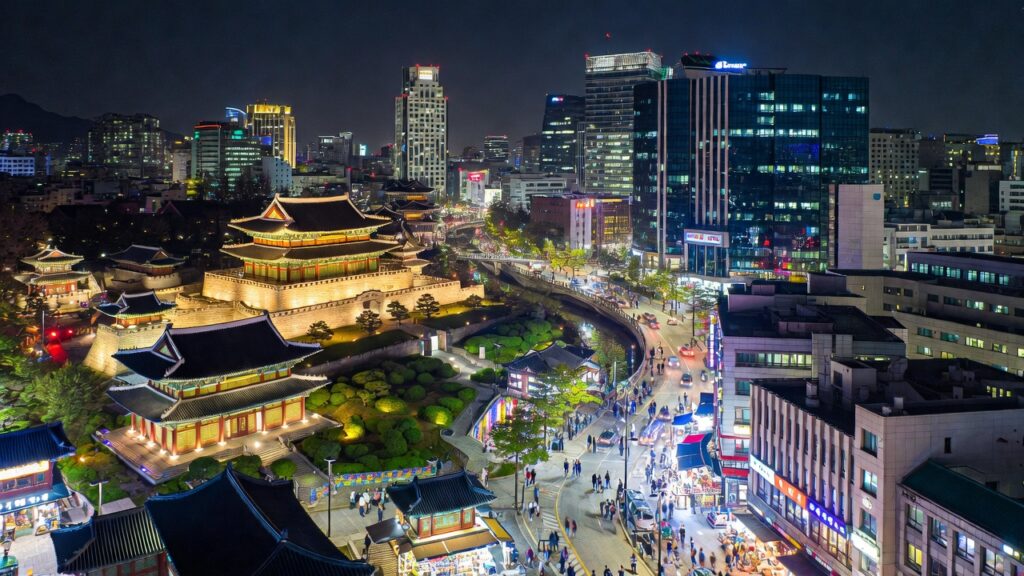
Imagine the sun dipping below the horizon, casting a golden glow over Seoul’s skyline as the city awakens in a symphony of neon lights, street performers, and the sizzle of late-night street food. As a dedicated Korean culture specialist with over a decade of immersion in Seoul’s vibrant scenes—having wandered its illuminated alleys during multiple extended stays and collaborated with local historians—I can attest that night time in Seoul transforms the metropolis into a magical realm where ancient traditions blend seamlessly with modern energy. This isn’t just about sightseeing; it’s about experiencing the pulse of a city that never truly sleeps, offering safe, exhilarating adventures that solve the common traveler’s puzzle: how to make the most of evenings beyond crowded daytime tours.
In this comprehensive guide, we’ll delve into why exploring Seoul after dark is essential, highlighting iconic cultural spots like Gyeongbokgung Palace under moonlight and K-drama hotspots that come alive with romantic vibes. Drawing from my firsthand explorations, official Seoul Tourism insights, and the latest 2026 trends—like expanded palace night tours and eco-friendly night markets—this article equips you with practical, trustworthy advice to craft unforgettable memories. Whether you’re a culture enthusiast avoiding peak-hour crowds or a K-drama fan chasing scenes from hits like “Our Unwritten Seoul,” you’ll discover how night time in Seoul addresses your need for authentic, hassle-free immersion in Korean heritage and entertainment.
Why Explore Seoul at Night? Understanding the Magic and Practicalities
Seoul’s nightlife isn’t merely an extension of the day—it’s a cultural phenomenon rooted in centuries-old traditions and amplified by contemporary innovations. As someone who’s traced the evolution of Seoul’s evenings through historical texts and personal nighttime treks, I can share that the city’s after-dark allure stems from its unique fusion of serenity and excitement, making it ideal for deeper cultural connections.
The Allure of Night Time in Seoul
Night time in Seoul reveals a softer, more intimate side of the city, where historic sites glow under strategic illuminations and modern districts pulse with creative energy. Historically, Korean palaces like Gyeongbokgung were lit by lanterns during royal events, a practice echoed today in expanded 2026 moonlight tours that run up to 120 evenings annually, allowing visitors to experience Joseon Dynasty architecture in a mystical ambiance. This blend enhances sensory experiences: cooler temperatures invite leisurely strolls, while neon-lit hanok villages in areas like Bukchon offer a visual feast of traditional rooftops against skyscrapers.
Modern influences, particularly from K-dramas, romanticize these nights—think heartfelt confessions under twinkling bridges or bustling markets mirroring scenes from “Goblin” or “Itaewon Class.” Recent trends show a surge in vibrant, safe nightlife, with sober raves and coffee clubs emerging as alcohol-free alternatives, reflecting a shift toward wellness-focused evenings. For instance, the Seoul Morning Coffee Club’s early-morning raves, starting at 7 a.m. but extending from night vibes, draw crowds for caffeine-fueled dancing, aligning with global sober trends while preserving Korean communal spirit.
Safety and Preparation Tips for Night Adventures
Safety is paramount, and Seoul excels here—ranked among the world’s safest cities, with 82% of residents feeling secure walking alone at night, surpassing the OECD average. Based on my experiences and data from the US State Department, which rates South Korea at Level 1 (normal precautions), violent crime is rare, especially in well-lit tourist areas. Petty theft can occur in crowded spots, so keep belongings secure, but overall, the city’s 75,000+ CCTV cameras and visible police presence provide reassurance.
To prepare:
- Download Naver Maps or KakaoMap for real-time navigation—these apps outperform Google Maps in Korea.
- Carry a T-money card for seamless public transport; it’s reloadable at convenience stores open 24/7.
- Wear comfortable shoes for walking; Seoul’s hills, like those leading to Namsan Tower, are more enjoyable at night without daytime heat.
- Know emergency numbers: 112 for police, 119 for medical/fire—English support is available.
- For women traveling solo, stick to main paths; areas like Hongdae and Gangnam remain lively and safe late into the night.
Trustworthy sources like the Korea Tourism Organization emphasize exercising common sense, such as avoiding isolated alleys, but affirm Seoul’s low crime rates make it welcoming for all.
Best Times and Seasons for Night Visits
Optimal night exploration in Seoul spans 8 p.m. to midnight, when energy peaks without overwhelming crowds. Seasons add flavor: spring nights (March-May) feature cherry blossoms illuminated along the Han River, ideal for romantic walks; summer (June-August) brings extended daylight but vibrant festivals like the Hangang Moonlight Market; autumn (September-November) offers crisp air perfect for palace tours; and winter (December-February) dazzles with festive lights, though bundle up as temperatures dip to -5°C.
In 2026, post-pandemic trends include more 24-hour cultural hubs and policy-driven vibrant zones, like extended late-night buses. A quick comparison table:
| Aspect | Daytime | Nighttime |
|---|---|---|
| Crowds | High, rushed | Lower, intimate |
| Temperatures | Warmer, humid | Cooler, comfortable |
| Experiences | Standard tours | Illuminated magic, street performances |
| Costs | Peak prices | Often discounted entries |
Iconic Cultural Spots to Visit During Night Time in Seoul
Seoul’s cultural landmarks take on an ethereal quality after dark, offering experiences that daytime visits can’t match. From my repeated nighttime explorations, these spots not only preserve Korea’s heritage but also provide practical value, like fewer lines and enhanced photo opportunities.
Gyeongbokgung Palace: A Timeless Glow Under the Stars
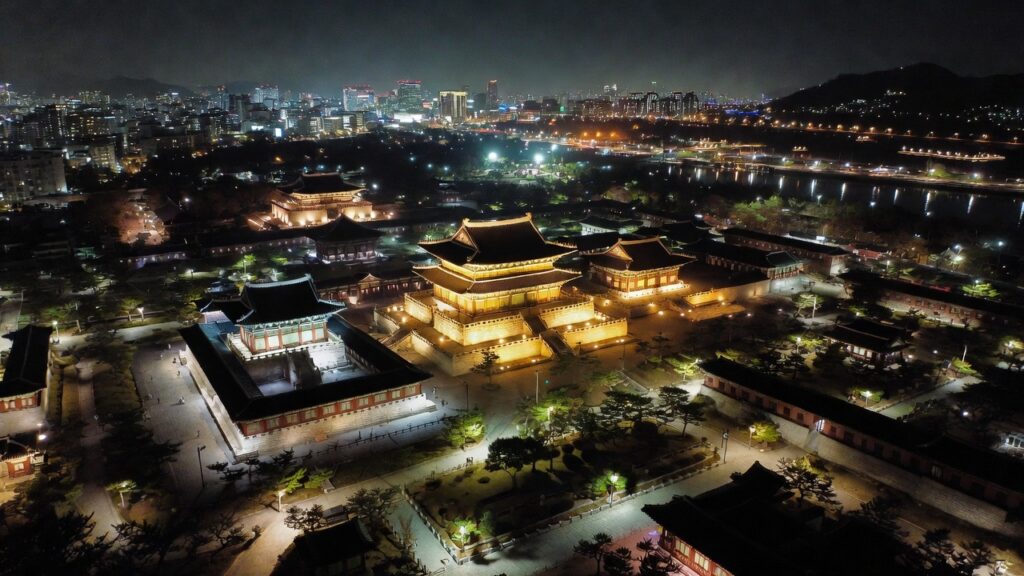
As Seoul’s largest palace, Gyeongbokgung becomes a beacon of history at night, with its pavilions and gates bathed in soft lights. Built in 1395, it symbolizes Joseon royalty, and 2026’s expanded moonlight tours—now 120 evenings—include cultural shows like traditional music performances. I’ve attended these, feeling the weight of centuries as shadows dance on ancient walls.
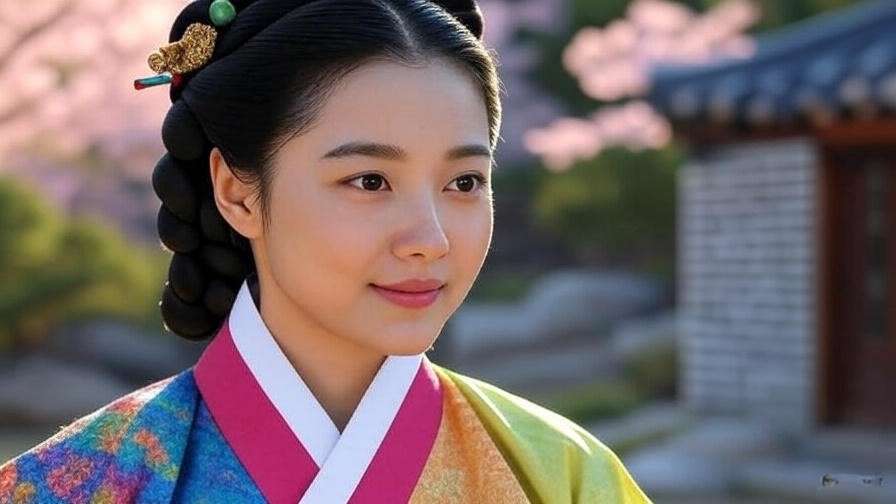
Link this to K-dramas: Scenes from “Moon Lovers: Scarlet Heart Ryeo” capture its romantic essence. Book advance tickets via the official Korea Heritage Service site; tours run 7-10 p.m. Pro tip: Pair with a hanbok rental for free entry and immersive photos. Must-sees:
- Hyangwonjeong Pavilion reflected in the pond.
- Geunjeongjeon Hall’s illuminated throne room.
- Nighttime guard-changing ceremony reenactments.
Insadong and Bukchon Hanok Village: Traditional Charm After Dark
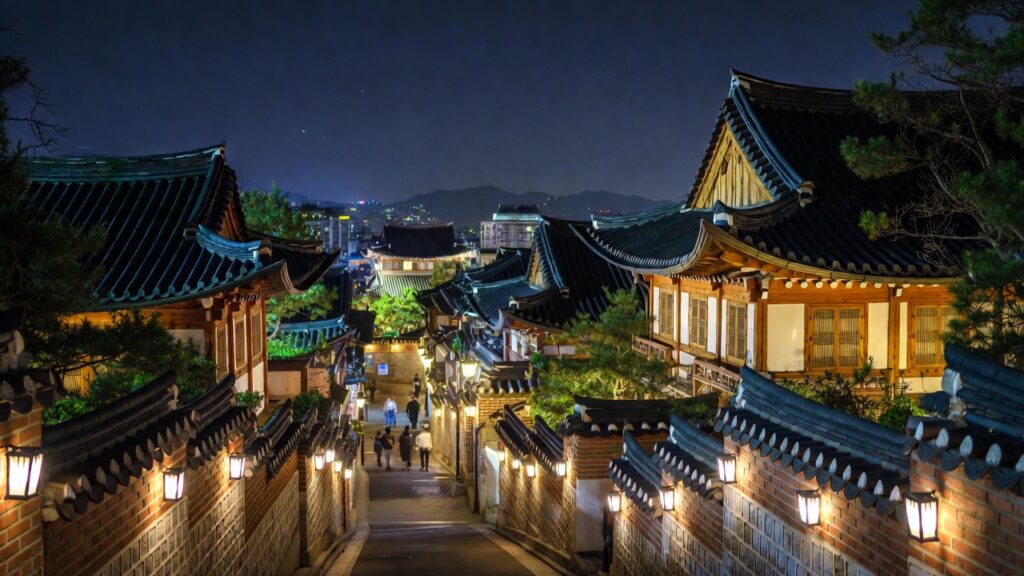
Insadong’s winding streets, lined with tea houses and artisan shops, quiet down at night, allowing for serene cultural immersion. Sip makgeolli (rice wine) in a hanok teahouse while lantern lights flicker— a personal favorite for unwinding after a day of travel.
Nearby Bukchon Hanok Village, with its 600-year-old homes, offers lantern-lit walks respecting residential quiet hours (post-8 p.m.). Etiquette is key: whisper and avoid flash photography. Highlights:
- Ssamziegil complex for late-night crafts.
- Traditional performances at outdoor stages.
- Hidden cafes serving herbal teas, tying into Korea’s wellness culture.
Namsan Tower (N Seoul Tower): Panoramic Views and Romantic Vibes
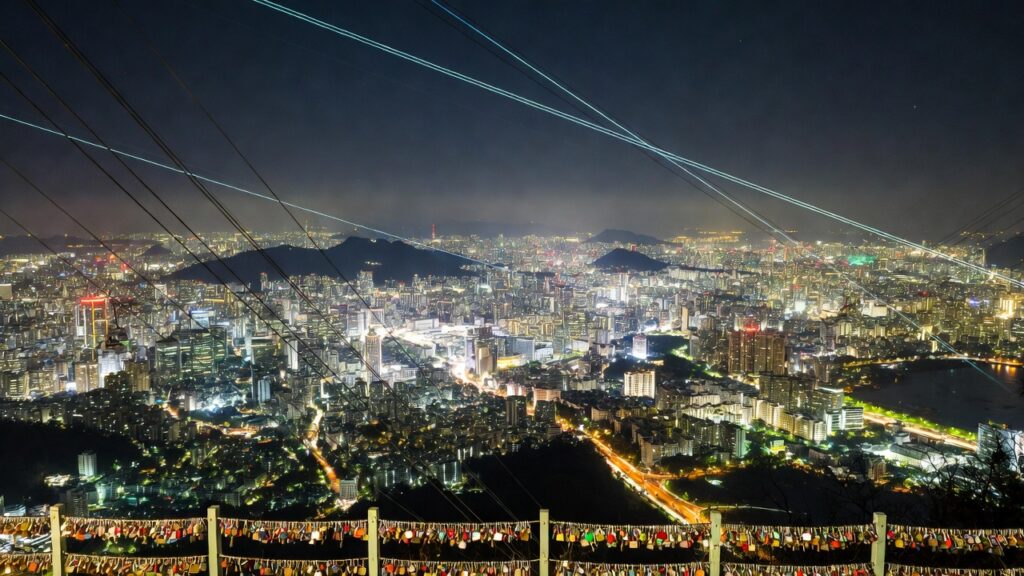
Ascending via cable car to Namsan Tower rewards with 360-degree night views of Seoul’s glittering expanse. At 236 meters, it’s a romantic staple, featured in “Boys Over Flowers.” Add a love lock to the tradition—thousands adorn the fences.
Step-by-step visit:
- Take the cable car (open until 11 p.m.).
- Dine at the revolving restaurant for skyline meals.
- Stroll Namsan Park trails, lit for safety.
In 2026, enhanced LED displays add modern flair.
Dongdaemun Design Plaza (DDP): Modern Art and Night Markets
Zaha Hadid’s futuristic DDP glows with LED roses at night, hosting exhibits and markets. As a hub for K-fashion, it’s alive with stalls until late.
Explore:
- LED Rose Garden for photo ops.
- Late-night shopping at adjacent markets.
- Cultural events like design forums.
This spot embodies Seoul’s innovative spirit, solving the need for contemporary cultural experiences.
K-Drama Locations That Come Alive at Night
K-dramas have masterfully spotlighted Seoul’s nights, transforming everyday urban corners into emotionally charged, iconic settings that fans yearn to revisit. As a Korean culture specialist who has personally scouted these locations during multiple nighttime visits—often under the glow of neon signs and street lamps—I’ve witnessed how these spots gain an extra layer of magic after dark. The cooler air, shimmering lights, and reduced crowds create intimate, cinematic atmospheres perfect for reliving heartfelt scenes or simply soaking in Seoul’s vibrant energy. This section offers practical, fan-focused itineraries to help you chase those drama moments safely and authentically, aligning with the growing trend of K-drama-inspired tourism in 2026.
Myeongdong: Street Food and Shopping Scenes from “Goblin”
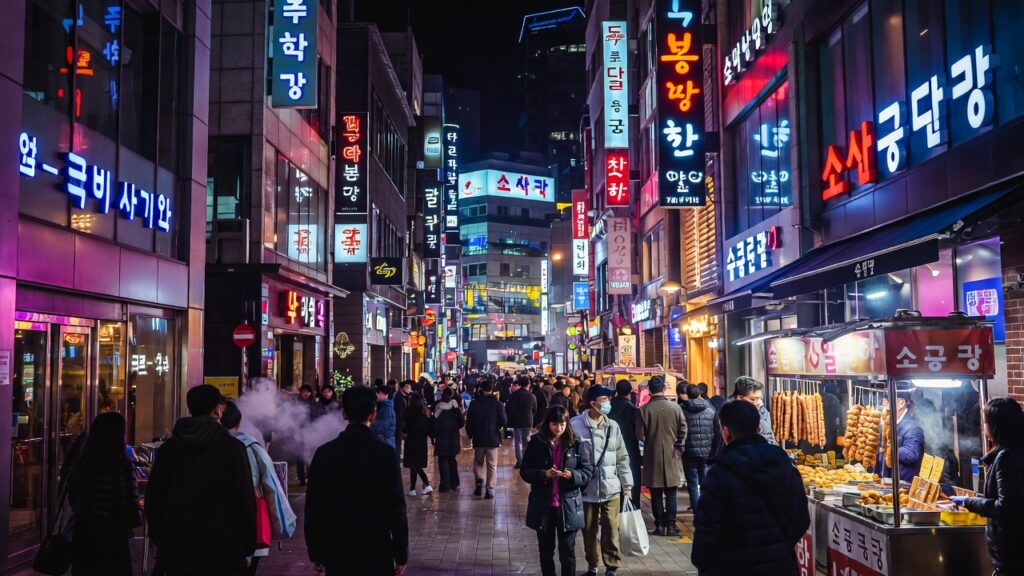
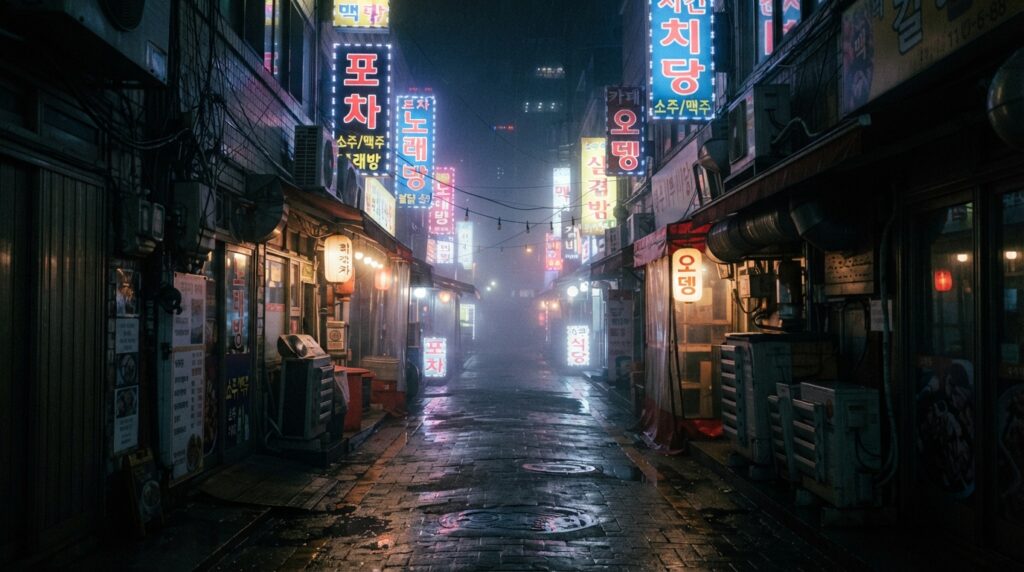
Myeongdong’s narrow, neon-drenched streets explode with life at night, mirroring the lively, bustling energy seen in “Goblin” (Guardian: The Lonely and Great God). In the drama, characters navigate crowded alleys filled with glowing signs and steaming food stalls, capturing Seoul’s chaotic yet enchanting nightlife. Today, the area remains a prime spot for immersive experiences, with skincare shops, fashion boutiques, and endless street food vendors staying open late—often until midnight or beyond.
The real draw is the food: hot, savory treats that evoke those spontaneous drama moments. Curated must-tries include:
- Hotteok (sweet pancakes stuffed with cinnamon, brown sugar, and nuts)—a warm, crispy comfort food perfect for chilly evenings.
- Tteokbokki (spicy cylindrical rice cakes in gochujang sauce)—fiery and addictive, just like the intense emotions in many K-dramas.
- Vegetarian-friendly options like twigim (assorted fried vegetables and seafood alternatives) or cheese-topped versions for a milder twist.
Safety is excellent here—Myeongdong is one of Seoul’s most well-patrolled tourist zones, with bright lighting, constant foot traffic, and visible security, making it ideal for solo explorers or groups. Arrive around 8-9 p.m. to beat the peak crowds, wander the main pedestrian streets, and snap photos under the colorful signs that light up like drama backdrops. Pro tip: Combine with nearby Lotte Department Store for late-night shopping to extend the experience.
Itaewon: Global Vibes and Rooftop Bars from “Itaewon Class”
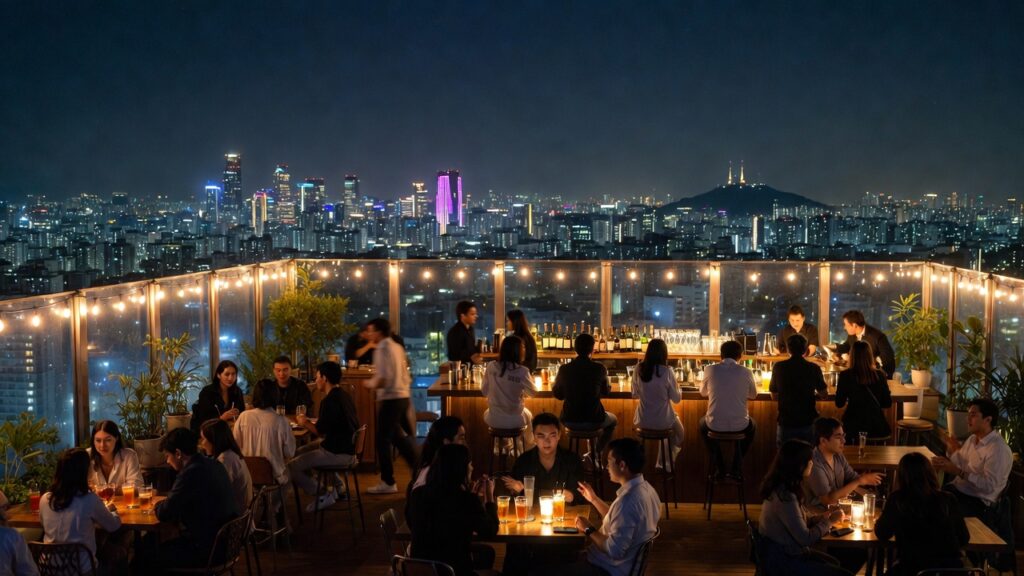
Itaewon’s multicultural streets and hillside views come alive after sunset, perfectly echoing the free-spirited, resilient energy of “Itaewon Class.” The drama’s iconic scenes—Park Sae-ro-yi gazing at the Namsan Tower skyline from high points or gathering with friends at local spots—highlight the area’s diverse nightlife, international cuisine, and creative buzz. At night, Itaewon transforms into a global village of rooftop bars, pubs, and eateries, with lights reflecting off the hills for stunning panoramic views.
Diverse dining options abound: try Korean BBQ, Mexican fusion, halal grills, or vegan spots catering to its international crowd. Insights from location scouts emphasize Itaewon’s “creative energy”—the mix of expats, locals, and tourists fosters an inclusive vibe that feels straight out of the drama’s themes of second chances and community.
Key highlights:
- Rooftop bars like Oriole for city views and cocktails (a frequent drama-inspired spot).
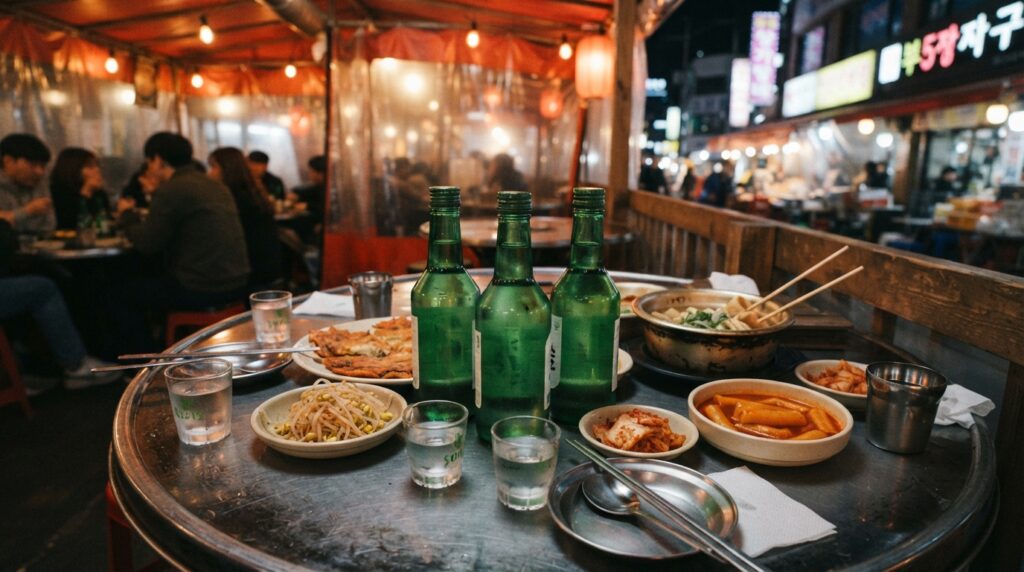
- Pocha (street tent bars) for casual soju and snacks, recreating Sae-ro-yi’s determined spirit.
- Hillside walks for Namsan Tower glimpses, especially romantic under the lights.
The area is lively and safe well into the night, with plenty of people around—perfect for groups or confident solo travelers. Start at 9 p.m. for dinner, then head uphill for views that capture the drama’s inspirational essence.
Hongdae: Street Performances and Youth Culture from “Weightlifting Fairy Kim Bok-joo”
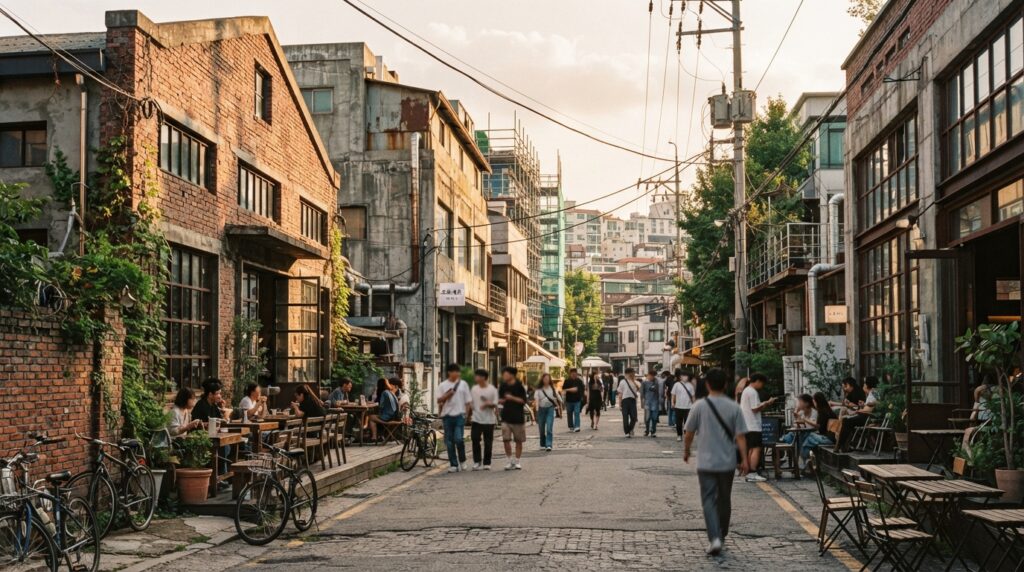
Hongdae’s youthful, artistic pulse intensifies at night, evoking the fun, energetic scenes from “Weightlifting Fairy Kim Bok-joo,” where characters bond over street vibes and performances. The district around Hongik University Station bursts with buskers, indie art markets, quirky cafes, and live music—creating a playground of creativity that feels alive and youthful.
A practical numbered itinerary for an unforgettable evening:
- 8 p.m.: Arrive and watch K-pop cover dances or street musicians near the main square—energy peaks here with crowds cheering performers.
- 9 p.m.: Explore the weekly art markets or indie shops for unique souvenirs, echoing the drama’s lighthearted, creative spirit.
- 10 p.m.: Dive into a noraebang (private karaoke room) session—sing your favorite OSTs in themed rooms, a staple Hongdae activity that extends the fun late into the night.
Hongdae’s indie music scenes and busking culture embody Seoul’s creative youth energy, much like Kim Bok-joo’s spirited world. The area stays safe and vibrant until the early hours, with bright lights and constant activity.
Hidden Gems: Lesser-Known Drama Spots Like Cheonggyecheon Stream
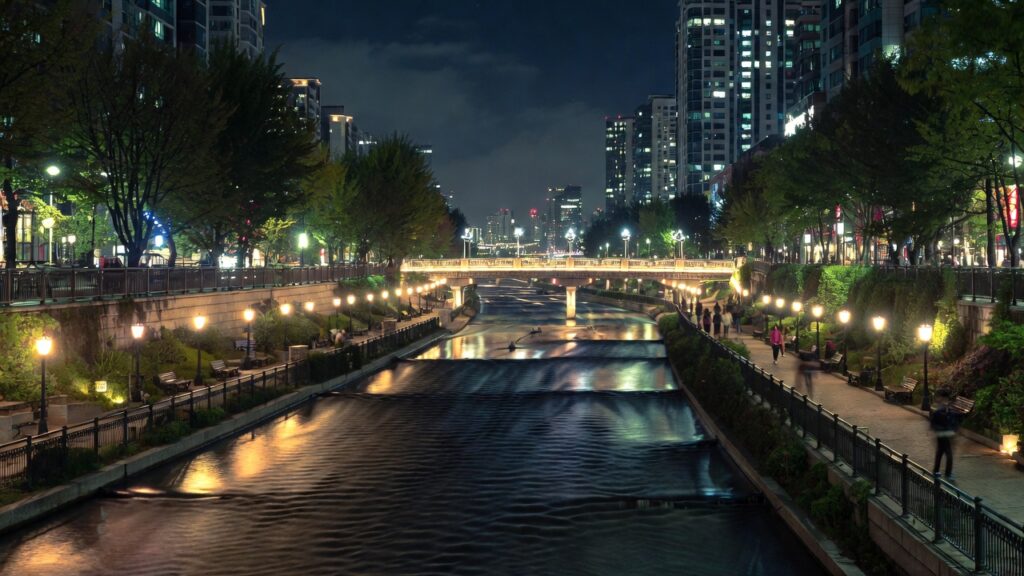
For a quieter, more reflective experience, head to illuminated hidden gems that shine in lesser-known drama scenes. Cheonggyecheon Stream—a restored urban waterway running through downtown—glows with lanterns, fountains, and LED lights at night, featured in “Reply 1988” for peaceful walks and heartfelt conversations. The 11km stretch offers romantic strolls amid modern skyscrapers, with artworks and bridges adding cinematic charm.
Off-the-beaten-path alternatives include:
- Seongsu-dong cafes from “King the Land”—trendy, illuminated spots with industrial-chic vibes for cozy late-night drinks.
- Other serene walkways or parks lit for evening ambiance, providing peaceful escapes from busier areas.
These spots solve the need for authentic, low-key immersion—ideal after high-energy districts.
Nighttime Activities Beyond Sightseeing: Food, Entertainment, and More
Night time in Seoul truly shines when you move beyond iconic views and K-drama locations, diving into the city’s vibrant after-dark scene. Whether you’re craving authentic street eats that fuel late-night energy, immersive entertainment that lets you channel your inner idol, or seamless ways to zip around safely until dawn, these options address the practical needs of travelers seeking fun, relaxation, and hassle-free mobility in one of the world’s safest and most dynamic capitals.
Savoring Seoul’s Night Street Food and Dining
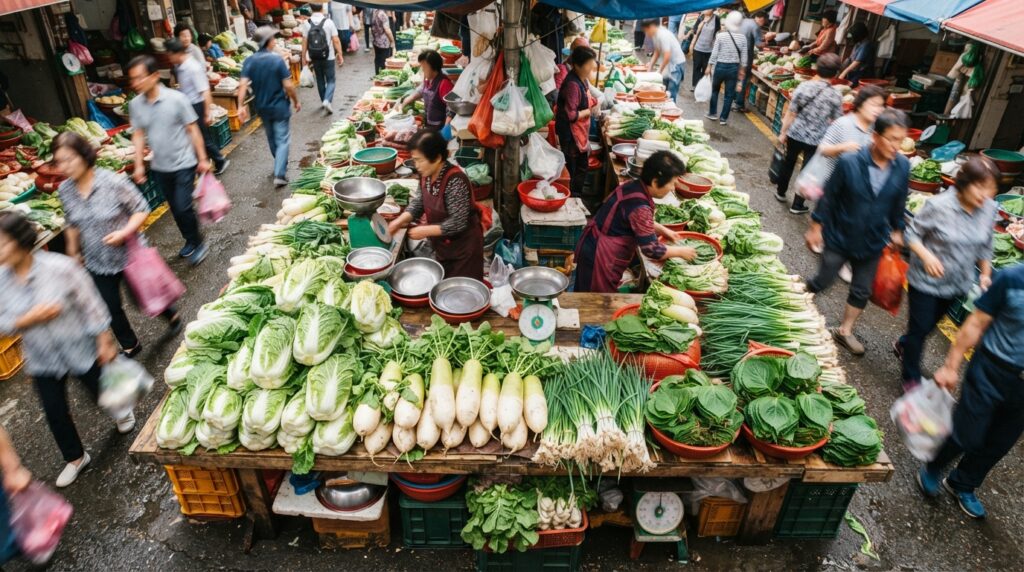
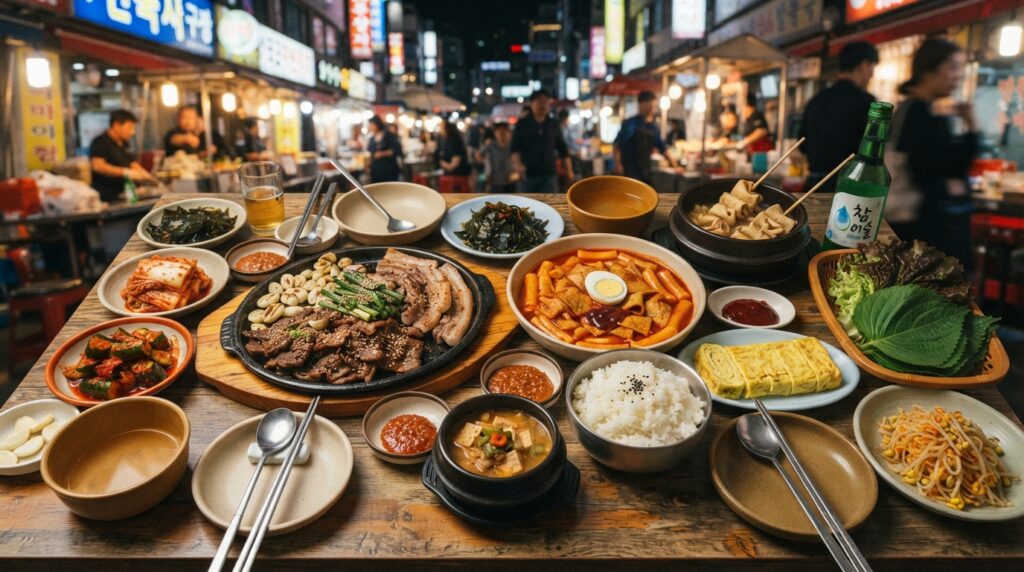
Few experiences capture Seoul’s soul like its legendary night markets, where sizzling grills, steaming pots, and lively chatter create an irresistible atmosphere. Gwangjang Market, one of Seoul’s oldest and most iconic (established in 1905), remains a top destination for late-night feasting—many stalls stay open well past midnight, drawing locals and visitors alike for affordable, hearty Korean classics.
Must-try dishes include:
- Bindaetteok (crispy mung bean pancakes): Golden, savory, and often topped with kimchi or green onions—crispy outside, soft inside, and a perfect starter.
- Yukhoe (raw beef tartare): Fresh, seasoned beef with pear slices, egg yolk, and sesame oil; try it at renowned spots like Buchon Yukhoe for an authentic, Michelin-recognized version.
- Hearty bibimbap: Customizable rice bowls with veggies, gochujang, and optional meat—ideal for vegetarians who can swap in more greens or tofu.
- Other favorites: Mayak kimbap (addictive bite-sized seaweed rolls), kalguksu (knife-cut noodles in warm broth), and tteokbokki (spicy rice cakes) paired with sundae (blood sausage).
Health and practical tips: Stick to busy, high-turnover vendors for freshness—lines are a good sign. Vegetarians thrive here with options like veggie bibimbap, mandu (dumplings), or plant-based pancakes. Wash it down with makgeolli (milky rice wine) for that classic pairing, or opt for soju/beer combos. Portions are generous and prices wallet-friendly (most dishes 5,000–10,000 KRW), making it easy to graze without overindulging. Arrive after 8 p.m. for peak vibes, but note some stalls wind down by 11 p.m.—check current hours as they can vary.
Entertainment Options: From Noraebang to Night Clubs
Seoul’s nightlife pulses with inclusive, high-energy fun that caters to every mood—from solo relaxation to group revelry. Noraebang (private karaoke rooms) are a highlight: rent a themed room (from cozy to extravagant) and belt out K-drama OSTs or global hits in privacy—no judgment, just pure joy. Chains like Su Noraebang or Coin Noraebang offer hourly rates (around 10,000–20,000 KRW per room), with song libraries featuring the latest K-pop and drama soundtracks.
Hongdae’s streets come alive with free live K-pop cover performances, indie bands, and buskers until the early hours—perfect for people-watching or joining the crowd. For club vibes, Gangnam and Itaewon offer everything from upscale lounges to high-energy dance floors playing EDM, hip-hop, and K-pop mixes.
In 2026, emerging trends lean toward immersive tech experiences: VR drama simulations let fans “step into” scenes from favorites like “Goblin” (heart-pounding confessions) or “Itaewon Class” (rooftop determination), blending storytelling with virtual reality for next-level fandom. These pop up in entertainment hubs like Hongdae or Gangnam—check apps like Kakao or Naver for current spots. Other sober-friendly options include late-night cafes with board games or jazz bars for a chill wind-down.
Transportation and Getting Around at Night
Seoul’s public transport keeps the city accessible long after sunset, ensuring safe, budget-friendly returns home. Subways run reliably until around midnight (last trains vary by line—check Naver Maps for exact times). For the wee hours, Owl Buses (N-routes) take over from midnight to about 5 a.m., covering major areas like Gangnam, Hongdae, Itaewon, and downtown with affordable fares.
Updated 2026 details:
- Subway: Basic fare starts at 1,250+ KRW; use a T-money card (reloadable at convenience stores) for seamless taps.
- Owl Bus: ~2,150–2,500 KRW (cash or card); routes like N13, N15, N26 connect nightlife hubs.
- KakaoTaxi: 5,000–15,000 KRW base (higher late-night surcharges); app-based for easy booking and English support.
Sustainable tip: Stick to public options like subways and Owl Buses to cut your carbon footprint—Seoul’s system is efficient, eco-conscious, and far cheaper than taxis. Download Naver Maps or KakaoMap for real-time tracking and routes.
Expert Tips and Common Mistakes to Avoid
Pro Tips for an Unforgettable Night in Seoul
- Craft themed routes: Kick off with street food in Myeongdong, head to Itaewon for rooftop views and global eats, then finish in Hongdae for performances and noraebang—maximizing variety without rushing.
- Grab the Discover Seoul Pass (or similar Seoul Pass): Offers discounts on attractions, transport, and some night experiences like cruises or themed tours—ideal for combining food stops with views.
- Pair with a Han River night cruise: A relaxing 40–70 minute ride (around 15,000–30,000 KRW) for panoramic drama-like scenery—opt for moonlight options with jazz or fountain shows (seasonal at Banpo Bridge).
Pitfalls and How to Dodge Them
- Overcrowding: Peak crowds hit weekends—visit mid-week or arrive before 9 p.m. for easier navigation and shorter waits.
- Language barriers: Menus and signs can be tricky—use Papago or Naver Translate apps for real-time scanning and directions.
- Fatigue: Nights stretch long—build in breaks at cafes, benches, or riverside spots to recharge and avoid burnout.
These nighttime pursuits turn Seoul’s evenings into immersive, joyful adventures—fueling body, spirit, and wanderlust in equal measure.
Frequently Asked Questions (FAQs)
Is Seoul safe at night?
Yes—Seoul ranks among the world’s safest cities, with low crime and high police presence in tourist areas.
What K-dramas feature night scenes in Seoul?
Classics like “Goblin,” “Itaewon Class,” “Weightlifting Fairy Kim Bok-joo,” “Reply 1988,” and “King the Land” showcase vibrant nighttime settings.
How much does a night out cost?
Budget 20,000-50,000 KRW for food, transport, and entertainment—affordable with public options.
Best night markets?
Gwangjang for traditional eats, Myeongdong for variety and shopping.
How to get around late?
Subways until midnight, then owl buses or KakaoTaxi apps.
Seasonal tips?
Winter for festive lights; summer for outdoor festivals and cooler evenings.
Solo travel advice?
Very safe—stick to lit, populated areas and join group activities for added fun.
Night time in Seoul offers a truly unique experience—one that blends Korea’s rich cultural heritage with the modern, vibrant energy that has captivated K-drama fans worldwide. From the illuminated grandeur of Gyeongbokgung Palace and the lantern-lit charm of traditional hanok villages, to the neon buzz of Myeongdong, the global flair of Itaewon, and the creative pulse of Hongdae, Seoul after dark reveals a side of the city that feels intimate, exciting, and deeply immersive.
These nighttime adventures not only bring iconic K-drama scenes to life—whether it’s a quiet walk along Cheonggyecheon Stream or gazing at the city lights from Namsan Tower—but also provide authentic cultural moments through street food, performances, and late-night markets. For travelers and fans alike, exploring Seoul at night solves the common challenge of making evenings memorable, safe, and meaningful, all while avoiding daytime crowds and heat.
In 2026, with expanded palace tours, innovative entertainment options, and reliable late-night transport, there’s never been a better time to discover this magical side of the city. Whether you’re chasing drama locations or simply soaking in the atmosphere, night time in Seoul creates memories that last long after you return home.