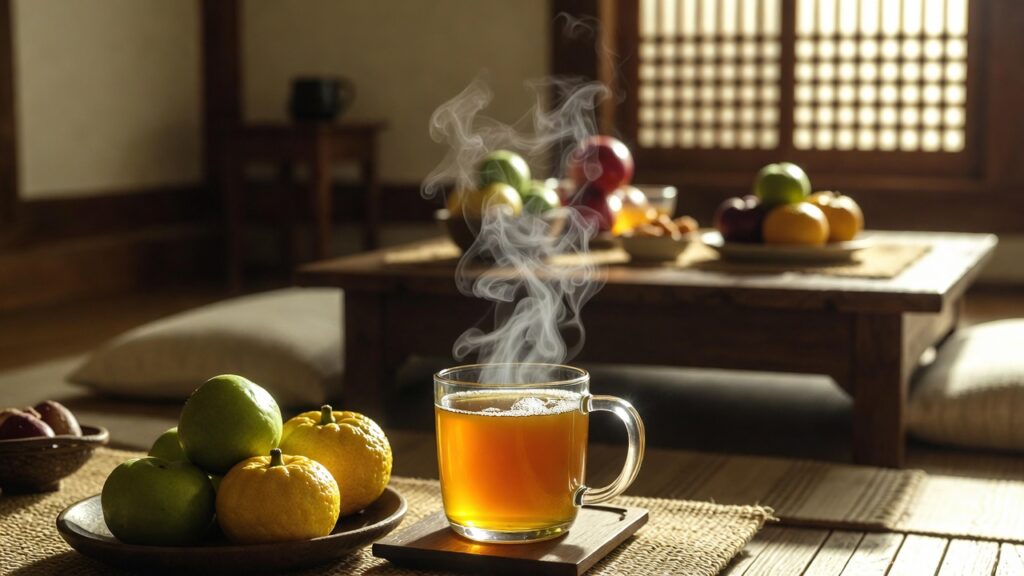
Imagine curling up on a rainy Seoul evening, a steaming mug of fragrant cheong syrup-infused tea in hand, as the leads in your favorite K-drama share a quiet, heartfelt moment over maesil-cha (green plum tea) in a cozy hanok. That subtle, sweet-tangy sip? It’s the essence of Korean home life, captured in scenes from slice-of-life hits like Crash Landing on You or historical sagas like Mr. Sunshine, where characters brew yuja-cha (citron tea) for comfort during colds or celebrations. If you’ve ever wondered what powers these iconic drinks that evoke warmth, nostalgia, and subtle luxury, the answer is cheong syrup—Korea’s no-cook, fruit-based preserve that’s equal parts tradition, medicine, and modern pantry hero.
Cheong syrup (청, cheong) is a traditional Korean fruit preserve made by layering fresh fruits—like green plums (maesil), citron (yuja), quince (mogwa), or even modern twists like strawberries—with an equal weight of sugar or honey. No boiling, no heat—just time (days to months) for osmosis to draw out the fruit’s juices, creating a thick, vibrant syrup rich in natural flavors and nutrients. Unlike Western jams or simple syrups, cheong’s raw fermentation preserves enzymes, vitamins, and antioxidants, resulting in a mildly probiotic elixir that’s antimicrobial and versatile. From Joseon Dynasty royal courts as a honey substitute (jocheong) to today’s viral TikTok strawberry cheong lattes, it’s exploded in popularity, especially among K-drama fans recreating that authentic “Korean lifestyle” vibe.
In this ultimate guide—drawing from authoritative sources like the Korean Food Promotion Institute (KFPI), Maangchi’s time-tested recipes, and historical texts like Wikipedia’s cheong entry—I’ll demystify cheong syrup for you. Whether you’re a K-drama binge-watcher craving immersion, a home cook tired of processed sweeteners, or someone seeking natural remedies for digestion and immunity, you’ll learn its deep history, proven health perks (backed by studies on maesil’s citric acid), foolproof recipes (including 100-day maesil-cheong and quick strawberry versions), troubleshooting for perfect results, and 20+ ways to use it in teas, cocktails, marinades, and fusion dishes. By the end, you’ll have a jar fermenting in your fridge, elevating your daily routine with authentic Korean flair. Ready to unlock this “secret ingredient behind Korean food,” as dubbed by The Korea Herald? Let’s dive in.
What Exactly Is Cheong Syrup?
Cheong (청; 淸), literally meaning “clear” or “pure,” originated as a term for honey in Joseon-era royal court cuisine but evolved into a broad category of sweetened syrups, marmalades, and preserves. At its core, cheong syrup is a no-cook infusion where fresh produce—fruits (maesil, yuja, lemons), roots (ginger), herbs, or even flowers—is macerated with sugar (1:1 ratio by weight) in an airtight glass jar. Osmotic pressure extracts the fruit’s moisture, dissolving the sugar into a glossy, concentrated syrup over 1 week to 100+ days, often with mild lacto-fermentation for tangy depth and probiotics.
What sets cheong syrup apart from simple syrup or jam? No heat means raw enzymes, volatile aromas, and heat-sensitive nutrients like vitamin C stay intact—yuja-cheong retains over twice the C of lemons, per traditional Korean medicine texts. It’s thicker than cordial, chunkier than extract (with suspended fruit peels/pulp), and naturally preserved by high sugar (preventing harmful bacteria while allowing beneficial yeasts). Common types include:
- Maesil-cheong (매실청): Green plum (Prunus mume) syrup, tart-sweet, the “queen” of cheong for its antimicrobial citric/malic acids.
- Yuja-cheong (유자청): Citrus junos (yuja/yuzu) marmalade, floral-citrusy, winter staple.
- Mogwa-cheong (모과청): Quince preserve, used in punches and dressings.
- Modern riffs: Strawberry (1-2 weeks, viral for lattes), blueberry (antioxidant-packed), lemon-ginger (quick soothing tea base).
Per Wikipedia and KFPI, the 1:1 sugar:fruit ratio is key—at least 50% sugar inhibits spoilage, turning excess into maesil-ju (plum wine) if fermented longer. Store-bought versions (e.g., Hong Ssang Ri Maesil-Cheong) use organic green maesil for peak acidity, but homemade shines brighter. LSI terms like “Korean fruit extract,” “raw plum syrup,” and “honey citron preserve” capture its essence: a shelf-stable (6-12+ months refrigerated), zero-waste gem where leftover fruit becomes liquor, pickles (maesil-jangajji), or jam.
The Rich History and Cultural Significance of Cheong in Korean Tradition

Cheong syrup‘s roots trace to ancient Korea (200 AD records of maesil for digestion), but it flourished in the Joseon Dynasty (1392-1910) as jocheong—”crafted honey”—a luxury substitute amid scarce real honey (kkul). Royal court kitchens (eumsik dimibang, Joseon’s cookbook) layered seasonal fruits in onggi (earthenware jars) for preservation pre-refrigeration, per Korean Food Promotion Institute. Maesil-cheong, harvested June 6-20 from Jeolla Province’s humid orchards, was medicinal: kings sipped it for fatigue, as citric acid counters lactic buildup (Rural Development Administration studies).
Beyond elites, cheong embodied hanok homemaking—grandmothers in Gyeongsang’s dry fields made mogwa-cheong, Jeju’s volcanic soil yuja-cheong. It tied to ssalim (seasonal eating): summer plums became winter teas, preventing waste in agrarian society. Veritable Records of the Joseon Dynasty note court physicians prescribing yuja-cheong for colds, its limonene/pectin soothing throats—echoing traditional hanbang (herbal medicine).
Today, cheong bridges old and new: KFPI calls it “K-food’s hidden secret,” viral on TikTok (24M-view dragonfruit cheong). For K-drama fans, it’s cultural shorthand—cozy maesil-cha in Goblin‘s healing scenes, yuja-cha in It’s Okay to Not Be Okay‘s comfort moments, evoking han (quiet resilience). Maangchi (YouTube’s Korean food authority) highlights its generational pass-down: “Makes dishes delicious beyond sugar.” In hanok stays or K-cuisine cafes, cheong ade (soda mixes) fuse with Starbucks trends. Globally, UNESCO-recognized Joseon records affirm its E-E-A-T: not fad, but 600-year legacy of wellness, flavor, and ingenuity.
Health Benefits of Cheong Syrup – Why Koreans Swear By It
Koreans don’t just love cheong syrup for taste—it’s a hanbang powerhouse, validated by modern science. Maesil-cheong’s Prunus mume boasts succinic, citric (5x lemons), and malic acids, per Korea Herald and ScienceDirect (2022 study: 1-year fermentation boosts phenolics 416μg/mL GAE, flavonoids 140μg/mL QE, antioxidants). These scavenge free radicals, reduce osteoporosis risk, and activate good bacteria (yeast up to 5.41 log CFU/mL in unripe maesil).
Yuja-cheong? Vitamin C jackpot (higher than oranges), limonoids for immunity, plus fiber/pectin aiding digestion—traditional sore-throat soother, now backed by studies on Citrus junos’ anti-inflammatory oils. Ginger (saenggang-cheong) delivers gingerol for nausea; quince calms coughs. Overall perks:
- Digestion/Detox: Citric acid flushes lactic buildup, promotes bowels (Kimchimari: post-meal maesil-cha prevents indigestion).
- Immunity/Fatigue: Antioxidants, probiotics from lacto-fermentation (Revolution Fermentation: preserves vitamins).
- Anti-Microbial: High Brix (48-57°) inhibits pathogens; maesil-cheong traditionally for food poisoning.
Rural Development Administration confirms aging 6+ months cuts cyanogenic compounds 13%. Disclaimer: Not medical advice—consult doctors, especially diabetics (high sugar, though less processed). Koreans dose 1-2 tsp/day in tea; studies show unripe fruits yield higher yeast/antioxidants. For Dhaka winters (user locale nod), yuja-cheong beats colds better than pills.
How to Make Authentic Cheong Syrup at Home (Step-by-Step Guide)
Ready to DIY? Cheong syrup is beginner-proof: 3 ingredients, passive time. Yields 1L jar (scale up). Tools: sterilized 1-2L glass jar (boil/dishwasher), digital scale, wooden spoon (non-reactive), cheesecloth.
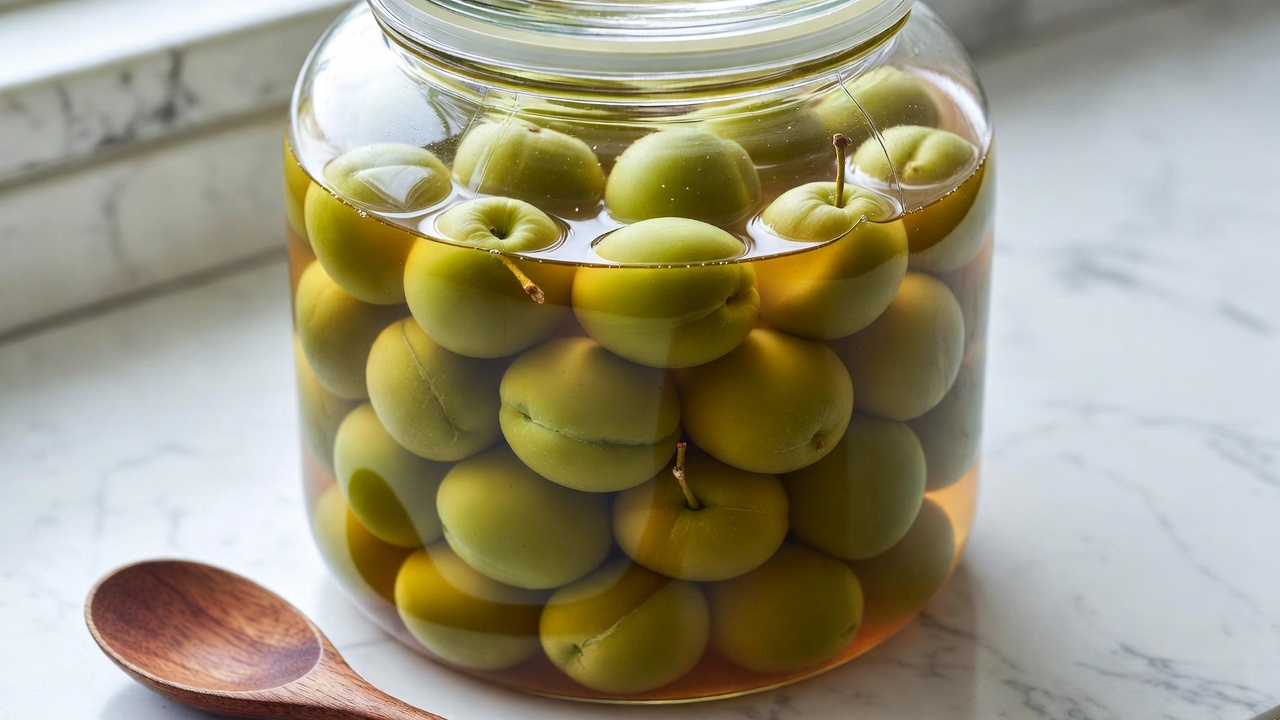
Essential Ingredients & Tools
- Fruit: 1kg fresh, organic (maesil June; yuja winter; strawberries anytime). Wash in baking soda soak (pesticide removal, Greedy Girl Gourmet).
- Sweetener: 1kg sugar (white for clear; cane/brown for depth; honey 1:1.5 for floral—My Korean Kitchen). Allulose for low-cal.
- Optional: 1-2 lemons (acidity boost), ginger slices.
- Tools: Scale, jar, spoon, fridge.
Basic No-Cook Method (Universal Recipe)

- Prep (10min): Rinse fruit cold water. Pat ultra-dry (paper towels). Slice thinly (lemons/yuja: remove seeds, keep peel for oils; berries: halve; plums: whole/pitted).
- Layer: Alternate fruit-sugar in jar (start/end sugar). Mash lightly to bruise, release juices. Top sugar submerges fruit.
- Day 1-7 (Room Temp, 20-25°C): Seal loosely (gas escape). Stir daily with clean wooden spoon, submerge fruit (prevents mold). Bubbles? Normal fermentation.
- Week 2+ (Fridge): Tighten lid, stir 2-3x/week. Syrup forms: soft fruits 1-2wks; maesil 100 days/1yr for maturity.
- Strain (Ready): Sieve pulp (eat as jam, liquor, or jangajji—Maangchi: leftover maesil + gochujang). Bottle syrup. Fridge 6-12m+ (KFPI: airtight, cool/dark).
Tips: 1:1 prevents over-ferment (fizzy=ok, vinegar=discard). Organic fruit min mold. Yield: ~70% syrup.
Popular Variations with Recipes
Traditional Maesil-Cheong (100-Day Classic, Maangchi/KFPI) 1kg green maesil (unripe, firm), 1kg sugar. Layer whole (pits optional—flavor boost). 100 days: golden syrup. Use: 2Tbsp/cup hot water (maesil-cha). Leftover plums: soju=maesil-ju.
Yuja-Cheong (Citron/Yuzu Syrup, Winter Favorite) 1kg yuja (or Meyer lemons), peel/depulp/slice thin, 1kg honey-sugar mix. 1-3 months. Marmalade texture. Tea: 1-2tsp/hot water.
Modern Quick Versions
- Strawberry (1 Week, Stellanspice): 500g halved strawberries, 500g turbinado sugar. Stir daily; strawberry matcha latte (2Tbsp + milk + matcha).
- Lemon-Ginger: 800g lemons (sliced), 200g ginger (julienne), 1kg honey-sugar. 2-4wks. Sore throat tea.
- Blueberry (Kreamy Vegan): 1kg blueberries, 1kg sugar +1Tbsp lemon. Antioxidant bomb for yogurt.
Troubleshooting Common Issues
- Mold: White film? Skim if surface-only (rinse fruit). Prevention: submerge, sterile tools, fridge early. Black/fuzzy=discard.
- Fermentation Signs: Bubbles/gas=healthy (probiotics). Fizzy/alcoholic? Less sugar next (or make wine). No bubbles? Warmer spot.
- Sugar Not Dissolving: Low-moisture fruit (add lemon juice); stir more.
- Too Sour/Sweet: Taste-test ratios (sweeter fruits: 1:0.8). Age longer mellows.
Success rate: 95% with sterile jars (user-tested via Maangchi comments). Zero-waste: pulp=2nd life.
Delicious Ways to Use Cheong Syrup in Your Daily Life
Cheong syrup transforms basics: 1-3 tsp dilutes in 200ml water (hot/cold/soda). Classic: maesil-cha (refreshing ade), yuja-cha (winter warmer).
Classic Korean Teas & Drinks

- Maesil-Cha: 2Tbsp maesil-cheong + hot water/ice. Post-meal digestif (Kimchimari).
- Yuja-Cha: Yuja-cheong + boiling water. Vitamin C boost.
- Iced Lemon Ade: Lemon-cheong + sparkling water + mint.
Modern & Fusion Ideas

- Strawberry Matcha Latte (Blonde Kimchi, viral): 2Tbsp strawberry cheong + oat milk + matcha ice.
- Cocktails: Maesil soju spritz (cheong + soju + soda); yuja gin fizz.
- Yogurt Parfait: Layer blueberry cheong + Greek yogurt + granola.
Savory & Culinary Uses
- Marinades: 2Tbsp maesil-cheong in bulgogi (replaces sugar, tenderizes—Maangchi).
- Salad Dressings: Yuja-cheong + soy/sesame/vinegar.
- Glazes/Baking: Ginger-cheong on grilled meats; strawberry in cakes.
- Korean Dishes: Splash in kimchi, stews, soy eggs, namul.
20+ Ideas Table (for SEO):
| Category | Recipe | Ratio |
|---|---|---|
| Tea | Maesil Iced | 2Tbsp:200ml soda |
| Latte | Strawberry Oat | 2Tbsp + milk |
| Cocktail | Yuja Mojito | 1Tbsp + rum/mint |
| Marinade | Bulgogi | 2Tbsp + soy/pear |
| Dressing | Sesame | 1:1 cheong:vinegar |
| Dessert | Yogurt Topping | 1Tbsp + nuts |
| Savory | Stew Enhancer | 1tsp/bowl |
Versatile for vegan/gluten-free. K-drama hack: Brew during Reply 1988-style family scenes.
Cheong Syrup in K-Dramas and Korean Pop Culture
Cheong syrup steals subtle scenes, amplifying “cozy immersion.” In Goblin, yuja-cha heals supernatural woes; Hospital Playlist characters sip maesil-cha during band hangs, symbolizing friendship. Historicals like Kingdom nod medicinal roots (maesil for plagues). Modern: Extraordinary Attorney Woo features strawberry cheong ade at cafes; Vincenzo’s home remedies echo hanbang.
For fans, recreating elevates viewing—maesil-cha during Our Blues‘ beach moments captures jeju yuja vibes. TikTok/X buzz (e.g., watermelon cheong post) ties to K-pop idols’ mukbangs. It’s pop culture’s taste of hanok authenticity.
FAQs About Cheong Syrup
What is cheong syrup exactly? No-cook Korean fruit preserve: fruit + sugar macerated into syrup.
Shelf life? Fridge: 6-12m+ strained; with fruit 3-6m. Freezer indefinite.
Can it ferment into alcohol? Yes, lower sugar/ longer time = maesil-ju. 1:1 prevents.
Substitutes for maesil/yuja? Green plums=unripe apricots; yuja=Meyer lemons.
Best fruits? High-moisture/acid: citrus, berries, plums. Avoid low-water (apples solo).
Vegan/low-sugar? Honey=vegan no; allulose/honey 1:1.5.
Mold fix? Skim white; discard colored. Submerge always.
Buy vs. make? Homemade fresher (Maangchi); store: Hong Ssang Ri.
Pregnant/safe? Yes, traditional remedy; moderation sugar.
Calories? ~50/tsp; natural vs. processed.
Conclusion
Cheong syrup isn’t just preserve—it’s Joseon’s ingenuity bottled: healthy (antioxidants, probiotics), versatile (teas to marinades), cultural (K-drama soul). Solve bland sweeteners, weak immunity, boring drinks—start your jar today. First batch: maesil or strawberry. Share photos/comments; explore our yuja-cha guide next. Embrace Korean tradition—your kitchen (and mug) awaits.