
Imagine this: It’s 2 a.m., rain is tapping against the window, your favorite K-drama episode just hit its emotional peak, and you’re craving something warm, spicy, and deeply comforting. You reach for a steaming Korean noodles cup, the unmistakable aroma of beef broth and gochugaru filling the room within minutes. This exact scene plays out in millions of Korean homes, dorms, and convenience stores every single day — and increasingly in living rooms around the world as K-culture continues its global takeover.
Korean noodles cup (often called cup ramyeon or cup ramyun) is far more than just instant food. It is Korea’s ultimate comfort food, late-night savior, and cultural icon all rolled into one convenient plastic container. With South Korea consuming more instant noodles per capita than any other country (over 80 packets per person annually), the humble cup noodle has become an essential part of modern Korean lifestyle — and a must-try experience for every K-drama fan, traveler, and Korean culture enthusiast.
In this ultimate guide, you’ll discover:
- The fascinating history behind Korean instant noodles
- The definitive 2025–2026 ranking of Korea’s most beloved Korean noodles cup varieties
- Detailed flavor profiles, spice levels, and tasting notes
- Authentic preparation methods and pro-level customizations
- Iconic K-drama ramen moments that made these cups legendary
- Health considerations, international buying guide, and current trends
Whether you’re a spice challenger, a mild-flavor lover, or simply want to recreate that authentic Korean convenience store vibe at home, this comprehensive guide will help you choose, prepare, and truly appreciate Korea’s most popular instant ramen cups like a local.
The History and Cultural Significance of Korean Noodles Cup
From 1963 to Global Phenomenon
Korea’s instant noodle journey began in 1963 when Samyang Foods launched the country’s first ramyeun product — a dried noodle block with a separate soup base packet. It was an immediate success in a post-war nation looking for affordable, quick, and filling meals.
By the 1980s, Nongshim had entered the market with its iconic Shin Ramyun (1986), which remains one of the best-selling ramyeon products worldwide to this day. The real revolution, however, came with the introduction of cup ramyeon — single-serve containers that required only hot water. This innovation perfectly matched Korea’s fast-paced urban lifestyle and 24/7 convenience store culture.
Today, three major companies dominate the market: Nongshim, Samyang Foods, and Ottogi. Together they produce hundreds of varieties, from ultra-spicy challenges to comforting mild broths and even premium glass-noodle options.
Why Cup Ramen Rules Korean Daily Life
In Korea, Korean noodles cup isn’t considered “junk food” — it’s everyday food. You’ll find hot-water dispensers in every convenience store (CU, GS25, 7-Eleven, Emart24), and it’s completely normal to see people eating cup ramyeon on-site at 3 a.m. or between classes.
Affordability (usually ₩1,500–₩3,000 / ~$1.10–$2.20 USD), speed (ready in 3–4 minutes), and variety make it the perfect meal for students, office workers, night-shift employees, and anyone craving something warm and satisfying.
Ramyun in K-Dramas & Pop Culture
Korean dramas have turned instant noodles into powerful storytelling devices:
- Crash Landing on You — The iconic scene where Yoon Se-ri and Ri Jeong-hyeok share Shin Ramyun under the stars became one of the most memorable romantic moments in K-drama history.
- Parasite — The famous “Jjapaguri” (Chapagetti + Neoguri) scene symbolized class disparity while creating a real-world sales boom for both products.
- What’s Wrong with Secretary Kim — Late-night cup ramen dates became a symbol of comfortable, unpretentious romance.
- Itaewon Class — Jo Yi-seo’s love for spicy ramyeon reflected her bold personality.
- Reply 1988 — Neighborhood kids sharing ramyeun bowls captured the warmth of 1980s Korean community life.
These moments transformed Korean noodles cup into emotional shorthand for comfort, intimacy, struggle, and joy — making them irresistible to global fans.
Top 10 Most Popular Korean Noodles Cup in 2025–2026

As of early 2026, Korean instant noodle sales data (from Nongshim, Samyang, Ottogi reports, convenience store rankings, and Gallup Korea consumer surveys) show remarkable consistency in the top tier, with a few exciting new entries and reformulations shaking up the middle ranks. Below is the most accurate, up-to-date ranking of the most popular Korean noodles cup varieties right now.
#1 Nongshim Yukgaejang Sabalmyeon (Bowl Noodle) – The Eternal Champion
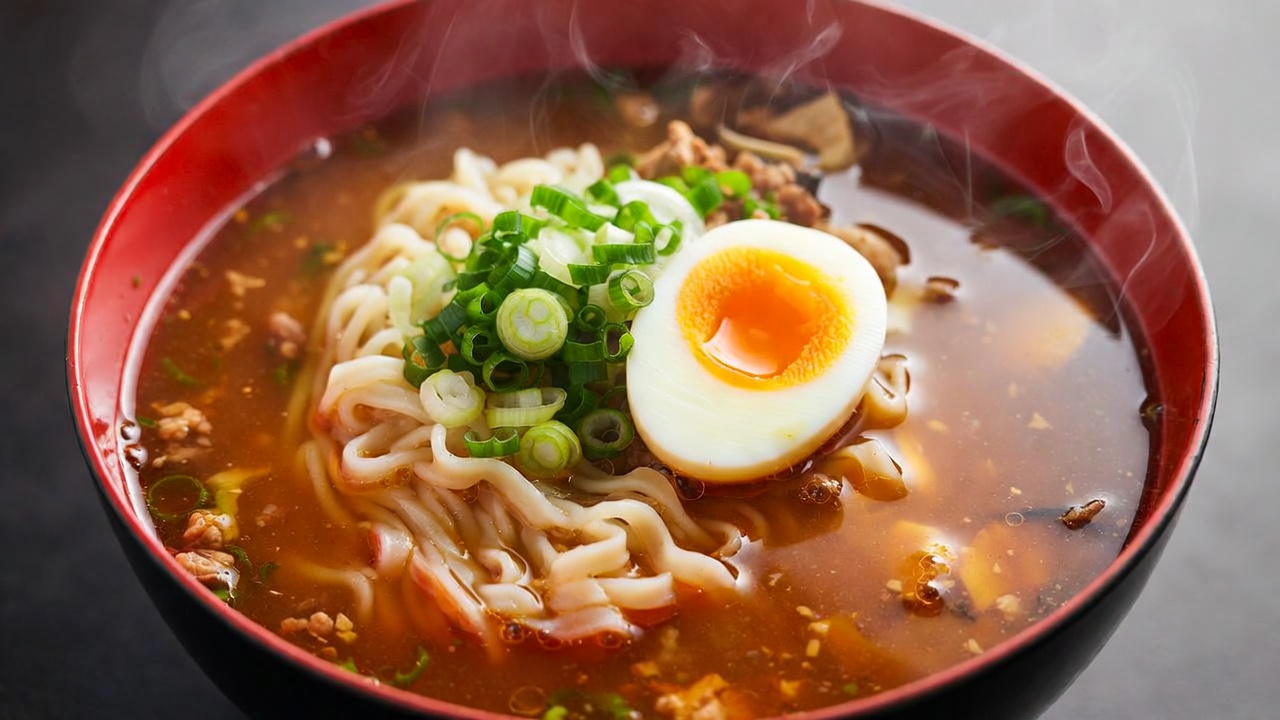
- Why it’s #1: It has held the top spot in Korea for over 40 years (yes, seriously). The rich, beefy, mildly spicy broth with tender dehydrated beef slices and thick wavy noodles creates the perfect comfort balance.
- Spice level: 4/10
- Best for: Beginners, comfort seekers, rainy days, K-drama binge nights
- Tasting notes: Deep umami beef broth, subtle gochugaru kick, satisfying chew
#2 Nongshim Shin Ramyun Black Cup
- Upgraded version of the classic Shin Ramyun with richer, deeper broth and premium dehydrated ingredients.
- Spice level: 7/10
- Signature: The iconic red packet + black soy sauce packet combo delivers layered umami and heat.
#3 Samyang Buldak Carbonara Hot Chicken Flavor Ramen Cup
- The global sensation that refuses to fade. Creamy, cheesy, fiery — a perfect fusion of Korean spice and Italian comfort.
- Spice level: 8.5/10
- 2026 status: Still one of the fastest-selling items in GS25 and CU.
#4 Ottogi Jin Ramen (Mild Cup)
- The gentle giant. Clean, savory beef broth with a gentle peppery finish — many Koreans’ go-to when they’re feeling under the weather.
- Spice level: 2/10
#5 Nongshim Neoguri Cup (Mild/Spicy)
- Thick, hearty udon-style noodles in a seafood-beef broth. The spicy version is bolder than most people expect.
- Signature: Very chewy, almost jjolmyeon-like texture.
#6 Samyang Teumsae Ramyun (Crow’s Ramyun)
- 2025–2026 breakout star. Intense chicken broth with a smoky, charcoal-grilled flavor profile. Very addictive.
- Spice level: 6.5/10
#7 Paldo Cheese Cup Ramen
- Creamy cheese powder melts into the mild broth for a rich, indulgent experience.
- Best eaten with: Extra cheese packet + real mozzarella slice
#8 Ottogi Sesame Cup Ramen
- Nutty, aromatic sesame oil-forward broth — a comforting, non-spicy alternative loved by families.
- Spice level: 1/10
#9 Nongshim Chapagetti Cup
- Black bean noodle in cup form — sweet-savory jajang sauce with thick noodles. A nostalgic favorite.
- Often mixed with Neoguri for “Jjapaguri”
#10 Seafood Cup Ramen (Various – Nongshim, Ottogi, Paldo)
- Rising in popularity in 2026 due to lighter broth trends. Anchovy, clam, and shrimp flavors dominate.
Flavor Breakdown: Spicy, Mild, Cheesy, Seafood & More
The Spicy Kings
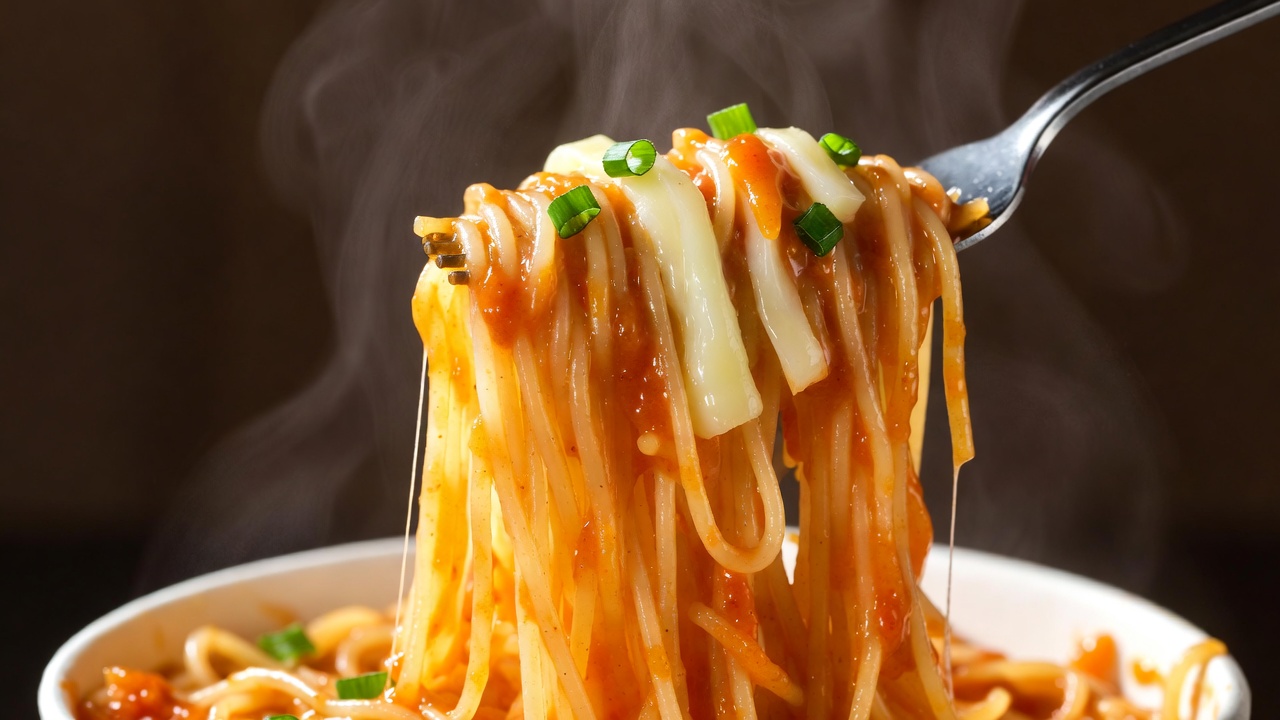
Korea’s reputation for bold flavors is embodied in the spicy Korean noodles cup category:
- Shin Ramyun family (original, black, light) — balanced heat with deep umami
- Buldak series — Samyang’s nuclear option (original, 2x, 3x, Carbonara, Quattro Cheese, Rosé, Habanero Lime)
- Teumsae — smoky, charcoal-grilled heat that lingers
Pro tip: If you want the full Buldak experience but can’t handle extreme spice, start with Carbonara or Rosé versions — they’re still very spicy but more approachable.
Mild & Comforting Favorites
- Jin Ramen Mild — clean beef broth
- Yukgaejang Sabalmyeon — rich and beefy
- Sesame Ramen — nutty and aromatic
- Glass Noodle Cups (Ottogi Cup Noodle, Paldo) — lower calorie, chewy dangmyeon texture
Unique & Trendy Flavors (2025–2026)
- Cheese fusions — Paldo Cheese, Buldak Carbonara, Quattro Cheese
- Jjajang black bean — nostalgic and satisfying
- Reduced-sodium & plant-based — growing segment with Nongshim’s “Less Sodium Shin” and Ottogi’s veggie-forward lines
How to Eat Korean Noodles Cup Like a Local

Eating Korean noodles cup the authentic way is an art form that goes far beyond just adding hot water. Koreans have perfected dozens of little tricks to elevate the experience — from texture to flavor balance.
Basic Preparation Tips
- Follow the water line exactly — Most cups have two lines inside: one for soup-only (less water = stronger flavor) and one for full noodles (standard). Many Koreans prefer the lower line for a thicker, more intense broth.
- Steep time matters — After pouring boiling water, cover and wait 3–4 minutes (check the package). Stir once halfway through for even cooking.
- Lid trick — Leave the lid slightly ajar after the first minute to let steam escape and prevent over-softening of noodles.
Pro Upgrades & Customizations
Here are the most popular Korean-style hacks that locals swear by:
- Add a raw or soft-boiled egg — Crack it in at the last 30 seconds for a silky, creamy broth (most popular upgrade).
- Extra cheese — Sprinkle shredded mozzarella or add a cheese slice during the last minute — especially heavenly with Buldak Carbonara or Paldo Cheese.
- Kimchi kick — Chop cold kimchi and add at the end for tangy crunch and probiotic boost.
- Rice bomb — Scoop leftover rice into the finished bowl for “ramyeon-bap” — a filling, comforting hybrid dish.
- Green onion & sesame seeds — Sprinkle generously for aroma and freshness.
- Tteokbokki style — Add sliced rice cakes (tteok) for chewy texture (buy pre-packaged frozen ones).
Pro tip: For the best Buldak experience, drain about 30–40% of the water after cooking, then mix in the sauce packets — this creates the signature thick, clinging coating.
Convenience Store Experience

In Korea, eating Korean noodles cup at the actual convenience store is a rite of passage:
- Grab your cup, pay, then head to the hot-water station (usually in the corner).
- Many stores provide free plastic chopsticks, spoons, and even small side packets (mayonnaise, mustard, pickled radish).
- Sit at the counter or standing bar — it’s completely normal to eat alone at 3 a.m.
Health & Nutrition Insights
While Korean noodles cup is undeniably delicious, it’s fair to address the elephant in the room: sodium and calories.
Typical Nutrition Facts (per average cup)
- Calories: 400–550 kcal
- Sodium: 1,500–2,200 mg (60–90% of daily recommended intake)
- Fat: 15–25 g (mostly from fried noodles)
Healthier Swaps & Tips
- Choose non-fried options — Ottogi Cup Noodle, Paldo glass noodle cups, or Nongshim’s “Less Sodium” Shin variants.
- Reduce sodium — Use only half the soup powder packet, or dilute with extra hot water.
- Boost nutrition — Add vegetables (spinach, mushrooms, cabbage), protein (egg, shredded chicken, tofu), or seaweed.
- Balance the meal — Pair with kimchi, fresh cucumber, or fruit to offset richness.
Many Koreans treat cup ramyeon as an occasional indulgence rather than a daily staple — and when eaten mindfully with fresh add-ins, it becomes a surprisingly balanced quick meal.
Where to Buy Authentic Korean Noodles Cup (2026 Update)
In Korea

- Convenience stores (CU, GS25, 7-Eleven, Emart24) — widest selection, newest limited editions.
- Hypermarkets — Emart, Lotte Mart, Homeplus for bulk packs and variety boxes.
- Online — Coupang, 11Street, Gmarket for rare and discontinued flavors.
Internationally (Best Options in 2026)
- Amazon — Fastest shipping; look for “Imported from Korea” sellers (often fresher than local Asian markets).
- HMart, Zion Market, Weee! — Physical stores or online for authentic stock.
- KoreanMart.com, Seoulspice.com — Specialty sites with full range + limited editions.
- Costco / Walmart — Great value multi-packs of Shin Ramyun, Neoguri, and Chapagetti.
Pro tip: Always check manufacturing dates — fresher cups have better noodle texture and broth aroma.
Expert Recommendations & Pairings

As someone who has lived in Korea and tasted hundreds of varieties, here are my personal picks:
- Best for beginners → Nongshim Yukgaejang Sabalmyeon or Ottogi Jin Mild
- Best for spice lovers → Samyang Buldak Carbonara (most balanced heat)
- Best comfort pick → Nongshim Sesame Cup + egg + green onion
- Best K-drama pairing — Shin Ramyun Black for romantic late-night scenes (Crash Landing on You vibes)
Pairing suggestions:
- Romantic K-drama → Mild Jin Ramen + soft-boiled egg
- Action/Intense drama → Buldak Carbonara
- Nostalgic slice-of-life → Yukgaejang Sabalmyeon + kimchi
Conclusion – Why Korean Noodles Cup Is More Than Just Food
At the end of the day, Korean noodles cup is far more than a quick meal in a plastic container. It represents convenience, comfort, nostalgia, and the warm, resilient spirit of modern Korean culture.
From the late-night convenience store glow in Seoul to the quiet comfort of a rainy evening binge-watching K-dramas halfway across the world, these humble cups have become emotional shorthand for:
- Shared moments between friends and family
- Solo self-care on tough days
- The simple joy of something warm and flavorful when you need it most
Whether you’re a longtime K-culture fan recreating iconic drama scenes, a traveler who fell in love with Korean convenience store life, or someone discovering Korean food for the first time, there’s a perfect Korean noodles cup waiting to become part of your routine.
So next time you feel the craving — grab a cup (or three), boil some water, crack an egg, and let the magic happen. You’re not just eating instant ramen; you’re participating in one of Korea’s most beloved everyday rituals.
Which Korean noodles cup is your go-to? Have you tried any of the hacks in this guide? Drop your favorite flavor or custom combo in the comments — I’d love to hear your stories and recommendations! 🍜💛
Happy slurping, and happy K-drama watching!
FAQs
What is the most popular Korean noodles cup in 2026? As of early 2026, Nongshim Yukgaejang Sabalmyeon (bowl noodle) remains Korea’s undisputed #1 bestseller, followed closely by Shin Ramyun Black and Samyang Buldak Carbonara.
Is Korean cup ramen very spicy? It depends on the variety. Options range from very mild (Ottogi Jin Mild, Sesame Ramen – 1–2/10) to extremely spicy (Buldak original or 2x – 9–10/10). Most popular cups fall in the 4–7/10 range.
What is the best Korean noodles cup for beginners? Start with Nongshim Yukgaejang Sabalmyeon (rich beefy flavor, moderate spice) or Ottogi Jin Ramen Mild (clean, comforting broth). Both are widely loved and beginner-friendly.
How can I make Korean cup ramen taste better? Top upgrades include: adding a raw/soft-boiled egg, extra cheese, chopped kimchi, green onions, sesame seeds, or leftover rice. Use less water for thicker broth, and drain some liquid for Buldak-style coating.
Are there healthier Korean cup noodles? Yes — look for non-fried varieties (Ottogi Cup Noodle, Paldo glass noodles), reduced-sodium Shin, or plant-based options. Add fresh vegetables, egg, or tofu to balance nutrition.
Where can I buy authentic Korean noodles cup outside Korea? Amazon (imported from Korea), HMart, Weee!, Seoulspice.com, or local Asian supermarkets. Costco and Walmart often carry great multi-packs of Shin, Neoguri, and Chapagetti.
What Korean noodles cup was used in Crash Landing on You? The romantic starry-night scene featured Nongshim Shin Ramyun — one of the most iconic product placements in K-drama history.
Can I mix different Korean cup ramyeon flavors? Absolutely! The most famous combo is Chapagetti + Neoguri = “Jjapaguri” (from Parasite). Many people also mix Shin + Yukgaejang for extra beefy-spicy depth.
Which Korean noodles cup has the chewiest noodles? Nongshim Neoguri Cup (udon-style thick noodles) and Ottogi Jin Ramen offer the most satisfying chew.
Are there limited-edition Korean cup ramyeon in 2026? Yes — Samyang frequently releases seasonal Buldak flavors (e.g., strawberry, curry), and Nongshim often drops special Shin variants. Check Coupang or KoreanMart.com for the latest drops.