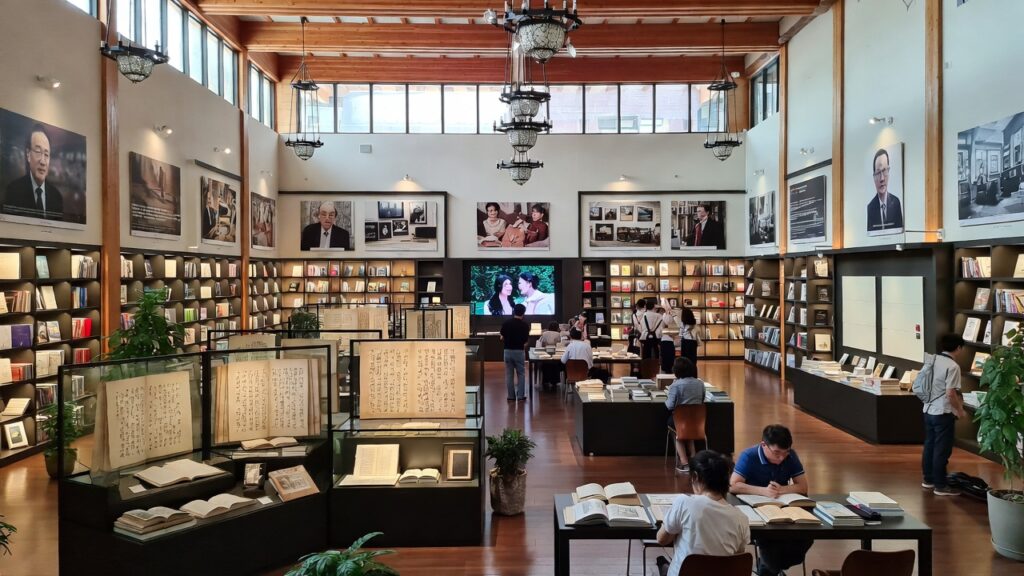
Imagine stepping into a serene world where towering bookshelves seem to stretch endlessly, ancient Korean manuscripts glow under soft lighting, and the quiet rustle of pages replaces the city’s constant hum. This enchanting escape exists right in the heart of bustling Seoul at the Songpa Book Museum, Korea’s first public book-themed museum and a true hidden gem for anyone passionate about Korean culture, literature, and the stories that inspire global K-dramas.
Opened in 2020 by the Songpa District government as part of its “Reading City” initiative, this museum serves as more than just a display space—it’s a vibrant hub dedicated to connecting people with books, reviving reading habits in a digital age, and celebrating Korea’s rich literary heritage. Whether you’re struggling to find authentic, crowd-free cultural spots in Seoul, seeking deeper insights into the novels behind beloved K-dramas, or simply craving a peaceful afternoon immersed in history and creativity, the Songpa Book Museum delivers exactly that.
As someone who has explored Seoul’s literary landmarks for over a decade—from the grand National Library to intimate hanok book cafes—I’ve found this museum stands out for its innovative design, free access, and thoughtful blend of education and relaxation. It solves a real need for travelers and locals alike: discovering meaningful cultural experiences that feel personal rather than touristy. With its book-shaped architecture, interactive exhibits, and ties to Korean storytelling traditions that fuel modern pop culture, it’s an essential stop for deepening your appreciation of Korean heritage.
In this comprehensive guide, we’ll explore everything from its history and exhibits to practical tips, nearby attractions, and how it bridges classic literature with today’s K-dramas. By the end, you’ll be ready to plan your visit and uncover why this literary haven deserves a spot on every Seoul itinerary.
What is the Songpa Book Museum?
A Brief History and Establishment
The Songpa Book Museum was born from a forward-thinking vision to combat declining reading rates in South Korea, where surveys indicate many adults read fewer than 10 books per year. Launched in 2020 under the Songpa District’s “Reading City” program, it became the country’s first public museum dedicated entirely to books and reading culture. Its core mission: to foster connections between people and books, preserve literary heritage, and promote healthy reading habits amid rapid digital shifts.
This initiative reflects broader Korean cultural efforts to safeguard intangible heritage, including the UNESCO-recognized invention of Hangul in 1443 and early printing innovations like the Jikji (1377), the world’s oldest extant book using movable metal type. The museum has continued to evolve, hosting workshops, lectures, and special events that adapt to contemporary interests like multimedia storytelling and global book trends.
As a specialist in Korean cultural sites, I see it as a pivotal response to modern challenges—reviving physical reading while honoring traditions that have shaped Korean identity for centuries.
Location and Architectural Highlights
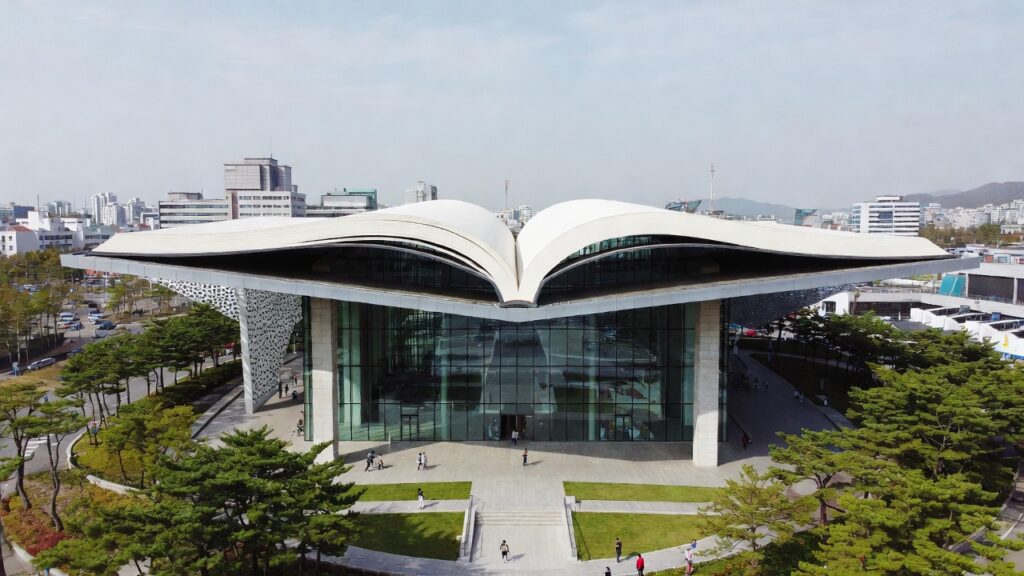
Situated at 77 Songpa-daero 37-gil, Songpa-gu, Seoul, the museum lies in an accessible, vibrant eastern district. It’s a short walk from Songpa Station (Subway Line 8, Exit 4 or nearby exits), making it easy to reach from central areas like Gangnam or Jamsil. Nearby landmarks—Lotte World Tower, Seokchon Lake Park, and Olympic Park—allow seamless integration into broader Seoul explorations.
The building itself is an architectural marvel, designed to resemble layers of an open bookshelf or cross-section of a book, earning an Excellence Award at the Seoul Architecture Awards. Its facade features shifting vertical louvers that interact with sunlight, creating a dynamic, evolving appearance symbolizing books’ timeless progression. Eco-friendly elements, abundant natural light, and sustainable materials enhance the inviting atmosphere.
Inside, the multi-level layout includes a basement for storage and open studios, a ground floor with child-friendly spaces and multipurpose halls, and upper levels for exhibitions, media libraries, and outdoor gardens. The design echoes traditional Korean scholarship spaces while feeling modern and welcoming—perfect for quiet reflection or family outings.
Exploring the Exhibits: A Journey Through Literary Worlds
Permanent Exhibitions – From Ancient Scrolls to Modern Masterpieces
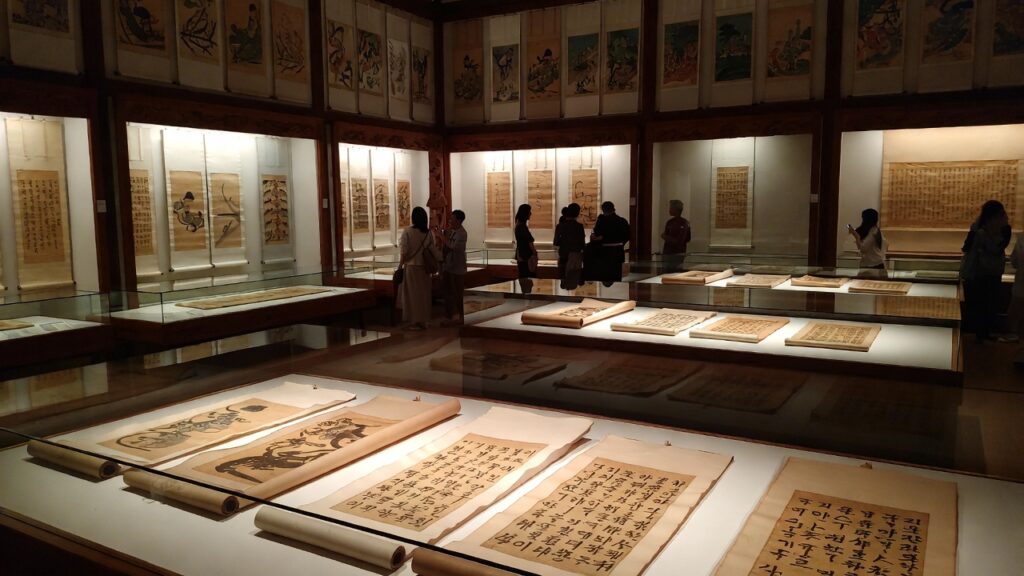
The permanent exhibitions form the museum’s backbone, offering a chronological journey through Korean book history. Divided into themes like “Relish the Culture: The Joy of Reading Books by Ancient Koreans,” “Communication: The Joy of Communicating Through Books,” and “Creation: Another World, the Joy of Making Books,” they showcase everything from hanji paper artifacts and Joseon-era woodblock prints to the democratization of literacy via Hangul.
Highlights include replicas of historical treasures, antique children’s books, and displays on modern publishing trends. Visitors can see how ancestors in the Joseon Dynasty enjoyed reading, trace communication through books across eras, and explore creative processes like traditional bookbinding. Interactive elements let you experience textures and techniques, making abstract history tangible.
These exhibits provide invaluable context for understanding Korean literary roots—essential for appreciating how folklore, poetry, and prose influence contemporary storytelling.
Special and Themed Exhibitions
Rotating special exhibitions keep the museum dynamic, often focusing on global book cultures, author spotlights, or timely themes. Past displays have explored perceptions of Joseon in foreign writings, influential Korean writers like Ha Seong-nan or Kim Hoon, and creative installations such as “flying bookshelves” or generational reading rooms with period artifacts.
For K-drama fans, these shows frequently highlight literary adaptations, connecting classic texts to screen narratives. They address a common need: bridging on-screen stories with their source material for richer viewing experiences.
Interactive and Multimedia Elements
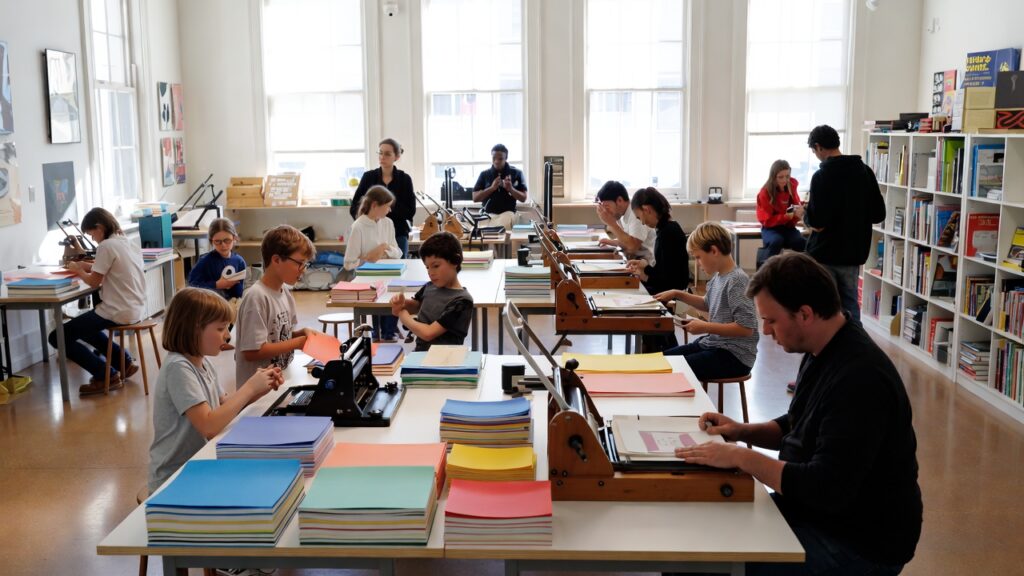
Hands-on activities abound, including letterpress printing workshops where visitors craft bookmarks or cards, book-making studios, and VR explorations of historical printing. Kid-friendly zones like Bookium offer fairy-tale-inspired spaces for young readers, while the Media Library provides DVDs, screens, and cozy nooks for multimedia engagement.
Accessibility features, such as ramps and family-oriented programs, ensure inclusivity. These elements transform a visit from passive observation to active participation, solving the problem of museums feeling distant or static.
The Cultural Significance: Books as the Heart of Korean Heritage and Drama
Songpa Book Museum’s Role in Preserving Korean Literature
In a nation where digital media often overshadows print, the Songpa Book Museum plays a vital role in safeguarding Korea’s literary legacy. It preserves and showcases elements of intangible cultural heritage—such as traditional hanji paper craftsmanship, folklore preserved in ancient texts, and the revolutionary impact of Hangul, which made literature accessible beyond the elite. Exhibits trace how books have shaped Korean identity, from Joseon scholars’ poetic exchanges to modern publishing that reflects societal shifts.
This mission counters trends like declining physical reading rates, offering programs that encourage engagement across generations. By highlighting rare artifacts and historical printing techniques (including influences from early movable type innovations), the museum ensures that Korea’s literary traditions remain alive and relevant. For visitors interested in authentic cultural immersion, it provides a quiet counterpoint to Seoul’s fast-paced life, fostering appreciation for the written word as a cornerstone of national heritage.
Intersections with Korean Dramas and Pop Culture
Korean literature frequently serves as the foundation for K-dramas, and the Songpa Book Museum illuminates these connections beautifully. Many popular series draw from novels, short stories, or poetic motifs rooted in historical texts—think of themes of fate, family, and resilience that echo in classics like those by Han Kang or earlier Joseon-era tales. While the museum doesn’t always feature direct drama tie-ins, its focus on storytelling evolution helps fans trace how books inspire screen adaptations, from emotional depth in historical romances to psychological nuance in contemporary thrillers.
For K-drama enthusiasts, visiting deepens understanding: a novel’s subtle character introspection often translates into powerful on-screen moments. As an expert in Korean culture, I’ve seen how exploring literary origins enhances enjoyment of shows—whether it’s folklore influencing fantasy elements or social commentary mirroring real-life issues. The museum subtly bridges these worlds, making it an ideal spot for fans seeking “real-life” inspiration beyond filming locations.
Community Programs and Events
The museum thrives as a community hub through lectures by authors, book clubs, workshops, and collaborations. Regular events include author talks, reading sessions, and seasonal programs tied to festivals like Chuseok. These foster dialogue on Korean literature’s global reach, sometimes spotlighting international influences or adaptations.
Check the official site (bookmuseum.go.kr, primarily Korean but with some English resources) for calendars—events often fill quickly. This active programming addresses the need for ongoing cultural education, turning a one-time visit into repeated engagement.
Practical Visitor Guide: Planning Your Perfect Trip
How to Get There – Transportation Tips
Reach the museum easily via public transport. From central Seoul, take Subway Line 8 to Songpa Station (Exit 4), then walk about 10-15 minutes. Alternatively, Line 9 to Seokchon Station (Exit 5 or 6) offers a similar short stroll. Buses like 3322, 3417, or 3422 stop nearby.
For accessibility, the building features ramps, elevators, and wide paths—ideal for families, strollers, or mobility needs. Driving? Parking is available (first 30 minutes free, then small fees, around KRW 1,800/hour). Taxis or ride-hailing apps work well from nearby Jamsil or Gangnam.
Opening Hours, Admission, and Essentials
Open Tuesday–Sunday, 10:00 AM–6:00 PM; closed Mondays, New Year’s Day, Seollal (Lunar New Year), and Chuseok. Admission is completely free—no reservations needed for general entry, though some workshops require booking.
Bring comfortable shoes for exploring floors, a reusable water bottle (cafe options available), and perhaps a notebook for jotting insights. Lockers are provided for bags. Free Wi-Fi helps with translations or planning. Note: Some areas encourage shoe removal for cozy reading spots—embrace the local custom!
Best Times to Visit and Crowd Avoidance
Weekdays offer the quietest experience—perfect for reflection or photography. Weekends see more families and events, adding liveliness but potential crowds. Spring (cherry blossoms near Seokchon Lake) or fall (mild weather) enhance outdoor elements. Avoid major holidays when closures apply.
Aim for mornings to beat any afternoon influx. Combine with nearby parks for a full, relaxing day.
Must-See Highlights and Hidden Gems
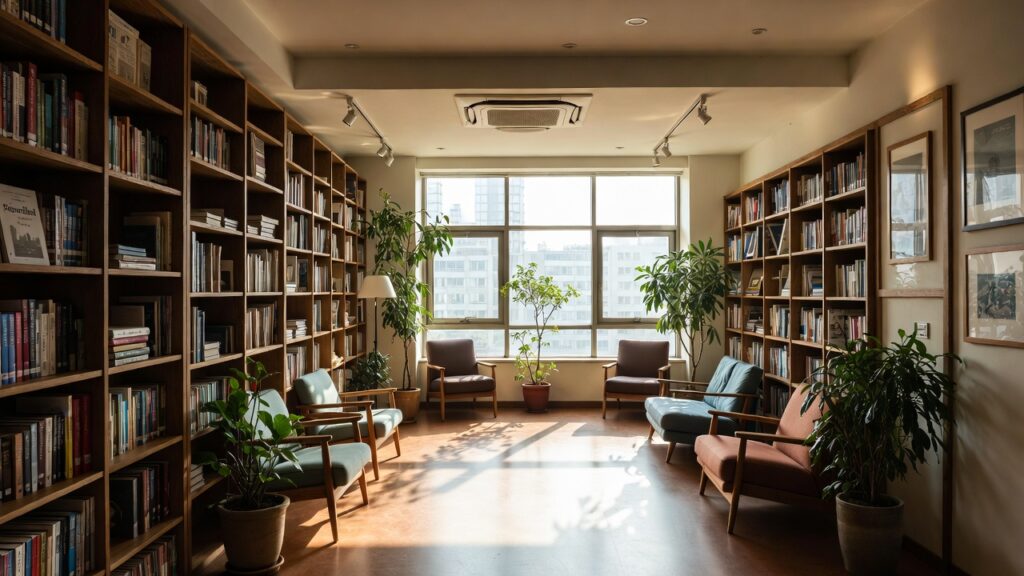
- Iconic Book Sculptures and Installations: The “flying bookshelves” and floating paper displays create magical photo ops.
- Rooftop/Outdoor Reading Garden: A serene spot for open-air reading when open—ideal in good weather.
- Media Library and DVD Zones: Browse Korean and international films/TV, a relaxing multimedia break.
- Bookium Children’s Area: Fairy-tale-inspired nooks for kids, with interactive storytelling.
- Letterpress Printing Studio: Hands-on souvenir creation (often free or low-cost).
- Hidden gem: Generational reading rooms recreating eras with period books and decor—great for immersive history.
Pro tip: The central staircase rotunda with its dramatic book elements is a standout for photos and quiet contemplation.
Expert Tips for an Enriching Museum Experience
- Prepare by reading a Korean classic (e.g., Han Kang’s works) beforehand—exhibits gain depth.
- Respect etiquette: No loud talking in reading areas; photos allowed but avoid flashes.
- Join a workshop like bookbinding or printing for memorable takeaways.
- Pair your visit with a K-drama playlist inspired by literature—enhance the mood during your stay.
- Pro Tip: Download a translation app for Korean labels; many exhibits have English summaries.
- For families: Start in Bookium, then move to permanent exhibits—kids stay engaged longer.
These actionable insights maximize value, turning a simple visit into a meaningful cultural dive.
Nearby Attractions: Extending Your Seoul Adventure
Songpa District’s Cultural Hotspots
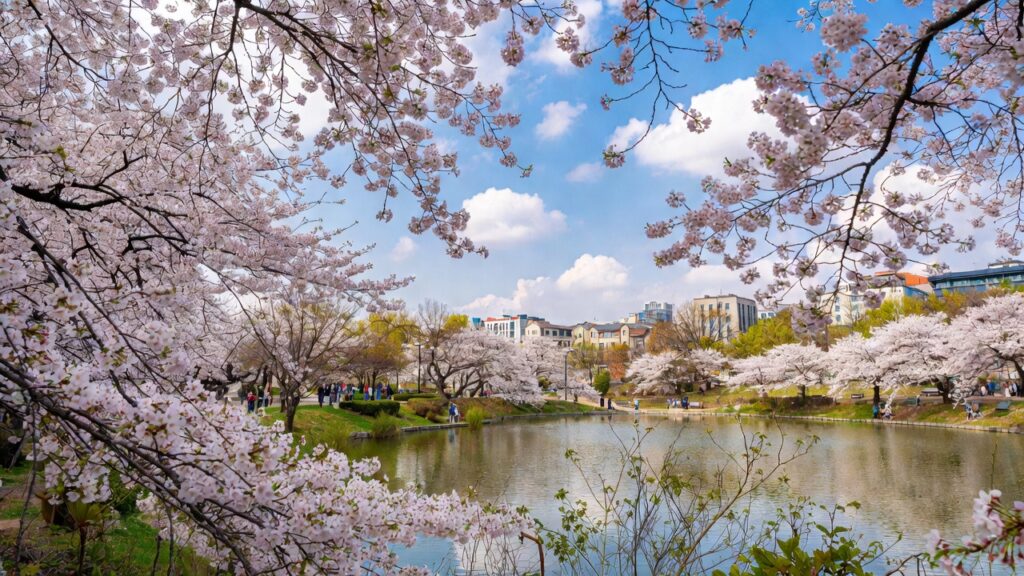
Extend your day in Songpa-gu:
- Seokchon Lake Park: Scenic walks, especially during cherry blossom or fall foliage seasons—perfect post-museum relaxation.
- Lotte World Tower & Lotte World Adventure: Iconic views and theme park fun nearby.
- Olympic Park: Walking paths, sculptures, and historical significance from the 1988 Games.
Literary and Drama-Themed Spots in Seoul
For broader literary ties:
- National Library of Korea: Vast collections and reading events.
- Bukchon Hanok Village: Traditional settings often in historical dramas.
- Starfield COEX Library: Modern, Instagram-famous book haven.
- Drama filming spots like those in “Hotel Del Luna” (nearby secondhand bookstores) or literary-inspired cafes.
These pairings create a full literary-cultural itinerary.
Frequently Asked Questions (FAQs)
Is the Songpa Book Museum free? Yes, admission is completely free for all visitors.
What exhibits are kid-friendly? Bookium offers fairy-tale spaces, interactive zones, and storytelling—great for preschoolers and young children.
How does it relate to K-dramas? It explores literary roots of storytelling themes common in K-dramas, like folklore and emotional narratives, helping fans connect screen stories to books.
Are there English explanations? Some signage and materials have English; use translation apps for full details.
Can I take photos inside? Yes, but avoid disrupting others—great spots include the rotunda and installations.
Is it wheelchair accessible? Yes, with ramps, elevators, and wide paths.
What if it’s closed on Mondays? Plan for Tuesday–Sunday; check the official site for holiday closures.
Are workshops available? Yes, like letterpress printing—book ahead via the website or on-site.
How long should I spend there? 2–4 hours for a relaxed visit, longer with events or reading.
Any nearby food options? Seokchon Market for street food, or cafes inside/nearby for light bites.
The Songpa Book Museum stands as Seoul’s quiet literary treasure, blending history, interactivity, and modern relevance in a way few places do. It revives the simple joy of books while connecting Korea’s past to its vibrant pop culture present—especially meaningful for those exploring Korean dramas through their literary origins.
Whether you’re seeking escape from city chaos, family-friendly education, or deeper cultural insight, this haven delivers genuine value. Plan your visit soon; in a fast-changing world, spaces like this remind us why stories endure. For more on Korean culture, dramas, and hidden gems, subscribe or explore our other guides—your next literary adventure awaits.