
It’s a sweltering July afternoon in Seoul. The asphalt shimmers with heat, cicadas drone from the trees, and inside a small apartment, a family gathers around the kitchen table where a single, massive watermelon has just been sliced open. Its deep red flesh glistens under the fluorescent light, and for the next twenty minutes, everyone — grandparents, parents, kids — sits together, eating in comfortable silence punctuated only by the satisfying crunch of each bite. This scene repeats itself in millions of Korean households every summer, and it explains something foreigners often find puzzling: watermelon in Korea isn’t just a fruit. It’s a cultural institution.
If you’ve ever wondered why Koreans treat watermelon with what seems like religious devotion, why a single melon can cost more than a restaurant meal, or why it keeps popping up in your favorite K-dramas, you’re in the right place. This article unpacks the full story — the history, the economics, the rituals, and the pop culture — behind Korea’s favorite summer fruit.
What Makes Watermelon in Korea So Culturally Significant?
A Symbol of Summer (Yeoreum) in Korean Tradition
In Korea, watermelon isn’t available — or desired — year-round in the same way apples or bananas are. It’s intrinsically tied to yeoreum, the summer season, functioning almost like a seasonal mascot. The fruit’s appearance at family gatherings, holidays, and casual get-togethers signals that the hottest, most humid months have arrived. Much like how pumpkin spice marks autumn in Western culture, watermelon marks the arrival of Korean summer — except the association runs far deeper, rooted in decades of agricultural rhythm and shared memory.
Older generations often recall childhood summers spent at grandparents’ homes in the countryside, where watermelons were cooled in wells or mountain streams before being cracked open and shared among cousins. This nostalgic association has only strengthened watermelon’s symbolic weight, transforming a simple fruit into a vessel of memory and seasonal identity.
Watermelon as a Family and Social Bonding Food
Few foods in Korean culture are as communal as watermelon. It is rarely eaten by one person alone; instead, it’s sliced into wedges or scooped with spoons and shared from a single large bowl or platter, often while watching TV together in the living room. This communal eating style reflects a broader Korean cultural value: food as a vehicle for connection rather than individual consumption.
Watermelon also frequently appears at gyesimi (neighborhood gatherings), apartment complex social events, and even office settings during particularly hot weeks, where it’s not uncommon for a thoughtful coworker or building manager to slice and share watermelon with everyone nearby.
Connection to Korean Agricultural Heritage and Regional Pride
Certain regions in Korea have built strong reputations around watermelon cultivation, similar to how Napa Valley is associated with wine. Goesan in North Chungcheong Province and Haman in South Gyeongsang Province are particularly well-known for producing some of the country’s sweetest, highest-quality watermelons, thanks to their mineral-rich soil and well-managed irrigation systems.
These regional associations matter commercially and culturally. Watermelons from famous growing areas often carry a premium price tag and are marketed with the region’s name attached — much like Korean rice brands proudly display their province of origin. This reflects a broader pattern in Korean food culture, where provenance signals quality and trustworthiness to consumers.
Why Is Watermelon So Expensive in Korea?
If you’ve shopped at a Korean grocery store, you’ve likely experienced sticker shock at the produce section. A single watermelon can run anywhere from 15,000 to 35,000 KRW (roughly $11–$26 USD), and premium varieties during off-peak times can climb even higher. Here’s why.
Greenhouse Farming and Labor-Intensive Cultivation
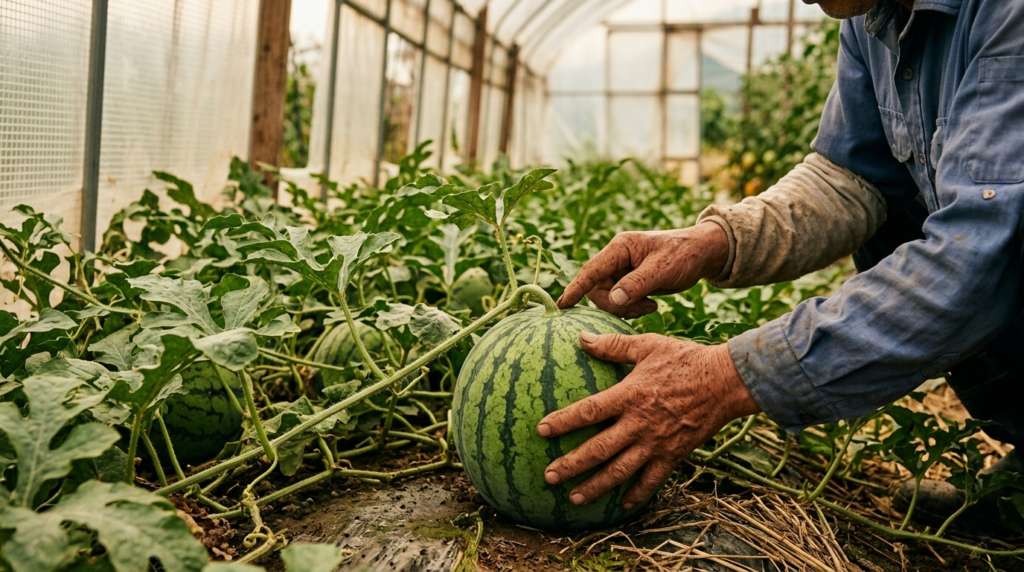
Unlike countries with vast stretches of arable land suited to open-field watermelon farming, Korea’s mountainous terrain limits available farmland. To maximize yield and control growing conditions, many Korean farmers use greenhouse cultivation, which requires significant investment in infrastructure, heating, and labor. Greenhouse-grown watermelons also allow for earlier harvests, meeting consumer demand for the fruit before peak outdoor season — but this convenience comes at a cost that’s passed on to shoppers.
Limited Growing Regions and Land Costs
Korea’s limited flat, fertile land means agricultural real estate is expensive and competitive. Watermelon, which requires substantial space per plant to sprawl and mature, isn’t a space-efficient crop compared to vertically-grown produce. This land scarcity directly inflates production costs, which retailers reflect in shelf prices.
Premium Gifting Culture
In Korea, fruit isn’t just food — it’s a gift. Beautifully boxed fruit baskets, often featuring premium melons, pears, or apples, are common gifts during holidays like Chuseok and Seollal, as well as for hospital visits, housewarmings, and business courtesies. This gifting culture has elevated certain fruits, including high-quality watermelons, into a premium product category, similar to how a bottle of fine wine might be priced and marketed in Western gift culture.
Price Comparison: Korea vs. Other Countries
To put things in perspective: in the United States, a watermelon often costs $4–$8. In parts of Southeast Asia, prices can be even lower due to abundant tropical growing conditions. Japan, interestingly, shares Korea’s tendency toward premium fruit pricing, with luxury melons sometimes selling for hundreds of dollars as gift items. Korea sits in a similar cultural and economic bracket — fruit as both nourishment and status symbol.
When Is Watermelon Season in Korea?
Peak Season Months and Regional Harvest Timing
Traditionally, watermelon season in Korea runs from June through August, with peak sweetness and availability typically hitting in July. This aligns precisely with the hottest, most humid stretch of the Korean summer, which is part of why the fruit feels so perfectly suited to the season — both biologically and culturally. Farmers in regions like Goesan and Haman time their harvests to coincide with rising summer temperatures, when consumer demand for hydrating, refreshing produce peaks.
However, thanks to advances in agricultural technology, watermelon now appears in Korean markets as early as April, primarily through greenhouse cultivation. These early-season melons tend to carry a noticeably higher price tag, reflecting the added cost of climate-controlled growing environments.
Greenhouse vs. Field-Grown Watermelon
There’s a meaningful difference between greenhouse watermelon and traditionally field-grown watermelon, both in cost and flavor. Greenhouse watermelons, grown earlier in the year under controlled conditions, tend to be smaller and slightly less sweet than their field-grown counterparts, which benefit from full natural sun exposure and a longer maturation period. Korean consumers who prioritize flavor over convenience often wait until peak summer to buy field-grown watermelon, even if it means a few extra weeks of anticipation.
How Seasonality Affects Price and Flavor
As with most produce, price and quality in Korean watermelon follow an inverse relationship with scarcity. Early-season greenhouse watermelons command premium prices due to limited supply and higher production costs. By contrast, once peak season arrives in July, supply increases significantly, prices ease somewhat, and flavor reaches its annual high point thanks to optimal growing conditions. Savvy shoppers who time their purchases for mid-to-late summer typically get the best balance of taste and value.
How Koreans Traditionally Eat and Serve Watermelon

The Iconic Watermelon Bingsu
Perhaps the most beloved seasonal dessert in Korea is watermelon bingsu — a show-stopping treat where a hollowed-out watermelon half is filled with finely shaved ice, fresh watermelon chunks, condensed milk, and sometimes additional toppings like mochi, cereal flakes, or ice cream. Visually striking and Instagram-famous, watermelon bingsu has become a seasonal must-try at Korean cafés, with some establishments developing cult followings purely based on their bingsu presentation and flavor balance.
This dessert exemplifies a broader Korean culinary philosophy: transforming a simple seasonal ingredient into an elevated, shareable experience meant to be enjoyed slowly with others.
Watermelon as a Post-Meal Palate Cleanser
Beyond dessert, watermelon frequently appears as a light, refreshing way to close out a meal, particularly after spicy or heavy Korean dishes like samgyeopsal (grilled pork belly) or jjigae (stew). Its high water content and mild sweetness help cleanse the palate and cool the body, which is especially valued during Korea’s humid summer months when appetite often wanes in the heat.
Creative Modern Uses
Korean food culture has also found inventive ways to incorporate watermelon beyond its traditional form:
- Watermelon soju cocktails, where the fruit is hollowed out and mixed with soju directly inside the rind, creating a shareable, party-friendly presentation
- Watermelon smoothies and juices, popular at cafés during summer menus
- Watermelon salads, sometimes paired with feta-inspired Korean cheese alternatives or mint for a modern fusion twist
Tip: How to Pick a Sweet, Ripe Watermelon Like a Korean Grocer
- Sound test: Tap the watermelon — a deep, hollow sound suggests ripeness, while a dull thud may indicate it’s overripe or underdeveloped
- Stem check: A dried, slightly curled stem often signals the watermelon was harvested at peak ripeness
- Shape and symmetry: Evenly shaped, symmetrical watermelons tend to have more consistent flesh texture
- Field spot: Look for a creamy yellow (not white) spot on the underside, indicating it ripened fully on the vine
Watermelon’s Surprising Role in K-Dramas and Korean Pop Culture

Memorable Watermelon Scenes in K-Dramas and Variety Shows
Watermelon has carved out a recurring role in Korean visual media, often appearing during pivotal summer-set scenes. It frequently shows up in slice-of-life dramas and family-centered storylines, where characters bond over shared meals on porches, rooftops, or living rooms during sweltering summer episodes. These scenes aren’t accidental — directors use watermelon deliberately to signal warmth, nostalgia, and familial intimacy.
Korean variety shows have also embraced watermelon as both prop and plot device, particularly in outdoor survival or camping-themed programs, where cast members are shown carrying, slicing, or competing over watermelon during summer-themed episodes.
Why Directors Use Watermelon as a Symbol of Nostalgia, Family, or Summer Romance
In Korean visual storytelling, food often functions as emotional shorthand, and watermelon is no exception. Its bright color, communal eating style, and strong seasonal association make it an efficient visual cue for themes of childhood nostalgia, family closeness, or budding summer romance. A simple shot of two characters sharing watermelon on a porch step can communicate comfort and connection without a single line of dialogue — a hallmark of skilled K-drama visual language.
Watermelon in Korean Variety Shows
Eating contests, cooling-off segments during heatwave episodes, and even comedic moments involving watermelon seed-spitting competitions have become recurring, audience-beloved tropes. These segments tap into the same communal, lighthearted spirit that defines watermelon’s role in everyday Korean life.
Where to Buy the Best Watermelon in Korea

Traditional Markets vs. Supermarkets vs. Convenience Stores
Korea offers several distinct shopping environments for watermelon, each with its own advantages:
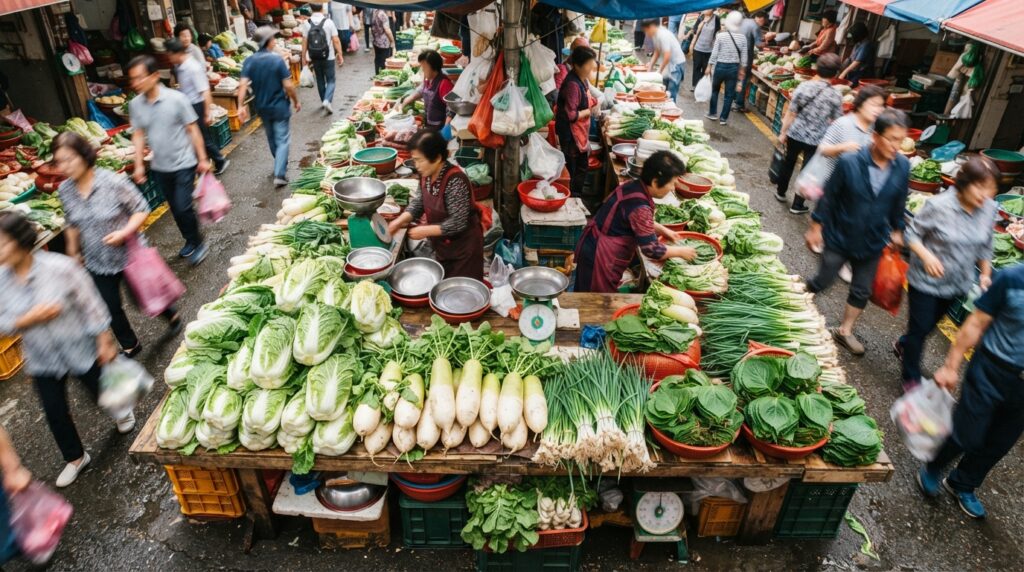
- Traditional markets (jaerae sijang), such as Noryangjin or Gyeongdong Market, often offer the best prices and freshest selection, particularly during peak season. Vendors are typically knowledgeable and willing to help shoppers select a ripe melon, and prices here can be noticeably lower than supermarket chains.
- Large supermarket chains like Homeplus, Lotte Mart, and E-Mart offer convenience and consistency, with watermelons pre-graded for quality. These retailers often carry regionally branded watermelons from areas like Goesan, marketed with premium packaging and pricing.
- Convenience stores (CU, GS25, 7-Eleven) sometimes carry pre-cut watermelon cups or smaller portions during peak summer, ideal for single shoppers or tourists who don’t need a whole melon.
Online Grocery Delivery Options
For residents, Coupang and Market Kurly have become go-to platforms for ordering watermelon with next-day or even same-day delivery. These platforms often allow customers to select watermelon by weight, region of origin, and sweetness rating based on prior customer reviews, adding a layer of transparency that’s harder to find in physical stores.
Tips for Tourists Buying Watermelon in Korea
Tourists should know that whole watermelons can be cumbersome to transport, especially without access to a kitchen. Many convenience stores and supermarkets sell pre-cut, packaged watermelon portions, making it easy to enjoy the experience without commitment to a full melon. Additionally, café-based watermelon bingsu offers a low-effort, high-reward way for visitors to experience the fruit in its most iconic Korean form.
Health Benefits of Watermelon, According to Nutrition Experts

Hydration and Electrolyte Benefits in Korea’s Humid Summers
Watermelon is composed of approximately 92% water, making it one of the most effective hydrating foods available, particularly relevant during Korea’s intensely humid summer months when heat-related fatigue and dehydration are common concerns. Its natural electrolyte content, including potassium, also supports fluid balance in the body.
Nutritional Breakdown
Beyond hydration, watermelon offers a meaningful nutritional profile:
- Vitamin C, supporting immune function
- Vitamin A, important for skin and eye health
- Lycopene, an antioxidant linked to cardiovascular health, present in notably high concentrations in watermelon
- Low calorie density, making it a popular choice for those monitoring caloric intake while still wanting something sweet and satisfying
Why It’s a Favorite Among K-Pop Idols and Fitness-Conscious Koreans
Watermelon’s combination of natural sweetness, low calorie count, and high water content has made it a popular snack choice among K-pop idols and fitness-conscious individuals managing strict diet regimens. It satisfies sugar cravings without the caloric burden of processed desserts, aligning well with the disciplined dietary culture often associated with Korea’s entertainment industry.
Frequently Asked Questions About Watermelon in Korea
Why is watermelon so expensive in Korea?
Watermelon prices in Korea reflect limited arable land, labor-intensive greenhouse farming methods, and a cultural gifting tradition that treats premium fruit as a luxury item rather than a basic commodity.
What is the best time of year to eat watermelon in Korea?
July typically offers the best balance of flavor, sweetness, and value, as field-grown watermelons reach peak ripeness and market supply increases.
How do Koreans eat watermelon differently than other countries?
Korean watermelon consumption is notably communal, often shared from a single bowl among family or friends, and is frequently transformed into bingsu, a shaved ice dessert unique to Korean food culture.
Can tourists buy whole watermelons easily in Korea?
Yes, though pre-cut portions from convenience stores or supermarkets are often more practical for travelers without kitchen access or refrigeration.
Is watermelon bingsu available year-round?
While some cafés offer it seasonally limited to summer months, increasingly popular café chains now serve watermelon bingsu year-round using imported or greenhouse-grown watermelon, though availability varies by location.
Watermelon in Korea is far more than a simple summer snack — it’s a cultural touchstone woven into family tradition, regional pride, culinary creativity, and even the visual storytelling of K-dramas. From the labor and land scarcity that drive its premium price tag, to the communal joy of sharing a bowl of watermelon bingsu on a humid July afternoon, this fruit captures something distinctly Korean: the idea that even the simplest foods can carry deep emotional and cultural weight when shared with the people you love.
Whether you’re planning a trip to Korea, exploring Korean food culture from afar, or simply curious why your favorite K-drama keeps lingering on watermelon scenes, understanding its role offers a small but meaningful window into how deeply food and culture intertwine in Korean life.