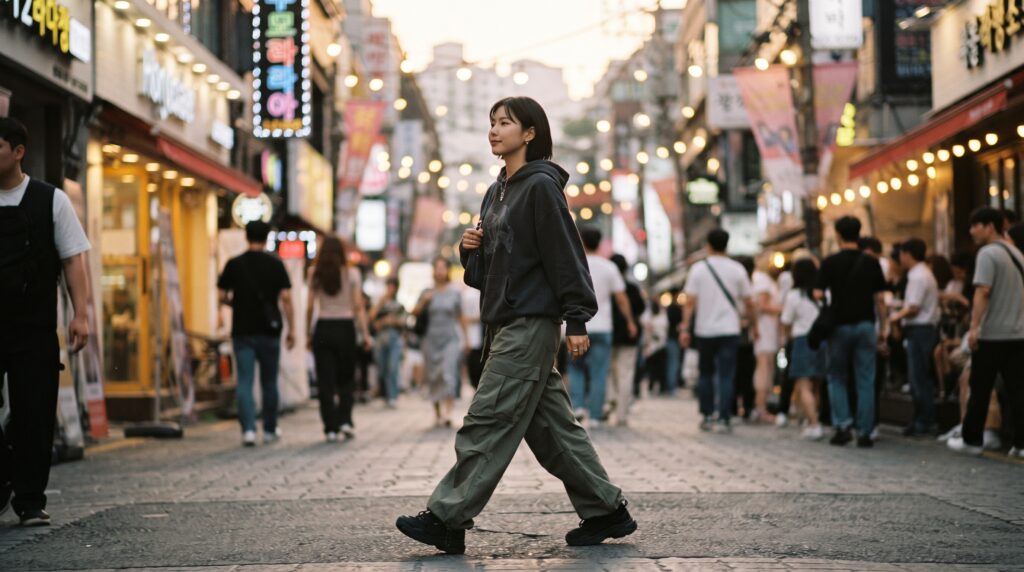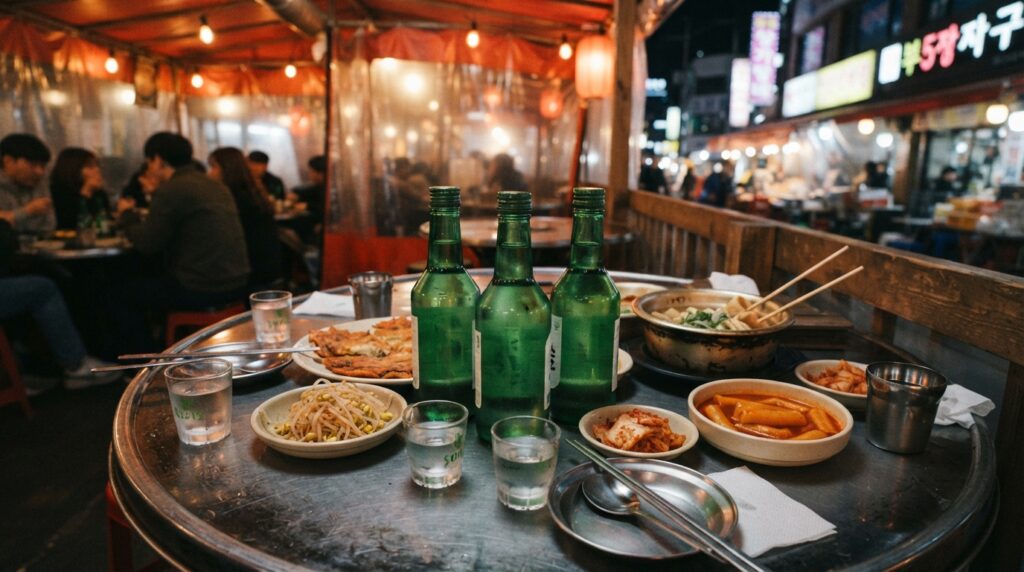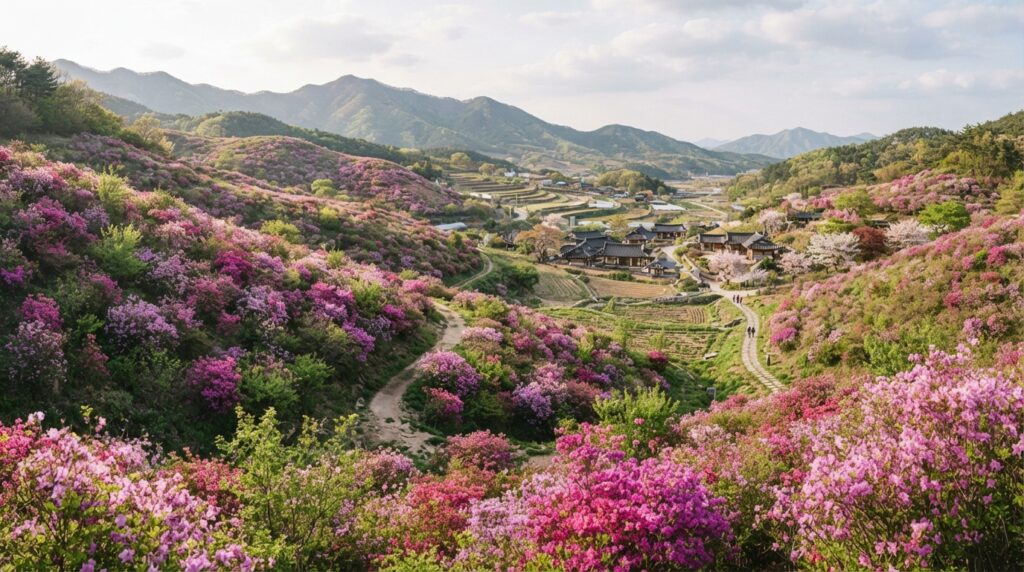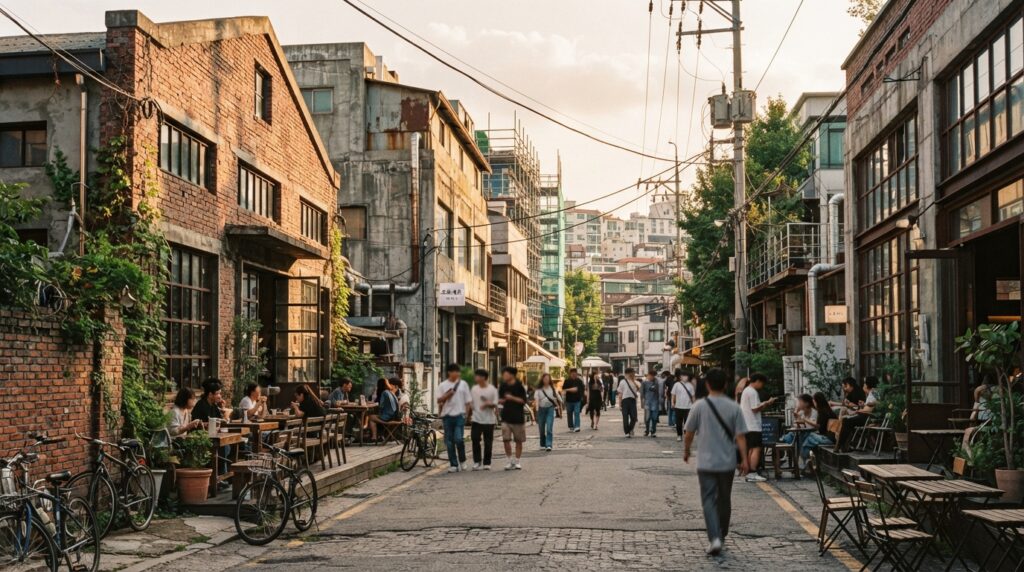

Picture this: you’re scrolling through your favorite Korean drama, admiring the leafy campus quad where the lead characters fall in love between lectures, and a single thought crosses your mind — could I actually study somewhere like this? For thousands of international students every year, that daydream becomes a real plan, and Myongji University South Korea consistently lands on their shortlist. It’s not just the cinematic campus aesthetic that draws them in. It’s the combination of academic credibility, founded in 1948 with a legacy spanning nearly 100,000 graduates, modern facilities, and a genuinely welcoming international student support system.
But choosing a university abroad isn’t something you decide on aesthetics alone. You need real answers: What does it cost? What’s campus life actually like? Will your degree be recognized? Is the application process manageable from another country? This guide answers all of that — and more — so you can decide with confidence whether Myongji University South Korea is the right fit for your academic journey.
Quick Facts: Myongji University at a Glance
| Detail | Information |
|---|---|
| Founded | 1948 |
| Type | Private, non-profit, Christian-affiliated |
| Campuses | Seoul (Humanities & Social Sciences) and Yongin (Natural Sciences & Arts) |
| Graduates to date | More than 130,000 since foundation |
| Degree levels | Bachelor’s, Master’s, Ph.D., MBA |
| International partnerships | Exchange relationships with 150 universities across 22 countries |
| Notable programs | Engineering, Business, Architecture, Korean Studies, Baduk (Go) Studies |
What Is Myongji University? (Overview & History)
Founding History and Mission
Myongji University was established in 1948 as a private institution rooted in Christian values, and over the decades it has grown into one of the prestigious private universities in South Korea, having educated close to 100,000 graduates who have gone on to contribute across Korean society and the broader world. The university’s guiding philosophy centers on what it calls “practical humanism” — an approach that blends academic rigor with real-world applicability, a detail that matters if you’re choosing a school based on career outcomes rather than prestige alone. Top Universities
What makes this history relevant to you as a prospective international student isn’t just nostalgia — it’s stability. Universities with multi-generational track records tend to have more mature international offices, clearer accreditation, and stronger alumni networks abroad, all of which directly affect your experience as a newcomer to Korea.
Campus Locations: Seoul vs. Yongin

One detail that surprises many first-time applicants is that Myongji University operates two distinct campuses, each with a different academic focus and personality:
- Seoul Campus — Located in the Seodaemun district at the center of Seoul, this campus is known for its proximity to Shinchon, a university town known for its youthful energy and culture. It houses five colleges, available at both undergraduate and graduate levels, primarily in humanities and social sciences.
- Yongin Campus — Situated in Gyeonggi-do province, this is the larger campus focused on natural sciences and arts. It sits close to Yongin City Hall, the Korean Folk Village, and Everland, one of Korea’s largest amusement parks — a fun bonus for students who want weekend escapes without leaving the area.
If you’re picturing yourself in the heart of Seoul’s nightlife and culture scene, the Seoul campus likely fits your vision. If you prefer a quieter, greener setting with easy access to traditional Korean attractions, Yongin may suit you better. This is a decision point many guides skip — but it directly shapes your day-to-day experience.
University Rankings and Reputation in South Korea
In terms of standing, Myongji University is recognized by South Korea’s Ministry of Education and holds a position around #680 in the Asian University Rankings for 2026. While it isn’t among Korea’s “SKY” tier (Seoul National, Korea, Yonsei), it holds a respected mid-tier position, particularly known for strengths in architecture, engineering, and its distinctive offerings — including being one of few universities globally to offer a dedicated Department of Baduk (Go) Studies, the strategic board game with deep roots in East Asian culture.
For students whose priority is genuine learning, supportive faculty, and global exposure rather than chasing a top-10 ranking, Myongji offers excellent value.
Why Choose Myongji University in South Korea?
Academic Strengths and Notable Programs
Myongji University has built its reputation around a handful of standout disciplines rather than trying to be everything to everyone — and that focus is precisely why many international students choose it. The university’s degree offerings span Bachelor’s, Master’s, Ph.D., and MBA levels, supported by a dedicated Korean Language Institute and Institute of Continuing Education, which makes it easier for non-native speakers to transition into full academic coursework.
Architecture and engineering are frequently cited as Myongji’s flagship strengths, supported by modern facilities and dedicated colleges for architecture and engineering education. Business, social sciences, and Korean Studies are similarly strong, especially for international students looking to combine language acquisition with cultural and professional knowledge. And for a genuinely unique offering, Myongji is one of the very few universities worldwide with a structured Department of Baduk Studies, covering the nature of the game, technical theory, practical matches, and professional administration — a niche but globally respected program for students passionate about this traditional strategy game.
International Student Support Services

Studying abroad succeeds or fails based on the support system behind you, not just the classroom. Myongji’s Office of International Students Support Team is based at the Yongin campus and handles everything from admissions guidance to settling-in logistics. This matters because navigating a new country’s bureaucracy — visas, housing, banking — is often the single biggest stressor for first-time international students, far more than academics themselves.
The university also maintains active exchange partnerships with 150 universities across 22 countries, which means a built-in international community, established exchange pipelines, and cross-cultural programming that can ease the adjustment period considerably.
Industry Partnerships and Career Outcomes
Myongji’s “practical humanism” philosophy isn’t just branding — it shapes curriculum design toward employability. Programs in engineering, business, and architecture are structured with industry relevance in mind, and the university’s century-spanning alumni network (130,000+ graduates) provides a professional foundation that newer universities simply can’t replicate. For international students specifically, this matters if your goal is to eventually work in Korea after graduation, since local employer familiarity with your university’s name and reputation can meaningfully affect hiring conversations.
Myongji University Campus Life Experience
Dormitories and Housing Options

On-campus housing is available at Myongji University, but availability is competitive. According to official university documentation, dormitory allocation operates on a first-come, first-served basis, and if applications exceed the available spots, not everyone will be accommodated based on selection criteria. The practical takeaway: apply for housing as early as your admission status allows. Waiting until the last application period can mean missing out entirely, since no applications are accepted in the third and final period.
For students who don’t secure dormitory placement, both campus areas — Seodaemun in Seoul and Yongin’s city center — offer private housing options nearby, though costs and availability vary by season and proximity to campus.
Student Clubs, Culture, and Activities
Campus life at Myongji reflects the broader vibrancy of Korean university culture: student clubs spanning everything from traditional Korean arts to international student associations, language exchange meetups, and the kind of seasonal campus festivals that Korean dramas have made iconic worldwide. The Seoul campus’s location near Shinchon, a university town rich in youth culture, means students have constant access to collaborative events, café culture, and the kind of energetic atmosphere that defines Korean student life.
Food, Surroundings, and Daily Life Near Campus
Daily life differs noticeably depending on which campus you’re assigned to. Seoul campus students enjoy direct access to one of Asia’s most dynamic capital cities — public transit, endless dining options, and constant cultural events. Yongin campus students trade some of that urban intensity for green space and unique nearby attractions: the Korean Folk Village and Everland amusement park are both close by, offering an authentic blend of traditional and modern Korean leisure within a short trip from campus.
How Campus Life Reflects Korean Drama and Culture Aesthetics

If you’ve ever watched a K-drama set on a university campus, much of what you see — tree-lined walkways, mixed historic-and-modern architecture, bustling student cafés just off campus — mirrors real Korean university environments, including Myongji’s. The Shinchon district near the Seoul campus, in particular, has long been a backdrop for youth culture in Korean media precisely because it embodies that lively, aspirational student-life energy so often dramatized on screen. For culture enthusiasts considering studying in Korea specifically because of their love for K-dramas, this is one of the more tangible ways that fictional appeal translates into lived daily experience.
Academic Programs and Majors Offered
Undergraduate Programs
Myongji offers a broad range of bachelor’s degree programs across several areas of study, officially recognized by the Ministry of Education of Korea. Core strengths include:
- Architecture and Engineering
- Business Administration
- Social Sciences
- Korean Language and Literature
- Natural Sciences (Yongin campus)
- Arts (Yongin campus)
Graduate and Postgraduate Programs
At the graduate level, Myongji offers Master’s, Ph.D., and MBA programs through its nine Graduate Schools and two International Graduate Schools. Graduate applicants should note specific eligibility rules: transfer applicants must have completed at least two semesters at a previous institution, with credit transfer capped at six credits per semester, and if a student’s prior major differs from their intended graduate major, up to twelve prerequisite credits may be required.
Programs Popular Among International Students
For international applicants specifically, Korean Studies, Business, and the Korean Language Institute’s preparatory tracks tend to attract the largest international cohorts — understandably, since they combine cultural immersion with practical, transferable skills. The university’s distinctive Baduk Studies program also draws a small but dedicated group of international enthusiasts from countries with strong Go-playing traditions.
Admission Requirements for International Students
Eligibility Criteria
Admission requirements at Myongji University vary depending on whether you’re applying for undergraduate or graduate study, but a few baseline rules apply across the board. For graduate programs specifically, applicants must hold a bachelor’s degree or be expected to obtain one, and for doctoral programs, a master’s degree or expected completion of one is required. If you’re transferring from another institution, note that only students currently enrolled in a graduate program at a Korean university are eligible to apply as transfer applicants for certain tracks.
Required Documents and Application Timeline

Required documentation is detailed and document accuracy genuinely matters here — incomplete submissions can disqualify an otherwise strong application. Based on official program guidelines, applicants must prepare:
- Original certificates of graduation from each institution attended (both bachelor’s and master’s, where applicable)
- A formal study plan
- Consent forms for the release of education records and use of personal information
- Both the graduation certificate and degree certificate — failure to submit either results in automatic disqualification
For students expecting to graduate around the time of application, note that graduation certificates for the 2026 fall semester must be submitted by August 28, 2026, so timing your final-semester paperwork matters as much as your academic performance.
One detail many applicants overlook: if the language of instruction for your intended faculty is Korean, your study plan must be written in Korean, not English. Always confirm your program’s language of instruction before drafting application materials.
Language Requirements (Korean/English Track Options)
Language proficiency requirements depend on which track you’re entering:
- Korean-taught programs: TOPIK scores are typically required as proof of Korean proficiency.
- English-taught or international tracks: A minimum IELTS score of 6 is generally required for admission into Myongji’s international programs.
- If you don’t yet meet the language threshold, the university’s Korean Language Institute offers preparatory coursework — a common bridge pathway many international students use before formally enrolling in degree programs.
Step-by-Step Application Process
- Confirm your program and campus (Seoul or Yongin) based on your intended major
- Verify language requirements (TOPIK for Korean-taught programs, IELTS for English-taught)
- Gather required documents, including graduation/degree certificates from all prior institutions
- Submit your study plan in the correct language for your faculty
- Complete the online application and click submit to finalize — note that the application is not considered complete until you actively click “Submit,” even after uploading documents
- Monitor application-specific testing requirements — for certain programs, applicants residing in Korea must test in-person at the Seoul campus, while applicants outside Korea may test online only if they meet all eligibility conditions, including availability for both orientation and testing on fixed dates
- Await admission decision and prepare for visa application (covered below)
Tuition Fees, Scholarships, and Cost of Living
Tuition Fee Breakdown by Program
Tuition at Myongji University varies by program, degree level, and student type (domestic vs. international), so exact figures should always be confirmed directly with the university’s admissions office, since fees may differ based on citizenship, study mode, and program type, and are subject to change. As a general guideline, undergraduate and graduate tuition fall within Korea’s typical private-university range, with STEM and architecture programs usually priced higher than humanities or social science tracks.
Scholarship Opportunities for International Students

This is where Myongji becomes genuinely competitive compared to many peer institutions. The university offers three primary scholarship tracks for international students:
For graduate students:
- 100% tuition coverage for President-nominated graduate international students
- 50% tuition coverage for students holding TOPIK 5 or IELTS 7
- 30% tuition coverage for students holding TOPIK 4 or IELTS 6
For undergraduate students:
- 20% tuition coverage for new and transfer students without TOPIK 3 certification
- 40% tuition coverage for those holding TOPIK 3
- 60% tuition coverage for those holding TOPIK 4
Importantly, new-student scholarships are only guaranteed for the first semester — renewal for subsequent semesters depends on separate criteria, typically tied to maintaining a minimum GPA. This is a detail prospective students should plan around financially rather than assuming scholarship support is automatically guaranteed for all four years.
Practical tip: Improving your TOPIK score before applying can directly reduce your tuition burden by tens of percentage points — making Korean language preparation not just an academic asset, but a financial strategy.
Estimated Monthly Living Costs in Seoul/Yongin
Living costs differ meaningfully between the two campuses:
- Seoul campus: Higher cost of living, reflecting the capital’s general pricing for housing, transportation, and dining, but with greater part-time job availability and public transit convenience.
- Yongin campus: Generally lower cost of living, with more spread-out surroundings and less reliance on expensive public transit, balanced against fewer part-time work opportunities nearby.
Students should budget for dormitory or private housing, meals, transportation, course materials, and personal expenses, with Seoul typically running higher across nearly every category.
Visa and Practical Relocation Tips
Student Visa (D-2) Requirements
International students admitted to degree programs at Myongji University will need to apply for a D-2 student visa, South Korea’s standard visa category for full-time degree-seeking international students. While exact embassy requirements vary by country, the general process requires your official Certificate of Admission from Myongji, proof of financial means to support your studies, and standard immigration documentation.
One detail worth flagging for students already residing in Korea on a different visa status: certain application categories are specifically applicable to applicants in Korea who are applying for a change of residence status rather than a fresh visa from abroad — so if you’re transitioning from a language program or another visa type, confirm which application track applies to your situation before submitting documents.
Housing Arrangements Before Arrival
Given the competitive, first-come-first-served nature of dormitory placement discussed earlier, students who don’t secure on-campus housing should begin researching private accommodation near their assigned campus well before arrival. Seoul campus students benefit from a wider rental market near Shinchon, while Yongin campus students should expect more limited but generally more affordable options.
Practical tip: Reach out to the Office of International Students Support Team as early as possible — they routinely assist incoming students with housing guidance even when dormitory space isn’t available.
Banking, Phone Plans, and Settling In
Once you arrive, a few early administrative steps make a major difference in how smoothly your first weeks go:
- Open a Korean bank account as soon as your Alien Registration Card (ARC) is issued — most banks require this for account setup
- Set up a Korean phone plan, which often requires your ARC as well, so plan for a short transition period using Wi-Fi-based communication
- Register your address with local immigration promptly to avoid complications with your visa status later
Myongji University and Korean Pop Culture Connection
Why the Campus Appeals to K-Drama and Culture Enthusiasts
It’s not a coincidence that so many international students discover Myongji University while researching Korean culture rather than university rankings alone. The Seoul campus’s location in the Seodaemun district, near Shinchon’s youthful, culturally rich university-town atmosphere, captures much of the same energy frequently dramatized in Korean campus-life storylines — café culture, late-night study sessions, seasonal festivals, and the close-knit community feel that defines Korean student life on screen and in reality.
For students whose interest in studying in Korea began with a love of K-dramas, Korean variety shows, or K-pop culture, Myongji offers something valuable beyond academics: genuine immersion in the cultural backdrop that made you curious about Korea in the first place — without sacrificing degree quality or institutional credibility.
Tips From Current and Former International Students
Common Challenges and How to Overcome Them
Based on patterns common across Korean university international programs generally, the most frequent challenges international students report include:
- Language barrier in daily life — even with English-taught coursework, daily logistics (banking, shopping, healthcare) often require at least basic Korean. Solution: start TOPIK preparation before arrival, even informally.
- Adjusting to academic culture — Korean classroom dynamics can differ from Western norms in terms of participation style and professor-student hierarchy. Solution: observe local students’ norms early and don’t hesitate to ask international student advisors for guidance.
- Housing uncertainty — as noted, dormitory space isn’t guaranteed. Solution: apply at the earliest possible window and have a backup private housing plan ready.
Expert/Insider Advice for a Smooth Transition
If there’s one piece of advice that consistently separates a smooth transition from a stressful one, it’s this: engage with the Office of International Students Support Team early and often. Many students wait until problems arise to reach out, but proactive contact — before arrival, during application, and throughout your first semester — tends to resolve issues faster and connects you to scholarship renewal information, housing updates, and community events you might otherwise miss.
Frequently Asked Questions (FAQ)
Is Myongji University good for international students?
Yes. With established exchange partnerships across 150 universities in 22 countries, a dedicated international support office, and tiered scholarship programs specifically for international applicants, Myongji has built meaningful infrastructure to support students from abroad.
What is Myongji University ranked in South Korea?
Myongji holds a respected mid-tier position nationally and is ranked around #680 in the 2026 Asian University Rankings, with particular strength in architecture, engineering, and its distinctive specialty programs.
Does Myongji University offer English-taught programs?
Yes, though availability varies by department. A minimum IELTS score of 6 is generally required for admission into English-medium international programs.
How much does it cost to study at Myongji University?
Tuition varies by program and degree level, and official tuition figures should be confirmed directly with the university’s admissions office since costs are subject to change. Scholarship coverage can reduce costs significantly — up to full tuition for top graduate applicants.
Is Myongji University located in Seoul?
Partially. Myongji operates two campuses: the Seoul campus in the Seodaemun district, and the Yongin campus, located near Yongin’s city center, the Korean Folk Village, and Everland.
Choosing where to study abroad is rarely just about rankings or tuition spreadsheets — it’s about finding a place where your academic goals and your sense of curiosity about a new culture can grow together. Myongji University South Korea offers exactly that combination: a 75-plus-year academic legacy, genuine international support infrastructure, meaningful scholarship opportunities, and two campuses that each offer a distinct flavor of Korean student life, from the energetic streets of Shinchon to the green, culturally rich surroundings of Yongin.
If you’ve been drawn to Korea through its dramas, its culture, or simply its growing global academic reputation, Myongji represents a credible, well-supported entry point into that world — provided you go in prepared, document everything carefully, and apply early for both admission and scholarships.
Your next step: visit Myongji University’s official international admissions page to confirm program-specific deadlines and requirements for your intended intake, and reach out directly to the Office of International Students Support Team with any remaining questions specific to your situation.