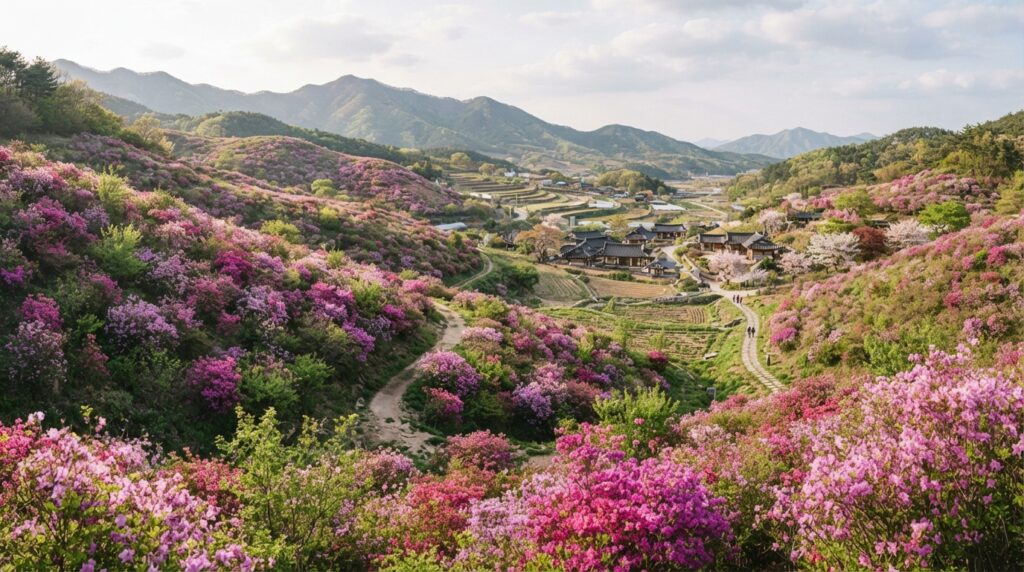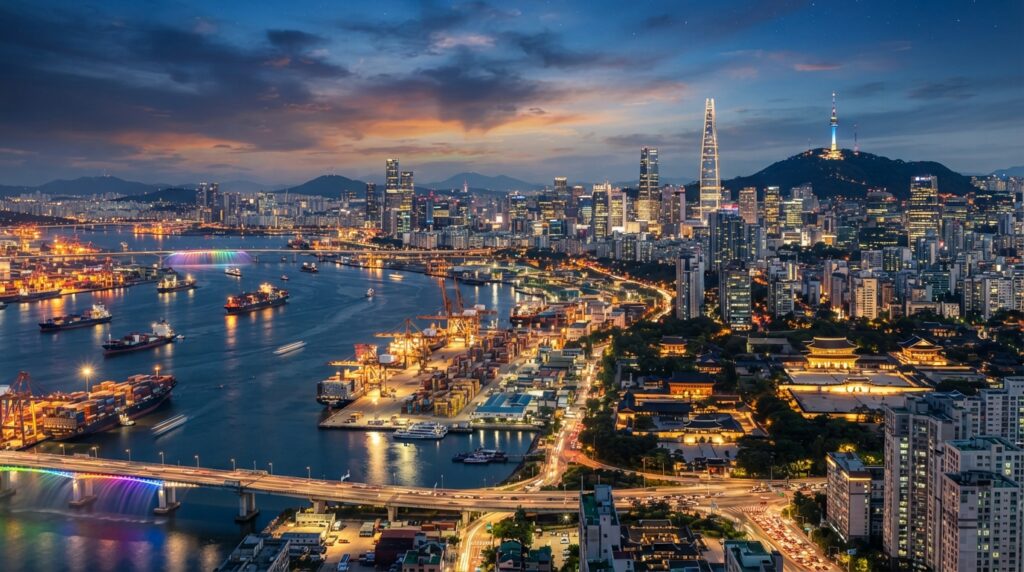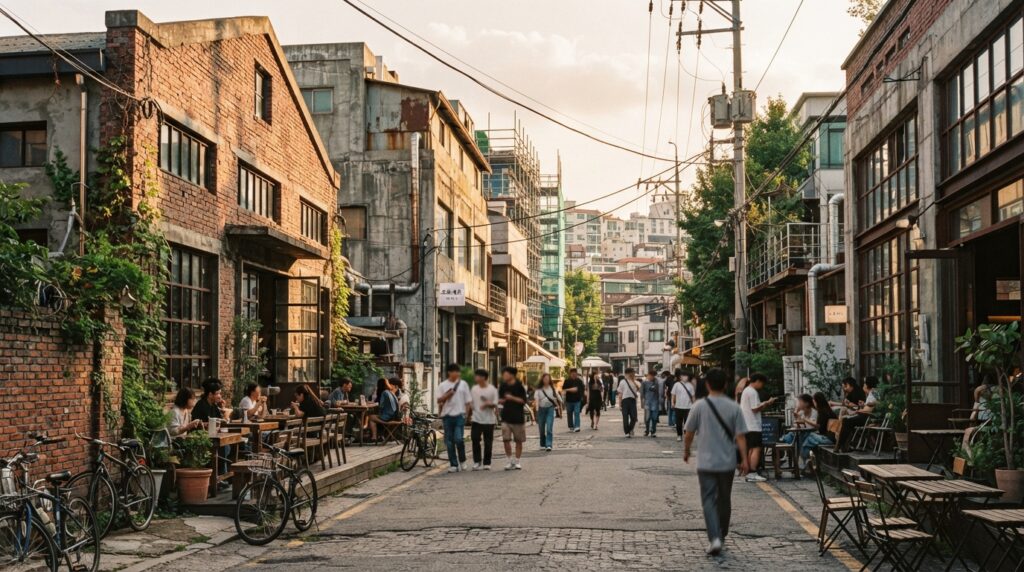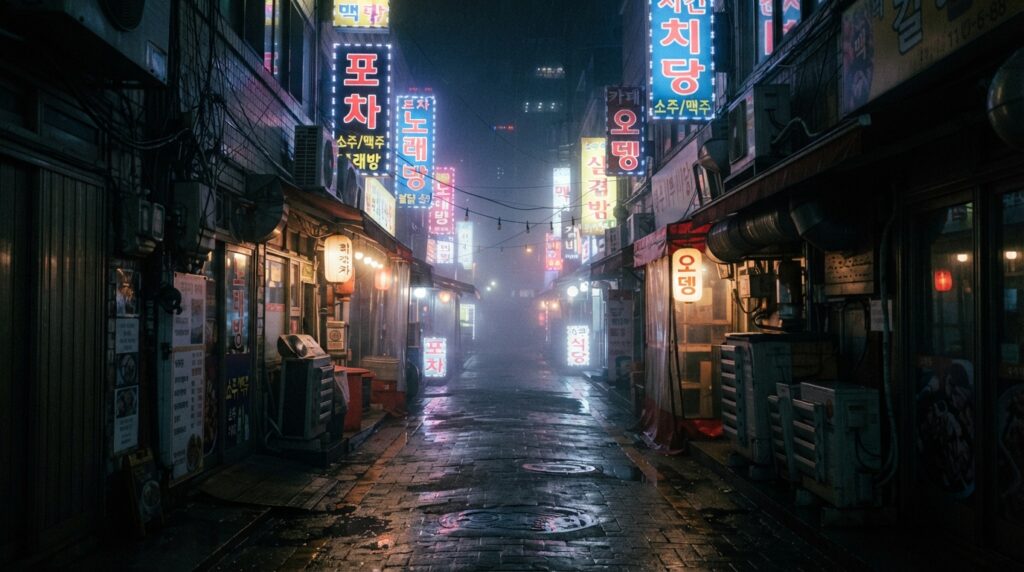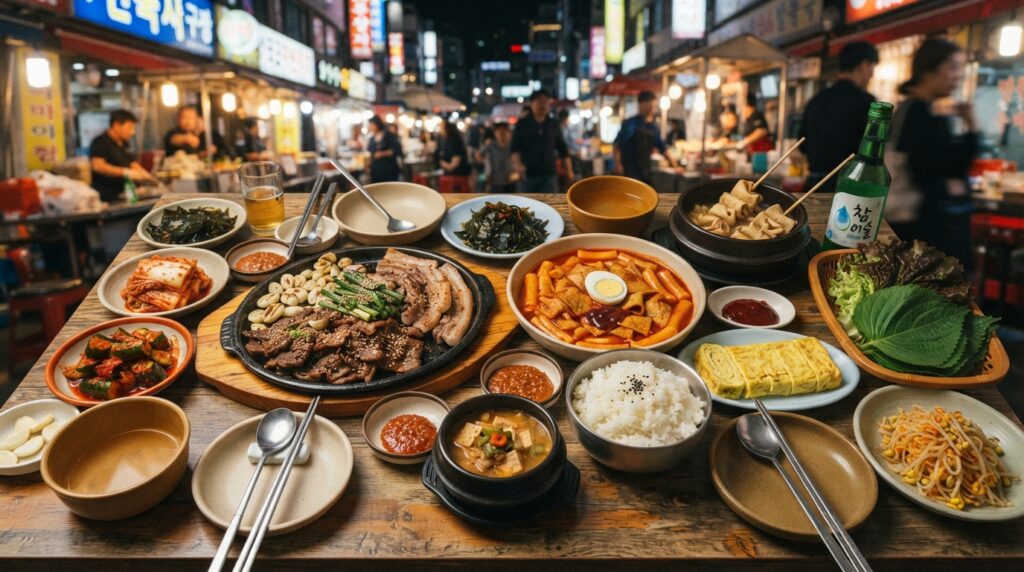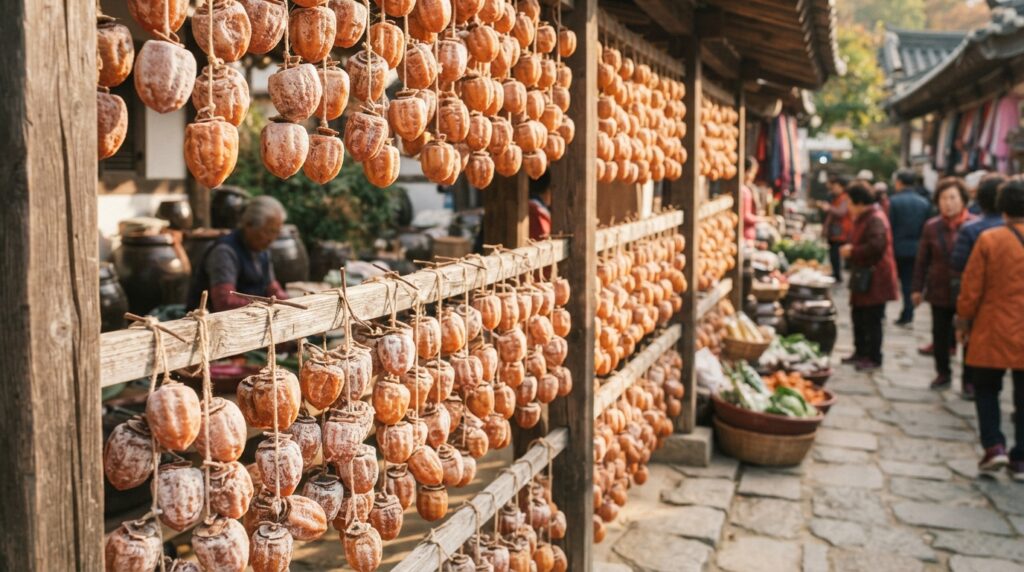
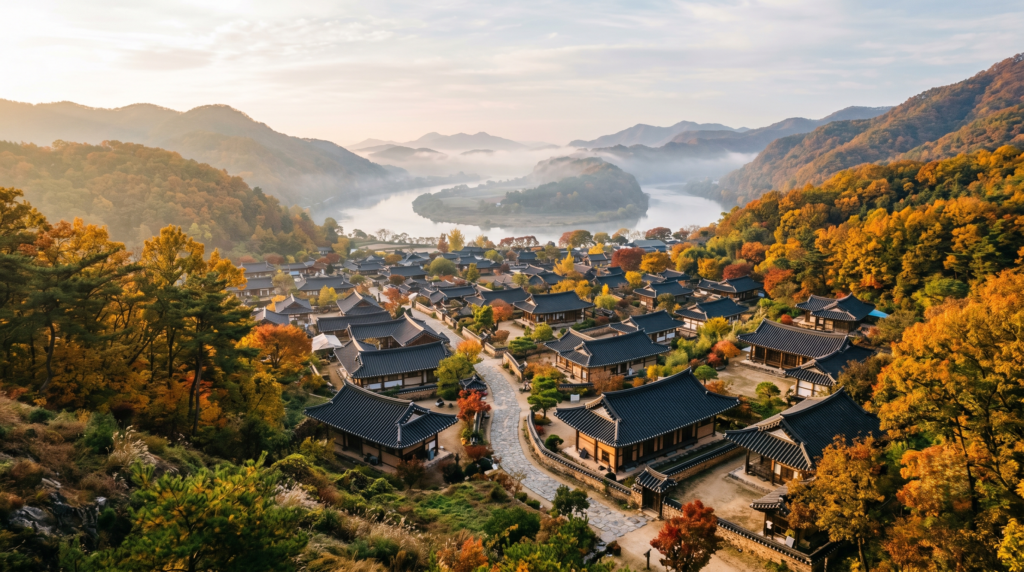
Imagine stepping off a train into a town where centuries-old Hanok rooftiles curve gently against a pale morning sky, where the smell of doenjang jjigae drifts from a grandmother’s kitchen window, and where the loudest sound is the rustle of bamboo in a warm southern breeze. This is not a scene from a K-drama set — this is the quiet, unhurried reality of the small towns in South Korea that most travelers never see. While Seoul dazzles with its skyline and speed, it is in the rural villages and forgotten kingdom capitals of Korea where the country’s true soul quietly breathes. This guide is your invitation to slow down, step off the tourist trail, and discover the places that have preserved Korea’s history, culture, and spirit for generations.
Why Small Towns in South Korea Deserve a Place on Your Itinerary
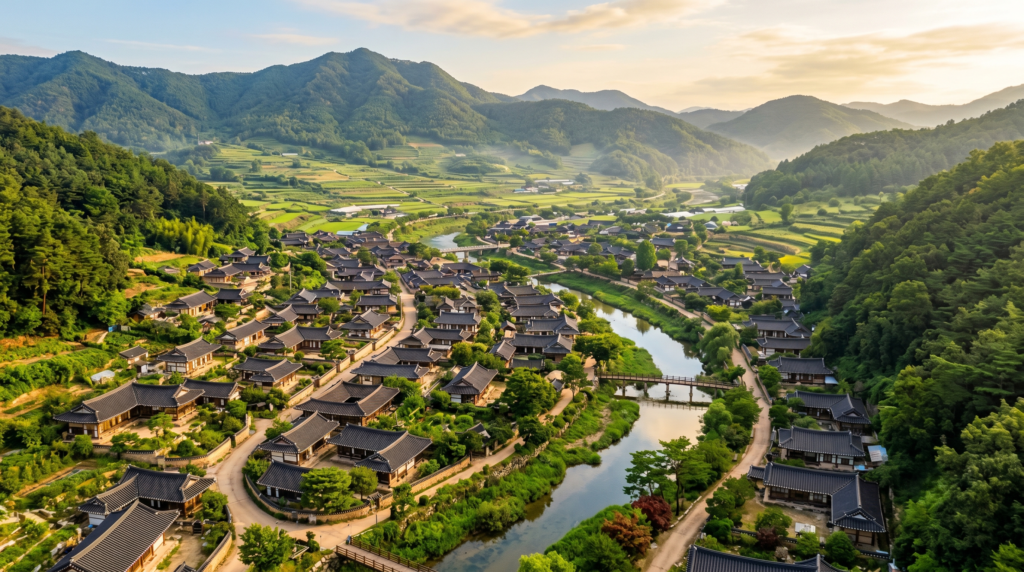
The Rise of Slow Travel Culture in Korea
In recent years, a quiet revolution has been reshaping how people travel through South Korea. Increasingly, both international visitors and Korean travelers themselves are turning away from the rush of city tourism in favor of something more grounding — slow travel. This movement prioritizes depth over breadth, genuine cultural exchange over photo opportunities, and personal connection over convenience.
South Korea’s government and tourism boards have taken note. Initiatives to restore and promote rural Hanok villages, ancient fortress towns, and traditional craft centers have breathed new life into destinations that once risked fading into obscurity. For the culturally curious traveler, this is extraordinary news. Korea’s small towns are not only surviving — they are thriving as living museums of a civilization that stretches back thousands of years.
What Makes Korean Small Towns Unique
What sets South Korea’s rural towns apart from those in other countries is the remarkable density of history and culture packed into relatively small spaces. A single afternoon walk through a Korean folk village can take you past Joseon-era Confucian academies, centuries-old clan houses, fermentation jars filled with aging kimchi, and traditional indigo dyeing workshops — all within a few hundred meters.
Korean small towns also carry a culinary identity as strong as any city. Many of Korea’s most celebrated regional dishes were born not in Seoul restaurants but in the kitchens of rural households where seasonal, locally sourced ingredients have always dictated the menu. To travel through Korea’s countryside is to eat some of the most authentic, soul-nourishing food the country has to offer.
Andong – The Spiritual and Cultural Heart of Rural Korea
If there is one small town in South Korea that demands the attention of every serious cultural traveler, it is Andong. Located in the North Gyeongsang Province, Andong is widely regarded as the spiritual capital of Korean Confucian culture and the guardian of the country’s intangible heritage.
Hahoe Folk Village – A Living UNESCO World Heritage Site
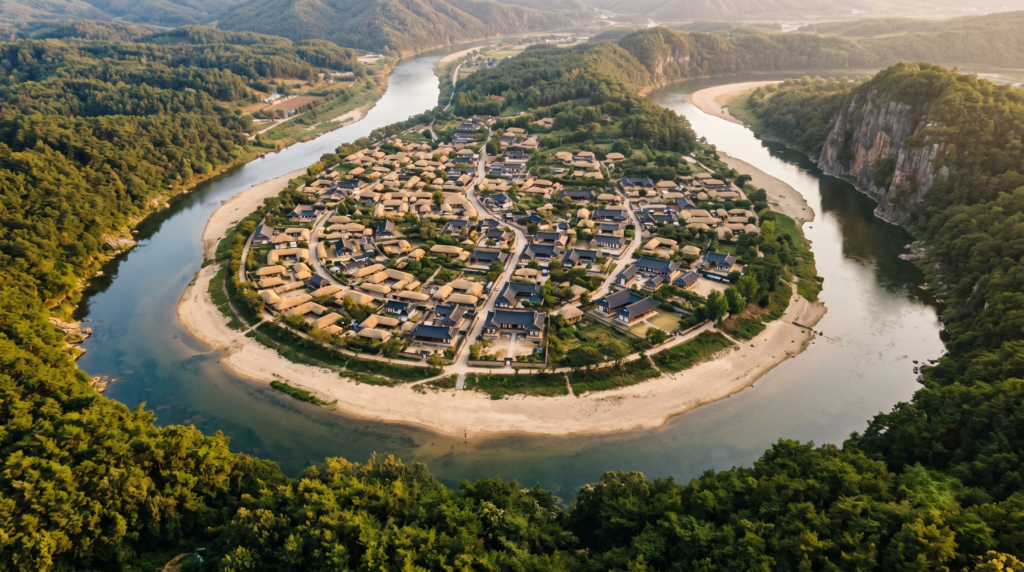
Roughly 25 kilometers from Andong’s city center lies Hahoe Folk Village, one of the most extraordinary living heritage sites in all of Asia. Unlike many preserved villages that function as open-air museums with costumed performers, Hahoe is genuinely inhabited. Real families — many of them descendants of the Ryu clan that settled here over 600 years ago — still live, farm, and maintain traditions within its thatched and tiled walls.
The village is built in a distinctive loop bend of the Nakdong River, a natural design that locals believe generates powerful geomantic energy. Walking its unpaved lanes, you pass Joseon-era manor houses, humble mud-walled cottages, and centuries-old zelkova trees draped in shamanistic prayer ribbons. The surrounding river and pine-forested cliffs create a landscape that feels almost mythological.
Hahoe is also the birthplace of the Hahoe Byeolsingut Talnori — a traditional mask dance performance that dates back to the 12th century. Performed on weekend afternoons during peak season, this UNESCO Intangible Cultural Heritage event uses satirical characters in lacquered wooden masks to poke fun at corrupt aristocrats and hypocritical monks. It is one of the most authentic cultural performances you can witness anywhere in South Korea.
Andong Jjimdak and Local Food Culture
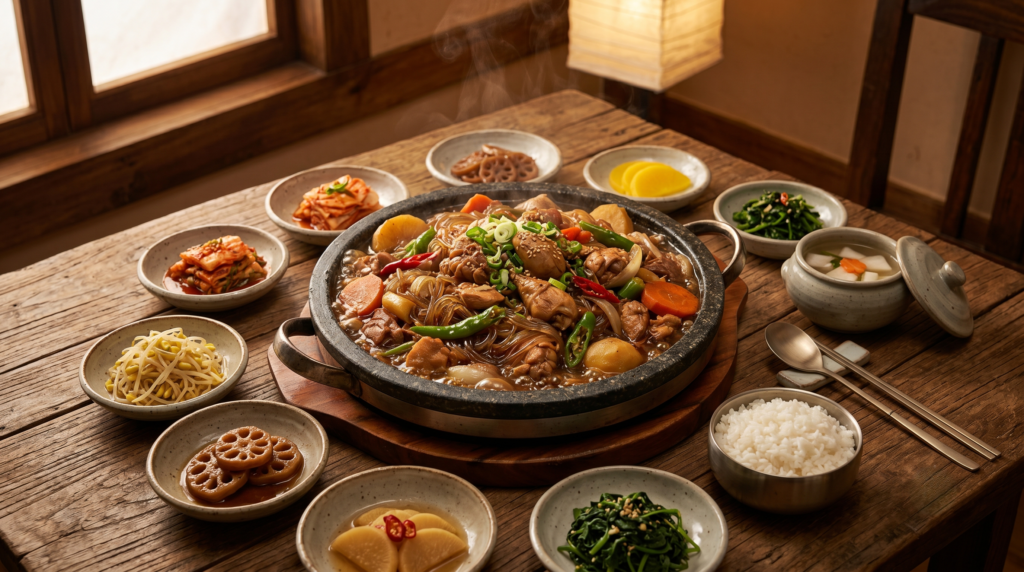
No visit to Andong is complete without sitting down to a steaming clay pot of Andong jjimdak — a hearty braised chicken dish slow-cooked with glass noodles, vegetables, dried chili peppers, and a rich soy-based sauce. The dish originated in Andong’s traditional market alley, and today the narrow street near the old market is lined with restaurants competing to serve the best version of this beloved recipe.
Beyond jjimdak, Andong offers salted mackerel (a preservation tradition born from the town’s inland location), Andong sikhye (a fermented rice punch quite different from the version found elsewhere in Korea), and heotjesabap — a simple but deeply satisfying rice dish traditionally eaten after ancestral rites.
Dosan Seowon Confucian Academy
Set against a wooded hillside beside a tranquil reservoir, Dosan Seowon is one of Korea’s most revered Confucian academies. Founded by the scholar Yi Hwang — better known as Toegye, whose portrait graces the Korean 1,000-won note — this 16th-century institution was a center of Neo-Confucian learning and moral philosophy.
The academy’s architecture is deliberately austere, reflecting the Confucian principle that scholarly virtue requires the elimination of distraction. Its wooden lecture halls, stone courtyards, and plum blossom gardens convey a stillness that invites genuine reflection. For visitors interested in the philosophical foundations of Korean society, Dosan Seowon is an unmissable destination.
Jeonju – Where Tradition Meets Taste
Jeonju occupies a rare and privileged position among South Korea’s small cities. It is simultaneously one of the country’s most important historical towns and its undisputed culinary capital — a combination that makes it arguably the single most rewarding destination for first-time visitors to rural Korea.
Jeonju Hanok Village – Korea’s Most Famous Historic Neighborhood
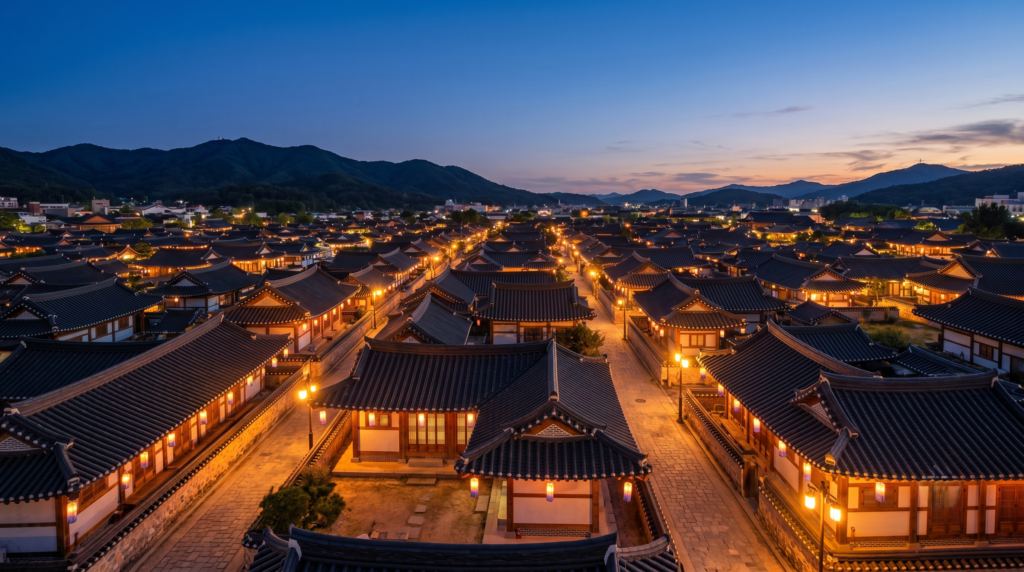
At the heart of Jeonju lies its legendary Hanok Village — a dense, beautifully preserved neighborhood of over 700 traditional Korean wooden houses. Unlike Hahoe, Jeonju’s Hanok Village sits within the city itself, making it one of the most accessible historic districts in the country. Yet its cobblestone alleys, curved tiled rooftops, and lantern-lit courtyards create an atmosphere that feels genuinely removed from modern life.
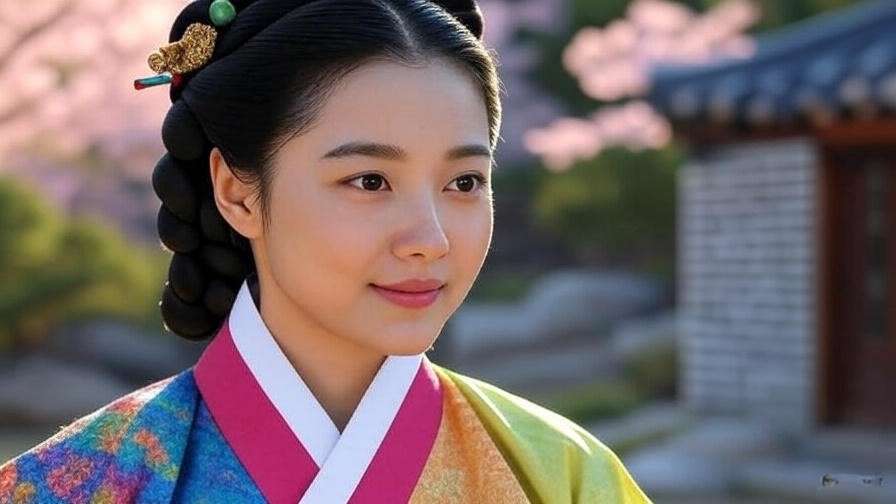
The village is best experienced in the early morning before the day-tripping crowds arrive, or in the evening when paper lanterns glow amber against the darkening sky. Visitors can rent hanbok — traditional Korean clothing — from dozens of small shops and spend the day wandering the village in full cultural immersion.
Within the neighborhood, highlights include Gyeonggijeon Shrine, which houses a portrait of Joseon dynasty founder King Taejo; Jeondong Catholic Cathedral, an elegant red-brick French Gothic church that stands in striking contrast to its Hanok surroundings; and numerous traditional craft workshops where artisans demonstrate hanji (Korean traditional paper) making, lacquerware, and ink painting.
Jeonju Bibimbap and the Food Capital Legacy
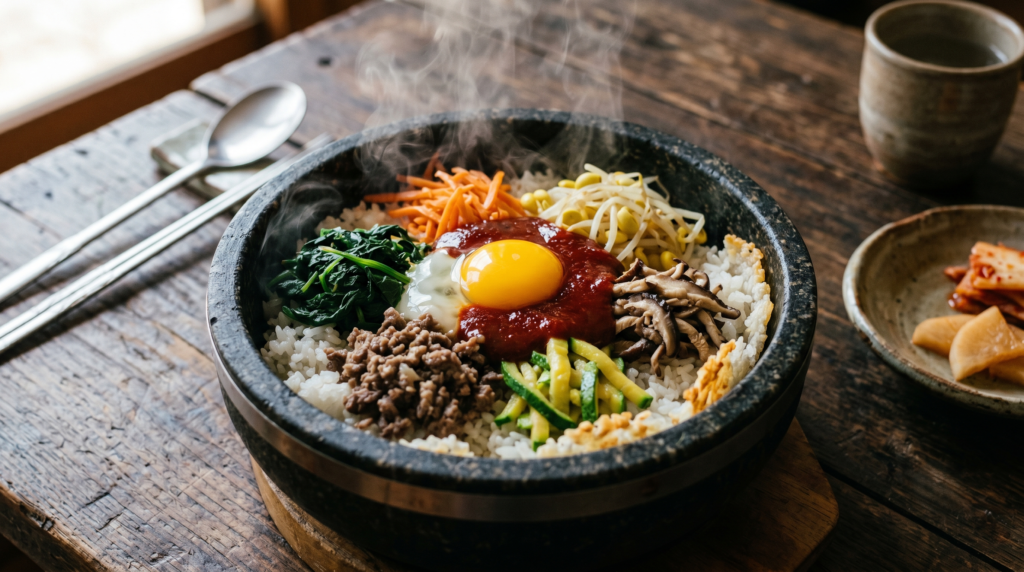
Jeonju’s status as a UNESCO Creative City of Gastronomy is no marketing label — it is a designation earned through centuries of culinary refinement. The city’s most famous contribution to Korean cuisine, bibimbap, is a dish that reaches its full expression here in a way no Seoul restaurant can quite replicate. Served in a sizzling stone bowl with locally sourced vegetables, gochujang made from Jeolla Province peppers, and beef or raw egg, Jeonju bibimbap is a masterclass in flavor balance.
But to reduce Jeonju to bibimbap alone would be to miss the full picture. The city’s kongnamul gukbap (soybean sprout rice soup) is the ideal hangover cure and morning comfort food. Its makgeolli (traditional rice wine) culture is deeply embedded in local social life, with hundreds of small makgeolli bars offering house-brewed versions paired with pajeon (savory scallion pancakes). Jeonju is also credited as the origin city of Korean fried chicken culture — a claim locals will defend with great passion.
Hanji Crafts, Hanbok Rentals, and Cultural Experiences
Beyond food and architecture, Jeonju offers travelers a remarkable range of hands-on cultural experiences. The National Intangible Heritage Center, located within the city, hosts regular demonstrations and workshops in traditional Korean performing arts, crafts, and ceremonies. Hanji craft workshops allow visitors to make their own traditional paper using techniques unchanged for over a thousand years. Fan-making, pottery, and natural dyeing classes are also widely available throughout the Hanok Village area.
Gyeongju – The Museum Without Walls
Gyeongju, the ancient capital of the Silla Kingdom, is unlike any other city in South Korea. For nearly a thousand years — from 57 BCE to 935 CE — Gyeongju served as the political, cultural, and spiritual center of a kingdom that unified the Korean peninsula. Today, the city and its surroundings contain such a concentration of royal tombs, temples, pagodas, and fortress ruins that UNESCO has designated the entire historic area a World Heritage Site.
Royal Tombs, Temples, and Thousand-Year-Old History
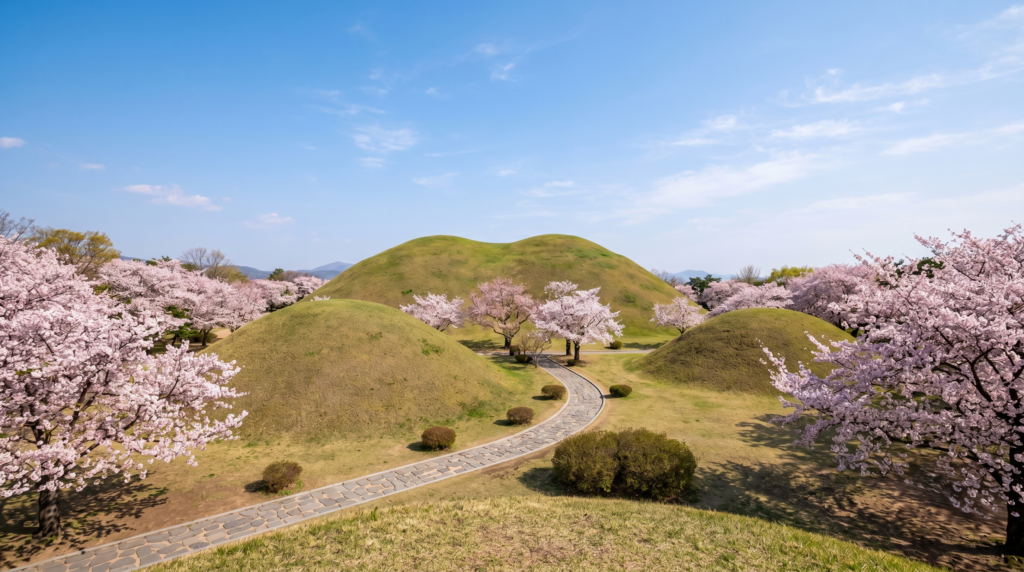
The great grass-covered burial mounds of Tumuli Park rise directly from the city’s residential neighborhoods like enormous green hills — an otherworldly sight that never loses its power no matter how many times you see it. These tumuli contain the remains of Silla royalty, and excavations have yielded extraordinary golden crowns, jade ornaments, and bronze artifacts now displayed in the Gyeongju National Museum.
Just outside the city, Bulguksa Temple — one of Korea’s greatest architectural achievements — cascades up a forested hillside in a series of stone staircases, wooden pavilions, and gilded halls. Above it, carved into a granite cave on the mountain’s summit, the serene Buddha of Seokguram Grotto gazes eastward toward the sea in an image of such perfect composure that it has become one of the defining icons of Korean civilization.
Cycling Through Gyeongju’s Historic Landscape
One of the most rewarding ways to experience Gyeongju is by bicycle. The city has invested heavily in cycling infrastructure, and dedicated paths wind through the historic districts, past royal tombs, along the willow-lined Bomun Lake, and through fields of canola flowers in spring. Bicycle rentals are affordable and widely available near the main train station. A full cycling loop of the major sites takes approximately four to five hours and offers a freedom of exploration that bus tours simply cannot match.
Yangdong Folk Village – A Hidden Gem Near Gyeongju
Just 16 kilometers from Gyeongju city center, Yangdong Folk Village is one of Korea’s best-kept heritage secrets. A UNESCO World Heritage Site in its own right, Yangdong is the largest and oldest surviving aristocratic village in Korea, its Joseon-era clan houses arranged in a distinctive hierarchy across a series of gentle ridges according to social rank. The higher the house on the hill, the higher the family’s standing — a spatial expression of Confucian social order that remains legible in the landscape today.
Unlike the more heavily visited Hahoe Village, Yangdong receives relatively few foreign tourists, making it one of the rare places in South Korea where you can walk through a 500-year-old village in near-complete solitude.
Damyang – The Bamboo Town of Southern Korea
In the southwestern province of Jeollanam-do, the small town of Damyang has built its entire identity around one extraordinary plant. Bamboo forests have shaped Damyang’s landscape, economy, culture, and cuisine for centuries, and a visit here offers one of the most distinctive sensory experiences in all of rural Korea.
Juknokwon Bamboo Garden and Forest Walks
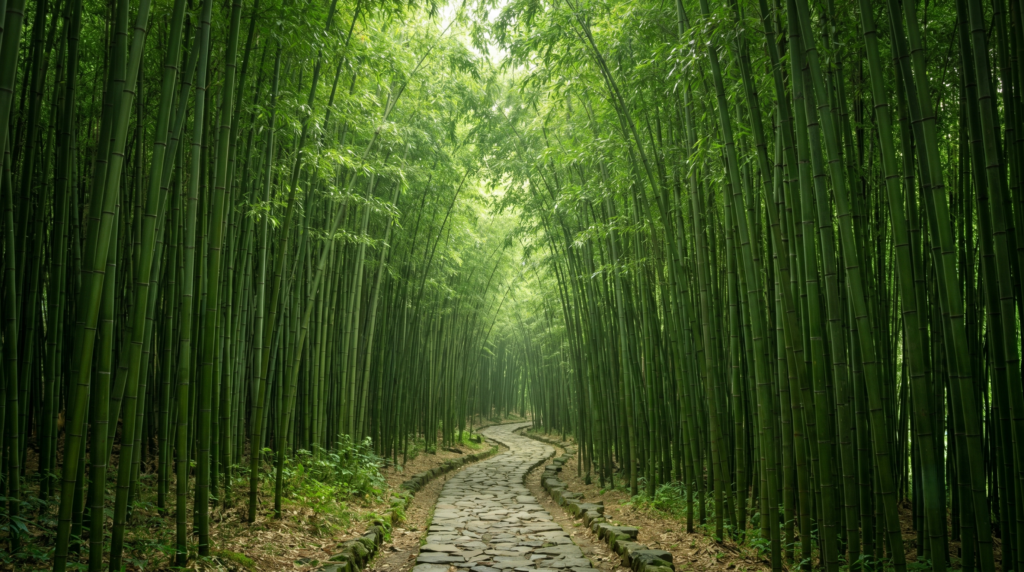
Juknokwon, Damyang’s celebrated bamboo garden, is a place of genuine natural wonder. Towering stalks of Moso bamboo — some reaching over 10 meters in height — create a dense, swaying canopy that filters sunlight into dappled green patterns on the forest floor. The sound of bamboo groves in a light breeze is one of those rare natural sounds that immediately induces calm, and the temperature inside the forest is noticeably cooler than the surrounding countryside even on the hottest summer days.
The garden’s walking paths are well-maintained and suitable for all fitness levels. Dawn visits, when mist clings to the lower stalks and birdsong echoes through the green columns, are particularly memorable. Spring and early summer, when new bamboo shoots push rapidly upward and the forest takes on its most vivid green, represent the optimal visiting window.
Metasequoia Road and Slow Food Culture
Just a short drive from Juknokwon, Damyang’s famous Metasequoia Road stretches for approximately 8.5 kilometers, its path flanked by towering dawn redwood trees that form a cathedral-like canopy overhead. Originally planted in the 1970s as part of a rural reforestation initiative, the road has become one of the most photographed landscapes in South Korea — and one that genuinely rewards the visit in person.
Damyang’s food culture centers on the bamboo itself. Bamboo shoots appear in rice dishes, soups, and savory preparations throughout the town’s restaurants. The area’s most celebrated dish, however, is tteok-galbi — thick, juicy patties of minced and seasoned beef grilled over charcoal, a specialty that has been perfected in Damyang kitchens over generations.
Tongyeong – The Naples of Korea
On the southern coast of South Korea, where the Korean peninsula dissolves into a scattered archipelago of over 150 islands, lies Tongyeong — a port city of extraordinary beauty, deep artistic heritage, and some of the finest seafood in the country. The comparison to Naples is not merely poetic. Like the Italian city, Tongyeong sits on a dramatically beautiful bay, its hillside neighborhoods cascading toward a harbor alive with fishing boats, its streets carrying the salt-tinged energy of a place shaped entirely by the sea.
A Port Town With an Artist’s Soul
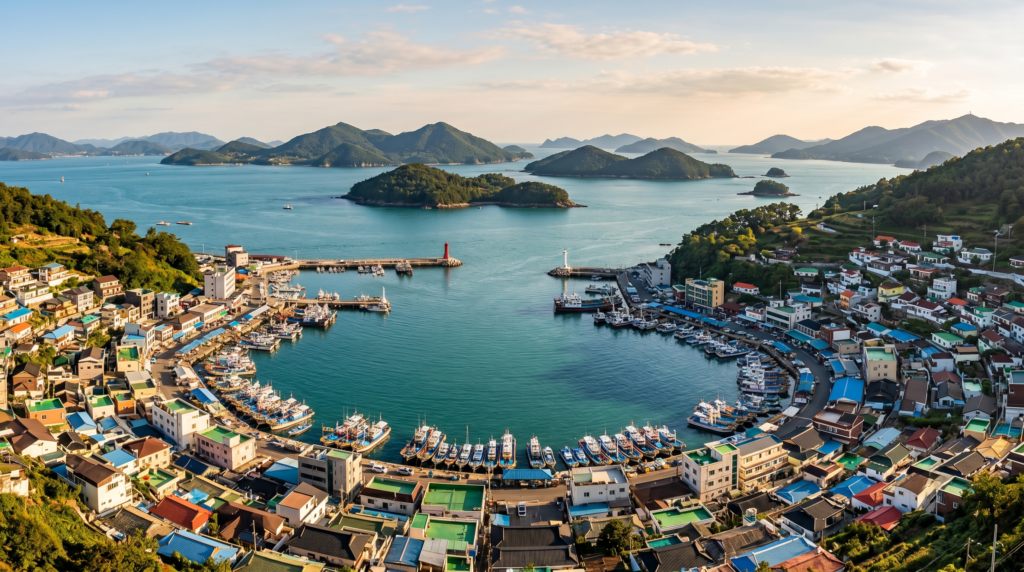
What elevates Tongyeong above other coastal towns in South Korea is its remarkable cultural legacy. The city has produced a disproportionate number of Korea’s most celebrated artists, writers, and musicians — a creative concentration that locals attribute to the town’s unique geography, where land, sea, and island light combine in endlessly inspiring configurations.
Most notably, Tongyeong is the birthplace of Yun Isang, one of the 20th century’s most important composers, whose work blended Western orchestral tradition with the tonal sensibilities of Korean court music. The Tongyeong International Music Festival, held annually each spring, honors his legacy and draws world-class performers to this otherwise quiet coastal town. The celebrated novelist Park Kyungni, author of the epic Toji (Land), and painter Lee Jung-seob, famous for his emotionally raw depictions of oxen, are also deeply connected to this region — a lineage of creativity that gives Tongyeong a cultural depth far exceeding its modest size.
The Dongpirang Mural Village, perched on a hillside above the harbor, adds a contemporary artistic dimension to the city. What began as a community art project to prevent the demolition of an old neighborhood has evolved into a beloved open-air gallery, its alley walls covered in murals that range from whimsical to deeply moving.
Island Hopping, Seafood, and Cable Cars
Tongyeong’s greatest practical asset for travelers is its position as the gateway to Hallyeohaesang National Marine Park — a protected seascape of forested islands, emerald waters, and secluded coves that stretches along the southern coast. Regular ferry services connect Tongyeong to dozens of inhabited and uninhabited islands, each with its own character. Somaemuldo Island, with its dramatic ridge walk above the sea, and Bijindo Island, famous for its turquoise shallows and gentle tidal bars, are among the most rewarding day-trip destinations.
Back in town, the Tongyeong Cable Car carries visitors up Mireuksan Mountain to a summit observation deck with panoramic views across the island-studded bay — on clear days, a visual experience that rivals anything in Korea’s more famous national parks.
At the waterfront, Tongyeong’s seafood culture reaches its full expression. The town’s covered fish market is one of the most vibrant in the country, its stalls piled with glistening hairtail fish, spiny sea urchins, live abalone, and raw oysters shucked to order. Ggulppang — small, honey-filled pastries shaped like oysters — have become the town’s most beloved street food souvenir, sold from bakeries throughout the harbor district.
A comfortable one to two-day visit to Tongyeong can easily combine the cable car, a harbor walk, the mural village, a ferry trip to a nearby island, and several outstanding seafood meals — a density of experience that makes it one of the most rewarding small coastal destinations in all of South Korea.
Boseong – Korea’s Green Tea Capital
In the soft rolling hills of South Jeolla Province, roughly two hours south of Gwangju, lies a town whose identity is inseparable from a single crop. Boseong produces approximately 40 percent of all the green tea grown in South Korea, and its terraced tea fields — carved into the hillsides in precise, sweeping rows of vivid green — have made it one of the most visually spectacular destinations in the entire country.
Rolling Tea Fields and Scenic Beauty
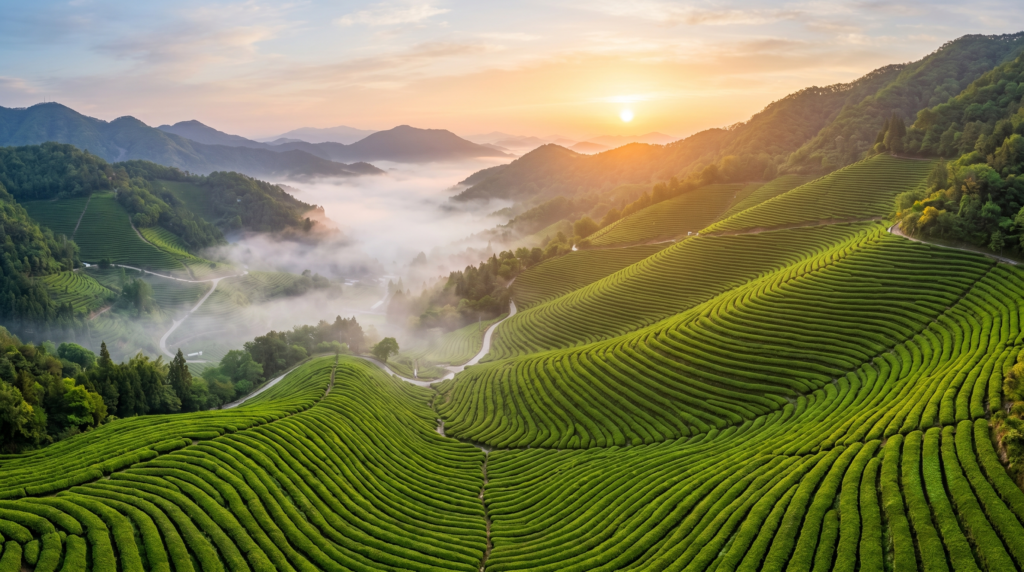
The Daehan Dawon tea plantation, the largest and most photographed in Boseong, is the town’s undisputed centerpiece. Established in 1939 during the Japanese colonial period, it now covers over 500,000 square meters of hillside terrain. Walking the narrow paths between the chest-high tea hedgerows, with the hills folding away in every direction and morning mist gathering in the valley below, is one of those travel experiences that stays with you long after the journey ends.
The optimal visiting season runs from late April through early June, when the first flush of spring growth coats the bushes in the most intense shade of green imaginable. During this period, the plantation employs hand-pickers — many of them elderly women in traditional aprons and visored hats — whose practiced movements through the rows add a human dimension to the landscape. Autumn brings its own beauty, as cooler temperatures deepen the green and low-angled light casts long shadows across the terraces. Even winter has its advocates: on the rare occasions when snow settles on the tea hills, the contrast of white and evergreen creates a landscape of almost surreal elegance.
For photography, the elevated wooden walkway that runs along the plantation’s upper ridge offers the widest and most commanding views, particularly effective in the early morning when mist fills the lower valleys and the quality of light is at its softest.
Green Tea Culture and Local Products
Beyond the visual spectacle of the fields themselves, Boseong offers a genuinely immersive green tea cultural experience. The plantation’s on-site facilities include a traditional tea ceremony hall where visitors can participate in guided tastings, learning to distinguish between the delicate umami of first-harvest jeoncha, the grassy brightness of sejak, and the robust earthiness of the later-picked daejak grade.
Boseong’s green tea has also shaped the town’s culinary identity in delightful and unexpected ways. Green tea ice cream — served in generous scoops from plantation cafes — has become the default visitor snack, its bittersweet flavor a perfect counterpoint to the sweetness of a summer afternoon. Green tea noodles, green tea makgeolli, green tea tofu, and green tea soft-serve all appear on local menus, reflecting a town that has enthusiastically woven its signature crop into every aspect of food culture.
The wellness dimension of a Boseong visit should not be overlooked. Green tea tourism has grown significantly in recent years, with several local facilities offering green tea bath experiences — soaking pools infused with fresh tea leaves — that draw on the antioxidant and skin-nourishing properties attributed to Korean green tea in traditional medicine.
Gongju – A Forgotten Baekje Kingdom Capital
While Gyeongju commands widespread recognition as the capital of the Silla Kingdom, its ancient rival deserves far greater attention than it currently receives from international travelers. Gongju, a quiet riverside city in South Chungcheong Province, served as the capital of the Baekje Kingdom from 475 to 538 CE — a civilization whose artistic and cultural influence spread across the Korean peninsula and deep into Japan, shaping the development of Buddhist art and architecture throughout East Asia.
Gongsanseong Fortress and Royal Tombs
Rising dramatically above the Geum River on a ridge of exposed granite, Gongsanseong Fortress is Gongju’s most imposing landmark and its most rewarding walk. Originally constructed as a royal refuge during the tumultuous final centuries of the Baekje Kingdom, the fortress walls stretch for approximately 2.7 kilometers along the ridgeline, offering sweeping views across the river valley and the city below.
The walk along the full circuit of the fortress walls takes approximately one hour at a relaxed pace and passes through dense pine forest, past ancient temple sites, reconstructed palace buildings, and lookout pavilions that frame the river views with traditional wooden architecture. In autumn, when the fortress hillside turns amber and crimson, the walk ranks among the most beautiful in rural Korea.
Below the fortress, spread across a quiet parkland on the edge of the city, the Royal Tombs of Muyeoldo contain the burial mounds of Baekje royalty, including the celebrated tomb of King Muryeong — the only Baekje royal tomb to have been discovered intact and definitively identified. The extraordinary golden artifacts recovered from King Muryeong’s tomb in 1971, including an ornate gold crown, gilded bronze shoes, and jade-inlaid jewelry of breathtaking craftsmanship, are displayed in the adjacent Gongju National Museum and represent some of the finest examples of ancient Korean metalwork in existence.
Slow Tourism in Gongju: Temples, Markets, and River Views
Beyond its headline historical sites, Gongju rewards slow and attentive exploration. Magoksa Temple, located in a forested valley approximately 25 kilometers west of the city, is one of Korea’s most serene Buddhist sanctuaries. Founded according to tradition in the 7th century by the monk Jajang upon his return from Tang Dynasty China, the temple complex sits beside a clear mountain stream and contains several buildings designated as national treasures. Magoksa was inscribed as a UNESCO World Heritage Site in 2018 as part of the “Sansa, Buddhist Mountain Monasteries in Korea” designation.
Gongju’s traditional market, held on the 2nd and 7th days of each month according to the lunar calendar, is one of those quietly magnificent rural Korean institutions where grandmothers sell hand-harvested mountain vegetables, farmers bring in fresh persimmons and chestnuts, and the rhythm of commerce feels unchanged from a century ago. The town’s chestnut orchards are among the finest in Korea, and locally produced chestnut products — candied chestnuts, chestnut rice cakes, chestnut makgeolli — make excellent and genuinely regional souvenirs.
The Geum River, which curves around the base of Gongsanseong, offers gentle walking and cycling paths along its banks, with particularly beautiful light in the late afternoon when the fortress walls glow amber above the slow-moving water. A riverside walk followed by a bowl of Gongju’s beloved sundubujjigae (soft tofu stew) in a local haenyeo restaurant makes for a deeply satisfying close to any day in this underappreciated historic city.
Practical Travel Tips for Visiting Small Towns in South Korea
Best Time of Year to Visit Korean Small Towns
South Korea’s four distinct seasons each bring their own character to the country’s rural towns, and the best time to visit depends largely on what kind of experience you are seeking.
Spring, from late March through May, is widely considered the most magical season for Korean travel. Cherry blossoms erupt across the country in late March and early April, transforming the streets of Jeonju’s Hanok Village, the approaches to Gyeongju’s temples, and the river walks of Gongju into corridors of pale pink. The tea fields of Boseong reach their most vivid green during this period, and the weather — warm but not hot, with frequent clear skies — is ideal for outdoor exploration.
Autumn, from late September through November, rivals spring in beauty. The foliage season turns Korea’s forested hillsides into a patchwork of red, orange, and gold, and the cultural events calendar fills with harvest festivals, outdoor performances, and traditional market fairs. The Andong Mask Dance Festival, held each October, is one of the most important cultural events in rural Korea and draws large crowds to an otherwise quiet city.
Summer, from June through August, brings heat, humidity, and the monsoon rains of late June and July — but also lush green landscapes, long evenings, and the full energy of coastal towns like Tongyeong. Winter, from December through February, is cold but often spectacularly clear, and the sight of snow-covered Hanok rooftiles or frost-edged bamboo groves in Damyang is one that photographers particularly prize.
Getting Around Without a Seoul Base
One of the most common misconceptions about visiting small towns in South Korea is that Seoul must serve as a base from which all day trips originate. In reality, Korea’s intercity transportation network is efficient enough to support extended rural itineraries without any connection to the capital.
The KTX high-speed rail network connects Seoul to Gyeongju, Jeonju, and other major regional hubs in under two hours, while intercity express buses link virtually every town on this list at competitive prices and surprisingly comfortable service levels. For deeper rural exploration — particularly for reaching smaller villages like Hahoe or Yangdong — renting a car provides a level of flexibility that public transport cannot match. International driving licenses are recognized in South Korea, and road signage in major rural areas is available in both Korean and English.
Regional rail passes, available through Korea Rail (Korail) for international tourists, offer significant savings for travelers planning to visit multiple destinations across a one or two-week itinerary. Budget travelers should note that intercity bus terminals, while less glamorous than train stations, often offer more direct and affordable connections to smaller towns not served by the high-speed rail network.
Where to Stay: Hanok Guesthouses and Rural Stays
Accommodation choices in South Korea’s small towns range from modern business hotels to family-run minbak guesthouses, but the most culturally rewarding option by far is the Hanok guesthouse. These traditional Korean wooden houses, converted into guest accommodation, offer a sleeping experience unlike anything in the conventional hotel world.
Guests typically sleep on a yo (a thick cotton mattress) laid directly on a heated ondol floor — Korea’s ancient underfloor heating system that warms the stone or wood floor from below, creating a deeply restorative sleeping environment on cool nights. Breakfast, where provided, typically consists of rice, soup, and banchan side dishes prepared by the host family using local ingredients.
Jeonju offers the widest selection of Hanok guesthouses, with dozens of options ranging from budget-friendly rooms in shared courtyards to premium private Hanok suites with personal garden spaces. Andong and Gyeongju also have well-established Hanok accommodation sectors. Booking in advance, particularly during spring and autumn peak seasons, is strongly recommended as quality properties fill quickly.
FAQ – Small Towns in South Korea
What is the most beautiful small town in South Korea? Beauty is subjective, but Jeonju and Andong consistently top traveler rankings for their combination of historic architecture, cultural depth, and scenic surroundings. For natural landscape beauty, Boseong’s tea fields and Tongyeong’s coastal panoramas are hard to surpass.
Are small towns in South Korea safe for solo travelers? South Korea is consistently ranked among the safest countries in the world for solo travel, and its small towns are no exception. Solo female travelers, in particular, frequently cite Korean rural towns as among the most comfortable and hassle-free destinations they have visited anywhere in Asia.
Which small towns in South Korea are best for history lovers? Gyeongju and Gongju offer the deepest immersion in ancient Korean history, with Gyeongju covering the Silla period and Gongju illuminating the equally fascinating Baekje civilization. Andong is the essential destination for those interested in Joseon-era Confucian culture.
How do I get from Seoul to small towns in South Korea? Most destinations on this list are reachable from Seoul in two to three hours by KTX train or express bus. Jeonju is approximately two hours by KTX from Seoul’s Yongsan Station. Gyeongju is under two hours from Seoul by KTX to Singyeongju Station. Andong is accessible by express bus from Seoul’s Dong Seoul Bus Terminal in approximately two and a half hours.
What is the best time to visit rural South Korea? Late March through May and late September through November represent the optimal windows for most travelers, offering the best weather, the most spectacular natural scenery, and the richest calendar of cultural events.
Are small Korean towns suitable for non-Korean speakers? While English proficiency is lower in rural areas than in Seoul, the situation has improved significantly in recent years. Major tourist sites, transportation hubs, and most Hanok guesthouses offer some level of English communication. Translation apps handle daily interactions effectively, and the warmth and hospitality of rural Korean communities more than compensate for any language gap.
Seoul is magnificent — no one disputes that. But Korea’s capital, for all its brilliance, tells only one version of a far longer and richer story. The small towns in South Korea collected in this guide tell the rest: the story of a civilization that built UNESCO-listed villages along sacred river bends, that elevated fermented vegetables and wild mountain greens into a culinary philosophy, that carved Buddhas into granite mountainsides and composed melodies that blended ancient court music with the Western orchestra.
To travel through Andong, Jeonju, Gyeongju, Damyang, Tongyeong, Boseong, and Gongju is to encounter a Korea that moves at a different speed and speaks in a different register than the one most visitors know. It is slower, quieter, and in many ways more demanding of the traveler — requiring patience, curiosity, and a willingness to wander without a fixed agenda. But the rewards are proportional to the effort, and the memories made in a candlelit Hanok courtyard, on a fog-wrapped mountain trail, or over a shared pot of Andong jjimdak with strangers who quickly become friends are the kind that define a journey long after the photographs have faded.
Step beyond Seoul. Korea’s soul is waiting.
If you found this guide helpful, explore our related articles on Jeonju’s food culture, the best Hanok stays in South Korea, and the ultimate guide to Korean spring travel destinations.