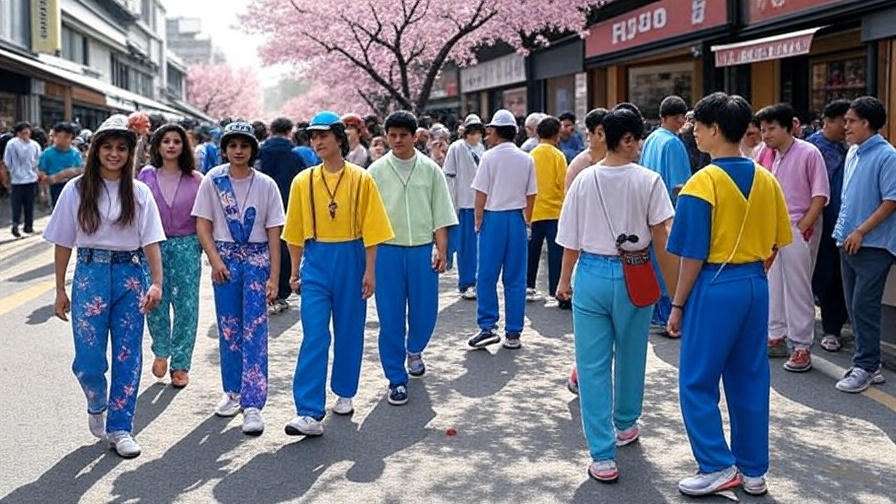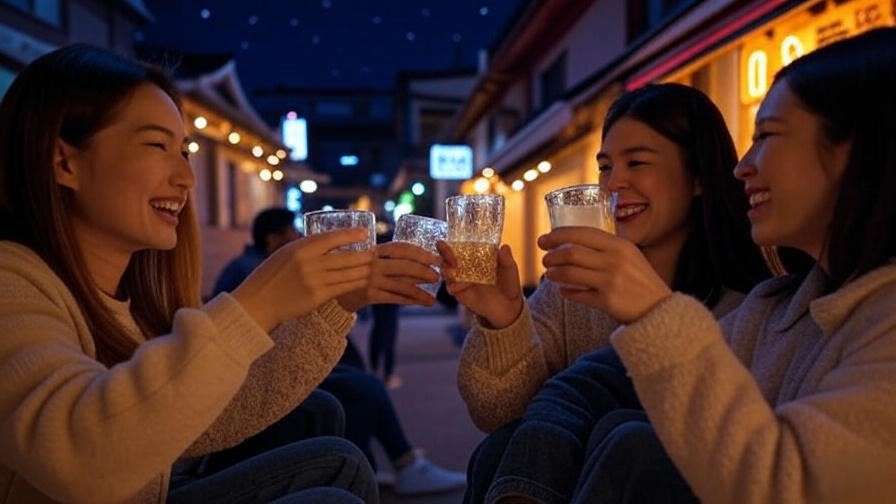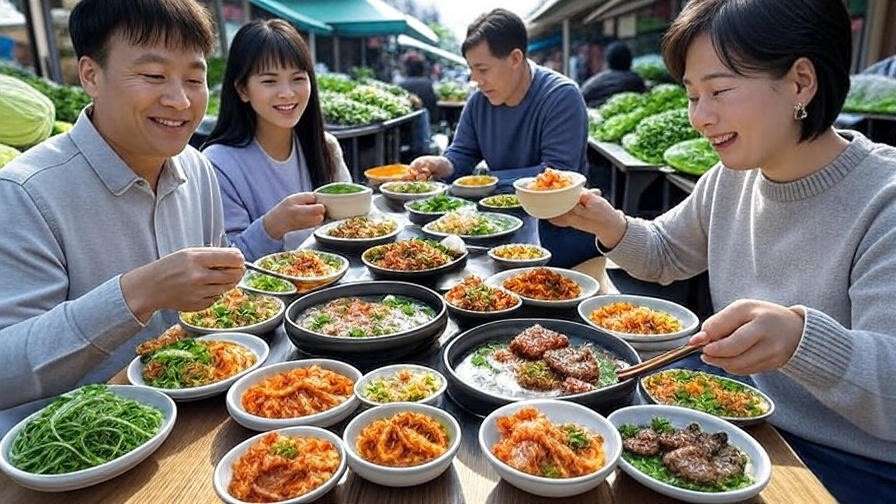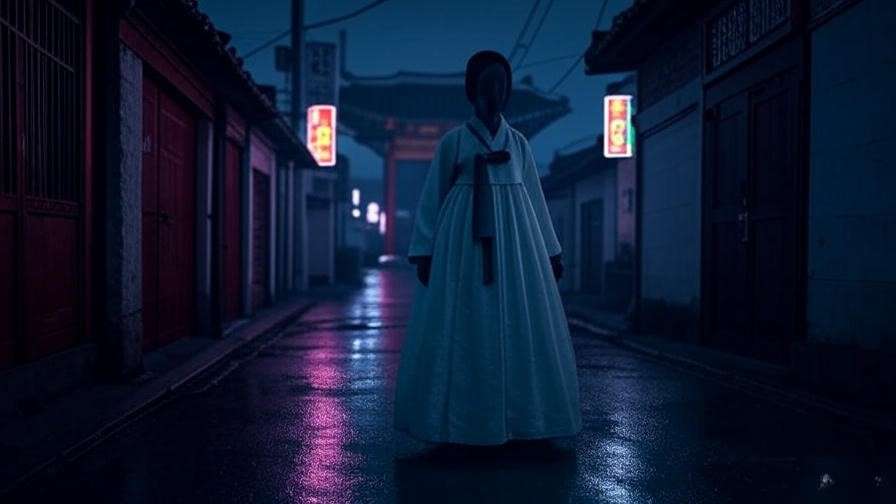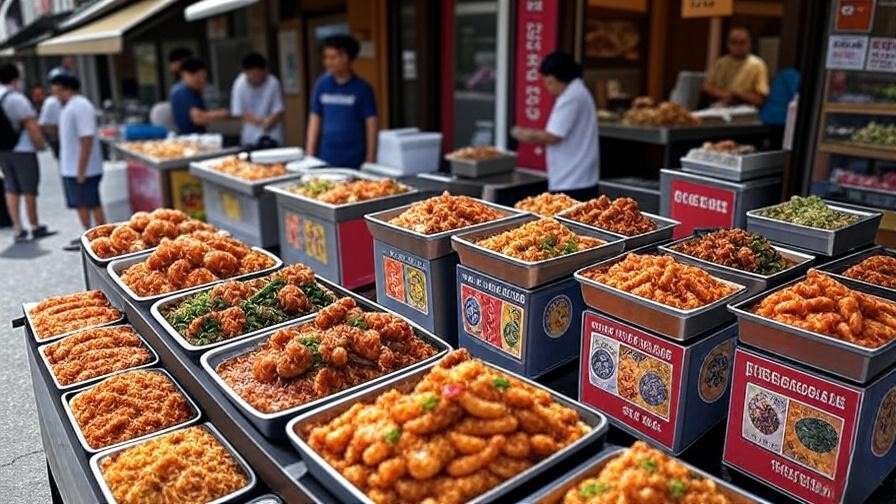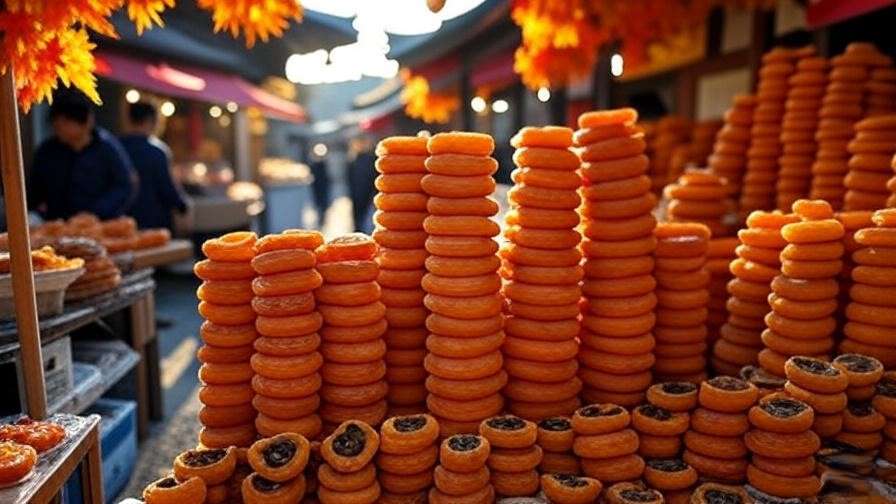
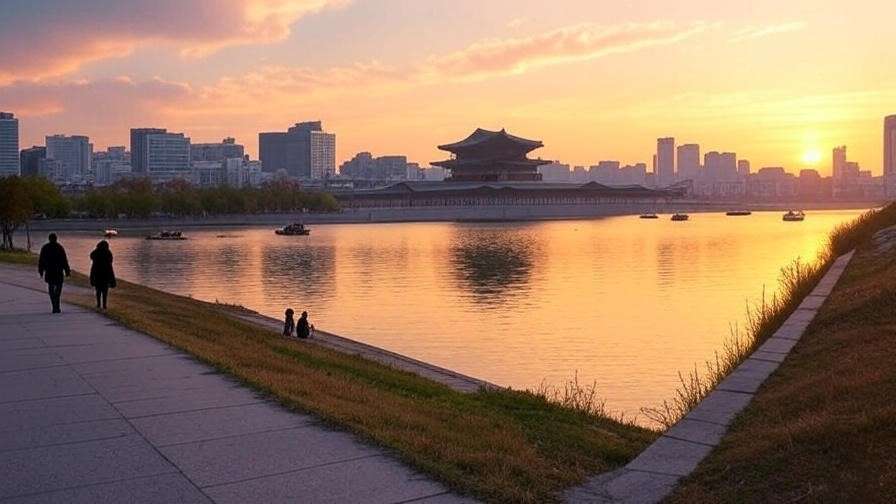
Picture yourself standing in Seoul, Korea, where ancient palaces meet neon-lit streets, and every corner feels like a scene from your favorite K-drama. From the romantic glow of Namsan Tower to the bustling energy of Myeongdong’s street food stalls, Seoul is the beating heart of Korean drama culture. For fans, exploring Seoul’s cultural landmarks isn’t just a trip—it’s a way to live the stories you love. Whether you’re planning a visit or craving a deeper connection to K-dramas from home, this guide unveils 10 unforgettable Seoul experiences that bring the magic of Korean dramas to life. As a Korean culture enthusiast who’s wandered Seoul’s historic alleys and modern cafes, I’ve crafted this article with insights from local experts and personal adventures to ensure you feel the pulse of K-drama culture.
Why Seoul Korea Is the Heart of K-Drama Culture
Seoul as a K-Drama Backdrop
Seoul’s unique blend of tradition and modernity makes it a perfect canvas for K-dramas. Historic sites like Gyeongbokgung Palace transport viewers to the Joseon era, while sleek skyscrapers and cozy cafes frame modern romances like Crash Landing on You. This duality reflects Seoul’s ability to tell diverse stories, from royal intrigues to heartfelt love stories. By exploring these settings, fans can step into the worlds they’ve watched on screen.
Cultural Significance
Seoul’s culture—its food, fashion, and festivals—shapes K-drama narratives. Communal dining scenes, like sharing kimchi jjigae, mirror Korea’s emphasis on togetherness. Traditional hanbok and modern K-pop fashion inspire character wardrobes, reflecting Seoul’s dynamic identity. Understanding these elements deepens your appreciation for the emotions and conflicts in K-dramas.
Expert Insight: Dr. Hye-jin Kim, a cultural historian at Seoul National University, notes, “Seoul’s landscapes are characters in K-dramas, weaving history and modernity into stories that resonate globally.”
1. Wander Through Gyeongbokgung Palace
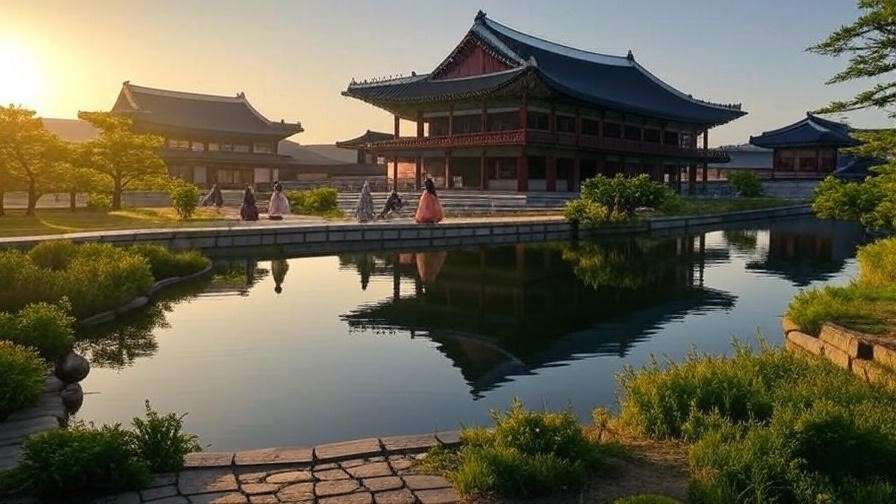 Why It’s Iconic
Gyeongbokgung Palace, Seoul’s grandest royal residence, is a cornerstone of historical K-dramas like Moon Embracing the Sun. Built in 1395, its majestic gates and serene courtyards evoke the Joseon dynasty’s elegance. For fans, visiting feels like stepping into a royal court, complete with intricate architecture and cultural weight.
What to Do
Explore the palace’s throne hall, Geunjeongjeon, and stroll through its gardens. Attend the daily guard-changing ceremony at 10 a.m. or 2 p.m. for a vibrant display of tradition. Rent a hanbok (traditional Korean clothing) for immersive photos—many shops near the palace offer rentals starting at ₩10,000 ($8 USD). Check the palace’s official website for free guided tours in English.
K-Drama Connection
Scenes of royal intrigue in The King: Eternal Monarch were filmed here, with the palace’s grandeur amplifying dramatic tension. Walking these grounds, you’ll feel the echoes of K-drama royalty.
Tip: Visit early (opens at 9 a.m.) to avoid crowds and capture the morning light for stunning photos.
2. Explore Bukchon Hanok Village
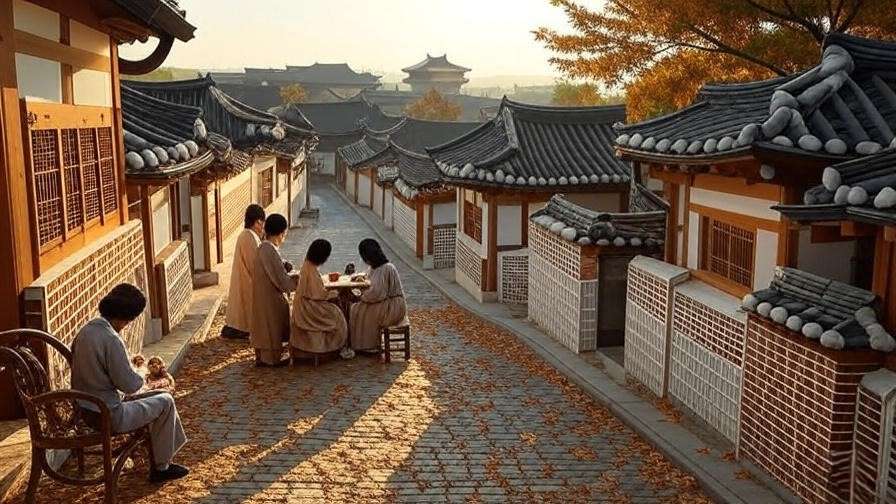 A Glimpse of Traditional Korea
Bukchon Hanok Village, nestled between Gyeongbokgung and Changdeokgung palaces, is a living museum of traditional Korean homes. Its tiled roofs and wooden hanoks star in dramas like Personal Taste, offering a glimpse into Seoul’s past. The village’s charm lies in its authenticity, preserving Korea’s architectural heritage.
Cultural Activities
Join a tea ceremony at a hanok guesthouse to experience Korean hospitality. Try hanji (traditional paper) crafting workshops, often offered by local artisans for ₩20,000 ($15 USD). These activities connect you to the craftsmanship seen in K-drama settings.
Practical Tips
Wear comfortable shoes for Bukchon’s hilly alleys and respect residents’ privacy by keeping noise low. Visit the Bukchon Traditional Culture Center for free exhibits on hanok history. Avoid peak hours (11 a.m.–3 p.m.) for a quieter experience.
Example: Sarah, a K-drama fan from California, visited Bukchon inspired by Goblin. “Walking the same streets as my favorite characters felt surreal—it brought the drama to life,” she shared.
3. Savor Authentic Korean Street Food at Myeongdong
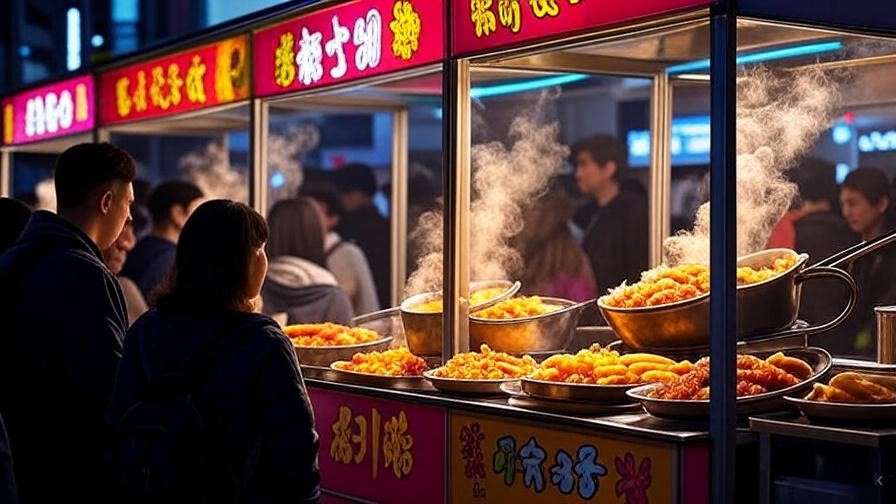 Food in K-Dramas
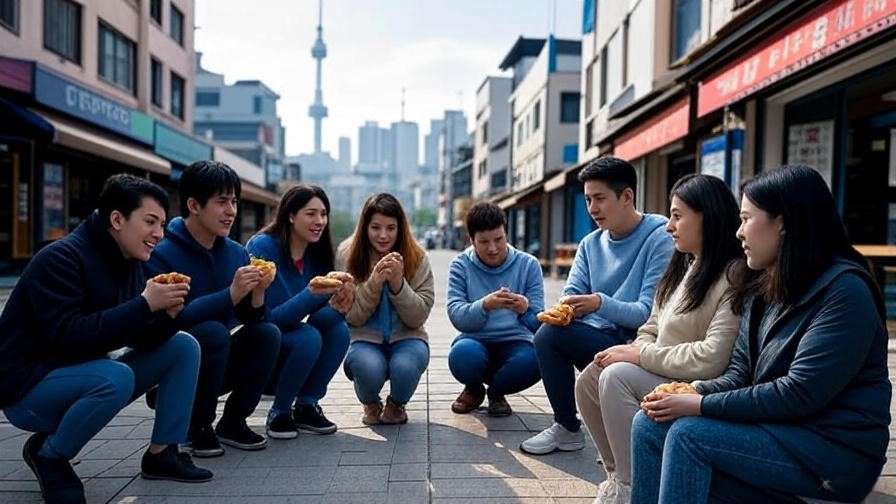
Myeongdong’s bustling night market is a K-drama staple, with street food scenes in Weightlifting Fairy Kim Bok-joo capturing Korea’s vibrant culinary culture. Tteokbokki (spicy rice cakes) and hotteok (sweet pancakes) are fan favorites, reflecting Seoul’s love for bold flavors.
Must-Try Dishes
- Tteokbokki: Spicy, cylindrical rice cakes in red chili sauce, ₩3,000 ($2.50) per serving.
- Hotteok: Pancakes filled with brown sugar and nuts, perfect for a sweet snack.
- Eomuk: Fish cake skewers in savory broth, a warm treat for ₩1,000 ($0.80).
These dishes embody Korea’s communal dining spirit, often depicted in K-dramas as characters bond over food.
Visiting Tips
Visit Myeongdong after 5 p.m. when food stalls thrive. Bring cash for smaller vendors, and try budget-friendly stalls near Myeongdong Station. Pair your meal with a K-drama-inspired walk to nearby Namsan Tower.
Expert Tip: Chef Min-soo Park, a Seoul street food veteran, says, “Myeongdong’s food reflects Korea’s history of resilience—simple ingredients turned into unforgettable flavors.”
4. Stroll Along the Han River Like a K-Drama Star
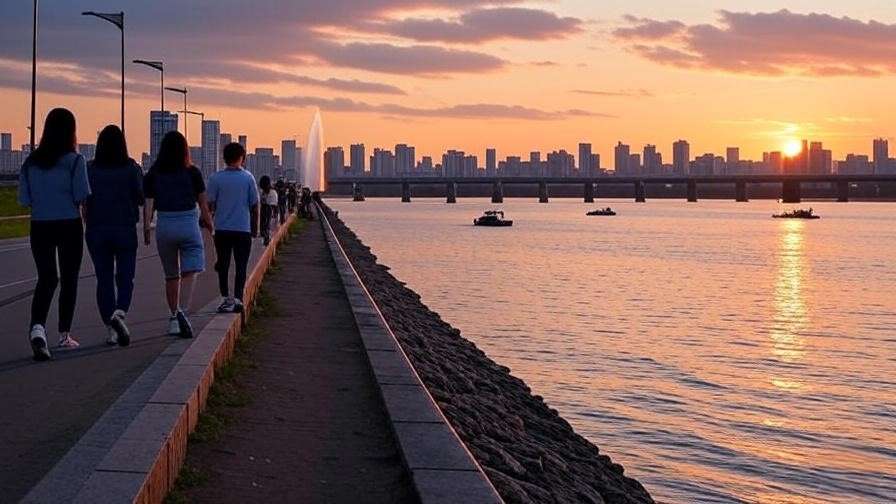 Romantic K-Drama Moments
The Han River is Seoul’s romantic lifeline, featured in iconic K-drama scenes like The Legend of the Blue Sea. Its serene waters and twinkling bridges set the stage for heartfelt confessions and emotional moments, making it a must-visit for fans.
Activities to Try
Rent a bike at Yeouido Park for ₩3,000 ($2.50) per hour to cycle along the river. Picnic at Banpo Hangang Park, where the Banpo Bridge’s rainbow fountain lights up nightly at 8 p.m. For a cinematic experience, take a sunset river cruise (starting at ₩15,000, $12 USD).
Cultural Context
The Han River is more than a backdrop—it’s a symbol of Seoul’s growth and community. K-dramas use it to depict transitions, from heartbreak to hope, mirroring its role in daily life.
Pro Tip: Visit at night to see the city skyline glow, recreating K-drama romance vibes.
5. Dive Into K-Pop and Drama Fashion at Dongdaemun
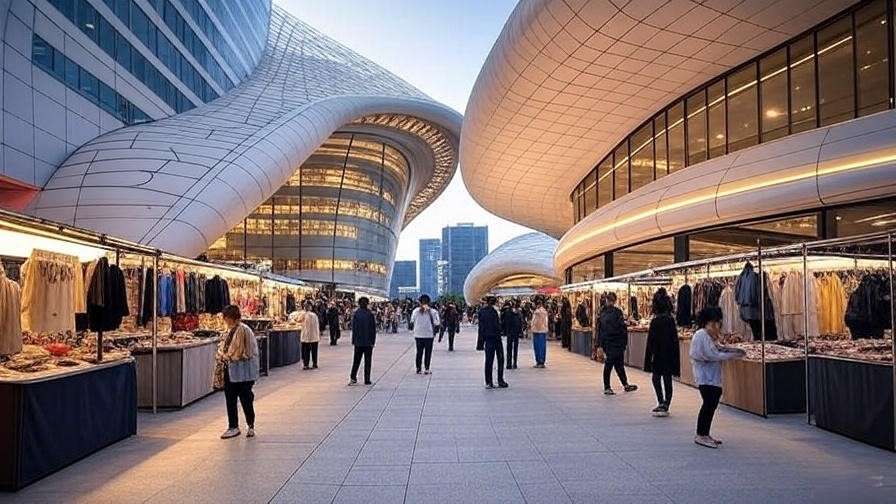 Fashion in K-Dramas
Dongdaemun’s fashion markets inspire the chic outfits in K-dramas like Itaewon Class. Seoul’s trendsetting youth culture blends K-pop flair with traditional influences, creating looks that define characters’ identities.
Shopping Guide
Explore Dongdaemun Design Plaza (DDP), a futuristic hub with boutique shops and K-fashion exhibits. Visit wholesale markets like Doota Mall for affordable K-drama-inspired clothing (e.g., oversized blazers, ₩30,000, $25 USD). Open until 5 a.m., these markets cater to night owls.
Cultural Insight
Fashion in Seoul reflects individuality and cultural pride, with hanbok-inspired designs meeting modern streetwear. K-dramas amplify this by showcasing outfits that resonate globally.
Example: A fan on X shared recreating Park Seo-joon’s Itaewon Class look from Dongdaemun, sparking a viral trend among K-drama enthusiasts.
6. Experience Seoul’s Cafe Culture
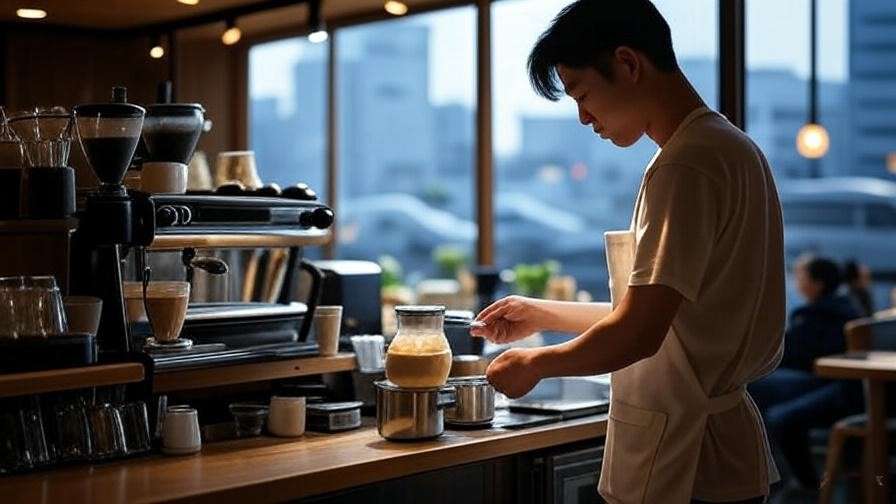 K-Drama Cafe Scenes
Seoul’s cafes are more than just coffee spots—they’re K-drama staples, setting the stage for pivotal moments in shows like What’s Wrong with Secretary Kim. From cozy book-themed cafes to Instagram-worthy dessert havens, these spaces capture Seoul’s modern charm and social vibe, making them essential for fans.
Must-Visit Cafes
- Thanks Nature Cafe (Hongdae): A quirky sheep-themed cafe featured in My Love from the Star. Try their signature latte art (₩5,000, $4 USD).
- Onion Cafe (Seongsu): A trendy industrial-style spot seen in Start-Up, known for dalgona coffee (₩6,000, $5 USD).
- Cafe de Paris (Myeongdong): Famous for towering fruit bingsu, a dessert loved in Goblin (₩15,000, $12 USD).
Cultural Role
Cafes in Seoul are social hubs where friends, couples, and colleagues connect, mirroring K-drama scenes of heartfelt conversations. They reflect Korea’s blend of tradition (e.g., patbingsu, red bean shaved ice) and global influences (e.g., minimalist aesthetics).
Tip: Order dalgona coffee or bingsu to taste K-drama-inspired treats, and visit during weekdays to avoid weekend crowds.
7. Discover Namsan Tower’s Romantic Legacy
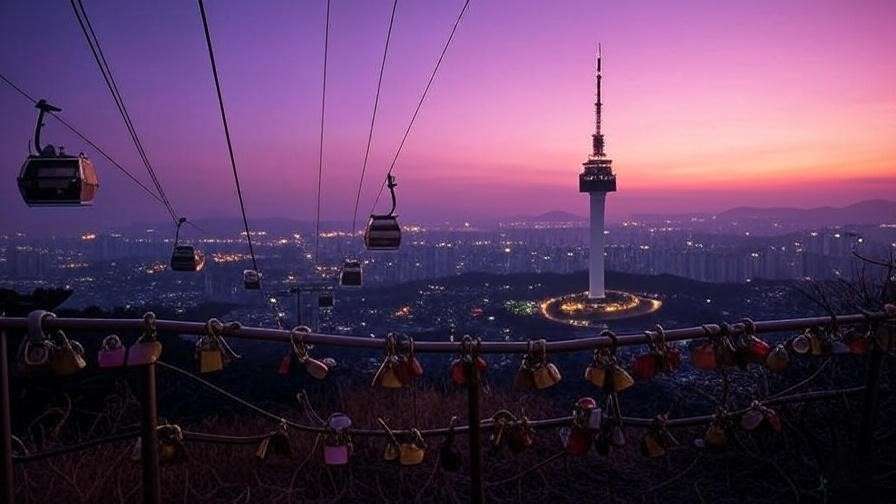 Love Locks and K-Dramas
Namsan Seoul Tower, perched atop Namsan Mountain, is a romantic icon in K-dramas like Boys Over Flowers. Its love locks, where couples attach padlocks to symbolize eternal love, feature in countless romantic scenes, making it a pilgrimage site for fans.
What to Do
Take the cable car (�W10,000, $8 USD round trip) for stunning city views. Add your own love lock (available at the tower’s gift shop for ₩5,000, $4 USD) or enjoy the observation deck’s 360-degree panorama. Visit the Teddy Bear Museum for a quirky K-drama-inspired experience.
Cultural Significance
Namsan Tower represents love and connection in Korean culture, a theme amplified in K-dramas. Its prominence in Seoul’s skyline makes it a symbol of the city’s heartbeat.
Expert Insight: Local tour guide Ji-hoon Lee shares, “Namsan’s love locks aren’t just for couples—they’re a universal symbol of hope, resonating with K-drama fans worldwide.”
8. Immerse Yourself in Korean History at the National Museum of Korea
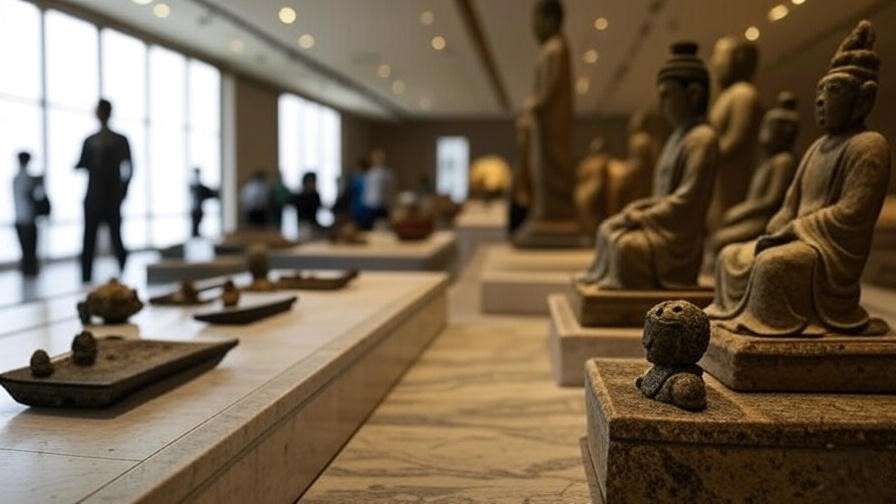 K-Drama Historical Context
The National Museum of Korea, located in Yongsan, offers a deep dive into the history behind historical K-dramas like Dae Jang Geum. Its exhibits on the Joseon dynasty and ancient artifacts provide context for the royal courts and cultural traditions seen on screen.
Key Exhibits
- Joseon Dynasty Gallery: Features royal relics, like royal seals, seen in The Red Sleeve.
- Hangeul Exhibit: Explores Korea’s unique writing system, often referenced in historical dramas.
- Buddhist Art Collection: Showcases artifacts that inspire temple scenes in K-dramas.
Visiting Tips
Entry is free, with English audio guides available for ₩3,000 ($2.50 USD). Join a guided tour (check the museum’s website for schedules) to connect exhibits to K-drama narratives. Allow 2–3 hours to explore fully.
Example: A fan on X shared, “Visiting the museum made Mr. Sunshine feel so real—I could picture the historical settings vividly.”
9. Join a K-Drama Filming Location Tour
Behind the Scenes
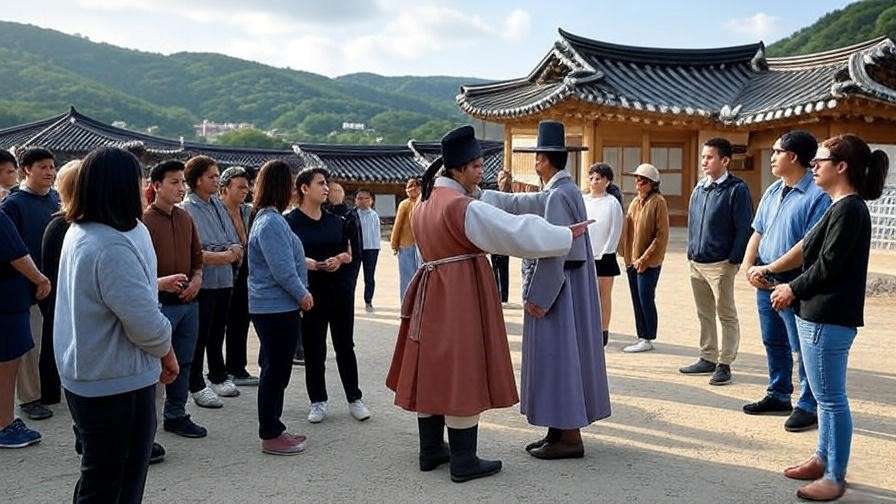 Visiting K-drama filming locations in Seoul bridges the gap between fiction and reality. Sites like Yongin Daejanggeum Park, where Kingdom was filmed, or Petite France, featured in My Love from the Star, let fans walk in their favorite characters’ footsteps.
Tour Options
- Organized Tours: Companies like KTOURSTORY offer K-drama-themed tours (starting at ₩80,000, $65 USD), covering sites like Namsan Tower and Bukchon.
- DIY Route: Create your own itinerary using fan-compiled lists on platforms like Visit Korea’s website, focusing on dramas like Crash Landing on You.
- Virtual Tours: For remote fans, platforms like KBS offer virtual tours of filming sets.
Cultural Connection
These tours highlight how Seoul’s landscapes shape K-drama storytelling, blending real-world beauty with cinematic magic.
Tip: Prepare a list of your favorite dramas to customize your tour, and book in advance for organized options during peak seasons.
10. Celebrate Korean Festivals in Seoul
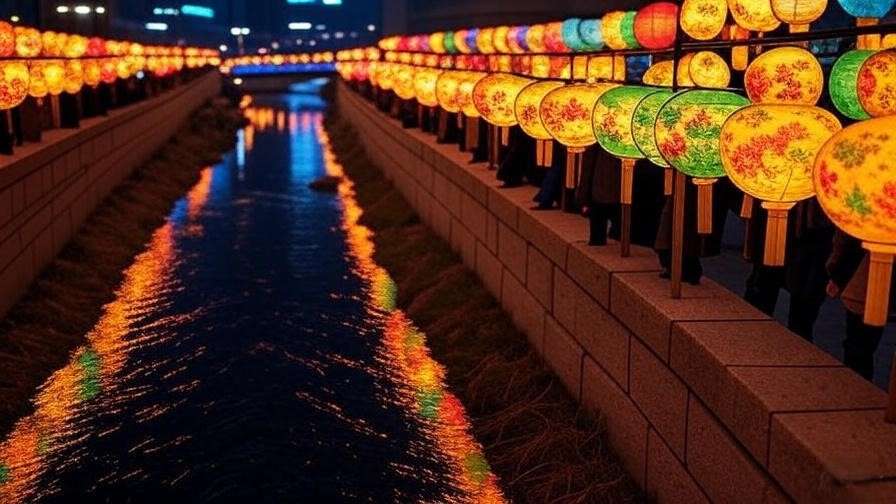 Festivals in K-Dramas
Festivals like the Seoul Lantern Festival or Chuseok celebrations appear in dramas like Reply 1988, showcasing Korea’s communal spirit. These events bring Seoul’s streets to life with lights, music, and tradition, mirroring K-drama’s emotional depth.
Top Festivals to Attend
- Seoul Lantern Festival (November): Thousands of lanterns line Cheonggyecheon Stream, creating a magical K-drama-like atmosphere. Free entry, held annually.
- Chuseok (September/October): Korea’s harvest festival, with traditional games and hanbok events at Gyeongbokgung. Check 2025 dates via Korea Tourism Organization.
- Hi Seoul Festival (October): Features street performances and K-pop concerts, reflecting Seoul’s modern vibrancy.
Participation Tips
Wear hanbok for free palace entry during Chuseok. Arrive early for festivals to secure good spots, and respect local customs (e.g., bowing during ancestral rites). Follow event updates on Seoul’s official tourism website.
Expert Insight: Cultural historian Dr. Soo-jin Park explains, “Festivals in Seoul blend ancient traditions with modern flair, just like K-dramas weave history into contemporary stories.”
Practical Tips for Planning Your Seoul Cultural Adventure
Best Time to Visit
Spring (March–May) and autumn (September–November) offer mild weather and vibrant scenery, ideal for palace visits and festivals. K-drama filming peaks in spring, increasing chances of spotting a shoot.
Budget and Logistics
- Transportation: Use a T-money card (₩4,000, $3 USD) for Seoul’s efficient subway and buses. Download Naver Maps for navigation.
- Accommodation: Stay in Myeongdong or Hongdae for proximity to cultural sites (budget guesthouses start at ₩30,000, $25 USD/night).
- Budget Tips: Save with street food meals (₩5,000–10,000, $4–8 USD) and free attractions like the National Museum.
Cultural Etiquette
Bow slightly when greeting locals, avoid loud behavior in residential areas like Bukchon, and remove shoes in traditional homes or temples. These gestures show respect and enhance your cultural immersion.
Pro Tip: Use apps like KakaoTalk to connect with local guides or fan communities for insider tips.
How to Experience Seoul’s Culture From Home
Virtual Tours and Resources
Can’t travel? Explore Seoul virtually via Korea Tourism Organization’s VR tours of Gyeongbokgung or Namsan Tower. Watch documentaries like Seoul: Capital of Korea on streaming platforms to understand the city’s history.
K-Drama Watchlist
Curate a Seoul-centric watchlist to deepen cultural connections:
- Crash Landing on You: Showcases Namsan Tower and modern Seoul.
- Goblin: Features Bukchon and romantic Han River scenes.
- The King: Eternal Monarch: Highlights Gyeongbokgung’s grandeur.
Learning Korean Culture
Enroll in online courses like Coursera’s “Introduction to Korean Culture” or listen to podcasts like The Korea Society Podcast. Books like Korea: The Impossible Country by Daniel Tudor offer deep insights.
Example: A fan from Brazil shared on X, “Watching Reply 1988 while studying Korean festivals online made me feel like I was in Seoul!”
FAQs
What are the best K-drama filming locations in Seoul?
Namsan Tower, Gyeongbokgung Palace, and Bukchon Hanok Village are top spots, detailed in sections above.
How can I experience Seoul’s culture on a budget?
Opt for free attractions like the National Museum, street food in Myeongdong, and affordable hanbok rentals.
Are there K-drama-inspired tours in Seoul?
Yes, companies like KTOURSTORY offer guided tours, or create a DIY route with fan guides (see section 9).
What’s the best season to visit Seoul for cultural experiences?
Spring and autumn are ideal for weather and festivals, as noted in the planning section.
How can I learn more about Korean culture before visiting?
Explore virtual tours, Seoul-centric K-dramas, and online courses, as outlined above.
Conclusion
Seoul, Korea, is more than a city—it’s the soul of K-drama, where ancient palaces, vibrant markets, and romantic rivers bring stories to life. These 10 cultural experiences, from wandering Gyeongbokgung to savoring Myeongdong’s street food, offer fans a chance to live their favorite dramas. Whether you’re planning a trip or exploring from home, Seoul’s culture deepens your love for K-dramas. Start your journey today: watch a Seoul-centric drama, book a trip, or join a virtual tour. As a Korean culture enthusiast who’s explored these sites, I promise—Seoul’s magic will captivate you.