
Imagine stepping into a lively Pyeongandong eatery, where the sizzle of bulgogi on the grill fills the air, vibrant banchan plates crowd the table, and the warm chatter of diners creates an inviting hum. For fans of Korean culture and drama, navigating a Pyeongandong menu is the key to unlocking an authentic Korean dining experience that feels straight out of a K-drama scene. Whether you’re planning a trip to South Korea or exploring a local Korean restaurant, understanding the Pyeongandong menu ensures you savor every bite with confidence and cultural appreciation. As someone who has spent years immersed in Korean culinary traditions, dining across Pyeongandong’s iconic establishments, and consulting with local chefs, I’m here to guide you through every dish, term, and dining custom. This ultimate guide breaks down the Pyeongandong menu, highlights must-try dishes, offers practical dining tips, and connects the experience to the Korean dramas you love—all to help you dine like a local.
What is Pyeongandong and Why Its Menu Matters
A Glimpse into Pyeongandong’s Culinary Scene
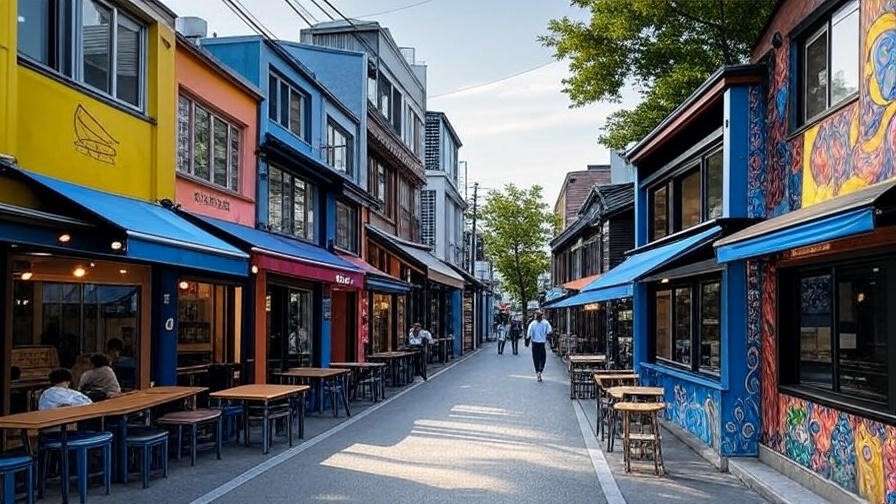
Pyeongandong, a vibrant district in South Korea, is a culinary gem where traditional Korean flavors meet modern dining trends. Nestled in the heart of urban Korea, this area is renowned for its bustling food scene, with restaurants serving everything from time-honored recipes to innovative takes on classics. Its significance extends beyond food—it’s a cultural hub often featured in Korean dramas, where characters gather over steaming bowls of jjigae or sizzling plates of samgyeopsal, reflecting the communal spirit of Korean dining. Pyeongandong’s menus are a gateway to understanding Korea’s rich culinary heritage, making it a must-explore for food enthusiasts and K-drama fans alike.
The Appeal of Pyeongandong Menus
What sets a Pyeongandong menu apart? It’s the authenticity and diversity. These menus showcase regional specialties, like hearty doenjang jjigae or crispy haemul pajeon, alongside staples like kimchi and banchan. Unlike generic Korean restaurant menus abroad, Pyeongandong’s offerings are deeply rooted in tradition, often prepared with recipes passed down through generations. For K-drama viewers, these dishes are familiar—think of the vibrant bibimbap bowls in “Itaewon Class” or the soju-fueled feasts in “Crash Landing on You.” Understanding these menus helps you appreciate the cultural context behind every dish, elevating your dining experience.
Expert Insight: Chef Ji-Hoon Park, a Pyeongandong native with over 20 years in Korean cuisine, shares, “Pyeongandong menus are a love letter to Korea’s culinary soul—each dish tells a story of tradition, community, and flavor.”
Decoding the Pyeongandong Menu: Key Categories
Banchan (Side Dishes)
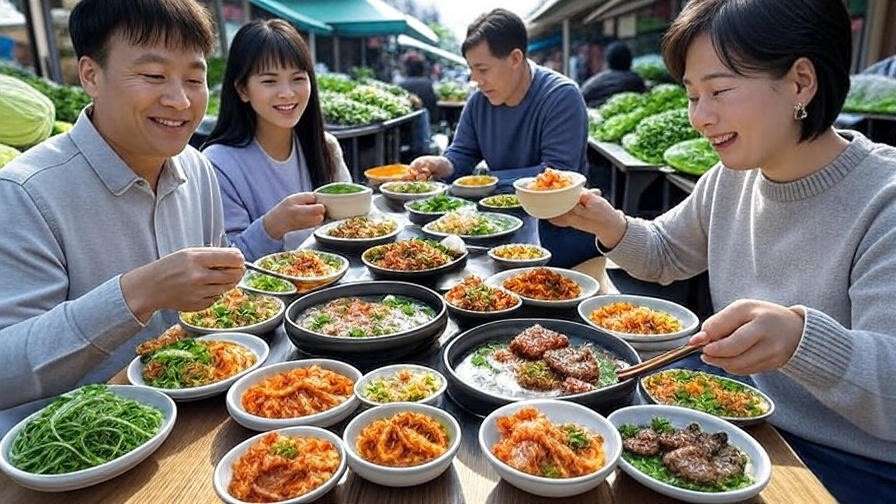
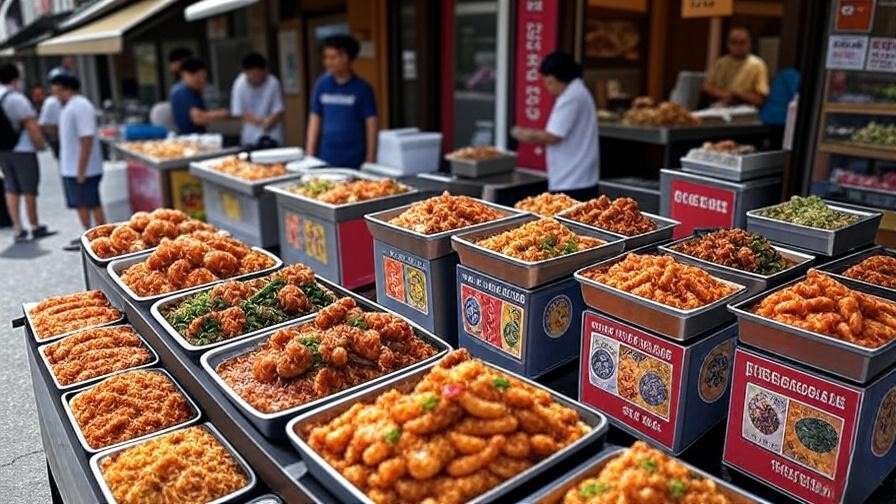
 Banchan, the colorful array of side dishes served with every Korean meal, is the heart of a Pyeongandong dining experience. These small plates, ranging from spicy kimchi to sweet japchae (stir-fried glass noodles), add variety and balance to the meal. In Pyeongandong, banchan often includes regional favorites like seasoned soybean sprouts, pickled radish, and fish cakes. Each restaurant prides itself on its unique banchan spread, which is typically unlimited and refilled throughout the meal.
Tip: To enjoy banchan like a local, sample a little of each dish and pair them with rice or your main course to enhance flavors.
Main Dishes
The main dishes on a Pyeongandong menu are a celebration of Korean culinary diversity. Here are some staples you’ll encounter:
- Bulgogi: Thinly sliced, marinated beef grilled to perfection, known for its sweet-savory flavor.
- Galbi: Marinated short ribs, often cooked at the table, offering a smoky, tender bite.
- Bibimbap: A vibrant bowl of rice topped with assorted vegetables, meat, and a spicy gochujang sauce, often served in a sizzling stone pot (dolsot).
- Jjigae: Hearty stews like kimchi jjigae or doenjang jjigae, packed with bold flavors and served bubbling hot.
Pyeongandong’s bibimbap, for instance, might feature local ingredients like wild greens, setting it apart from other regions. These dishes are not just meals but cultural touchstones, often depicted in K-dramas as symbols of comfort and connection.
Soups and Stews
 Soups and stews are soul-warming staples in Pyeongandong. Seolleongtang, a milky beef bone broth simmered for hours, is a local favorite known for its rich, clean taste. Doenjang jjigae, made with fermented soybean paste, offers an earthy, umami-packed flavor. These dishes are often served with rice and banchan, creating a balanced, nourishing meal. In Korean culture, soups are believed to aid digestion and provide health benefits, making them a must-try.
Drinks and Desserts
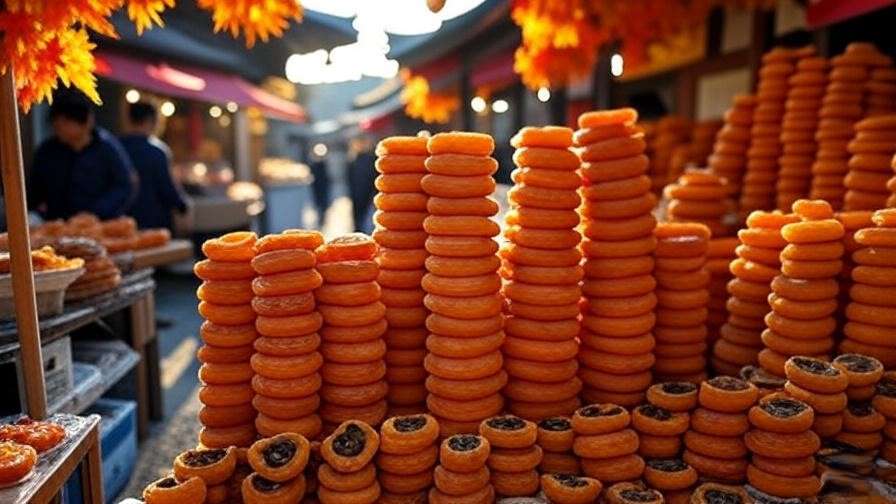
No Pyeongandong meal is complete without traditional drinks and desserts. Soju, a clear distilled spirit, is a popular choice, often paired with spicy or savory dishes. Makgeolli, a fizzy rice wine, complements lighter fare like pajeon (savory pancakes). For non-alcoholic options, sikhye (sweet rice drink) or omija tea (made from five-flavor berries) refreshes the palate. Desserts like hotteok (sweet pancakes filled with brown sugar) or bingsu (shaved ice with toppings) offer a sweet finish, often enjoyed in Pyeongandong’s bustling street food stalls.
Table: Pyeongandong Menu Categories
| Category | Examples | Key Ingredients |
|---|---|---|
| Banchan | Kimchi, Japchae, Fish Cakes | Fermented cabbage, glass noodles, fish |
| Main Dishes | Bulgogi, Bibimbap, Galbi | Marinated beef, rice, vegetables |
| Soups & Stews | Seolleongtang, Doenjang Jjigae | Beef bones, soybean paste |
| Drinks & Desserts | Soju, Makgeolli, Hotteok | Rice, brown sugar, fruit |
Must-Try Dishes on a Pyeongandong Menu
Signature Pyeongandong Specialties
 To truly experience Pyeongandong, these iconic dishes are non-negotiable:
- Samgyeopsal: Thick slices of pork belly grilled at the table, wrapped in lettuce with garlic, mushrooms, and ssamjang (spicy dipping sauce). Its communal preparation makes it a K-drama favorite.
- Haemul Pajeon: A savory seafood pancake loaded with shrimp, squid, and scallions, perfect for sharing.
- Tteokbokki: Cylindrical rice cakes (tteok) stir-fried in a spicy-sweet red sauce, a street food staple with a fiery kick.
- Dakgalbi: Spicy stir-fried chicken with vegetables, often cooked on a tabletop hot plate.
- Bibimbap: A colorful mix of rice, vegetables, beef, and gochujang, served in a hot stone bowl for a crispy rice crust.
Each dish is a flavor explosion, reflecting Pyeongandong’s commitment to bold, authentic tastes. For example, samgyeopsal’s interactive grilling process mirrors the lively dining scenes in dramas like “What’s Wrong with Secretary Kim.”
Hidden Gems for Adventurous Eaters
For those willing to venture beyond the classics, Pyeongandong offers unique dishes like:
- Sundae: Korean blood sausage stuffed with glass noodles and vegetables, often served with liver or lung for extra texture.
- Jokbal: Braised pig’s feet, tender and gelatinous, typically paired with a tangy soy dipping sauce.
Expert Tip: Food critic Min-Ji Kim advises, “Look for sundae with a glossy, dark exterior—it’s a sign of proper seasoning and preparation.”
Tip: Ease into these dishes by pairing them with familiar sides like kimchi to balance their bold flavors.
Navigating a Pyeongandong Menu Like a Pro
Understanding Menu Layout and Korean Terms
Pyeongandong menus can feel overwhelming, especially with Korean script or unfamiliar terms. Menus are often organized by category (e.g., meats, stews, rice dishes) or by course (banchan, mains, drinks). Key terms to know include:
- Gogi: Meat (e.g., “samgyeopsal gogi” for pork belly).
- Bap: Rice (e.g., “bibimbap” for mixed rice).
- Tang/Jjigae: Soup or stew.
- Banchan: Side dishes.
Many restaurants offer English or picture menus, but learning these terms helps you order confidently and spot authentic offerings.
Dining Etiquette in Pyeongandong
 Korean dining is communal and respectful. Share dishes with your group, use chopsticks and spoons appropriately, and don’t be shy about asking for banchan refills—it’s customary! When eating samgyeopsal, let the eldest or host grill the meat first as a sign of respect. If dining solo, expect smaller portions but the same warm hospitality.
Pairing Dishes and Drinks
Pairing enhances the Pyeongandong experience. Soju’s clean taste cuts through the spice of tteokbokki or kimchi jjigae, while makgeolli’s slight sweetness complements haemul pajeon. For non-alcoholic options, sikhye balances heavy dishes like galbi. In K-dramas, characters often toast with soju during heartfelt moments, reflecting its cultural role in bonding.
Downloadable Cheat Sheet: Key Korean menu terms (e.g., “gogi,” “bap,” “jjigae”) for easy reference at restaurants.
Pyeongandong Menus in Korean Dramas
Iconic Dishes in K-Dramas
Korean dramas bring Pyeongandong’s culinary world to life. In “Itaewon Class,” bibimbap and soju fuel late-night team meetings, symbolizing camaraderie. “Crash Landing on You” showcases samgyeopsal as a cross-border comfort food. These dishes aren’t just props—they reflect Korea’s emphasis on shared meals and emotional connection.
Recreating K-Drama Dining at Home
Want to bring Pyeongandong to your kitchen? Try this simple bibimbap recipe:
- Ingredients: Cooked rice, spinach, carrots, beef, gochujang, sesame oil.
- Steps: Sauté vegetables, cook beef with soy marinade, assemble over rice, and top with a fried egg and gochujang.
- Source Ingredients: Check Korean grocery stores or online retailers like H Mart for authentic gochujang and sesame oil.
Tips for an Authentic Pyeongandong Dining Experience
Choosing the Right Restaurant
 Finding an authentic Pyeongandong-style restaurant is key to a memorable dining experience. Look for establishments with Korean signage, bustling local crowds, and menus featuring regional specialties like seolleongtang or haemul pajeon. Avoid places with overly westernized menus (e.g., “Korean-style pizza”) as they may lack authenticity. In Pyeongandong, top-rated eateries often have long lines—a good sign of quality. For those outside Korea, check online reviews on platforms like Yelp or Google for restaurants endorsed by Korean expats or food bloggers. Websites like VisitKorea (visitkorea.or.kr) offer guides to authentic dining spots.
Tip: If a restaurant offers unlimited banchan or tabletop grills, it’s likely a genuine Pyeongandong experience.
Customizing Your Order
Pyeongandong menus are flexible, allowing customization to suit your taste or dietary needs. Want less spice in your tteokbokki? Request “an maepge” (not spicy). Need vegetarian options? Ask for “gogi eopshi” (no meat) versions of bibimbap or japchae. Many restaurants accommodate dietary restrictions, but it’s wise to confirm when ordering. Use simple phrases like “jom deo” (a little more) for extra banchan or “soju han byeong” (one bottle of soju) to order drinks. Communicating your preferences respectfully enhances the experience and shows cultural awareness.
Example: When ordering jjigae, specify “doenjang jjigae” for soybean paste stew or “kimchi jjigae” for a spicier option.
Enhancing the Experience
To fully immerse yourself in Pyeongandong’s dining culture, embrace the ambiance. Play K-pop or a K-drama soundtrack in the background if dining at home, or visit a restaurant with traditional decor like wooden tables or hanbok-clad staff. For group dining, order a variety of dishes to share, mimicking the communal spirit seen in K-dramas. Engage with the staff—many Pyeongandong servers love sharing stories about their dishes. If you’re in Korea, pair your meal with a stroll through Pyeongandong’s vibrant streets, where street vendors sell hotteok or tteokbokki late into the night.
Pro Tip: Recreate the K-drama vibe by serving meals family-style, with everyone sampling from shared plates.
FAQs About Pyeongandong Menus
What are the most beginner-friendly dishes on a Pyeongandong menu?
For newcomers, start with bulgogi or bibimbap. Bulgogi’s sweet-savory marinade is universally appealing, while bibimbap’s mix of rice, vegetables, and mild gochujang is customizable and easy to enjoy. Both are widely available and featured in the “Main Dishes” section.
Are Pyeongandong menus vegetarian or vegan-friendly?
While meat-heavy dishes like samgyeopsal dominate, Pyeongandong menus offer vegetarian options like vegetable bibimbap, japchae (without meat), or tofu-based stews. Vegan diners should confirm ingredients, as some banchan may contain fish sauce. See “Customizing Your Order” for tips on requesting meat-free dishes.
How do I know if a restaurant serves authentic Pyeongandong food?
Look for unlimited banchan, tabletop grills, and dishes like seolleongtang or sundae. Reviews from Korean locals or food bloggers, as mentioned in “Choosing the Right Restaurant,” are a reliable indicator.
What drinks pair best with spicy Pyeongandong dishes?
Soju and makgeolli are classic pairings for spicy dishes like tteokbokki or kimchi jjigae, as noted in “Pairing Dishes and Drinks.” Non-alcoholic options like sikhye or barley tea also soothe the palate.
Can I recreate Pyeongandong dishes at home without special equipment?
Yes! Dishes like bibimbap or japchae require only a skillet and basic ingredients. See “Recreating K-Drama Dining at Home” for a simple recipe and sourcing tips.
Mastering the Pyeongandong menu is your ticket to an authentic Korean dining adventure, whether you’re savoring samgyeopsal in a Seoul eatery or recreating bibimbap at home. This guide has decoded the menu’s key categories, highlighted must-try dishes, and shared practical tips to dine like a local, all while connecting to the vibrant world of Korean culture and drama. From banchan to soju, every element of a Pyeongandong meal tells a story of tradition and community. Ready to dive in? Visit a local Korean restaurant, try a Pyeongandong-inspired dish, or experiment with a K-drama recipe. Share your experience in the comments below or tag us on social media with your favorite Korean dish!