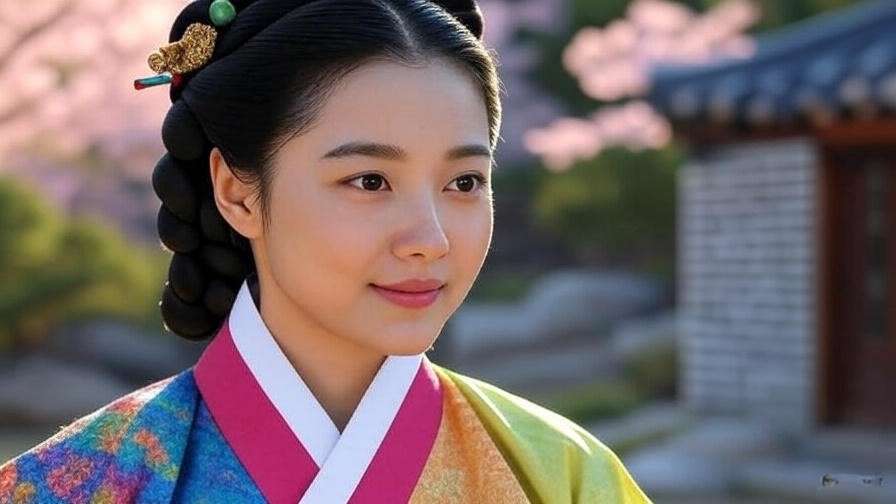

Imagine sitting in a tranquil Korean tea house, the soft clink of a bamboo whisk stirring vibrant green matcha in a ceramic bowl. The aroma is earthy, the ambiance serene, and the moment feels like a pause in time—a hallmark of Korea’s timeless tea culture. For those seeking this peace without the jitters of caffeine, low caffeine matcha offers the perfect solution. Many tea enthusiasts, especially those sensitive to stimulants, struggle to enjoy traditional matcha without unwanted side effects like restlessness or anxiety. This guide explores low caffeine matcha, a gentler alternative that delivers the authentic taste and cultural richness of Korean tea traditions while promoting calm and focus. Backed by insights from Korean tea masters and wellness experts, we’ll uncover how this vibrant green tea fits into modern lifestyles and K-culture, ensuring you can savor every sip mindfully.
What Is Low Caffeine Matcha?
Understanding Matcha and Its Caffeine Content
Matcha, known as nokcha in Korean, is a finely ground powder made from shade-grown green tea leaves, celebrated for its rich flavor and vibrant color. Unlike regular green tea, where leaves are steeped and discarded, matcha involves consuming the entire leaf, delivering a potent dose of antioxidants and nutrients. Standard matcha contains 30–70 mg of caffeine per serving, comparable to a cup of coffee. However, low caffeine matcha is specially crafted to contain just 10–20 mg per serving, making it ideal for those seeking a milder energy boost. This reduction aligns with the growing demand for wellness-focused beverages that support relaxation without sacrificing flavor.
According to Dr. Hye-Jin Park, a Seoul-based nutritionist specializing in Korean herbal teas, “Low caffeine matcha retains the L-theanine that promotes calm alertness, making it a perfect choice for mindful tea rituals.” Its rise in popularity reflects a broader trend among health-conscious consumers who value both tradition and well-being.
How Is Low Caffeine Matcha Made?
Producing low caffeine matcha requires careful cultivation and processing to preserve its signature flavor while reducing caffeine. Farmers in regions like Jeju Island and Boseong use specific tea varietals or extend shade-growing periods to naturally lower caffeine content. Some producers employ water-based decaffeination methods, which gently remove caffeine without compromising the tea’s antioxidants or umami taste. Unlike chemical decaffeination, these natural processes ensure the tea remains pure and authentic.
Master tea producer Kim Min-soo from Boseong explains, “Crafting low caffeine matcha is an art. We balance tradition with innovation to honor Korea’s tea heritage while meeting modern wellness needs.” This meticulous approach ensures that low caffeine matcha delivers the same ceremonial quality as its higher-caffeine counterparts.
The Role of Matcha in Korean Culture
Matcha in Korean Tea Ceremonies (Darye)
In Korea, tea ceremonies, or darye, are more than a beverage ritual—they’re a meditative practice rooted in Buddhist traditions and Confucian principles. Historically, monks used tea to stay alert during long meditations, and matcha played a central role due to its smooth texture and calming properties. Today, darye is a cultural touchstone, practiced in temples, tea houses, and even homes, fostering mindfulness and connection.
Low caffeine matcha fits seamlessly into these rituals, offering a gentle alternative for participants seeking tranquility. In K-dramas like The King: Eternal Monarch, tea ceremonies often symbolize moments of reflection, showcasing their cultural weight. By incorporating low caffeine matcha, modern ceremonies maintain authenticity while catering to diverse health needs.
Low Caffeine Matcha in Modern Korean Wellness Trends
Korea’s wellness boom, fueled by global interest in K-beauty and K-lifestyle, has spotlighted tea as a tool for holistic health. Low caffeine matcha aligns perfectly with this trend, offering a stress-relieving beverage that complements practices like yoga and meditation. Urban tea houses in Seoul and Busan now serve low caffeine matcha lattes and smoothies, blending tradition with modernity.
In Crash Landing on You, a serene tea-drinking scene underscores the cultural shift toward mindful consumption. As Koreans embrace wellness, low caffeine matcha has become a staple for those prioritizing calm over caffeine’s intensity, making it a bridge between heritage and contemporary lifestyles.
Why Choose Low Caffeine Matcha?
Health Benefits of Low Caffeine Matcha
Low caffeine matcha is a powerhouse of health benefits, thanks to its high levels of epigallocatechin gallate (EGCG), a potent antioxidant. EGCG supports heart health, boosts metabolism, and fights oxidative stress. The presence of L-theanine, an amino acid, promotes relaxation and focus, counteracting the minimal caffeine content. This makes low caffeine matcha ideal for caffeine-sensitive individuals, pregnant women, or those managing anxiety.
A 2023 study in the Journal of Nutritional Science found that matcha’s L-theanine enhances alpha brain wave activity, fostering a state of calm alertness. For those seeking a soothing yet energizing drink, low caffeine matcha delivers without the crash associated with coffee.
Comparing Low Caffeine Matcha to Other Teas

To understand its unique appeal, let’s compare low caffeine matcha to other popular teas:
| Tea Type | Caffeine (mg/serving) | Flavor Profile | Key Benefits |
|---|---|---|---|
| Low Caffeine Matcha | 10–20 | Creamy, umami | Antioxidants, calm focus, relaxation |
| Regular Matcha | 30–70 | Bold, grassy | High antioxidants, sustained energy |
| Green Tea (Sencha) | 20–40 | Light, vegetal | Moderate antioxidants, mild energy |
| Herbal Tea (Chamomile) | 0 | Floral, mild | Relaxation, no caffeine |
Low caffeine matcha stands out for its balanced flavor and health benefits, offering a middle ground between energizing and calming teas.
Environmental and Ethical Considerations
Korean matcha production often emphasizes sustainability. Farmers in Jeju and Boseong use organic methods, minimizing pesticides and supporting soil health. Many producers are certified organic or fair trade, ensuring ethical labor practices. Choosing low caffeine matcha from reputable sources supports these efforts, aligning with eco-conscious values. Look for certifications like USDA Organic or Rainforest Alliance to ensure quality and ethics.
How to Source High-Quality Low Caffeine Matcha
Identifying Authentic Low Caffeine Matcha
 Not all matcha is created equal. High-quality low caffeine matcha should have a vibrant green color, smooth texture, and rich umami flavor. Check labels for organic certifications and avoid products with additives or artificial colors. Authentic matcha lists its origin (e.g., Jeju or Boseong) and decaffeination method. Low-quality imitations often lack flavor or nutritional value, so prioritize small-batch producers.
Where to Buy Low Caffeine Matcha
You can find low caffeine matcha at Korean tea shops, online retailers, or specialty stores. Trusted brands like Osulloc (Jeju-based) and Boseong Green Tea Co. offer premium options. For international buyers, retailers like Ippodo Tea or Amazon’s curated Korean tea sections are reliable. Pro Tip: Seek out tea houses with direct farm connections for the freshest matcha.
Cost Considerations
Low caffeine matcha ranges from $15–$50 per 30g, depending on quality. Premium options are pricier due to labor-intensive decaffeination and organic farming. For beginners, brands like Matcha Moon offer affordable yet authentic options. Investing in quality ensures better flavor and health benefits, but budget-friendly choices can still deliver a satisfying experience.
How to Prepare Low Caffeine Matcha the Korean Way
Tools and Ingredients Needed
To prepare low caffeine matcha, you’ll need:
- 1–2 tsp low caffeine matcha powder
- Bamboo whisk (chasen) or milk frother
- Ceramic bowl (chawan) or small mixing bowl
- 2 oz (60 ml) hot water (175°F/80°C)
- Optional: Sifter for smooth texture
Beginners can use a frother if a whisk isn’t available, ensuring an accessible entry point.
Step-by-Step Preparation Guide

- Sift the Matcha: Pass 1–2 tsp of matcha through a fine sifter to remove clumps.
- Heat Water: Bring water to 175°F/80°C to preserve flavor.
- Add Water to Bowl: Pour 2 oz of hot water into the chawan.
- Whisk Matcha: Add matcha to the water and whisk in a “W” motion for 15–30 seconds until frothy.
- Serve: Enjoy as is or transfer to a cup for a modern twist.
Visual Idea: Include an infographic showing the whisking process for clarity.
Serving Suggestions
Pair low caffeine matcha with traditional Korean treats like tteok (rice cakes) or jeon (savory pancakes) for an authentic experience. For a modern twist, try a matcha latte with oat milk or a matcha smoothie with banana and spinach. Enhance the ritual with mindfulness—sip slowly, focusing on the tea’s aroma and texture, as practiced in Korean darye.
Incorporating Low Caffeine Matcha into Your Daily Routine
Morning Rituals for Calm Energy
 Starting your day with low caffeine matcha can set a serene yet focused tone. Its gentle energy boost, driven by L-theanine, promotes alertness without the jitters of coffee. Try this simple morning ritual inspired by Korean mindfulness practices:
- Prepare Your Space: Find a quiet corner, perhaps with a view of nature, to mimic the tranquility of a Korean tea house.
- Brew Mindfully: Follow the preparation steps outlined above, focusing on the rhythmic whisking as a meditative act.
- Sip with Intention: Take small sips, savoring the earthy umami flavor, and reflect on your intentions for the day.
Seoul-based wellness coach Lee Ji-young shares, “Incorporating low caffeine matcha into my morning routine has transformed my start to the day. It’s like a gentle hug from Korean tradition.” Pair it with a light breakfast, such as bap (steamed rice) with banchan, to stay grounded and energized.
Using Matcha for Stress Relief
 Low caffeine matcha is an excellent addition to evening wind-down routines, especially for those seeking calm after a busy day. Its L-theanine content promotes relaxation, making it a natural fit for stress-relief practices. Try this evening ritual:
- Set the Mood: Dim the lights and play soft instrumental music, inspired by Korean gugak.
- Prepare a Small Cup: Use 1 tsp of matcha for a lighter serving to avoid overstimulation.
- Pair with Journaling: Reflect on your day or practice gratitude while sipping, a habit rooted in Korean mindfulness traditions.
This ritual aligns with the wellness themes in K-dramas like Hospital Playlist, where characters often seek quiet moments to recharge. Drinking low caffeine matcha at night can help you unwind without disrupting sleep, making it a versatile addition to your routine.
Creative Recipes with Low Caffeine Matcha
Low caffeine matcha’s versatility extends beyond traditional tea. Here are three recipes that blend Korean flavors with modern twists:
- Matcha Smoothie
- Ingredients: 1 tsp low caffeine matcha, 1 banana, 1 cup spinach, 1 cup almond milk, 1 tbsp honey.
- Instructions: Blend until smooth. Serve chilled for a nutrient-packed breakfast or snack.
- Cultural Note: Inspired by Korea’s love for green smoothies in cafes like those in Gangnam.
- Matcha Mochi
- Ingredients: 1 cup glutinous rice flour, ¾ cup water, 2 tsp low caffeine matcha, ¼ cup sugar, red bean paste.
- Instructions: Mix flour, water, matcha, and sugar; steam for 20 minutes; wrap around red bean paste.
- Cultural Note: Mochi reflects Korea’s tteok tradition, perfect for tea pairings.
- Matcha-Infused Miso Soup
- Ingredients: 1 tsp low caffeine matcha, 2 tbsp miso paste, 4 cups water, tofu cubes, seaweed, green onions.
- Instructions: Dissolve miso and matcha in hot water; add tofu and seaweed; simmer briefly.
- Cultural Note: A modern twist on Korean doenjang soup, adding earthy depth.
These recipes showcase low caffeine matcha’s adaptability, making it easy to integrate into daily meals while honoring Korean culinary heritage.
Common Myths and Misconceptions About Low Caffeine Matcha
Does Low Caffeine Mean Low Quality?
A common myth is that decaffeinated matcha lacks flavor or nutrients. In reality, high-quality low caffeine matcha retains its vibrant color, umami taste, and antioxidant profile when processed carefully. Water-based decaffeination, favored by Korean producers, preserves EGCG and L-theanine, ensuring health benefits remain intact. A 2024 study in Food Chemistry confirmed that properly decaffeinated matcha retains over 90% of its antioxidants, debunking quality concerns. Choosing reputable brands like Osulloc ensures you get premium matcha without compromise.
Is Low Caffeine Matcha Less Authentic?
Some purists argue that low caffeine matcha deviates from tradition. However, Korean tea culture has always evolved to meet contemporary needs. Low caffeine matcha is crafted with the same ceremonial-grade leaves used in darye, and its growing popularity in Korean tea houses reflects its acceptance. Tea master Park Soo-jin notes, “Low caffeine matcha honors our heritage by making tea accessible to more people, without sacrificing its soul.” Its authenticity lies in its craftsmanship and cultural context, not its caffeine content.
FAQs About Low Caffeine Matcha
Q1: How does low caffeine matcha compare to coffee in terms of energy boost?
A: Low caffeine matcha (10–20 mg caffeine) provides a gentler, sustained energy lift compared to coffee (95 mg per cup). Its L-theanine promotes focus without jitters, ideal for steady productivity.
Q2: Can I drink low caffeine matcha at night without affecting sleep?
A: Yes, its low caffeine content makes it suitable for evening consumption, especially for those sensitive to stimulants. Pair with a calming ritual for best results.
Q3: Is low caffeine matcha safe for pregnant women or children?
A: Generally, yes, due to its low caffeine levels, but consult a doctor first. The American College of Obstetricians recommends limiting caffeine to 200 mg daily during pregnancy, and low caffeine matcha fits well within this range.
Q4: How do I store low caffeine matcha to maintain freshness?
A: Store in an airtight, opaque container in a cool, dark place or refrigerator. Use within 2–3 months of opening to preserve flavor and nutrients.
Q5: What’s the difference between Korean and Japanese low caffeine matcha?
A: Korean matcha (nokcha) often has a milder, sweeter flavor due to unique soil and climate conditions in regions like Jeju. Japanese matcha may be more robust. Both can be decaffeinated, but Korean brands emphasize organic, small-batch production.
Low caffeine matcha is more than a beverage—it’s a gateway to Korea’s rich tea culture, offering a calming, health-conscious alternative to traditional matcha. With its antioxidant power, soothing L-theanine, and versatility, it meets the needs of wellness seekers and K-culture enthusiasts alike. Whether you’re savoring it in a traditional darye or blending it into a modern smoothie, low caffeine matcha brings mindfulness to every sip. Explore this vibrant tea by visiting a Korean tea house, trying one of our recipes, or sharing your experience in the comments below. For more on Korean tea traditions, check out our articles on “Mastering the Korean Tea Ceremony” or “Health Benefits of Boseong Green Tea.”