
Picture yourself in a traditional Korean hanok, the soft glow of lanterns casting shadows on wooden beams as laughter fills the air. In your hand, a glass of vibrant, ruby-red Korean raspberry wine, known as Bokbunja-ju, sparkles with sweet-tart promise. Its aroma teases your senses—fruity, slightly floral, and undeniably inviting. This is no ordinary wine; it’s a sip of Korea’s rich cultural tapestry, woven through centuries of tradition and modern fascination. As the Hallyu wave sweeps the globe, Bokbunja-ju emerges as a hidden gem, captivating K-drama fans, food enthusiasts, and travelers alike. Whether you’re planning a trip to Korea, hosting a cultural dinner, or simply curious about Korean traditions, this guide unlocks the story, flavors, and secrets of Bokbunja-ju.
Why does Korean raspberry wine matter? It’s more than a drink—it’s a bridge to Korea’s heritage, featured in family gatherings, festivals, and even K-dramas. Drawing on insights from Korean winemakers, cultural historians, and my own visits to black raspberry fields in Gochang, this article offers a definitive exploration of Bokbunja-ju. From its historical roots to modern recipes, you’ll discover why this wine deserves a place in your cultural journey. Let’s dive into the world of Korean raspberry wine and uncover its charm.
What Is Bokbunja-ju? Unraveling Korean Raspberry Wine
Defining Bokbunja-ju
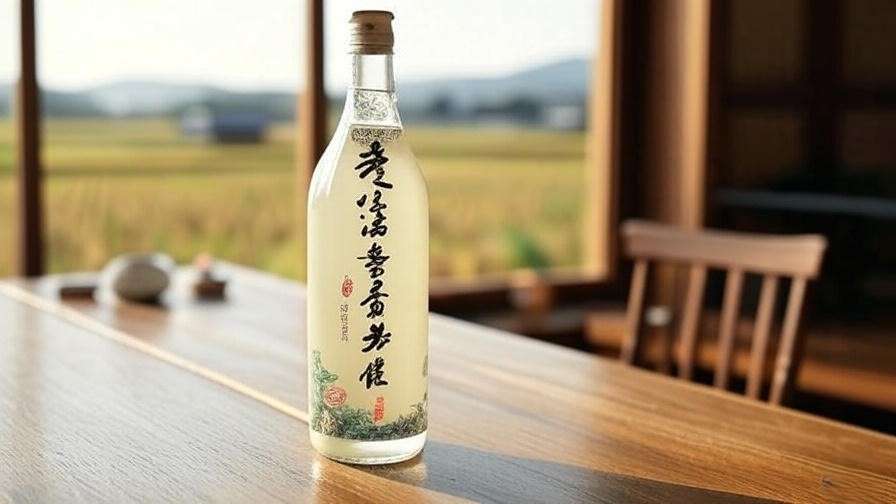
Bokbunja-ju is a traditional Korean fruit wine crafted from black raspberries, or bokbunja, native to Korea and parts of East Asia. Unlike the clear, high-proof soju or the cloudy, rice-based makgeolli, Bokbunja-ju is a sweet-tart, ruby-hued beverage with an alcohol content typically ranging from 13-16% ABV. Its vibrant color and balanced flavor make it a standout in Korean cuisine, often enjoyed as a dessert wine or celebratory drink. For those new to Korean alcohol, Bokbunja-ju offers an accessible entry point, blending fruity sweetness with cultural depth.
The Black Raspberry: Korea’s Native Superfruit
The star of Bokbunja-ju is the bokbunja berry, a small, dark fruit packed with antioxidants, vitamins, and minerals. According to studies from the Korean Rural Development Administration, black raspberries contain higher levels of anthocyanins than their red counterparts, contributing to their deep color and potential health benefits. Unlike Western raspberries, bokbunja berries have a more intense, tart flavor with subtle earthy notes, making them ideal for winemaking. In Korean cuisine, these berries appear in jams, teas, and desserts, but their transformation into wine is where they truly shine.
Why Bokbunja-ju Matters in Korean Culture
In Korea, Bokbunja-ju is more than a beverage—it’s a symbol of hospitality and celebration. “It’s a drink that brings people together,” says Dr. Min-ji Kim, a cultural historian specializing in Korean traditions. “From ancestral rites to modern weddings, Bokbunja-ju carries a sense of warmth and connection.” Historically, it was offered during jesa (ancestral memorial ceremonies) to honor loved ones, and today, it graces tables at family gatherings and festivals. Its cultural significance resonates with anyone eager to explore Korea’s traditions, whether through food, drink, or storytelling.
The History and Cultural Roots of Bokbunja-ju
Origins of Korean Raspberry Wine
The story of Bokbunja-ju stretches back centuries, with roots in Korea’s agricultural heartlands. Historical records, such as those from the Joseon Dynasty (1392–1897), mention fruit-based wines as offerings in royal courts and rural homes. Regions like Gochang and Jeju, where black raspberries thrive in fertile soil, became hubs for Bokbunja-ju production. According to local lore, farmers discovered that fermenting bokbunja berries preserved their flavor and created a delightful drink, a tradition that endures today.
Bokbunja-ju in Traditional Korean Society
In traditional Korean society, Bokbunja-ju held a special place. During jesa, families poured the wine as an offering to ancestors, symbolizing respect and gratitude. It also appeared at festive occasions, such as Lunar New Year and Chuseok, where its sweet flavor complemented savory dishes like tteokguk (rice cake soup) or bulgogi. Elderly artisans in Gochang recall stories of grandmothers brewing small batches of Bokbunja-ju for village celebrations, a testament to its deep-rooted role in community life.
Modern Revival and Global Appeal
The global rise of the Hallyu wave has brought Bokbunja-ju into the spotlight. K-dramas like Crash Landing on You feature characters sipping the wine during heartfelt scenes, sparking curiosity among international fans. Social media platforms, including posts on X, highlight travelers sharing their first taste of Bokbunja-ju at Korean festivals or restaurants. Its accessibility—available in bottles at Korean markets or online retailers—has made it a favorite for those seeking authentic Korean experiences. This revival underscores Bokbunja-ju’s ability to bridge traditional and modern Korea.
How Is Bokbunja-ju Made? The Craft Behind the Wine
 Traditional Production Methods
Crafting Bokbunja-ju is an art form rooted in simplicity and precision. The process begins with hand-harvesting ripe bokbunja berries, typically in early summer. “The berries must be perfectly ripe,” explains Hye-sook Park, a winemaker from Gochang with over 20 years of experience. “Too early, and the wine lacks sweetness; too late, and it’s overly tart.” The berries are crushed, mixed with sugar to initiate fermentation, and left to age in earthenware jars for months. This traditional method, often practiced by small-scale producers, yields a rich, authentic flavor.
Modern Innovations in Bokbunja-ju
Commercial production has introduced innovations like controlled fermentation and stainless-steel tanks, ensuring consistency and scalability. Some producers experiment with sparkling Bokbunja-ju or flavored blends, appealing to younger audiences. In regions like Jeju, sustainable farming practices—such as organic cultivation—enhance the wine’s appeal to eco-conscious consumers. These advancements have made Bokbunja-ju more accessible, with brands like Bohae and HiteJinro distributing bottles worldwide.
Comparing Artisanal vs. Commercial Bokbunja-ju
| Aspect | Artisanal Bokbunja-ju | Commercial Bokbunja-ju |
|---|---|---|
| Production | Small-batch, handcrafted, often family-run | Large-scale, factory-produced |
| Flavor | Complex, nuanced, varies by batch | Consistent, standardized |
| Price | Higher (e.g., $20–$40 per bottle) | Affordable (e.g., $10–$20 per bottle) |
| Availability | Local markets, specialty stores | Supermarkets, online retailers |
| Authenticity | Traditional methods, cultural significance | Modernized, widely accessible |
Artisanal versions offer a taste of history, while commercial options prioritize convenience. For the best experience, try both to appreciate their unique qualities.
Tasting Bokbunja-ju: What to Expect
 Flavor Profile and Sensory Experience
Bokbunja-ju delights with a sweet-tart balance, reminiscent of ripe berries with a hint of floral undertones. Its smooth finish and moderate alcohol content make it approachable for wine novices and connoisseurs alike. Serve it chilled (around 8–10°C) in a small wine glass to enhance its aroma. Swirl gently to release notes of raspberry, plum, and a subtle earthiness, then sip slowly to savor its vibrant character.
Pairing Bokbunja-ju with Food
Bokbunja-ju shines alongside Korean dishes like bulgogi (marinated beef) or japchae (stir-fried glass noodles), where its sweetness complements savory flavors. For international pairings, try it with soft cheeses, dark chocolate, or fruit-based desserts. For a creative twist, mix Bokbunja-ju into a cocktail:
Bokbunja-ju Spritzer Recipe
- Ingredients: 4 oz Bokbunja-ju, 2 oz sparkling water, ice, lemon slice
- Instructions: Fill a glass with ice, pour in Bokbunja-ju, top with sparkling water, and garnish with a lemon slice.
This refreshing drink elevates summer gatherings or K-drama watch parties.
Tips for First-Time Tasters
New to Bokbunja-ju? Follow these tips:
- Pour for Others: In Korean culture, it’s polite to pour for your companions before yourself.
- Sip, Don’t Gulp: Savor the wine’s delicate flavors slowly.
- Avoid Comparisons: Unlike Western fruit wines, Bokbunja-ju has a unique profile—embrace its distinctiveness.
- Store Properly: Keep unopened bottles in a cool, dark place; refrigerate after opening.
These practices ensure a respectful and enjoyable experience.
Bokbunja-ju in Korean Culture and Media
Bokbunja-ju in K-Dramas and Pop Culture
K-dramas often showcase Bokbunja-ju during emotional or festive scenes. In Vincenzo, characters share the wine during a family meal, highlighting its role in bonding. These portrayals resonate with fans, sparking interest in Korean culinary traditions. On X, fans post about recreating K-drama moments with Bokbunja-ju, amplifying its cultural cachet.
Festivals and Events Celebrating Bokbunja-ju
 The Gochang Bokbunja Festival, held annually in June, celebrates the region’s black raspberry harvest. Visitors can sample wines, join tastings, and explore berry farms. For travelers, book accommodations early and wear comfortable shoes for farm tours. Similar events in Jeju and Muju offer immersive experiences, blending wine tastings with cultural performances.
Bokbunja-ju as a Cultural Souvenir
Bokbunja-ju makes a perfect souvenir for Korea enthusiasts. Trusted brands like Bohae or Gochang-based artisans ensure quality. Purchase at Korean markets like H-Mart or online retailers such as Ktown4u. Prices range from $10 for commercial bottles to $40 for artisanal ones. Check labels for authenticity and avoid overly cheap imitations.
Health Benefits and Myths of Bokbunja-ju
Nutritional Value of Black Raspberries
Black raspberries, the heart of Bokbunja-ju, are a nutritional powerhouse. Research from the Korean Rural Development Administration highlights their high levels of anthocyanins, antioxidants linked to reducing inflammation and supporting heart health. A 2020 study published in the Journal of Agricultural and Food Chemistry found that black raspberries contain more phenolic compounds than red raspberries, potentially aiding in cell protection. Additionally, bokbunja berries provide vitamin C, fiber, and manganese, making them a superfruit in Korean cuisine. While the fermentation process in Bokbunja-ju reduces some nutrient density, the wine retains traces of these beneficial compounds, offering a flavorful way to enjoy their properties.
Traditional Beliefs About Bokbunja-ju
In Korean traditional medicine, Bokbunja-ju was prized for its supposed health benefits. Elders believed it promoted vitality, aided digestion, and even boosted stamina. “My grandmother swore by a small glass of Bokbunja-ju to soothe her stomach after heavy meals,” shares Hye-jin Lee, a cultural guide in Seoul. Some historical texts also suggest it was used to improve blood circulation. While these claims align with the berry’s antioxidant profile, modern science urges caution—most benefits are anecdotal and require further study. Always consult a healthcare professional before using Bokbunja-ju for medicinal purposes.
Moderation and Responsible Consumption
With an alcohol content of 13–16% ABV, Bokbunja-ju is stronger than beer but milder than soju. A standard serving (about 4–5 oz) allows you to enjoy its flavors without overindulgence. Excessive consumption can negate any potential health benefits, so drink responsibly. Pregnant individuals, those with alcohol sensitivities, or anyone on medication should avoid it. For a balanced experience, pair Bokbunja-ju with food and sip slowly to appreciate its cultural and sensory depth.
How to Incorporate Bokbunja-ju into Your Life
Cooking with Bokbunja-ju
 Bokbunja-ju’s sweet-tart profile makes it a versatile ingredient in the kitchen. It can elevate both traditional Korean dishes and fusion recipes. Here’s a simple recipe to try:
Bokbunja-ju BBQ Glaze
- Ingredients: ½ cup Bokbunja-ju, ¼ cup soy sauce, 2 tbsp honey, 1 tbsp minced garlic, 1 tsp sesame oil
- Instructions:
- Combine all ingredients in a saucepan over medium heat.
- Simmer for 10–15 minutes until thickened, stirring occasionally.
- Brush over grilled meats like bulgogi or pork ribs during the last 5 minutes of cooking.
- Serve with scallions for garnish.
This glaze adds a fruity depth to BBQ, perfect for Korean-inspired dinners or K-drama watch parties.
Hosting a Korean-Inspired Tasting Party
 Bring the charm of Korean culture to your home with a Bokbunja-ju tasting party. Here’s a checklist:
- Drinks: Offer Bokbunja-ju alongside soju and makgeolli for variety. Serve chilled in small glasses.
- Food: Pair with Korean dishes like kimchi pancakes, tteokbokki, or fruit platters.
- Ambiance: Play K-pop or traditional Korean music (e.g., pansori). Decorate with hanbok-inspired tableware or lanterns.
- Activities: Share stories about Bokbunja-ju’s history or screen a K-drama scene featuring the wine.
This setup creates an immersive experience, perfect for K-drama fans or cultural enthusiasts.
Where to Buy Bokbunja-ju
Authentic Bokbunja-ju is available at Korean grocery stores like H-Mart, Lotte Mart, or online platforms such as Ktown4u and Amazon. Prices range from $10–$20 for commercial brands like Bohae to $30–$40 for artisanal bottles from Gochang or Jeju producers. When shopping, check for labels indicating 100% bokbunja berries and avoid blends with artificial flavorings. For travelers, visit local markets in Korea or the Gochang Bokbunja Festival for direct-from-producer purchases. Always verify the seller’s reputation to ensure quality.
Why Bokbunja-ju Deserves a Spot in Your Cultural Journey
Connecting with Korean Heritage
Exploring Bokbunja-ju is a delicious way to connect with Korean heritage. Its presence in rituals, festivals, and everyday meals reflects Korea’s emphasis on community and tradition. “Tasting Bokbunja-ju during my trip to Jeju felt like stepping into a K-drama,” shares Sarah, a reader from California. Whether you’re a K-drama fan or a traveler planning a Korean adventure, sipping this wine opens a window into Korea’s soul. Its accessibility makes it an ideal starting point for anyone curious about Korean culture.
Bokbunja-ju as a Bridge to Korean Culture
For global audiences, Bokbunja-ju serves as a cultural bridge. Its appearance in K-dramas, social media, and international markets makes it relatable yet distinctly Korean. Fans on X often share photos of Bokbunja-ju bottles alongside K-drama watchlists, creating a shared experience. By incorporating it into your cooking, gifting, or travels, you’re not just enjoying a drink—you’re participating in a cultural story that spans centuries. This connection resonates deeply with those seeking authentic, meaningful experiences.
FAQs
What is the alcohol content of Bokbunja-ju?
Bokbunja-ju typically ranges from 13–16% ABV, similar to many table wines. Always check the label for specifics.
Can I make Bokbunja-ju at home?
While possible, it requires fresh bokbunja berries, which are hard to source outside Korea. Home fermentation also demands precise conditions to avoid spoilage. Consider purchasing from reputable producers instead.
Where can I buy authentic Korean raspberry wine outside Korea?
Look for trusted retailers like H-Mart, Ktown4u, or Amazon. Check reviews and labels to ensure authenticity.
Is Bokbunja-ju gluten-free or vegan?
Most Bokbunja-ju is gluten-free and vegan, as it’s made from berries and sugar. Confirm with the producer to ensure no additives are used.
How does Bokbunja-ju compare to other fruit wines?
Its sweet-tart profile sets it apart from sweeter Western fruit wines like blueberry or cherry wine. Its cultural significance adds unique appeal.
What are the best food pairings for Bokbunja-ju?
Pair with Korean dishes like bulgogi or japchae, or international options like cheese, chocolate, or fruit desserts.
Bokbunja-ju, Korea’s vibrant raspberry wine, is more than a drink—it’s a cultural treasure that captures the heart of Korean traditions. From its historical roots in ancestral rites to its modern role in K-dramas and global markets, this sweet-tart wine invites you to explore Korea’s rich heritage. Whether you’re savoring it at a festival, cooking with it, or sharing it with friends, Bokbunja-ju offers a taste of connection and celebration. As a Korean culture enthusiast who’s visited Gochang’s berry fields and interviewed local winemakers, I encourage you to try Korean Raspberry wine or Bokbunja-ju and make it part of your journey.