
Imagine a crisp autumn evening, the air tinged with the scent of falling leaves, and a steaming bowl of pumpkin porridge Korean style—known as hobakjuk—warming your hands. This creamy, subtly sweet dish is a cornerstone of Korean cuisine, offering comfort and nourishment in every spoonful. As Korean culture captivates the world through K-dramas and culinary trends, hobakjuk stands out as an accessible way to bring authentic Korean flavors into your home. In this comprehensive guide, we’ll share an authentic hobakjuk recipe, cultural insights, and expert tips to help you master this soul-warming dish. Whether you’re a K-drama fan or a foodie seeking cozy fall recipes, this article will guide you to create perfect hobakjuk while deepening your appreciation for Korean traditions.
What Is Hobakjuk? Understanding Korean Pumpkin Porridge
The Heart of Hobakjuk
Hobakjuk is a traditional Korean porridge made from pumpkin or squash, blended into a velvety, golden dish with a naturally sweet flavor. The term “hobak” means pumpkin in Korean, and “juk” refers to porridge, a staple comfort food in Korean households. Unlike Western pumpkin soups, hobakjuk combines pumpkin with sweet rice flour to achieve a smooth, creamy consistency that’s both satisfying and light. Often served warm, it’s a versatile dish enjoyed as a meal, snack, or even dessert, depending on the preparation.
Cultural Significance
In Korean culture, hobakjuk is more than just food—it’s a symbol of warmth, care, and family. Historically, it was served to nourish the sick or elderly due to its easy digestibility and nutrient density. You might recognize it from K-dramas, where characters share bowls of hobakjuk during heartfelt family moments or recovery scenes, reinforcing its emotional resonance. It’s also a popular dish during fall, aligning with Korea’s harvest season and festivals like Chuseok, the Korean Thanksgiving. This connection to tradition makes hobakjuk a beloved way to celebrate Korean heritage.
Nutritional Benefits
Pumpkin, the star of hobakjuk, is a nutritional powerhouse. Rich in vitamins A and C, fiber, and antioxidants, it supports immune health, digestion, and glowing skin. The addition of sweet rice flour provides sustained energy, making hobakjuk a wholesome choice for breakfast or a light meal. In Korean tradition, it’s often recommended for those recovering from illness, as its gentle texture soothes the stomach. By incorporating hobakjuk into your diet, you’re not only enjoying a delicious dish but also reaping its health benefits.
Ingredients for Authentic Hobakjuk
Choosing the Right Pumpkin
 The ideal pumpkin for hobakjuk is the Korean danhobak, a small, round squash with vibrant orange flesh and a sweet, nutty flavor. If danhobak isn’t available, kabocha squash is an excellent substitute due to its similar texture and sweetness. Butternut squash works too, though it’s slightly less sweet. When selecting a pumpkin, look for one that feels heavy for its size, with smooth, unblemished skin. A ripe pumpkin will yield a richer flavor and creamier texture, elevating your hobakjuk.
Essential Ingredients
To make authentic hobakjuk for 4–6 servings, you’ll need:
- 1 small danhobak or kabocha squash (about 2–3 lbs), peeled, seeded, and cubed
- ½ cup sweet rice flour (glutinous rice flour, or chapssal garu)
- 4–5 cups water (adjust for desired thickness)
- 2–3 tablespoons sugar or honey (to taste)
- ¼ teaspoon salt
- Optional: ½ cup cooked red beans, chestnuts, or jujubes for traditional variations
These ingredients create the classic version of hobakjuk, balancing sweetness and creaminess with a hint of savory depth.
Sourcing Authentic Ingredients
Finding Korean-specific ingredients like danhobak or sweet rice flour is easier than you might think. Check local Asian markets, Korean grocery stores, or online retailers like H Mart or Amazon. If sweet rice flour is unavailable, regular rice flour can work, though it may result in a slightly less sticky texture. For those without access to specialty stores, butternut squash and standard pantry staples like sugar and salt make hobakjuk accessible to everyone. Always prioritize fresh, high-quality ingredients for the best results.
Expert Tip: According to Chef Min-jung Kim, a Seoul-based culinary instructor, “The secret to authentic hobakjuk lies in the pumpkin’s freshness and the quality of sweet rice flour. Opt for organic pumpkins and check that your rice flour is finely milled for a silky texture.”
Step-by-Step Recipe for Perfect Hobakjuk
Preparation (Prep Time: 20 minutes)

- Prep the Pumpkin: Rinse the pumpkin under cold water. Using a sharp knife, carefully peel the skin, remove the seeds, and cut the flesh into 1-inch cubes. This ensures even cooking and easier blending.
- Steam or Boil: Place the pumpkin cubes in a steamer or pot with 1–2 cups of water. Steam for 15–20 minutes (or boil for 10–12 minutes) until fork-tender. Set aside to cool slightly.
Cooking the Porridge (Cook Time: 30 minutes)
- Blend the Pumpkin: Transfer the cooked pumpkin to a blender or food processor with 1 cup of water. Blend until smooth, adding more water if needed to achieve a creamy puree.
- Prepare the Rice Flour Mixture: In a small bowl, whisk the sweet rice flour with 1 cup of cold water until no lumps remain. This slurry thickens the porridge and gives it its signature texture.
- Cook the Porridge Base: In a large pot, bring 3 cups of water to a gentle boil. Slowly pour in the rice flour slurry, stirring constantly to prevent clumping. Reduce heat to medium-low and cook for 5–7 minutes, stirring occasionally, until the mixture thickens.
- Combine and Simmer: Add the pumpkin puree to the pot, stirring to combine. Simmer for 10–15 minutes, allowing the flavors to meld. Adjust the consistency with additional water if desired.
Sweetening and Seasoning
Taste the porridge and add 2–3 tablespoons of sugar or honey, depending on your preference for sweetness. A pinch of salt (about ¼ teaspoon) enhances the natural flavors without making the dish savory. Stir well and cook for an additional 2–3 minutes to incorporate the seasonings. For a richer flavor, some Korean cooks add a splash of milk or cream, though this is optional.
Optional Toppings and Variations

Elevate your hobakjuk with traditional toppings like:
- Pine nuts or sesame seeds: For a nutty crunch.
- Rice cake balls (gyungdan): Small, chewy mochi-like balls made from glutinous rice flour.
- Red beans or chestnuts: For a heartier, traditional version.
For a modern twist, try a vegan version by using maple syrup instead of honey, or a gluten-free version by ensuring your rice flour is certified gluten-free. You can also experiment with spices like cinnamon or nutmeg for a fusion flair, though this deviates from the traditional recipe.
Visual Element: Imagine a vibrant photo of a steaming bowl of hobakjuk, garnished with pine nuts and rice cake balls, set against a cozy fall tablescape. A step-by-step video tutorial could further guide readers through the process, boosting engagement.
Tips for Mastering Hobakjuk Like a Korean Home Cook
Common Mistakes to Avoid
- Overcooking the Pumpkin: Overcooking can make the pumpkin watery, diluting the porridge’s flavor. Steam or boil just until tender.
- Lumpy Rice Flour: Always whisk the rice flour with cold water before adding it to the pot to prevent clumps.
- Incorrect Consistency: If the porridge is too thick, add water gradually; if too thin, simmer longer to reduce.
To fix a lumpy porridge, use an immersion blender to smooth it out. If it’s overly thick, stir in small amounts of warm water until you reach the desired texture.
Tools and Techniques
- Immersion Blender: Ideal for blending the pumpkin directly in the pot, saving time and dishes.
- Steamer: Ensures even cooking without waterlogging the pumpkin.
- Whisk: Essential for a lump-free rice flour slurry.
Korean cooks often emphasize patience when stirring the porridge to achieve a silky texture. Take your time to ensure the rice flour cooks evenly.
Storage and Reheating
Store leftover hobakjuk in an airtight container in the refrigerator for up to 3 days. To freeze, portion it into freezer-safe containers for up to 1 month. When reheating, add a splash of water or milk to restore the creamy consistency, and warm gently on the stovetop or in the microwave. Leftover hobakjuk can also be repurposed into pancakes or blended into smoothies for a creative twist.
The Cultural Context: Hobakjuk in Korean Life
Hobakjuk in K-Dramas and Pop Culture
Hobakjuk often appears in K-dramas as a symbol of care and comfort. In shows like Hospital Playlist, characters share bowls of hobakjuk during moments of recovery or bonding, highlighting its emotional significance. This visibility has sparked global interest, with fans eager to recreate the dishes they see on screen. By cooking hobakjuk, you’re not just making a meal—you’re connecting with the heart of Korean storytelling.
Seasonal and Festive Connections
 Hobakjuk shines during Korea’s fall season, particularly around Chuseok, when families gather to honor ancestors and celebrate the harvest. Pumpkins ripen at this time, making hobakjuk a natural choice for festive meals. Its golden hue and warm texture evoke the coziness of autumn, resonating with both Korean locals and global food enthusiasts.
Expert Insight: Dr. Hye-jin Park, a Korean cultural historian, notes, “Hobakjuk is a dish of memory. For many Koreans, it recalls childhood winters, when grandmothers would prepare it to warm both body and soul. Its simplicity is its strength, carrying centuries of tradition in every bite.”
Pairing Hobakjuk with Other Korean Dishes
Complementary Side Dishes (Banchan)
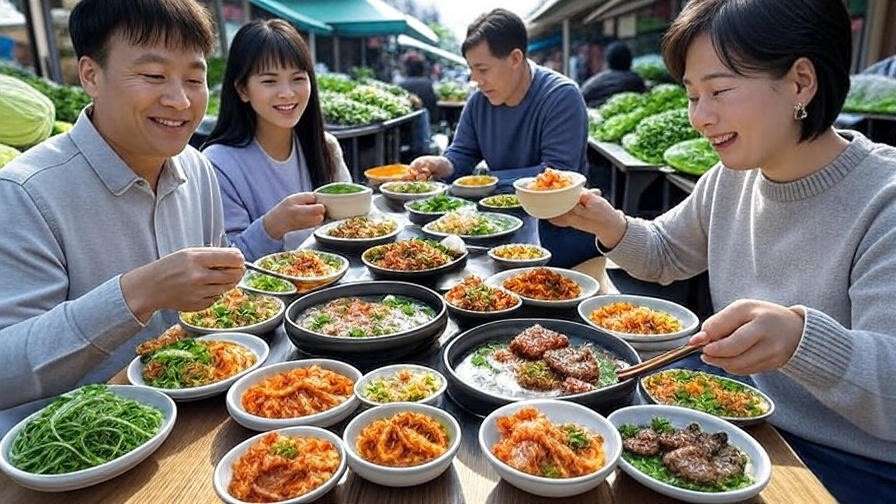
Hobakjuk’s subtle sweetness pairs beautifully with savory banchan. Try:
- Kimchi: Its spicy tang balances the porridge’s richness.
- Seasoned Spinach (Sigeumchi Namul): A light, earthy side dish.
- Pickled Radish (Danmuji): Adds a refreshing crunch.
These sides create a balanced meal, enhancing the hobakjuk experience without overwhelming its delicate flavor.
Drinks and Desserts
Pair hobakjuk with Korean barley tea (boricha) for a nutty, caffeine-free complement. For dessert, serve yakgwa (honey cookies) or sikhye (sweet rice drink) to maintain the traditional vibe. These pairings create a cohesive Korean dining experience that’s perfect for a cozy night in.
Creating a Cozy Korean Meal Experience
Set the mood with Korean-inspired tableware, such as ceramic bowls and wooden spoons, to evoke authenticity. Present the hobakjuk in small, deep bowls to retain heat, and garnish with pine nuts for a touch of elegance. Dim lighting and soft music inspired by K-drama soundtracks can enhance the ambiance, making your meal feel like a cultural journey.
Frequently Asked Questions (FAQs)
- What type of pumpkin is best for hobakjuk?
Korean danhobak or kabocha squash is ideal for its sweet, dense flesh. Butternut squash is a great substitute if needed. - Can I make hobakjuk vegan or gluten-free?
Yes, use maple syrup or agave instead of honey for a vegan version, and ensure your rice flour is gluten-free. - How do I store and reheat hobakjuk?
Refrigerate for up to 3 days in an airtight container. Reheat with a splash of water on low heat to restore creaminess. - Is hobakjuk served hot or cold?
It’s traditionally served warm, but chilled hobakjuk is a refreshing summer variation. - Can I make hobakjuk without a blender?
Yes, mash the pumpkin thoroughly with a fork or potato masher, though a blender ensures a smoother texture.
Why Hobakjuk Is Perfect for Fall
Seasonal Appeal
Hobakjuk’s warm, golden hue and creamy texture make it a natural fit for fall, rivaling Western favorites like pumpkin spice lattes or pies. Its comforting warmth is perfect for chilly evenings, offering a healthier alternative to sugary autumn treats. By embracing hobakjuk, you’re tapping into a global love for pumpkin while exploring Korean culinary traditions.
Bringing Korean Culture Home
Cooking hobakjuk is a meaningful way to connect with Korean culture, especially for K-drama fans or those curious about global cuisines. It’s an accessible dish that requires minimal ingredients and equipment, making it ideal for home cooks. Serve it at your next fall gathering or Thanksgiving to introduce friends and family to Korean flavors, fostering cultural appreciation through food.
Hobakjuk is more than a dish—it’s a taste of Korean comfort, tradition, and warmth. With this authentic recipe, step-by-step instructions, and cultural insights, you’re equipped to create a perfect bowl of pumpkin porridge Korean style. Whether you’re drawn to its K-drama charm or its cozy fall appeal, hobakjuk offers a delicious way to explore Korean culture. Try this recipe, share your results in the comments, and dive into more Korean recipes on our site to continue your culinary journey.