
There’s a moment every visitor to Korea eventually experiences: biting into a peach so juicy that it runs down your wrist before you can grab a napkin. You wipe your chin, laugh a little, and think — why does this taste so much better than any peach I’ve had back home? That question isn’t just tourist enthusiasm. Korean peaches have earned a genuine reputation, both inside the country and among the growing number of international shoppers who seek them out at Asian grocery stores abroad, for a sweetness and texture that’s noticeably different from the average supermarket peach. Locals are fiercely particular about them, debating varieties, textures, and the “right” way to eat one with the kind of passion usually reserved for kimchi recipes.
So what’s actually behind the hype? Is it just clever marketing, or is there real science and tradition driving the flavor? In this guide, we’ll dig into the climate conditions that make Korean peaches exceptionally sweet, the different varieties you’ll encounter, when and where to find the best ones, and how to store and eat them the way Koreans do. By the end, you’ll understand not just that Korean peaches are special, but precisely why — and how to pick a perfect one yourself.
A Brief History — Why Peaches Hold a Special Place in Korean Culture

Long before peaches became a summer market favorite, they held deep symbolic meaning in Korean tradition. Understanding this cultural backdrop helps explain why peaches aren’t just “another fruit” in Korea — they carry weight.
The Peach as a Symbol of Longevity, Luck, and Happiness
In traditional Korean art, folklore, and Confucian-influenced symbolism (much of it shared across East Asia), the peach has long represented longevity, immortality, and good fortune. You’ll spot peach motifs on traditional ceramics, folk paintings (minhwa), and embroidery — often alongside cranes, pine trees, and other symbols of long life. Peaches were considered an auspicious gift, the kind of fruit you’d bring to an elder’s birthday celebration to wish them health and many more years.
This symbolism isn’t just historical trivia. It directly explains a custom that persists today: peaches as a premium, beautifully boxed gift item, which we’ll return to later in this guide.
From Folk Symbol to Modern Cash Crop
Over the past several decades, peach cultivation evolved from small-scale orchards into a serious regional agricultural industry. Certain areas of the country — particularly in Chungcheong Province — built reputations specifically around peach farming, developing specialized growing techniques, grading systems, and export relationships that didn’t exist a generation ago. The cultural reverence for the fruit and the modern commercial industry around it reinforce each other: peaches are taken seriously precisely because they’ve always mattered.
What Makes Korean Peaches Taste Different
This is the question most people actually want answered, so let’s get into the agricultural reality behind the flavor.
Korea’s Climate Advantage

Roughly 70% of South Korea’s land is mountainous terrain, and the country experiences four sharply distinct seasons, including a hot, humid monsoon summer followed by a drier, intensely sunny stretch heading into autumn. This combination matters more than most people realize.
Fruit trees — peaches included — develop sugar through photosynthesis during the day and consume some of that sugar through respiration at night. When the gap between daytime heat and nighttime cool is large, trees burn through less sugar overnight, leaving more of it concentrated in the fruit. Korea’s mountainous microclimates, especially in peach-growing regions, produce exactly this kind of wide day-to-night temperature swing. That’s a core reason why Korean peaches often taste noticeably sweeter and more aromatic than peaches grown in flatter, more temperature-stable regions.
Sweetness by the Numbers (Brix Levels Explained)
If you’ve spent any time around Korean produce marketing, you’ve probably seen the term “brix” attached to peaches, melons, and grapes. Brix is simply a measurement of sugar content in a liquid — in this case, fruit juice. The higher the brix number, the sweeter the fruit.
Many Korean peaches are marketed in the 13–15+ brix range, which is considered quite high for the fruit. For comparison, an average commercially grown peach elsewhere might sit several points lower. This isn’t just a marketing number; it’s a genuinely useful way to understand why a Korean peach can taste so much more intensely sweet than what you might be used to — there’s simply more sugar packed into the same bite.
Hand-Harvesting and Quality Control
Because peaches bruise easily and ripen quickly, large-scale mechanical harvesting isn’t practical if quality is the priority. Korean peach farms are largely hand-harvested, with workers picking fruit individually at the right stage of ripeness rather than stripping branches all at once. This labor-intensive approach, combined with strict sorting and grading standards before peaches reach the market, helps explain both the consistently high quality and the price tag — Korean peaches are rarely the cheapest fruit on the shelf, but the consistency is part of what you’re paying for.
The Main Types of Korean Peaches (and How to Tell Them Apart)

One of the most common points of confusion for newcomers is realizing that “Korean peach” isn’t a single thing — it’s a category with several genuinely different varieties, each with its own texture and flavor profile.
Baekdo (백도) — White Peach
Baekdo, meaning “white peach,” is the most popular eating variety in Korea. It has pale, almost blush-white skin and white flesh that’s notably low in acidity and high in sugar. This is the classic “drips down your chin” peach — soft, fragrant, and intensely sweet. If you ask most Koreans to picture a peach, they’re picturing baekdo.
Hwangdo (황도) — Yellow Peach
Hwangdo, or yellow peach, has yellow skin and flesh with a firmer texture and a tangier, more complex flavor than baekdo. It tends to arrive slightly later in the season, often peaking when the autumn day-night temperature gap is at its widest — which, as covered above, intensifies sweetness even further. Hwangdo is also the variety most commonly used in canned peach products, since its firmer flesh holds up better to processing.
Cheondo (천도) — Korean Nectarine
Cheondo, often translated as “heavenly peach,” is Korea’s nectarine — smooth-skinned rather than fuzzy, generally smaller, and noticeably more tart than either baekdo or hwangdo. It’s a popular choice for a refreshing snack on a hot day precisely because of that brighter, slightly sour edge. Interestingly, in everyday conversation, Koreans typically use the word “peach” (복숭아, boksunga) to mean the fuzzy varieties by default — when they specifically mean nectarine, they say the full name.
Ddakbok vs. Mulbok — The Great Texture Debate
Here’s something that surprises a lot of newcomers: within the white peach category specifically, there’s a genuine, good-natured rivalry between fans of “ddakbok” (딱복) — firm, crisp-textured peaches — and “mulbok” (물복) — soft, almost melting peaches. It’s the kind of debate Koreans enjoy taking sides on, similar to other food rivalries around the country. Yellow peaches, by contrast, are universally on the softer side, so this particular debate is really a white-peach phenomenon. If you’re trying peaches for the first time, it’s worth sampling both styles to figure out which camp you fall into.
Korean Peach Season — When and Where to Find the Best Ones
Knowing the calendar matters because Korean peaches are genuinely seasonal — and the difference between in-season and out-of-season fruit here is dramatic, not subtle.
The Peach Calendar: June Through October
Peach season in Korea generally runs from June through October, though the experience shifts noticeably as the months go on. Early summer brings the first white peaches (baekdo), which dominate the market through July and August — this is peak baekdo season, when the fruit is at its juiciest and most fragrant. As the weather transitions into early autumn, yellow peaches (hwangdo) take over, typically peaking from September into October. Because the day-night temperature gap widens as autumn approaches, many people find hwangdo from this later window to be especially rich and flavorful, even more so than the summer white peaches.
If you’re planning a trip to Korea specifically to experience the fruit at its best, late summer into early autumn is the sweet spot — pun very much intended.
Korea’s Peach-Growing Regions
While peaches are grown in various parts of the country, certain regions have built especially strong reputations for quality. Chungju and Janghowon, both in the Chungcheong region, are particularly well known for producing exceptionally juicy, sweet white peaches. These areas benefit from the same mountainous, temperature-swing climate advantage discussed earlier, and decades of specialized cultivation experience have allowed local farmers to refine their techniques specifically around peach quality. If you ever see peaches labeled by region at a Korean market, that regional name is doing real work — it’s a quality signal, not just geography trivia.
Where to Buy Them — Markets, Fruit Trucks, and Supermarkets

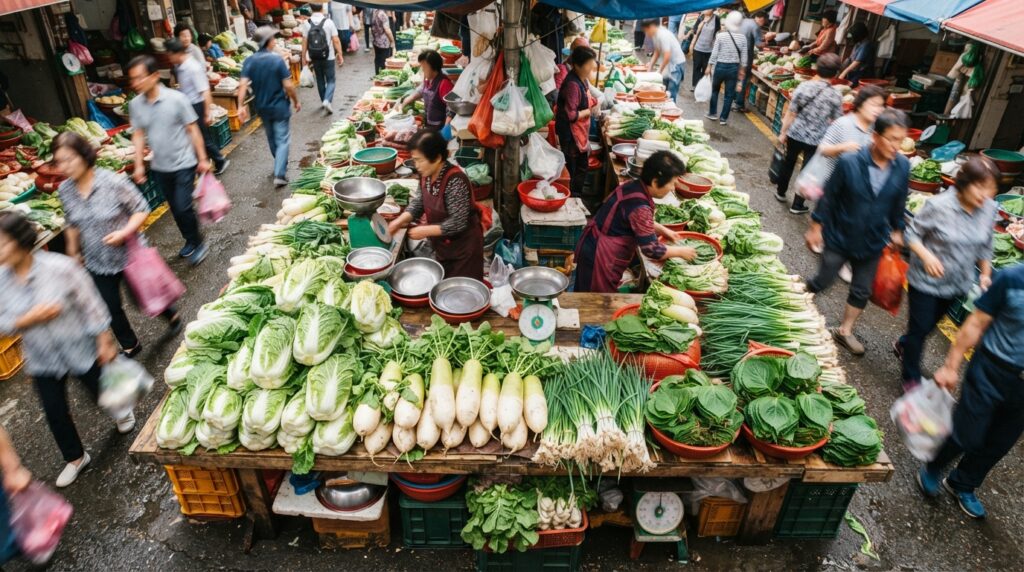
Part of the charm of buying peaches in Korea is how unglamorous and accessible the process is. Alongside supermarkets, you’ll often find seasonal fruit sold from small trucks parked in residential neighborhoods or near apartment complexes — sometimes at irregular times and locations, sometimes on a predictable schedule depending on the neighborhood. Corner convenience stores frequently stock surprisingly high-quality peaches during peak season as well.
Pricing depends heavily on size, grade, and how many peaches come in a box, but it’s common to see peaches sold both individually and in boxed sets, with boxed peaches often positioned as a slightly more premium option — which ties back into the gifting culture we’ll cover shortly.
How to Choose, Store, and Eat Korean Peaches Like a Local
Buying a beautiful peach is only half the job. Here’s how to make sure you actually get to enjoy it at its best.
How to Pick a Ripe Peach

A ripe peach should give slightly to gentle pressure — not mushy, but not rock-hard either. Firmness preferences vary depending on whether you lean ddakbok or mulbok, but as a general rule, avoid peaches that feel hard as an apple (underripe) or that bruise instantly under light touch (overripe or damaged). Aroma is also a strong indicator: a ripe peach should smell noticeably fragrant and sweet even before you cut into it. If it has little to no scent, it likely needs more time to ripen.
Storage Tips for Maximum Sweetness
This is a detail that trips up a lot of people: keeping peaches too cold for too long can actually dull their sweetness and flavor. The ideal approach is to store peaches at room temperature, in a cool, shaded, well-ventilated spot, for a day or two after purchase if they need to soften slightly. Once they’ve reached your preferred ripeness, you can chill them briefly in the refrigerator right before eating — many Koreans specifically enjoy peaches cold, but only after the fruit has had time to develop its full flavor at room temperature first. Refrigerating peaches immediately and keeping them cold for days is the most common mistake that results in a less flavorful bite.
A Quick Safety Note
One practical detail worth knowing: the fine fuzz on peach skin can cause mild itching or irritation for some people, particularly those with sensitive skin, and in rarer cases can trigger an allergic reaction. If you notice any sensitivity, it’s worth washing your hands after handling peaches, or simply eating them peeled. If you have a known peach allergy, it’s best to avoid them entirely or consult your own judgment around peeled fruit. This is a minor consideration for most people, but worth knowing before you dive in enthusiastically.
Beyond Snacking — Korean Peaches in Food and Gift Culture
Korean peaches extend well beyond an afternoon snack — they’re woven into both everyday food culture and more formal social customs.
Peaches as a Premium Gift

Remember the symbolism of longevity and good fortune mentioned earlier? That tradition is alive and well in how peaches are sold and gifted today. Beautifully packaged boxes of peaches — carefully selected, uniformly sized, and presented almost like jewelry — are a popular gift for visiting someone’s home, celebrating a holiday, or showing respect to an elder or business contact. The nicer the box, the more it signals thoughtfulness and quality, which is part of why premium-grade peaches at higher brix levels often carry a noticeably higher price tag specifically for gifting purposes.
Peaches in Korean Drinks and Desserts
Beyond fresh eating, peaches show up across Korean food and beverage culture in more casual forms — peach-flavored teas are widely available and popular, especially in warmer months, and peach can appear as a topping or flavor base in bingsu (Korean shaved ice desserts). Canned yellow peaches, thanks to hwangdo’s firmer texture, are also a common pantry item, used in everything from simple snacking to desserts and even savory-sweet dishes in some households. While fresh peach season is brief, the fruit’s presence in Korean food culture extends well beyond those few months.
Frequently Asked Questions
What is the difference between white and yellow Korean peaches?
White peaches (baekdo) have white flesh, lower acidity, and a softer, sweeter profile, typically peaking in summer. Yellow peaches (hwangdo) have firmer, yellow flesh with a tangier flavor and tend to peak slightly later, in early autumn.
When is peach season in South Korea?
Korean peach season generally runs from June through October, with white peaches dominating the summer months and yellow peaches peaking in September and October.
Why are Korean peaches so sweet?
Korea’s mountainous terrain creates large temperature swings between day and night, which helps peach trees retain more sugar in the fruit. Combined with hand-harvesting and strict quality grading, this results in peaches with notably high brix (sugar) levels.
Are Korean peaches different from regular peaches?
While they’re the same species (Prunus persica) as peaches grown elsewhere, Korean peaches are often distinguished by their climate-driven sweetness, careful hand-harvesting practices, and the variety of distinct types — including baekdo, hwangdo, and cheondo — that aren’t always found together in other markets.
Can you eat Korean peach skin?
Yes, peach skin is edible. Some people prefer to peel it due to the fuzzy texture or mild skin sensitivity, but it’s not necessary for food safety reasons.
Where can I buy authentic Korean peaches outside Korea?
Korean peach varieties are sometimes available at Korean and broader Asian grocery stores in cities with significant Korean communities, particularly during peak export season. Availability and variety will vary by location and time of year.
That first juicy, chin-dripping bite isn’t an accident — it’s the result of Korea’s unique mountain climate, generations of cultivation expertise, and a cultural reverence for the fruit that goes back centuries. Now that you know the difference between baekdo and hwangdo, why brix levels matter, and how to store your peaches without dulling their flavor, you’re equipped to choose and enjoy Korean peaches like someone who’s been eating them their whole life — not just someone trying them for the first time.
If you enjoyed learning about Korea’s seasonal produce, you might also like our guide to Jeju’s famous Hallabong oranges, another fruit with its own fascinating story behind the flavor.