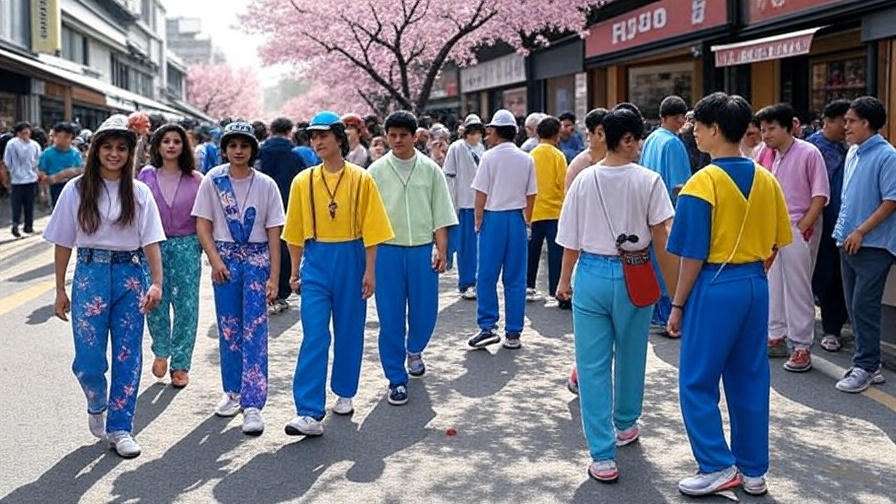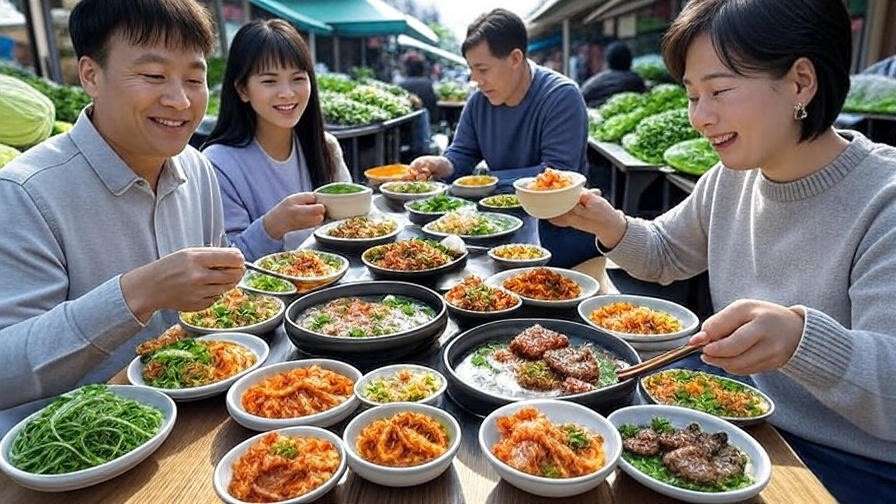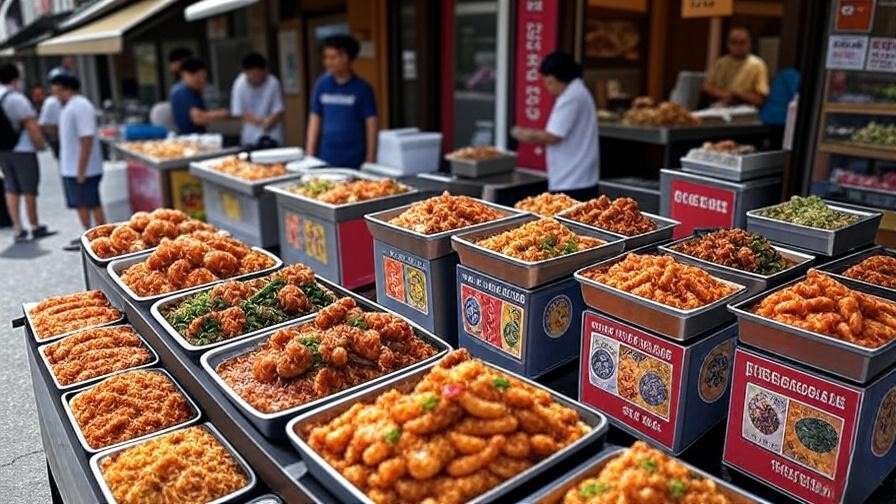

Picture yourself wandering Seoul’s vibrant streets, the neon lights of Myeongdong glowing as you crave the spicy tteokbokki or steaming ramyeon from your favorite K-drama. The challenge? Finding the best grocery stores in Seoul to source authentic Korean ingredients that bring those iconic dishes to life. Whether you’re a traveler, expat, or K-drama enthusiast, navigating Seoul’s bustling markets and modern supermarkets can feel overwhelming. This guide unveils the top 10 must-visit grocery stores in Seoul, from traditional markets to premium food halls, ensuring you find the freshest ingredients and K-drama-inspired snacks. With insider tips and cultural insights, you’ll shop like a local and recreate the flavors of Crash Landing on You or Itaewon Class at home.
As a Korean culture enthusiast who’s explored Seoul’s culinary scene firsthand, I’ve curated this list based on extensive research and personal visits to these stores. Expect practical advice, must-buy items, and connections to the K-dramas that have made Korean cuisine a global sensation.
Why Shop for Korean Ingredients in Seoul?
The Heart of Korean Culture in Food
Food is the heartbeat of Korean culture, a truth vividly portrayed in K-dramas. From the communal hotpot scenes in Hospital Playlist to the late-night ramyeon in Goblin, Korean dishes tell stories of tradition, family, and comfort. Shopping for ingredients in Seoul connects you directly to this heritage. Local stores offer authentic staples like gochujang (red chili paste), doenjang (fermented soybean paste), and kimchi, crafted with recipes passed down through generations. These ingredients are the soul of dishes that define Korean cuisine, making your shopping trip a cultural immersion.
K-Drama’s Influence on Food Trends
K-dramas have turned Korean snacks and dishes into global obsessions. Who hasn’t craved Choco Pies after watching Vincenzo or fried chicken inspired by My Love from the Star? The ramyeon craze, sparked by scenes in What’s Wrong with Secretary Kim, has fans worldwide seeking authentic Shin Ramyun or Chapaghetti. Seoul’s grocery stores are treasure troves for these iconic snacks and ingredients, letting you recreate K-drama moments in your kitchen. This guide highlights stores stocking the exact products you’ve seen on screen, bridging the gap between fiction and reality.
Benefits of Shopping Locally in Seoul
Shopping in Seoul offers unparalleled access to fresh, high-quality ingredients often unavailable abroad. Local markets source produce directly from Korean farms, ensuring peak freshness. Supermarkets like Lotte Mart and E-Mart carry exclusive brands you won’t find in international chains. Plus, exploring these stores immerses you in Seoul’s vibrant culture—think bustling vendors at Gwangjang Market or sleek aisles at The Hyundai Seoul. Whether you’re a tourist or expat, these stores cater to diverse needs, from budget-friendly bulk buys to premium artisanal goods.
What to Look for in Seoul’s Grocery Stores
Authenticity and Quality
When shopping for Korean ingredients, authenticity is key. Look for stores offering locally sourced products, like gochujang made in Sunchang or kimchi fermented in traditional onggi pots. Check labels for Korean certifications, such as the “Traditional Food Quality Certification” mark, to ensure quality. Traditional markets like Namdaemun excel at handmade staples, while supermarkets like Shinsegae Food Market prioritize premium, organic options. Knowing what to look for ensures you bring home the true flavors of Korea.
Variety for K-Drama Inspired Recipes
The best grocery stores in Seoul stock a wide range of ingredients for K-drama recipes. Want to make spicy tteokbokki like in Itaewon Class? You’ll need cylindrical rice cakes (tteok) and gochujang. Craving ramyeon from Goblin? Look for multi-packs of Shin Ramyun or Jin Ramen. Stores like Lotte Mart and H-Mart offer diverse selections, from instant noodles to banchan (side dishes) like seasoned seaweed or pickled radish. This variety lets you experiment with recipes that capture K-drama magic.
Accessibility for Visitors
Seoul’s grocery stores cater to international visitors with English signage, multilingual staff, and tourist-friendly locations. Chains like E-Mart and Homeplus have branches in areas like Myeongdong and Gangnam, making them easy to reach. Traditional markets like Tongin offer unique experiences but may require translation apps like Papago for navigation. Many stores, especially hypermarkets, stay open late, aligning with Seoul’s lively nightlife and making them convenient for travelers with packed itineraries.
Top 10 Grocery Stores in Seoul
1. Lotte Mart (Seoul Station Branch)
Overview: Located near Seoul Station, Lotte Mart is a one-stop hypermarket for Korean groceries. Its sprawling aisles are packed with everything from fresh produce to K-drama snacks, making it ideal for tourists and locals alike.
Must-Buy:
- Lotte Choco Pies: A K-drama staple seen in Vincenzo.
- Instant ramyeon varieties (Shin Ramyun, Neoguri).
- Korean seaweed for banchan or gimbap.
K-Drama Connection: Lotte Mart’s convenience mirrors scenes in Vincenzo, where characters grab quick snacks for late-night stakeouts. Its food court also serves K-drama-inspired dishes like kimbap and japchae.
Tips: Use the English-language self-checkout for ease. Visit the food court for a quick taste of Korean street food before shopping. Open daily from 10 AM to midnight.
2. Gwangjang Market
 Overview: One of Seoul’s oldest traditional markets, Gwangjang is a sensory delight with stalls selling fresh ingredients and street food. It’s perfect for sourcing authentic Korean staples.
Must-Buy:
- Fresh gochujang and doenjang from local vendors.
- Tteok for homemade tteokbokki.
- Handmade banchan like kimchi and pickled vegetables.
K-Drama Connection: Featured in Netflix’s Street Food, Gwangjang captures the soul of Seoul’s culinary scene, much like markets in Itaewon Class.
Tips: Bargain politely with vendors and visit early (before 10 AM) to avoid crowds. Bring cash, as many stalls don’t accept cards. Open daily, 9 AM to 6 PM.
3. E-Mart (Myeongdong Branch)
Overview: E-Mart is a budget-friendly chain with a massive selection of Korean snacks and household goods. Its Myeongdong location is perfect for tourists exploring central Seoul.
Must-Buy:
- Shin Ramyun multi-packs for K-drama ramyeon nights.
- Korean rice cakes for sweet or savory dishes.
- Ginseng products for health-conscious shoppers.
K-Drama Connection: E-Mart’s everyday vibe appears in What’s Wrong with Secretary Kim, where characters grab quick snacks for office life.
Tips: Look for seasonal discounts and English shopping guides near the entrance. Open daily, 10 AM to 10 PM.
4. The Hyundai Seoul Food Hall
 Overview: Located in Yeouido, The Hyundai Seoul’s food hall is an upscale market offering premium Korean ingredients in a sleek, modern setting.
Must-Buy:
- Artisanal kimchi from small-batch producers.
- Organic rice and grains for bibimbap.
- Premium hanwoo beef for Korean BBQ.
K-Drama Connection: Its luxurious aesthetic aligns with the high-society settings of Penthouse, making it a favorite for gourmet shoppers.
Tips: Explore the gourmet section for unique gift items like packaged teas. Budget shoppers can focus on smaller specialty products. Open daily, 10:30 AM to 8 PM.
5. Tongin Market
Overview: A hidden gem in Seochon, Tongin Market offers traditional ingredients and a unique “lunchbox café” experience where you can sample dishes with market tokens.
Must-Buy:
- Homemade doenjang for stews.
- Dried herbs and spices for seasoning.
- Local honey for Korean desserts.
K-Drama Connection: Its cozy, community feel echoes markets in Hospital Playlist, where characters bond over food.
Tips: Bring cash for smaller vendors and try the dosirak (lunchbox) system for a fun dining experience. Open Tuesday to Sunday, 9 AM to 6 PM.
6. Homeplus (Gangnam Branch)
Overview: Homeplus in Gangnam is a hypermarket catering to both locals and expats, offering a wide range of Korean and international products. Its convenient location and extensive selection make it a go-to for K-drama-inspired shopping.
Must-Buy:
- Korean BBQ marinades for bulgogi or galbi.
- Instant coffee mixes, a staple in Reply 1988 office scenes.
- Seaweed snacks for quick K-drama binge treats.
K-Drama Connection: Homeplus reflects the everyday shopping vibe of Reply 1988, where families stock up on household essentials and snacks.
Tips: Check for loyalty card discounts to save on bulk purchases. Homeplus offers online delivery, ideal for expats furnishing apartments. Open daily, 10 AM to 11 PM.
7. Namdaemun Market
Overview: A historic open-air market near Seoul’s city center, Namdaemun is a bustling hub for affordable bulk ingredients and street food stalls, perfect for budget-conscious shoppers.
Must-Buy:
- Dried seafood (anchovies, seaweed) for broths and banchan.
- Korean chili flakes (gochugaru) for kimchi and stews.
- Traditional rice cakes for sweet or savory recipes.
K-Drama Connection: Namdaemun’s lively energy mirrors markets in Itaewon Class, where characters navigate crowded stalls for fresh ingredients.
Tips: Wear comfortable shoes for navigating the sprawling market. Bring reusable bags and cash, as many vendors don’t accept cards. Open daily, 7 AM to 6 PM (some stalls open later).
8. H-Mart (Gangnam Branch)
Overview: A Korean-American chain with a strong Seoul presence, H-Mart in Gangnam is a favorite among expats for its familiar layout and diverse Korean products.
Must-Buy:
- Pre-packaged banchan like seasoned spinach or lotus root.
- Korean sauces (ssamjang, gochujang) for dipping and cooking.
- Instant noodle varieties featured in Start-Up.
K-Drama Connection: H-Mart’s modern convenience aligns with the tech-savvy vibe of Start-Up, where characters grab quick meals between meetings.
Tips: Look for imported Korean snacks popular in K-dramas, like Orion Turtle Chips. English-speaking staff make shopping easy for visitors. Open daily, 9 AM to 10 PM.
9. Mangwon Market
 Overview: A local favorite in the trendy Mangwon-dong neighborhood, this market offers fresh produce and affordable Korean staples in a community-focused setting.
Must-Buy:
- Seasonal vegetables for bibimbap or stews.
- Fermented sauces like doenjang and ganjang (soy sauce).
- Homemade tofu for sundubu jjigae (soft tofu stew).
K-Drama Connection: Mangwon’s warm, neighborhood vibe echoes the coastal markets in Hometown Cha-Cha-Cha, where community ties shine through food.
Tips: Visit on weekends for the liveliest atmosphere and freshest produce. Use a translation app for smaller stalls with limited English. Open daily, 8 AM to 7 PM.
10. Shinsegae Food Market (Gangnam)
Overview: Located in the upscale Shinsegae Department Store in Gangnam, this gourmet food market offers premium Korean ingredients for discerning shoppers.
Must-Buy:
- High-end kimchi from artisanal producers.
- Organic grains like black rice for healthy Korean dishes.
- Artisanal snacks like rice crackers or dried fruit.
K-Drama Connection: Its luxurious ambiance matches the elite settings of Crash Landing on You, where characters indulge in high-end cuisine.
Tips: Budget-conscious shoppers can focus on smaller specialty items like packaged teas or sauces. Open daily, 10:30 AM to 8 PM.
Tips for Shopping Like a Local in Seoul
Navigating Language Barriers
For first-time visitors, language barriers can make grocery shopping in Seoul daunting. Download translation apps like Papago or Google Translate to decode ingredient labels and communicate with vendors. Chains like Lotte Mart, E-Mart, and Homeplus often have English signage and staff, especially in tourist-heavy areas like Myeongdong or Gangnam. In traditional markets like Gwangjang or Namdaemun, a smile and basic Korean phrases like “Annyeonghaseyo” (hello) or “Gamsahamnida” (thank you) go a long way. Pro tip: Save key phrases like “How much is this?” (“Igeo eolmaeyo?”) in your app for quick access.
Budget-Friendly Shopping
Seoul’s grocery stores cater to all budgets. Traditional markets like Namdaemun and Mangwon often offer lower prices for bulk ingredients like spices, dried seafood, or rice cakes compared to supermarkets. Hypermarkets like E-Mart and Homeplus run frequent promotions, especially on instant noodles and snacks—perfect for stocking up on K-drama binge essentials. Compare prices across stores and check for loyalty programs or seasonal discounts. For example, Lotte Mart’s membership card offers points redeemable for future purchases, saving you money over time.
Packing Ingredients for Travel
Bringing Korean ingredients home? Ensure compliance with your country’s customs regulations, as some nations restrict fresh or fermented foods like kimchi. Opt for vacuum-sealed or packaged versions of kimchi and sauces from stores like The Hyundai Seoul or Shinsegae for easier transport. Dried goods like seaweed, gochugaru, or rice cakes are safe bets for international travel. Pack liquids in checked luggage, double-bagged in plastic to prevent leaks. Always declare food items at customs to avoid fines. For example, the U.S. allows most dried and packaged Korean goods but prohibits fresh produce.
Recreating K-Drama Recipes at Home
 Iconic K-Drama Dishes to Try
Turn your Seoul shopping haul into K-drama-inspired meals with these recipes:
- Spicy Tteokbokki (Itaewon Class):
- Ingredients: Cylindrical tteok (Gwangjang Market), gochujang (Namdaemun Market), sesame oil (E-Mart), green onions.
- Instructions: Boil tteok until soft, then simmer in a sauce of gochujang, sugar, and soy sauce. Garnish with sesame seeds.
- Ramyeon (Goblin):
- Ingredients: Shin Ramyun or Neoguri (Lotte Mart), dried seaweed (H-Mart), egg, green onions.
- Instructions: Cook noodles per package, add egg and seaweed for extra flavor, and top with chopped scallions.
- Korean Fried Chicken (My Love from the Star):
- Ingredients: Chicken wings (The Hyundai Seoul), gochujang-based sauce (Homeplus), cornstarch.
- Instructions: Double-fry wings for crispiness, then toss in a sweet-spicy gochujang glaze.
Shopping Tip: Gwangjang Market is ideal for fresh tteok and gochujang, while Lotte Mart stocks multi-packs of instant ramyeon for easy recipe prep.
Snack Hacks for K-Drama Binges
Elevate your K-drama marathons with authentic snacks:
- Choco Pies (Lotte Mart): Pair with milk for a Vincenzo-style treat.
- Shrimp Crackers (E-Mart): Crunchy and light, perfect for What’s Wrong with Secretary Kim binges.
- Seaweed Snacks (H-Mart): Low-calorie and savory, ideal for long Crash Landing on You sessions.
Quick Prep Idea: Create a K-drama snack platter with Choco Pies, shrimp crackers, and dried squid (Namdaemun Market) for a fun, thematic viewing party.
Cultural Insights: Grocery Shopping in Seoul
The Role of Markets in Korean Daily Life
In Korea, markets like Tongin and Mangwon are more than shopping destinations—they’re community hubs where locals connect, share stories, and preserve traditions. K-dramas like When the Camellia Blooms showcase this communal spirit, with characters bonding over market visits. Shopping in Seoul’s markets lets you experience this firsthand, from chatting with vendors to sampling street food like bindaetteok (mung bean pancakes) at Gwangjang. These interactions offer a glimpse into the warmth and vibrancy of Korean daily life.
Sustainability and Local Sourcing
 Seoul’s grocery stores are embracing sustainability, reflecting Korea’s growing eco-consciousness. The Hyundai Seoul Food Hall partners with local farms for organic produce, while Shinsegae promotes eco-friendly packaging. Traditional markets like Mangwon prioritize seasonal, locally sourced ingredients, reducing carbon footprints. Shoppers can support these efforts by choosing vendors with sustainable practices or bringing reusable bags to markets like Namdaemun. This aligns with the eco-friendly themes in K-dramas like Hometown Cha-Cha-Cha, where characters champion community and environmental care.
FAQs About Grocery Shopping in Seoul
What are the best grocery stores in Seoul for K-drama snacks?
Lotte Mart and E-Mart offer the widest variety of K-drama snacks like Choco Pies and instant ramyeon, while Gwangjang Market provides authentic, handmade treats like tteok.
Can I find English-friendly grocery stores in Seoul?
Yes, chains like Homeplus, H-Mart, and Lotte Mart have English signage and staff, especially in tourist areas like Gangnam and Myeongdong.
Are traditional markets cheaper than supermarkets in Seoul?
Often, yes. Markets like Namdaemun and Mangwon offer bulk ingredients like gochugaru or dried seafood at lower prices than supermarkets, though selection may vary.
What ingredients should I buy to recreate K-drama dishes?
Stock up on gochujang, doenjang, sesame oil, and instant ramyeon from stores like E-Mart or Gwangjang Market for dishes like tteokbokki or ramyeon.
How do I navigate Seoul’s markets as a first-time visitor?
Use translation apps like Papago, visit during quieter morning hours, and bring cash for smaller vendors. Markets like Tongin offer unique experiences like the dosirak system for easy exploration.
Seoul’s grocery stores are a gateway to Korean culture, offering everything from fresh gochujang at Gwangjang Market to premium kimchi at Shinsegae Food Market. Whether you’re recreating the spicy ramyeon from Goblin or stocking up on Choco Pies for a Vincenzo binge, these top 10 stores—Lotte Mart, E-Mart, The Hyundai Seoul, and more—deliver authenticity and variety. Dive into Seoul’s vibrant markets and supermarkets, and bring home the flavors of K-drama in every bite. Share your shopping adventures or favorite K-drama recipes in the comments, and start planning your Seoul culinary journey today!