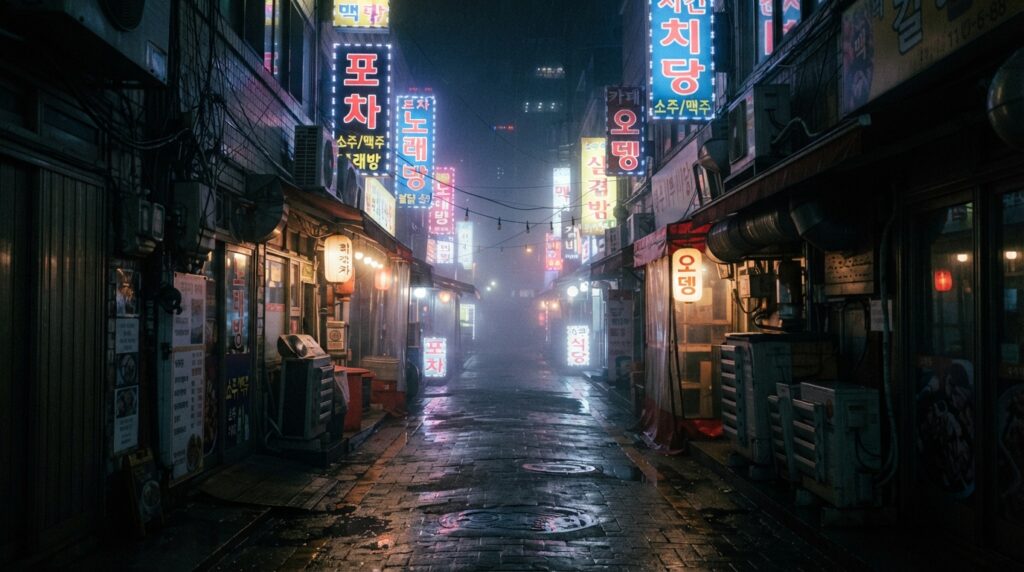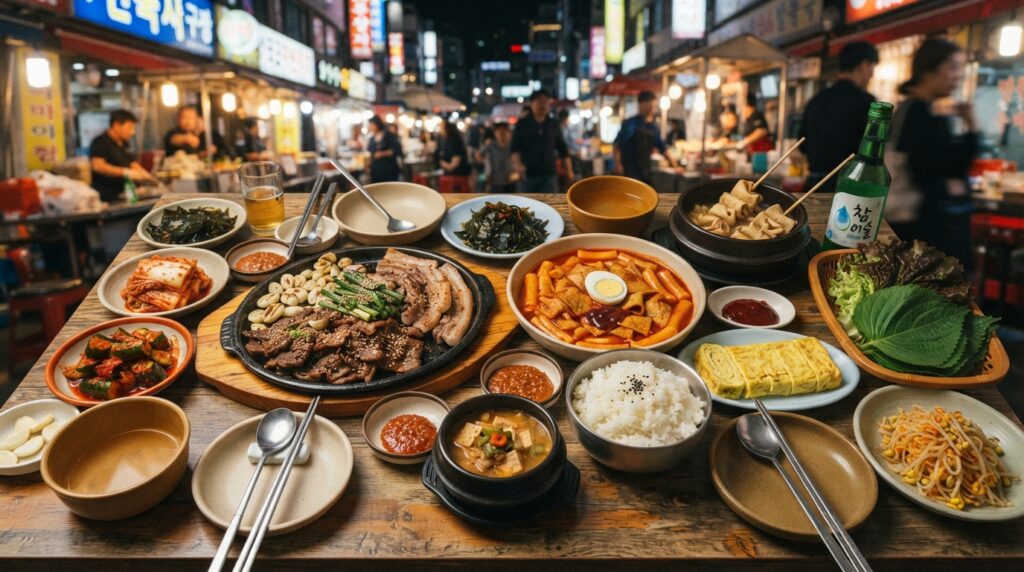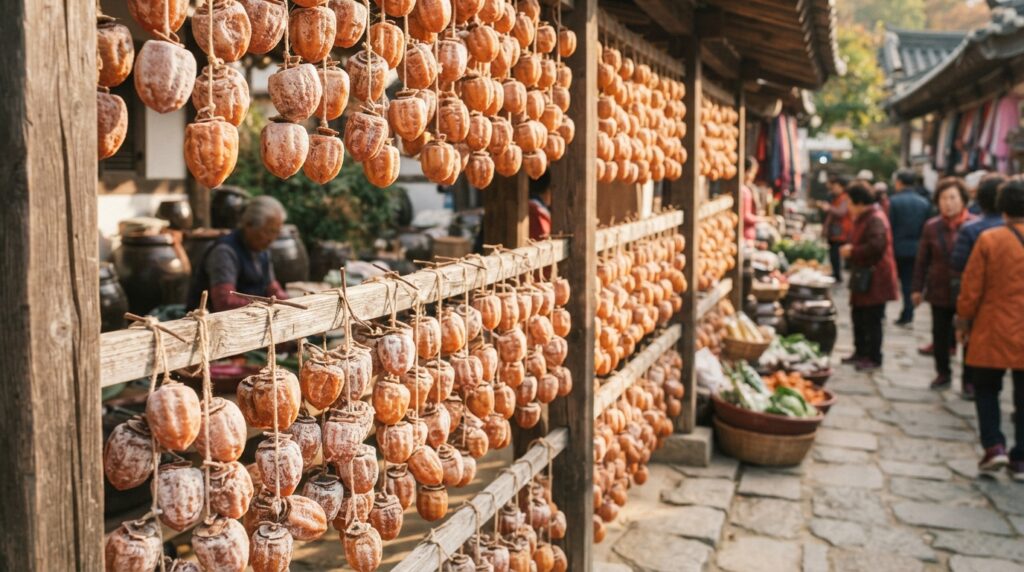

Imagine stepping into a bustling Seoul market, the air thick with the aroma of sizzling tteokbokki, as a couple in a K-drama shares a quiet moment under twinkling lights. This is the magic of Oasis Korea, where Korean dramas weave a vibrant tapestry of culture, tradition, and modern life that captivates millions worldwide. As a lifelong student of Korean culture with years of immersion in K-dramas and academic study, I’ve seen how these stories transcend entertainment, offering a window into Korea’s soul. In this guide, we’ll explore how K-dramas reflect Korea’s heritage, from ancient palaces to modern cafes, deepening your viewing experience with cultural insights and practical tips.
Whether you’re a seasoned K-drama fan or a curious newcomer, this article unlocks the hidden gems of Korean culture embedded in your favorite shows. Expect a journey through iconic settings, timeless values, and subtle nuances that make K-dramas a cultural oasis, plus actionable ways to connect with Korea’s rich heritage.
What Is “Oasis Korea”? Defining the Cultural Connection
The Metaphor of “Oasis” in Korean Dramas
The term “Oasis Korea” captures the refreshing escape K-dramas offer, blending Korea’s ancient traditions with its dynamic present. Like an oasis in a desert, these dramas provide a cultural haven for global audiences, quenching a thirst for authentic storytelling. In Goblin, the ethereal beauty of Gyeongju’s historic sites evokes a timeless Korea, while Itaewon Class pulses with Seoul’s modern energy. This fusion creates a cultural oasis, inviting viewers to explore Korea’s heart through compelling narratives.
K-dramas are more than entertainment; they’re a portal to Korea’s soul. By showcasing everything from hanbok-clad festivals to urban nightlife, they offer a multidimensional view of a nation that balances heritage and innovation.
Why K-Dramas Are a Cultural Gateway
The global rise of K-dramas, fueled by the Hallyu (Korean Wave), has made them a cultural juggernaut. According to Netflix’s 2024 data, K-dramas like Squid Game and The Glory have amassed billions of streaming hours, drawing viewers into Korea’s cultural orbit. These shows highlight traditional elements—like the hanok villages in Mr. Queen—while also portraying modern Korea’s tech-savvy, fashion-forward ethos in dramas like Start-Up.
Dr. Hye-jin Kim, a cultural studies professor at Seoul National University, notes, “K-dramas are a bridge, blending Korea’s past and present to create a universal language of emotion and culture.” This accessibility makes them a perfect entry point for understanding Korea’s traditions, values, and lifestyles.
Exploring Korean Culture Through Iconic K-Drama Settings
Traditional Korea: Hanboks, Palaces, and Festivals
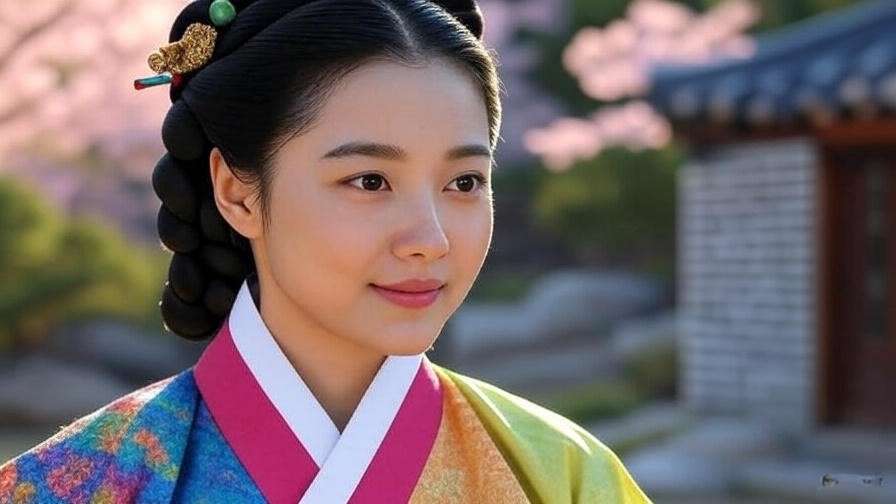
Historical K-dramas like Mr. Sunshine and Moon Embracing the Sun transport viewers to Korea’s Joseon era, where vibrant hanboks (traditional clothing) and majestic palaces like Gyeongbokgung take center stage. These dramas showcase cultural practices, such as the elaborate Dano festival in The Red Sleeve, where characters engage in rituals like swinging contests and communal feasts. Hanboks, with their flowing lines and vivid colors, symbolize Korea’s aesthetic heritage, often reflecting social status or emotional states in the storyline.
For example, in Mr. Sunshine, the protagonist’s hanbok evolves from simple to ornate, mirroring her journey through a changing Korea. These settings and costumes aren’t just visually stunning—they’re steeped in history, offering a glimpse into Korea’s Confucian past and communal traditions.
Travel Tip: Fans visiting Korea can explore Gyeongbokgung Palace or Bukchon Hanok Village, both frequent K-drama backdrops. Check the Korea Tourism Organization’s website for guided tours that highlight these cultural landmarks.
Modern Korea: Seoul’s Vibrant Streets and Cafes
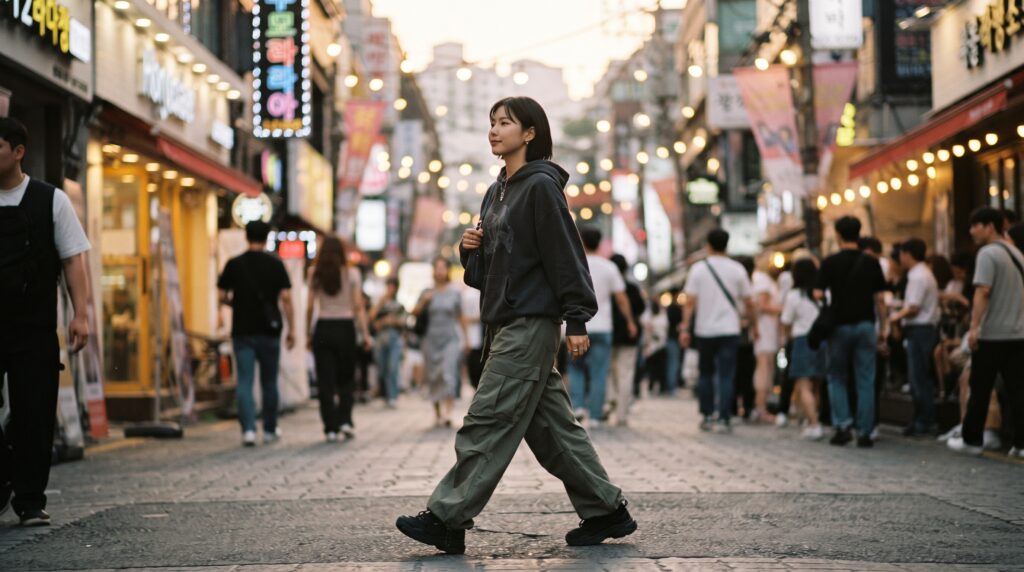
 Modern K-dramas like Vincenzo and Start-Up paint a vivid picture of contemporary Korea, from Gangnam’s sleek skyscrapers to Hongdae’s quirky cafes. In Itaewon Class, the nightlife district of Itaewon becomes a character itself, reflecting Korea’s rapid urbanization and multicultural vibe. These settings showcase Korea’s blend of tradition and modernity—think traditional tea houses nestled among neon-lit streets.
Seoul’s cafes, often featured in romantic scenes (like the cozy cafe in Crash Landing on You), highlight Korea’s cafe culture, where aesthetics and community converge. These spaces aren’t just backdrops; they reflect Korea’s social evolution, where young people gather to create and connect.
Cultural Note: Korea’s rapid modernization post-Korean War transformed Seoul into a global hub, and K-dramas capture this dynamic energy, making them relatable to urban audiences worldwide.
Cultural Values and Themes in K-Dramas
Family, Respect, and Confucian Roots
Korean dramas often emphasize Confucian values like filial piety and respect for elders, deeply ingrained in Korean society. In Reply 1988, the tight-knit neighborhood reflects Korea’s collectivist ethos, where family and community take precedence. Characters use honorific language (jondaemal) when addressing elders, a practice rooted in Korea’s hierarchical culture. For example, a scene where Deok-sun bows to her parents before a meal underscores this respect.
These values resonate globally, as fans connect with the universal theme of family loyalty. Yet, they also highlight Korea’s unique social structure, where age and status shape interactions.
Love, Friendship, and Community
K-dramas excel at portraying relationships, from heart-fluttering romances to enduring friendships. Hospital Playlist showcases the power of platonic bonds, with doctors supporting each other through life’s highs and lows. Meanwhile, My Liberation Notes explores quiet, introspective love stories that reflect Korea’s emphasis on emotional depth over overt displays.
This focus on community contrasts with Western individualism, offering viewers a fresh perspective. For instance, group meals in K-dramas, like the team dinners in Vincenzo, symbolize unity and shared experiences, a cornerstone of Korean culture.
Food as a Cultural Cornerstone
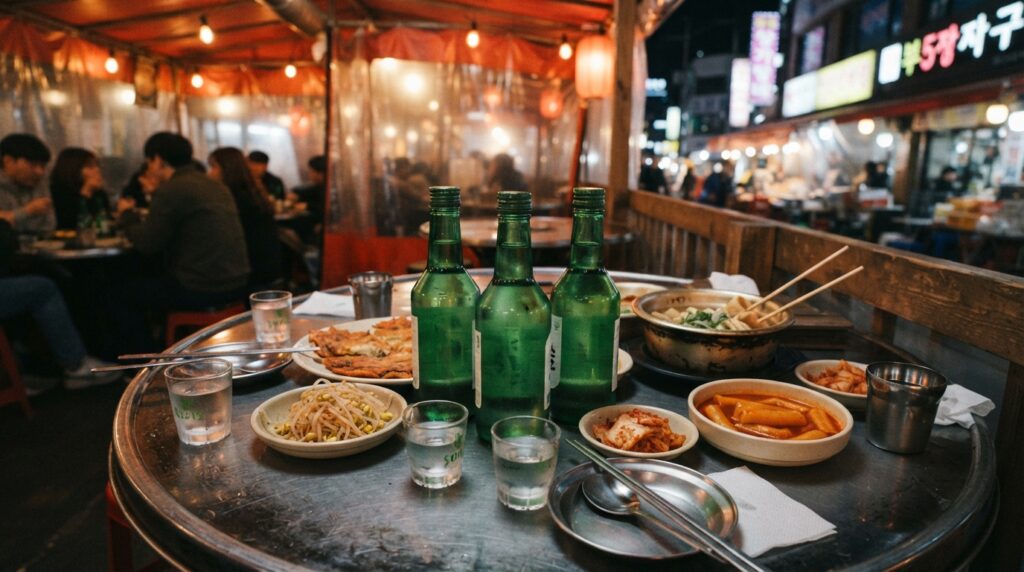
 Food is a starring character in K-dramas, from steaming bowls of ramyeon in What’s Wrong with Secretary Kim to kimchi-making scenes in Crash Landing on You. These moments highlight Korea’s culinary heritage, where food is a medium for connection and tradition.
Iconic K-Drama Foods and Their Significance:
| Food | Drama Example | Cultural Significance |
|---|---|---|
| Ramyeon | What’s Wrong with Secretary Kim | Symbolizes comfort and late-night bonding |
| Tteokbokki | Itaewon Class | Represents street food culture and youth |
| Kimchi | Crash Landing on You | Embodies family traditions and preservation |
Recipe Tip: Try making tteokbokki at home with cylindrical rice cakes (tteok), red chili paste, and fish cakes for an authentic K-drama experience. Check online Korean cooking blogs like Maangchi for detailed recipes.
Hidden Cultural Nuances Fans Might Miss
Symbolism in K-Dramas
 K-dramas are rich with symbolism that adds depth to their storytelling. Cherry blossoms, often seen in Goblin, represent the fleeting nature of life, a nod to Korea’s Buddhist influences. Umbrellas, like those in The King: Eternal Monarch, symbolize protection and care, often appearing in romantic scenes. These symbols, rooted in Korean philosophy, enhance the emotional resonance of the narrative.
Viewer Tip: Keep an eye out for recurring motifs, like the moon or seasons, which often tie to themes of change and eternity in Korean storytelling.
Social Hierarchies and Etiquette
Korea’s age-based hierarchy shapes K-drama interactions, from workplace dynamics in Misaeng to family gatherings in Our Blues. Characters bow to seniors or use formal language (jondaemal) to show respect, reflecting Korea’s Confucian roots. For example, in Misaeng, the protagonist navigates corporate life by adhering to strict etiquette, a microcosm of Korean social norms.
Checklist for Fans:
- Notice bowing: Lower bows indicate deeper respect.
- Listen for honorifics: “-ssi” or “-nim” denote respect.
- Watch for age dynamics: Older characters often lead conversations.
Understanding these nuances enriches the viewing experience, revealing the layers of respect and hierarchy embedded in Korean culture.
How K-Dramas Shape Global Perceptions of Korea
The Hallyu Wave and Cultural Export
 The Korean Wave, or Hallyu, has transformed K-dramas into a global cultural force, amplifying Korea’s soft power. According to the Korea Tourism Organization, Hallyu-driven tourism contributed over $12 billion to Korea’s economy in 2024, with dramas like Descendants of the Sun inspiring fans to visit filming locations like Taebaek’s snowy hills. These shows showcase Korea’s landscapes, fashion, and cuisine, making the country an aspirational destination.
K-dramas also introduce global audiences to Korean lifestyle trends, from K-beauty routines in My ID is Gangnam Beauty to tech innovations in Start-Up. This cultural export has fueled interest in learning Korean, with language app Duolingo reporting a 40% surge in Korean learners since 2020, largely driven by drama fans.
Breaking Stereotypes Through Storytelling
K-dramas challenge outdated perceptions of Korea as a homogenous or traditional-only society. Shows like Itaewon Class highlight Korea’s growing multiculturalism, with characters from diverse backgrounds navigating Seoul’s vibrant streets. Similarly, Doctor Romantic showcases varied professions, from rural doctors to corporate leaders, reflecting Korea’s dynamic workforce.
A notable case study is Parasite, a film with K-drama-like storytelling, which won the 2020 Oscar for Best Picture. Its portrayal of class dynamics resonated globally, reshaping views of Korea as a complex, modern society. K-dramas like Sky Castle continue this trend, tackling issues like education pressure and social mobility, offering nuanced perspectives that counter stereotypes.
Expert Insight: Dr. Min-soo Park, a Hallyu researcher, states, “K-dramas dismantle clichés by showcasing Korea’s diversity, from rural villages to globalized cities, fostering empathy and curiosity among viewers.”
Practical Tips for Fans to Deepen Their Cultural Connection
Learning Korean Through Dramas
K-dramas are a fun and effective way to learn Korean, as they immerse viewers in authentic dialogue and cultural context. Apps like Talk To Me In Korean pair well with dramas, offering lessons inspired by shows like My ID is Gangnam Beauty, which uses simple, conversational Korean. Subtitles help learners pick up common phrases, like “annyeonghaseyo” (hello) or “saranghae” (I love you), while dramas provide context for their usage.
Recommended Dramas for Beginners:
- My ID is Gangnam Beauty: Simple dialogue, modern slang.
- Weightlifting Fairy Kim Bok-joo: Youthful, relatable language.
- Reply 1988: Rich with family-oriented vocabulary.
Learning Tip: Watch episodes with Korean subtitles first, then without, to train your ear for natural speech patterns. Apps like Viki offer dual subtitles for practice.
Recreating K-Drama Experiences
 Bring the K-drama vibe home with a themed watch party. Set the mood with Korean snacks like Choco Pies or ramyeon, and decorate with hanbok-inspired fabrics or fairy lights to mimic Seoul’s cozy cafes. For authenticity, recreate a dish from your favorite drama, like bibimbap from Itaewon Class.
Bibimbap Recipe:
- Ingredients: Rice, assorted vegetables (spinach, carrots, zucchini), gochujang (red chili paste), beef, sesame oil, egg.
- Steps: Cook rice, sauté vegetables, fry egg, mix with gochujang, and serve in a bowl.
- Source: Adapted from Maangchi’s Korean cooking blog for authenticity.
This hands-on approach connects fans to Korean culture through taste and ambiance, making binge-watching a cultural immersion.
Exploring Korea Virtually or In-Person
Can’t travel to Korea? Virtual tours offer a taste of K-drama settings. The Korea Tourism Organization’s website features 360-degree tours of Gyeongju’s Bulguksa Temple, seen in Goblin, or Seoul’s Namsan Tower, iconic in My Love from the Star. For travelers, K-drama-themed tours are a hit—agencies like KTOUR offer Crash Landing on You packages visiting Jeju Island and Gangwon Province.
Travel Tip: Book tours through reputable platforms like Klook, which lists K-drama locations like Petite France from My Love from the Star. Always check for seasonal events, like cherry blossom festivals, to align with K-drama aesthetics.
The Future of K-Dramas and Cultural Storytelling
Emerging Trends in K-Dramas
 K-dramas are evolving, embracing diverse genres and global collaboration. Sci-fi dramas like Alchemy of Souls blend fantasy with Korean folklore, while international co-productions, like Netflix’s Kingdom, merge zombie thrills with Joseon-era settings. These trends expand Korea’s cultural narrative, introducing global audiences to lesser-known aspects like shamanism or historical rebellions.
Streaming platforms are also diversifying casts and stories. Dramas like Pachinko explore Korean diaspora experiences, reflecting Korea’s global influence. As K-dramas push creative boundaries, they’ll continue to showcase Korea’s cultural depth, from ancient myths to futuristic visions.
How Fans Can Support Authentic Representation
Fans play a role in promoting authentic Korean stories. Support original K-dramas on platforms like Netflix or Viki, which prioritize cultural accuracy. Engage with Korean creators on X, amplifying voices like directors or writers who share behind-the-scenes insights. Avoid pirated content, as it undermines the industry’s ability to produce high-quality, authentic stories.
Actionable Step: Follow hashtags like #KDramaCulture or #Hallyu on X to connect with creators and join discussions on authentic representation. Advocate for diverse narratives by recommending inclusive dramas to friends.
FAQs
What makes K-dramas a unique window into Korean culture?
K-dramas blend emotional storytelling with authentic cultural elements, from traditional hanboks in Moon Embracing the Sun to modern Seoul vibes in Vincenzo, offering a vivid, relatable entry point to Korea’s heritage.
Which K-dramas are best for learning about Korean traditions?
Historical dramas like The Red Sleeve highlight festivals and customs, while Reply 1988 showcases family traditions and community values, perfect for cultural immersion.
How can I visit K-drama filming locations in Korea?
Check the Korea Tourism Organization’s K-drama tour guides or book through platforms like Klook for visits to spots like Bukchon Hanok Village (Goblin) or Jeju Island (Crash Landing on You).
Why do K-dramas resonate globally?
Their universal themes—love, family, resilience—paired with Korea’s unique cultural backdrop create an emotional and visual appeal that transcends borders, as seen in Squid Game’s global success.
K-dramas are more than captivating stories—they’re an Oasis Korea, offering a vibrant, authentic glimpse into Korean culture. From hanbok-clad festivals to Seoul’s neon-lit streets, these shows weave tradition and modernity into a cultural tapestry that resonates globally. By understanding the values, settings, and nuances in K-dramas, fans can deepen their appreciation and connect with Korea’s heritage.
Ready to dive deeper? Watch Our Blues for its heartfelt portrayal of Korean community life, and notice the cultural cues we’ve explored. Share your favorite K-drama moment on X with #OasisKorea, or leave a comment below about how these shows have inspired you. For more K-drama insights, follow our blog and join the cultural journey!