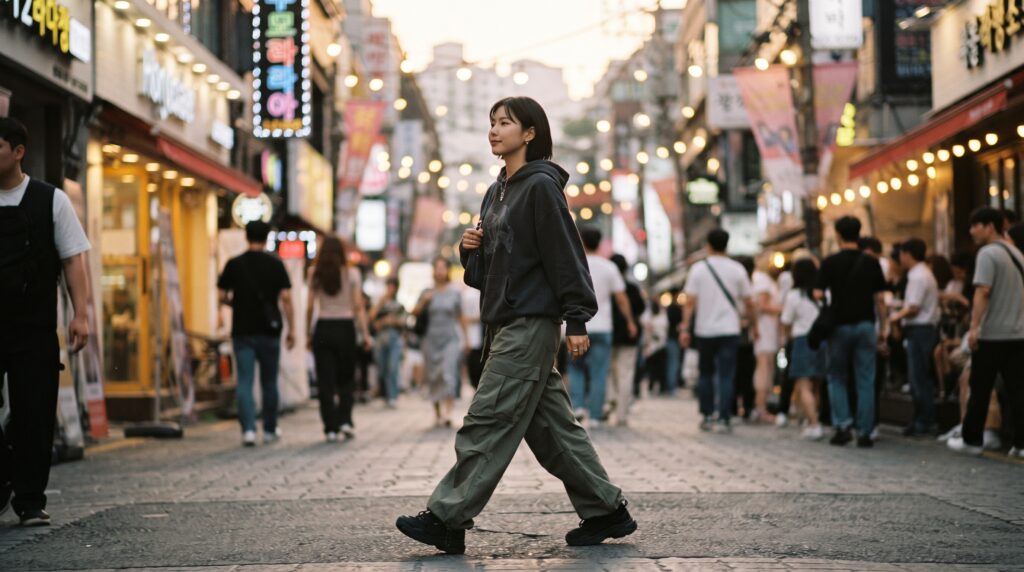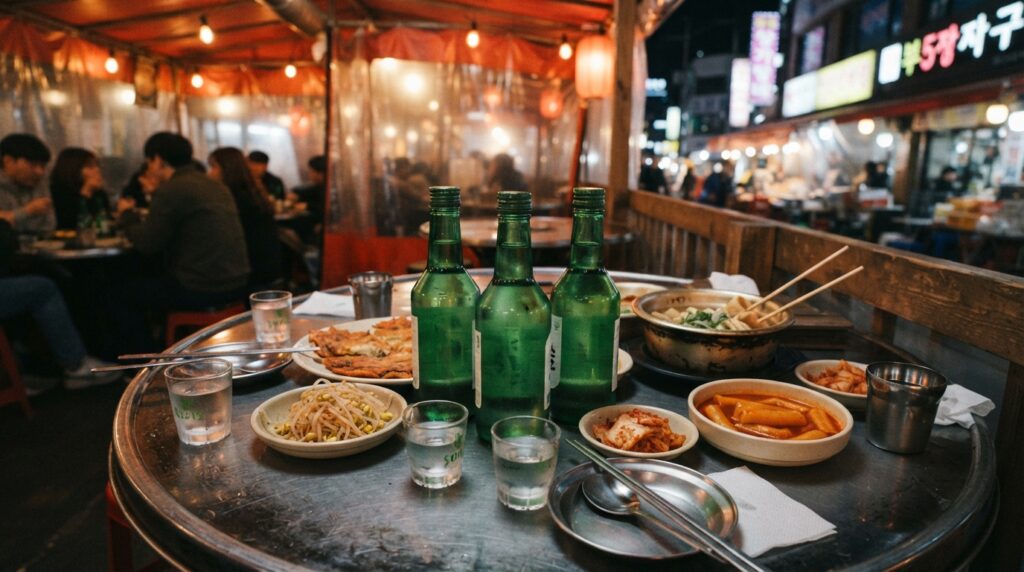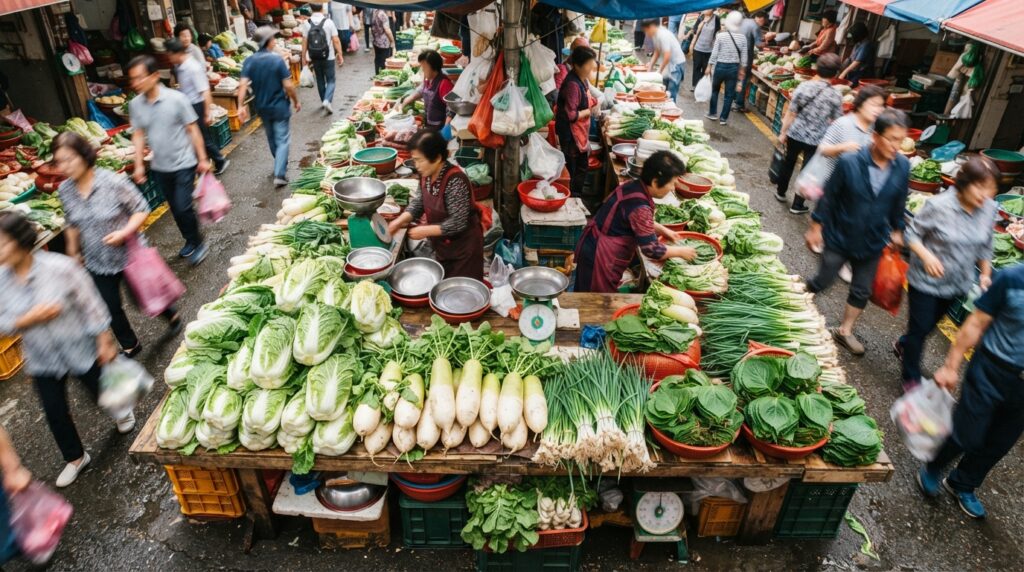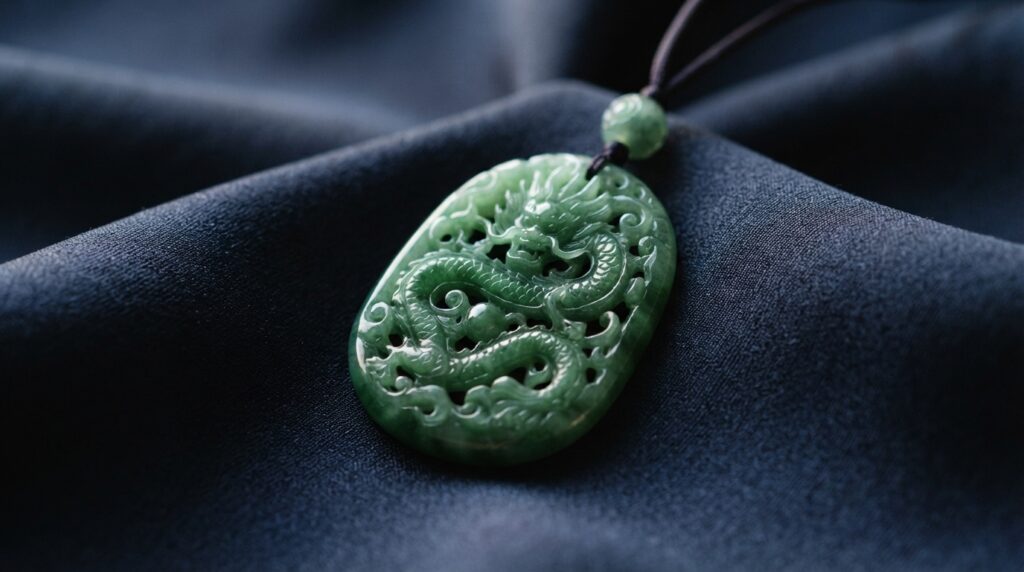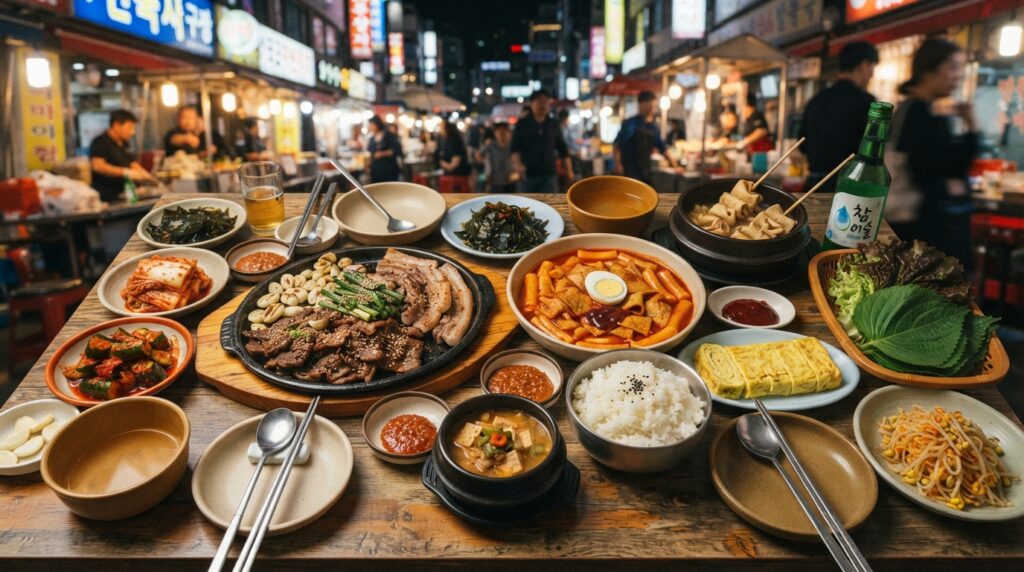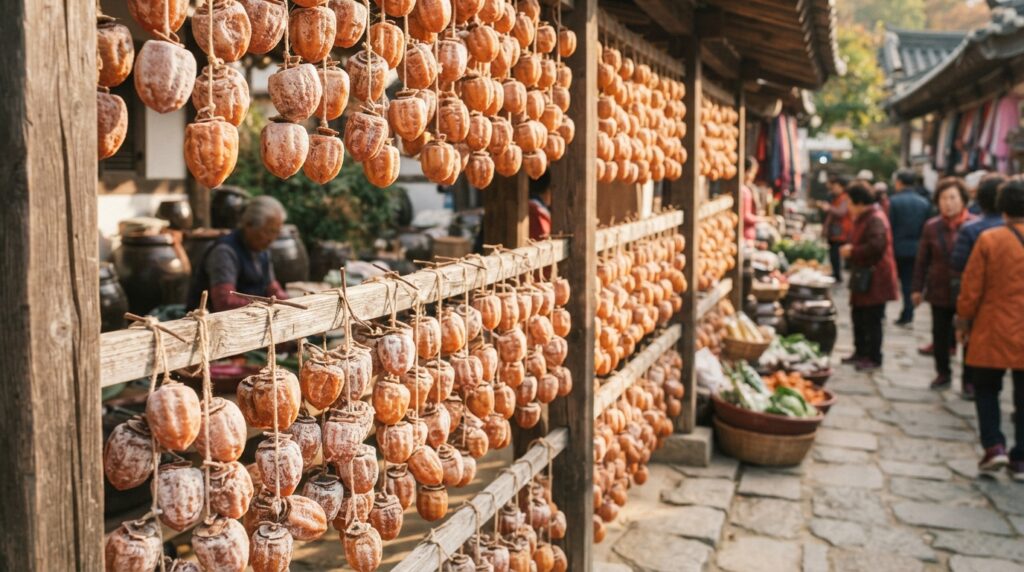
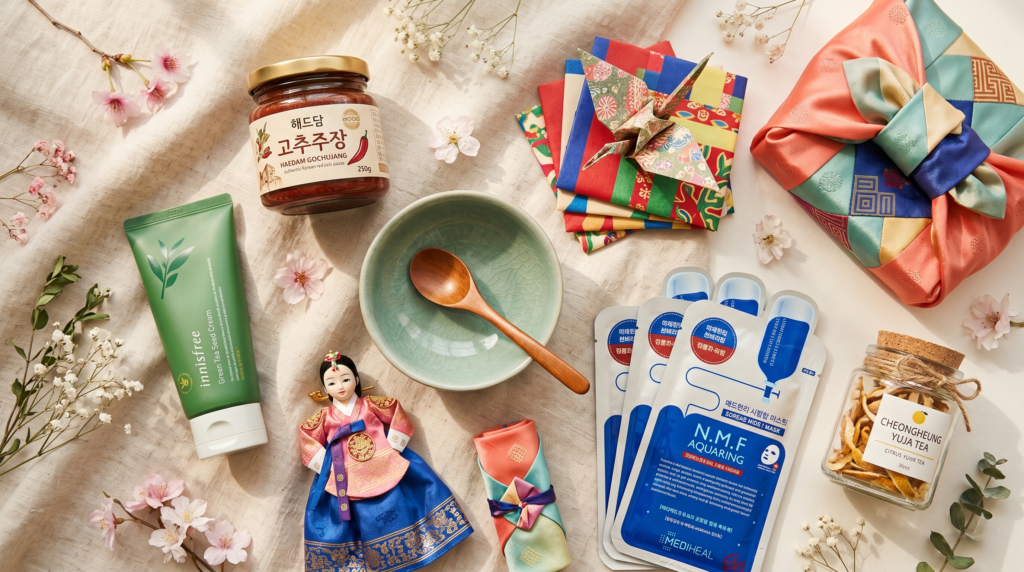
Picture this: you have just spent two magical weeks in Seoul. You wandered through the golden pavilions of Gyeongbokgung Palace, lost yourself in the neon-lit alleyways of Hongdae, devoured tteokbokki at Gwangjang Market at midnight, and ugly-cried at a K-drama café in Insadong. Now you are standing in a souvenir shop — surrounded by identical keychains, fridge magnets, and mass-produced fans — and the question hits you hard: what is good souvenirs from Korea that actually means something?
It is one of the most common dilemmas travelers face, and it is more important than it sounds. The wrong souvenir feels cheap. The right one carries a story, a memory, and a piece of Korean culture that lasts long after the trip ends.
This guide solves that problem completely. Whether you are shopping for a devoted K-drama fan, a skincare enthusiast, a foodie, or someone who simply appreciates beautiful handcrafted things — you will find the perfect pick here. These are not generic tourist trinkets. Every item on this list is rooted in authentic Korean culture, tradition, or everyday life, carefully curated so that every gift tells a real story.
Let us dive in.
Why Choosing the Right Korean Souvenir Matters
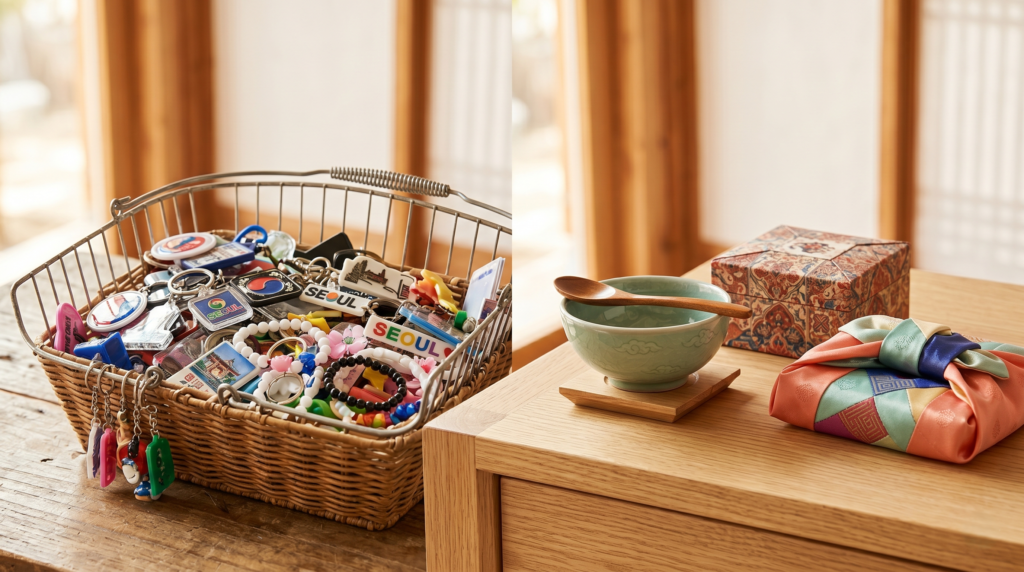
The Difference Between a Tourist Trinket and a Meaningful Gift
There is a reason some souvenirs end up in a drawer within a week while others become treasured keepsakes for years. The difference almost always comes down to authenticity and intentionality. A plastic keychain with “Seoul” stamped on it is forgettable. A hand-carved hanji name seal from an artisan shop in Insadong is something the recipient will talk about for years.
Meaningful Korean souvenirs do three things exceptionally well. They carry cultural weight — they are connected to a real tradition, craft, or story from Korean history. They serve a purpose — they are useful, beautiful, or delicious in daily life. And they are personal — they show the recipient that you thought carefully about who they are and what they love.
When you invest a little time into choosing the right gift, it transforms the souvenir from a transaction into an experience shared across borders.
What Makes a Souvenir “Authentically Korean”?
Authentic Korean souvenirs are rooted in the country’s rich 5,000-year history, its vibrant contemporary culture, or the everyday rituals that define Korean life. Think of hanji — traditional Korean paper made from mulberry bark, with a craft tradition stretching back over 1,500 years. Or celadon pottery, whose distinctive jade-green glaze was perfected during the Goryeo Dynasty and is recognized globally as a masterpiece of ceramic art.
Even modern Korean exports like K-beauty skincare and K-pop merchandise carry genuine cultural identity — they reflect Korea’s global cultural influence, known as the Hallyu (Korean Wave). When you buy these products directly from Korea, you are bringing home a piece of that cultural movement at its most authentic source.
A useful rule of thumb: if it could have been made anywhere in the world, it is probably not the right pick. Look for items tied specifically to Korean materials, techniques, regions, or cultural moments.
What Is Good Souvenirs from Korea — 25 Top Picks
🍜 Food & Drink Souvenirs (Items 1–6)
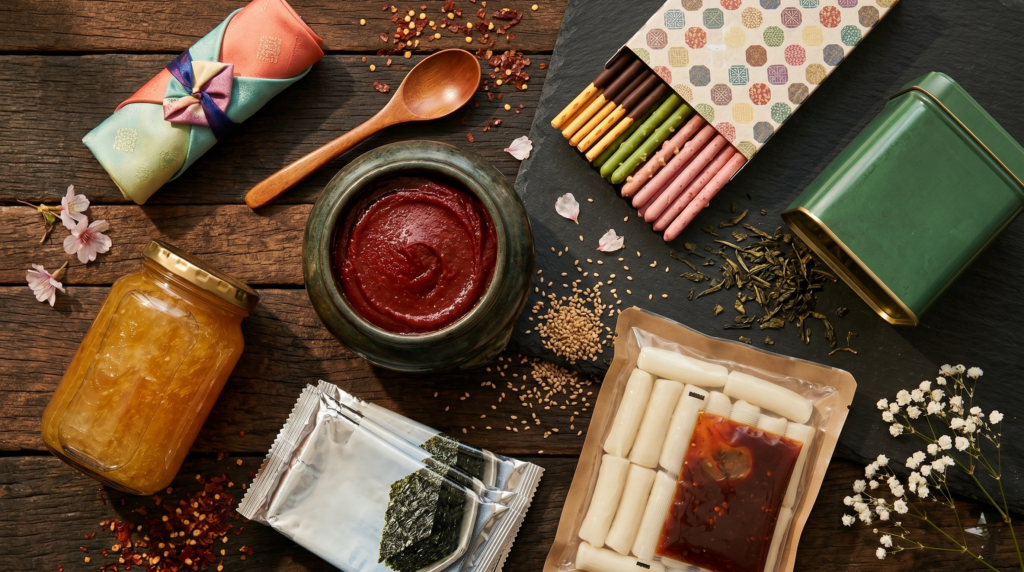
Food is one of the most powerful ways to carry a culture home. Korean cuisine is bold, complex, deeply fermented, and lovingly communal — and many of its most iconic ingredients travel exceptionally well.
1. Gochujang & Doenjang Gift Sets
If there is one flavor that defines Korean cooking, it is the deep, slow-burning heat of gochujang — fermented red chili paste — paired with the earthy richness of doenjang, Korea’s fermented soybean paste. These are the soul of Korean cuisine, used in everything from bibimbap to stews to marinades. Premium gift sets from brands like Haechandle or Sempio are beautifully packaged and make extraordinary gifts for home cooks and food lovers. Look for traditional clay-jar aged versions from markets in Sunchang, the region historically famous for producing Korea’s finest gochujang.
2. Honey Citrus Tea (Yuja-cha)
Yuja-cha — a thick, fragrant marmalade-style tea made from yuzu citrus and honey — is one of Korea’s most beloved wellness drinks. Stirred into hot water, it creates a soothing, vitamin C-rich beverage that Koreans swear by during cold season. It is naturally beautiful in its glass jar packaging, making it an ideal gift for tea drinkers, wellness enthusiasts, and anyone who appreciates something both delicious and genuinely good for them.
3. Korean Seaweed (Gim) Packs
Premium Korean roasted seaweed — known as gim — is worlds apart from the thin, tasteless varieties found in international supermarkets. Lightly seasoned with sesame oil and sea salt, high-quality gim from producers in Wando or Jeonnam is crispy, aromatic, and deeply satisfying. Beautifully boxed gift sets make this humble food feel luxurious and are a universally loved snack for all ages.
4. Instant Tteokbokki Kits
Few foods are more emotionally tied to Korean drama culture than tteokbokki — chewy rice cakes bathed in a fiery, sweet gochujang sauce. Packaged instant kits, especially from brands like Yopokki or Jongga, allow K-drama fans anywhere in the world to recreate that iconic street-food experience at home. They are affordable, compact, and guaranteed to delight anyone who has ever watched a Korean drama and wondered what that red, steaming dish tastes like.
5. Korean Green Tea from Boseong
The rolling green tea fields of Boseong in South Jeolla Province are one of Korea’s most breathtaking landscapes — and the tea produced there is equally remarkable. Boseong green tea is known for its clean, slightly sweet flavor and vibrant color. Loose-leaf tins and artisan tea bags from Boseong are widely available in Seoul’s specialty tea shops and make a sophisticated, culturally rich gift that goes far beyond the ordinary.
6. Choco Pie & Pepero Gift Boxes
For a lighter, more playful gift, Korea’s beloved confectionery makes a universally appealing choice. Choco Pies — soft chocolate-coated marshmallow cakes — and Pepero sticks in creative seasonal flavors are beautifully packaged in gift boxes that feel festive and fun. They are budget-friendly, easy to pack, and deeply tied to everyday Korean culture. These are especially wonderful gifts for children or for sharing at the office.
💡 Expert Tip: Skip the airport convenience stores for food souvenirs. Head to Gwangjang Market or Namdaemun Market instead — you will find fresher products, more authentic regional varieties, and significantly better prices. Traditional markets also offer the chance to taste before you buy, which is an experience in itself.
💄 K-Beauty Souvenirs (Items 7–11)
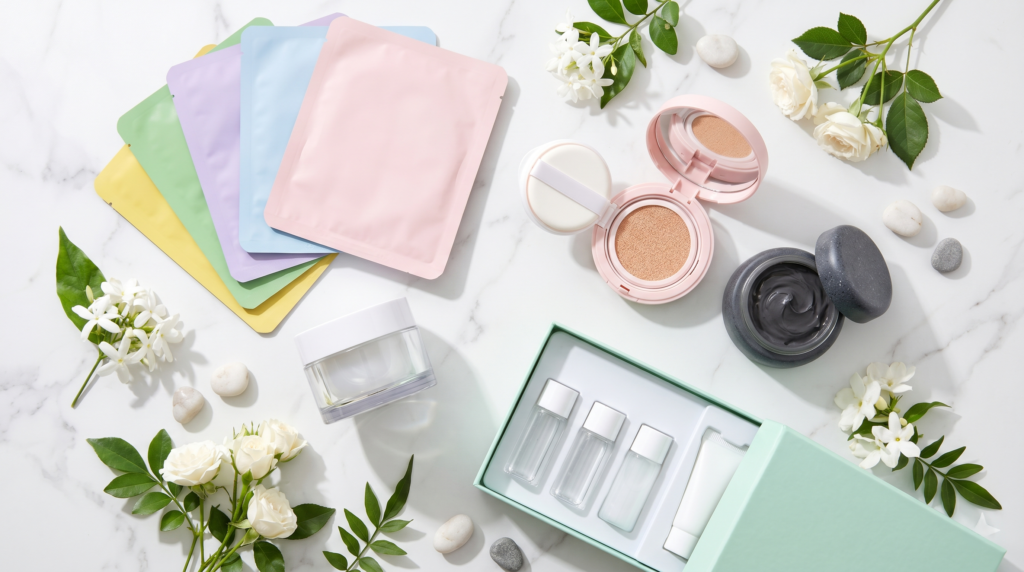
South Korea is the undisputed global capital of skincare innovation. The Korean beauty industry — worth billions of dollars globally — has pioneered ingredients and routines that have transformed skincare culture worldwide. Buying K-beauty products directly from Korea means access to the freshest formulations, exclusive local editions, and prices that are genuinely lower than anywhere else in the world.
7. Sheet Masks in Bulk Sets
Korean sheet masks are the gateway into K-beauty for most international fans, and for good reason. Soaked in concentrated serums targeting everything from brightening and hydration to anti-aging and pore care, they deliver visible results in 20 minutes. Brands like Mediheal, Leaders, and Dr. Jart+ offer bulk sets at remarkable value in Korean stores. A set of 10 to 20 masks makes a generous, practical, and deeply appreciated gift for virtually any skincare-conscious recipient.
8. Snail Mucin Creams
It sounds unusual, but snail secretion filtrate — more commonly known as snail mucin — is one of K-beauty’s most celebrated ingredients. Rich in glycoproteins, hyaluronic acid, and zinc, it promotes skin repair, hydration, and a glowing complexion. COSRX’s Advanced Snail 96 Mucin Power Essence became a global sensation for good reason — it genuinely works. Buying it directly in Korea is notably cheaper than international retail prices, making it an excellent value gift for any skincare enthusiast.
9. Cushion Foundation Compacts
The cushion compact — a foundation-soaked sponge housed in a mirrored compact case — was invented in Korea by Amorepacific and has since been copied by beauty brands worldwide. But nothing compares to the original. Brands like Laneige, IOPE, and Sulwhasoo offer cushion foundations in shades and formulas not available internationally, often in beautifully designed limited-edition cases. For any makeup-loving recipient, this is a genuinely exciting and unique gift straight from the source of the innovation.
10. Jeju Volcanic Clay Masks
The volcanic island of Jeju — a UNESCO World Heritage Site — produces a unique type of mineral-rich volcanic ash clay that has become a celebrated skincare ingredient. Innisfree’s Jeju Volcanic Pore Clay Mask is one of Korea’s best-selling beauty products, known for its deep-cleansing and pore-minimizing properties. Its island origin story, clean ingredient philosophy, and effective results make it a gift that feels both luxurious and culturally meaningful.
11. K-Beauty Skincare Sample Kits
For recipients who are new to K-beauty or who love variety, curated sample kits are a perfect introduction. Many Korean brands offer beautifully packaged discovery sets featuring their bestselling products in travel sizes. These kits provide an accessible entry point into the Korean skincare ritual — cleanse, tone, essence, serum, moisturize — and allow the recipient to explore what works for their skin before committing to full-size products.
💡 Expert Tip: Olive Young — Korea’s leading health and beauty retail chain — is your best friend for K-beauty shopping. With hundreds of locations across Seoul and dedicated tourist discount programs, it consistently offers better prices, wider selections, and more exclusive products than airport duty-free shops. Download the Olive Young app before your trip for additional coupons.
🎎 Traditional Craft Souvenirs (Items 12–16)
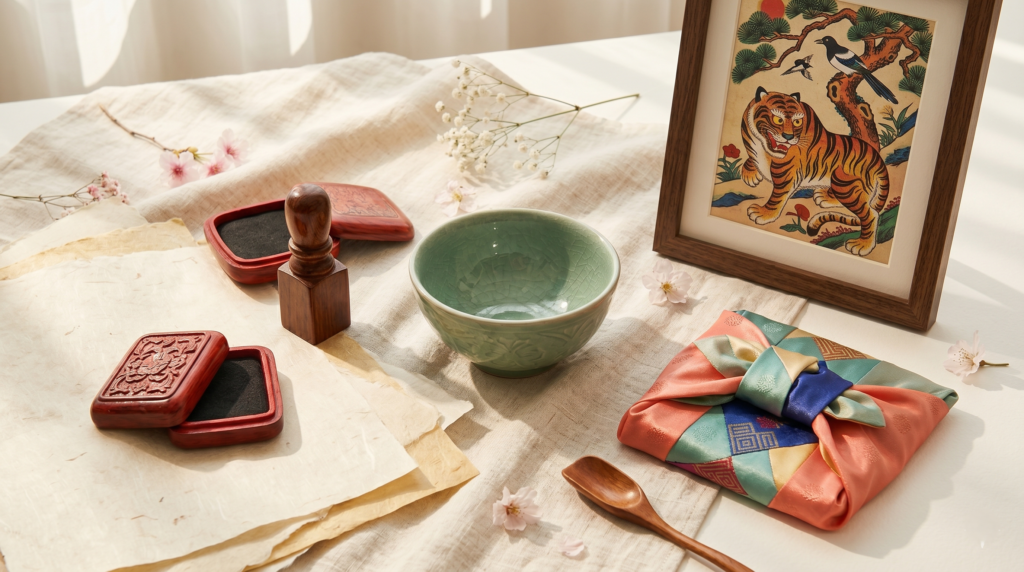
For those who want to bring home something genuinely irreplaceable — something that cannot be ordered online or found in any department store outside Korea — traditional craft souvenirs are the answer. These items carry centuries of cultural heritage in their making.
12. Hanji (Korean Paper) Crafts
Hanji is traditional Korean paper made from the inner bark of the paper mulberry tree, and its production has been a revered craft for over 1,500 years. Unlike ordinary paper, hanji is extraordinarily durable — it is said to last 1,000 years — and has a luminous, textured quality that makes it beautiful to the touch. Today, hanji is used to create notebooks, decorative boxes, fans, lamps, and jewelry, all of which make elegant and culturally significant gifts. Insadong is the best place in Seoul to find high-quality hanji crafts from skilled artisans.
13. Celadon Pottery & Ceramics
Goryeo celadon — recognized for its distinctive jade-green glaze and delicate inlaid designs — is considered one of Korea’s greatest artistic achievements. Developed during the Goryeo Dynasty (918–1392), authentic celadon pieces are collector’s items and cultural treasures. Even contemporary Korean ceramics, inspired by this tradition, carry extraordinary artistry and make profoundly meaningful gifts. Tea sets, small vases, and decorative plates are among the most popular and practical choices for bringing home a piece of Korea’s ceramic heritage.
14. Hanji Dojang (Personal Name Seals)
A dojang is a personal seal — the Korean equivalent of a signature — traditionally carved from wood, stone, or jade and used to stamp official documents and artworks. Having a custom dojang engraved with your name or a meaningful phrase in elegant Korean calligraphy is one of the most personal and unique souvenirs you can bring home from Korea. Artisan shops in Insadong offer same-day engraving services, and the result is a genuinely one-of-a-kind keepsake that carries deep cultural resonance.
15. Pojagi Fabric Wrapping Cloths
Pojagi is the traditional Korean art of wrapping — using squares of beautifully patterned fabric to bundle and present gifts. With its roots in the Joseon Dynasty, pojagi fabric is both a functional wrapping cloth and a work of art, often featuring vibrant patchwork designs in jewel-toned silk or ramie. In recent years, pojagi has gained international recognition as an eco-friendly and visually stunning alternative to paper gift wrapping. A quality pojagi cloth is a gift that can be used again and again, each time carrying a little piece of Korean tradition.
16. Minhwa-Inspired Art Prints
Minhwa is Korea’s traditional folk painting style, characterized by bold colors, charming motifs — tigers, magpies, lotus flowers, and mountains — and a joyful, almost naive artistic sensibility rooted in everyday Korean life and spiritual belief. Contemporary artists have reimagined minhwa in modern print formats, creating wall art that is visually striking, culturally rich, and perfectly suited to modern interiors. For any K-culture enthusiast who loves beautiful, meaningful artwork, a quality minhwa-inspired print is an unforgettable gift.
💡 Expert Tip: For the most authentic and highest-quality traditional crafts, look for the certification seal of the Korea Craft & Design Foundation (KCDF) — a government-backed organization that supports and authenticates Korean artisans. Certified products guarantee genuine craftsmanship and cultural integrity.
👗 Fashion & Wearable Souvenirs (Items 17–20)
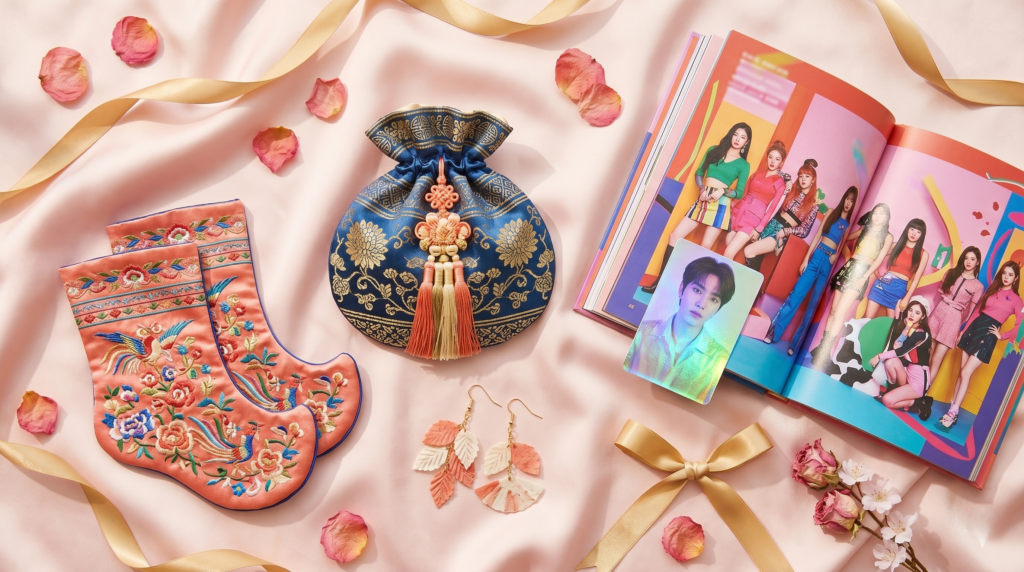
Korean fashion occupies a unique space where centuries-old tradition meets razor-sharp contemporary style. From the flowing elegance of the hanbok to the playful creativity of K-pop merchandise culture, wearable souvenirs from Korea carry both cultural depth and everyday personality. These are gifts people actually wear, display, and cherish.
17. Mini Hanbok or Hanbok-Inspired Accessories
The hanbok is Korea’s traditional ceremonial garment — a breathtaking ensemble of silk, jewel-bright colors, and graceful silhouette that has been worn for over a thousand years. While a full hanbok set is a significant investment, hanbok-inspired accessories and miniature versions make equally meaningful and far more practical souvenirs. Think silk pouches, hanbok doll ornaments, small embroidered coin purses, and modern fusion accessories that incorporate traditional hanbok fabrics and patterns into everyday wearable pieces. These items celebrate Korea’s most iconic sartorial heritage in a form that travels easily and gifts beautifully.
For K-drama fans in particular, hanbok carries enormous emotional weight — think of the stunning court costumes in Mr. Queen, The Red Sleeve, or Jewel in the Palace. A hanbok-inspired gift connects the recipient directly to that visual world they love so deeply.
18. Hanji Jewelry (Earrings, Bracelets, and Pendants)
One of the most surprising and delightful souvenirs you can find in Korea is jewelry crafted from hanji — traditional Korean mulberry paper. Skilled artisans layer, shape, lacquer, and paint hanji into lightweight, durable, and extraordinarily beautiful earrings, bracelets, and pendants. Despite being made from paper, finished hanji jewelry has a smooth, almost ceramic quality, and it is remarkably strong. Each piece is handcrafted and genuinely unique, making hanji jewelry one of the most personal and artistically distinctive gifts you can bring home from Korea. It is also incredibly lightweight — ideal for travelers watching their luggage allowance.
19. Korean Traditional Socks (Beoseon)
Do not underestimate the humble sock as a souvenir. Beoseon — traditional Korean socks with a gently curved toe seam and clean white or colorfully embroidered design — are one of Korea’s most charming and affordable gifts. Modern interpretations of beoseon feature vibrant patterns inspired by Korean folk art, palace architecture, dancheong color schemes, and even K-drama motifs. They are lightweight, inexpensive, universally sized, and genuinely fun — making them perfect stocking fillers, group gifts, or add-ons to a larger souvenir package. Look for artisan versions in Insadong or Bukchon Hanok Village.
20. K-Pop Idol Merchandise
For the K-pop and K-drama fan in your life, official idol merchandise purchased directly in Korea is the ultimate gift. We are talking about photo books, light sticks, official albums with exclusive photocards, fan-made goods from dedicated pop-up shops, and limited-edition collaboration items that simply do not make it to international markets. The key word here is official — counterfeit merchandise is unfortunately widespread, so always buy from verified sources.
The best places to find authentic K-pop merchandise include SM Town COEX Artium (for SM Entertainment artists), Hybe Insight Museum in Yongsan (for BTS, Tomorrow X Together, and other Hybe artists), and the official merchandise floors of major entertainment company buildings. Dedicated K-pop districts around Hongdae also feature both official stores and carefully vetted fan goods markets.
💡 Expert Tip: If you are buying K-pop merchandise as a gift, confirm which specific artist or group the recipient loves before shopping — and if possible, find out their bias (favorite member). A photocard or poster featuring their specific bias is infinitely more meaningful than a general group item.
🏮 Lifestyle & Home Décor Souvenirs (Items 21–25)
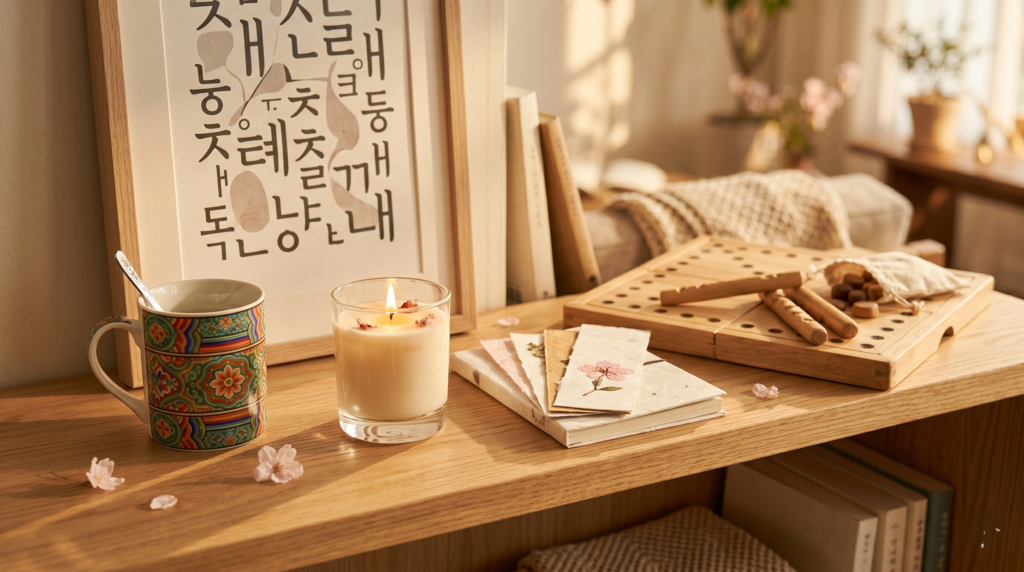
The best home décor souvenirs do something powerful — they bring a little of Korea’s aesthetic beauty into everyday living spaces, and every time the recipient sees them, they are transported back to a memory, a feeling, or a story. Korea has an extraordinarily rich visual culture, from the intricate geometric patterns of traditional architecture to the clean, nature-inspired aesthetics of contemporary Korean design.
21. Dancheong-Patterned Items
Dancheong refers to the elaborate, multicolored decorative paintwork traditionally applied to Korean wooden architecture — palace beams, temple ceilings, and gate structures — in a precise geometric pattern of blue, green, red, yellow, and black. It is one of the most visually striking elements of Korean visual culture, instantly recognizable to anyone who has visited Gyeongbokgung or Changdeokgung Palace. Today, dancheong patterns are reproduced on a wide range of lifestyle products — ceramic mugs, phone cases, silk scarves, notebooks, and tote bags — creating gifts that are both beautifully designed and deeply culturally rooted. These items make particularly wonderful gifts for design-lovers and architecture enthusiasts.
22. Korean Scented Candles and Incense
Korea has developed a sophisticated scented lifestyle market, with candles and incense inspired by the country’s most evocative sensory landscapes — pine forests in Seoraksan, temple incense in Gyeongju, the clean salt air of Jeju Island, and the earthy warmth of a traditional ondol-heated room. Boutique Korean candle brands like Granhand, Tamburins, and Around Me produce beautifully packaged, artisan-quality candles that have become internationally coveted. A Korean scented candle is a luxurious, sensory gift that carries an entire atmosphere — the perfect way to bring the mood of Korea home.
23. Taekwondo or Hangeul Typography Prints
For a more contemporary take on Korean cultural souvenirs, typographic art prints featuring Hangeul — the Korean alphabet, created by King Sejong the Great in 1443 — have become increasingly popular both domestically and internationally. These prints celebrate the beauty and ingenuity of the Korean writing system, which UNESCO has recognized as one of the most scientifically designed alphabets in the world. Prints featuring meaningful Korean words, phrases, or proverbs in elegant calligraphic or modern typographic styles make meaningful, aesthetically sophisticated wall art. Similarly, bold graphic prints featuring taekwondo — Korea’s national martial art and Olympic sport — are dynamic and visually powerful gifts for sports enthusiasts.
24. Wooden Hanji Bookmarks and Stationery Sets
Korea has a deeply rooted culture of scholarly respect and aesthetic appreciation for the written word — a tradition stretching back to the Joseon Dynasty’s emphasis on Confucian education and literary achievement. This heritage is reflected in the extraordinary quality and beauty of Korean stationery. Hanji-covered notebooks, wooden bookmarks with laser-engraved Korean motifs, calligraphy brush sets, and elegantly packaged stationery collections make refined, thoughtful gifts for students, writers, teachers, and anyone who appreciates the quiet art of beautiful stationery. These items are widely available in Insadong and the cultural gift shops of major museums.
25. Korean Traditional Board Game Set (Yutnori)
For a gift that delivers an interactive cultural experience rather than a decorative object, consider a Yutnori set — a traditional Korean board game played with four wooden sticks used as dice, tracing its history back at least to the Three Kingdoms period (57 BCE–668 CE). Yutnori is traditionally played during Korean New Year (Seollal) and Chuseok, bringing families and communities together in a spirit of joyful competition. A beautifully crafted wooden Yutnori set is a conversation-starting, genuinely fun gift that introduces an entirely new cultural tradition to its recipient — and creates real shared experiences every time it is played.
How to Shop for Souvenirs in Korea Like a Local
Knowing what to buy is only half the battle. Knowing where and how to shop is what separates the traveler who comes home with meaningful, authentic gifts from the one who ends up with a bag full of forgettable trinkets. Here is exactly what you need to know.
Best Places to Buy Authentic Korean Souvenirs
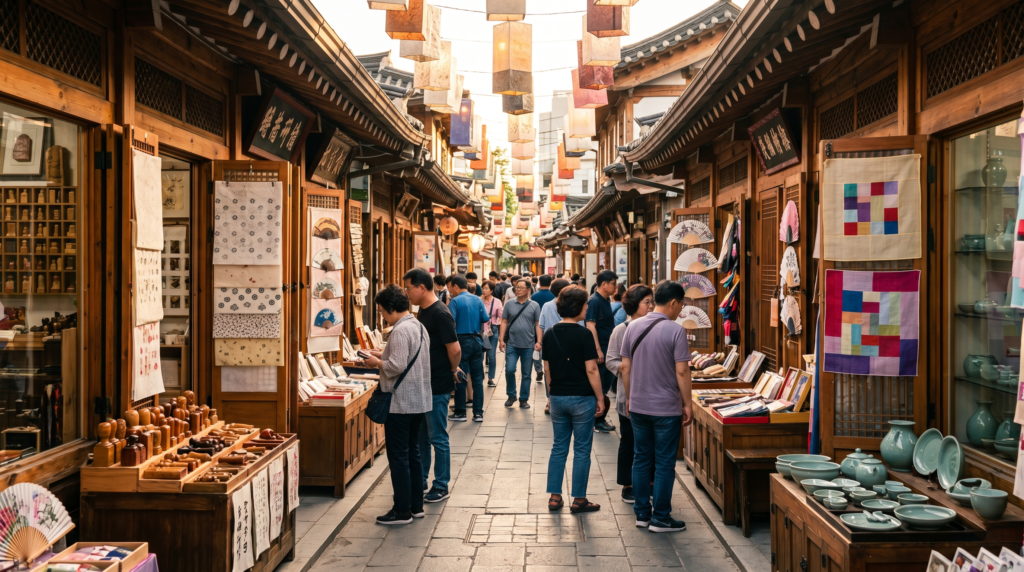
Insadong is the undisputed heart of traditional Korean craft culture in Seoul. This charming pedestrian street and its surrounding alleyways are lined with artisan workshops, hanji craft studios, ceramic galleries, calligraphy shops, and tea houses. If you only have time to visit one souvenir shopping destination in Seoul, make it Insadong. The quality here is consistently higher, the authenticity more reliable, and the atmosphere far more culturally immersive than any tourist-facing mall or airport shop.
Gwangjang Market is Seoul’s oldest and most vibrant traditional market, and it is the premier destination for food souvenirs. Here you will find vendors selling premium gim, traditional rice cakes, handmade bindaetteok (mung bean pancakes), and an enormous variety of Korean pantry staples in beautifully packaged forms. It is also a spectacular sensory experience in its own right — the sights, sounds, and smells of Gwangjang are themselves a souvenir of Korea that you carry home in your memory.
Namdaemun Market is Korea’s largest traditional market and the best destination for budget-conscious shoppers seeking variety. From Korean fashion and accessories to food products, stationery, and household goods, Namdaemun offers an overwhelming abundance of options at competitive prices. It rewards patient browsing and confident bargaining.
Myeongdong is Seoul’s K-beauty capital — a dense, vibrant shopping district where virtually every major Korean skincare and cosmetics brand has a flagship store. Olive Young, Innisfree, Laneige, Etude House, and dozens of other brands compete aggressively here, which translates to excellent prices, generous free samples, and constant promotional events. For K-beauty souvenirs specifically, Myeongdong is unbeatable.
A note on Airport Duty-Free vs. In-City Shopping: While Incheon International Airport’s duty-free shopping is genuinely impressive — particularly for luxury Korean brands and high-end K-beauty — in-city shopping almost always offers better value, wider selection, and a more authentic experience. Reserve duty-free for last-minute purchases or items you specifically know are better priced there, such as certain premium liquors or luxury cosmetics.
Tips to Avoid Fake or Low-Quality Souvenirs
The souvenir market in any major tourist destination includes a percentage of low-quality or outright counterfeit goods, and Korea is no exception. Here is how to protect yourself and ensure every purchase is the real thing.
Always check for a “Made in Korea” label on traditional crafts and artisan goods. It sounds obvious, but a surprising number of items sold in tourist-facing shops are manufactured in China and merely packaged to appear Korean. Inspect labels carefully before purchasing.
Look for the Korea Craft & Design Foundation (KCDF) certification seal on traditional handicrafts. This government-backed certification guarantees that the item was made by a certified Korean artisan using authentic traditional techniques and materials. It is your strongest assurance of genuine quality and cultural authenticity.
For K-pop merchandise, purchase exclusively from official brand stores or authorized retailers. Counterfeit idol merchandise is widespread in street markets and unauthorized online shops — the quality is poor, the artists receive no support from the purchase, and in some cases the products contain materials that do not meet safety standards.
When shopping for K-beauty products, stick to Olive Young, brand flagship stores, or authorized department store counters. The Korean cosmetics market unfortunately has a counterfeit problem in some unauthorized reseller channels, particularly for high-demand products from brands like COSRX and Laneige.
Souvenirs from Korea Based on Your Budget
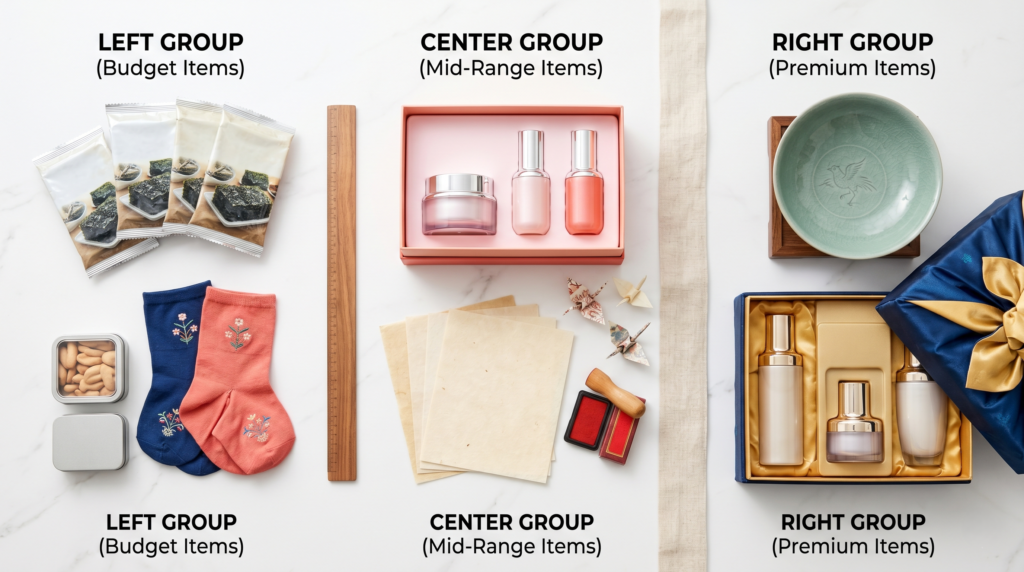
One of the most practical questions any traveler faces is how to allocate a souvenir budget across different recipients — from close family members who deserve something special to colleagues who simply need a thoughtful acknowledgment. Here is a straightforward budget breakdown to help you plan.
Under ₩10,000 — Budget-Friendly Picks (Under approximately $8 USD)
At this price point, you have more excellent options than you might expect. Premium gim (seaweed) packs, individual Pepero boxes, traditional beoseon socks, and single sheet masks all fall comfortably within this range and make perfectly charming small gifts. These are ideal for group gifting, office sharing, or adding to a larger gift as a supplementary gesture.
₩10,000–₩50,000 — Mid-Range Gifts (Approximately $8–$38 USD)
This is the sweet spot for most souvenir shoppers, and it is where Korea truly shines in terms of value. At this price point, you can access beautifully packaged yuja-cha tea sets, Olive Young K-beauty bundles, quality hanji craft items, Boseong green tea tins, minhwa-inspired art prints, and branded K-beauty essences. These gifts feel generous, look impressive, and carry genuine cultural meaning — all without straining your travel budget.
₩50,000 and Above — Premium Souvenirs (Approximately $38 USD and above)
For the most important recipients — close family, a best friend, a mentor, or yourself — investing in a premium Korean souvenir creates a genuinely lasting impression. At this level, consider hand-crafted celadon pottery pieces, custom-engraved hanji dojang name seals, high-end K-beauty sets from luxury brands like Sulwhasoo or History of Whoo, artisan hanbok-inspired accessories, or a beautifully crafted wooden Yutnori game set. These are gifts that carry real cultural weight and artistic value — the kind of souvenir that gets displayed proudly and talked about for years.
Frequently Asked Questions
Q1: What is the most popular souvenir from Korea?
Korean skincare products — particularly sheet masks, snail mucin essences, and cushion foundations — consistently rank as the most popular souvenirs among international visitors. Among food souvenirs, gochujang gift sets and premium gim packs are perennial favorites. For craft souvenirs, hanji items and celadon ceramics are most highly regarded by travelers seeking something authentically Korean.
Q2: What should I not bring back from Korea?
Customs regulations vary by destination country, but as a general rule, be cautious with fresh produce, unprocessed meats, and certain plant-based products, which are subject to agricultural import restrictions in many countries including the United States, Australia, and EU nations. Commercially packaged, processed food products like gochujang, instant noodles, and packaged teas are generally permitted. Always check your destination country’s customs regulations before packing food items, and declare everything at customs to avoid fines or confiscation.
Q3: Are souvenirs cheaper in Korea than buying online internationally?
In most cases, yes — significantly so. K-beauty products in particular can be 30 to 50 percent cheaper when purchased directly in Korea compared to international retail prices. Food souvenirs, traditional crafts, and K-pop merchandise are similarly more affordable at source. Beyond the price advantage, buying in Korea also gives you access to exclusive products, limited editions, and regional specialties that simply are not available through international online retailers.
Q4: What are good souvenirs from Korea for people who are not K-drama or K-pop fans?
Excellent question — and the good news is that Korea’s souvenir landscape goes far beyond Hallyu culture. For non-fans, consider universally appealing options: premium green tea from Boseong, beautifully packaged honey citrus tea, handcrafted celadon ceramics, hanji stationery sets, Korean scented candles from boutique brands, or a traditional Yutnori board game. These items carry deep Korean cultural heritage and universal aesthetic appeal without requiring any knowledge of or interest in Korean pop culture.
Q5: Where is the best place in Seoul to buy souvenirs?
For traditional crafts and artisan goods: Insadong. For food souvenirs: Gwangjang Market or Namdaemun Market. For K-beauty products: Myeongdong or any Olive Young location. For K-pop merchandise: Hybe Insight in Yongsan or SM Town COEX Artium. For a broad, curated mix of high-quality cultural souvenirs: the gift shops at the National Museum of Korea and National Folk Museum of Korea are underrated gems that most tourists overlook.
Q6: Can I bring Korean food souvenirs through customs?
Commercially sealed and processed food products — including gochujang, doenjang, packaged teas, instant noodles, seaweed packs, and confectionery — are generally permitted through customs in most countries when declared properly. Fresh fruits, vegetables, unprocessed meats, and live plants are typically prohibited. The most important rule is always to declare food items on your customs form and let the customs officer make the final determination. Failure to declare can result in significant fines even for permitted items.
Final Thoughts — Bring a Piece of Korea Home
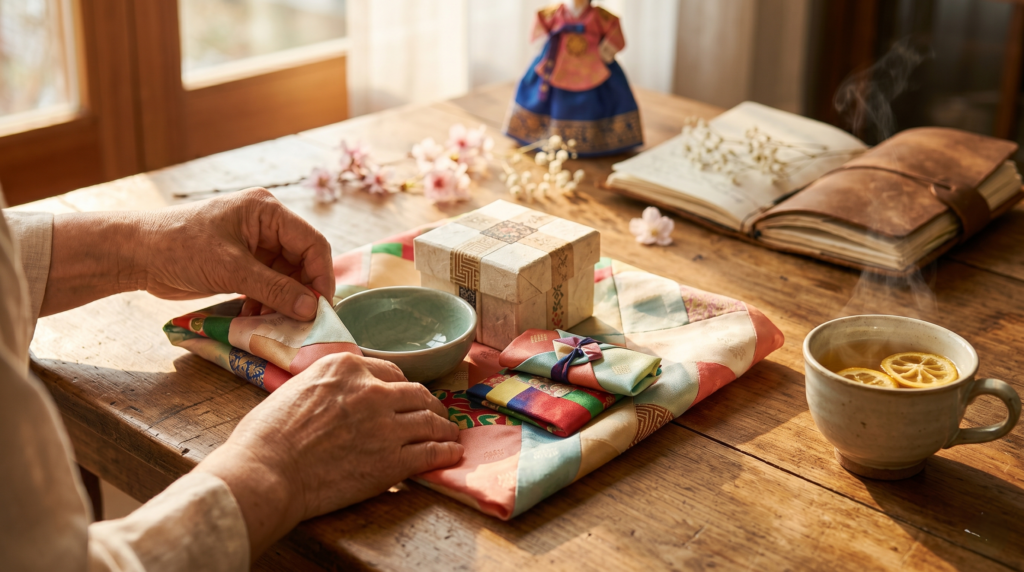
Korea is a country of extraordinary depth — a place where 5,000 years of history coexist with some of the world’s most dynamic contemporary culture, where a grandmother’s kimchi recipe carries the same weight as a globally streamed K-drama, and where even a humble piece of mulberry-bark paper can hold a millennium of craftsmanship.
The best souvenir you can bring home from Korea is not the most expensive item in the shop or the most Instagram-worthy package on the shelf. It is the thing that carries a story — a connection to the place, the people, and the culture that made your experience of Korea what it was. It is the jar of gochujang that makes a friend taste Korea for the first time at a dinner party. It is the hanji name seal that sits on a desk for decades. It is the sheet mask that introduces someone to a skincare ritual that changes how they think about self-care.
Take your time. Shop thoughtfully. Choose gifts that tell the truth about Korea — its beauty, its creativity, its warmth, and its extraordinary cultural richness.
And if you are still exploring Korea from afar — through dramas, music, and the growing world of Korean cultural content — let these 25 souvenirs serve as your guide to what Korea truly has to offer. The culture is waiting for you, whether you visit in person or bring a little of it home through the gifts you give and receive.
Enjoyed this guide? Explore more Korean culture tips, drama recommendations, and travel insights right here on our site. Whether you are a longtime K-culture enthusiast or just beginning your Korean journey, there is always something new to discover.