
Imagine binge-watching your favorite K-drama, captivated by the stunning outfits worn by stars like Son Ye-jin or Park Seo-joon, only to visit a Korean fashion site and find yourself puzzled by unfamiliar sizing charts. If you’ve ever wondered, “What is classified as plus size in Korea?” you’re not alone. Korean fashion, deeply intertwined with K-dramas and cultural beauty standards, often uses smaller sizing scales than Western markets, leaving many international fans confused. This comprehensive guide dives into Korea’s unique fashion sizing, explores the cultural and K-drama influences behind it, and offers practical solutions for plus-size shoppers to navigate this vibrant style scene with confidence. Backed by insights from Korean fashion experts and cultural trends, this article equips you with everything you need to understand and embrace Korean fashion, no matter your size.
Understanding Korean Fashion Sizing Standards
 How Korea Defines Clothing Sizes
Korean fashion sizing can feel like a mystery to those accustomed to Western systems like S, M, L, or US/UK numerical sizes. In Korea, women’s clothing typically uses a numeric system (e.g., 44, 55, 66), which corresponds to specific body measurements in centimeters. For example, a size 55 often aligns with a bust/waist measurement of approximately 85–90 cm, while a size 66 might fit measurements around 90–95 cm. Men’s sizes follow a similar numeric pattern, often tied to chest or waist measurements.
To put this in perspective, a Korean size 55 roughly equates to a US size 4–6 or a UK size 8–10, while a size 66 might align with a US 8–10 or UK 12–14. These sizes are notably smaller than Western averages due to Korea’s demographic trends. According to a 2021 study by the Korean Agency for Technology and Standards, the average South Korean woman has a waist measurement of about 74 cm, significantly smaller than the US average of 88 cm. This data shapes the sizing offered by mainstream retailers like SPAO or Uniqlo Korea, where “standard” sizes dominate.
Comparison Table: Korean vs. Western Sizing (Women’s)
| Korean Size | Bust (cm) | Waist (cm) | US Size | UK Size | EU Size |
|---|---|---|---|---|---|
| 44 | 80–85 | 60–65 | 0–2 | 4–6 | 32–34 |
| 55 | 85–90 | 65–70 | 4–6 | 8–10 | 36–38 |
| 66 | 90–95 | 70–75 | 8–10 | 12–14 | 40–42 |
| 77+ | 95+ | 75+ | 12+ | 16+ | 44+ |
What Is Considered Plus Size in Korea?
In Korea, plus-size clothing typically starts at size 66 or 77 for women, corresponding to bust/waist measurements above 95 cm. For men, plus-size categories often begin at sizes exceeding a 100 cm chest or waist. Unlike Western markets, where plus-size clothing might start at US size 14 (UK 18), Korea’s plus-size threshold is closer to a US size 10–12. This narrower definition reflects cultural preferences for slimmer silhouettes, as noted by Seoul-based fashion consultant Min-ji Kim, who explains, “Korean fashion prioritizes fitted, minimalist designs, which often limits sizing options for broader body types.”
Retailers like H&M Korea and SPAO have started offering plus-size lines, but these are often labeled as “Big Size” and remain limited compared to standard sizes. For example, H&M Korea’s plus-size range might include sizes up to 2XL, but these are equivalent to a Western L or XL. This discrepancy can frustrate international shoppers expecting more inclusive options, making it essential to understand Korea’s sizing framework before shopping.
Cultural Influences on Korea’s Fashion Standards
Beauty Ideals in Korean Culture
Korea’s fashion sizing is deeply rooted in its cultural beauty standards, which emphasize slimness, youthful features, and a polished aesthetic. Influenced by K-pop idols like IU or BTS and K-drama stars like Kim Go-eun, the ideal body type in Korea often leans toward petite, slender frames. A 2022 cultural study from Yonsei University noted that media portrayals reinforce these ideals, with 78% of female K-drama characters depicted as slim or petite. This cultural preference shapes clothing design, prioritizing fitted cuts and delicate silhouettes that align with these standards.
The pressure to conform to these ideals extends to retail, where “free size” (one-size-fits-all) clothing is common. These garments typically fit Korean sizes 44–55, leaving plus-size shoppers with limited choices. As fashion blogger Hye-jin Park notes, “Free-size clothing is marketed as versatile, but it often excludes anyone above a size 66, reinforcing a narrow beauty standard.”
The Role of K-Dramas in Shaping Fashion Perceptions
K-dramas are a global phenomenon, influencing fashion trends far beyond Korea’s borders. Shows like Crash Landing on You and Itaewon Class showcase meticulously styled characters, often in tailored outfits that highlight slim figures. For instance, Yoon Se-ri’s elegant dresses in Crash Landing on You are typically size 55 or smaller, reflecting Korea’s standard sizing. However, recent dramas like Weightlifting Fairy Kim Bok-joo have begun featuring more diverse body types, with characters styled in looser, sporty looks that inspire plus-size adaptations.
While K-dramas rarely spotlight plus-size characters, their influence on fashion is undeniable. Costume designers often use clothing to convey personality, but the lack of size diversity can make it challenging for plus-size fans to replicate these looks. Fortunately, the global reach of K-dramas has pushed some brands to offer more inclusive sizing, as seen in collaborations between Netflix and Korean retailers for drama-inspired collections.
Challenges of Finding Plus-Size Clothing in Korea
Limited Availability in Physical Stores
 Shopping for plus-size clothing in Korea’s physical stores can be daunting. Popular shopping districts like Myeongdong or Dongdaemun prioritize trendy, slim-fit clothing, with most stores stocking sizes 44–66. Plus-size sections are rare, and “free size” garments dominate, often fitting only up to a Korean size 55. A 2023 survey by Korea Fashion Industry Association found that only 15% of Seoul’s brick-and-mortar stores carry sizes above 77, highlighting the gap in availability.
For tourists or international fans visiting Korea, this scarcity can feel exclusionary. Shoppers often report frustration at finding stylish options, with many stores offering only basic or outdated plus-size designs. This challenge underscores the need for strategic shopping approaches, particularly for those seeking K-drama-inspired looks.
Online Shopping and Plus-Size Options
 Online platforms have become a lifeline for plus-size shoppers in Korea. Retailers like Gmarket, Coupang, and specialized stores like Sufsuf and Big Size Store offer dedicated plus-size sections, with sizes up to 4XL in some cases. However, sizing inconsistencies remain a hurdle. For example, a “2XL” on one site might equate to a Korean size 77, while another might align with a size 88. To navigate this, experts recommend checking detailed measurement charts (e.g., bust, waist, hip in cm) before purchasing.
Expert Tip: Always cross-reference product reviews and size guides, as Korean online retailers often include customer photos or feedback that clarify fit. Platforms like 11th Street also allow filtering by size, making it easier to find suitable options.
How K-Dramas Influence Plus-Size Fashion Trends
Emerging Inclusivity in K-Drama Fashion
The global K-drama boom has sparked demand for more inclusive fashion, and some shows are responding. Weightlifting Fairy Kim Bok-joo features a protagonist with a more athletic build, styled in oversized hoodies and relaxed jeans that resonate with plus-size audiences. Similarly, My ID Is Gangnam Beauty addresses body image, subtly challenging Korea’s slimness ideal. These shifts reflect growing awareness of diverse audiences, with costume designers incorporating looser silhouettes and versatile pieces that suit a range of body types.
Korean brands are also adapting. For example, SPAO’s 2024 collection included a K-drama-inspired line with sizes up to 3XL, featuring flowy dresses and boxy blazers seen in Vincenzo. This trend signals a slow but meaningful move toward inclusivity, driven by international fans and changing cultural attitudes.
Adapting K-Drama Looks for Plus-Size Shoppers
Recreating K-drama outfits as a plus-size shopper is entirely possible with the right approach. Focus on versatile pieces like oversized cardigans, A-line skirts, or tailored trousers, which are staples in dramas like Start-Up. These items are easier to find in plus-size ranges and align with Korea’s minimalist aesthetic. For example, a flowy midi dress paired with a belt can mimic Han Ji-pyeong’s chic style from Start-Up, while loose-fit denim jackets echo the casual vibe of Hospital Playlist.
Styling Tips:
- Opt for layered looks (e.g., long cardigans over dresses) to add dimension without emphasizing size.
- Choose neutral or pastel colors, common in K-dramas, to maintain authenticity.
- Look for stretch fabrics or adjustable designs (e.g., wrap dresses) for comfort and fit.
Recommended brands include YesStyle for Korean-inspired plus-size clothing and Uniqlo Korea for basics up to 2XL. These options allow fans to channel K-drama aesthetics while accommodating diverse body types.
Practical Tips for Plus-Size Shopping in Korea
Navigating Korean Fashion Retail
Shopping for plus-size clothing in Korea requires a strategic approach, whether you’re browsing in-store or online. In physical stores, focus on major retailers like Uniqlo Korea, Zara Korea, or H&M Korea, which occasionally stock sizes up to 2XL or 3XL. These brands cater to a broader audience, including international visitors, and often provide detailed size charts in-store. For example, Uniqlo’s “Big Size” line includes relaxed-fit jeans and oversized tees up to a Korean size 88, roughly a US 14–16.
When shopping in popular districts like Myeongdong or Hongdae, prioritize multi-brand stores or department stores like Lotte Mart, which may carry a wider size range. However, be prepared for limited options, as most boutiques focus on sizes 44–66. To maximize success, check store websites beforehand for plus-size availability or contact staff via apps like KakaoTalk for size inquiries.
Online Shopping Guide:
- Use Measurement Charts: Always refer to the product’s bust, waist, and hip measurements in centimeters, as labels like “XL” vary across brands.
- Filter by Size: Platforms like Coupang and 11th Street allow size filters, helping you locate plus-size options quickly.
- Read Reviews: Customer reviews often include sizing feedback or photos, especially on Gmarket or Sufsuf, which can clarify fit for plus-size shoppers.
Custom and Tailored Options
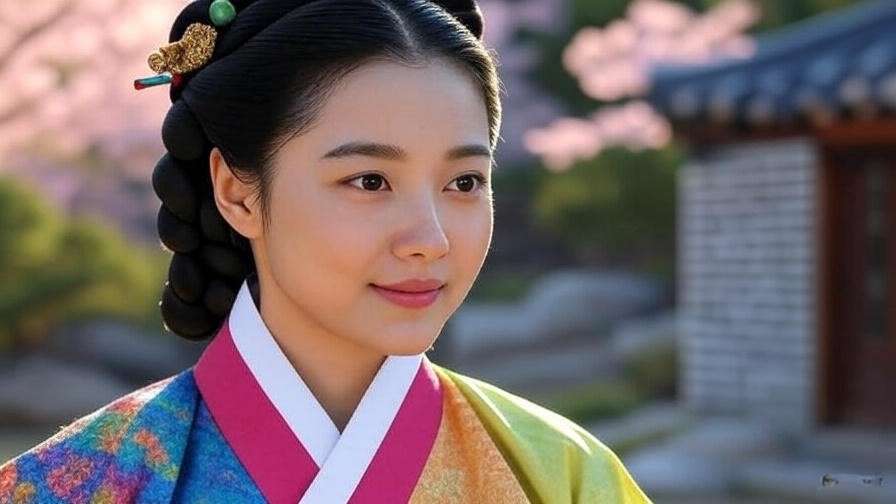
 Korea’s tailoring culture offers a fantastic solution for plus-size shoppers seeking stylish, well-fitted clothing. Tailors in cities like Seoul and Busan can create custom pieces, from modern hanbok to K-drama-inspired outfits, based on exact measurements. For example, Itaewon’s tailor shops are known for crafting bespoke suits and dresses, often at affordable prices (starting at around ₩100,000 for a dress). Hanbok tailors, like those in Insadong, specialize in plus-size traditional garments, ensuring a perfect fit for special occasions.
To communicate with tailors effectively:
- Provide precise measurements (bust, waist, hips, and length) in centimeters.
- Bring reference images, such as K-drama outfits, to convey your desired style.
- Confirm fabric choices, as stretchy or flowy materials better suit plus-size designs.
Online platforms like ZigZag also connect shoppers with local tailors, offering custom sizing for modern Korean fashion. This option is ideal for replicating iconic looks, such as the elegant coats worn in The King: Eternal Monarch.
International Alternatives for Korean Fashion
For those outside Korea, international retailers like YesStyle, StyleNanda, and ASOS offer Korean-inspired plus-size clothing with more accessible sizing. YesStyle, in particular, carries brands like Chuu and Mixxmix, which include plus-size lines up to 3XL, often with K-drama-inspired aesthetics like flowy blouses or high-waisted skirts. ASOS’s Curve line also features Korean-style pieces, such as oversized blazers and pleated dresses, in sizes up to US 26.
When shopping internationally:
- Check shipping policies, as some Korean brands on YesStyle offer free shipping for orders over $50.
- Compare sizing charts, as international retailers may adjust Korean sizes to Western standards.
- Look for “Korea authentic” labels to ensure genuine designs.
Comparison Table: Korean vs. International Retailers
| Retailer | Size Range (Women) | K-Drama Style Availability | Shipping to US/UK/EU |
|---|---|---|---|
| Sufsuf (Korea) | Up to 4XL | Moderate | Limited |
| Uniqlo Korea | Up to 2XL | High (Basics) | Via reshippers |
| YesStyle | Up to 3XL | High | Free over $50 |
| ASOS Curve | Up to US 26 | Moderate | Free over £40 |
The Future of Plus-Size Fashion in Korea
Growing Demand for Inclusivity
The global popularity of K-pop and K-dramas has fueled demand for more inclusive fashion in Korea. International fans, particularly from North America and Europe, are pushing brands to expand size ranges to accommodate diverse body types. According to a 2024 report by the Korea Fashion Industry Association, online searches for “plus-size Korean fashion” increased by 35% in the past two years, reflecting this shift. Brands like SPAO and 8Seconds have responded with limited plus-size collections, often promoted through K-drama collaborations, such as Hometown Cha-Cha-Cha-inspired capsule lines.
Tourism also plays a role, as visitors seek Korean fashion but struggle with limited sizes. This demand has prompted retailers like Coupang to expand their “Big Size” categories, offering dresses and outerwear up to 4XL. As Korea’s fashion industry adapts to global audiences, the plus-size market is poised for growth, with brands increasingly recognizing the economic potential of inclusivity.
Advocacy and Representation
 Body positivity is gaining traction in Korea, driven by social media influencers and activists. Plus-size models like Lee Soo-jin and fashion bloggers on Instagram and X (@koreanplussize, @bigsizefashionkr) are challenging traditional beauty standards, showcasing stylish outfits in sizes 77 and above. These voices advocate for better representation in K-dramas and retail, highlighting brands that prioritize inclusivity.
Campaigns like #SizeDiversityKorea, launched in 2023, have also pushed for change, encouraging retailers to stock larger sizes and feature diverse models. Brands like Big Size Store have embraced this movement, collaborating with influencers to promote plus-size hanbok and streetwear. This shift signals a cultural evolution, with K-dramas and fashion media slowly reflecting more inclusive ideals.
FAQs
What is classified as plus size in Korea?
Plus-size clothing in Korea typically starts at size 66–77 for women (bust/waist over 95 cm) and sizes above 100 cm for men’s chest/waist, roughly equivalent to US 10–12 or UK 14–16.
Can I find plus-size clothing in Korean stores?
Physical stores have limited options, but online platforms like Gmarket, Coupang, and Sufsuf offer plus-size sections with sizes up to 4XL. Always check measurement charts for accuracy.
How do K-dramas influence plus-size fashion?
K-dramas traditionally emphasize slim figures but are increasingly featuring diverse body types, inspiring brands to offer inclusive sizing for drama-inspired looks.
Are there plus-size hanbok options?
Yes, custom hanbok tailors in Insadong or online retailers like ZigZag provide plus-size designs, crafted to exact measurements for a perfect fit.
How do I convert Korean sizes to Western sizes?
Use detailed measurement charts, as Korean sizes (e.g., 66) are smaller than Western equivalents (e.g., US 8–10). Cross-reference bust/waist measurements for accuracy.
Navigating Korean fashion as a plus-size shopper may seem challenging, but understanding what is classified as plus size in Korea—typically sizes 66–77 and above—unlocks a world of stylish possibilities. From the cultural beauty standards shaped by K-dramas to the practical realities of shopping in Seoul or online, this guide has equipped you with the knowledge to confidently explore Korean fashion. Whether you’re recreating Yoon Se-ri’s elegant looks or seeking a custom hanbok, options like online retailers, tailoring services, and international platforms make it easier than ever to embrace Korea’s iconic style. Share your experiences or questions in the comments below, and dive into our other articles on Korean culture for more inspiration!