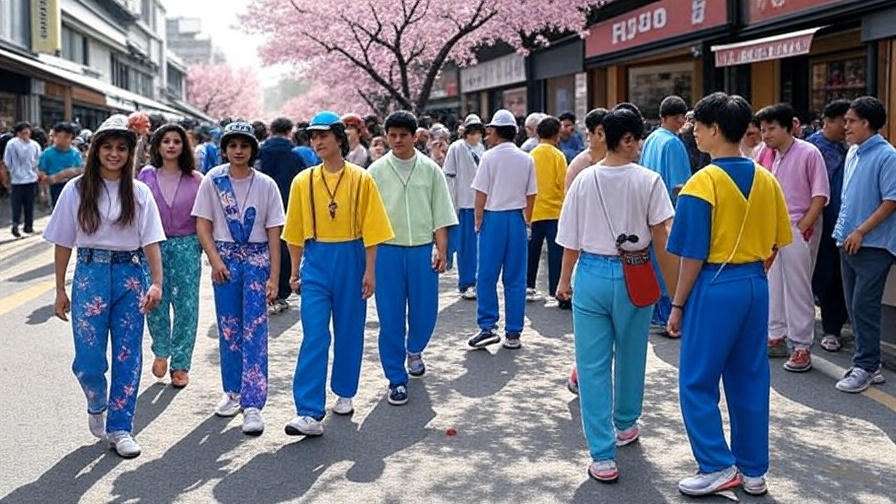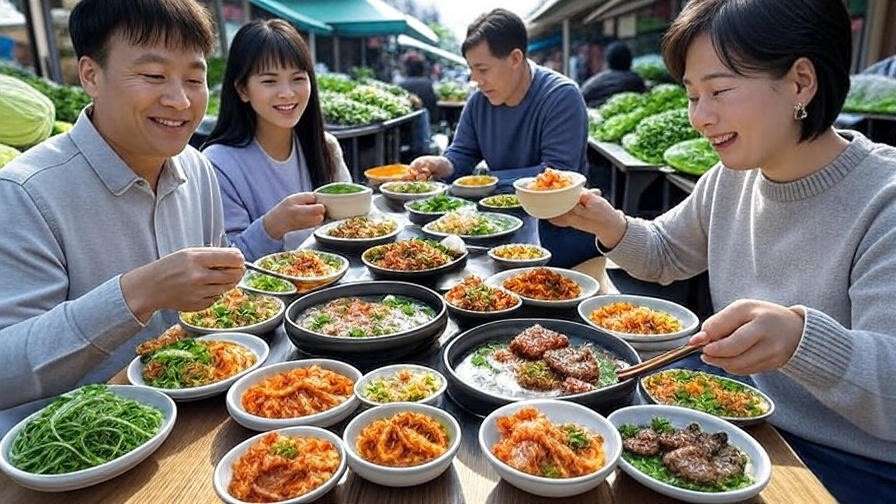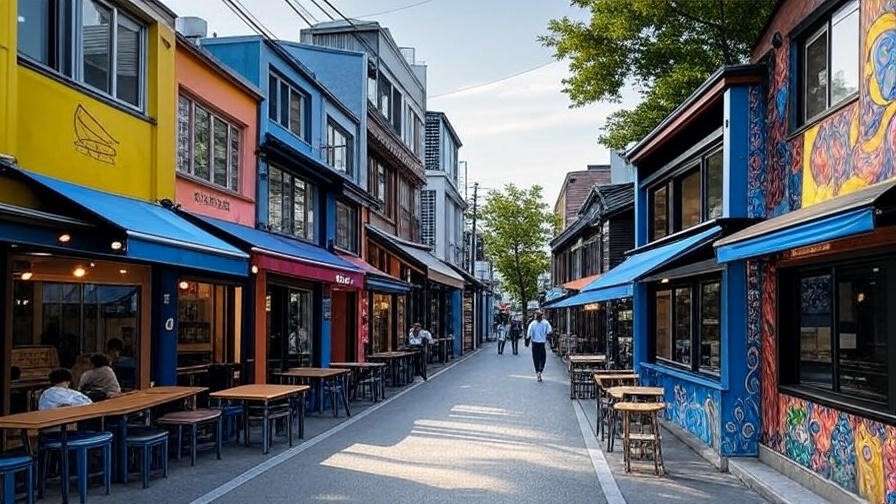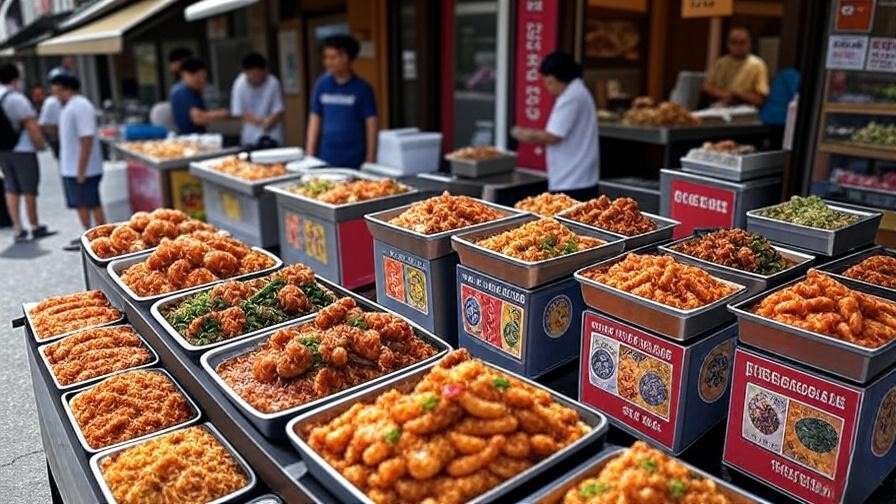

Picture yourself guiding a group of starry-eyed tourists through the vibrant streets of Seoul, pointing out the iconic filming locations of your favorite K-drama, or helping a family experience the magic of wearing hanbok at Gyeongbokgung Palace. For fans of Korean culture, travel and tourism jobs in South Korea offer a unique opportunity to turn your passion for K-pop, K-dramas, and Korean traditions into a rewarding career. With the global rise of the Korean Wave (Hallyu), South Korea’s tourism industry is booming, creating diverse job opportunities for locals and foreigners alike. But how do you break into this exciting field? This comprehensive guide explores the types of travel and tourism jobs in South Korea, essential requirements, application strategies, cultural insights, and future trends to help you land your dream job. Drawing on insights from industry experts and data from the Korea Tourism Organization, we’ll equip you with everything you need to succeed in this vibrant sector.
1. Why Travel and Tourism Jobs in South Korea Are a Dream Opportunity
The Boom of South Korea’s Tourism Industry
South Korea’s tourism industry is experiencing unprecedented growth, fueled by the global popularity of Hallyu. In 2023, the country welcomed over 17.5 million foreign visitors, a significant rebound from pre-pandemic levels, according to the Korea Tourism Organization (KTO). Government initiatives like the “Visit Korea” campaign and investments in cultural infrastructure have further amplified this growth, creating thousands of jobs in hospitality, tour operations, and cultural promotion. From the bustling streets of Myeongdong to the serene beaches of Jeju Island, the demand for skilled tourism professionals is soaring.
This surge isn’t just about numbers—it’s about opportunity. The tourism sector contributes significantly to South Korea’s economy, with tourism revenue reaching ₩15.2 trillion in 2023. For job seekers, this translates to a wealth of roles, from entry-level positions to specialized careers that blend cultural expertise with professional skills.
Why K-Culture Makes These Jobs Unique
What sets South Korea’s tourism jobs apart is their deep connection to K-culture. Whether you’re guiding tourists to the filming locations of Crash Landing on You or helping visitors navigate a K-pop-themed café, these roles allow you to immerse yourself in the heart of Korean pop culture. The emotional appeal of working in a country celebrated for BTS, Blackpink, and Michelin-starred Korean cuisine is undeniable. You’re not just a tour guide or hotel staff—you’re a cultural ambassador sharing South Korea’s rich heritage with the world.
Expert Insight: “Working in South Korea’s tourism industry is like being part of a global cultural movement,” says Ji-hye Park, a veteran tour guide with 10 years of experience in Seoul. “You get to share the magic of K-dramas and K-pop with people from all over, and it’s incredibly rewarding.”
2. Types of Travel and Tourism Jobs in South Korea
South Korea’s tourism industry offers a wide range of career paths, each catering to different skills and passions. Here’s a breakdown of the most in-demand roles:
Hospitality and Hotel Roles
 The hospitality sector is a cornerstone of South Korea’s tourism industry, with roles ranging from front desk staff to hotel managers. Luxury hotels in Seoul’s Gangnam district or Busan’s Haeundae Beach seek professionals with strong customer service skills and multilingual abilities, particularly in English, Chinese, or Japanese. For example, a concierge at a five-star hotel like the Lotte Hotel Seoul might assist international guests with restaurant bookings or K-pop concert tickets, blending hospitality with cultural expertise.
- Skills Needed: Communication, problem-solving, cultural sensitivity.
- Average Salary: ₩2.5M–₩4M/month, depending on experience and location.
Tour Guides and Cultural Ambassadors
 Tour guides are the face of South Korea’s tourism industry, offering immersive experiences at cultural landmarks, K-drama filming sites, or K-pop hotspots. Specialized roles, such as hanbok experience coordinators, allow tourists to dress in traditional Korean attire and explore palaces. Bilingual guides fluent in Korean and another language are in high demand, especially in Seoul and Jeju.
Case Study: Min-ji Kim, a tour guide at Gyeongbokgung Palace, starts her day leading a group of international tourists through the palace’s historic gates, explaining its history while weaving in stories from K-dramas like Moonlight Drawn by Clouds. Her fluency in English and knowledge of Korean culture make her an invaluable asset.
Travel Agencies and Tour Operators
 Travel agencies and tour operators hire itinerary planners, travel consultants, and group tour coordinators to design memorable experiences. These roles require organizational skills and deep knowledge of South Korea’s regions, from the cherry blossoms of Jinhae to the temples of Gyeongju. For instance, a travel consultant might create a tailored K-drama tour package, including visits to Itaewon Class filming locations.
Content Creation and Marketing for Tourism
 The rise of social media has created new opportunities for content creators and marketers. Roles like social media managers or travel vloggers involve promoting South Korea’s attractions through platforms like Instagram and TikTok. The KTO frequently collaborates with influencers to create viral content, such as videos showcasing Jeju’s volcanic landscapes or Seoul’s street food markets.
Example: A content creator might produce a TikTok series for the KTO, highlighting hidden gems in Busan’s Gamcheon Culture Village, driving millions of views and boosting tourism.
Other Niche Roles
Beyond traditional roles, South Korea’s tourism industry offers niche opportunities like airport customer service, cultural event planners, or sustainable tourism advocates. For example, event planners might organize K-culture festivals, while sustainable tourism roles focus on eco-friendly initiatives in rural areas.
Tip Box: Top 5 In-Demand Skills for Tourism Jobs
- Korean language proficiency (TOPIK Level 3 or higher).
- Multilingual abilities (English, Mandarin, Japanese).
- Cultural knowledge of K-pop, K-dramas, and Korean history.
- Customer service and interpersonal skills.
- Digital marketing or content creation expertise.
3. Requirements and Qualifications for Tourism Jobs in South Korea
Educational and Professional Background
While a degree isn’t always mandatory, many employers prefer candidates with backgrounds in tourism management, hospitality, or Korean studies. Certifications like TESOL (for language instructors) or a tour guide license issued by the KTO can give you a competitive edge. For specialized roles, such as cultural event planning, a degree in event management or marketing is advantageous.
Language Proficiency
Fluency in Korean is a significant asset, with many employers requiring at least TOPIK Level 3 for customer-facing roles. Proficiency in additional languages like English, Mandarin, or Japanese is highly valued, especially for tour guides and hotel staff. Resources like the King Sejong Institute, Duolingo, or local language schools in South Korea can help you improve your Korean skills.
Pro Tip: Start with basic Korean phrases like “Annyeonghaseyo” (Hello) and “Kamsahamnida” (Thank you) to build confidence before tackling TOPIK exams.
Visa and Work Permits
Foreigners need a valid work visa to pursue tourism jobs in South Korea. Common visa types include:
- H-1 (Working Holiday): For young adults from eligible countries, valid for 1–2 years.
- E-7 (Specialty Jobs): For skilled professionals in tourism or hospitality.
- D-10 (Job Seeker): Allows job hunting for up to 6 months.
To apply, you’ll need a job offer, a valid passport, and supporting documents like educational certificates. The process typically takes 2–3 months, so plan ahead.
Expert Insight: “Navigating South Korea’s visa system can be daunting, but preparation is key,” says Min-soo Lee, an immigration consultant based in Seoul. “Ensure your documents are complete and align your skills with the job’s requirements to avoid delays.”
4. How to Find Travel and Tourism Jobs in South Korea
Job Search Platforms and Resources
Several platforms cater to job seekers in South Korea’s tourism industry:
- WorknPlay: Specializes in jobs for foreigners, including tourism roles.
- JobKorea: A popular platform for both locals and expats.
- LinkedIn: Ideal for connecting with international hotel chains or tourism agencies.
- KTO Job Board: Lists opportunities with government-backed tourism initiatives.
When applying, tailor your resume to highlight relevant skills, such as language proficiency or cultural knowledge. A cover letter emphasizing your passion for K-culture can set you apart.
Networking and Cultural Events
Networking is crucial in South Korea’s job market. Attend events like the Seoul International Tourism Fair or K-culture festivals to connect with industry professionals. Expat meetups in cities like Seoul or Busan also offer opportunities to learn about unadvertised roles.
Example: At the Seoul International Tourism Fair, you might meet recruiters from major travel agencies or pitch your skills to KTO representatives.
Working with Recruitment Agencies
Recruitment agencies like PeopleNJob or Global Seoul Center specialize in placing foreigners in tourism and hospitality roles. These agencies can match you with employers and guide you through the visa process.
Tip Box: 5 Mistakes to Avoid When Applying
- Submitting generic resumes without cultural references.
- Ignoring Korean business etiquette (e.g., formal language in emails).
- Applying without basic Korean language skills.
- Overlooking visa requirements.
- Failing to research the employer’s values or mission.
5. Cultural Insights for Thriving in South Korea’s Tourism Industry
Understanding Korean Workplace Culture
South Korea’s workplace culture emphasizes hierarchy, collectivism, and punctuality. Respect for senior colleagues (seonbae) and adherence to schedules are critical. As a foreign worker, take time to learn workplace norms, such as bowing to superiors or using honorifics in Korean.
Embracing K-Culture in Your Role
Incorporating K-culture into your work can enhance your performance. For example, a tour guide might reference Squid Game while leading a group through Seoul’s Insadong district, making the experience memorable. Similarly, marketers can leverage K-pop trends to create engaging campaigns.
Example: A travel agency in Seoul designed a BTS-themed tour, including visits to HYBE’s headquarters and the BTS Pop-Up Store, which attracted thousands of international fans.
Building Relationships with Locals and Tourists
Effective communication is key in tourism. Practice cultural sensitivity by learning about Korean customs, such as removing shoes indoors or avoiding direct confrontation. Building rapport with tourists from diverse backgrounds requires empathy and adaptability.
Case Study: Sarah Johnson, a Canadian tour guide in Jeju, gained popularity by blending her knowledge of Korean folklore with engaging storytelling, earning rave reviews from tourists.
6. Challenges and How to Overcome Them
Language Barriers
Language barriers can be a hurdle, especially in customer-facing roles. To overcome this, enroll in language exchange programs like those offered by TalkToMeInKorean or join local language meetups. Immersion, such as living with a Korean host family, can accelerate learning.
Cultural Adjustment
Adjusting to South Korea’s fast-paced, collectivist culture can be challenging for foreigners. Combat homesickness by joining expat communities like Seoul Expats or accessing counseling services through organizations like International Clinic Seoul.
Competitive Job Market
South Korea’s job market is competitive, particularly in tourism. Stand out by building a portfolio of relevant experiences, such as volunteering at cultural festivals or creating K-culture content online. Gaining local experience, even through internships, can boost your resume.
Expert Insight: “Persistence and cultural adaptability are key,” says Hye-jin Choi, a K-culture influencer with 500K followers. “Show employers you’re committed to learning and embracing Korean culture.”
7. Salaries and Benefits in South Korea’s Tourism Industry
Average Salaries by Role
Salaries vary by role and location:
- Tour Guide: ₩2.5M–₩3.5M/month.
- Hotel Staff (Front Desk): ₩2.2M–₩3M/month.
- Travel Consultant: ₩2.8M–₩3.8M/month.
- Hotel Manager: ₩4M–₩6M/month.
- Content Creator: ₩3M–₩5M/month (varies by project).
These salaries are competitive compared to South Korea’s cost of living, with average monthly expenses in Seoul around ₩1.5M–₩2M.
Benefits and Perks
Employers often provide benefits like housing allowances, health insurance, and paid vacation. Unique perks include free access to cultural events, discounts on K-pop concerts, or subsidized travel to tourist destinations.
Data Table:
| Role | Salary Range (₩/month) | Key Benefits |
|---|---|---|
| Tour Guide | 2.5M–3.5M | Free cultural experiences |
| Hotel Staff | 2.2M–3M | Housing allowance, health insurance |
| Travel Consultant | 2.8M–3.8M | Flexible hours, travel discounts |
| Hotel Manager | 4M–6M | Bonuses, professional development |
| Content Creator | 3M–5M | Creative freedom, event access |
8. Future Trends in South Korea’s Tourism Job Market
Sustainable and Eco-Tourism Roles
 With growing global interest in sustainability, South Korea is investing in eco-tourism. Jeju Island, for example, is promoting roles focused on preserving its natural beauty, such as eco-tour guides or sustainable travel planners.
Technology and Digital Nomad Opportunities
 Technology is reshaping tourism jobs. AR/VR tours, AI-driven travel apps, and remote marketing roles are on the rise. Digital nomads with skills in content creation or app development can find freelance opportunities with Korean tourism startups.
Impact of Global K-Culture Events
Events like KCON, Seoul Fashion Week, and the Busan International Film Festival create seasonal job opportunities, from event coordinators to promotional staff. These roles are ideal for those seeking short-term or part-time work.
Expert Prediction: “By 2030, we expect a surge in tech-driven tourism roles, especially in virtual and sustainable tourism,” says Dr. Soo-jin Lee, a tourism professor at Hanyang University. “K-culture will continue to drive demand for creative and culturally savvy professionals.”
FAQs
- What qualifications do I need for tourism jobs in South Korea?
A degree in tourism, hospitality, or Korean studies is helpful, but certifications like TOPIK or a tour guide license can suffice for many roles. - Can I work in South Korea’s tourism industry without speaking Korean?
Basic Korean is recommended, but roles in international hotels or agencies may prioritize English or other languages. - What are the best cities in South Korea for tourism jobs?
Seoul, Busan, and Jeju are top hubs due to their tourist attractions and infrastructure. - How do I get a work visa for tourism jobs in South Korea?
Secure a job offer, then apply for an E-7 or H-1 visa with supporting documents through a Korean embassy. - Are there part-time or freelance opportunities in South Korea’s tourism sector?
Yes, roles like freelance content creators or seasonal event staff are common, especially during K-culture festivals.
Travel and tourism jobs in South Korea offer a unique chance to blend your passion for K-culture with a fulfilling career. From guiding tourists through historic palaces to creating viral content for the KTO, the opportunities are as diverse as they are exciting. By developing the right skills, understanding Korean workplace culture, and leveraging job search resources, you can turn your dream into reality. Start today by learning basic Korean, exploring platforms like WorknPlay, or attending a K-culture event to network. Share your journey or questions in the comments below—let’s build a community of K-culture enthusiasts thriving in South Korea’s tourism industry!