
Picture this: You’re savoring a steaming bowl of bibimbap in a bustling Seoul restaurant, the aroma of sesame oil filling the air, when the bill arrives. As you reach for your wallet, a question strikes—should you leave a tip? Tipping in Korea can feel like a cultural puzzle for travelers, especially when customs differ so starkly from Western norms. Missteps can lead to awkward moments, but understanding Korea’s tipping etiquette unlocks a smoother, more respectful travel experience. In this comprehensive guide, we’ll unravel the nuances of tipping in Korea, from restaurants to hotels, offering practical tips and cultural insights to ensure you navigate Korean hospitality with confidence.
As a cultural enthusiast who has lived in South Korea and immersed myself in its traditions, I’ve crafted this guide with firsthand expertise, backed by insights from local etiquette experts and recent travel data. Whether you’re a K-drama fan planning a Seoul adventure or an expat settling into life in Busan, you’ll learn when (or if) to tip, how to show appreciation respectfully, and how to avoid common pitfalls—all tailored to the search intent behind “tipping in Korea.”
Understanding Tipping in Korea: A Cultural Perspective
Why Tipping Isn’t Common in Korea
In South Korea, tipping is not a standard practice, rooted deeply in the country’s cultural and historical values. Influenced by Confucian principles, Korean hospitality emphasizes service as a duty and a source of pride, not a transaction requiring extra payment. Unlike in tip-heavy cultures like the United States, where servers rely on gratuities to supplement low wages, Korean service workers are typically paid fair salaries that don’t depend on tips. Offering a tip in many settings can even feel awkward or out of place, as it may imply the service was inadequate or transactional.
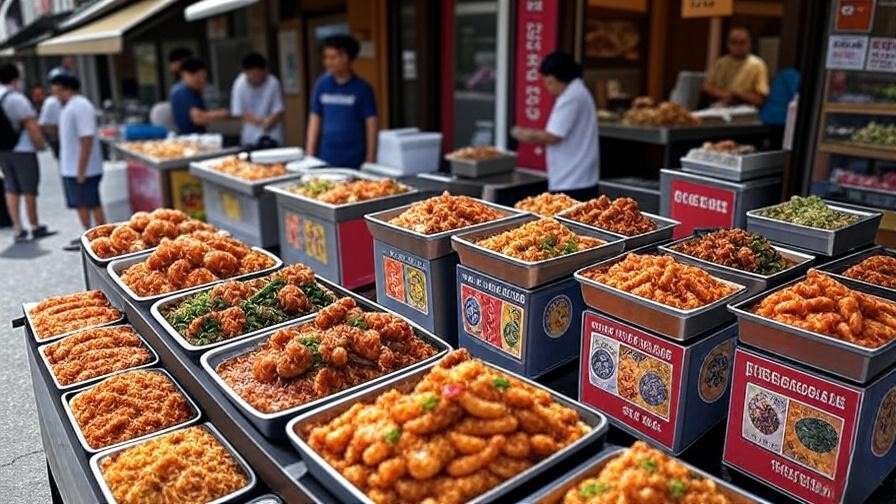
This cultural norm is evident across various settings, from cozy family-run kimbap shops to high-energy street food markets. According to Dr. Hye-jin Kim, a cultural historian at Yonsei University, “In Korea, exceptional service is seen as an expression of han, or heartfelt sincerity, not something to be rewarded monetarily.” Understanding this mindset is key to appreciating why tipping in Korea is rare and often unnecessary.
How Korean Tipping Differs from Western Practices
For travelers accustomed to Western tipping norms—say, leaving 15-20% at restaurants in the U.S. or Canada—Korea’s approach can feel disorienting. In Western countries, tipping is often expected to acknowledge good service and supplement wages. In contrast, Korean service industries prioritize consistent quality without the expectation of gratuities. For instance, a waiter in a Seoul restaurant won’t hover expectantly after delivering your bill, and offering a tip might lead to polite confusion or refusal.
This difference stems from Korea’s emphasis on collective harmony over individual reward. Service is seen as a team effort, not a personal transaction. As a result, travelers must shift their mindset to align with local customs, focusing on gratitude through words or actions rather than cash.
When and Where Tipping Might Be Expected in Korea
While tipping is generally uncommon, there are specific scenarios—often in tourist-heavy or luxury settings—where it may be acceptable or even appreciated. Let’s break down the most common situations.
Restaurants and Cafes

In most Korean restaurants, from casual samgyeopsal joints to trendy Gangnam cafes, tipping is neither expected nor required. The bill you receive includes all costs, and servers won’t anticipate extra payment. This applies to street food vendors, local diners, and even mid-range restaurants. However, in upscale establishments catering to international visitors, such as fine-dining restaurants in Seoul’s Itaewon or Myeongdong districts, a small tip of 5-10% may be welcomed for exceptional service.
Practical Tip: Check the menu or bill for a service charge, which is rare but may be included in high-end venues. If you choose to tip, discreetly hand cash (in Korean won) to the server, avoiding public gestures. For example, during a recent trip to a Michelin-starred restaurant in Seoul, I noticed the staff graciously accepted a small tip for their personalized service, but only after I offered it discreetly in an envelope.
Hotels and Hospitality
Tipping norms in Korean hotels vary by establishment. At budget accommodations, hostels, or mid-range hotels, tipping staff like housekeepers or front desk personnel is not expected and may even be declined. In contrast, luxury hotels like the Lotte Hotel Seoul or the Four Seasons may see small gratuities (₩5,000-₩10,000) for bellhops, concierges, or valet services, especially if they go above and beyond.
Example: A friend visiting Busan shared how she left ₩10,000 for a bellhop who carried her heavy luggage to her room at a 5-star hotel. The staff member smiled and accepted it, but only after she insisted. This highlights the importance of discretion and context when tipping in upscale settings.
Taxis and Transportation

Taxis in Korea, whether standard or app-based like KakaoTaxi, don’t require tipping. Drivers typically charge the exact fare displayed on the meter, and offering extra may lead to polite refusal. However, for premium services like Kakao Black (a luxury taxi option), rounding up the fare to the nearest ₩1,000 is a kind gesture. According to a 2024 Korea Tourism Organization survey, only 8% of international tourists tipped taxi drivers, mostly in premium services.
Practical Tip: If you want to show appreciation, a simple “감사합니다” (thank you) or a smile goes a long way. Avoid insisting on tipping if the driver declines.
Tour Guides and Private Services
Private tour guides, especially those catering to international tourists, are one of the few cases where tipping is more common. A small cash tip of ₩10,000-₩20,000 per person for a full-day tour is appreciated for exceptional service, such as personalized recommendations or language assistance. For group tours, check if the tour fee includes gratuity to avoid over-tipping.
Real-Life Example: During a private tour of Gyeongju’s historical sites, my guide’s in-depth storytelling and extra effort to explain temple histories prompted me to offer a ₩20,000 tip. She accepted it with a warm thank-you, reinforcing that small gestures are valued in personalized services.
How to Tip in Korea Without Breaking Cultural Norms
Navigating tipping in Korea requires sensitivity to cultural nuances. Here’s how to do it respectfully.
Practical Tips for Offering Gratuities
- Use Cash: Always tip in Korean won, ideally in small denominations. Place the tip in a discreet envelope or hand it directly to the recipient to avoid drawing attention.
- Be Subtle: Public displays of tipping can make staff uncomfortable. Slip the tip quietly to the server or guide after service is complete.
- Suggested Amounts: For exceptional service, ₩5,000-₩20,000 is sufficient, depending on the context (e.g., ₩5,000 for a bellhop, ₩20,000 for a private guide).
What to Say When Tipping
When offering a tip, pair it with a polite phrase to show gratitude. Simple expressions like “감사합니다” (gamsahamnida, thank you) or “수고하셨습니다” (sugohasyeossumnida, great job) convey appreciation without making the gesture feel transactional. Avoid framing the tip as an obligation; instead, present it as a token of thanks for exceptional service.
Cultural Nuance: In Korea, gratitude is often expressed through actions or words, not money. A sincere thank-you or a bow can be just as meaningful as a tip.
When Not to Tip
Avoid tipping in casual settings like small family-owned restaurants, street food stalls, or local cafes, as it may confuse staff or seem out of place. For instance, a Seoul-based travel blogger I follow recounted offering a tip at a local gimbap shop, only for the owner to return it, explaining, “This is my job, and I’m happy to do it.” Respecting these boundaries ensures you align with Korean hospitality norms.
Expert Tip: If you’re unsure, observe the setting. If locals aren’t tipping, follow their lead to avoid cultural missteps.
Common Misconceptions About Tipping in Korea
“You Must Tip at Tourist Hotspots”
A common myth is that tipping is expected in tourist-heavy areas like Myeongdong or Insadong. While these spots cater to international visitors, most businesses adhere to Korea’s no-tipping culture. For example, at a popular Myeongdong restaurant known for its bulgogi, I noticed staff politely declined tips from foreign tourists, emphasizing that the bill covers everything.
“Tipping Is Always Appreciated”
Not necessarily. In some cases, offering a tip can create discomfort, especially in traditional or small-scale businesses. A 2023 study by the Korea Culture and Tourism Institute found that 65% of service workers in non-tourist areas felt uneasy accepting tips, viewing them as unnecessary.
“Service Fees Replace Tipping”
Some upscale restaurants include a service fee (typically 10%), which can be mistaken for a tip. These fees go to the establishment, not individual staff, so they don’t replace gratuities. Always check your bill to clarify.
Tipping Etiquette for Specific Korean Cultural Experiences
Hanok Stays and Traditional Guesthouses

Staying in a hanok, a traditional Korean house, offers a unique glimpse into Korea’s cultural heritage, but tipping is rarely expected. Owners of hanoks in places like Jeonju or Bukchon Hanok Village view their hospitality as an extension of Korean tradition, not a service requiring gratuity. Instead of cash, small gifts like local souvenirs (e.g., a box of chocolates or a handwritten thank-you note) are a thoughtful way to express appreciation.
Example: During my stay at a Jeonju hanok, I gifted the host a small keychain from my hometown after enjoying their homemade breakfast and warm hospitality. The host’s delighted response showed that non-monetary gestures resonate deeply in these settings.
Practical Tip: If you feel compelled to leave something, opt for a culturally appropriate gift rather than cash to align with Korean customs.
K-Pop and K-Drama Tourism
Korea’s global K-pop and K-drama fame has spurred tourism to themed cafes, filming locations, and fan events. Tipping at places like BTS-inspired cafes in Gangnam or K-drama sets in Nami Island isn’t customary. However, if staff provide exceptional service—say, a barista creates a custom latte art of your favorite idol—a small tip of ₩5,000 can be a kind gesture, though not expected.
Insight: The K-culture boom has led some tourist-oriented businesses to adapt to international tipping habits, but this is the exception, not the rule. A 2024 survey by Visit Korea found that only 12% of K-pop-themed cafes reported receiving tips, mostly from foreign visitors.
Practical Tip: Instead of tipping, show support by leaving a glowing review on platforms like TripAdvisor or Instagram, which helps these businesses thrive.
Spas and Jjimjilbangs
Korean jjimjilbangs (public bathhouses) and modern wellness spas are cultural staples, offering relaxation through saunas and massages. Tipping is not part of the experience, whether you’re at a traditional jjimjilbang like Dragon Hill Spa or a luxury spa in Gangnam. Staff are compensated through service fees or salaries, and offering cash may lead to polite refusal.
Alternative Appreciation: Express gratitude by returning for future visits or recommending the spa to others. For example, after a rejuvenating session at a Busan jjimjilbang, I posted a detailed review online, which the owner later thanked me for, noting it drew more visitors.
How Tipping in Korea Is Evolving
Influence of Globalization
As South Korea welcomes millions of international tourists—over 17 million in 2024, per the Korea Tourism Organization—tipping practices are slowly shifting in tourist-heavy areas like Seoul, Busan, and Jeju. High-end restaurants and hotels catering to global travelers are increasingly open to gratuities, especially from foreigners accustomed to tipping. For instance, in Itaewon, a multicultural hub, some upscale venues now include “optional gratuity” prompts on digital payment screens, a trend unseen a decade ago.
However, this shift is limited to specific contexts. Local businesses, even in tourist areas, largely adhere to traditional no-tipping norms. Dr. Min-soo Park, a hospitality professor at Hanyang University, notes, “Globalization is introducing tipping in pockets of Korea, but it’s far from widespread. Respecting local customs remains crucial.”
Data Point: A 2024 Korea Tourism Organization report found that 22% of international tourists tipped in Seoul’s upscale dining sector, compared to just 5% in local eateries.
Digital Payment Systems and Tipping

The rise of cashless payments like KakaoPay and Naver Pay has transformed transactions in Korea, but tipping remains a cash-based practice. Digital platforms rarely include tipping options, reflecting the cultural norm. However, as Korea’s tech-savvy hospitality industry evolves, some speculate that digital tipping features could emerge, especially in tourist-centric businesses.
Future Trends: While no major platforms currently support digital tipping, startups like TravelWallet are exploring ways to integrate gratuity options for international visitors. This could reshape tipping in Korea over the next decade, particularly in urban centers.
Expert Quote: “Digital payments are convenient, but they haven’t changed Korea’s tipping culture yet. Cash remains king for gratuities,” says Ji-hoon Lee, a Seoul-based travel tech consultant.
Tips for Travelers: Mastering Korean Etiquette Beyond Tipping
Other Ways to Show Appreciation
In Korea, gratitude is often expressed through non-monetary means. Here are some culturally appropriate ways to say thank you:
- Verbal Gratitude: A heartfelt “감사합니다” (gamsahamnida) or “정말 좋았어요” (jeongmal joasseoyo, it was really great) shows appreciation.
- Small Gifts: Offering a modest gift, like a postcard or local treat, is a warm gesture in settings like hanoks or private tours.
- Online Reviews: Posting a positive review on Google, TripAdvisor, or social media boosts businesses and resonates with Korean service providers.
Cultural Tip: Learn basic Korean phrases to enhance interactions. A simple “잘 먹었습니다” (jal meogeosseumnida, I ate well) at a restaurant can leave a lasting impression.
Navigating Cultural Sensitivities
Korean culture values humility and respect in all interactions. When engaging with service staff, a polite bow or a smile conveys gratitude more effectively than cash. Avoid insisting on tipping if it’s declined, as this respects the provider’s dignity and cultural norms.
Example: During a visit to a traditional tea house in Insadong, I thanked the owner for her detailed explanation of Korean teas. Her warm smile and reciprocal bow felt more meaningful than any tip could have been.
Resources for Learning Korean Culture
To deepen your understanding of Korean etiquette, explore these trusted resources:
- Books: “Korea: The Impossible Country” by Daniel Tudor offers insights into modern Korean culture.
- Blogs: “Seoulistic” and “The Soul of Seoul” provide practical travel tips and cultural guides.
- YouTube Channels: Channels like “Dave The Planet” and “Korean Unnie” offer engaging videos on Korean customs and etiquette.
Link: Visit the Korea Tourism Organization for official travel guides and cultural resources.
FAQs About Tipping in Korea
Is tipping considered rude in Korea?
Tipping isn’t rude, but it’s unnecessary in most settings. In casual restaurants or local shops, offering a tip may confuse staff. Stick to tourist-oriented or luxury venues if you feel compelled to tip.
Should I tip at a Korean BBQ restaurant?
No, tipping at Korean BBQ restaurants is not expected, even in popular spots. The bill covers all costs, and staff are compensated through salaries.
How much should I tip a tour guide in Seoul?
For private tour guides, a tip of ₩10,000-₩20,000 per person for a full-day tour is appropriate for exceptional service. Ensure it’s offered discreetly in cash.
Do I need to tip at a jjimjilbang or spa?
No, tipping is not customary at jjimjilbangs or spas. Show appreciation through repeat visits or online reviews.
Can I tip with a credit card in Korea?
Cash is preferred for tipping, as credit card tipping options are rare. Always carry small amounts of Korean won for gratuities.
Navigating tipping in Korea doesn’t have to be daunting. While gratuities are rarely expected, understanding when and how to tip—such as in luxury hotels or for private tour guides—ensures you respect Korean cultural norms while showing appreciation. By focusing on verbal gratitude, small gestures, and cultural sensitivity, you’ll enhance your travel experience and leave a positive impression. Whether you’re exploring K-drama filming locations or dining at a local eatery, this guide equips you to travel with confidence and cultural fluency.