
In the heart of Seoul, a bronze figure of a young girl sits quietly yet defiantly in front of the Japanese Embassy, her gaze fixed forward, hands resting on her lap. This is the Statue of Peace Korea, a poignant symbol of resilience and remembrance for the “comfort women” who endured unimaginable suffering during Japan’s occupation of Korea (1910–1945). More than just a monument, it represents a nation’s pursuit of justice and healing, sparking global conversations about historical accountability and human rights. For those captivated by Korean culture, the statue offers a window into the soul of a nation that honors its past while shaping its future. This article delves into the Statue of Peace’s history, symbolism, controversies, and its profound role in Korean society, providing a comprehensive guide for readers seeking to understand its cultural and emotional weight.
The Historical Context of the Statue of Peace
The Plight of “Comfort Women”
During Japan’s colonial rule over Korea, an estimated 50,000 to 200,000 women, many of them Korean, were coerced into sexual slavery under the euphemistic label of “comfort women.” These women, some as young as 14, were taken from their homes and subjected to brutal conditions in “comfort stations” across Asia. Survivors like Lee Yong-soo, who has shared her harrowing story publicly, recount lives marked by trauma and stigma. As of 2025, fewer than 20 survivors remain, making their voices and the memorials honoring them all the more critical. Historian C. Sarah Soh, in her book The Comfort Women: Sexual Violence and Postcolonial Memory in Korea and Japan, notes that the issue remains a “living wound” in Korea’s collective memory, underscoring the need for remembrance and reparative justice.
The Emergence of the Statue of Peace
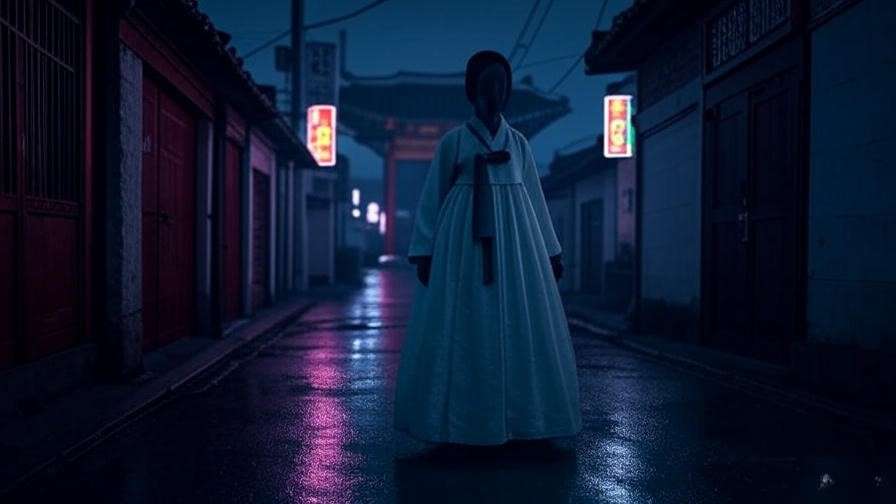
The Statue of Peace was unveiled on December 14, 2011, to mark the 1,000th weekly Wednesday Demonstration held by survivors and activists outside the Japanese Embassy in Seoul. Created by artists Kim Seo-kyung and Kim Eun-sung, the statue depicts a young girl in a traditional hanbok, seated with a serene yet resolute expression. An empty chair beside her symbolizes the absent victims who can no longer tell their stories. Subtle elements, like a small bird on her shoulder and a shadow cast as an elderly woman, represent hope and the enduring spirit of survivors. The statue’s placement directly across from the embassy was a deliberate act of defiance, ensuring the issue remains visible in the public eye.
Symbolism and Cultural Significance
What the Statue Represents
The Statue of Peace is more than a physical monument; it embodies Korea’s collective resilience and demand for justice. The young girl’s calm demeanor and clenched fists convey both innocence and defiance, reflecting the duality of victimhood and strength. The empty chair invites onlookers to sit, reflect, and stand in solidarity with the survivors. In Korean culture, the statue resonates with the concept of han—a deep-seated sorrow and unresolved grief that runs through the nation’s history. It serves as a call to remember those silenced by history and to advocate for those still seeking acknowledgment.
The Statue in Korean Popular Culture
The Statue of Peace has woven itself into the fabric of Korean popular culture, appearing in K-dramas, documentaries, and even music videos. For instance, in the K-drama Vincenzo, the statue is referenced as a symbol of justice, resonating with viewers familiar with its significance. K-pop groups like BTS have also supported historical remembrance, with fans organizing campaigns to raise awareness about the “comfort women” issue. This integration into pop culture has made the statue a touchstone for younger generations, who see it as a rallying point for activism and social justice, bridging Korea’s past with its vibrant present.
Global Resonance
The Statue of Peace transcends national borders, inspiring similar monuments worldwide. Replicas have been installed in cities like Berlin, Sydney, and Glendale, California, amplifying the call for historical accountability. These global installations draw parallels with other memorials, such as Holocaust monuments or South Africa’s apartheid memorials, which honor victims of systemic injustice. The statue’s universal message—standing against oppression and remembering the voiceless—has made it a powerful emblem in global human rights discourse, encouraging cross-cultural solidarity.
Controversies and Political Implications
Tensions with Japan
The Statue of Peace has been a flashpoint in Japan-South Korea relations. Japan has repeatedly objected to the statue, viewing it as a diplomatic affront. The 2015 Japan-South Korea agreement, which promised reparations and an apology, was meant to resolve the issue but was widely criticized in Korea for failing to consult survivors. As of 2025, tensions persist, with Japan advocating for the statue’s removal and Korea standing firm on its symbolic importance. Historian Alexis Dudden, in her analysis of East Asian geopolitics, argues that the statue represents a broader struggle for historical truth, complicating bilateral relations but also highlighting the power of grassroots activism.
Domestic Debates in Korea
Within South Korea, the Statue of Peace has sparked varied responses. Feminist groups, such as the Korean Council for Justice and Remembrance, champion the statue as a feminist symbol, advocating for survivors’ rights. However, some conservative factions argue that it fuels anti-Japan sentiment, complicating diplomatic efforts. The debate reflects broader societal questions about how to address historical trauma while fostering national unity. Survivors, meanwhile, face ongoing challenges, including societal stigma and inadequate government support, making the statue’s advocacy role even more vital.
The Statue’s Role in Modern Korean Society
A Catalyst for Social Justice
The Statue of Peace has become a catalyst for broader conversations about gender-based violence and human rights in Korea. Its presence aligns with movements like #MeToo, which gained traction in South Korea in 2018, exposing systemic issues of gender inequality. The statue inspires activists to address not only historical injustices but also contemporary challenges, such as workplace harassment and gender-based violence. Educational initiatives have also emerged, with schools incorporating the “comfort women” story into curricula to foster empathy and historical awareness among students.
The Wednesday Demonstrations
 Since 1992, survivors and supporters have gathered every Wednesday outside the Japanese Embassy to demand justice. These demonstrations, now in their fourth decade, are a testament to the resilience of the movement. Participants range from elderly survivors to young activists, creating a multigenerational dialogue. The protests have influenced policy, keeping the issue alive in public discourse and pressuring governments to act. For instance, in 2023, South Korea’s government announced increased funding for survivor support, partly due to the visibility of these demonstrations.
Visiting the Statue of Peace
Locations and Accessibility
The primary Statue of Peace stands in front of the Japanese Embassy in Seoul’s Jung-gu district, a bustling area steeped in historical significance. Additional installations can be found across South Korea, including in Gwangju, Busan, and Jeju, each reflecting local efforts to honor the “comfort women.” Internationally, replicas exist in cities like Berlin, Sydney, and Glendale, California, making the statue a global symbol. For visitors to Seoul, the statue is easily accessible via public transport, with the nearest subway station being City Hall (Line 1 or 2). Nearby cultural landmarks, such as Gyeongbokgung Palace and the National Museum of Korean Contemporary History, make it a meaningful stop on a cultural itinerary. The best times to visit are weekdays, particularly Wednesdays, to witness the demonstrations, though visitors should be prepared for crowds and heightened emotions.
Experiencing the Statue’s Impact
 Visiting the Statue of Peace is a deeply moving experience. The statue’s serene yet resolute presence evokes a sense of solemnity, often accompanied by flowers, letters, and tributes left by supporters. On Wednesdays, the area comes alive with the weekly demonstrations, where activists, students, and occasionally survivors gather to chant, sing, and share stories. Visitors are welcome to observe respectfully or join in solidarity, but photography should be approached with care—focus on capturing the statue’s symbolism rather than exploiting the moment for social media. The nearby War and Women’s Human Rights Museum in Seoul’s Mapo-gu district offers further context, with exhibits on survivors’ lives and the broader history of the “comfort women.” Engaging with the statue means embracing its call to reflect, learn, and advocate.
The Statue’s Legacy and Future
Preserving the Memory of Survivors
As the number of living “comfort women” dwindles—fewer than 20 remain as of 2025—preserving their stories is paramount. Organizations like the House of Sharing have created oral history archives, documenting survivors’ testimonies to ensure their voices endure. These efforts are complemented by digital initiatives, such as online exhibits and virtual tours of the War and Women’s Human Rights Museum, making the history accessible to global audiences. Survivors like Lee Yong-soo have emphasized the importance of education, urging younger generations to carry the torch. Challenges persist, including funding shortages for survivor care and societal stigma that still affects some families. The Statue of Peace stands as a reminder to address these issues with urgency and compassion.
The Statue as a Global Symbol
The Statue of Peace has the potential to inspire movements beyond Korea. Its global replicas have already sparked conversations about historical justice in countries grappling with their own pasts, from Germany’s reckoning with the Holocaust to Australia’s acknowledgment of Indigenous suffering. Looking ahead, the statue could serve as a model for grassroots activism, encouraging communities to confront uncomfortable histories through art and public dialogue. Cultural critic Kim Young-ok predicts that the statue’s influence will grow as Korea’s global cultural footprint expands, particularly through K-pop and K-dramas. By 2035, the statue may become a UNESCO-recognized symbol of human rights, cementing its place in the global cultural landscape.
FAQs
What is the Statue of Peace in Korea?
The Statue of Peace is a bronze monument honoring the “comfort women,” Korean women forced into sexual slavery by Japan during World War II. Erected in 2011, it symbolizes resilience, remembrance, and the ongoing fight for justice.
Why is the Statue of Peace controversial?
The statue has strained Japan-South Korea relations, with Japan viewing it as a diplomatic provocation. Domestically, debates center on how to balance historical justice with modern diplomacy, with feminist groups advocating for survivors and some conservatives urging reconciliation.
Where can I see the Statue of Peace?
The primary statue is located in front of the Japanese Embassy in Seoul. Other installations exist in Gwangju, Busan, Jeju, and international cities like Berlin and Sydney.
How can I support the cause behind the Statue of Peace?
Support can include donating to organizations like the Korean Council for Justice and Remembrance, visiting the War and Women’s Human Rights Museum, or raising awareness through education and advocacy.
How does the Statue of Peace relate to Korean culture?
The statue embodies han, a Korean concept of collective sorrow, and reflects themes of resilience and justice central to Korean identity, resonating in both traditional and modern cultural expressions.
The Statue of Peace Korea is more than a monument; it is a living testament to the strength of survivors, the power of collective memory, and the pursuit of justice. From its origins in Seoul to its global presence, the statue bridges Korea’s past and present, inspiring conversations about healing, human rights, and cultural identity. For those exploring Korean culture, visiting the statue or learning about the “comfort women” offers a profound connection to the nation’s soul. Share this story, visit the statue, or support related causes to honor the voiceless and amplify their legacy. Explore more about Korean history and culture on our site to deepen your understanding of this vibrant nation.