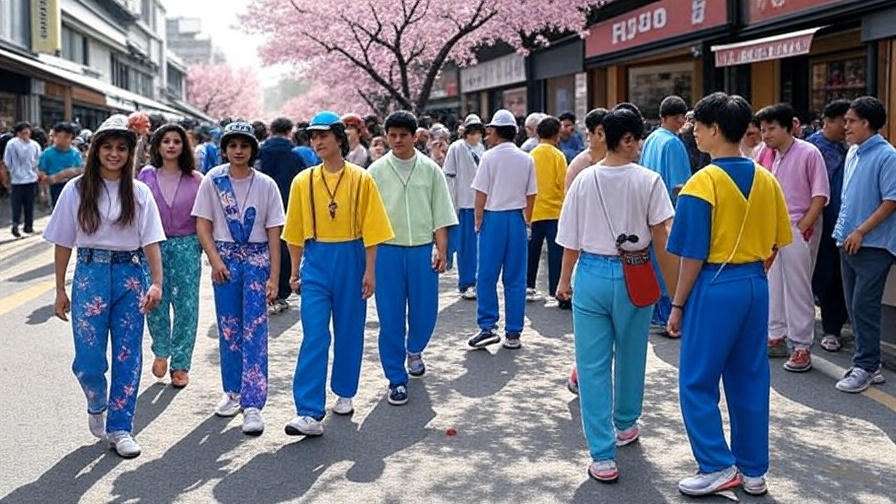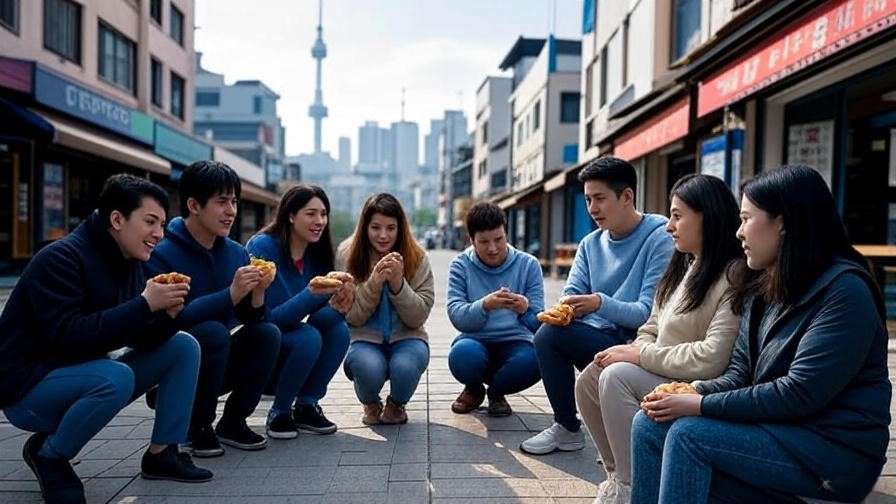
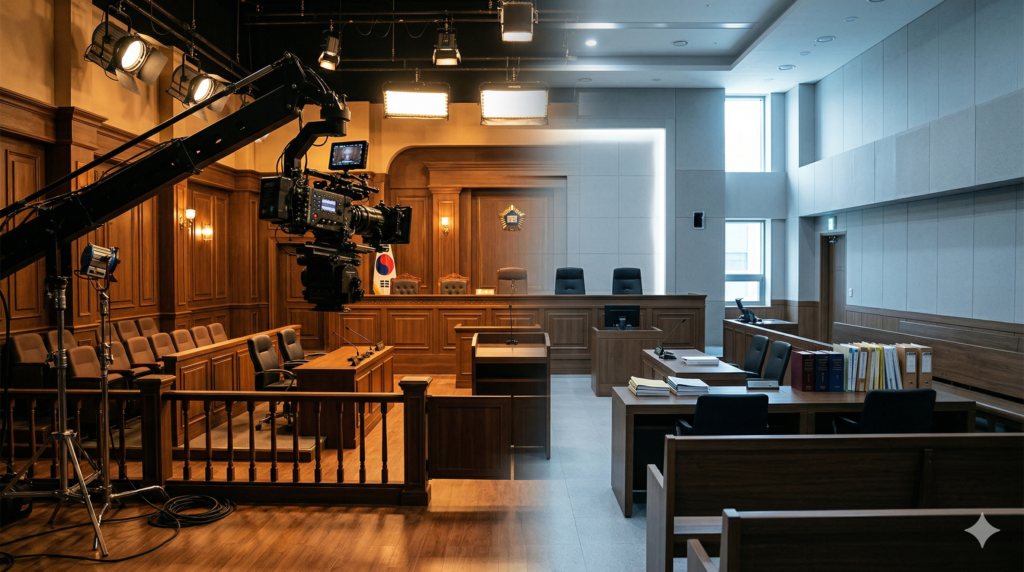
To understand South Korea liability laws Picture this: Woo Young-woo, the brilliant autistic attorney in Extraordinary Attorney Woo, stands in a Korean courtroom delivering a jaw-dropping argument that reverses an entire case in minutes. The gallery gasps. The judge looks stunned. Justice is served — dramatically, swiftly, and satisfyingly.
It makes for incredible television. But is it real?
If you have ever binged a Korean legal drama and found yourself wondering how closely those gripping courtroom scenes reflect actual South Korea liability laws, you are not alone. Millions of international K-drama fans consume Korean legal narratives every year — absorbing storylines about corporate cover-ups, medical negligence, online defamation, and chaebol immunity — without a clear picture of how South Korean law actually works.
That gap matters. Because Korean dramas do not just entertain — they quietly shape how global audiences understand Korean society, justice, and accountability.
This article bridges that gap. Whether you are a devoted K-drama fan, a student of Korean culture, or simply curious about the Korean legal system, this comprehensive guide will walk you through South Korea’s most important liability laws, fact-check what your favorite dramas portray, and reveal the fascinating cultural values embedded in Korea’s approach to legal accountability.
Buckle up — the truth is more complex, more nuanced, and in many ways more compelling than anything a scriptwriter could invent.
What Are South Korea Liability Laws? A Beginner-Friendly Overview
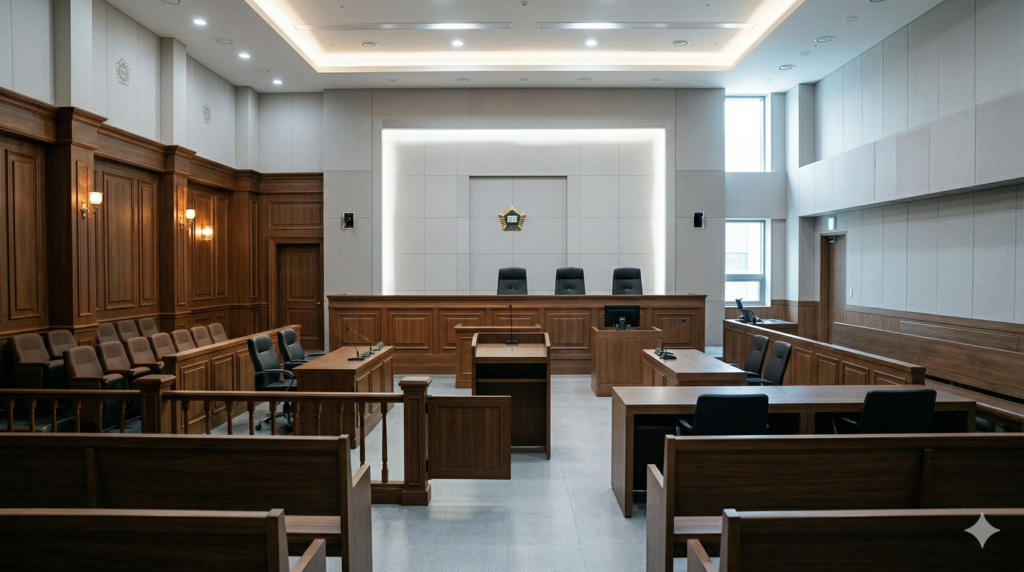
Before diving into drama comparisons, it helps to understand the legal foundation. South Korea operates under a civil law system — a legal tradition rooted in codified statutes, heavily influenced by German and Japanese law from the late 19th and early 20th centuries. This is fundamentally different from the common law system used in the United States and the United Kingdom, where judicial precedent plays a central role.
In South Korea, judges interpret written laws and codes rather than building decisions primarily on prior case rulings. This distinction alone explains why so many K-drama courtroom scenes feel slightly off to legal professionals — they often borrow dramatic conventions from American legal dramas, which operate under an entirely different judicial philosophy.
Civil vs. Criminal Liability in South Korea
South Korean law distinguishes clearly between two forms of legal accountability:
Civil liability refers to the legal obligation of an individual or organization to compensate another party for harm caused. Civil cases in Korea are governed primarily by the Civil Act (민법), and the remedy is typically financial compensation — damages paid to the injured party.
Criminal liability, on the other hand, involves prosecution by the state for conduct defined as a crime under the Criminal Act (형법). Punishment may include fines, imprisonment, or both. Importantly, in South Korea, a single wrongful act can trigger both civil and criminal proceedings simultaneously — a dual-track approach that K-dramas, to their credit, often portray with reasonable accuracy.
How Liability Is Determined
Korean courts evaluate liability based on two core concepts:
- Negligence (과실, gwasil): The failure to exercise the standard of care that a reasonable person would under similar circumstances
- Intent (고의, goui): Deliberate action taken with knowledge of its harmful consequences
The burden of proof in civil cases generally rests with the plaintiff — the person claiming harm. In criminal cases, the prosecution must prove guilt. However, certain areas of Korean law, such as product liability, have shifted this burden in consumer-friendly directions, as we will explore shortly.
The Major Types of Liability Laws Korean Dramas Love to Feature
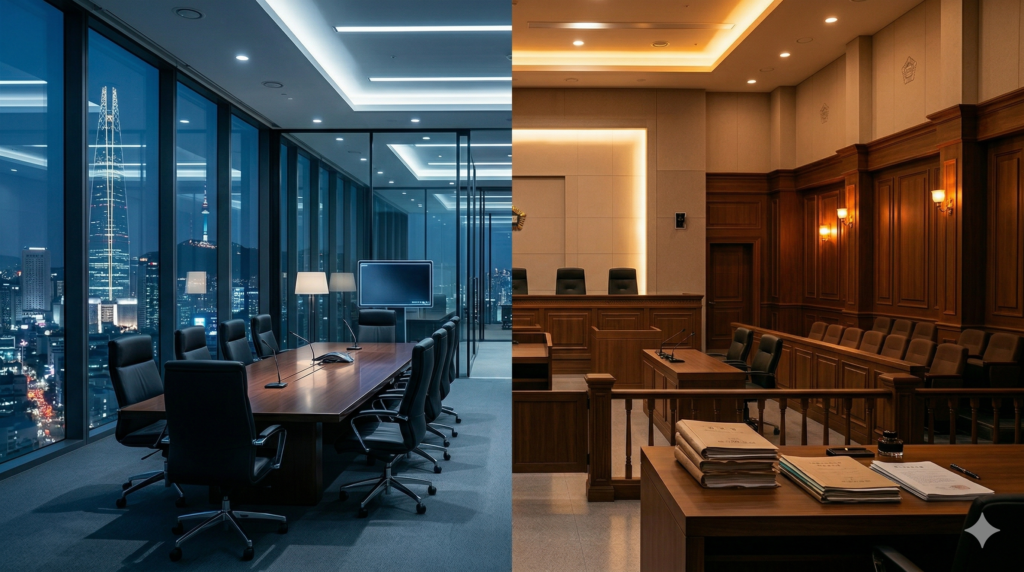
Korean scriptwriters are drawn to liability-rich scenarios for good reason — they create moral tension, human conflict, and satisfying (or infuriating) resolutions. Here are the key areas of South Korean liability law that appear most frequently on screen, alongside an honest assessment of how accurately they are portrayed.
1. Tort Liability — Personal Injury and Property Damage
Under Article 750 of the Civil Act, anyone who causes damage to another through an unlawful act — whether through intent or negligence — is obligated to compensate for that damage. This is the foundation of tort law in Korea, known as 불법행위 (bulbeop haengwi).
Compensation in Korean tort cases can include medical expenses, lost income, emotional distress, and in some cases punitive-style damages. Courts calculate awards based on actuarial tables, medical assessments, and precedent from similar cases.
K-dramas frequently use traffic accidents, physical assaults, and wrongful death as plot catalysts — and the basic legal mechanics shown are often broadly correct. Where dramas stumble is in the speed of resolution. A civil tort case in Korea can take anywhere from one to several years to reach a final verdict, not the few dramatic episodes a drama typically devotes to it.
2. Product Liability
South Korea enacted its Product Liability Act (제조물 책임법) in 2000, with it taking effect in 2002. This law holds manufacturers, processors, and in some cases importers and distributors responsible for damages caused by defects in their products.
Crucially, the law places the burden of proving a product defect on the consumer — though courts have increasingly interpreted evidence requirements in ways favorable to injured plaintiffs. The 2017 amendment strengthened penalties and expanded the scope of liable parties, reflecting growing consumer rights awareness in Korean society.
Corporate scandal dramas like Reborn Rich and Misaeng tap into widespread public anxiety about chaebol impunity — the perception that large conglomerates can externalize harm onto ordinary citizens without meaningful legal consequence. While dramatically amplified, this anxiety is grounded in documented historical cases where corporate legal teams successfully delayed or minimized liability for years.
3. Medical Liability
Medical negligence (의료과오) is one of the most legally complex and emotionally charged areas of South Korean liability law. Patients who suffer harm due to a healthcare provider’s negligence may pursue both civil compensation and, in serious cases, criminal charges.
South Korean courts apply a standard of care based on what a reasonable medical professional with similar training and resources would have done in the same situation. Proving medical negligence is notoriously difficult — plaintiffs must typically produce expert testimony establishing both the breach of duty and the causal link to their injury.
Hospital dramas are a beloved K-drama subgenre, with series like Dr. Romantic, Ghost Doctor, and Doctor Stranger placing life-or-death decisions at center stage. These dramas excel at portraying the emotional and ethical weight of medical responsibility. However, they routinely underplay the procedural complexity of medical liability claims — cases that in reality involve lengthy investigations, medical review boards, and document-heavy litigation.
4. Workplace and Employer Liability
One of the most significant recent developments in South Korean liability law is the Serious Accidents Punishment Act (중대재해 처벌 등에 관한 법률), which took effect in January 2022. This landmark legislation holds employers — including CEOs and top executives — personally criminally liable when serious workplace accidents result from failures in safety management.
The law was born from public outrage over a series of preventable industrial disasters, including the 2018 death of a young worker at a conveyor belt at Taean Power Plant — a case that became a national reckoning with corporate indifference toward worker safety.
K-dramas exploring workplace abuse, unsafe conditions, and corporate cover-ups — a theme running through series like Misaeng and My Mister — reflect genuine social tension around employer accountability. The dramatic introduction of the Serious Accidents Punishment Act represents Korea’s legal system catching up with what its drama industry had been narratively wrestling with for years.
5. Online Defamation Liability — Korea’s Unique and Controversial Approach
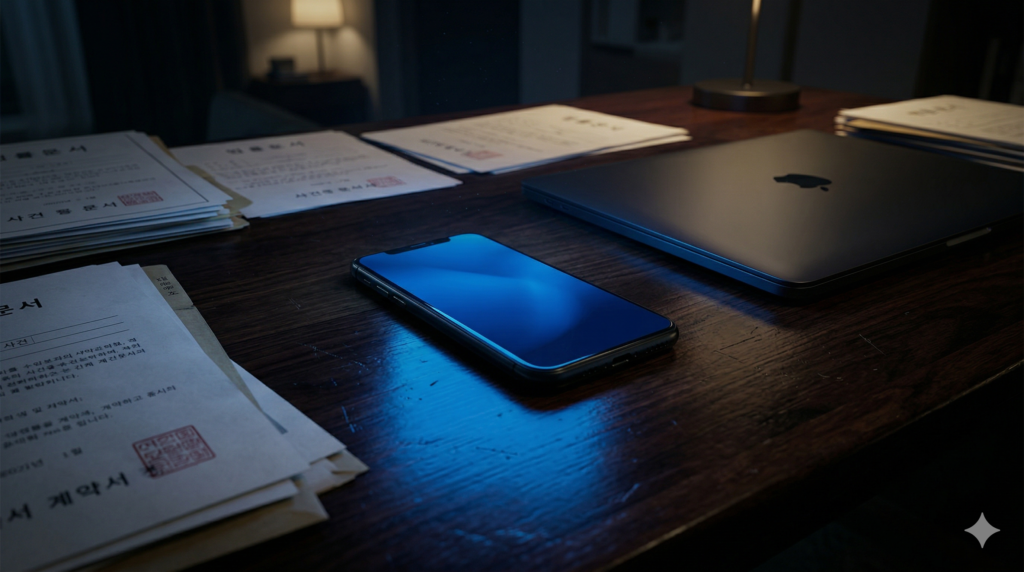
Perhaps no area of South Korean liability law surprises international audiences more than its defamation statutes. Under Article 307 of the Criminal Act, defamation in South Korea is a criminal offense — not merely a civil one.
More startling to most international viewers: even true statements can constitute criminal defamation if made publicly with the intent to damage someone’s reputation. Article 307(1) covers false statements, while Article 307(2) covers true statements made with defamatory intent. Punishment can include imprisonment of up to two years for true-statement defamation, and up to five years for false-statement defamation.
This legal reality forms a crucial cultural backdrop to dramas like The Glory, where the protagonist’s pursuit of justice against her bullies intersects with the real risk of legal retaliation, and Trolley, which grapples with the devastating personal consequences of public exposure.
South Korea also has a separate Act on Promotion of Information and Communications Network Utilization and Information Protection, which specifically addresses online defamation with even steeper penalties — up to seven years imprisonment for false online statements.
K-Drama Accuracy Check — Where the Writers Did Their Homework
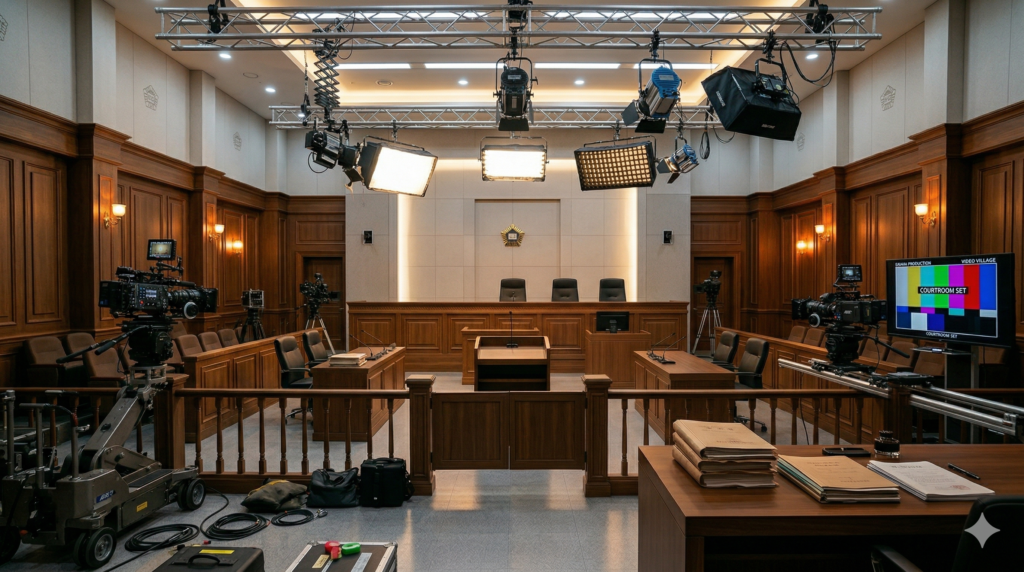
For all the creative liberties K-dramas take, there are areas where the legal portrayals are surprisingly accurate — and worth acknowledging.
Corporate Liability and Chaebol Accountability
The K-drama universe’s obsession with chaebol wrongdoing is not mere narrative convenience — it reflects a genuine and well-documented tension in South Korean society. South Korea’s economy is heavily concentrated among a handful of massive family-controlled conglomerates: Samsung, Hyundai, LG, Lotte, and SK among them. These groups have historically wielded enormous political and legal influence, often resulting in reduced sentences, presidential pardons, and civil settlements that critics argue fall far short of true accountability.
Dramas like Vincenzo and Reborn Rich dramatize this dynamic with clear eyes. When a fictional chaebol heir escapes imprisonment through legal maneuvering and political connections, audiences recognize the archetype immediately — because it mirrors real cases that have made headlines for decades.
The Dual Civil-Criminal Litigation Track
One thing Korean legal dramas consistently get right is the parallel pursuit of civil compensation and criminal prosecution. In South Korea, victims of crimes are legally entitled to file civil damage claims alongside or following criminal proceedings. This dual-track system — relatively unfamiliar to audiences from common law countries — is standard practice in Korea and is depicted with reasonable accuracy in many legal dramas.
The Cultural Weight of Settlement (합의, Hapui)
Attentive K-drama viewers will notice how frequently storylines revolve around whether parties will reach a hapui — an out-of-court settlement or reconciliation agreement. This is not dramatic convenience. Settlement negotiations are central to South Korean legal culture, partly because reaching an agreement with the victim can significantly reduce criminal sentences, and partly because the Confucian-influenced cultural emphasis on harmony and face-saving makes formal litigation feel like an admission of irreparable social rupture.
When a drama character dramatically refuses a settlement offer from a wealthy antagonist, they are making a culturally loaded decision that Korean audiences understand instinctively.
Defamation Storylines Grounded in Reality
The Glory generated enormous international discussion about bullying, trauma, and revenge — but its legal dimensions are also worth examining. The series touches on reputational destruction, social exposure, and the weaponization of truth as a form of harm, all of which resonate directly with South Korea’s unusually broad defamation laws. The show’s writers appear to have done their research: the legal jeopardy facing characters who expose wrongdoing publicly reflects the genuine double-edged nature of defamation liability in Korea.
K-Drama Legal Myths — Where Scriptwriters Take Creative Liberty
Now for the other side of the ledger. Korean legal dramas take significant creative liberties — and understanding where they diverge from reality deepens both your appreciation of the dramas and your understanding of how Korean law actually works.
Myth 1: The Lone Genius Lawyer Who Does Everything
From Extraordinary Attorney Woo to Suits Korea, K-dramas are in love with the singular legal genius — the attorney whose brilliance alone reverses impossible cases. In reality, Korean legal practice is intensely team-based and document-driven. Major cases involve teams of lawyers, paralegals, judicial clerks, expert witnesses, and investigators working across months or years.
The Korean Bar Association (대한변호사협회) maintains strict professional conduct rules, and the role of individual attorneys, while important, is embedded within a much larger institutional framework than dramas suggest.
Myth 2: Dramatic Courtroom Confessions
This is perhaps the single biggest dramatic myth transplanted from American legal culture into Korean drama. South Korean trials are not adversarial oral proceedings in the American sense. They are predominantly documentary processes — judges review written submissions, evidence files, and investigative records. Witness testimony occurs but is far less central than in common law trials.
The idea of a dramatic last-minute courtroom confession that changes everything — a staple of K-drama climaxes — is essentially fictional within the Korean legal context. Real Korean courtrooms are quieter, more procedural, and considerably less cinematic.
Myth 3: Wealth Guarantees Either Perfect Escape or Perfect Justice
K-dramas tend toward binary outcomes: the chaebol villain either completely escapes justice (corrupt system narrative) or is dramatically brought down (justice triumphs narrative). Reality, as usual, is messier.
South Korea’s legal system has undergone meaningful reform over the past two decades. The Corruption Investigation Office for High-ranking Officials (공수처), established in 2021, represents a structural attempt to hold powerful figures accountable. Conviction rates in corporate crime cases have improved. Yet wealth and political connection still meaningfully influence legal outcomes — not through guaranteed escape, but through superior legal representation, delayed proceedings, and negotiated resolutions.
Myth 4: Fast Investigations and Quick Trials
Korean dramas compress legal timelines dramatically. In reality, the South Korean criminal justice process moves slowly and methodically. After a crime is reported, investigations by prosecutors (검사) or police may take many months. Indictment decisions involve careful review. Trials themselves, particularly complex civil or corporate liability cases, can extend over years across multiple hearings.
A drama that resolves a complex corporate liability case in twelve episodes is operating on a timeline that would make any Korean attorney smile ruefully.
| Legal Element | What K-Dramas Show | South Korea Reality |
|---|---|---|
| Trial length | Days to weeks | Months to years |
| Courtroom confessions | Dramatic and common | Rare; document-driven process |
| Lawyer’s role | Heroic lone genius | Team-based, procedurally bound |
| Wealth influence | Black or white outcome | Nuanced; ongoing reform |
| Defamation | Mostly civil harm | Can be a criminal offense |
| Settlement (hapui) | Plot device | Legally and culturally central |
| Dual civil-criminal suits | Sometimes shown | Standard legal practice |
Law, Honor, and Accountability — The Korean Cultural Framework Behind the Rules

To truly understand South Korea liability laws, you cannot separate the legal code from the cultural soil in which it grows.
Confucian Influence on Legal Thinking
Korean legal culture bears the deep imprint of Confucian social philosophy, which emphasizes hierarchical relationships, collective harmony, and the primacy of social reputation (체면, chemyeon — face). These values shape how Koreans approach liability in ways that pure statutory analysis cannot capture.
The enormous cultural weight of apology in Korea — and its legal significance — flows directly from this tradition. A sincere public apology from a wrongdoer carries genuine moral and sometimes legal weight in Korean proceedings. Courts have taken into account whether defendants expressed genuine remorse when determining sentences. Conversely, a perceived failure to apologize appropriately can inflame public opinion and judicial attitudes alike.
This is why hapui (settlement) is not merely a legal transaction in Korea — it is a social ritual of restored harmony, carrying obligations and meanings that extend well beyond the monetary.
Public Opinion as a Legal Force
South Korea’s hyperconnected digital culture has created a powerful and sometimes unruly relationship between public opinion and legal proceedings. High-profile liability cases — from corporate disasters to celebrity defamation suits — play out simultaneously in courtrooms and on social media platforms, with public sentiment capable of accelerating investigations, pressuring prosecutors, and influencing legislative responses.
The nth Room Case of 2020, in which a criminal network exploited women and minors through encrypted messaging platforms, resulted not just in landmark convictions but in sweeping legislative reforms to criminal liability for digital sexual crimes — driven in significant part by a massive public petition campaign.
K-dramas have absorbed this dynamic. Series like Trolley and Juvenile Justice grapple explicitly with the gap between public emotional verdicts and formal legal processes — and the tension between them.
Legal Reform as Cultural Conversation
South Korea’s liability laws are not static. They are actively evolving in response to social movements, public tragedies, and shifting cultural values. The #MeToo movement produced significant legal reforms to sexual harassment and assault liability. The Sewol Ferry disaster triggered long-overdue accountability legislation for maritime safety and government negligence. The Serious Accidents Punishment Act reflects a generational shift in how Korean society thinks about corporate responsibility.
K-dramas have been part of this conversation — not merely reflecting social anxieties but sometimes helping to crystallize and articulate them for mass audiences. When millions of viewers watch a drama exploring workplace safety failures or online harassment liability, they absorb legal concepts through narrative — and sometimes arrive at political conclusions that translate into public pressure for reform.
Real South Korean Liability Cases That Sound Like K-Drama Scripts
Some of the most dramatic legal accountability moments in recent Korean history read like they were written by a team of drama scriptwriters.
The Sewol Ferry Disaster (2014): When the ferry Sewol capsized, killing 304 people — most of them high school students — the subsequent investigation revealed a catastrophic web of corporate negligence, regulatory failure, and government mismanagement. Civil and criminal liability proceedings continued for years, touching ferry operators, Coast Guard officials, and government agencies. The disaster directly inspired elements of dramas examining institutional accountability and the suffering of ordinary families crushed by powerful systems.
The Samsung Heir Liability Saga: Lee Jae-yong, heir to the Samsung empire, has faced multiple rounds of criminal and civil legal scrutiny over bribery, embezzlement, and breach of fiduciary duty. His cases — featuring convictions, appeals, pardons, and retrials spanning nearly a decade — represent the real-world version of every K-drama chaebol accountability plot, complete with presidential pardons and public outrage.
The nth Room Case (2020): Operator Cho Ju-bin was convicted of operating a criminal digital network that sexually exploited dozens of victims. The case exposed severe gaps in South Korean cyber liability law and produced landmark legislative reforms. It directly informed the cultural backdrop of dramas exploring digital crime and online harm.
The Shincheonji COVID-19 Liability Case (2020): When a cluster of COVID-19 cases was traced to a religious group’s gatherings, civil liability claims and criminal investigations followed. The case raised novel questions about public health liability that South Korean law was not fully prepared to answer — questions that remain legally unsettled.
Frequently Asked Questions About South Korea Liability Laws

Q: Is South Korea’s legal system similar to the United States?
No — significantly different. South Korea uses a codified civil law system influenced by German legal tradition. The United States uses a common law system where judicial precedent is central. Korean judges rely primarily on written statutes; American judges give significant weight to prior court decisions.
Q: Can you be sued for defamation in South Korea even if what you said was true?
Yes — and this surprises most international audiences. Under Article 307 of the Criminal Act, publicly stating true information with the intent to damage someone’s reputation can constitute criminal defamation. South Korea’s defamation framework is significantly broader than that of most Western countries.
Q: Are K-drama courtroom scenes realistic?
Partially. The emotional and ethical tensions are often grounded in real cultural dynamics. The procedural mechanics — rapid oral arguments, dramatic confessions, swift verdicts — largely are not. Real Korean trials are document-heavy, slow-moving, and far less theatrical.
Q: What is the Serious Accidents Punishment Act?
Enacted in 2021 and effective from January 2022, this law holds business owners and executives personally criminally liable when workers or members of the public are seriously injured or killed due to failures in safety management. It represents one of the most significant shifts in South Korean employer liability law in decades.
Q: Do K-dramas influence how people understand South Korean law?
Meaningfully, yes — particularly for international audiences who have no other reference point. Research on media effects consistently shows that entertainment shapes legal intuitions. For global K-drama fans, the drama industry functions as an informal — and imperfect — legal education channel.
Q: What happens when a chaebol company is found liable in South Korea?
Legally, consequences can include civil damages awards, criminal fines, and executive imprisonment. In practice, outcomes have historically been softened by superior legal representation, appeals processes, and in some cases presidential pardons. This tension between formal legal accountability and actual consequences is one of the defining unresolved issues in contemporary South Korean legal culture.
Final Verdict — K-Dramas as an Imperfect but Valuable Legal Mirror
South Korean dramas are not legal textbooks. They compress timelines, invent procedural drama, and borrow theatrical conventions from legal traditions very different from Korea’s own. The lone genius lawyer, the last-minute confession, the swift and satisfying verdict — these are the grammar of legal drama storytelling, not the reality of Korean courtrooms.
But to dismiss K-dramas as legally irrelevant would be equally wrong. The best Korean legal dramas are deeply attuned to the cultural architecture of accountability in Korean society — the weight of hapui, the power of chemyeon, the distrust of chaebol power, the role of public opinion, and the slow, ongoing project of legal reform in a society reckoning with its own history.
South Korea liability laws are not just statutes in a codebook. They are the formal expression of a society’s negotiation with questions of fairness, power, harm, and responsibility — questions that Korean dramas have been dramatizing, interrogating, and sometimes helping to change for decades.
The next time Woo Young-woo delivers a brilliant closing argument in thirty seconds flat, enjoy every moment of it. Then remember: somewhere in Seoul, a real Korean attorney is reviewing a five-hundred-page evidence file for a liability case that started three years ago.
Both truths belong to the story.