
Imagine stepping into a bustling Seoul eatery where the smoky aroma of gochujang-glazed dishes mingles with the delicate notes of French sauces, and the vibrant energy of K-drama-inspired decor surrounds you. Welcome to the world of Seoul fusion restaurants, where Korean culinary heritage meets global innovation to create unforgettable dining experiences. For travelers and food enthusiasts seeking to immerse themselves in authentic Korean culture while savoring creative cuisine, these restaurants offer the perfect blend of tradition and modernity. As a passionate explorer of Korean culture, with years spent studying its dramas, cuisine, and traditions, I’ve curated this guide to help you discover the top Seoul fusion restaurants that embody the heart of Korea’s dynamic food scene. From hidden gems to Michelin-recognized spots, this article provides a comprehensive roadmap to elevate your culinary journey in Seoul, complete with practical tips and cultural insights.
What Makes Seoul Fusion Restaurants Unique?
The Fusion of Tradition and Innovation
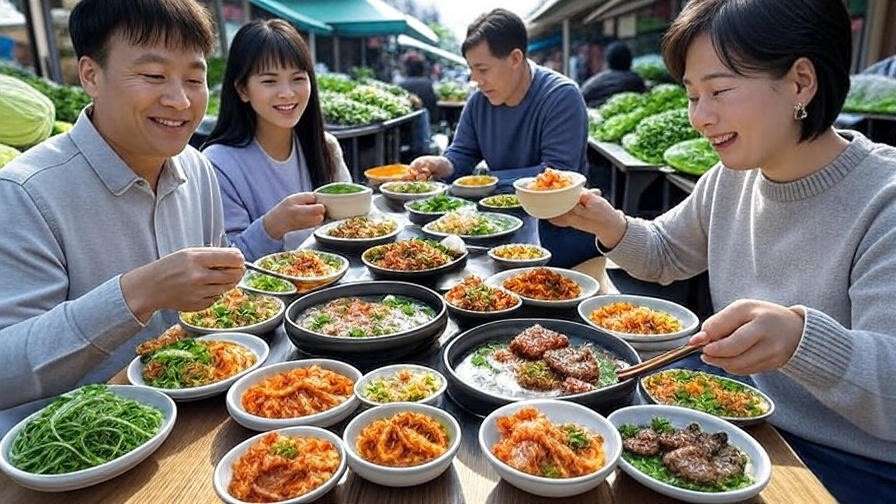
 Seoul’s fusion restaurants are a testament to Korea’s ability to honor its culinary roots while embracing global influences. Fusion cuisine in Seoul blends traditional Korean ingredients—like kimchi, gochujang (red chili paste), and doenjang (fermented soybean paste)—with international techniques and flavors, such as Italian pastas, Japanese sushi, or Mexican tacos. This creates dishes like kimchi carbonara, where the tangy, spicy kick of fermented cabbage elevates a creamy Italian classic, or bulgogi tacos, where marinated Korean beef meets soft tortillas. These restaurants reflect Seoul’s modern identity as a global hub, where chefs trained in both Korean and international cuisines push boundaries to create innovative yet authentic dishes. This fusion isn’t just about food—it’s a celebration of Korea’s evolving cultural narrative.
Why Fusion Restaurants Are a Must-Visit for Cultural Enthusiasts
For fans of K-dramas and K-pop, Seoul fusion restaurants offer more than just a meal; they’re a gateway to experiencing Korean culture in a dynamic, accessible way. Many of these establishments draw inspiration from Korea’s vibrant pop culture, with decor reminiscent of iconic drama sets or playlists featuring the latest BTS hits. Dining at these venues allows you to connect with the Hallyu wave while enjoying flavors that bridge the familiar and the exotic. Whether you’re a first-time visitor or a seasoned traveler, these restaurants cater to your desire for cultural immersion, making them a must-visit for anyone looking to deepen their appreciation of Korea’s global influence.
Criteria for Selecting the Top Seoul Fusion Restaurants
Authenticity and Cultural Relevance
The best Seoul fusion restaurants strike a delicate balance between innovation and authenticity. We selected venues that prioritize locally sourced Korean ingredients, such as organic vegetables from Jeju Island or hanwoo (premium Korean beef), while incorporating global techniques. Chefs at these establishments often have extensive training in Korean cuisine, ensuring that dishes remain rooted in tradition even as they experiment with international flavors. For example, a restaurant might use traditional fermentation methods for kimchi but pair it with a French-inspired sauce, creating a dish that’s both familiar and novel.
Ambiance and Cultural Experience
Ambiance is key to an immersive dining experience. The restaurants in this guide feature interiors that reflect Korean aesthetics—think hanok-inspired wooden accents, modern minimalist designs, or nods to K-drama settings. Some even host cultural events, like live gukak (traditional Korean music) performances or K-pop dance nights, enhancing the connection to Korea’s heritage. These venues create an atmosphere where diners feel transported into the heart of Seoul’s cultural scene.
Accessibility for Tourists
To ensure a seamless experience for international visitors, we prioritized restaurants with English menus, multilingual staff, and central locations in neighborhoods like Gangnam, Myeongdong, or Itaewon. These establishments also cater to diverse dietary needs, offering vegetarian, vegan, or halal options. Practical considerations, such as online reservation systems and proximity to public transport, were also factored in to make your visit stress-free.
Top 5 Seoul Fusion Restaurants You Can’t Miss
Restaurant 1: Mingles
 Overview: Located in Gangnam, Mingles is a Michelin-starred gem led by Chef Mingoo Kang, a pioneer of Korean fusion cuisine. Known for its “new Korean” philosophy, Mingles reimagines traditional dishes with global techniques, offering creations like doenjang-crusted lamb and kimchi risotto. The menu changes seasonally, showcasing the freshest local ingredients.
Cultural Connection: Mingles embodies Korea’s modern culinary evolution, blending the rustic flavors of Korean hanjeongsik (traditional multi-course meals) with refined Western presentations. Its sleek, minimalist decor evokes the elegance of K-drama settings, making it a favorite among culture enthusiasts.
Why Visit: Mingles offers a chef’s tasting menu that’s a journey through Korea’s culinary heritage, paired with innovative twists. The restaurant’s wine pairings, featuring Korean makgeolli alongside international vintages, elevate the experience.
Practical Info: Located at 19 Dosan-daero 67-gil, Gangnam-gu. Prices range from ₩100,000–₩200,000 per person. Reservations are highly recommended via their website or Naver. Vegetarian options are available with advance notice. Nearest subway: Apgujeong Rodeo (Line 3).
Restaurant 2: Jungsik
Overview: Jungsik, a two-Michelin-star restaurant in Cheongdam-dong, is the brainchild of Chef Yim Jungsik, who trained in New York and Spain. Signature dishes include truffle bibimbap and octopus with gochujang aioli, blending Korean staples with global sophistication.
Cultural Connection: Jungsik reflects Seoul’s cosmopolitan spirit, with a menu inspired by Korea’s street food culture and high-end dining trends. Its sleek interior, with subtle nods to hanbok patterns, feels like stepping into a K-drama penthouse scene.
Why Visit: The restaurant’s multi-course tasting menu is a masterclass in fusion, with dishes like galbi tartare served in a nori taco shell. Jungsik also offers an extensive wine list and impeccable service, making it ideal for special occasions.
Practical Info: Located at 11 Seolleung-ro 158-gil, Gangnam-gu. Expect ₩150,000–₩250,000 per person. Book via CatchTable or call ahead. English menus and staff are available. Nearest subway: Gangnam-gu Office (Line 7).
Restaurant 3: Toc Toc
 Overview: Nestled in Itaewon, Toc Toc is a cozy yet innovative spot known for its Korean-Mexican fusion. Think bulgogi tacos, kimchi quesadillas, and gochujang-spiked margaritas, all crafted with fresh, local ingredients.
Cultural Connection: Toc Toc captures Seoul’s youthful, experimental vibe, blending the bold flavors of Korean street food with the vibrant energy of Mexican cuisine. Its colorful, eclectic decor mirrors the diversity of Itaewon’s international community.
Why Visit: Toc Toc’s laid-back atmosphere and affordable prices make it perfect for casual dining. The restaurant also hosts weekly taco nights with live music, adding a festive touch to your cultural experience.
Practical Info: Located at 129-1 Itaewon-ro, Yongsan-gu. Meals cost ₩20,000–₩50,000 per person. Walk-ins are welcome, but reservations are advised for groups. Vegan and gluten-free options are available. Nearest subway: Itaewon (Line 6).
Restaurant 4: Vatos Urban Tacos
Overview: Another Itaewon favorite, Vatos Urban Tacos specializes in Korean-Mexican fusion, serving dishes like galbi short rib tacos and kimchi carnitas fries. Founded by Korean-American chefs, Vatos has become a local institution.
Cultural Connection: Vatos celebrates Seoul’s globalized food scene, drawing inspiration from Korea’s love for bold, shareable dishes. Its graffiti-laden walls and K-pop playlists create a vibrant, youthful vibe that resonates with K-culture fans.
Why Visit: The restaurant’s creative cocktails, like soju-infused margaritas, and its communal dining style make it a fun, social experience. Vatos also offers takeout for those exploring nearby Han River Park.
Practical Info: Located at 181-8 Itaewon-ro, Yongsan-gu. Prices range from ₩15,000–₩40,000 per person. Reservations via Kakao or their website. English-friendly with vegetarian options. Nearest subway: Noksapyeong (Line 6).
Restaurant 5: Guksu
Overview: Tucked away in Hongdae, Guksu redefines Korean noodle culture with fusion dishes like kimchi carbonara guksu and spicy seafood ramen with a French bouillabaisse twist. This hidden gem is a favorite among local foodies.
Cultural Connection: Guksu pays homage to Korea’s noodle-making traditions while incorporating global influences, reflecting Hongdae’s artistic and innovative spirit. Its cozy, hanok-inspired interior feels like a nod to classic Korean dramas.
Why Visit: Guksu’s affordable yet high-quality dishes make it accessible to all travelers. The restaurant also offers noodle-making workshops, providing a hands-on cultural experience.
Practical Info: Located at 23 Hongik-ro 5-gil, Mapo-gu. Meals cost ₩15,000–₩35,000 per person. Walk-ins are common, but reservations are recommended for workshops. English menus available. Nearest subway: Hongik University (Line 2).
How to Plan Your Seoul Fusion Dining Experience
Best Times to Visit Seoul for Foodies
Seoul’s food scene shines year-round, but spring (April–May) and fall (September–October) offer pleasant weather and vibrant food festivals, like Seoul Food Week in May. These seasons are ideal for outdoor dining and exploring nearby cultural sites. To avoid crowds, visit restaurants during weekday lunches or early dinners, as weekends can be busy, especially in popular areas like Itaewon and Hongdae.
Practical Tips for Tourists
- Reservations: Use apps like Kakao or Naver to book tables, as many fusion restaurants have limited seating. For Michelin-starred venues like Mingles and Jungsik, book at least two weeks in advance.
- Language Barriers: Download Papago or Google Translate for real-time menu translations. Learn basic Korean phrases like “Annyeonghaseyo” (Hello) and “Gamsahamnida” (Thank you) to enhance your dining experience.
- Budgeting: Expect to spend ₩15,000–₩50,000 per person at casual fusion spots and ₩100,000–₩250,000 at high-end restaurants. Many offer lunch specials for better value.
- Dietary Needs: Most restaurants provide vegetarian or vegan options, but confirm in advance for halal or gluten-free menus.
Pairing Your Dining with Cultural Activities
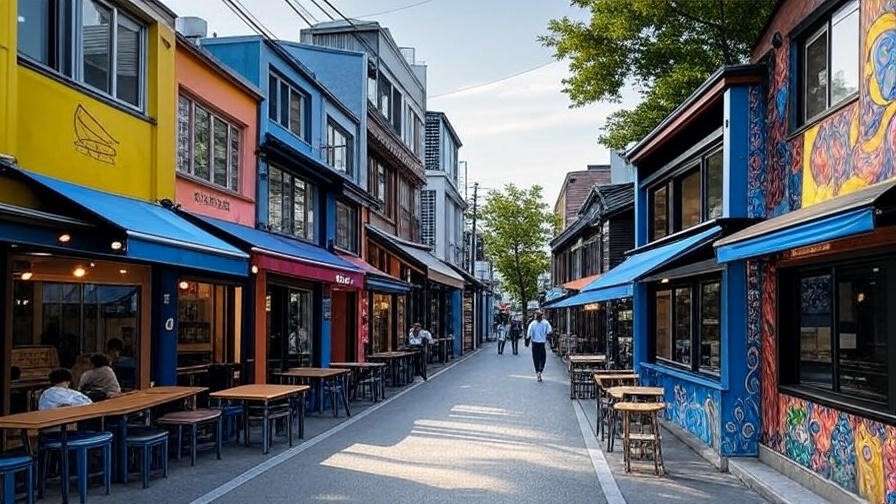
 Enhance your fusion dining experience by visiting nearby cultural attractions. After dining at Mingles in Gangnam, explore the trendy boutiques of Garosu-gil or the Bongeunsa Temple for a serene contrast. In Itaewon, pair a meal at Toc Toc or Vatos with a stroll through the Leeum Samsung Museum of Art. For a K-drama-inspired day, visit Hongdae’s Guksu and then wander the mural-filled streets or catch a street performance, a staple of this artsy neighborhood.
The Cultural Impact of Fusion Cuisine in Seoul
Fusion Cuisine in K-Dramas and Pop Culture
 Seoul’s fusion restaurants have become stars in their own right, often featured in K-dramas as chic backdrops for romantic or dramatic scenes. For example, restaurants like Jungsik have appeared in shows like Crash Landing on You, showcasing Korea’s modern culinary prowess to global audiences. These venues capture the aspirational lifestyle portrayed in K-dramas, blending sophistication with cultural pride, and inspire fans to seek out similar experiences.
The Role of Fusion in Globalizing Korean Culture
Fusion cuisine has played a pivotal role in the Hallyu wave, introducing Korean flavors to international palates in an accessible way. Chefs like Mingoo Kang and Yim Jungsik have become global ambassadors, opening sister restaurants in cities like New York and Tokyo. By blending Korean ingredients with familiar global dishes, these restaurants make Korean culture approachable, encouraging travelers to explore beyond food into K-pop, fashion, and dramas.
Expert Tips for Enjoying Seoul’s Fusion Scene
How to Spot Authentic Fusion Restaurants
Navigating Seoul’s vibrant food scene can be daunting, especially with the risk of stumbling into tourist traps. Authentic fusion restaurants stand out by their commitment to Korean ingredients and culinary techniques. Look for menus that highlight local staples like gochujang, doenjang, or hanwoo beef, paired with creative global elements. Avoid spots with overly generic menus that lack a Korean foundation or those located in heavily touristy areas without local patronage. Authentic venues often showcase chef credentials, such as training at prestigious Korean culinary schools or international experience, and may display awards like Michelin stars or mentions in Seoul’s food guides. Check online reviews on platforms like Naver or TripAdvisor for insights from local diners to ensure quality and authenticity.
Must-Try Fusion Dishes
To fully appreciate Seoul’s fusion scene, sample these iconic dishes that blend Korean and global flavors:
- Kimchi Carbonara: A creamy Italian pasta infused with the tangy, spicy notes of kimchi, often served with a soft-boiled egg for richness.
- Bulgogi Tacos: Marinated Korean beef wrapped in soft tortillas, topped with sesame seeds and a gochujang crema.
- Gochujang Aioli Octopus: Grilled octopus drizzled with a spicy, umami-packed aioli, blending Korean and Mediterranean flavors.
- Doenjang-Crusted Lamb: Tender lamb coated in fermented soybean paste, offering a savory depth that elevates Western-style roasts.
- Bibimbap Sushi Rolls: A creative take on Korea’s classic rice dish, wrapped in nori with fresh vegetables and gochujang sauce.
Pair these dishes with Korean drinks like soju cocktails or makgeolli (rice wine) for a complete experience. Many restaurants offer drink pairing suggestions to enhance the flavors, so don’t hesitate to ask your server for recommendations.
Engaging with Local Chefs and Communities
To deepen your connection to Seoul’s fusion scene, engage with the city’s culinary community. Many restaurants, like Guksu in Hongdae, offer noodle-making or kimchi fermentation workshops, allowing you to learn traditional techniques with a modern twist. Attend pop-up dinners or food festivals, such as the Seoul Street Food Festival, where fusion chefs showcase their latest creations. Follow local food influencers on Instagram or X for updates on new openings and events—handles like @SeoulFoodie or @KoreanBites often share insider tips. Joining food tours, such as those offered by O’ngo Food or Seoul Foodie Tours, can also connect you with chefs and like-minded food enthusiasts, enriching your cultural experience.
FAQs About Seoul Fusion Restaurants
What is the difference between traditional Korean cuisine and fusion cuisine?
Traditional Korean cuisine focuses on time-honored recipes like bibimbap, bulgogi, or kimchi jjigae, using local ingredients and methods passed down through generations. Fusion cuisine blends these elements with international flavors, creating innovative dishes like kimchi quesadillas or truffle-infused bibimbap, appealing to global palates while staying rooted in Korean heritage.
Are Seoul fusion restaurants suitable for vegetarians or vegans?
Yes, many fusion restaurants offer vegetarian and vegan options, such as tofu-based dishes or vegetable-heavy bibimbap variations. Venues like Mingles and Toc Toc provide customizable menus, but it’s best to confirm dietary accommodations when reserving.
How can I find fusion restaurants with English-speaking staff?
Restaurants in tourist-friendly areas like Itaewon, Gangnam, and Hongdae, such as Jungsik and Vatos, typically have English-speaking staff and menus. Check their websites or apps like Kakao for language support details before visiting.
What is the average cost of dining at a Seoul fusion restaurant?
Casual fusion spots like Vatos or Guksu range from ₩15,000–₩50,000 per person, while high-end restaurants like Mingles or Jungsik cost ₩100,000–₩250,000 for tasting menus. Lunch specials often provide better value.
Are reservations necessary for these restaurants?
For Michelin-starred venues like Mingles and Jungsik, reservations are essential, ideally made two weeks in advance via CatchTable or Naver. Casual spots like Toc Toc or Vatos often accept walk-ins, but booking is recommended for groups or peak hours.
Can I find fusion restaurants outside of Seoul?
While Seoul is the epicenter of fusion cuisine, cities like Busan and Jeju also boast innovative restaurants. However, Seoul’s diversity and global influence make it the best destination for the most authentic and varied fusion dining experiences.
Seoul’s fusion restaurants offer a delicious gateway to experiencing authentic Korean culture, blending the bold, soulful flavors of Korea with global culinary artistry. From the Michelin-starred elegance of Mingles to the vibrant, casual vibe of Vatos Urban Tacos, these venues cater to foodies and culture enthusiasts alike, providing unforgettable dining experiences that resonate with the spirit of the Hallyu wave. Whether you’re a K-drama fan eager to dine in a setting reminiscent of your favorite show or a traveler seeking innovative yet authentic cuisine, this guide equips you with everything you need to plan your culinary adventure. Book your table, explore nearby cultural gems like Gyeongbokgung Palace or Hongdae’s street art, and share your fusion dining stories with fellow foodies. Discover the best Seoul fusion restaurants to experience authentic Korean culture like never before!