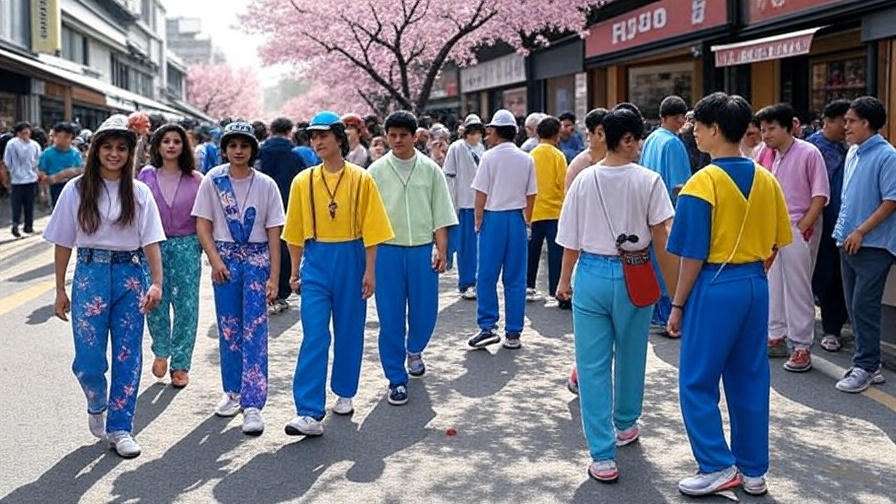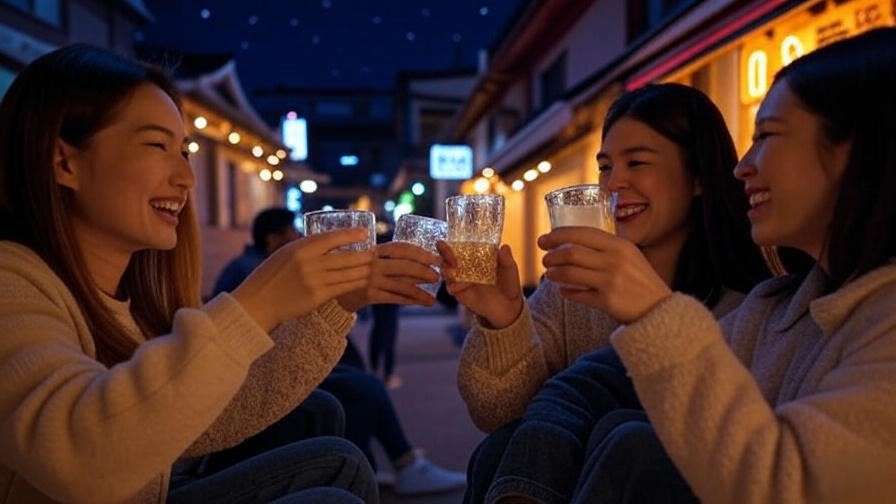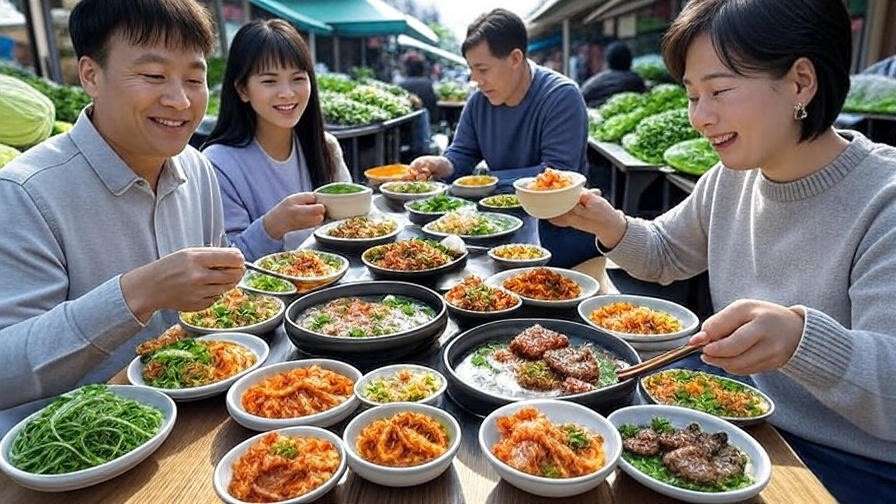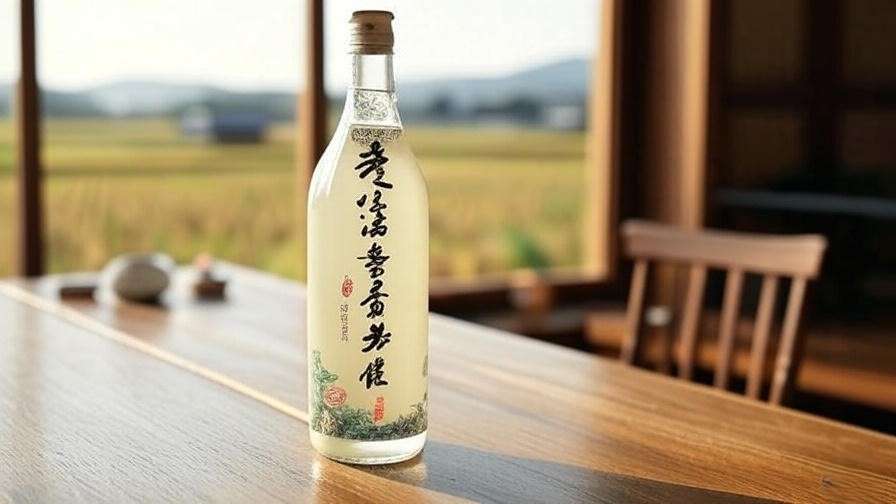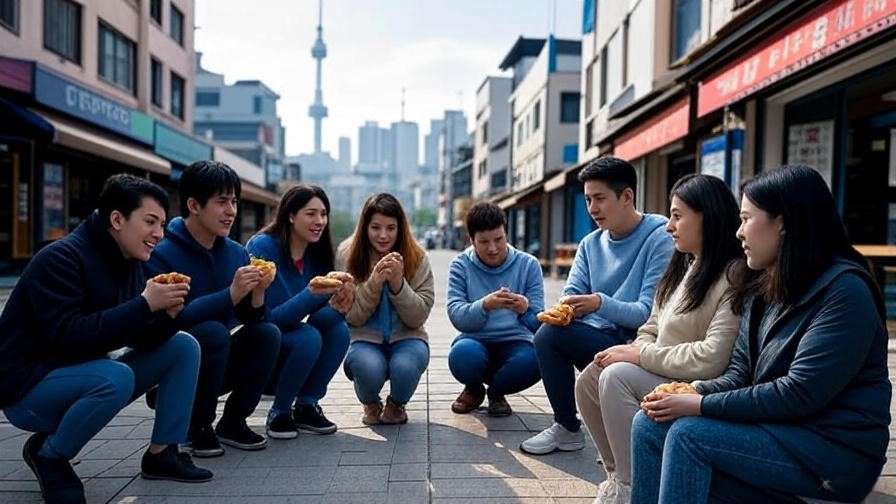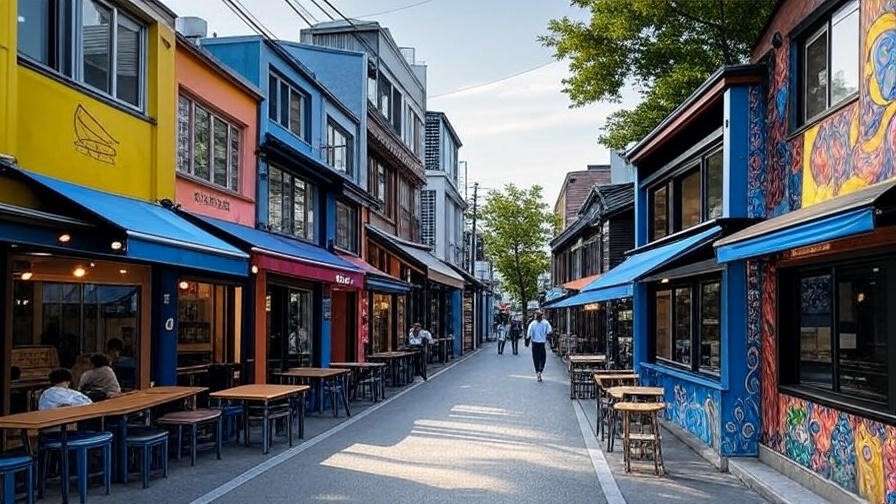

Imagine wandering through the neon-lit alleys of Seoul, where the sizzle of street food and the tantalizing aroma of kimchi jjigae draw you into a vibrant world of flavors. A Seoul food tour isn’t just a culinary adventure—it’s a deep dive into the heart of Korean culture, where every dish tells a story of tradition, community, and creativity. For fans of Korean drama and culture, exploring Seoul’s food scene is like stepping into the vibrant scenes of Itaewon Class or Reply 1988. This guide is your key to unlocking the ultimate Seoul food tour, packed with insider tips, must-visit spots, and cultural insights to make your experience unforgettable. Whether you’re a first-time visitor or a K-drama enthusiast, we’ll help you navigate Seoul’s culinary landscape with expertise and authenticity.
Crafted with insights from local chefs, food historians, and my own experiences exploring Seoul’s markets, this article offers a comprehensive roadmap to the city’s best eats. From bustling street stalls to traditional teahouses, you’ll discover how to plan a food tour that satisfies your taste buds and deepens your love for Korean culture. Let’s embark on this delicious journey together.
Why Seoul Is a Foodie’s Paradise
The Heart of Korean Culinary Culture
Seoul is more than South Korea’s capital—it’s the epicenter of a culinary tradition that spans centuries. From the fiery kick of gochujang (red chili paste) to the umami depth of doenjang (fermented soybean paste), Seoul’s cuisine reflects Korea’s agricultural roots and innovative spirit. Markets like Gwangjang and Namdaemun buzz with vendors who’ve perfected recipes over generations, while Michelin-starred restaurants elevate traditional dishes with modern flair. According to Chef Min-ji Kim, a Seoul-based culinary expert, “Seoul’s food scene is a living museum of Korean heritage, where every bite connects you to our history and values.”
Connection to Korean Drama and Pop Culture
Korean dramas have captivated global audiences, and food plays a starring role in many iconic scenes. In Itaewon Class, DanBam’s late-night tteokbokki and soju sessions mirror Seoul’s vibrant street food culture. Similarly, Reply 1988 showcases family meals with steaming bowls of kimchi jjigae, highlighting the communal spirit of Korean dining. For K-drama fans, a Seoul food tour is a chance to recreate these moments, tasting the dishes that bring your favorite shows to life. Whether it’s slurping ramyeon at a convenience store or sharing banchan (side dishes) with friends, Seoul’s food scene bridges fiction and reality.
Why a Food Tour Is the Best Way to Experience Seoul
While exploring Seoul’s food scene independently is rewarding, a guided food tour offers unmatched depth. Expert guides provide context about dishes, share local secrets, and navigate language barriers, ensuring an authentic experience. Group tours foster a sense of community, while private tours offer tailored itineraries, such as K-drama-themed routes. Compared to wandering alone, a food tour maximizes your time, introducing you to hidden gems and ensuring you don’t miss must-try dishes. As travel writer Ji-hoon Park notes, “A food tour is like a backstage pass to Seoul’s culinary soul.”
Planning Your Seoul Food Tour: What You Need to Know
Best Time to Visit Seoul for a Food Tour
Seoul’s food scene shines year-round, but timing can enhance your experience. Spring (March–May) brings fresh produce like ssuk (mugwort) and spring greens, perfect for dishes like ssukguk (mugwort soup). Autumn (September–November) is ideal for harvest festivals, such as the Seoul Kimchi Festival, where you can taste dozens of kimchi varieties. Winter offers hearty comfort foods like hotteok (sweet pancakes), while summer is perfect for refreshing naengmyeon (cold buckwheat noodles). Avoid peak tourist seasons (July–August) for fewer crowds, and check weather forecasts, as Seoul’s winters can be chilly.
Choosing the Right Food Tour
Seoul offers a variety of food tours to suit different preferences. Group tours, like those offered by O’ngo Food Tours, are budget-friendly and social, covering iconic markets like Gwangjang. Private tours, such as Seoul Foodie Tour’s bespoke experiences, cater to specific interests, like vegetarian-friendly or K-drama-inspired routes. For a unique twist, try a nighttime street food tour in Myeongdong or a hanjeongsik (traditional Korean feast) tour in Insadong. Research tour companies on platforms like TripAdvisor, and prioritize those with English-speaking guides and strong reviews for authenticity.
Budgeting for Your Food Tour
A typical Seoul food tour costs $50–$150 per person, depending on duration and inclusions. Street food tours are cheaper ($30–$70), while fine dining experiences can exceed $200. Budget an additional $20–$50 for personal expenses, like extra snacks or souvenirs. To save money, book tours in advance, share dishes with friends, or opt for lunch specials at restaurants. Many markets accept mobile payments like KakaoPay, so carry a mix of cash and digital options. Websites like Visit Seoul (visitseoul.net) offer discount tips for tourists.
Must-Visit Stops on Your Seoul Food Tour
Gwangjang Market: The Street Food Haven
Gwangjang Market, one of Seoul’s oldest traditional markets, is a must-visit for any food tour. Its narrow alleys brim with vendors serving bindaetteok (mung bean pancakes), tteokbokki (spicy cylindrical rice cakes), and kimbap (seaweed rice rolls). Try Cho Yonsoon’s famous bindaetteok, a crispy, savory delight made fresh daily. According to vendor Mrs. Lee, who’s worked at Gwangjang for 20 years, “The secret is in the grind—fresh mung beans make all the difference.” Arrive early to avoid crowds, and bring cash for smaller stalls.
Myeongdong: Late-Night Street Food Extravaganza
 Myeongdong transforms into a street food paradise after dark, attracting K-drama fans and locals alike. Stalls line the streets, offering hotteok, odeng (fish cake skewers), and tornado potatoes. For a K-drama moment, try the egg bread (gyeran-ppang) featured in Weightlifting Fairy Kim Bok-joo. Myeongdong’s vibrant energy and neon lights make it a perfect spot for Instagram-worthy photos. Pro tip: Visit between 6 PM and 9 PM for the liveliest atmosphere, and check stall hygiene ratings for safety.
Insadong: Traditional Korean Dining
Insadong offers a taste of Korea’s culinary heritage with its teahouses and hanjeongsik restaurants. Savor a multi-course hanjeongsik meal at Tosokchon Samgyetang, famous for its ginseng chicken soup. Dishes like bibimbap (mixed rice with vegetables) and jeon (savory pancakes) showcase Korea’s balance of flavors. Insadong’s cobblestone streets and traditional hanok buildings add cultural charm, making it ideal for a leisurely food tour. Cultural note: Sharing banchan reflects Korea’s communal dining ethos, so embrace the group experience.
Hongdae: Trendy and Youthful Flavors
 Hongdae, Seoul’s youthful arts district, blends traditional and modern cuisine. Try Korean fried chicken at Kyochon or indulge in Instagram-worthy bingsu at Sulbing. Hongdae’s dessert cafes, like Thanks Nature Cafe, offer unique treats like sheep-shaped macarons. For K-pop fans, the area’s vibrant street performances pair perfectly with a food tour. Visit on weekends for live music and bustling energy, but book tables in advance for popular spots.
Hidden Gems: Off-the-Beaten-Path Eateries
For an authentic experience, venture beyond tourist hubs to places like pojangmacha (street tents) in Jongno. These tents serve soju and anju (bar snacks) like grilled squid or pajeon (green onion pancakes). Another gem is Bukchon Son Mandu in Bukchon Hanok Village, known for handmade dumplings. Create a day-long itinerary: start at Gwangjang for breakfast, lunch in Insadong, and end with Hongdae’s nightlife. Use Naver Maps to locate these spots, as they’re often tucked away.
Iconic Korean Dishes You Can’t Miss
Kimchi: The Soul of Korean Cuisine
Kimchi, Korea’s fermented vegetable staple, is a cultural icon. Baechu kimchi (cabbage-based) and kkakdugi (radish kimchi) are must-tries, available at markets like Tongin Market. According to food historian Dr. Soo-jin Han, “Kimchi embodies Korea’s resilience—its bold flavors come from months of fermentation, a testament to our patience.” Visit Kimchi Museum in Insadong to learn about its history and taste regional variations.
Bulgogi and Samgyeopsal: Grilled Perfection
Bulgogi (marinated beef) and samgyeopsal (pork belly) are BBQ favorites, grilled tableside for a hands-on experience. Try Maple Tree House in Itaewon for premium cuts and expert grilling. Pair with banchan and lettuce wraps for the full experience. Pro tip: Ask for extra ssamjang (spicy dipping sauce) to enhance the flavors.
Korean Street Food Favorites
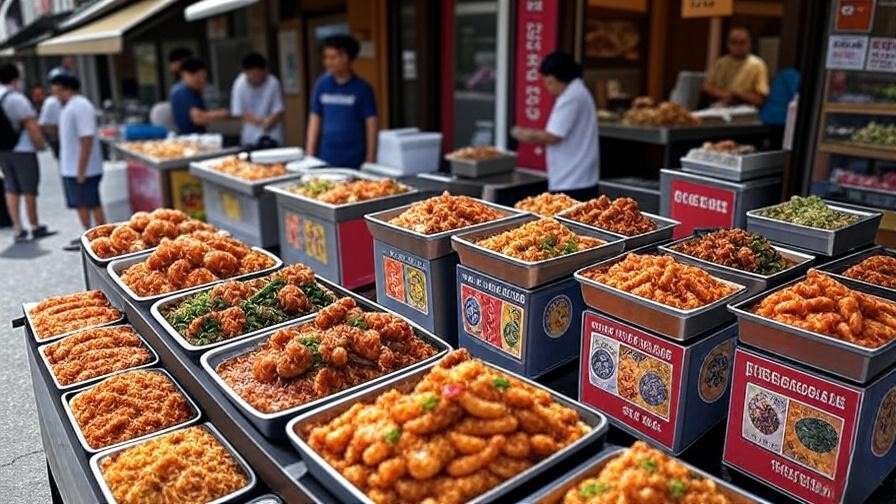
Seoul’s street food is a highlight of any food tour. Try eomuk (fish cakes), mandu (dumplings), and sundae (blood sausage) at Namdaemun Market. To order like a local, learn phrases like “Juseyo” (please) and “Igeo eolmaeyo?” (how much is this?). Street food is affordable, with most items under $5.
Desserts and Drinks: Sweet Endings
End your tour with bingsu (shaved ice dessert) at Sulbing or traditional teas at Dawon Traditional Tea House. For a modern twist, try soju cocktails at a Hongdae bar. These sweet treats balance Seoul’s savory dishes, offering a refreshing finale.
Cultural Insights to Enhance Your Food Tour
Understanding Korean Dining Etiquette
 To fully immerse yourself in a Seoul food tour, understanding Korean dining etiquette is key. Use chopsticks and a spoon appropriately—avoid sticking chopsticks upright in rice, as it resembles a funeral ritual. When sharing dishes, take small portions to your plate rather than eating directly from communal plates. Accepting drinks, like soju, with two hands shows respect, especially to elders. According to Seoul-based chef Min-ji Kim, “Dining etiquette reflects Korea’s emphasis on harmony and respect, making your food tour experience more authentic.” Practice these customs to connect with locals and enhance your cultural appreciation.
Food as a Window to Korean History
Korean cuisine is a tapestry of history, shaped by agricultural traditions and resilience. Kimchi jjigae, a spicy stew, originated as a way to preserve vegetables through harsh winters, while japchae (sweet potato noodles) was once a royal dish. Dr. Soo-jin Han, a food historian, notes, “Each dish carries centuries of survival and innovation, from fermentation techniques to Buddhist-inspired vegetarian recipes.” On your food tour, ask guides about the origins of dishes to deepen your understanding of Korea’s past. Visiting markets like Namdaemun reveals how these traditions persist in modern Seoul.
K-Drama Food Moments to Recreate
 K-drama fans can bring their favorite scenes to life on a Seoul food tour. In Crash Landing on You, convenience store ramyeon is a romantic staple—recreate this at a 7-Eleven in Myeongdong with Shin Ramyun and a side of kimchi. Goblin features hearty beef rib soup (galbitang); try it at Tosokchon Samgyetang in Insadong. For a fun checklist, visit a pojangmacha tent for soju and anju, as seen in Itaewon Class. These experiences bridge the gap between fiction and reality, making your food tour a K-drama pilgrimage.
Practical Tips for an Unforgettable Seoul Food Tour
Navigating Seoul’s Food Scene Like a Local
Seoul’s efficient public transport makes food tours accessible. Use the Seoul Metro to reach markets like Gwangjang (Jongno-5-ga Station) or Myeongdong (Myeongdong Station). Download Naver Maps or KakaoMap for precise navigation, as Google Maps is less reliable in Korea. Learn basic Korean phrases like “Annyeonghaseyo” (hello) and “Gamsahamnida” (thank you) to charm vendors. For seamless payments, set up KakaoPay or carry small denominations of won (KRW). Pro tip: Avoid peak dining hours (7–8 PM) to beat the rush at popular spots.
Dietary Considerations and Accessibility
Seoul’s food scene is inclusive, with options for dietary needs. Vegetarians can enjoy temple cuisine at Balwoo Gongyang, a Michelin-starred restaurant offering Buddhist-inspired dishes like lotus root stir-fry. For vegans, try Plant Cafe in Itaewon, known for vegan bibimbap. Many restaurants provide English menus, and apps like HappyCow list allergy-friendly spots. If you have dietary restrictions, inform tour guides in advance—reputable companies like Seoul Foodie Tour customize menus. Accessibility is improving, but some markets have narrow alleys; private tours offer more flexibility for mobility needs.
Capturing the Experience
 Document your Seoul food tour with stunning photos for Instagram or personal memories. Use natural light for vibrant shots of colorful dishes like tteokbokki or bingsu. In markets, ask vendors for permission before photographing their stalls. Hashtags like #SeoulFoodTour, #KoreanCuisine, and #KFood boost engagement on social media. For a professional touch, invest in a portable phone lens for close-ups of intricate banchan. Share your experience on platforms like X to connect with other foodies and inspire future travelers.
Frequently Asked Questions (FAQs)
What’s the Best Seoul Food Tour for Beginners?
For first-timers, O’ngo Food Tours offers a beginner-friendly Gwangjang Market tour with English-speaking guides. The 3-hour experience covers iconic dishes like bindaetteok and includes cultural insights. Alternatively, Trazy’s street food tour is affordable and covers multiple districts, ideal for sampling a variety of flavors.
How Much Does a Seoul Food Tour Cost?
Costs range from $30–$70 for street food tours to $100–$200 for private or fine dining experiences. Budget an extra $20–$50 for drinks, snacks, or tips. Group tours are more cost-effective, while private tours offer personalized menus and schedules.
Can I Do a Self-Guided Food Tour in Seoul?
Absolutely! Start at Gwangjang Market for breakfast (try kimbap), lunch at Insadong (hanjeongsik at Jirisan), and end in Hongdae for dinner (Korean fried chicken at Bbi Bbi Bbi). Use Naver Maps and carry a translation app like Papago to navigate menus. A self-guided tour offers flexibility but requires planning.
What Dishes Should I Prioritize on My Food Tour?
Focus on these top 5:
- Kimchi: Try baechu kimchi at Tongin Market.
- Tteokbokki: Sample spicy rice cakes in Myeongdong.
- Bulgogi: Enjoy marinated beef at Maple Tree House.
- Bingsu: Indulge in shaved ice at Sulbing.
- Mandu: Savor dumplings at Bukchon Son Mandu.
Are Seoul Food Tours Safe for Solo Travelers?
Seoul is one of the safest cities for solo travelers, with low crime rates and friendly locals. Group food tours provide a social atmosphere, while private tours offer personalized safety. Stick to well-lit areas like Myeongdong at night, and use trusted tour operators for peace of mind.
A Seoul food tour is more than a culinary journey—it’s a gateway to understanding Korean culture, from the communal spirit of shared banchan to the historical depth of fermented kimchi. Whether you’re recreating K-drama moments or savoring street food in Gwangjang Market, this guide equips you with the tools to plan an unforgettable experience. Book a tour with O’ngo or Seoul Foodie Tour, or craft your own itinerary using our insider tips. Share your favorite Korean dishes or food tour moments in the comments below, and let Seoul’s flavors inspire your love for Korean culture.