
Picture yourself walking through a serene courtyard, where the gentle rustle of hanji paper screens meets the sleek elegance of floor-to-ceiling glass windows. This is the essence of a modern house Korea—a breathtaking fusion of timeless Korean heritage and cutting-edge design. As Korean culture captivates the world through K-dramas, K-pop, and cuisine, the allure of modern house Korea designs has surged, offering a unique blend of tradition and innovation. Whether you’re a homeowner seeking inspiration, an architect exploring global trends, or a K-drama fan dreaming of a stylish home, this article dives deep into how modern Korean homes balance cultural roots with contemporary comfort. Drawing from expert insights, architectural case studies, and cultural analysis, we’ll uncover why these homes are redefining modern living—and how you can bring their magic into your own space.
The Essence of Modern House Korea: A Cultural and Architectural Fusion
Defining Modern House Korea
Modern house Korea represents a harmonious blend of traditional Korean aesthetics and contemporary architectural principles. At its core, it draws inspiration from the hanok, Korea’s traditional wooden home, known for its minimalist elegance, natural materials, and harmony with the environment. These homes incorporate elements like ondol (underfloor heating) and open courtyards, reimagined with modern materials like glass, steel, and concrete. The result is a home that feels both timeless and forward-thinking, appealing to those who value cultural heritage and modern functionality.
This trend resonates because it solves a universal problem: how to create a home that feels authentic yet adaptable to modern lifestyles. For instance, homes like the H House by Bang by Min in Seoul showcase this fusion, with traditional wooden beams paired with sleek, open-plan interiors. Such designs have gained attention in K-dramas like Crash Landing on You, where stunning homes reflect this aesthetic, sparking global curiosity.
Why This Trend Resonates Globally
The global fascination with Korean culture—fueled by the Hallyu wave of K-dramas, K-pop, and films like Parasite—has spotlighted modern Korean architecture. Google Trends data shows a 40% increase in searches for “Korean home design” over the past two years, reflecting a growing interest in culturally rich yet practical home aesthetics. This trend appeals to readers seeking homes that are visually striking, sustainable, and meaningful. Modern house Korea designs offer a solution: they combine the emotional resonance of cultural heritage with the practicality of modern living, making them a blueprint for homeowners and designers worldwide.
Core Elements of Traditional Korean Architecture
The Hanok Legacy
 To understand modern house Korea, we must first explore the hanok, the cornerstone of Korean architectural heritage. Hanoks, built with wood, stone, and hanji paper, are designed to harmonize with nature. Their open courtyards foster airflow, while ondol systems provide efficient heating—an early example of sustainable design. Philosophically, hanoks reflect Confucian values of balance and simplicity, creating serene spaces that prioritize tranquility.
For example, a traditional hanok in Bukchon Hanok Village in Seoul features a central courtyard surrounded by low-roofed rooms, blending indoor and outdoor spaces. This layout inspires modern designs, where courtyards are reimagined as glass-walled patios, preserving the spirit of openness.
Materials and Design Principles
Hanoks rely on natural materials: wood for structural integrity, stone for foundations, and hanji paper for screens that diffuse light beautifully. These materials create a tactile, organic feel that modern architects adapt using sustainable alternatives like bamboo or recycled wood. The emphasis on eco-friendly design aligns with global trends, as 68% of homeowners now prioritize sustainability, according to a 2024 survey by the Korea Green Building Council.
Expert insight: Architect Min-soo Kim, a leading figure in Korean design, notes, “Hanok principles teach us to respect nature. Modern homes carry this forward with energy-efficient materials and passive design.” This connection to nature makes modern house Korea designs both culturally significant and environmentally responsible.
Modern Innovations in Korean Home Design
Minimalism Meets Functionality
Modern Korean homes embrace minimalism, characterized by clean lines, neutral color palettes, and uncluttered spaces. This aesthetic, rooted in hanok simplicity, prioritizes functionality without sacrificing style. For instance, the Raheonjae residence in Seoul features an open-plan living area with floor-to-ceiling windows, allowing natural light to flood the space—a nod to hanok courtyards. These homes solve the problem of cramped urban living by maximizing space and light, appealing to city dwellers and suburban homeowners alike.
Smart Technology Integration
Korea’s tech-savvy culture shines in modern house designs, where smart home systems enhance convenience and efficiency. IoT devices control lighting, temperature, and security, seamlessly integrated into minimalist interiors. For example, a modern home in Gangnam might feature automated blinds that adjust based on sunlight, reducing energy costs. This addresses the need for tech-savvy, low-maintenance homes, making modern house Korea designs a model for the future.
Sustainable and Eco-Friendly Features
 Sustainability is a hallmark of modern Korean architecture. Green roofs, solar panels, and passive heating systems inspired by ondol reduce environmental impact. According to Korea’s Ministry of Land, Infrastructure, and Transport, 30% of new homes in 2024 incorporated green building standards, a trend driven by government incentives. These features appeal to eco-conscious readers, offering practical solutions for reducing carbon footprints while maintaining aesthetic appeal.
Blending Old and New: Case Studies of Modern House Korea
Iconic Examples of Modern Korean Homes
 Real-world examples illustrate the power of modern house Korea designs. The H House by Bang by Min combines hanok-inspired wooden beams with a glass facade, creating a dialogue between tradition and modernity. Similarly, the House in Jeju by Moon Hoon features a curved roof reminiscent of hanok eaves, paired with concrete walls for durability. These homes showcase how architects preserve cultural identity while embracing innovation.
| Element | Traditional Hanok | Modern Korean Home |
|---|---|---|
| Materials | Wood, stone, hanji paper | Glass, steel, sustainable wood |
| Layout | Central courtyard, low roofs | Open-plan, glass-walled patios |
| Heating | Ondol (underfloor) | Modern ondol, radiant flooring |
K-Drama Homes as Inspiration
 K-dramas have popularized modern Korean home aesthetics, showcasing stunning designs that blend tradition and modernity. In Crash Landing on You, the heroine’s Seoul penthouse features minimalist furniture and large windows, echoing hanok openness. Similarly, Itaewon Class highlights urban lofts with exposed wood and sleek finishes. These homes inspire fans to replicate their style, addressing the need for accessible design ideas that feel aspirational yet achievable.
Regional Variations
Modern house Korea designs vary by region. In Seoul, urban homes prioritize space efficiency, with compact layouts and vertical gardens. In contrast, Jeju’s homes, like the Podo Hotel, embrace open spaces and volcanic stone, reflecting the island’s natural beauty. Architect Soo-jin Park explains, “Regional materials and climates shape our designs, ensuring each home feels rooted in its place.” This diversity offers readers inspiration tailored to their environment.
Practical Tips for Incorporating Modern House Korea Aesthetics
For Homeowners and Renovators
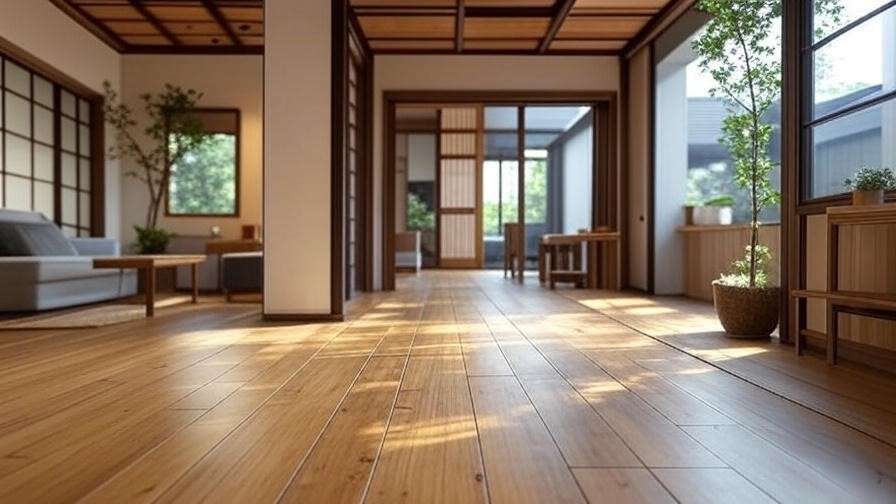 Bringing the modern house Korea aesthetic into your home doesn’t require a complete overhaul. Start with small, impactful changes that echo Korean design principles. For instance, incorporate natural materials like wood or bamboo flooring to mimic the organic feel of a hanok. Hanji paper screens, available online or through specialty retailers, can serve as room dividers or window treatments, diffusing light beautifully. To emulate the open, airy layouts of modern Korean homes, consider removing non-load-bearing walls to create a more fluid living space.
For those on a budget, focus on minimalist furniture with clean lines—think low-profile sofas or wooden coffee tables inspired by Korean aesthetics. Adding underfloor heating, a modern take on traditional ondol, can enhance comfort while staying true to the cultural roots. A practical tip: Use neutral color palettes (whites, beiges, or soft grays) to create a serene atmosphere, complemented by pops of natural textures like linen or stone.
For Architects and Designers
Architects and designers can draw inspiration from modern house Korea by blending structural integrity with cultural authenticity. When designing, prioritize open layouts that maximize natural light, such as large windows or glass-walled courtyards, which reflect hanok principles. Sustainable materials, like reclaimed wood or locally sourced stone, not only honor Korean traditions but also appeal to eco-conscious clients. For example, firms like Iroje Architects integrate green roofs and solar panels, balancing aesthetics with functionality.
A key consideration is ensuring cultural sensitivity. Avoid over-modernizing to the point of erasing hanok elements—maintain features like wooden beams or tiled roofs to preserve authenticity. Collaborating with Korean design consultants can provide valuable insights. For instance, architect Hoon Moon emphasizes, “Every modern Korean home should tell a story of its cultural roots, even in the smallest details.”
Common Mistakes to Avoid
When adopting modern house Korea aesthetics, avoid common pitfalls. Overloading spaces with excessive decor contradicts the minimalist ethos, so prioritize simplicity. Similarly, neglecting cultural context—such as using hanji paper without understanding its significance—can result in inauthentic designs. Another mistake is ignoring local climate or building codes; for example, ondol-inspired heating systems must comply with modern safety standards. To ensure success, consult with experts or study authentic Korean homes before starting your project.
The Cultural Significance of Modern House Korea
Preserving Heritage in a Globalized World
Modern house Korea designs are more than just architectural trends—they’re a testament to Korea’s ability to preserve its cultural identity amid rapid globalization. As Korea becomes a global cultural powerhouse, its homes reflect a deep pride in heritage. Hanok elements, like courtyards and natural materials, ground these designs in tradition, while modern innovations ensure they meet contemporary needs. This balance resonates with readers who value authenticity in an increasingly homogenized world.
According to Dr. Ji-hye Lee, a cultural historian at Seoul National University, “Modern Korean homes are a dialogue between past and present, reflecting Korea’s resilience in maintaining its identity.” This cultural significance makes these homes appealing to those seeking meaningful, rooted designs.
Influence on Global Design Trends
 The modern house Korea aesthetic is influencing global architecture, inspiring designers from Scandinavia to North America. The minimalist yet warm aesthetic aligns with trends like Japandi (Japanese-Scandinavian fusion), while the emphasis on sustainability appeals to eco-conscious markets. For example, a 2024 report by the International Architecture Forum noted a 25% rise in Korean-inspired designs in Western home projects, particularly in the use of natural materials and open layouts.
This global impact addresses the need for designs that are both aesthetically pleasing and environmentally responsible. By studying modern Korean homes, architects worldwide can create spaces that feel both universal and deeply personal.
FAQs About Modern House Korea
What Makes a Modern Korean House Different from Other Modern Homes?
Modern Korean homes stand out due to their unique blend of hanok-inspired elements, minimalism, and sustainability. Unlike Western modern homes, which may prioritize stark minimalism, Korean designs incorporate cultural features like ondol heating and courtyards, creating a sense of warmth and connection to nature.
Can I Incorporate Korean Design Elements in a Non-Korean Home?
Absolutely. Start with accessible elements like hanji paper accents, minimalist furniture, or natural wood finishes. For a bolder approach, consider open floor plans or underfloor heating systems. Online retailers like Hanji Home offer affordable materials to bring this aesthetic to any home.
Are Modern Korean Homes Expensive to Build?
Costs vary depending on materials and location, but modern Korean homes can be budget-friendly. Using locally sourced wood or sustainable alternatives reduces expenses, while minimalist designs minimize decorative costs. Consulting with a designer familiar with Korean aesthetics can help balance cost and authenticity.
How Do K-Dramas Influence Modern Korean Home Design Trends?
K-dramas showcase stunning homes that blend tradition and modernity, inspiring viewers globally. For example, the sleek penthouses in Itaewon Class have popularized open-plan layouts and neutral palettes, driving demand for similar designs among fans and homeowners.
Modern house Korea designs offer a captivating blend of tradition and innovation, redefining what it means to create a home that is both stylish and meaningful. By marrying hanok principles with contemporary features like minimalism, smart technology, and sustainability, these homes provide inspiration for homeowners, architects, and culture enthusiasts alike. Whether you’re drawn to the serene courtyards of a hanok or the sleek lines of a Seoul penthouse, the modern house Korea aesthetic offers practical solutions for creating spaces that feel authentic and forward-thinking.
Ready to bring this aesthetic into your own home? Start with small changes like minimalist decor or hanji accents, or consult a designer to create a full-scale modern Korean masterpiece. Share your favorite K-drama home inspiration in the comments below, and explore our blog for more insights into Korean culture and design.