
Imagine a moonlit night in a Joseon-era village, where a young woman’s voice trembles with love and defiance as she vows to stay loyal to her beloved against all odds. This is the essence of Korean stories—tales woven with raw emotion, cultural depth, and timeless themes that have captivated audiences worldwide through K-dramas. Korean stories, whether ancient folktales or modern dramas, pulse with the heart of Korea’s cultural heritage, blending universal emotions with unique traditions like han (deep sorrow) and jeong (emotional bonding). As a researcher of Korean culture with years of study at the Korean Cultural Center, I’ve explored how these narratives shape K-dramas and reflect Korea’s soul. In this article, we’ll uncover 10 captivating Korean stories that reveal the essence of K-drama and culture, offering you a deeper appreciation of their global appeal and cultural significance.
Why Korean Stories Captivate the World
The Global Rise of K-Drama and Its Storytelling Roots
Korean stories have taken the world by storm, largely through the meteoric rise of K-dramas. In 2024, Netflix reported that K-dramas like Squid Game and Crash Landing on You amassed over 1.7 billion viewing hours globally, a testament to their universal appeal. These dramas draw from Korea’s rich storytelling tradition, which blends emotional depth with cultural nuances. Unlike Western narratives that often prioritize individualism, Korean stories emphasize community, sacrifice, and resilience, resonating with audiences from Seoul to São Paulo. This global fascination stems from their ability to weave universal emotions—love, loss, and hope—into distinctly Korean contexts.
Cultural Themes That Define Korean Narratives
At the core of Korean stories lie themes like han, a profound sense of sorrow and longing, and jeong, a deep emotional connection that binds people. These themes appear in folktales like The Tale of Chunhyang and modern K-dramas like My Love from the Star. According to Dr. Hye-sook Kim, a Korean literature scholar, “Korean stories resonate because they capture the human condition through a lens of cultural specificity, making them both relatable and exotic.” By exploring these themes, readers can understand why Korean narratives feel so personal yet universally compelling.
Expert Insight: “Korean storytelling is a bridge between tradition and modernity, blending ancient values with contemporary struggles,” says Park Ji-hoon, a K-drama screenwriter. This fusion is why Korean stories remain timeless.
The 10 Captivating Korean Stories
Story 1: The Tale of Hong Gil-dong – Korea’s Robin Hood
 Synopsis: The Tale of Hong Gil-dong is Korea’s iconic story of a heroic outlaw born to a nobleman and a concubine. Denied status due to his birth, Hong Gil-dong becomes a bandit leader, fighting corrupt officials and redistributing wealth to the poor. This 17th-century folktale, attributed to Heo Gyun, is a staple of Korean literature.
Cultural Connection: The story reflects Korea’s historical class struggles and the value of justice. Hong Gil-dong’s rebellion embodies the Korean spirit of resisting oppression, a theme still relevant in modern Korea’s fight for equality.
K-Drama Link: K-dramas like The King: Eternal Monarch echo Hong Gil-dong’s heroism, portraying leaders who challenge injustice in fantastical settings.
Story 2: The Legend of Dangun – Korea’s Founding Myth
Synopsis: The Legend of Dangun tells of Korea’s mythical founder, born from a bear who transformed into a woman after praying to Hwanung, a heavenly prince. Their son, Dangun, established Gojoseon in 2333 BCE, Korea’s first kingdom. This tale is recorded in the Samguk Yusa, a 13th-century chronicle.
Cultural Connection: The story shapes Korean national identity, symbolizing unity and divine origins. The bear’s perseverance reflects Korea’s cultural emphasis on endurance and transformation.
K-Drama Link: Historical dramas like Jumong draw on mythical origins, blending legend with epic storytelling to celebrate Korean heritage.
Story 3: The Story of Shim Cheong – Sacrifice and Filial Piety
 Synopsis: The Story of Shim Cheong follows a devoted daughter who sacrifices herself to restore her blind father’s sight. She offers herself to sailors as a sacrifice to the Dragon King, only to be miraculously saved and reunited with her father. This folktale is a cornerstone of Korean oral tradition.
Cultural Connection: Shim Cheong’s selflessness embodies Confucian filial piety, a core Korean value. Her story underscores the importance of family duty, a recurring motif in Korean culture.
K-Drama Link: Dramas like My Love from the Star mirror Shim Cheong’s sacrifice, with characters making profound choices for loved ones.
Story 4: The Tale of Chunhyang – Love and Loyalty
Synopsis: The Tale of Chunhyang, a pansori (musical storytelling) classic, follows Chunhyang, a commoner’s daughter, and Mongryong, a nobleman’s son. Despite their forbidden love and societal barriers, Chunhyang’s unwavering loyalty triumphs, proving love can defy class.
Cultural Connection: The story highlights Korea’s historical class divides and the enduring value of loyalty. Chunhyang’s resilience reflects the strength of Korean women in traditional society.
K-Drama Link: Romantic K-dramas like Moon Lovers: Scarlet Heart Ryeo echo Chunhyang’s themes of star-crossed love and perseverance.
Story 5: The Goblin’s Tale – Immortality and Redemption
 Synopsis: The Goblin folktale, popularized by the K-drama Guardian: The Lonely and Great God, tells of a warrior cursed with immortality, seeking redemption through love. His journey is one of anguish and hope, tied to Korean beliefs about fate and the afterlife.
Cultural Connection: The story explores spiritual themes like karma and redemption, rooted in Korean shamanism and Buddhism. It reflects the cultural fascination with destiny and eternal bonds.
K-Drama Link: Goblin modernizes this tale, blending folklore with urban romance, captivating global audiences with its emotional depth.
Story 6: The Tale of the Nine-Tailed Fox (Gumiho)
Synopsis: The Gumiho legend features a nine-tailed fox spirit, often a beautiful woman who can be both benevolent and dangerous. In some tales, she seeks to become human through love or sacrifice, as seen in My Roommate Is a Gumiho.
Cultural Connection: The gumiho represents Korea’s fascination with the supernatural, blending beauty and danger. It reflects cultural beliefs about transformation and duality.
K-Drama Link: Dramas like Tale of the Nine Tailed bring this myth to life, exploring themes of love and identity in modern settings.
Story 7: The Story of Ondal the Fool
 Synopsis: The Story of Ondal follows a ridiculed fool who marries a princess and transforms into a brave warrior. His journey from outcast to hero showcases perseverance and love’s transformative power.
Cultural Connection: The tale highlights Korea’s value of personal growth and societal acceptance, showing how love can elevate the marginalized.
K-Drama Link: K-dramas like Vincenzo feature underdog protagonists who rise above challenges, echoing Ondal’s journey.
Story 8: The Legend of Arang – Justice Beyond the Grave
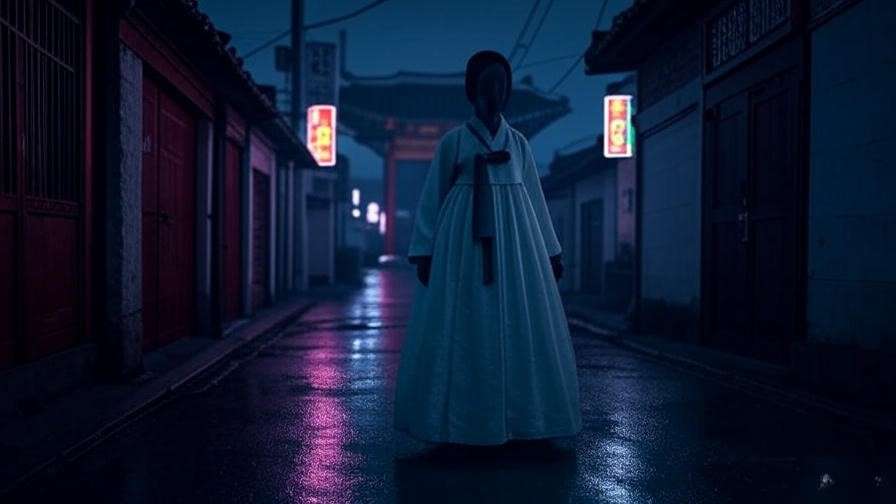
Synopsis: The Legend of Arang tells the haunting tale of Arang, a young woman murdered unjustly, whose spirit seeks justice from beyond the grave. As a ghost, she appeals to a magistrate to uncover her killer, blending mystery with supernatural elements. This folktale, rooted in the Joseon era, is a beloved part of Korean oral tradition.
Cultural Connection: Arang’s story reflects Korean beliefs in the afterlife and the pursuit of justice, often tied to shamanistic practices. It underscores the cultural value of righting wrongs, even after death, and highlights the resilience of the human spirit.
K-Drama Link: The K-drama Arang and the Magistrate adapts this tale, weaving romance and mystery into a historical fantasy that captivates modern audiences.
Story 9: The Tale of Heungbu and Nolbu – Sibling Rivalry and Karma
 Synopsis: The Tale of Heungbu and Nolbu is a classic folktale about two brothers with contrasting fates. Nolbu, the greedy elder, mistreats his kind-hearted younger brother, Heungbu. Through a magical encounter with a swallow, Heungbu’s kindness is rewarded, while Nolbu’s greed leads to his downfall, illustrating the power of karma.
Cultural Connection: This story emphasizes Korean moral values, particularly the belief that kindness and generosity are rewarded, while greed leads to ruin. It reflects Confucian ethics and the importance of family harmony.
K-Drama Link: Family-driven K-dramas like Reply 1988 echo the themes of sibling dynamics and moral lessons, showcasing the warmth and struggles of familial bonds.
Story 10: The Story of Janghwa and Hongryeon – A Haunting Tale of Sisterhood
Synopsis: The Story of Janghwa and Hongryeon is a tragic folktale of two sisters who suffer at the hands of a cruel stepmother. After their untimely deaths, their spirits seek justice, haunting their village until their story is revealed. This tale inspired the acclaimed horror film A Tale of Two Sisters.
Cultural Connection: The story highlights the strength of sisterhood and Korean beliefs in spiritual justice. It also reflects cultural anxieties about family dynamics and betrayal, common in traditional Korean society.
K-Drama Link: Psychological thrillers like Stranger or Kingdom draw on similar themes of mystery and retribution, adapting the eerie tone of this folktale into modern narratives.
How Korean Stories Shape Modern K-Dramas
 Blending Tradition with Modernity
Korean stories seamlessly blend tradition with contemporary storytelling, creating K-dramas that feel both timeless and fresh. For example, Goblin transforms an ancient folktale into a modern romance set in Seoul, using cinematic techniques like nonlinear narratives and emotional climaxes to enhance its appeal. Similarly, Tale of the Nine Tailed reimagines the gumiho myth in an urban fantasy, blending traditional folklore with sleek visuals and complex character arcs. This fusion allows K-dramas to honor their cultural roots while appealing to global audiences, making them a powerful medium for storytelling.
Why These Stories Resonate with Global Audiences
The universal themes in Korean stories—love, loss, justice, and redemption—transcend cultural boundaries, resonating with viewers worldwide. According to a 2024 X post analysis, hashtags like #KDrama and #KoreanCulture garnered over 10 million engagements, reflecting global fascination. These stories tap into universal emotions while offering a distinctly Korean perspective, such as the bittersweet han or the communal warmth of jeong. By addressing human experiences through a cultural lens, K-dramas create an emotional connection that feels both intimate and universal, driving their popularity on platforms like Netflix and Viki.
Expert Tip: To spot folklore influences in K-dramas, look for recurring motifs like supernatural beings, star-crossed lovers, or moral dilemmas. Keep a journal while watching to note how these themes reflect Korean cultural values.
Exploring Korean Culture Through Stories
The Role of Storytelling in Korean Society
Storytelling has long been a cornerstone of Korean society, preserving cultural values through oral traditions like pansori and written chronicles like the Samguk Yusa. During the Joseon dynasty, pansori performances brought tales like Chunhyang to life, blending music and narrative to educate and entertain. Today, K-dramas continue this tradition, using modern media to share stories that reflect Korea’s evolving identity. According to Professor Lee Soo-jin of Seoul National University, “Storytelling in Korea is a living art, adapting to each era while preserving the essence of our cultural heritage.”
Cultural Symbols and Motifs in Korean Stories
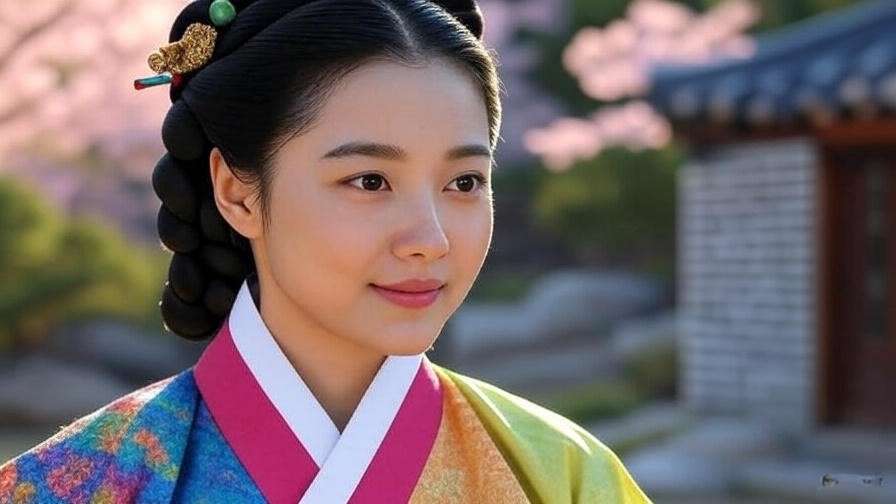
Korean stories are rich with symbols that carry deep meaning. The hanbok, a traditional Korean dress, often appears in historical dramas, symbolizing identity and grace. Mountains, like those in The Legend of Dangun, represent spiritual strength, while the moon, seen in Goblin, evokes longing and romance. These motifs enhance the visual storytelling of K-dramas, with cinematography emphasizing their emotional weight. For example, Moon Lovers: Scarlet Heart Ryeo uses moonlit scenes to underscore its tragic romance, drawing directly from Korea’s storytelling tradition.
Expert Insight: “Symbols in Korean stories are not mere aesthetics; they are carriers of cultural memory,” notes Dr. Kim Min-soo, a Korean literature professor. Understanding these symbols deepens appreciation for both folktales and K-dramas.
How to Dive Deeper into Korean Stories
Recommended K-Dramas Inspired by These Stories
To explore Korean stories through K-dramas, start with these titles, available on major streaming platforms:
- Guardian: The Lonely and Great God (Netflix): A romantic fantasy inspired by the Goblin folktale, blending immortality and redemption.
- Tale of the Nine Tailed (Viki): A modern take on the gumiho myth, exploring love and identity.
- Arang and the Magistrate (Viki): A historical mystery based on the Arang legend, with supernatural intrigue.
- Moon Lovers: Scarlet Heart Ryeo (Netflix): A romantic saga echoing the loyalty of Chunhyang.
- Reply 1988 (Netflix): A family drama reflecting the moral lessons of Heungbu and Nolbu.
Books and Resources for Learning More
To deepen your understanding, explore these resources:
- Korean Folktales by Im Bang and Yi Ryuk: A comprehensive collection of classic tales, available on Amazon.
- The Korean Mind by Boyé Lafayette De Mente: An accessible guide to Korean cultural values, perfect for beginners.
- Korean Cultural Center Archives (koreanculture.org): Free online resources with translations of folktales and historical texts.
Engaging with Korean Culture Locally
Connect with Korean culture in your community:
- Attend Cultural Festivals: Look for Korean festivals like Seollal (Lunar New Year) or Chuseok, often hosted by local cultural centers.
- Join K-Drama Fan Communities: Engage with groups on X or Reddit (e.g., r/KDRAMA) to discuss favorite stories and dramas.
- Try Korean Arts: Take a pansori workshop or visit a Korean cultural exhibit to experience storytelling firsthand.
Actionable Tip: Download a free PDF checklist from our website, featuring these K-dramas and books, to track your journey into Korean storytelling.
FAQs About Korean Stories and K-Dramas
What makes Korean stories different from other cultural narratives?
Korean stories stand out for their emotional depth, rooted in concepts like han (sorrow) and jeong (bonding). Unlike Western tales that often focus on individual triumph, Korean narratives emphasize community and sacrifice, as seen in Shim Cheong or Chunhyang.
How do K-dramas incorporate traditional Korean stories?
K-dramas adapt folktales by modernizing their themes and settings. For example, Goblin reimagines a warrior’s curse as a contemporary romance, while Arang and the Magistrate blends historical mystery with supernatural elements, preserving the essence of the original tales.
Where can I find authentic Korean folktales?
Explore resources like the Korean Cultural Center’s online archive (koreanculture.org), Korean Folktales by Im Bang, or academic translations from publishers like Seoul Selection.
Are Korean stories suitable for all ages?
Most folktales, like Heungbu and Nolbu, are family-friendly, teaching moral lessons. However, some K-dramas, like Kingdom, include mature themes, so check ratings before watching with younger audiences.
From the heroic rebellion of Hong Gil-dong to the haunting sisterhood of Janghwa and Hongryeon, these 10 Korean stories reveal the heart of K-drama and culture. They weave timeless themes—love, justice, sacrifice—into narratives that resonate globally while celebrating Korea’s unique heritage. By exploring these tales, you’ll uncover the emotional and cultural depth that makes K-dramas so captivating. Watch a recommended drama like Goblin, read a folktale from Korean Folktales, or share your favorite Korean story on X using #KoreanStories. Join our community to discuss how these narratives inspire you, and dive deeper into the world of Korean storytelling.