
Picture this: you’re curled up on the couch, immersed in the latest K-drama, when the characters crack open a bottle of Chilsung Cider, its crisp fizz echoing their laughter. That’s the magic of Korean soda drinks—a refreshing gateway to the vibrant world of Korean culture. These beverages, from creamy Milkis to nostalgic Bong Bong, are more than just thirst-quenchers; they’re a cultural phenomenon woven into K-dramas, street food stalls, and late-night convenience store runs. As a passionate explorer of Korean culture, having wandered the neon-lit streets of Seoul and savored these drinks alongside spicy tteokbokki, I’m here to guide you through the top Korean soda drinks you need to try. This comprehensive guide will uncover their unique flavors, cultural significance, and where to find them, ensuring you can bring a taste of Korea into your life.
Whether you’re a K-drama fan, a foodie, or simply curious about Korean beverages, this article delivers everything you need to know to dive into the fizzy, flavorful world of Korean sodas. Let’s explore why these drinks are a must-try and how they can elevate your K-culture experience.
What Makes Korean Soda Drinks Unique?
A Blend of Tradition and Innovation
Korean soda drinks stand out for their ability to blend traditional flavors with modern innovation. Unlike Western sodas that often stick to classic cola or citrus profiles, Korean beverages incorporate ingredients like ginseng, rice, or yogurt-like bases, reflecting Korea’s rich culinary heritage. For instance, Milkis, a creamy soda with a yogurt-like tang, combines the effervescence of soda with a smooth, dairy-inspired texture. This fusion mirrors Korea’s knack for balancing old and new, seen in everything from hanbok fashion to cutting-edge K-pop.
The innovation doesn’t stop there. Brands like Lotte and Ilhwa experiment with flavors like peach, grape, and even red bean, catering to diverse palates. According to a 2023 report by the Korea Agro-Fisheries Trade Corporation, Korean beverage exports, including sodas, grew by 15% globally, driven by demand for these unique flavor profiles. This blend of tradition and creativity makes Korean sodas a standout in the global beverage market.
Cultural Significance in K-Dramas and Daily Life
If you’ve watched K-dramas like Crash Landing on You or Vincenzo, you’ve likely spotted characters sharing a bottle of Chilsung Cider or Milkis during heartfelt moments. These drinks are more than props—they’re symbols of connection, often featured in scenes of friendship, romance, or casual hangouts. In Korea, soda drinks are a staple in convenience stores like CU and GS25, where students, workers, and friends grab them alongside kimbap or ramen for a quick, satisfying break.
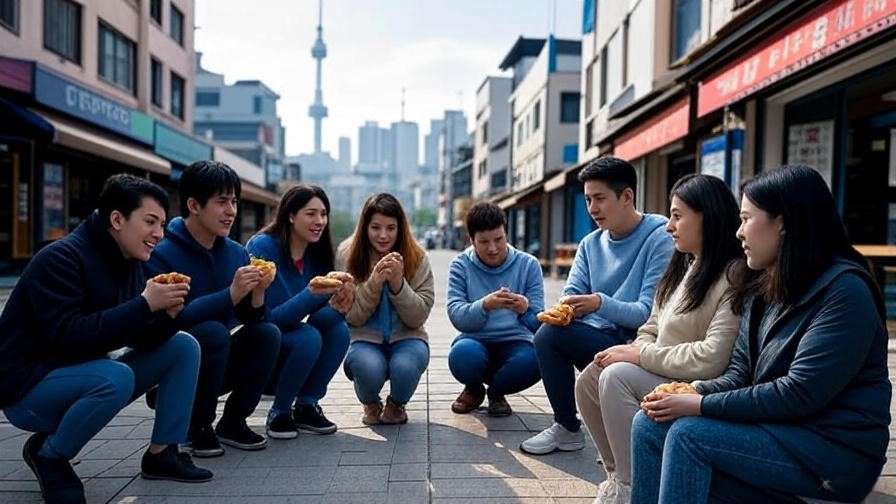
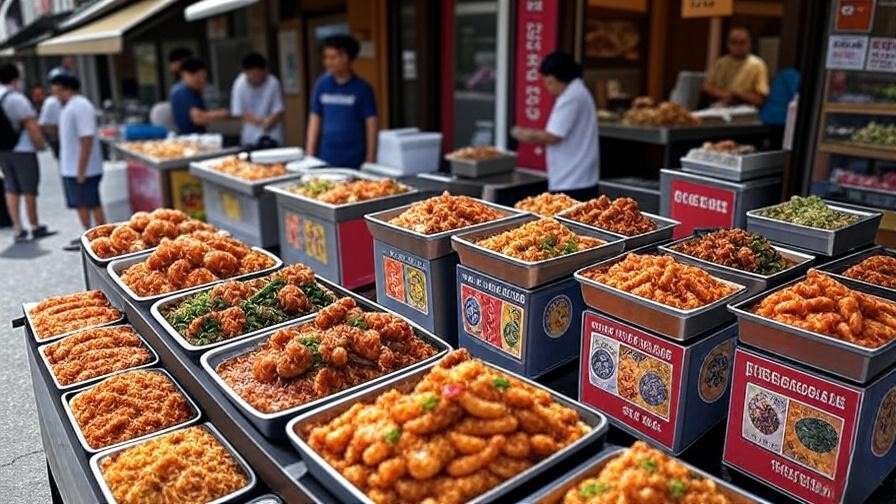
This cultural significance extends to street food culture. Pairing a fizzy Chilsung Cider with spicy tteokbokki or savory Korean fried chicken is a beloved ritual, balancing bold flavors with refreshing bubbles. These drinks are affordable, accessible, and deeply embedded in everyday Korean life, making them a perfect entry point for anyone exploring K-culture.
Why They’re Popular Globally
The global rise of Korean soda drinks is no surprise, thanks to the Hallyu (Korean Wave) phenomenon. As K-pop and K-dramas captivate audiences worldwide, fans are eager to experience every aspect of Korean culture, from fashion to food and drink. Korean sodas, with their eye-catching packaging and unique flavors, have become a trendy choice for international consumers. Social media platforms like TikTok amplify this trend, with K-pop fans posting reviews of Milkis or Demisoda, often showcasing their vibrant cans in aesthetic unboxing videos.
The global appeal is also fueled by accessibility. Major retailers like H-Mart and Amazon have made these drinks widely available, allowing fans in the U.S., Europe, and beyond to enjoy a taste of Korea. This growing popularity underscores the drinks’ role as cultural ambassadors, inviting everyone to join the K-culture party.
Top Korean Soda Drinks to Try
 Chilsung Cider
Flavor Profile: Chilsung Cider, produced by Lotte, is Korea’s answer to lemon-lime sodas like Sprite or 7UP, but with a crisper, less syrupy taste. Its light, citrusy fizz makes it a versatile companion for spicy Korean dishes.
Cultural Context: This iconic soda is a fixture in K-dramas, often seen in convenience store scenes or shared during picnics. Its nostalgic appeal resonates with Koreans of all ages, evoking memories of childhood and casual hangouts.
Where to Find: Available at Korean grocery stores like H-Mart, online retailers like Amazon, or directly in Korea at any convenience store. A 500ml bottle typically costs around $1–2 USD.
Tip: Serve ice-cold with a side of spicy tteokbokki for the ultimate flavor contrast.
Milkis
Flavor Profile: Milkis, another Lotte creation, is a creamy soda that blends carbonation with a yogurt-like base. Available in flavors like original, strawberry, and mango, it offers a smooth, slightly sweet taste with a fizzy kick.
Unique Appeal: Milkis is a favorite among younger audiences for its dessert-like quality. Its creamy texture makes it feel indulgent yet refreshing, perfect for pairing with sweet treats like bingsu (shaved ice dessert).
Where to Find: Widely available at Asian grocery stores, Weee!, or Yamibuy. Look for multipacks for variety.
Tip: Try Milkis as a base for an ice cream float—combine with vanilla ice cream for a K-inspired dessert.
Sac Sac
Flavor Profile: Sac Sac, produced by Haitai, is a fruit-flavored soda with real pulp, offering a chewy texture in flavors like grape and orange. The pulp adds a fun, tactile element to the drinking experience.
Cultural Note: A nostalgic favorite, Sac Sac is often featured in K-dramas set in the ’80s or ’90s, evoking memories of school days and corner store visits.
Where to Find: Available at H-Mart or online at Amazon. Its distinctive packaging makes it easy to spot.
Fun Fact: The name “Sac Sac” mimics the sound of sipping through a straw, adding to its playful charm.
Bong Bong
Flavor Profile: Bong Bong is a sweet grape soda with real fruit juice, known for its rich, nostalgic flavor. Its vibrant purple hue and bold taste make it a standout.
Cultural Note: Popular in the 1980s, Bong Bong remains a beloved retro drink, often enjoyed by older generations reminiscing about their youth.
Where to Find: Check Korean markets or online retailers like Yamibuy for single bottles or cases.
Tip: Pair with Korean-style popcorn for a retro K-drama night vibe.
Demisoda
Flavor Profile: Demisoda, by Dong-A Otsuka, offers light, fruit-flavored sodas in varieties like apple, peach, and grapefruit. Its subtle sweetness and refreshing fizz make it a go-to for younger consumers.
Appeal: Marketed as a trendy, youthful drink, Demisoda is often endorsed by K-pop idols, boosting its popularity on social media.
Where to Find: Available at 99 Ranch, Amazon, or Korean convenience stores in Korea.
Expert Insight: “Korean soda drinks like Demisoda reflect the playful, innovative spirit of K-culture, blending vibrant flavors with eye-catching aesthetics,” says Dr. Kim Soo-jin, a cultural historian specializing in Korean food trends.
How to Enjoy Korean Soda Drinks
Pairing with Korean Foods
 Korean soda drinks shine when paired with the bold flavors of Korean cuisine. Chilsung Cider’s crisp fizz cuts through the heat of spicy dishes like kimchi jjigae or tteokbokki, creating a balanced dining experience. Milkis, with its creamy sweetness, complements desserts like bingsu or hotteok (sweet pancakes). For a classic combo, try Sac Sac with Korean fried chicken—the pulp’s texture adds a fun contrast to the crispy coating.
Tip: Experiment with pairings at home. A cold Demisoda with bulgogi tacos can elevate your next K-food feast.
Creative Uses in Recipes
Korean sodas aren’t just for sipping—they’re versatile ingredients for creative recipes. Mix Chilsung Cider with soju and a splash of fruit juice for a refreshing Korean-style spritzer, perfect for summer gatherings. Milkis can be transformed into a creamy float by adding a scoop of ice cream, creating a dessert that’s both nostalgic and modern. For a fun twist, use Sac Sac’s grape flavor as a base for homemade popsicles, adding real fruit for extra texture.
Recipe Idea: Milkis Ice Cream Float
- Ingredients: 1 can of Milkis (strawberry), 1 scoop vanilla ice cream, fresh strawberries (optional).
- Instructions: Pour Milkis into a tall glass, add ice cream, and garnish with strawberries. Serve immediately for a bubbly, creamy treat.
Incorporating into K-Drama Viewing Parties
 Hosting a K-drama viewing party? Korean soda drinks are the perfect addition to your themed spread. Set up a snack station with Chilsung Cider, Milkis, and Sac Sac alongside Korean snacks like shrimp crackers, kimbap, or ramyeon. Create a cozy vibe with fairy lights and K-pop playlists, and encourage guests to share their favorite K-drama moments while sipping these iconic drinks.
Example: For a Crash Landing on You-themed night, serve Chilsung Cider with Korean fried chicken, mimicking the characters’ casual dining scenes. Add a Milkis float for dessert to keep the mood light and fun.
Where to Buy Korean Soda Drinks
 Local Korean Markets and Asian Grocery Stores
Finding Korean soda drinks is easier than ever, thanks to the growing popularity of Asian grocery stores. Chains like H-Mart, 99 Ranch Market, and Lotte Mart stock a wide variety of Korean beverages, including Chilsung Cider, Milkis, and Sac Sac. These stores often dedicate entire aisles to Korean products, making it simple to explore different brands and flavors. When shopping, check the expiration dates to ensure freshness, as some specialty drinks may have shorter shelf lives due to natural ingredients like fruit pulp.
Tip: Visit during peak restocking times (e.g., weekends) to find the widest selection. Many stores also offer multipacks, which are great for trying multiple flavors or hosting a K-drama night.
Online Retailers
For those without access to local Asian markets, online retailers are a convenient option. Platforms like Amazon, Weee!, and Yamibuy carry popular Korean soda drinks, often in bulk or variety packs. Amazon is ideal for quick shipping and customer reviews, which can help you choose authentic products. Weee! specializes in Asian groceries and often has competitive prices, while Yamibuy offers a curated selection of trendy Korean snacks and drinks.
Pros and Cons:
- Pros: Wide variety, easy to compare prices, home delivery.
- Cons: Shipping costs can add up, especially for heavy items like soda cans; occasional stock shortages.
Tip: Look for sellers with high ratings and check for bundle deals to save on costs. Subscribe to newsletters for discounts on Korean products.
Visiting Korea
For the ultimate Korean soda experience, nothing beats visiting Korea itself. Convenience stores like CU, GS25, and 7-Eleven are ubiquitous in cities like Seoul and Busan, offering an extensive range of Korean soda drinks at affordable prices (typically ₩1,000–2,000 KRW, or about $0.75–1.50 USD). These stores often carry limited-edition flavors, such as seasonal Demisoda variants or special K-pop collaboration cans, not available internationally.
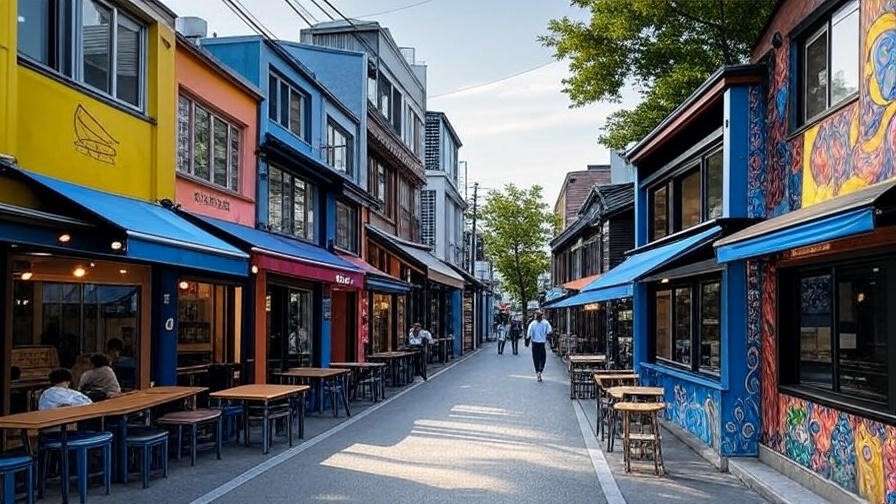
While in Korea, explore neighborhoods like Myeongdong or Hongdae to immerse yourself in the vibrant food culture. Pair your soda with street food like hotteok or odeng (fish cake skewers) for an authentic experience. Many convenience stores also have seating areas, perfect for sipping a chilled Milkis while people-watching.
Travel Tip: Download a translation app like Papago to navigate product labels and discover new flavors in Korean stores.
The Cultural Impact of Korean Soda Drinks
Role in K-Dramas and Media
Korean soda drinks are more than refreshing beverages—they’re cultural icons woven into the fabric of K-dramas and media. In Vincenzo, for example, characters often share Chilsung Cider during casual gatherings, reinforcing its role as a symbol of camaraderie. Similarly, Milkis appears in Reply 1988, evoking nostalgia for Korea’s past. These product placements are strategic, as brands like Lotte leverage K-dramas’ global reach to promote their drinks, according to a 2024 study by the Korea Creative Content Agency (KOCCA).
Beyond product placement, sodas enhance storytelling by grounding scenes in everyday life. A character grabbing a Sac Sac from a convenience store fridge feels relatable, mirroring the habits of millions of Koreans. This authenticity resonates with global audiences, making Korean sodas a tangible way to connect with K-drama culture.
Influence on Global Beverage Trends
The rise of Korean soda drinks has influenced beverage trends worldwide, inspiring brands to experiment with creamy or fruit-pulp-infused sodas. In Japan, for instance, brands like Calpis have introduced similar yogurt-based drinks, while U.S. companies explore fruit-flavored sparkling beverages. A 2025 report by Euromonitor International notes that Korean-inspired beverages are driving a 10% annual growth in the global functional drinks market, thanks to their unique textures and flavors.
This influence extends to social media, where TikTok and Instagram creators showcase Korean sodas in aesthetic videos, from unboxing hauls to taste-test challenges. These trends amplify the drinks’ appeal, encouraging international brands to adopt similar vibrant packaging and innovative flavor profiles.
Connection to Korean Youth Culture
 Korean soda drinks are deeply tied to youth culture, particularly the convenience store lifestyle. In Korea, convenience stores are social hubs where students gather after school, friends meet for late-night snacks, and workers grab quick meals. Drinks like Demisoda and Milkis, with their colorful cans and trendy flavors, are marketed to this demographic, often endorsed by K-pop idols like BTS or Blackpink.
Social media amplifies this connection. On TikTok, hashtags like #KoreanSoda and #MilkisChallenge have millions of views, with fans sharing their favorite drinks alongside K-pop dance covers or K-drama reviews. This synergy between soda drinks and youth culture makes them a must-try for anyone diving into the Hallyu wave.
Health and Nutrition Considerations
 Ingredients and Nutritional Profile
While Korean soda drinks are undeniably delicious, it’s worth understanding their nutritional profile. Most, like Chilsung Cider and Demisoda, contain sugar or high-fructose corn syrup, with a 250ml can averaging 100–150 calories. Milkis, due to its creamy base, may have slightly higher calories (around 160–200 per can) but often includes milk-derived ingredients like lactose. Sac Sac and Bong Bong incorporate real fruit juice or pulp, adding small amounts of vitamins but also increasing sugar content.
Compared to Western sodas like Coca-Cola (140 calories per 355ml), some Korean sodas are lower in sugar, particularly lighter options like Demisoda’s grapefruit flavor. However, artificial flavors and preservatives are common, so always check labels if you have dietary restrictions.
Note: Most Korean sodas are vegetarian-friendly, but Milkis contains dairy, making it unsuitable for vegans.
Moderation Tips
Enjoying Korean soda drinks as part of a balanced diet is key, especially given Korea’s growing focus on health-conscious eating. Opt for smaller cans (250ml vs. 500ml) to control sugar intake, and pair with nutrient-rich Korean dishes like bibimbap or seaweed soup. Demisoda offers low-calorie variants, which are a great choice for those watching their sugar consumption.
Expert Tip: “Korean sodas can be a fun treat, but balance them with Korea’s health-focused foods, like kimchi or vegetable banchan,” says Dr. Lee Hye-jin, a Seoul-based nutritionist. “Their refreshing nature makes them a great occasional indulgence.”
FAQs About Korean Soda Drinks
Q: What’s the difference between Chilsung Cider and Western lemon-lime sodas?
A: Chilsung Cider has a crisper, less sweet profile than Sprite or 7UP, with a lighter carbonation that pairs well with spicy Korean foods. Its nostalgic branding also sets it apart.
Q: Are Korean soda drinks suitable for vegetarians or vegans?
A: Most are vegetarian, but Milkis contains dairy, making it non-vegan. Check labels for specific dietary needs.
Q: Where can I find limited-edition flavors of Korean sodas?
A: Limited editions are common in Korea’s convenience stores (CU, GS25) or online at Yamibuy during special promotions. Follow brands on social media for release announcements.
Q: How do Korean sodas fit into K-drama culture?
A: They’re often featured in casual scenes, symbolizing everyday life and connection, making them a fun way to immerse yourself in K-drama vibes at home.
Korean soda drinks like Chilsung Cider, Milkis, Sac Sac, Bong Bong, and Demisoda offer more than just refreshment—they’re a vibrant slice of Korean culture, from K-drama moments to convenience store runs. Their unique flavors, innovative textures, and global appeal make them a must-try for anyone captivated by the Hallyu wave. Whether you’re sipping a creamy Milkis during a Vincenzo marathon or pairing Chilsung Cider with spicy tteokbokki, these drinks bring Korea’s dynamic spirit to life.
Ready to dive in? Grab a can from H-Mart, Amazon, or your local Korean market, and host a K-drama night with friends. Share your favorite Korean soda or pairing in the comments below, or tag us on social media with #KoreanSodaVibes. Let’s toast to the refreshing world of K-culture!