
Picture yourself curled up watching Crash Landing on You, mesmerized as characters share a steaming bowl of kimchi jjigae, the aroma practically wafting through the screen. K-dramas have ignited a global love affair with Korean culture, and their vibrant food scenes are no exception. For fans eager to recreate these iconic dishes, authentic Korean kitchenware is the key to unlocking rich flavors and traditions at home. From sizzling dolsot bibimbap to communal BBQ feasts, the right tools transform your kitchen into a K-drama set. As a Korean culture enthusiast who’s studied culinary traditions and K-drama food moments, I’m here to guide you through the top 10 must-have Korean kitchenware items to elevate your cooking game and bring those binge-worthy scenes to life.
Why Korean Kitchenware Matters for K-Drama Fans
The Cultural Significance of Korean Cooking
Korean cuisine is more than just food—it’s a celebration of community, history, and emotion, often showcased in K-dramas like Reply 1988, where families bond over shared meals. Korean kitchenware, from stone pots to metal chopsticks, embodies centuries-old traditions designed to enhance flavor and presentation. These tools aren’t just functional; they connect you to the heart of Korean culture, making every dish a cultural experience. For K-drama fans, using authentic kitchenware recreates the warmth of those on-screen moments, whether it’s a cozy stew or a vibrant banchan spread.
Benefits of Using Authentic Korean Kitchenware
Why invest in Korean kitchenware? Generic pots and pans can’t match the precision of tools like the dolsot or ttukbaegi, which are crafted for specific dishes like bibimbap or doenjang jjigae. These tools ensure proper heat distribution, fermentation, and presentation, delivering restaurant-quality results at home. As Chef Ji-Hye Kim, a renowned Korean culinary expert, notes, “Traditional Korean cookware is designed to coax out flavors you can’t achieve with modern substitutes.” For fans, this means authentic tastes that mirror the mouthwatering dishes in Itaewon Class or Let’s Eat.
Top 10 Must-Have Korean Kitchenware Items
1. Dolsot (Stone Pot)
 What It Is: The dolsot is a heavy, heat-retaining stone pot, often made from granite, used for sizzling dishes like bibimbap or dolpan gujeolpan (platter of nine delicacies). Its rustic appearance and durability make it a kitchen staple.
Why You Need It: The dolsot’s ability to retain high heat creates the coveted crispy rice crust in bibimbap, a dish often featured in K-dramas like Vincenzo. It keeps food piping hot, enhancing the communal dining experience central to Korean culture.
How to Use It: To make dolsot bibimbap, coat the pot’s interior with sesame oil, add cooked rice, and layer with vegetables, gochujang, and a fried egg. Heat on the stove until the rice sizzles, then serve directly in the pot for that iconic K-drama presentation.
Pro Tip: Season your dolsot by rubbing it with sesame oil and heating it empty to prevent sticking. Clean gently with hot water to maintain its natural coating.
2. Ttukbaegi (Earthenware Pot)
 What It Is: The ttukbaegi is a clay or earthenware pot used for stews and soups like kimchi jjigae or sundubu jjigae. Its porous material absorbs flavors over time, enhancing every dish.
Why You Need It: Unlike metal pots, the ttukbaegi distributes heat evenly, ensuring rich, slow-cooked flavors that define Korean stews. In Hospital Playlist, characters share steaming ttukbaegi stews, evoking warmth and togetherness.
How to Use It: For kimchi jjigae, simmer kimchi, pork, and tofu in the pot with broth and seasonings. Serve bubbling hot with rice and banchan for an authentic experience.
Buying Guide: Choose a medium-sized ttukbaegi (1–2 liters) for versatility. Look for glazed interiors to prevent leaks and ensure easy cleaning.
3. Korean BBQ Grill Plate
 What It Is: A portable grill plate, often cast iron or aluminum, designed for tabletop grilling of samgyeopsal (pork belly) or bulgogi (marinated beef).
Why You Need It: Korean BBQ is a communal affair, as seen in What’s Wrong with Secretary Kim, where friends gather around sizzling grills. A dedicated grill plate replicates this experience at home, complete with smoky flavors.
Usage Tips: Marinate beef or pork, grill with mushrooms and onions, and serve with lettuce wraps and ssamjang. Clean with a soft sponge to preserve the non-stick coating.
Expert Insight: “A good grill plate should have sloped edges to drain excess fat,” says Chef Min-Joon Park, owner of a Seoul-based BBQ restaurant. Look for plates with built-in drip trays for convenience.
4. Kimchi Container
 What It Is: Specialized airtight containers, often plastic or glass, designed for fermenting kimchi and other pickled dishes.
Why You Need It: Proper fermentation is critical for kimchi’s tangy, probiotic-rich flavor, a staple in K-dramas like Kim’s Convenience, where families make kimchi together. These containers maintain the ideal environment for fermentation.
How to Choose: Opt for BPA-free plastic or glass containers with tight seals. A 1–2-gallon size suits small households, while larger ones are ideal for bulk fermentation.
Cultural Note: Kimchi-making is a communal tradition in Korea, often depicted in K-dramas as a family bonding activity, symbolizing love and care.
5. Gamasot (Cast Iron Cauldron)
 What It Is: The gamasot is a large, heavy cast iron cauldron used for cooking rice, soups, or large-batch dishes.
Why You Need It: Its durability and even heat distribution make it perfect for traditional recipes like jeonbokjuk (abalone porridge), featured in Vincenzo. It’s a versatile tool for authentic Korean cooking.
Practical Use: For gamasot rice, rinse short-grain rice, add water (1:1.2 ratio), and cook over medium heat until fluffy. The cauldron’s heat retention ensures perfectly cooked grains.
Maintenance Tips: Season with oil before first use and avoid soap when cleaning to prevent rust. Dry thoroughly after washing.
6. Stainless Steel Banchan Dishes
 What It Is: Small, round stainless steel dishes used for serving banchan, the assortment of side dishes that accompany every Korean meal.
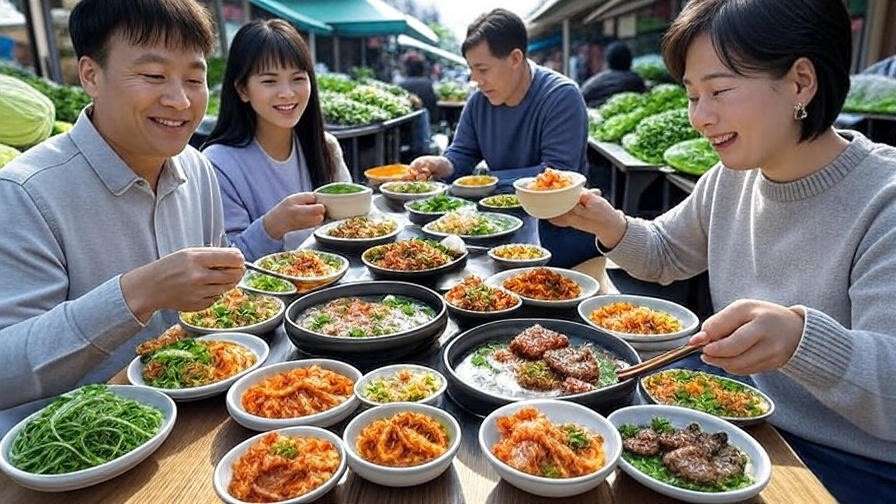
Why You Need It: Banchan dishes create the vibrant, colorful spreads seen in K-dramas like Goblin, where tables are laden with small plates of kimchi, seasoned vegetables, and pickled radish. These dishes ensure an authentic presentation and keep portions organized.
K-Drama Appeal: The aesthetic of neatly arranged banchan enhances the visual appeal of your meal, mirroring the meticulous table settings in What’s Wrong with Secretary Kim. They’re also durable and easy to clean, making them practical for daily use.
Styling Tip: Arrange 3–5 banchan dishes in a circle around your main dish for a balanced, K-drama-inspired table. Include a mix of spicy, savory, and tangy sides like cucumber salad and fish cakes.
7. Korean Mortar and Pestle (Jeolgu and Jeolgutgong)
 What It Is: A stone or wooden mortar and pestle set used for grinding spices, sesame seeds, and pastes like gochujang or ssamjang.
Why You Need It: Grinding by hand ensures fresh, aromatic flavors that pre-packaged pastes can’t match. In Let’s Eat, characters often prepare dipping sauces with a jeolgu, adding authenticity to their meals.
How to Use It: To make ssamjang, grind roasted sesame seeds, garlic, and green onions in the jeolgu, then mix with gochujang and doenjang. The coarse texture enhances the sauce’s flavor.
Pro Tip: Clean the jeolgu with warm water and a brush, avoiding soap to preserve its natural stone properties. Store in a dry place to prevent mold.
8. Rice Cooker with Porridge Setting
 What It Is: A high-quality Korean rice cooker, often from brands like Cuckoo or Zojirushi, with settings for sticky rice, mixed grains, and juk (porridge).
Why You Need It: Rice is the backbone of Korean cuisine, and juk, a comforting porridge, is a K-drama staple, as seen in Start-Up during emotional recovery scenes. A dedicated rice cooker ensures perfectly cooked grains and porridge every time.
Features to Look For: Choose a pressure cooker model for faster cooking and fluffier rice. Look for a porridge setting for dishes like dakjuk (chicken porridge). Brands like Cuckoo are trusted for their durability and precision.
Recipe Idea: For juk, combine soaked rice, chicken broth, and shredded chicken in the cooker. Use the porridge setting and garnish with sesame oil and scallions for a K-drama-inspired dish.
9. Korean Chopsticks and Spoons
 What It Is: Long, flat stainless steel chopsticks and shallow metal spoons designed for Korean dining, distinct from other Asian utensil styles.
Why You Need It: These utensils are ergonomic for eating rice, soups, and stews, as seen in Crash Landing on You during communal meals. Their sleek design adds authenticity to your dining experience.
Cultural Insight: Unlike Japanese chopsticks, Korean ones are flat and metallic, reflecting durability and practicality. Spoons are used more frequently for soups, a key etiquette difference highlighted in K-dramas.
Buying Guide: Opt for stainless steel sets for longevity. Look for lightweight designs with non-slip grips for ease of use.
10. Mandoline Slicer for Banchan Prep
 What It Is: A mandoline slicer for creating uniformly thin slices of vegetables like radish, cucumber, or carrots for banchan.
Why You Need It: Precision slicing is essential for banchan like mu saengchae (spicy radish salad), often prepared quickly in Let’s Eat. A mandoline saves time and ensures professional results.
Safety Tips: Use the safety guard to protect your hands, and slice over a stable surface. Store blades securely to avoid accidents.
K-Drama Tie-In: In Let’s Eat, banchan prep is a key part of the dining experience, with thin, consistent slices enhancing both texture and presentation.
How to Incorporate Korean Kitchenware into Your Cooking Routine
Setting Up Your Korean Kitchen
To start your K-drama-inspired culinary journey, stock your kitchen with essential tools and ingredients. Begin with versatile items like a ttukbaegi and a rice cooker, paired with pantry staples like gochujang, sesame oil, and short-grain rice. For budget-conscious cooks, prioritize multi-use tools like the gamasot, which can handle rice, soups, and stews. Shop at trusted retailers like H-Mart or online stores like Amazon for authentic Korean kitchenware. A starter kit with a dolsot, banchan dishes, and chopsticks is a great way to dive in without breaking the bank.
Recreating K-Drama Dishes at Home
Bring K-drama scenes to life with a sample menu: dolsot bibimbap, kimchi jjigae, and a banchan spread of cucumber salad and seasoned spinach. For bibimbap, use your dolsot as follows:
- Coat the pot with sesame oil and heat over medium flame.
- Add cooked short-grain rice, pressing it gently to form a base.
- Layer with sautéed vegetables (zucchini, carrots, spinach), a fried egg, and a dollop of gochujang.
- Heat until the rice crisps, then serve with a side of kimchi from your container.
For visual appeal, arrange banchan in stainless steel dishes around the dolsot, mimicking the vibrant spreads in Itaewon Class. Use Korean chopsticks and spoons for an authentic touch.
Expert Tips for Authentic Korean Cooking
Chef Soo-Jin Lee, a Seoul-based culinary instructor, shares, “Authenticity comes from respecting the tools and techniques. A dolsot isn’t just a pot—it’s a vessel for history.” Avoid common mistakes like using non-stick pans for Korean stews, which can dull flavors, or skipping fermentation for kimchi, which compromises taste and health benefits. For beginners, start with simple recipes like tteokbokki and use a ttukbaegi for even cooking. Hack: If gochujang is too spicy, mix with honey for a milder flavor, as seen in Hospital Playlist snack scenes.
Where to Buy Authentic Korean Kitchenware
Find high-quality Korean kitchenware at retailers like H-Mart, Koreatown markets, or online platforms such as Amazon and Maangchi’s store. For specialty items like dolsots or gamasots, check Korean brands like Crazy Korean Cooking or direct-from-Korea sellers on Etsy. Compare prices, but prioritize quality—cheap knockoffs often crack or lose heat retention. Read reviews to ensure authenticity and durability, and avoid unbranded products that may not withstand frequent use.
FAQs About Korean Kitchenware
What’s the difference between a dolsot and a ttukbaegi?
A dolsot is a stone pot designed for high-heat dishes like bibimbap, while a ttukbaegi is an earthenware pot for stews like kimchi jjigae. Both retain heat but serve different purposes.
Can I use regular pots for Korean cooking?
Regular pots work but lack the heat distribution and flavor enhancement of Korean cookware. A dolsot or ttukbaegi is worth the investment for authentic results.
How do I maintain my Korean kitchenware?
Clean dolsots and ttukbaegis with hot water, avoiding soap. Season cast iron gamasots with oil. Store kimchi containers in a cool, dark place to maintain fermentation.
Where can I find recipes to use with these tools?
Check Korean food blogs like Maangchi or Korean Bapsang, or watch Let’s Eat for inspiration. Many K-dramas feature recipes you can adapt.
Are Korean rice cookers worth the investment?
Yes, especially for frequent rice or porridge cooks. Brands like Cuckoo offer precision and versatility, perfect for K-drama-inspired dishes.
Korean kitchenware transforms your home cooking into a K-drama-worthy experience, bringing the flavors and traditions of Crash Landing on You or Reply 1988 to your table. From the sizzling dolsot to the humble banchan dish, these tools make authentic Korean cuisine accessible and fun. Start small with a ttukbaegi or chopsticks, experiment with recipes, and share your creations with fellow K-drama fans. Have a favorite K-drama dish or kitchenware tip? Drop it in the comments below, and let’s bring Korean culture to life, one meal at a time.