
Imagine strolling through the bustling streets of Seoul on a crisp winter evening, where the air is filled with the savory aroma of Korean fish cake soup, or eomukguk, simmering at a pojangmacha (street food stall). The steaming broth, studded with tender fish cakes and fragrant garnishes, beckons you to pause and savor a bowl of pure comfort. This iconic dish, a staple in Korean culture, is more than just a meal—it’s a warm embrace, a taste of tradition, and a bridge to the heart of K-dramas and everyday life. Whether you’re a Korean culture enthusiast, a home cook eager to explore authentic recipes, or a foodie craving something new, this guide to Korean fish cake soup will inspire you to recreate its magic at home.
In this article, we’ll dive into the history, cultural significance, and step-by-step process of making eomukguk. From an authentic recipe to regional variations and K-drama connections, this comprehensive guide, crafted with insights from Korean culinary experts, will equip you with everything you need to master this soul-soothing dish. Let’s embark on a flavorful journey into Korean cuisine.
What is Korean Fish Cake Soup (Eomukguk)?
Defining Eomukguk
Korean fish cake soup, known as eomukguk in Korean (eomuk meaning fish cake and guk meaning soup), is a beloved dish featuring soft, savory fish cakes in a clear, umami-rich broth. Often served as a street food on skewers (referred to as odeng in some contexts) or as a hearty bowl at home, it’s a versatile dish that warms the body and soul. The broth is typically made with dried anchovies, kombu (kelp), and daikon radish, creating a light yet deeply flavorful base that complements the chewy texture of the fish cakes.
Eomukguk is a cornerstone of Korean cuisine, celebrated for its simplicity and affordability. Whether enjoyed as a quick snack at a market or as a comforting meal at home, it’s a dish that resonates with people of all ages. For K-culture fans, it’s a familiar sight in K-dramas, where characters often bond over steaming bowls of this soulful soup.
Cultural Significance in Korean Cuisine
The origins of eomukguk trace back to Korea’s post-war era, when fish cakes, influenced by Japanese oden, became a popular, protein-rich food. Over time, Koreans transformed the dish into a distinctly local delicacy, incorporating native ingredients and flavors. Today, it’s a symbol of comfort and community, often shared among friends and family at street markets or during casual gatherings.
According to Chef Ji-Hyun Park, a Seoul-based culinary expert with over 20 years of experience, “Eomukguk is more than food—it’s a memory of childhood, late-night chats, and the warmth of Korean hospitality.” Its presence in markets like Gwangjang in Seoul or Jagalchi in Busan underscores its role as a cultural touchstone, making it a must-try for anyone exploring Korean traditions.
Why Korean Fish Cake Soup is a Must-Try
A Comfort Food for All Seasons
What makes eomukguk so special? Its versatility. In winter, the steaming broth wards off the chill, while its light, clean flavors make it enjoyable year-round. For Koreans, it’s a nostalgic dish, evoking memories of street vendors and family meals. For K-culture fans, it’s a gateway to experiencing the authentic flavors seen in their favorite dramas, like characters slurping soup in cozy scenes.
The dish’s simplicity—minimal ingredients, straightforward preparation—makes it approachable for beginners, yet its depth of flavor satisfies even seasoned cooks. It’s a dish that brings people together, whether you’re sharing skewers at a street stall or serving bowls at a dinner party.
Nutritional Benefits
Beyond its comforting taste, eomukguk offers health benefits. Fish cakes, made from ground fish paste (often pollock or cod), are high in protein and low in fat, making them a nutritious addition to the diet. The broth, enriched with ingredients like kombu and anchovies, provides minerals such as iodine and calcium. Daikon radish adds fiber and a subtle sweetness, while green onions contribute vitamins A and C.
Compared to heavier Korean soups like seolleongtang (ox bone soup) or samgyetang (ginseng chicken soup), eomukguk is lighter, making it ideal for everyday meals. It’s also customizable for dietary needs, such as gluten-free or vegetarian versions, which we’ll explore later.
Accessibility and Affordability
One of eomukguk’s greatest strengths is its accessibility. Fish cakes are widely available at Asian grocery stores, online retailers like H Mart, or even mainstream supermarkets. Dried anchovies, kombu, and daikon radish are budget-friendly and easy to source, making this dish a cost-effective way to enjoy authentic Korean cuisine. For those new to Korean cooking, pre-made anchovy broth packets offer a convenient shortcut without sacrificing flavor.
The Authentic Korean Fish Cake Soup Recipe
 Ingredients List
To make eomukguk for 4 servings, you’ll need:
- Fish cakes (eomuk): 8 oz (about 4 large sheets or 12 skewers), sliced into bite-sized pieces
- Dried anchovies: 10–12 large, heads and guts removed
- Kombu (dried kelp): 1 (4×4-inch) piece
- Daikon radish: 1 cup, thinly sliced
- Soy sauce: 2 tbsp (preferably Korean or low-sodium)
- Green onions: 2, chopped
- Garlic: 2 cloves, minced
- Salt: 1 tsp, or to taste
- Water: 8 cups
- Optional: 1 tbsp fish sauce or 1 tsp sesame oil for extra umami
Substitutions:
- No anchovies? Use anchovy broth packets or vegetable stock for a vegetarian version.
- Can’t find kombu? Skip it, but simmer the broth longer for depth.
- Look for high-quality fish cakes (e.g., Busan-style brands) at Asian markets for authentic texture.
Tip: Choose fish cakes with a springy texture and no artificial aftertaste. Check labels for minimal additives.
Step-by-Step Cooking Instructions

- Prepare the Broth:
- In a large pot, add 8 cups of water, dried anchovies, and kombu. Bring to a boil over medium-high heat, then reduce to a simmer for 20 minutes.
- Remove anchovies and kombu with a slotted spoon or strainer to keep the broth clear.
- Add Daikon and Seasonings:
- Add sliced daikon radish, soy sauce, and minced garlic to the broth. Simmer for 10 minutes until the radish softens.
- Incorporate Fish Cakes:
- Add sliced fish cakes to the broth. Simmer for 5–7 minutes until they’re heated through and slightly puffed up.
- Be careful not to overcook, as fish cakes can become tough.
- Season and Garnish:
- Taste the broth and adjust with salt or optional fish sauce. Stir in sesame oil if desired.
- Add chopped green onions just before serving for a fresh, vibrant touch.
- Serve:
- Ladle into bowls for a home-style meal or skewer fish cakes and serve with a side of broth for a street-food vibe.
Expert Tip: For a richer broth, add a small piece of dried shiitake mushroom during simmering, as recommended by Korean home cooks.
Cooking Tools and Equipment
- Essential: Large pot, slotted spoon, knife, cutting board, measuring spoons.
- Optional: Bamboo skewers for street-food-style presentation, fine-mesh strainer for a clearer broth.
- Safety Tip: Handle hot broth carefully to avoid burns. Use a ladle to serve safely.
Variations of Korean Fish Cake Soup
Regional and Seasonal Variations
Eomukguk varies across Korea. In Busan, a coastal city, the soup often includes a spicy kick from gochujang (red chili paste) or fresh chilies, reflecting the region’s bold flavors. In Seoul, the broth tends to be milder, emphasizing the natural umami of anchovies and kombu. During winter, some add tteok (cylindrical rice cakes) for a heartier dish, transforming it into eomuk tteokguk, a festive favorite.
Seasonal tweaks also abound. In summer, lighter broths with more vegetables like zucchini are popular, while winter versions might include hearty additions like mushrooms or dumplings.
Street Food vs. Home-Cooked
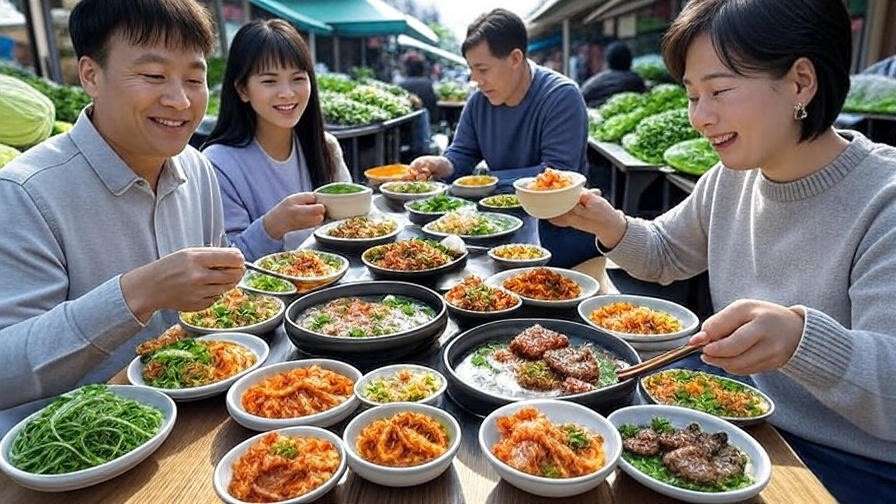
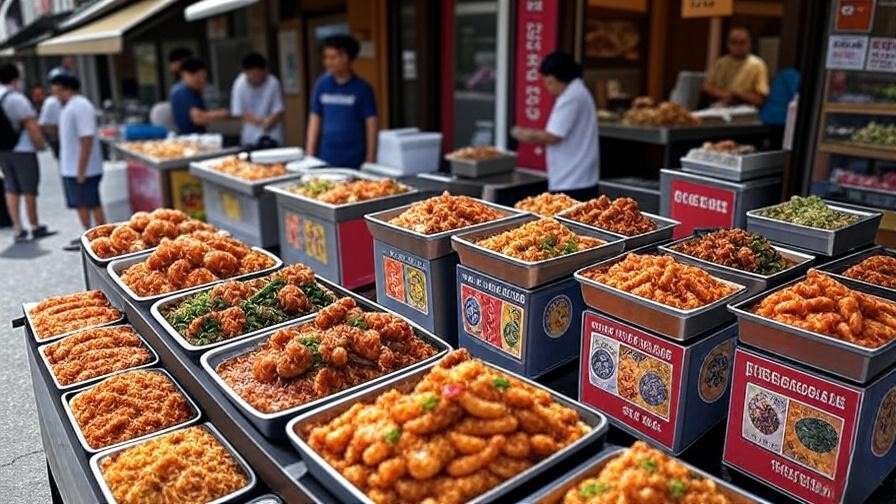
Street-style eomukguk is a communal experience, with fish cakes skewered and simmered in a shared pot of broth at markets. Diners dip the skewers into the broth or soy-based sauces, savoring the interactive meal. Home-cooked versions, however, are served in bowls, often with rice or banchan (side dishes) for a complete meal.
To recreate the street-food experience at home, thread fish cakes onto skewers and serve with a small bowl of broth for dipping. This presentation is perfect for K-drama watch parties, evoking the vibrant market scenes fans love.
Fusion and Modern Twists
Modern cooks have put creative spins on eomukguk. One popular variation is eomuk kalguksu, where knife-cut noodles are added for a filling meal. For a spicy twist, stir in a teaspoon of gochujang or gochugaru (Korean chili flakes). Fusion recipes might combine eomukguk with instant ramen for a quick, budget-friendly dish that still feels authentic.
Example Recipe: Eomuk Ramen Fusion
- Cook instant ramen noodles (discard seasoning packet).
- Add cooked noodles to a pot of eomukguk broth with fish cakes.
- Garnish with seaweed flakes and a boiled egg for extra flair.
Tips for Perfecting Your Korean Fish Cake Soup
Mastering the Broth
The key to exceptional eomukguk is a clear, flavorful broth. To achieve this:
- Simmer anchovies and kombu gently to avoid cloudiness.
- Skim foam from the broth’s surface for a polished look.
- Avoid boiling too vigorously, as it can make the broth bitter.
Common Mistake: Overcooking fish cakes. They only need 5–7 minutes in the broth to retain their soft, springy texture.
Pairing Suggestions

Pair eomukguk with classic Korean banchan:
- Kimchi: Adds a spicy, tangy contrast.
- Seasoned Spinach (Sigeumchi Namul): A light, savory side.
- Pickled Radish: Complements the broth’s umami.
For drinks, try barley tea (boricha) for a traditional touch or soju for an adult-friendly pairing. For a K-drama-inspired meal, serve with rice and watch an episode featuring street food scenes.
Storing and Reheating
- Storage: Store broth and fish cakes separately in airtight containers. Refrigerate for up to 3 days or freeze for up to 1 month.
- Reheating: Reheat broth on the stovetop over low heat to preserve flavor. Add fish cakes only for the last 5 minutes to avoid overcooking.
- Tip: Freeze broth in portion-sized containers for quick meals.
Korean Fish Cake Soup in K-Dramas and Pop Culture
Iconic K-Drama Moments
Eomukguk is a star in K-dramas, often symbolizing warmth and connection. In Crash Landing on You, characters share street food moments that include eomukguk, highlighting its role in everyday Korean life. Similarly, in Itaewon Class, food stalls serve as a backdrop for heartfelt conversations, with eomukguk often in the spotlight. These scenes resonate with fans, inspiring them to recreate the dish at home.
For K-drama enthusiasts, cooking eomukguk is a way to feel closer to their favorite shows. Try hosting a watch party with a pot of steaming soup to capture the cozy vibe.
Eomukguk in Korean Festivals and Markets
 In Korea, eomukguk is a staple at markets like Seoul’s Gwangjang Market, where vendors serve skewers of fish cakes in steaming broth to hungry shoppers. At Busan’s Jagalchi Market, the dish is a must-try for seafood lovers. My own visit to Gwangjang Market left me enchanted by the communal atmosphere—strangers laughing together over shared pots of eomukguk, a testament to its unifying power.
Chef Park notes, “Markets are where eomukguk shines. It’s affordable, quick, and brings people together, no matter their background.”
Bridging Cultures Through Food
Eomukguk has gone global, thanks to the K-culture wave. Social media platforms like TikTok and Instagram are filled with #KoreanFishCakeSoup recipes, where home cooks share their takes on the dish. For K-culture fans, it’s a tangible way to connect with Korean traditions, whether they’re in Seoul or halfway across the world. By mastering eomukguk, you’re not just cooking—you’re embracing a piece of Korean heritage.
Frequently Asked Questions (FAQs)
Can I Make Korean Fish Cake Soup Without Anchovies?
Yes, you can make a delicious eomukguk without anchovies, especially if you’re aiming for a vegetarian or vegan version. Substitute dried anchovies with vegetable broth or a combination of dried shiitake mushrooms and kombu for a rich, umami-packed base. Miso paste (about 1 tablespoon per 8 cups of water) can also enhance flavor while keeping it plant-based. If using store-bought vegetable broth, opt for a low-sodium version to control seasoning. This adaptation maintains the dish’s signature depth, making it accessible for various dietary preferences.
Where Can I Buy Authentic Korean Fish Cakes?
Authentic Korean fish cakes (eomuk) are available at Asian grocery stores, such as H Mart, 99 Ranch, or local Korean markets. Online retailers like Weee! or Amazon also stock frozen or vacuum-sealed fish cakes from reputable brands like Busan Eomuk or CJ Bibigo. For the best quality, look for fish cakes made with pollock or cod and minimal additives. If you’re feeling adventurous, homemade fish cakes can be made by blending white fish with starch and seasonings, though this requires more time and skill.
Is Korean Fish Cake Soup Spicy?
Traditional eomukguk is not spicy, offering a mild, savory flavor profile that emphasizes the natural umami of the broth and fish cakes. However, you can customize it to suit your taste. For a spicy kick, add 1–2 teaspoons of gochujang (Korean red chili paste) or gochugaru (Korean chili flakes) during cooking. In regions like Busan, spicy variations are common, often incorporating fresh chilies or chili oil. Adjust the heat level to your preference, but keep the base recipe mild for an authentic experience.
How Long Does It Take to Prepare Eomukguk?
Preparing eomukguk is quick and straightforward, making it ideal for weeknight dinners. Total time is about 40–45 minutes:
- Prep: 10 minutes (slicing fish cakes, radish, and green onions; preparing anchovies and kombu).
- Cooking: 30–35 minutes (20 minutes for broth, 10–15 minutes for simmering radish and fish cakes).
Using pre-made broth packets can shave off 10 minutes, bringing the total time closer to 30 minutes.
Can I Freeze Korean Fish Cake Soup?
Yes, eomukguk freezes well, but store the broth and fish cakes separately to maintain texture. Freeze the broth in airtight containers or freezer bags for up to 1 month. Fish cakes can also be frozen, but their texture may become slightly denser after thawing. To reheat, thaw the broth in the refrigerator overnight, then warm on the stovetop over low heat. Add fish cakes for the last 5 minutes to prevent overcooking. This method ensures the soup retains its fresh, savory flavor.
Korean fish cake soup, or eomukguk, is more than just a dish—it’s a celebration of Korean culture, a taste of nostalgia, and a comforting meal that transcends borders. Whether you’re drawn to its heartwarming broth, its K-drama cameos, or its accessibility for home cooks, this dish offers something for everyone. With our authentic recipe, expert tips, and insights into its cultural significance, you’re ready to bring the flavors of Seoul’s street markets or cozy Korean homes to your kitchen.