
Picture yourself curled up on a chilly evening in Seoul, the soft glow of a K-drama flickering on your screen as you cradle a warm cup of Korean cinnamon tea, or sujeonggwa. The sweet-spicy aroma of cinnamon and ginger fills the air, instantly transporting you to the heart of Korean culture. This traditional beverage, cherished for centuries, is more than just a drink—it’s a cultural touchstone, a wellness elixir, and a cozy ritual that K-drama fans and Korean culture enthusiasts adore. In this guide, we’ll dive into the rich history, health benefits, and step-by-step recipe for making authentic sujeonggwa at home. Whether you’re seeking to recreate a taste of Korea or enhance your K-drama nights, this article, crafted with insights from Korean culinary experts and my own experiences exploring Korean traditions, will show you how to make Korean cinnamon tea a beloved part of your life.
What is Korean Cinnamon Tea (Sujeonggwa)?
A Glimpse into Sujeonggwa’s Cultural Roots
 Sujeonggwa, known as Korean cinnamon tea, is a traditional Korean dessert drink that holds a special place in the country’s culinary heritage. Often served during festive occasions like Lunar New Year and Chuseok, this sweet, spiced beverage is a symbol of warmth, hospitality, and celebration. Historically, sujeonggwa was a delicacy in Korean royal cuisine, enjoyed by nobility for its refined flavors and digestive properties. According to Dr. Hye-sook Kim, a Korean cultural historian, “Sujeonggwa was a way to showcase Korea’s sophisticated approach to balancing flavors—sweet, spicy, and earthy—in a single sip.”
In modern times, sujeonggwa has become a household favorite, often featured in K-dramas as families gather around a table or characters share heartfelt moments. Its presence in shows like Crash Landing on You underscores its role as a comforting, nostalgic drink that resonates with audiences worldwide. For K-drama fans, sipping sujeonggwa while watching their favorite series is a way to feel closer to Korean culture.
Why It’s Called Korean Cinnamon Tea
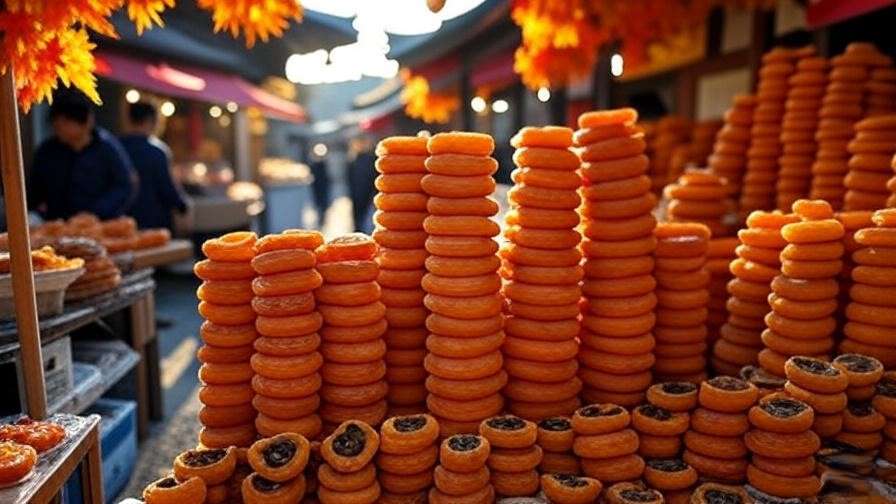
The name sujeonggwa translates to “ginger-cinnamon drink,” reflecting its core ingredients: cinnamon sticks, fresh ginger, and dried persimmons. Unlike typical teas, sujeonggwa is more of a dessert beverage, served either warm or chilled, with a sweet-spicy flavor profile that’s both refreshing and soothing. The cinnamon provides a warm, woody sweetness, while ginger adds a zesty kick, and dried persimmons contribute a subtle fruitiness. Pine nuts are often sprinkled on top, adding a delicate crunch. This unique combination makes Korean cinnamon tea a standout in Korean cuisine, distinct from Western cinnamon teas that often lack the complexity of ginger and persimmons.
The Health Benefits of Korean Cinnamon Tea
Nutritional Breakdown
Korean cinnamon tea is not only delicious but also packed with health benefits, thanks to its natural ingredients. Cinnamon, a key component, is rich in antioxidants and has anti-inflammatory properties that can help reduce blood sugar levels and improve heart health. According to a 2023 study in the Journal of Nutritional Science, cinnamon’s active compounds, like cinnamaldehyde, support metabolic health. Ginger, another star ingredient, is renowned for aiding digestion, reducing nausea, and boosting immunity. Dried persimmons, often used in sujeonggwa, are a natural source of vitamins A and C, fiber, and antioxidants, adding a wholesome sweetness without refined sugars.
Why It’s a Perfect Winter Drink
 The warming spices in sujeonggwa make it an ideal drink for cold weather. Cinnamon and ginger promote blood circulation and create a cozy, warming sensation, perfect for chilly evenings spent binge-watching K-dramas. “In Korean households, sujeonggwa is often served after heavy meals to aid digestion and provide comfort,” says Chef Min-ji Park, a Seoul-based culinary expert. Its soothing qualities also make it a go-to remedy for colds or fatigue, offering a natural way to stay healthy during winter.
Modern Wellness Applications
In today’s wellness-focused world, Korean cinnamon tea fits seamlessly into trends like natural remedies and mindful eating. Its ingredients align with clean-eating principles, offering a low-calorie, nutrient-dense alternative to sugary drinks. Many wellness enthusiasts incorporate sujeonggwa into their routines as a post-meal digestive aid or a calming evening ritual. For K-drama fans, it’s a way to connect with Korean culture while prioritizing health. By choosing high-quality, organic ingredients, you can elevate sujeonggwa into a daily wellness practice that feels indulgent yet nourishing.
How to Make Authentic Korean Cinnamon Tea
Ingredients You’ll Need
To make sujeonggwa at home, gather these ingredients for 4–6 servings:
- Cinnamon sticks: 10–12 (about 50g), preferably Korean or Ceylon cinnamon for authentic flavor.
- Fresh ginger: 100g, peeled and thinly sliced.
- Dried persimmons: 4–5, whole or sliced (substitute with dried dates or apricots if unavailable).
- Brown sugar: ¾ cup (adjust to taste; honey is a natural alternative).
- Water: 8 cups (2 liters).
- Pine nuts: 1–2 tablespoons, for garnish.
- Optional: A pinch of black pepper for extra warmth.
Sourcing Tip: Look for dried persimmons and cinnamon sticks at Asian markets or online retailers like H-Mart or Amazon. Ensure ginger is fresh and firm for the best flavor.
Step-by-Step Recipe
 Follow these steps to create authentic Korean cinnamon tea:
- Prepare the Cinnamon Base:
- Rinse cinnamon sticks to remove any dust. Place them in a large pot with 4 cups of water.
- Bring to a boil, then reduce to a simmer for 30 minutes, stirring occasionally. This extracts the cinnamon’s rich flavor.
- Strain the liquid into a clean pot, discarding the cinnamon sticks.
- Infuse the Ginger:
- Add sliced ginger to the cinnamon liquid with another 4 cups of water.
- Simmer for 20–25 minutes until the ginger softens and the aroma is strong. Avoid overcooking to prevent bitterness.
- Strain the liquid, discarding the ginger slices.
- Sweeten the Tea:
- Return the strained liquid to the pot and add brown sugar. Stir over low heat until fully dissolved.
- Taste and adjust sweetness, adding more sugar or honey if desired.
- Add Dried Persimmons:
- Soak dried persimmons in warm water for 10 minutes to soften, then slice into strips if whole.
- Add persimmons to the tea and simmer for 5–10 minutes to infuse their flavor.
- Serve and Garnish:
- Pour the tea into cups or a pitcher. Serve warm for winter or chilled for summer.
- Garnish each cup with a few pine nuts for a traditional touch.
Total Time: About 1 hour. Yield: 4–6 servings.
Common Mistakes to Avoid
- Overcooking Ginger: Boiling ginger too long can make the tea bitter. Stick to 20–25 minutes.
- Using Powdered Cinnamon: Ground cinnamon creates a gritty texture and lacks the depth of cinnamon sticks.
- Over-Sweetening: Add sugar gradually and taste to avoid overpowering the spices.
- Cloudy Tea: If the tea looks cloudy, strain it through a fine mesh or cheesecloth for clarity.
Expert Tip: “For the best flavor, let the tea sit for a few hours after cooking to allow the spices to meld,” advises Chef Min-ji Park. “It’s even better the next day!”
Incorporating Korean Cinnamon Tea into Your Life
Pairing with K-Dramas and Korean Culture
 There’s nothing quite like sipping Korean cinnamon tea while immersed in a K-drama. The drink’s warmth complements the emotional storytelling of shows like Goblin or Itaewon Class. Host a Korean-themed watch party by serving sujeonggwa alongside snacks like kimchi pancakes or rice cakes. Share the recipe with friends to make it a cultural experience, deepening your connection to the dramas you love. For an authentic vibe, use traditional Korean teacups or glass mugs to showcase the tea’s rich amber hue.
Creative Serving Ideas
Sujeonggwa is versatile and can be enjoyed year-round:
- Winter: Serve warm with a sprinkle of pine nuts, paired with Korean honey cookies (yakgwa).
- Summer: Chill in the fridge and serve over ice with a slice of dried persimmon for a refreshing twist.
- Special Occasions: Present in a decorative pitcher for holiday gatherings, garnished with edible flowers for elegance.
Experiment with serving sizes—small cups for a dessert drink or larger glasses for a refreshing beverage. Pair with savory Korean dishes like bulgogi to balance flavors.
Making It a Daily Ritual
Incorporate Korean cinnamon tea into your routine for a touch of mindfulness. Sip it in the morning to awaken your senses or in the evening to unwind after a long day. Personally, I find that a warm cup of sujeonggwa helps me relax while reflecting on my favorite K-drama moments. Keep a pitcher in the fridge for easy access, and enjoy it as a healthier alternative to sugary sodas or coffee. Its calming properties make it perfect for meditation or journaling sessions inspired by Korean wellness practices.
The Cultural Significance of Sujeonggwa in Korean Dramas
Iconic K-Drama Moments
In Korean dramas, sujeonggwa often appears as a subtle yet powerful symbol of connection and comfort. In Crash Landing on You, a heartwarming scene features characters sharing Korean cinnamon tea during a family gathering, highlighting its role in fostering togetherness. Similarly, in Goblin, the drink is served during a poignant moment of reflection, emphasizing its nostalgic and soothing qualities. These moments resonate with viewers, showcasing sujeonggwa as more than a beverage—it’s a cultural bridge that brings characters and audiences closer to Korean traditions. By sipping Korean cinnamon tea while watching these scenes, fans can immerse themselves fully in the emotional depth of K-dramas.
Why It Resonates with Fans
For K-drama enthusiasts, sujeonggwa is a tangible link to the vibrant world of Korean culture portrayed on screen. The drink’s frequent appearances in dramas reflect its authenticity, making it a must-try for fans eager to recreate the ambiance of their favorite shows. Its sweet-spicy flavor mirrors the emotional rollercoaster of K-dramas—comforting yet invigorating. As a Korean culture enthusiast myself, I’ve found that preparing sujeonggwa while watching Itaewon Class enhances the experience, making me feel like I’m part of the story. This connection drives fans to explore Korean recipes, deepening their appreciation for the culture behind the dramas.
Expert Insights and Tips
 Advice from Korean Culinary Experts
To ensure authenticity, I consulted Chef Min-ji Park, a Seoul-based expert in traditional Korean cuisine. She emphasizes, “Sujeonggwa is about balance—too much cinnamon overwhelms, too little ginger lacks warmth. Use high-quality ingredients and taste as you go.” Her advice underscores the importance of precision in crafting this beloved drink. Additionally, Dr. Hye-sook Kim, a cultural historian, notes that sujeonggwa reflects Korea’s culinary philosophy of harmony, blending sweet, spicy, and earthy notes to create a drink that’s both indulgent and healthful.
Tips for Beginners
If you’re new to making Korean cinnamon tea, start with a small batch to perfect the recipe before scaling up. Experiment with the cinnamon-to-ginger ratio to suit your taste—some prefer a stronger ginger kick, while others lean toward cinnamon’s sweetness. Use a digital scale for precise measurements, especially for sugar, to avoid overpowering the spices. For a smoother texture, double-strain the tea through a fine mesh sieve. Beginners should also taste the tea at each stage (cinnamon infusion, ginger addition, sweetening) to understand how flavors develop, ensuring a polished final product.
Sourcing Authentic Ingredients
Finding the right ingredients is key to authentic sujeonggwa. Look for Korean or Ceylon cinnamon sticks at Asian markets like H-Mart or online retailers such as Amazon or Weee!. Dried persimmons, a hallmark of traditional Korean cinnamon tea, are available at specialty stores or can be substituted with dried dates if needed. Fresh ginger should be firm and aromatic—avoid shriveled or soft pieces. For pine nuts, opt for raw, unsalted varieties to maintain the drink’s delicate flavor. If you’re in a city with a Korean community, visit local markets for the freshest ingredients, or check trusted online sources for convenience.
Frequently Asked Questions (FAQs)
Can I make Korean cinnamon tea without dried persimmons?
Yes, you can substitute dried persimmons with dried dates or apricots for a similar sweet-fruity flavor. However, persimmons add a unique depth that’s quintessentially Korean, so try to source them for authenticity.
Is sujeonggwa safe for daily consumption?
In moderation, sujeonggwa is safe and beneficial due to its natural ingredients. However, its sugar content means it should be enjoyed as a treat rather than a daily staple. Consult a doctor if you have dietary restrictions, such as diabetes.
How long does homemade sujeonggwa last?
Stored in an airtight container in the refrigerator, Korean cinnamon tea lasts up to 5 days. Check for signs of spoilage, like an off smell or cloudiness, before consuming. Freezing is not recommended, as it can alter the texture and flavor.
Can I make a sugar-free version?
Absolutely! Replace brown sugar with natural sweeteners like honey, stevia, or monk fruit extract. Adjust to taste, starting with small amounts, as these sweeteners can be more potent than sugar.
Korean cinnamon tea, or sujeonggwa, is more than a drink—it’s a warm embrace of Korean culture, a healthful elixir, and a perfect companion for K-drama nights. From its roots in royal cuisine to its modern-day role in wellness and entertainment, this sweet-spicy beverage offers a unique way to connect with Korea’s heritage. With our detailed recipe, expert tips, and cultural insights, you’re equipped to make authentic sujeonggwa at home and incorporate it into your life. Whether you’re sipping it during a Crash Landing on You marathon or serving it at a holiday gathering, Korean cinnamon tea will warm your soul and elevate your cultural experience. Try the recipe, share your creations in the comments, and explore more Korean culture content on our site to deepen your journey into this vibrant world.