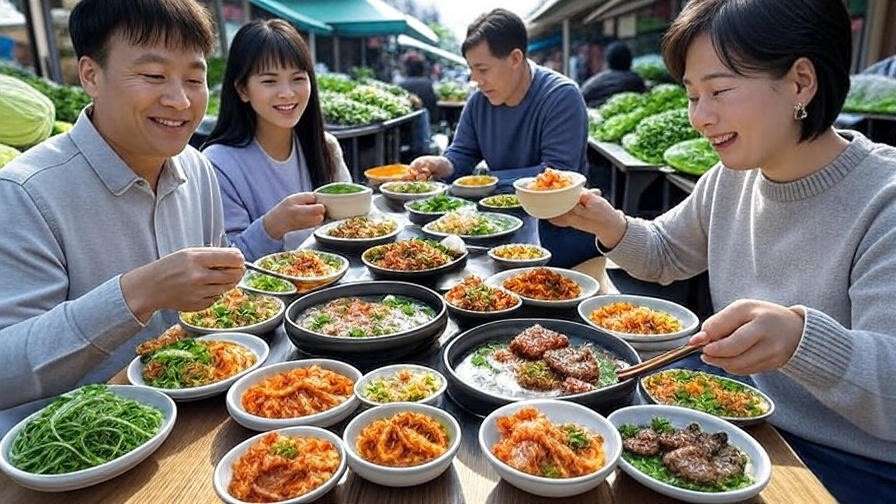

Imagine sitting at a vibrant Korean dinner table, surrounded by steaming bowls of kimchi jjigae, colorful banchan, and sizzling bulgogi. The aroma is intoxicating, but as you reach for your Korean chopsticks and spoon, a moment of hesitation strikes: How do I use these properly? In Korean culture, mastering the use of Korean chopsticks and spoon is more than a practical skill—it’s a gateway to embracing tradition, respect, and the art of communal dining. Whether you’re a K-drama fan eager to dine like your favorite characters or a traveler preparing for an authentic Korean meal, understanding the etiquette and techniques of these utensils is essential.
This comprehensive guide dives deep into the history, design, and proper use of Korean chopsticks and spoons, offering practical tips, cultural insights, and expert advice to help you dine with confidence. Drawing from my experiences dining with Korean locals and studying cultural traditions, alongside insights from culinary experts, this article will equip you with everything you need to navigate Korean table etiquette like a pro.
The Cultural Significance of Korean Chopsticks and Spoon
Why Chopsticks and Spoon Are Central to Korean Dining
In Korean cuisine, the pairing of chopsticks (jeotgarak) and spoon (sujeo) is a hallmark of the dining experience, setting it apart from other East Asian cultures. Unlike Japanese dining, where chopsticks dominate, or Chinese meals, where spoons are less prominent, Koreans use both utensils in harmony to enjoy a balanced meal of rice, soups, and side dishes. This duo reflects Korea’s emphasis on balance and respect, with chopsticks handling solid foods like banchan (side dishes) and the spoon reserved for soups, stews, and rice.
As Dr. Min-jung Kim, a cultural historian at Seoul National University, explains, “The chopstick and spoon combination embodies Korea’s communal dining philosophy, where every gesture at the table reflects respect for the food and those sharing it.” Mastering their use not only enhances your dining experience but also shows appreciation for Korean traditions.
Historical Context of Korean Tableware
The history of Korean chopsticks and spoons dates back centuries, influenced by Confucianism and Korea’s agrarian roots. Early chopsticks were made of wood or bamboo, but by the Joseon Dynasty (1392–1897), metal chopsticks—often bronze or silver—became prevalent among the elite, symbolizing purity and hygiene. Spoons, typically crafted with long handles for deep bowls, evolved alongside chopsticks to accommodate Korea’s soup-heavy cuisine.
Archaeological findings, such as metal utensils from Gyeongju’s ancient tombs, highlight their enduring presence. The shift to stainless steel in modern times reflects Korea’s practical approach to durability and cleanliness, making these utensils a staple in households and restaurants today.
Understanding Korean Chopsticks and Spoon:  Design and Materials
What Makes Korean Chopsticks Unique?
Korean chopsticks stand out for their distinct design: flat, metallic, and shorter than their Chinese or Japanese counterparts. Typically made of stainless steel, they are lightweight yet sturdy, with a rectangular shape that provides a better grip for picking up slippery foods like kimchi or namul. Unlike the pointed Japanese chopsticks or the thicker Chinese ones, Korean chopsticks are designed for precision and ease.
| Feature | Korean Chopsticks | Chinese Chopsticks | Japanese Chopsticks |
|---|---|---|---|
| Material | Stainless steel | Wood, bamboo | Wood, lacquered |
| Shape | Flat, rectangular | Round, tapered | Tapered, pointed |
| Length | ~8 inches | ~10 inches | ~9 inches |
| Primary Use | Side dishes, meats | All-purpose | Sushi, delicate foods |
The preference for metal stems from Korea’s focus on hygiene and durability, as metal is easier to clean and less prone to harboring bacteria than wood.
The Role of the Spoon in Korean Cuisine
The Korean spoon, with its long handle and shallow, rounded bowl, is designed for versatility. It’s ideal for scooping rice, sipping hearty stews like doenjang jjigae, or enjoying delicate soups like miyeokguk. According to Chef Hooni Kim, owner of Danji in New York, “The spoon is the unsung hero of Korean dining. Its shape allows you to savor the broth’s flavor while balancing the meal’s textures.”
Unlike chopsticks, which are used for solid foods, the spoon handles liquid-based dishes, making it indispensable in Korea’s soup-centric cuisine. Its ergonomic design ensures comfort, even during long, communal meals.
Mastering the Use of Korean Chopsticks and Spoon
 Step-by-Step Guide to Holding Chopsticks Correctly
Using Korean chopsticks can feel daunting, but with practice, it becomes second nature. Follow these steps to master the technique:
- Position the first chopstick: Rest one chopstick in the crook between your thumb and index finger, letting it sit against your ring finger for stability.
- Add the second chopstick: Hold the second chopstick like a pencil, using your thumb, index, and middle fingers.
- Move with precision: Keep the bottom chopstick stationary while moving the top one to pick up food.
- Practice control: Start with larger items like vegetables before tackling slippery foods like tofu.
Tip: Practice picking up small items like peanuts or soybeans to build dexterity. Avoid crossing the chopsticks, as it makes gripping harder.
How to Use the Spoon Effectively
The Korean spoon is straightforward but requires finesse:
- Grip lightly: Hold the spoon near the top of the handle with a relaxed grip.
- Scoop efficiently: For rice, use a gentle scooping motion to gather a small portion. For soups, tilt the spoon slightly to sip without slurping.
- Adapt to the dish: Use deeper scoops for stews and lighter ones for clear broths.
A common mistake is holding the spoon too tightly, which can lead to spills. Practice with dishes like bibimbap (mixed rice) or seolleongtang (ox bone soup) to get comfortable.
Combining Chopsticks and Spoon in a Meal
Korean meals often involve alternating between chopsticks and spoon seamlessly. For example, use chopsticks to pick up banchan like seasoned spinach or marinated beef, then switch to the spoon for a sip of samgyetang (ginseng chicken soup). The key is to keep both utensils in hand, resting one on a utensil holder when not in use.
During my first Korean meal in Seoul, I struggled to balance both utensils but learned by observing locals. Holding the spoon in your dominant hand and chopsticks in the other can simplify the process, ensuring a smooth dining experience.
Korean Dining Etiquette: Do’s and Don’ts
 Essential Etiquette Rules for Chopsticks
Proper chopstick etiquette is crucial for showing respect. Here are key rules:
- Don’t stick chopsticks upright in rice: This resembles incense at funerals and is considered bad luck.
- Avoid pointing with chopsticks: It’s rude to gesture at people or food with chopsticks.
- Don’t share food directly: Use serving utensils for communal dishes to maintain hygiene.
As etiquette coach Park Soo-jin notes, “Chopstick etiquette reflects Korea’s communal values, where every action considers others at the table.” Following these rules shows cultural sensitivity.
Spoon Etiquette and Best Practices
Spoon etiquette is equally important:
- Don’t leave the spoon in the bowl: Rest it on a holder or the table to keep the setting tidy.
- Avoid loud slurping: Sip soups quietly to respect fellow diners.
- Use the spoon for shared soups: When sharing, use your spoon to take a portion into your bowl first.
These practices ensure a harmonious dining experience, especially in formal settings like family gatherings or restaurants.
Common Mistakes to Avoid
Non-Koreans often make innocent errors, such as:
- Using chopsticks for soup instead of the spoon.
- Placing utensils directly on the table without a rest.
- Holding both utensils in one hand simultaneously.
If you make a mistake, don’t panic. Politely acknowledge it and adjust. For example, during a dinner in Busan, I accidentally left my spoon in a shared pot, but a quick apology and correction kept the meal pleasant.
Practical Tips for Beginners
 Choosing the Right Chopsticks and Spoon
Selecting the right Korean chopsticks and spoon can make a significant difference for beginners. Opt for lightweight stainless steel chopsticks with a textured grip to prevent slipping, especially when handling oily or wet foods like kimchi or japchae. For spoons, choose ones with a comfortable handle length (around 7-8 inches) and a shallow bowl for versatility across rice and soups.
Trusted brands like Kwangjuyo or Kumkang offer authentic, high-quality Korean utensil sets, available online at retailers like H Mart or Amazon. For those on a budget, affordable sets from Korean markets work well, provided they’re made of food-safe materials.
Buyer’s Guide:
- Stainless Steel: Durable, hygienic, and traditional; ideal for daily use.
- Wooden Chopsticks: Lightweight but less common; better for practice or casual settings.
- Plastic: Avoid for authenticity, as they lack the cultural weight and durability of metal.
Tip: Check for ergonomic designs if you’re new to chopsticks, as some brands offer beginner-friendly sets with wider grips.
Practicing at Home
Before dining at a Korean restaurant, practice using chopsticks and spoons at home to build confidence. Start with simple exercises:
- Chopstick Drills: Pick up small items like soybeans, marbles, or cooked rice grains to improve precision.
- Spoon Practice: Scoop cooked sticky rice or sip broth from a bowl to mimic Korean dining.
Try preparing beginner-friendly Korean dishes to apply your skills:
- Kimchi Fried Rice: Use chopsticks for ingredients and the spoon for eating.
- Doenjang Jjigae (Soybean Paste Stew): Practice alternating between spoon and chopsticks for stew and side dishes.
- Bulgogi: Perfect for chopstick practice due to its bite-sized pieces.
Resources like Maangchi’s blog or YouTube channel offer authentic recipes to help you recreate these dishes. Practicing at home not only hones your skills but also deepens your appreciation for Korean cuisine.
Dining at Korean Restaurants
When dining at a Korean restaurant, understanding table settings can boost your confidence. Most restaurants provide a chopstick and spoon set, often placed on a small rest or napkin. If you’re unsure about the setup, observe other diners or politely ask the staff for guidance.
Tips for Restaurant Dining:
- Navigate Banchan: Use chopsticks to pick small portions of side dishes, placing them on your plate before eating.
- Respect Communal Dishes: Use serving spoons or chopsticks for shared pots to avoid cross-contamination.
- Pace Yourself: Korean meals are leisurely; alternate between utensils to enjoy the full range of flavors.
My first visit to a Korean restaurant in Los Angeles was overwhelming, with a dozen banchan spread before me. By watching the locals and practicing utensil alternation, I quickly felt at ease, savoring each dish with the right tool.
Korean Chopsticks and Spoon in Pop Culture
Their Role in K-Dramas and Media
Korean chopsticks and spoons often steal the spotlight in K-dramas, where dining scenes showcase cultural authenticity. In Crash Landing on You, Yoon Se-ri and Ri Jeong-hyeok share heartfelt meals, using chopsticks to pick samgyeopsal and spoons for sundubu jjigae, reflecting everyday Korean dining. Similarly, Itaewon Class features lively restaurant scenes where characters deftly handle utensils, emphasizing their role in social bonding.
These portrayals resonate with global fans, inspiring many to try Korean dining. As K-drama expert Sarah Lee notes, “Dining scenes in K-dramas aren’t just about food—they’re a window into Korean values of togetherness and respect.” Fans often seek to replicate these moments, making chopstick and spoon mastery a cultural bridge.
Modern Trends and Innovations
Today, Korean chopsticks and spoons are evolving with modern design trends. Artisanal sets made from eco-friendly materials like bamboo or recycled metals are gaining popularity, especially among younger Koreans and tourists. Designers like Seoul-based Studio Gomi create sleek, minimalist utensil sets that blend tradition with modernity, often sold as souvenirs.
These utensils have also become collectibles for K-culture enthusiasts. Limited-edition sets featuring K-pop idols or drama-inspired designs are hot items at places like Insadong’s craft markets. This trend highlights how Korean dining culture continues to captivate global audiences.
FAQs About Korean Chopsticks and Spoon
Why Are Korean Chopsticks Metal Instead of Wood?
Metal chopsticks, typically stainless steel, are favored for their durability, ease of cleaning, and hygienic properties. Historically, silver chopsticks were used by royalty to detect poison, as silver tarnishes with certain toxins. Today, metal aligns with Korea’s practical approach to dining, ensuring utensils last for years.
Can I Use Chopsticks for All Korean Dishes?
No, chopsticks are best for solid foods like banchan, meats, or vegetables, while spoons are used for rice, soups, and stews. Using chopsticks for soup or rice is considered improper and impractical. For example, in a bibimbap meal, use chopsticks for toppings and the spoon for rice.
How Do I Clean and Maintain Korean Chopsticks and Spoons?
Stainless steel utensils are dishwasher-safe, but handwashing with mild soap preserves their shine. For wooden chopsticks, avoid soaking to prevent warping; dry thoroughly after washing. Store in a dry place to prevent rust or damage.
Are There Children’s Versions of Korean Chopsticks and Spoons?
Yes, brands like Lock & Lock offer smaller, lightweight chopsticks and spoons for kids, often with colorful designs or training grips. Training chopsticks with connected tops help young learners build dexterity.
What’s the Polite Way to Place Chopsticks and Spoons When Not in Use?
Rest chopsticks and spoons on a designated holder or the edge of your plate. Avoid placing them directly on the table, as this is seen as unhygienic. In formal settings, align them neatly to show respect.
Conclusion
Mastering the use of Korean chopsticks and spoon is more than a practical skill—it’s a way to connect with Korea’s rich cultural heritage. From their historical roots to their role in modern K-dramas, these utensils embody respect, balance, and community. By following this guide’s techniques, etiquette rules, and practical tips, you’ll dine with confidence, whether at a bustling Seoul restaurant or your own kitchen.
Ready to put your skills to the test? Try cooking a Korean dish like kimchi jjigae or visit a local Korean restaurant to practice. Share your experiences in the comments below or explore our other articles on Korean culture for more ways to immerse yourself in this vibrant tradition.
Top 5 Etiquette Tips for Korean Dining:
- Never stick chopsticks upright in rice.
- Use the spoon for soups and rice, chopsticks for side dishes.
- Rest utensils on a holder, not the table.
- Avoid pointing or gesturing with chopsticks.
- Use serving utensils for shared dishes.