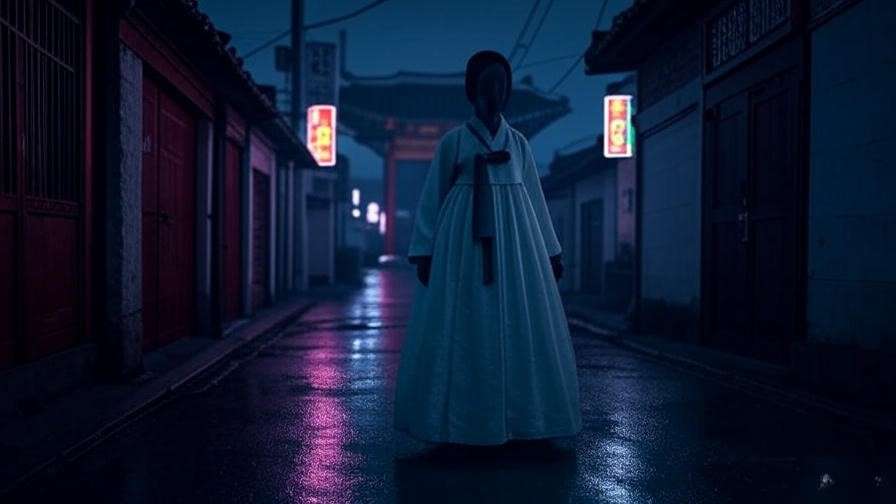

Imagine a moonlit scene from a gripping K-drama: a figure in a flowing black hanbok and wide-brimmed hat emerges from the shadows, their presence both eerie and captivating. This is the Jeoseung Saja, Korea’s mythical messenger of death, guiding souls to the afterlife with solemn grace. For fans of Korean culture and drama, the Jeoseung Saja represents a fascinating blend of ancient mythology and modern storytelling. Why do these enigmatic figures resonate so deeply with audiences? This article dives into the origins, cultural significance, and contemporary portrayals of Jeoseung Saja, offering a comprehensive guide for those eager to explore Korean spirituality and its cinematic allure. Drawing on insights from cultural historians and K-drama experts, we unravel the mystique of these death messengers and their enduring impact.
Who Are the Jeoseung Saja? Understanding Korea’s Death Messengers
Origins in Korean Mythology
The Jeoseung Saja, or “messengers of the afterlife,” trace their roots to Korea’s rich tapestry of shamanism and Buddhist traditions. In Korean folklore, these spectral figures serve as psychopomps, escorting departed souls from the mortal realm to the underworld. Their origins can be glimpsed in ancient texts like the Samguk Yusa, a 13th-century chronicle of Korean history and mythology, which describes supernatural beings mediating between life and death. Unlike malevolent spirits, Jeoseung Saja are neutral enforcers of fate, embodying the inevitability of mortality. According to Dr. Min-Ji Kim, a Seoul-based cultural historian, “Jeoseung Saja reflect Korea’s historical reverence for the afterlife, shaped by centuries of spiritual beliefs.”
Symbolism and Characteristics
Visually striking, Jeoseung Saja are often depicted wearing black hanbok and gat (traditional hats), exuding an aura of solemn authority. Their attire symbolizes their connection to the underworld, with black representing death and transition. In Korean cosmology, they act as a bridge between the living and the dead, ensuring souls reach their destined realm. This role underscores a cultural respect for death as a natural phase, not something to be feared. Unlike the Grim Reaper’s skeletal menace in Western lore, Jeoseung Saja are portrayed with human-like dignity, emphasizing balance over terror.
Jeoseung Saja in Traditional Korean Culture
Role in Rituals and Folklore
 In traditional Korean society, Jeoseung Saja appear prominently in shamanic rituals known as gut, ceremonies designed to appease spirits or guide souls. These rituals, still practiced in some rural areas, highlight the death messengers’ role in maintaining cosmic harmony. Folk tales often cast Jeoseung Saja as enforcers of moral lessons. For example, in one popular story, a greedy merchant attempts to bribe a Jeoseung Saja to extend his life, only to face dire consequences, illustrating the futility of defying fate. Such stories reinforce cultural values of humility and acceptance.
Cultural Significance and Beliefs
Jeoseung Saja embody Korea’s nuanced perspective on death, blending Buddhist concepts of impermanence with shamanic reverence for spiritual transitions. They are not feared but respected as guardians of the afterlife’s order. This contrasts with Western depictions of death as a singular, ominous figure. Dr. Hye-Jin Park, a Korean anthropologist, notes, “Jeoseung Saja reflect a uniquely Korean worldview where death is a journey, not an end.” Their presence in folklore underscores the importance of honoring ancestors and maintaining spiritual balance, a belief still evident in modern ancestral rites like jesa.
Jeoseung Saja in Modern Korean Media
Portrayal in K-Dramas
 The global rise of K-dramas has brought Jeoseung Saja to international audiences, often with a creative twist. In Goblin (2016), the character of the Grim Reaper, a modernized Jeoseung Saja, blends stoic duty with unexpected humor and romance, captivating viewers worldwide. Similarly, Hotel Del Luna (2019) features death messengers as guides for restless spirits, weaving their traditional role into a supernatural narrative. These portrayals retain the essence of Jeoseung Saja as soul guides while adapting them for emotional depth, making them relatable to modern audiences. A memorable scene in Goblin shows the Reaper hesitating before a soul, revealing a rare glimpse of empathy, which resonated with fans on platforms like X.
Evolution of the Archetype
Modern media has transformed Jeoseung Saja from solemn figures into multifaceted characters. In Along with the Gods (2017), a blockbuster film, they are depicted as bureaucratic officials of the afterlife, blending tradition with satire. This evolution reflects K-drama writers’ skill in balancing cultural authenticity with global appeal. According to screenwriter Lee Soo-Min, “We reimagine Jeoseung Saja to explore human emotions like regret or redemption, making them accessible to diverse audiences.” This shift has helped K-dramas like Mystic Pop-up Bar introduce Jeoseung Saja to viewers unfamiliar with Korean mythology, amplifying their cultural impact.
Why Jeoseung Saja Resonate with Audiences Today
Universal Themes of Mortality
 Jeoseung Saja captivate audiences by tapping into universal questions about life, death, and what lies beyond. Their presence in K-dramas often prompts characters—and viewers—to reflect on mortality and legacy. In Goblin, the Reaper’s interactions with the immortal protagonist highlight themes of fate and forgiveness, striking a chord with viewers navigating their own existential questions. This emotional resonance makes Jeoseung Saja more than mythical figures; they become mirrors for personal reflection, a quality that fuels their popularity in storytelling.
Cultural Appeal for Global Fans
The Korean Wave (Hallyu) has propelled Jeoseung Saja into global consciousness, offering a unique perspective on Korean spirituality. Fans on X frequently share their fascination with these death messengers, with posts like, “The Reaper in Goblin made me cry and think about life differently!” This global appeal stems from their blend of mystique and humanity, making them accessible yet distinctly Korean. As K-dramas gain traction on platforms like Netflix, Jeoseung Saja introduce international audiences to Korea’s rich mythological heritage, fostering cross-cultural appreciation.
How Jeoseung Saja Influence Modern Korean Society
Reflections in Art and Literature
 Beyond K-dramas, Jeoseung Saja inspire a wide range of contemporary Korean art and literature. Artists like Kim Soo-Hyun have incorporated their imagery into modern installations, using stark black-and-white motifs to evoke the liminal space between life and death. In literature, novels such as The Soul Guardians reimagine Jeoseung Saja as complex characters navigating moral dilemmas, blending traditional lore with modern existential themes. Exhibitions at venues like the National Museum of Korea often feature artifacts or artworks referencing these death messengers, showcasing their enduring cultural relevance. For example, a 2023 exhibit in Seoul displayed hanbok-inspired sculptures of Jeoseung Saja, drawing thousands of visitors and sparking online discussions about their symbolism.
Impact on Cultural Identity
In an era of rapid globalization, Jeoseung Saja serve as a touchstone for Korea’s cultural identity. They anchor modern Koreans to their spiritual heritage, even as Western influences permeate society. Annual festivals like the Andong Mask Dance Festival occasionally feature performances inspired by Jeoseung Saja, blending traditional dance with contemporary storytelling. These events highlight Korea’s commitment to preserving its mythological roots while adapting them for new generations. Dr. Ji-Won Lee, a folklore scholar, emphasizes, “Jeoseung Saja remind Koreans of a shared spiritual narrative, reinforcing cultural pride amid global change.” Their presence in both traditional and modern contexts underscores their role as a unifying cultural symbol.
Practical Tips for Exploring Jeoseung Saja in Korean Culture
Recommended K-Dramas and Films
For those eager to dive into the world of Jeoseung Saja through media, here’s a curated list of must-watch K-dramas and films:
- Goblin (Guardian: The Lonely and Great God) (2016, Netflix): Features a charismatic Grim Reaper whose emotional journey redefines the Jeoseung Saja archetype. Perfect for fans of romance and fantasy.
- Hotel Del Luna (2019, Netflix): Showcases death messengers guiding souls in a supernatural hotel, blending mystery with stunning visuals.
- Along with the Gods: The Two Worlds (2017, Viki): A cinematic exploration of the afterlife with Jeoseung Saja as bureaucratic guides, offering action and emotional depth.
- Mystic Pop-up Bar (2020, Netflix): A lighter take, featuring a Jeoseung Saja helping resolve unfinished business, ideal for fans of comedy and heartwarming stories.
These titles are accessible on global streaming platforms, making it easy to explore Jeoseung Saja’s modern portrayals.
Visiting Cultural Sites in Korea
 Travelers can deepen their understanding of Jeoseung Saja by visiting cultural sites in South Korea:
- Bongeunsa Temple, Seoul: This Buddhist temple occasionally hosts gut rituals where shamans invoke figures like Jeoseung Saja. Check schedules for cultural events (available on their official website).
- National Folk Museum of Korea, Seoul: Features exhibits on Korean mythology, including artifacts related to death rituals. Open daily, with English guides available.
- Andong Hahoe Folk Village: Known for its mask dances, some inspired by Jeoseung Saja. Visit during the annual Andong Mask Dance Festival (September–October) for immersive performances.
- Tip: Book guided tours through platforms like Klook for insider insights into these sites, and check for seasonal events to experience live reenactments.
Engaging with Korean Mythology
To explore Jeoseung Saja beyond media and travel, consider these resources:
- Books: Korean Mythology: Folklore and Legends by Choi Won-Oh offers an accessible introduction to figures like Jeoseung Saja (available on Amazon).
- Podcasts: “Myths and Legends of Korea” (Spotify) features episodes on death messengers, blending storytelling with expert commentary.
- Online Courses: Platforms like Coursera offer courses on Korean culture, such as “Introduction to Korean Spirituality” by Yonsei University, covering mythological figures.
- Community Engagement: Join online forums like Reddit’s r/KoreanMythology or follow X accounts like @KCultureInsights for discussions and updates on Jeoseung Saja-related content.
FAQs About Jeoseung Saja
What is the origin of the term “Jeoseung Saja”?
The term “Jeoseung Saja” derives from Korean, with “Jeoseung” referring to the afterlife or underworld and “Saja” meaning messenger. Rooted in shamanic and Buddhist traditions, the name reflects their role as guides for departed souls, as documented in texts like the Samguk Yusa.
Are Jeoseung Saja the same as the Grim Reaper?
While both are psychopomps, Jeoseung Saja differ from the Grim Reaper in tone and purpose. The Western Grim Reaper often symbolizes fear and finality, depicted as a skeletal figure with a scythe. In contrast, Jeoseung Saja are dignified, human-like figures embodying cosmic balance, reflecting Korea’s cultural reverence for death as a transition.
Which K-dramas feature Jeoseung Saja prominently?
Notable K-dramas include Goblin (Grim Reaper as a central character), Hotel Del Luna (death messengers as soul guides), Along with the Gods (cinematic afterlife bureaucracy), and Mystic Pop-up Bar (lighthearted supernatural tales). These are widely available on Netflix and Viki.
How can I learn more about Korean mythology?
Start with books like Korean Mythology by Choi Won-Oh, explore podcasts like “Myths and Legends of Korea,” or enroll in online courses from platforms like Coursera. Visiting cultural sites like the National Folk Museum of Korea or joining online communities on X and Reddit can also deepen your knowledge.
Jeoseung Saja, Korea’s mystical death messengers, weave a thread through the nation’s cultural fabric, from ancient shamanic rituals to the global stage of K-dramas. Their origins in mythology, symbolic resonance, and modern reinventions in media like Goblin and Hotel Del Luna reveal a timeless fascination with life, death, and the afterlife. Whether you’re a K-drama fan, a cultural explorer, or simply curious about Korean spirituality, Jeoseung Saja offer a profound lens into these themes. Watch a recommended drama, visit a cultural site like Bongeunsa Temple, or share your thoughts in the comments below—what do Jeoseung Saja teach you about your own beliefs about death? Their enduring mystique invites us all to reflect on the journeys that await beyond this life.