
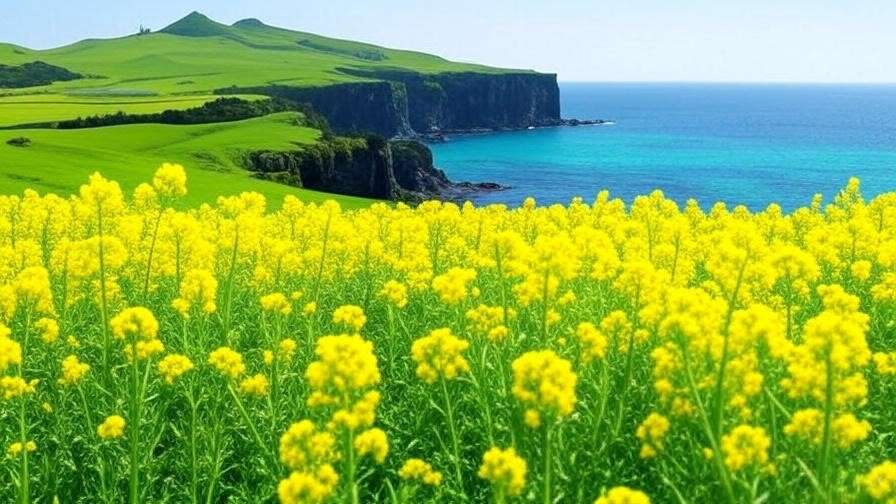
Imagine standing on a volcanic cliff, the turquoise waves of the East China Sea crashing below, as you retrace the romantic footsteps of your favorite Korean drama stars. Welcome to Jeju Island, South Korea’s crown jewel, where breathtaking landscapes meet vibrant cultural heritage and cinematic magic. For fans of Korean culture and K-dramas, Jeju is more than a destination—it’s an immersive journey into the heart of Hallyu. Whether you’re drawn by the island’s UNESCO sites, its legendary Haenyeo divers, or iconic filming locations from Crash Landing on You, this guide unlocks Jeju’s cultural treasures and offers practical, drama-inspired travel tips to craft an unforgettable adventure. Drawing from personal visits, insights from Jeju locals, and expertise from K-drama location scouts, this article is your ultimate roadmap to experiencing Jeju like a true insider.
Why Jeju Island Captivates Korean Culture and Drama Fans
A Cultural and Natural Wonder
 Jeju Island, often dubbed the “Hawaii of Korea,” is a volcanic paradise steeped in history, mythology, and natural splendor. Formed by ancient lava flows, its rugged cliffs, emerald forests, and cascading waterfalls make it a UNESCO World Heritage haven. The island’s cultural significance runs deep, rooted in myths like that of Seolmundae Halmang, the goddess said to have created Jeju’s iconic landscapes. These stories infuse the island with a mystical allure, captivating visitors who seek to connect with Korea’s ancestral past.
Beyond its natural beauty, Jeju’s cultural heritage shines through its traditions and festivals. From the stone-walled villages of Seongeup to the vibrant Jeju Fire Festival, the island offers a window into Korea’s soul. For travelers, Jeju’s blend of history and scenic wonders makes it a must-visit, whether you’re exploring its volcanic trails or soaking in its cultural depth.
The K-Drama Connection
Jeju’s cinematic appeal has made it a darling of Korean dramas, serving as a backdrop for countless romantic and dramatic scenes. Shows like Crash Landing on You, The Legend of the Blue Sea, and Boys Over Flowers have immortalized Jeju’s beaches, cliffs, and forests, turning them into pilgrimage sites for fans. “Jeju’s landscapes are a director’s dream,” says Kim Min-ji, a location scout for major K-drama productions. “The island’s dramatic coastlines and lush greenery amplify emotional storytelling, making it a perfect canvas for love and adventure.”
For drama enthusiasts, visiting Jeju is a chance to step into the scenes of their favorite shows. Whether it’s recreating a heartfelt moment at Hyeopjae Beach or capturing a selfie at Oedolgae Rock, Jeju offers an immersive way to experience K-drama magic firsthand.
Must-Visit Cultural Gems on Jeju Island
Jeju’s UNESCO Sites
Jeju’s UNESCO World Heritage sites are a testament to its geological and cultural significance. Seongsan Ilchulbong Peak, a tuff cone formed by volcanic eruptions, is a sunrise haven with panoramic views of the island’s coastline. Hiking its gentle slopes takes about 30 minutes, and early morning visits (around 6 AM) offer the best light and fewer crowds. The Manjanggul Lava Tube, one of the world’s longest lava tunnels, stretches over 7 kilometers, with a 1-kilometer section open to visitors. Its otherworldly stalactites and cool, cavernous atmosphere make it a must-see.
Visiting Tip: Book guided tours through the Jeju Tourism Organization for expert insights into these sites’ geological history. Arrive early to avoid peak crowds, especially during spring and autumn.
Haenyeo: The Women Divers of Jeju
 The Haenyeo, Jeju’s female divers, are a living symbol of resilience and tradition, recognized as a UNESCO Intangible Cultural Heritage. These women, often in their 60s and 70s, free-dive into the ocean to harvest seafood, a practice dating back centuries. Their strength and connection to Jeju’s maritime culture are celebrated at the Haenyeo Museum in Hado-ri, where exhibits detail their history and daily lives.
During a personal visit, I witnessed a Haenyeo performance at Jungmun Beach, where divers emerged from the sea with baskets of abalone, their rhythmic breathing (sumbi sori) echoing across the shore. Recommendation: Visit the museum and catch a live diving demonstration (daily at 1 PM and 3 PM, weather permitting) to honor this unique tradition.
Jeju’s Folk Villages and Festivals
For a glimpse into Jeju’s past, the Seongeup Folk Village is a living museum of traditional stone houses and thatched roofs. Here, you can explore centuries-old architecture, sample local crafts like tangerine tea, and learn about Jeju’s shamanic rituals. The Jeju Fire Festival, held annually in March, celebrates the island’s pastoral heritage with bonfires and cultural performances, drawing thousands of visitors.
During my visit to the festival, the sight of Saebyeol Oreum ablaze under the night sky was unforgettable, a vivid blend of tradition and spectacle. Tip: Plan your trip around festival dates for an authentic cultural experience, and book accommodations early, as they fill up quickly.
Drama-Inspired Travel Itinerary for Jeju Island
Day 1 – Romantic Coastal Spots from K-Dramas
Kick off your Jeju adventure with a day exploring iconic K-drama locations along the coast. Start at Hyeopjae Beach, featured in Crash Landing on You, where its powdery white sand and turquoise waters set the stage for romantic scenes. Nearby, grab a coffee at Monsant Cafe, a glass-walled haven frequented by celebrities. Next, head to Jungmun Saekdal Beach, seen in Boys Over Flowers, perfect for surfing or sunset strolls.
Directions: From Jeju International Airport, take Bus 600 to Hyeopjae (40 minutes). Jungmun is a 30-minute taxi ride from Hyeopjae. Photo Tip: Recreate drama scenes at Hyeopjae’s rock formations, but respect marked-off areas to preserve the environment.
Day 2 – Cultural and Historical Immersion
On day two, dive into Jeju’s cultural heart. Visit Oedolgae Rock, a dramatic sea stack featured in The Legend of the Blue Sea. Its solitary beauty and surrounding trails make it ideal for photography. Next, explore Jeju Stone Park, a serene site celebrating the island’s volcanic heritage with stone sculptures and folklore exhibits.
Recommendation: Book a cultural tour with Jeju Eco Tours (jeju-eco.com) for expert-led insights into Oedolgae’s myths and the park’s significance. Tip: Wear comfortable shoes for the park’s walking paths, and bring a reusable water bottle to stay hydrated.
Day 3 – Nature and Adventure
 Cap your trip with Jeju’s natural wonders. Start with a hike up Hallasan Mountain, South Korea’s highest peak, featured in various dramas for its misty trails and crater lake. The Seongpanak Trail (9.6 km, 4-5 hours) is beginner-friendly with stunning views. End your day at Yongduam Rock, a dragon-shaped formation often seen in K-drama montages.
Hiking Tip: Check weather conditions at jejuweather.go.kr before hiking Hallasan, and pack layers for changing temperatures. Guided hikes with Jeju Hiking Group (available via Viator) offer safety and local knowledge.
Sidebar: 3-Day Itinerary Snapshot
- Day 1: Hyeopjae Beach, Monsant Cafe, Jungmun Saekdal Beach ($20-30 for transport and meals).
- Day 2: Oedolgae Rock, Jeju Stone Park ($15-25 for tours and entry).
- Day 3: Hallasan Mountain, Yongduam Rock ($10-20 for transport and snacks).
- Transport: Rent a car ($40/day) or use public buses for budget travel.
Experiencing Jeju’s Culinary Culture
Signature Jeju Dishes
 Jeju’s cuisine is a highlight for any visitor. Black pork BBQ (heukdoeji) is a must-try, with its rich, smoky flavor unique to the island’s native pigs. Sample it at Black Pork Street in Jeju City, where restaurants like Neulbom Heukdwaeji grill it to perfection. Fresh seafood, such as abalone porridge and raw sea urchin, is another staple, best enjoyed at Dongmun Market.
During my visit, I savored abalone porridge at a seaside eatery in Seogwipo, its creamy texture and briny depth unforgettable. Tip: Pair meals with Jeju’s hallabong tangerine juice for a refreshing local touch.
Drama-Inspired Dining
K-drama fans can dine at iconic spots like Bomnal Cafe in Seogwipo, featured in Warm and Cozy. Its cozy ambiance and ocean views make it a perfect stop for coffee or dessert. Another gem is Cafe Aewol Monsant, a sleek spot seen in multiple dramas, offering Instagrammable views and artisanal drinks.
Recommendation: Reserve a table at Bomnal Cafe in advance, especially during peak seasons, via their website (bomnalcafe.co.kr). Personal Note: Sipping a tangerine latte at Monsant while watching the waves felt like stepping into a drama scene.
Cooking Classes and Food Tours
For a hands-on experience, join a cooking class to make Jeju specialties like tangerine desserts or seafood jeon (pancakes). Jeju Foodie Tours (jejufoodietours.com) offers half-day classes starting at $50. Alternatively, explore Dongmun Market with a guided food tour to sample street foods like omegi tteok (rice cakes).
Tip: Book tours at least a week in advance, and inform guides of dietary restrictions for a tailored experience.
Practical Travel Tips for Visiting Jeju Island
Best Time to Visit
 Jeju Island is a year-round destination, but each season offers unique experiences. Spring (March-May) brings cherry blossoms and mild weather, ideal for hiking and festivals like the Jeju Fire Festival. Autumn (September-November) offers clear skies and vibrant foliage, perfect for exploring Seongsan Ilchulbong or Hallasan Mountain. Summer is popular for beachgoers, though it can be humid with occasional rain, while winter provides a quieter experience with crisp air and fewer crowds.
According to the Jeju Tourism Organization, October sees average temperatures of 18-22°C, making it optimal for outdoor activities. Tip: Check festival schedules at visitjeju.net to align your visit with cultural events, and pack layers for unpredictable weather.
Getting to and Around Jeju
Jeju is easily accessible via Jeju International Airport, with direct flights from Seoul (1 hour, $30-80 one-way) and other Asian hubs like Tokyo and Shanghai. Budget airlines like Jeju Air or T’way Air offer affordable fares when booked early. Alternatively, ferries from Busan or Mokpo (4-5 hours, $20-50) provide a scenic route, bookable via koreaferry.kr.
For getting around, rental cars ($40-60/day) offer flexibility, especially for remote drama locations like Oedolgae Rock. Public buses, such as the Airport Limousine 600 ($3-5 per trip), connect major sites efficiently. Recommendation: Download the Jeju Bus app for real-time schedules, and use Kakao T for taxi bookings if you prefer not to drive.
Accommodation Options
Jeju offers lodging for every budget, from drama-themed stays to eco-friendly guesthouses. Shinhwa World Resort, featured in The Legend of the Blue Sea, combines luxury with K-drama allure, with rooms starting at $150/night. For budget travelers, Sum Guesthouse in Jeju City ($30-50/night) offers cozy rooms and cultural workshops. Eco-conscious travelers can opt for Jeju Ecoland Theme Park Guesthouse, built with sustainable materials and near UNESCO sites.
Tip: Book accommodations 2-3 months in advance for peak seasons (spring/autumn) via trusted platforms like Agoda or Booking.com. My stay at a traditional hanok guesthouse in Seongeup Folk Village provided an authentic cultural immersion, complete with ondol floor heating.
How to Plan a Drama-Inspired Jeju Adventure
Creating a K-Drama Pilgrimage
For K-drama fans, Jeju is a playground of iconic filming locations. Start by mapping out must-see spots like Hyeopjae Beach, Oedolgae Rock, and Bomnal Cafe, all featured in top dramas. Create a personalized itinerary using tools like Google Maps or Visit Jeju’s interactive planner. Checklist Idea: Download a free K-drama location checklist (available as a PDF lead magnet) to track sites and recreate scenes, including props like a Crash Landing on You-inspired scarf for photos.
Expert Insight: “Fans love recreating drama moments, but respecting local spaces is key,” says Park Soo-jin, a Jeju tour guide specializing in Hallyu tourism. Follow posted guidelines at sites to preserve their beauty.
Budgeting for Your Trip
A 3-day Jeju trip can fit various budgets. Economy ($300-500): Stay at guesthouses ($30/night), use public buses ($15/day), and eat at markets ($10/meal). Mid-range ($600-800): Opt for boutique hotels ($80/night), rent a car ($50/day), and join guided tours ($30-50). Luxury ($1,000+): Book resorts like Shinhwa World ($150+/night), hire private guides ($100/day), and dine at upscale restaurants ($30/meal).
Money-Saving Tip: Book flights and accommodations as a package through Expedia or Klook for discounts up to 20%. Avoid peak holiday periods (e.g., Chuseok) for lower rates.
Cultural Etiquette
Respecting Jeju’s traditions enhances your experience and supports local communities. At sacred sites like Jeju Stone Park or shamanic shrines, avoid loud behavior and follow posted rules. When visiting Haenyeo performances, refrain from touching their equipment or diving areas. Dress modestly in cultural villages, and always ask permission before photographing locals.
Insight: “Jeju’s people are proud of their heritage,” says Lee Hye-rin, a cultural guide. “A simple bow or ‘annyeonghaseyo’ goes a long way.” Learning basic Korean phrases via apps like Duolingo can deepen connections with locals.
Why Jeju Island Stands Out in Korean Culture
 A Hub of Tradition and Modernity
Jeju seamlessly blends ancient traditions with modern tourism. Its stone-walled villages and shamanic rituals coexist with sleek cafes and K-pop events, creating a unique cultural tapestry. The island’s commitment to preserving its heritage is evident in initiatives like the Haenyeo Museum and UNESCO designations. A 2023 study by the Korea Culture and Tourism Institute noted Jeju’s success in balancing tourism growth with cultural conservation, making it a model for sustainable travel.
Example: The Jeju Olle Trail, a network of 26 walking paths, combines scenic hikes with cultural stops like traditional tea houses, offering an authentic yet accessible experience.
Jeju in Pop Culture Beyond Dramas
Beyond K-dramas, Jeju shines in Korean pop culture. K-pop groups like BTS and BLACKPINK have filmed music videos at sites like Udo Island and Seopjikoji, boosting their global appeal. Influencers on platforms like Instagram frequently showcase Jeju’s cafes and beaches, driving Hallyu tourism. For instance, a 2024 X post by @KpopTravelVibes highlighted Seongsan Ilchulbong’s sunrise as a “must-see for ARMY,” referencing BTS’s Map of the Soul shoot.
Tip: Follow hashtags like #JejuTravel or #KdramaLocations on Instagram for real-time inspiration and fan recommendations.
FAQs About Visiting Jeju Island
What are the top K-drama filming locations on Jeju?
Hyeopjae Beach (Crash Landing on You), Oedolgae Rock (The Legend of the Blue Sea), and Jungmun Saekdal Beach (Boys Over Flowers) are fan favorites. Visit early mornings for fewer crowds.
How many days should I spend on Jeju Island?
Three to five days allow you to explore cultural sites, drama locations, and natural wonders. A 3-day itinerary covers highlights, while 5 days offer a deeper dive.
What is the best way to experience Jeju’s culture as a first-time visitor?
Join guided tours with operators like Jeju Eco Tours, visit Seongeup Folk Village, and attend a Haenyeo diving performance for an immersive experience.
Are there English-friendly tours for Jeju’s cultural sites?
Yes, companies like Trazy and Klook offer English-guided tours for sites like Manjanggul Lava Tube and Hallasan. Book via their websites for availability.
What are budget-friendly activities on Jeju Island?
Explore free sites like Yongduam Rock, hike Olle Trails, and eat at Dongmun Market ($5-10/meal). Use public buses to save on transport.
Jeju Island is a vibrant tapestry of volcanic wonders, cultural heritage, and K-drama magic, offering an adventure that resonates with Korean culture enthusiasts and travelers alike. From UNESCO sites like Seongsan Ilchulbong to iconic drama locations like Hyeopjae Beach, this guide has uncovered the island’s must-see gems and practical tips to plan your trip. Whether you’re savoring black pork BBQ, hiking Hallasan, or recreating a Crash Landing on You moment, Jeju promises memories that linger long after you leave. Start planning your journey today—download our free Jeju travel planner PDF and share your adventure in the comments or on social media with #JejuDreams. Let Jeju’s charm sweep you away!