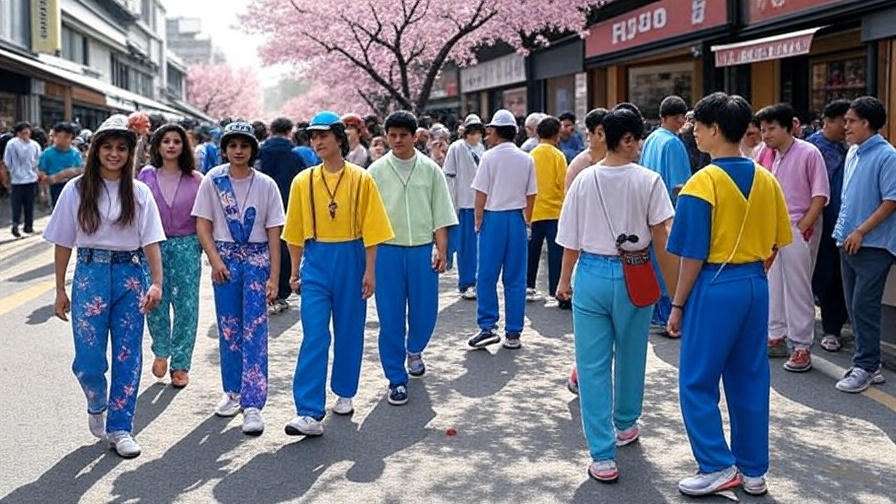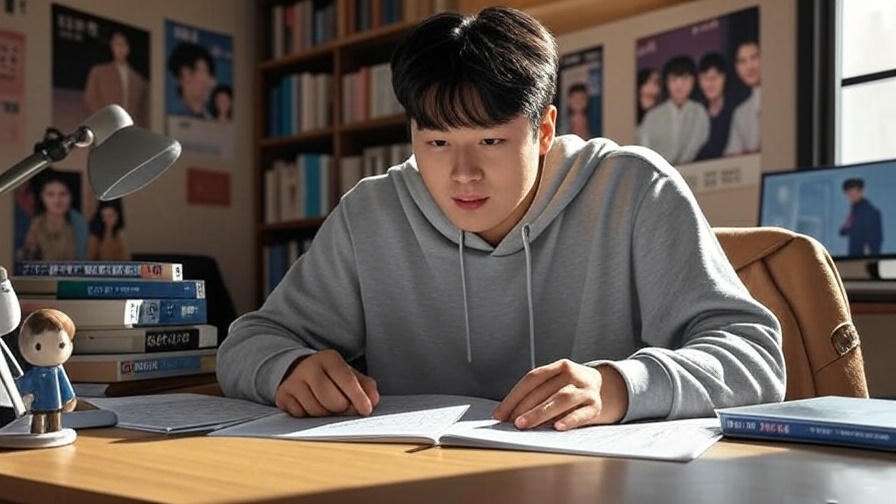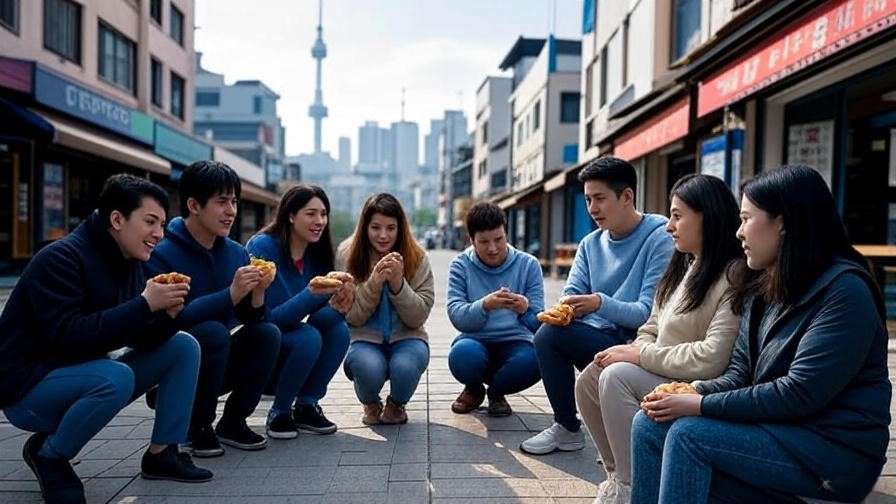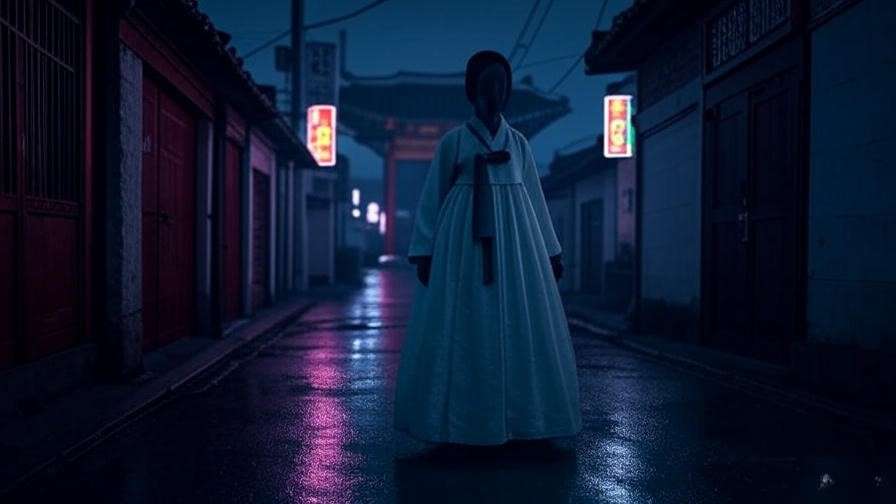

Imagine a quiet Seoul street in the 1980s, where the weight of unspoken grief lingers in the air, and young hearts grapple with love, loss, and the search for meaning amidst a turbulent era. This is the world of I’ll Be Right There by Kyung-Sook Shin, a novel that captures the soul of Korean culture with breathtaking emotional depth. For fans of Korean literature and K-drama, this masterpiece offers a poignant exploration of youth, friendship, and resilience in a time of political unrest. In this article, we’ll uncover why I’ll Be Right There is essential reading for anyone eager to understand the heart of Korean storytelling, history, and cultural identity, blending universal themes with the unique nuances of Korea’s past.
Whether you’re drawn to the emotional intensity of K-dramas or seeking a deeper connection to Korean heritage, Shin’s novel delivers a narrative that resonates across borders. Let’s dive into why this book is a cultural gem and a must-read for enthusiasts of Korean culture and drama.
Who Is Kyung-Sook Shin? A Literary Icon of Korean Culture
Background and Achievements
Kyung-Sook Shin is a towering figure in modern Korean literature, celebrated for her ability to weave deeply personal stories with the broader tapestry of Korea’s socio-cultural history. Born in 1963 in Jeolla Province, Shin rose to international prominence with her novel Please Look After Mom, which won the 2011 Man Booker International Prize, making her the first Korean and first woman to receive the honor. Her works, translated into over 30 languages, have introduced global readers to the emotional and cultural richness of Korean storytelling.
Shin’s bibliography includes acclaimed titles like Violets and The Girl Who Wrote Loneliness, but I’ll Be Right There, published in 2010 in Korea and later translated into English by Sora Kim-Russell, stands out for its introspective exploration of youth in a pivotal era. As a voice of modern Korea, Shin’s expertise lies in crafting narratives that resonate with both Korean and global audiences, earning her a place among literary giants like Han Kang and Min Jin Lee.
Why Shin’s Voice Resonates
Shin’s storytelling is rooted in authenticity, blending Korea’s collective memory with individual struggles. Her works often reflect the emotional undercurrents of han—a uniquely Korean concept of deep, unresolved sorrow—and jeong, the profound sense of connection between people. In I’ll Be Right There, she captures the zeitgeist of 1980s South Korea, a period marked by political upheaval and rapid modernization. Her ability to portray the inner lives of her characters while grounding them in historical context makes her a trusted guide for readers exploring Korean culture through literature.
Understanding I’ll Be Right There: A Synopsis Without Spoilers
 The Setting – 1980s South Korea
Set in Seoul during the 1980s, I’ll Be Right There unfolds against the backdrop of a nation navigating the aftermath of the Gwangju Uprising and ongoing political unrest. This was a time when South Korea was transitioning from authoritarian rule toward democracy, with students at the forefront of protests demanding change. The novel’s setting is more than a backdrop—it’s a living, breathing force that shapes the characters’ lives, reflecting the tension between personal dreams and societal pressures.
For readers unfamiliar with Korean history, the 1980s were a transformative decade. The Gwangju Uprising of 1980, a pro-democracy movement brutally suppressed by the military, left deep scars on the national psyche. Shin uses this context subtly, allowing readers to feel the weight of history without overwhelming the narrative. This historical grounding makes the novel a valuable resource for understanding Korea’s past and its influence on modern identity.
Core Themes
At its heart, I’ll Be Right There is a story of friendship, grief, love, and self-discovery. The novel follows a group of young university students as they navigate personal loss and the uncertainties of their time. Themes of mourning and resilience are woven throughout, mirroring the collective han of a nation healing from trauma. Yet, the story also celebrates jeong, the deep emotional bonds that tie people together, offering moments of hope and connection.
These themes resonate universally, making the novel accessible to readers beyond Korean culture enthusiasts. The characters’ struggles with identity and purpose echo the coming-of-age journeys found in K-dramas, while their emotional depth appeals to those who love introspective storytelling.
Why It Appeals to K-Drama Fans
Fans of K-dramas will find familiar elements in I’ll Be Right There: richly developed characters, emotional turning points, and a focus on relationships that tug at the heartstrings. Like popular dramas such as Reply 1988 or My Mister, the novel captures the bittersweet beauty of human connection in challenging times. Its reflective pacing and emphasis on emotional authenticity align with the storytelling style that has made Korean dramas a global phenomenon, making it a perfect companion for fans seeking a literary counterpart to their favorite shows.
Cultural Significance of I’ll Be Right There
 A Lens into Korean History
I’ll Be Right There serves as a window into the socio-political climate of 1980s South Korea. The Gwangju Uprising, though not explicitly detailed in the novel, looms large, influencing the characters’ sense of purpose and disillusionment. For readers, this offers a chance to explore a pivotal moment in Korean history—one that shaped the nation’s democratic movement and continues to resonate in modern Korean culture, as seen in films like 1987: When the Day Comes and A Taxi Driver.
Understanding this historical context deepens appreciation for the novel’s themes. For example, the characters’ sense of loss reflects not only personal grief but also the collective trauma of a nation. Shin’s nuanced portrayal invites readers to engage with Korea’s past in a way that feels intimate and human.
Korean Cultural Values in the Narrative
Shin masterfully integrates Korean cultural values into the story, particularly han and jeong. Han manifests in the characters’ unspoken sorrows and their struggle to find meaning in a fractured world, while jeong shines through in their unwavering loyalty to one another. These concepts are central to Korean identity, often explored in K-dramas and films, and Shin’s portrayal makes them accessible to global readers.
For instance, the novel’s depiction of communal bonds—friends sharing meals, memories, and quiet moments—reflects the Korean emphasis on collective harmony. This cultural authenticity makes I’ll Be Right There a vital read for anyone seeking to understand the emotional and social fabric of Korea.
Connection to Modern Korean Pop Culture
The novel’s themes of youth, love, and resilience resonate with the Hallyu wave, the global rise of Korean pop culture. Fans of K-dramas like Youth of May, which also explores the Gwangju Uprising, will find I’ll Be Right There a complementary narrative that deepens their understanding of Korea’s emotional and historical landscape. Similarly, the novel’s focus on introspective storytelling aligns with the character-driven narratives of modern Korean cinema, making it a bridge between literature and pop culture.
Why I’ll Be Right There Stands Out in Korean Literature
 Unique Storytelling Style
Shin’s prose is lyrical and introspective, often described as poetic yet accessible. In I’ll Be Right There, she uses vivid imagery and fragmented memories to mirror the characters’ emotional states, creating a dreamlike quality that draws readers in. For example, her descriptions of Seoul’s rain-soaked streets evoke both beauty and melancholy, grounding the story in a tangible sense of place.
Compared to other Korean authors like Han Kang, whose The Vegetarian is more experimental, or Min Jin Lee, whose Pachinko spans generations, Shin’s focus on a single moment in time offers a unique intimacy. Her ability to balance personal and historical narratives sets her apart as a master storyteller.
Emotional and Philosophical Depth
I’ll Be Right There grapples with existential questions: What does it mean to live fully in the face of loss? How do we find purpose in uncertain times? These questions resonate with readers seeking meaningful literature, offering insights that transcend cultural boundaries. The novel’s philosophical depth, paired with its emotional authenticity, makes it a compelling read for those who value introspective storytelling.
For example, one character’s reflections on memory and time invite readers to consider their own relationships with the past. This universal appeal, grounded in Korean cultural context, makes the novel a standout in global literature.
Global Appeal and Translation Quality
The English translation by Sora Kim-Russell preserves Shin’s lyrical voice, ensuring that the novel’s emotional and cultural nuances reach global readers. Kim-Russell’s work has been praised for its fidelity to Shin’s style, making I’ll Be Right There accessible without losing its Korean essence. This translation quality has contributed to the novel’s international acclaim, with readers from diverse backgrounds finding resonance in its themes.
How I’ll Be Right There Enhances Your Understanding of Korean Culture
 Insights into Korean Youth and Identity
The novel’s portrayal of university students in 1980s Seoul offers a glimpse into the challenges faced by young Koreans during a time of political and social upheaval. Their struggles with identity, purpose, and societal expectations mirror the experiences of modern Korean youth, who navigate pressures like academic competition and career uncertainty. For readers, this creates a bridge between past and present, highlighting the continuity of Korean cultural identity.
Emotional Storytelling as a Cultural Bridge
Shin’s focus on universal emotions—grief, love, friendship—makes Korean culture accessible to global readers. By rooting these emotions in a distinctly Korean context, she invites readers to connect with the characters’ experiences while learning about cultural values like han and jeong. For example, a scene where friends share a meal under strained circumstances reflects the Korean emphasis on community, resonating with readers who value connection.
Practical Takeaways for Cultural Enthusiasts
To fully appreciate I’ll Be Right There, consider these tips:
- Start with Context: Read a brief overview of the Gwangju Uprising and 1980s Korea to understand the novel’s historical backdrop.
- Join a Book Club: Engage with online communities like Goodreads or X to discuss the novel with other Korean culture enthusiasts.
- Pair with Visual Media: Watch films like 1987: When the Day Comes or K-dramas like Youth of May to deepen your cultural immersion.
- Explore Shin’s Other Works: Read Please Look After Mom or Violets to see the breadth of her storytelling.
These steps help readers connect the novel to broader Korean cultural narratives, enhancing their appreciation of its themes.
Expert Insights: What Scholars and Readers Say
Critical Reception
I’ll Be Right There has garnered praise from literary critics for its emotional depth and cultural resonance. The New York Times lauded Shin’s “lyrical yet piercing” prose, noting its ability to capture the complexities of youth in a turbulent era. The Guardian highlighted the novel’s “quiet intensity,” comparing it to a meditative journey through grief and hope. These reviews underscore Shin’s skill in crafting narratives that are both deeply Korean and universally relatable, cementing her authority in global literature.
Literary journals, such as World Literature Today, have praised the novel for its nuanced portrayal of 1980s South Korea, emphasizing its role in bridging historical and personal narratives. Critics consistently note Shin’s ability to evoke han—the Korean concept of unresolved sorrow—while offering moments of jeong, or deep emotional connection, that provide balance and hope.
Reader Perspectives
Readers on platforms like Goodreads and X have echoed this enthusiasm, often citing the novel’s emotional impact and cultural authenticity. One Goodreads reviewer described it as “a K-drama in book form, with characters you can’t help but root for,” reflecting its appeal to fans of Korean pop culture. Another reader on X called it “a love letter to Seoul’s soul,” highlighting its vivid sense of place. These responses demonstrate the novel’s ability to connect with diverse audiences, from Korean literature enthusiasts to casual readers drawn to heartfelt storytelling.
For K-drama fans, the novel’s character-driven narrative and emotional arcs feel familiar, with many noting parallels to shows like Reply 1988 or My Mister. This crossover appeal makes I’ll Be Right There a gateway for readers to explore Korean literature while deepening their appreciation for the emotional storytelling they love in dramas.
Academic Context
Scholars of Korean literature have positioned I’ll Be Right There as a key text in understanding modern Korean identity. In academic circles, the novel is often studied alongside works by authors like Han Kang and Park Wan-suh for its portrayal of post-war Korean youth. Literary analyses, such as those in the Journal of Korean Studies, emphasize Shin’s use of memory and fragmentation to reflect the fractured socio-political landscape of 1980s Korea. This scholarly attention reinforces the novel’s authority as a cultural and historical artifact, making it a valuable resource for readers seeking a deeper understanding of Korea’s literary heritage.
How to Approach Reading I’ll Be Right There
 Tips for First-Time Readers
For those new to Kyung-Sook Shin or Korean literature, I’ll Be Right There may feel slower and more reflective than the fast-paced narratives of K-dramas. Embrace this pacing as an opportunity to immerse yourself in the characters’ inner worlds. To enhance your reading experience:
- Read Actively: Keep a notebook to jot down thoughts on the novel’s themes, such as grief or friendship, and how they connect to your own experiences.
- Research Lightly: A quick read about the Gwangju Uprising or 1980s South Korea (try reputable sources like BBC or Korea Herald archives) can provide context without overwhelming you.
- Savor the Prose: Shin’s lyrical style rewards slow reading, so take time to appreciate her vivid imagery and emotional insights.
These tips help readers, especially those new to Korean literature, connect with the novel’s depth and cultural significance.
Discussion Questions for Book Clubs
Book clubs can use I’ll Be Right There to spark meaningful conversations about Korean culture and universal themes. Here are some thought-provoking questions:
- How does Shin use the concept of han to deepen the novel’s exploration of grief?
- In what ways does the 1980s setting influence the characters’ relationships and choices?
- How do the themes of friendship and jeong reflect Korean cultural values?
- How does I’ll Be Right There compare to K-dramas or films you’ve watched in terms of emotional storytelling?
- What role does memory play in shaping the characters’ identities and the novel’s narrative structure?
- How does Shin balance personal and historical narratives to create a cohesive story?
- What lessons from the novel can apply to modern challenges of youth and identity?
These questions encourage readers to engage with the novel’s themes while connecting them to broader cultural and personal contexts.
Complementary Resources
To deepen your engagement with I’ll Be Right There, consider these resources:
- Films: Watch 1987: When the Day Comes or A Taxi Driver to visualize the historical context of 1980s Korea.
- K-Dramas: Explore Youth of May or Reply 1988 for similar themes of youth, love, and historical reflection.
- Books: Read Shin’s Please Look After Mom or Han Kang’s Human Acts for complementary perspectives on Korean culture and history.
- Online Communities: Join discussions on Goodreads, Reddit’s r/books, or X to connect with other Korean literature fans.
These resources enrich the reading experience, offering a multifaceted view of Korea’s cultural and historical landscape.
Why This Novel Is a Must-Read for Korean Culture Fans
Emotional Connection
For fans of K-dramas, I’ll Be Right There offers the same emotional intensity that makes shows like Hospital Playlist or My Liberation Notes so compelling. The novel’s focus on friendship and love in the face of adversity creates a powerful emotional hook, drawing readers into the characters’ lives. Scenes of shared meals, heartfelt confessions, and quiet moments of support resonate with the warmth and authenticity of Korean storytelling, making the novel a must-read for those who cherish these qualities.
Cultural Enrichment
Reading I’ll Be Right There deepens your appreciation for Korea’s literary and cultural heritage. By exploring han, jeong, and the historical context of the 1980s, the novel provides insights into the values that shape Korean identity. For cultural enthusiasts, this offers a richer understanding of the emotions and themes that drive K-dramas, films, and music, enhancing your engagement with the Hallyu wave.
Timeless Relevance
Despite its 1980s setting, the novel’s themes of loss, resilience, and connection remain timeless. In today’s fast-paced, globalized world, the characters’ search for meaning and belonging resonates deeply. Whether you’re navigating personal challenges or seeking to understand another culture, I’ll Be Right There offers universal lessons wrapped in a distinctly Korean narrative, making it a timeless addition to any bookshelf.
FAQs
What is I’ll Be Right There about?
The novel follows a group of university students in 1980s Seoul as they navigate friendship, love, and grief amidst political unrest. It explores universal themes of loss and connection while offering a window into Korean culture and history.
Why is Kyung-Sook Shin important to Korean literature?
Shin is a globally recognized author whose works, including the Man Booker-winning Please Look After Mom, have elevated Korean literature on the world stage. Her ability to blend personal and historical narratives makes her a cultural icon.
Is this novel suitable for K-drama fans?
Absolutely. Its emotional depth, character-driven storytelling, and focus on relationships mirror the qualities of popular K-dramas, making it a perfect read for fans of the genre.
Do I need to know Korean history to enjoy the book?
While historical context enhances the experience, the novel’s universal themes of love and loss make it accessible without prior knowledge. A brief overview of 1980s Korea can deepen your appreciation.
Where can I buy or read I’ll Be Right There?
The novel is available at major bookstores, online retailers like Amazon, and e-book platforms like Kindle or Nook. Check your local library for physical or digital copies.
I’ll Be Right There by Kyung-Sook Shin is more than a novel—it’s a journey into the heart of Korean culture, history, and human emotion. For fans of Korean literature, K-dramas, or cultural exploration, this book offers a profound and enriching experience that bridges past and present, personal and universal. Through its lyrical prose, authentic portrayal of han and jeong, and vivid depiction of 1980s Seoul, Shin’s masterpiece invites readers to reflect on their own lives while deepening their understanding of Korea’s soul.
Pick up I’ll Be Right There today, and let its story linger in your heart. Explore Shin’s other works, dive into related K-dramas or films, and join the conversation on platforms like X to share your thoughts with fellow enthusiasts. How has this novel touched you? Share your reflections and let’s celebrate the beauty of Korean storytelling together.