
Picture this: it’s a crisp morning in Seoul, and a group of friends, bleary-eyed from a night of soju and laughter, huddle around a steaming pot of haejangguk in a cozy diner, just like a scene from Reply 1988. The rich, spicy aroma of Korea’s iconic hangover soup fills the air, promising warmth and recovery. Haejangguk, literally “soup to chase a hangover,” is more than a dish—it’s a cultural ritual, a comforting embrace, and a staple in Korean dramas that captivates foodies and K-drama fans alike. Whether you’re craving authentic Korean recipes, curious about its role in K-dramas like Itaewon Class, or eager to explore its cultural roots, this guide is your ultimate resource. Drawing on insights from Korean chefs, cultural historians, and my own experiences diving into Korea’s culinary world, this article will unravel the history, recipes, and K-drama charm of haejangguk—all while teaching you how to bring this soul-soothing dish into your own kitchen.
What is Haejangguk? Understanding Korea’s Iconic Hangover Soup
Defining Haejangguk
Haejangguk is Korea’s go-to remedy for mornings after indulgent nights. Translating to “hangover soup,” this hearty dish is designed to restore balance, rehydrate the body, and soothe the stomach with its rich broths and bold flavors. Typically featuring ingredients like beef, pork, or seafood, combined with fermented pastes like gochujang (red chili paste) or doenjang (soybean paste), haejangguk is a versatile dish that varies by region and preference. Its prominence in Korean culture extends beyond the kitchen, appearing in late-night eateries, family gatherings, and, of course, iconic K-drama scenes where characters share steaming bowls to recover from life’s highs and lows.
The Cultural Significance of Haejangguk
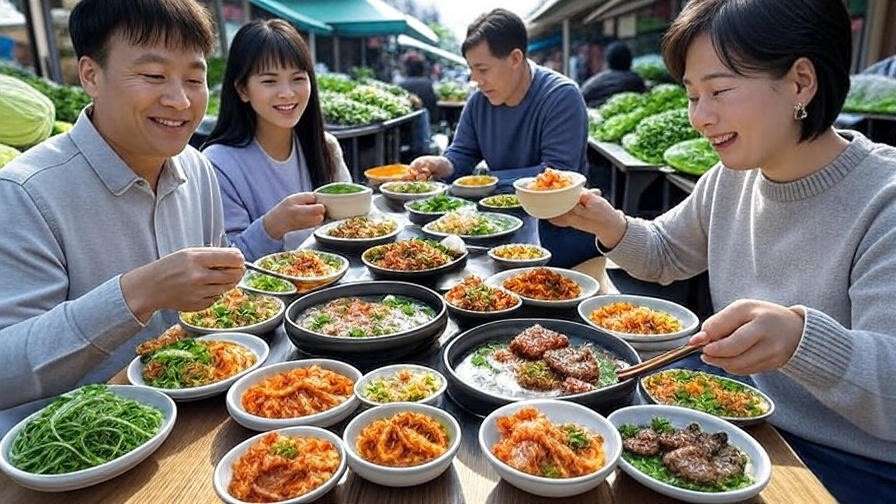
In Korea, haejangguk is more than food—it’s a symbol of care and community. Historically, it was a dish for workers and farmers needing sustenance after long nights, but today, it’s a universal comfort food. From bustling Seoul markets to quaint Jeju Island diners, haejangguk brings people together. K-dramas amplify this, showcasing the dish in heartfelt moments, like in Vincenzo, where characters bond over bowls of spicy soup after a chaotic night. According to Chef Ji-Hyun Park, a renowned Seoul-based restaurateur, “Haejangguk is Korea’s hug in a bowl—it’s about healing, togetherness, and starting fresh.”
The Origins and History of Haejangguk
Historical Roots
The story of haejangguk begins in Korea’s Joseon Dynasty (1392–1897), where it emerged as a practical solution for overindulgence. During this era, rice wine (makgeolli) and soju were common, and hearty soups made with leftover bones and vegetables helped revive weary souls. Originally a peasant dish, haejangguk evolved into a national treasure, with recipes passed down through generations. Historical records, like those in Korean culinary archives, note its use in royal courts as a morning tonic, proving its versatility across social classes.
Regional Variations Across Korea
Korea’s diverse geography shapes haejangguk’s many forms. In Seoul, seonji haejangguk—made with coagulated ox blood, beef, and spicy broth—is a bold favorite. Busan’s dwaeji gukbap, a pork-based version, is lighter but equally comforting. On Jeju Island, seafood haejangguk incorporates fresh fish and clams, reflecting coastal abundance. Here’s a quick comparison:
| Region | Haejangguk Type | Key Ingredients | Flavor Profile |
|---|---|---|---|
| Seoul | Seonji Haejangguk | Ox blood, beef, gochujang | Rich, spicy, umami |
| Busan | Dwaeji Gukbap | Pork bones, rice, scallions | Savory, comforting |
| Jeju | Seafood Haejangguk | Fish, clams, seaweed | Briny, light, fresh |
These variations highlight Korea’s culinary diversity, with each region adding its unique touch to this beloved dish.
Types of Haejangguk: A Flavor for Every Palate
Seonji Haejangguk (Blood Sausage Soup)
Seonji haejangguk is the heavyweight of hangover cures, known for its deep, spicy broth. Made with coagulated ox blood, beef brisket, and vegetables like cabbage and radish, it’s simmered with gochujang and doenjang for a robust flavor. Popular in Seoul’s Gwangjang Market, this version is a favorite for its intense umami and warming qualities, perfect for tackling severe hangovers.
Kongnamul Haejangguk (Bean Sprout Soup)
For a lighter option, kongnamul haejangguk uses soybean sprouts in a clear, anchovy-based broth. Its crisp, refreshing taste makes it ideal for milder hangovers or vegetarian diets (with adjustments). Often featured in K-dramas like Reply 1988, it’s a go-to for quick recovery, with sprouts adding a satisfying crunch and nutrients.
Haejangguk with Seafood or Pork
Coastal regions like Busan serve seafood haejangguk, blending fish, shrimp, or clams with seaweed and chili flakes for a briny, spicy kick. Pork-based versions, like dwaeji gukbap, use pork bones for a rich, savory broth, often paired with rice for heartiness. These variations cater to diverse tastes, ensuring there’s a haejangguk for everyone.
Why Haejangguk Works: The Science Behind the Hangover Cure
Nutritional Benefits
Haejangguk’s effectiveness lies in its nutrient-dense ingredients. Bone broth, a common base, is rich in collagen, electrolytes, and minerals, aiding hydration and digestion. Fermented pastes like doenjang provide probiotics, supporting gut health, while vegetables like cabbage and sprouts deliver vitamins C and K. Spicy elements like gochujang stimulate metabolism, helping the body process alcohol’s aftereffects.
Cultural Wisdom Meets Modern Science
Korean culinary traditions align with modern science. A 2023 study in the Journal of Nutritional Science found that bone broth’s amino acids reduce inflammation, while fermented foods improve gut microbiota. Haejangguk’s high water content rehydrates, and its spices promote sweating, aiding detoxification. Dr. Min-Ji Kim, a Seoul-based nutritionist, notes, “Haejangguk combines hydration, protein, and spice in a way that naturally resets the body after drinking.”
Haejangguk in K-Dramas: A Cultural Touchstone
Iconic Haejangguk Moments in K-Dramas
K-dramas elevate haejangguk to a storytelling star. In Itaewon Class, Saeroyi and his team share kongnamul haejangguk after a night of struggles, symbolizing resilience. Reply 1988 features a family enjoying seonji haejangguk, highlighting warmth and togetherness. These scenes resonate with fans, making haejangguk a cultural bridge between Korea and global audiences.
Why K-Drama Fans Love These Scenes
Haejangguk scenes in K-dramas aren’t just about food—they’re about connection. Whether it’s friends recovering from a breakup or a family healing after conflict, the dish represents care and renewal. For fans, these moments inspire a desire to recreate the experience, blending culinary curiosity with emotional connection to their favorite shows.
Engagement Tip: Have a favorite K-drama haejangguk scene? Share it in the comments below!
How to Make Authentic Haejangguk at Home
Essential Ingredients for Haejangguk
To craft authentic haejangguk, stock up on these staples:
- Beef or pork bones: For a rich broth base.
- Gochujang and doenjang: For spice and umami.
- Vegetables: Cabbage, radish, soybean sprouts, or scallions.
- Optional: Ox blood (for seonji) or seafood (for coastal versions).
- Substitutions: Miso can replace doenjang; chili paste can stand in for gochujang.
Shop at Korean markets like H Mart or online retailers like Weee! for authentic ingredients.
Step-by-Step Recipe for Seonji Haejangguk
Ingredients (Serves 4):
- 1 lb beef brisket
- 1 cup coagulated ox blood (optional, available at Korean markets)
- 4 cups beef bone broth
- 2 tbsp gochujang
- 1 tbsp doenjang
- 1 cup chopped cabbage
- 1 cup sliced radish
- 2 scallions, chopped
- 2 cloves garlic, minced
- 1 tbsp sesame oil
- Salt and pepper to taste
Instructions:
- Boil beef brisket in water for 10 minutes to remove impurities. Drain and rinse.
- In a large pot, simmer beef bones for 4–6 hours to create broth. Strain and reserve 4 cups.
- Heat sesame oil in a pot, sauté garlic, then add gochujang and doenjang. Stir for 1 minute.
- Add broth, brisket, cabbage, and radish. Simmer for 30 minutes.
- If using ox blood, add it in small pieces and cook for 10 more minutes.
- Season with salt, pepper, and scallions. Serve hot with rice.
Chef’s Tip: Simmer bones overnight for deeper flavor, advises Chef Ji-Hyun Park.
Recipe for Kongnamul Haejangguk
Ingredients (Serves 4):
- 2 cups soybean sprouts
- 4 cups anchovy broth (or water with dried anchovies)
- 1 tbsp gochujang
- 1 tsp minced garlic
- 1 tsp sesame oil
- 2 scallions, chopped
- Salt and chili flakes to taste
Instructions:
- Rinse soybean sprouts thoroughly.
- In a pot, heat sesame oil and sauté garlic. Add gochujang and stir for 30 seconds.
- Add broth and bring to a boil. Add sprouts and simmer for 10 minutes.
- Season with salt, chili flakes, and scallions. Serve with rice.
Tip: Use fresh sprouts for maximum crunch.
Where to Find the Best Haejangguk in Korea and Beyond
Iconic Haejangguk Restaurants in Korea
For an authentic haejangguk experience, Korea’s culinary hubs offer unforgettable dining. In Seoul, Gwangjang Market’s Chuncheon Haejangguk (37-1 Yeouido-dong, Yeongdeungpo-gu) is a must-visit, serving steaming bowls of seonji haejangguk for around ₩8,000 ($6 USD). In Busan, Haeundae Gukbap Alley (Haeundae-gu) is famous for dwaeji gukbap, with spots like Seomjingang Gukbap offering pork-based soup for ₩7,000 ($5 USD). On Jeju Island, Dongmun Market’s Jeju Haejangguk specializes in seafood versions, blending fresh fish and clams for ₩10,000 ($8 USD). These eateries, often packed with locals, deliver the true taste of Korea’s hangover cure.
Haejangguk Around the World
Outside Korea, Korean restaurants in global cities bring haejangguk to foodies. In Los Angeles, BCD Tofu House (869 S Western Ave, Koreatown) serves a stellar kongnamul haejangguk for $12–15 USD, perfect for K-drama fans craving authenticity. In New York, Jongro BBQ (22 W 32nd St, Manhattan) offers seonji haejangguk with bold flavors for $14 USD. London’s On the Bab (305 Old St, Shoreditch) features a pork-based version for £10 ($13 USD). To spot authentic haejangguk abroad, look for restaurants using house-made broths and traditional ingredients like gochujang.
Interactive Element: Check out our map of top haejangguk spots worldwide at [insert website link] to plan your next foodie adventure!
Pairing Haejangguk with Korean Drinks and Sides
Traditional Pairings
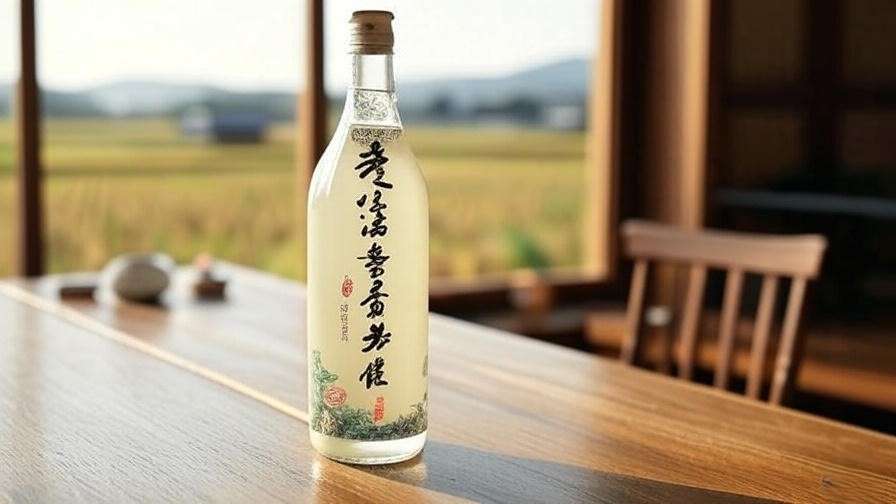
Haejangguk shines alongside classic Korean sides and drinks. Kimchi, with its tangy crunch, balances the soup’s richness, while kkakdugi (cubed radish kimchi) adds a spicy kick. Steamed rice soaks up the broth, making every bite hearty. For drinks, soju is a traditional choice, its clean taste complementing the soup’s bold flavors. Alternatively, makgeolli, a milky rice wine, offers a slightly sweet contrast, especially with seafood haejangguk. These pairings, seen in K-dramas like Crash Landing on You, enhance the communal dining experience.
Modern Twists
For a contemporary spin, pair haejangguk with craft beers, like a light Korean lager such as Hite, which cuts through the spice. Non-alcoholic options like sikhye (sweet rice drink) or barley tea provide refreshing balance. Try this quick side dish to elevate your meal:
Seasoned Soybean Sprouts Recipe (Serves 4):
- Ingredients: 2 cups soybean sprouts, 1 tsp sesame oil, 1 tsp soy sauce, 1 tsp sesame seeds, 1 scallion (chopped).
- Instructions: Blanch sprouts for 1 minute, drain, and toss with sesame oil, soy sauce, sesame seeds, and scallions. Serve chilled.
Engagement Tip: What’s your favorite haejangguk pairing? Share your ideas with #HaejanggukLovers on social media!
Tips for Enjoying Haejangguk Like a Local
Etiquette and Customs
In Korea, haejangguk is a communal dish, often shared from a central pot. Slurping the broth is not only acceptable but a sign of enjoyment, as it cools the soup and enhances flavor. Use a spoon for the broth and chopsticks for solids, and don’t hesitate to ask for extra rice or kimchi—restaurants often provide free refills. Sharing haejangguk reflects Korean values of togetherness, as seen in K-drama scenes where friends gather over a steaming pot.
Common Mistakes to Avoid
When cooking haejangguk, avoid overcooking vegetables, which can turn them mushy and dull their flavor. Don’t skimp on simmering time for bone broth; a rushed broth lacks depth. If using ox blood for seonji haejangguk, handle it carefully to prevent a grainy texture—consult a Korean grocer for tips. For authenticity, steer clear of non-traditional substitutes like sriracha for gochujang. As Busan chef Min-Soo Lee advises, “Patience is key—let the broth develop its soul.”
Frequently Asked Questions (FAQs)
What’s the difference between haejangguk and other Korean soups?
Haejangguk is specifically designed as a hangover remedy, with richer, spicier broths compared to lighter soups like miyeokguk (seaweed soup) or samgyetang (ginseng chicken soup). Its focus on restorative ingredients sets it apart.
Can I make haejangguk without meat?
Yes! Kongnamul haejangguk is naturally vegetarian-friendly when made with anchovy or kelp broth. Swap doenjang for miso if needed, and add mushrooms for umami.
Is haejangguk spicy? How can I adjust the heat?
Most versions are moderately spicy due to gochujang. Reduce heat by using less gochujang or adding more broth. For extra spice, sprinkle chili flakes.
Where can I buy authentic ingredients outside Korea?
Shop at Korean markets like H Mart, or online at Weee! or Amazon. Look for brands like Chung Jung One for gochujang and doenjang.
Which K-dramas feature haejangguk scenes?
Notable examples include Reply 1988 (family bonding over kongnamul), Itaewon Class (team recovery scenes), and Vincenzo (post-party seonji haejangguk).
Haejangguk is more than Korea’s ultimate hangover cure—it’s a cultural icon, a K-drama star, and a dish that brings people together. From its Joseon-era roots to its modern-day presence in Seoul’s bustling markets and global Korean restaurants, this soul-warming soup offers flavors for every palate. Whether you’re savoring seonji haejangguk’s bold umami, enjoying kongnamul’s light crunch, or recreating K-drama moments at home, haejangguk delivers comfort and connection. Try the recipes above, visit a local Korean eatery, or watch classics like Reply 1988 to see haejangguk in action. Share your haejangguk journey with #HaejanggukLovers, and let us know in the comments how you enjoyed this Korean classic!