
Imagine stepping onto an island where ancient fortresses whisper tales of Korea’s storied past, serene temples offer moments of tranquility, and vibrant local markets burst with the flavors of traditional cuisine. Welcome to Ganghwado, a hidden gem just an hour from Seoul, where Korean culture and history come alive in breathtaking ways. Far from the neon-lit streets of K-drama settings, Ganghwado offers travelers an authentic journey into Korea’s heart, blending natural beauty with centuries-old heritage. This comprehensive guide unveils the island’s treasures, providing practical tips and insider insights to plan an unforgettable adventure.
Why Ganghwado is Korea’s Hidden Cultural Treasure
A Brief History of Ganghwado
Ganghwado’s historical significance stretches back millennia, serving as a strategic stronghold for ancient Korean kingdoms. As a gateway to the mainland, it played a pivotal role during the Goryeo Dynasty, fending off Mongol invasions in the 13th century. In the 19th century, the island faced foreign incursions, including the French expedition of 1866 and the American-led Shinmiyangyo conflict of 1871. These events shaped Ganghwado into a symbol of resilience, with its fortresses and dolmens earning UNESCO World Heritage status. According to Dr. Kim Soo-jin, a historian at Seoul National University, “Ganghwado’s layered history reflects Korea’s enduring spirit, making it a must-visit for anyone seeking to understand the nation’s roots.”
The Cultural Appeal for Korean Culture Enthusiasts
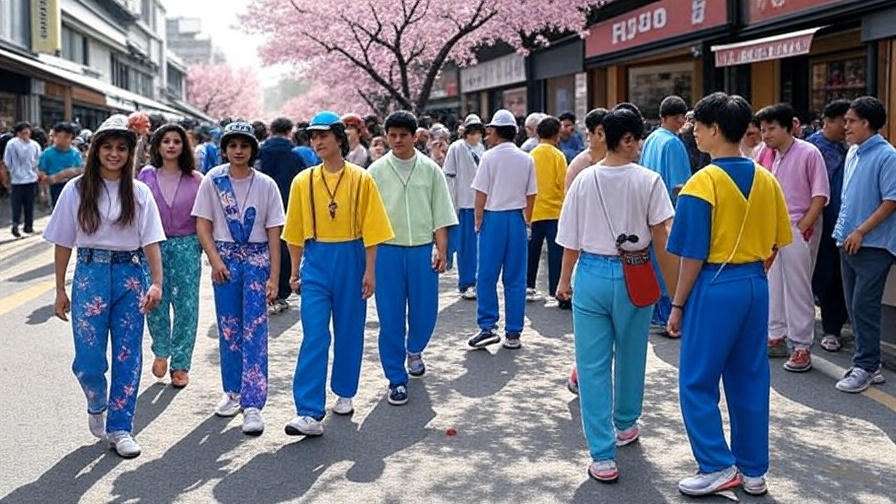
For fans of Korean culture, Ganghwado offers an authentic contrast to the urban glamour of Seoul or Busan, often spotlighted in K-dramas. The island’s traditional markets, ginseng-infused cuisine, and historic sites provide a tangible connection to Korea’s heritage. Unlike Jeju’s tourist-heavy vibe, Ganghwado remains a quieter destination, perfect for those craving immersive experiences. Its festivals, temples, and hanok villages echo the settings of historical dramas, offering a glimpse into the Joseon era and beyond. Whether you’re a K-drama aficionado or a cultural explorer, Ganghwado delivers an unparalleled journey.
Top Historical Sites to Explore on Ganghwado
Gwangseongbo Fortress
Perched along Ganghwado’s rugged coastline, Gwangseongbo Fortress is a testament to Korea’s defensive prowess during the Joseon Dynasty. Built in the 17th century, it played a critical role during the 1871 Shinmiyangyo conflict, where Korean forces bravely resisted American troops. Visitors can walk the fortress walls, marvel at panoramic sea views, and explore restored cannons. The best time to visit is spring or fall, when mild weather enhances the scenic trails. For an enriching experience, join a guided tour offered by the Ganghwa History Museum, which provides detailed accounts of the fortress’s past.
Ganghwa Dolmen Sites (UNESCO World Heritage)
Ganghwado’s dolmen sites, recognized by UNESCO, offer a window into Korea’s prehistoric past. These megalithic tombs, dating back to the Bronze Age, are among the largest and best-preserved in Asia. The most famous, Gochang, Hwasun, and Ganghwa Dolmen Sites, showcase massive stone structures used for burial rituals. The Ganghwa Dolmen Visitor Center provides interactive exhibits and guided tours, ideal for history buffs. Photographers should visit at sunrise for dramatic lighting, and comfortable shoes are a must for navigating the uneven terrain. These sites are a powerful reminder of Korea’s ancient ingenuity.
Jeondeungsa Temple
Nestled in a lush valley, Jeondeungsa Temple is a spiritual haven dating back to the 4th century. Its intricate wooden architecture and serene courtyards make it a highlight for visitors seeking peace and cultural insight. The temple offers stay programs, allowing guests to participate in meditation, tea ceremonies, and Buddhist rituals. “Jeondeungsa is a place where visitors can connect with Korea’s spiritual heritage,” says Monk Hyeon-woo, a resident guide. Visit in autumn for vibrant foliage, and book temple stays in advance through the official Korea Tourism Organization website for an authentic experience.
Immersing in Ganghwado’s Cultural Experiences
Local Festivals and Traditions
Ganghwado’s cultural calendar is packed with vibrant festivals that celebrate its agricultural and historical roots. The Ganghwa Ginseng Festival, held every October, showcases the island’s renowned ginseng, a staple in Korean wellness. Visitors can participate in harvesting demonstrations, taste ginseng-infused dishes, and shop for local products. The Ganghwa Seodol Festival, another highlight, features traditional performances and markets. Plan your visit during these events for a lively atmosphere, and check the Ganghwa Tourism website for exact dates. Engaging in these festivals offers a deep dive into the island’s community spirit.
Traditional Korean Food on Ganghwado
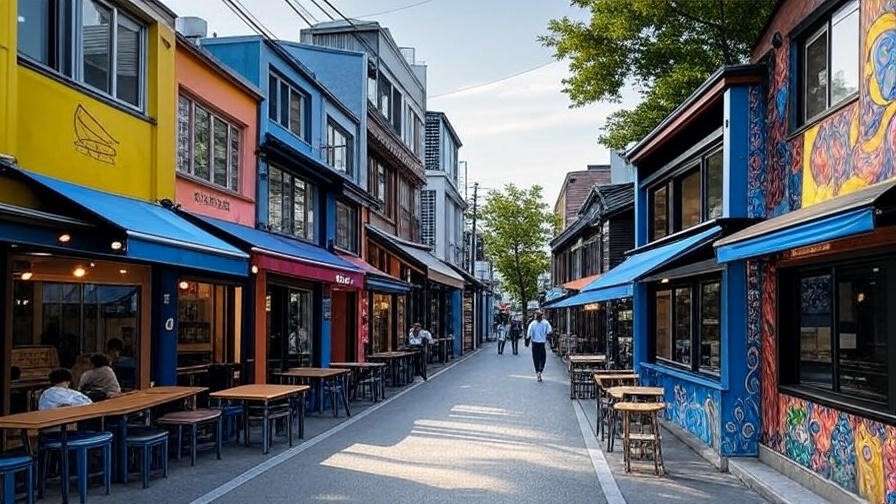
Ganghwado’s culinary scene is a delight for food lovers, with dishes that reflect its coastal and agricultural bounty. Try the island’s signature turnip kimchi, a tangy delicacy, or fresh seafood like raw crab marinated in soy sauce. Ginseng, a local specialty, appears in everything from teas to stews. For an authentic experience, visit Ganghwa Market, where vendors serve hearty meals like ginseng chicken soup. Chef Park Ji-hyun, a local culinary expert, notes, “Ganghwado’s cuisine is a celebration of its land and sea, offering flavors you won’t find elsewhere.” Bring cash for smaller stalls, and don’t miss the island’s craft rice wine, makgeolli.
Hands-On Cultural Activities
For a truly immersive experience, Ganghwado offers workshops that bring its traditions to life. Try your hand at pottery making at a local studio or join a ginseng harvesting tour during the fall season. Hanbok rental shops allow visitors to dress in traditional Korean attire for photos at historic sites. One traveler, Sarah Lee, shared, “Wearing a hanbok at Jeondeungsa Temple made me feel like I stepped into a historical drama.” Book workshops through local tour operators like Ganghwa Culture Tour, and reserve spots early for popular activities. These experiences create lasting memories and deepen your connection to Korean culture.
Natural Beauty and Outdoor Adventures
Ganghwado’s Scenic Trails and Beaches
Ganghwado’s natural landscapes are as captivating as its history. Mani Mountain offers moderate hiking trails with sweeping views of the island’s coastline and rice fields. The trail takes about two hours to complete, making it ideal for casual hikers. Donggeom Beach, with its sandy shores and calm waters, is perfect for a relaxing stroll or picnic. Pack sturdy shoes for trails and sunscreen for beach visits. Spring and fall offer the best weather, with cherry blossoms or autumn leaves adding vibrant hues to your adventure.
Birdwatching and Ecological Wonders
Ganghwado is a haven for birdwatchers, serving as a key stopover for migratory birds along the East Asian-Australasian Flyway. Species like black-faced spoonbills and red-crowned cranes can be spotted at the Ganghwa Tidal Flat. The Ganghwa Birdwatching Center offers guided eco-tours, complete with binoculars and expert commentary. “The island’s biodiversity is a treasure for conservationists and nature lovers alike,” says Dr. Choi Min-jae, a local ecologist. Visit between October and March for peak birdwatching, and bring a notebook to log your sightings.
Sunset Views and Photography Spots
Ganghwado’s landscapes are a photographer’s dream, with golden sunsets illuminating its forts and beaches. The Seondu Observation Deck offers unobstructed views of the Han River estuary, perfect for capturing twilight shots. For optimal photos, use a wide-angle lens and shoot during the golden hour, just before sunset. Seasonal highlights include cherry blossoms in spring and fiery foliage in fall. Share your photos on social media with #GanghwadoViews to connect with other travelers and inspire your audience.
Practical Guide to Visiting Ganghwado
How to Get to Ganghwado
Ganghwado’s proximity to Seoul makes it an accessible escape for travelers. The most convenient option is by bus from Seoul’s Sinchon Station, with frequent departures to Ganghwa Bus Terminal (about 1.5 hours, costing around 5,000–7,000 KRW). For those driving, the Ganghwa Bridge connects the island to the mainland, with a 1-hour drive from central Seoul. Ferries from Yeongjongdo offer a scenic alternative, taking approximately 30 minutes. Check the Korea Tourism Organization’s website for updated schedules and fares. For budget travelers, public buses are reliable, but renting a car offers flexibility to explore remote sites.
Best Time to Visit
Ganghwado shines year-round, but each season offers distinct experiences. Spring (March–May) brings cherry blossoms and mild weather, ideal for hiking and photography. Summer (June–August) is vibrant but humid, with lush greenery and beach activities. Fall (September–November) is a favorite for its crisp air, colorful foliage, and festivals like the Ganghwa Ginseng Festival. Winter (December–February) offers a quieter visit, with fewer crowds and serene temple views. Pack layers for cooler months and lightweight clothing for summer. Checking weather forecasts via Korea’s Meteorological Administration ensures you’re prepared.
Where to Stay
Ganghwado caters to various budgets and preferences. For an authentic experience, book a hanok stay at places like Ganghwa Hanok Village, where traditional Korean homes offer modern comforts (around 80,000–150,000 KRW per night). Hotels like Ganghwa Marina Resort provide scenic views and amenities for families (100,000–200,000 KRW). Budget travelers can opt for guesthouses or hostels near Ganghwa Market, starting at 30,000 KRW. Use trusted platforms like Booking.com or Agoda for reservations, and book early during festival seasons to secure spots.
Planning Your Itinerary
To make the most of Ganghwado, tailor your itinerary to your interests. For a 2-day trip, spend Day 1 exploring Gwangseongbo Fortress and the Ganghwa Dolmen Sites, followed by dinner at Ganghwa Market. On Day 2, visit Jeondeungsa Temple and hike Mani Mountain. For a 3-day itinerary, add a birdwatching tour at the tidal flats and a cultural workshop like pottery making. Solo travelers can join group tours for convenience, while families might prefer leisurely beach visits. Download the Visit Korea app for real-time maps and attraction details.
Why Ganghwado Stands Out for K-Drama Fans
Connections to Korean Dramas
Ganghwado’s historical sites and picturesque landscapes have made it a backdrop for several K-dramas, particularly historical series. Fortresses like Gwangseongbo and the island’s hanok villages evoke the Joseon-era settings of dramas like The King’s Affection and Moonlight Drawn by Clouds. The island’s untouched charm contrasts with Seoul’s urban K-drama locations, offering fans a chance to step into a more authentic historical narrative. Local guides often share anecdotes about filming locations, adding excitement for drama enthusiasts visiting the island.
Recreating the K-Drama Experience
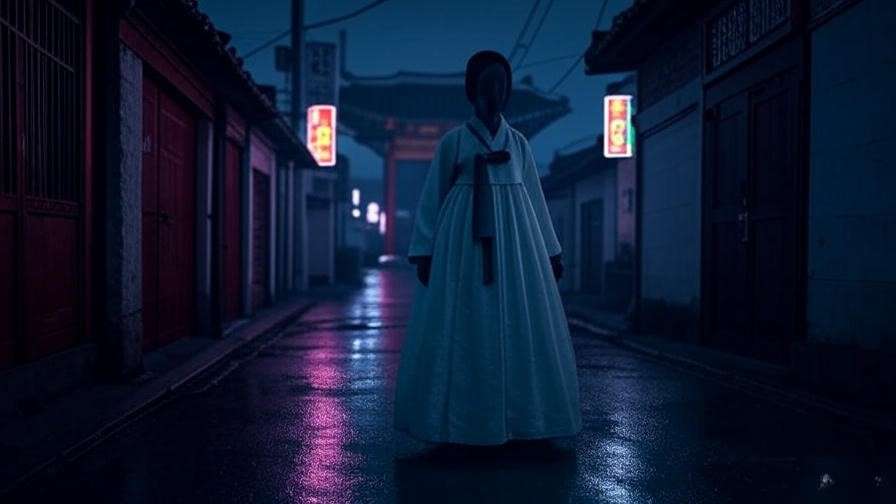
K-drama fans can immerse themselves in Ganghwado’s cinematic allure by renting a hanbok and posing at Jeondeungsa Temple or Gwangseongbo Fortress. These sites, with their traditional architecture and scenic backdrops, create perfect photo ops that capture the drama aesthetic. For example, traveler Emma Park shared, “Wearing a hanbok at the fortress felt like I was the heroine of my own sageuk drama.” Book hanbok rentals through local shops near major sites, and plan your visit during early morning hours to avoid crowds and get the best lighting.
Insider Tips for an Authentic Ganghwado Experience
- Explore Off-the-Beaten-Path: Skip the main tourist trails and visit smaller sites like Chamseongdan Altar, a sacred spot for ancient rituals, or cozy cafes like Seaside Coffee for local vibes.
- Respect Cultural Etiquette: When visiting temples, dress modestly and speak softly. Remove shoes before entering sacred spaces, and ask permission before photographing monks or ceremonies.
- Shop Smart: Bargain gently at Ganghwa Market for souvenirs like ginseng products or handmade crafts. Carry small bills for convenience.
- Connect with Locals: Join a guided tour or chat with vendors to learn untold stories about Ganghwado’s history and culture.
- Stay Connected: Rent a portable Wi-Fi device from Incheon Airport for navigation and real-time translation apps like Papago to communicate easily.
Frequently Asked Questions (FAQs)
What is Ganghwado Known For?
Ganghwado is renowned for its historical significance, including UNESCO-listed dolmen sites, Joseon-era fortresses, and ancient temples. Its ginseng production, vibrant festivals, and natural beauty make it a cultural and ecological treasure.
How Many Days Do I Need to Explore Ganghwado?
A 2–3 day trip is ideal to cover major sites, cultural activities, and outdoor adventures. A weekend getaway suits history buffs, while a longer stay allows for deeper exploration of festivals and nature trails.
Is Ganghwado Suitable for Families or Solo Travelers?
Absolutely. Families can enjoy beaches and easy trails, while solo travelers will appreciate the island’s safe, welcoming vibe and guided tours. Group activities like workshops cater to all types of visitors.
What Are the Must-Try Foods on Ganghwado?
Don’t miss turnip kimchi, ginseng chicken soup, and fresh seafood like marinated crab. Visit Ganghwa Market or restaurants like Seomhyanggi for authentic flavors.
How Does Ganghwado Compare to Other Korean Islands Like Jeju?
Unlike Jeju’s tourist-heavy resorts, Ganghwado offers a quieter, more authentic experience with a focus on history and local culture. It’s closer to Seoul, making it ideal for short trips.
Ganghwado is more than an island—it’s a gateway to Korea’s soul, where ancient fortresses, sacred temples, and vibrant traditions create an unforgettable journey. Whether you’re a K-drama fan seeking cinematic inspiration, a history enthusiast exploring UNESCO sites, or a nature lover chasing sunsets, Ganghwado delivers. Plan your trip with this guide, embrace the island’s authentic charm, and share your experiences in the comments below. Ganghwado awaits—start your adventure today!