
Imagine standing in the heart of Busan’s Jagalchi Fish Market, where the salty breeze carries the chatter of vendors and the glint of silver scales catches the morning light. The fish of Korea are more than just seafood—they’re a vibrant thread woven into the nation’s cultural tapestry, from ancient fishing villages to the emotional narratives of K-dramas. Whether you’re a Korean culture enthusiast, a foodie craving authentic flavors, or a traveler planning a trip, understanding the role of fish in Korea unlocks a deeper appreciation of its traditions and modern allure. In this comprehensive guide, we dive into the cultural significance, iconic species, culinary delights, and travel tips that make Korea’s fish culture a must-explore. Drawing on firsthand experiences in Korean markets and insights from culinary experts, this journey will inspire you to savor Korea’s aquatic treasures.
The Cultural Significance of Fish in Korea
Fish in Korean History and Folklore
 Fish have shaped Korea’s coastal communities for centuries, serving as a lifeline for sustenance and trade. In ancient times, fishing villages along the Yellow Sea and East Sea thrived, with families mastering techniques like net-casting and seaweed harvesting. According to Dr. Kim Soo-jin, a cultural historian at Seoul National University, fish were revered as symbols of abundance and resilience in Korean folklore. Stories like the legend of the sacred carp, believed to guide lost sailors, highlight their spiritual significance. In shamanic rituals, fish often represented offerings to appease sea spirits, a practice still echoed in coastal festivals today.
This deep connection to the sea fostered a unique identity, especially in regions like Jeju Island, where women divers, known as haenyeo, harvested fish and shellfish. Their legacy, recognized by UNESCO as Intangible Cultural Heritage, underscores the enduring bond between Koreans and their marine environment.
Symbolism of Fish in Korean Dramas and Media
For fans of Korean dramas, fish often carry emotional weight, symbolizing family ties or personal struggles. In Hometown Cha-Cha-Cha, a coastal rom-com, fishing scenes reflect the protagonist’s journey to find belonging. Similarly, in Crash Landing on You, a fish market becomes a backdrop for heartfelt reunions. These moments resonate because fish are more than props—they evoke Korea’s communal spirit and connection to nature.
K-dramas often use fish to highlight authenticity, with characters sharing meals of grilled mackerel or raw fish (hwe) to bond. As media scholar Park Ji-hoon notes, “Fish in K-dramas are a shorthand for home, evoking nostalgia for rural life.” For global fans, these scenes offer a window into Korea’s soul, making fish a cultural bridge.
Iconic Fish Species of Korea
Popular Fish in Korean Waters
 Korea’s seas teem with diverse species that define its cuisine and culture. Below is a table of key fish, their Korean names, and their culinary uses:
| English Name | Korean Name | Common Uses |
|---|---|---|
| Mackerel | Godeungeo | Grilled, stewed, or pickled |
| Anchovy | Myeolchi | Stir-fried, broth base |
| Yellowtail | Bang-eo | Raw sashimi, grilled |
| Flatfish | Gwang-eo | Steamed, raw in hwe |
Mackerel, a staple in Korean households, is prized for its rich flavor and affordability. Anchovies, small but mighty, form the backbone of Korean broths, adding umami depth. Yellowtail and flatfish shine in high-end hwe restaurants, where their delicate textures are celebrated. These species thrive in Korea’s coastal waters, shaped by the peninsula’s unique geography.
Sustainable Fishing and Environmental Efforts
Korea balances its fishing heritage with modern sustainability efforts. The Ministry of Oceans and Fisheries has implemented quotas and marine protected areas to preserve stocks, especially for species like mackerel and anchovy. Organizations like the Korea Fisheries Resources Agency promote eco-friendly practices, such as reducing bycatch and protecting spawning grounds. For environmentally conscious readers, this commitment ensures that Korea’s fish culture remains vibrant for generations. The 2023 Korea Seafood Sustainability Report highlights a 15% reduction in overfishing since 2015, showcasing progress.
Fish in Korean Cuisine: A Culinary Deep Dive
Signature Fish Dishes in Korean Food Culture
 Korean cuisine transforms fish into dishes that are both soulful and sophisticated. Hwe, thinly sliced raw fish served with chojang (soy-vinegar sauce), is a coastal delicacy, often enjoyed with soju. Godeungeo Gui, or grilled mackerel, is a home-cooked favorite, its crispy skin and smoky flavor pairing perfectly with rice and banchan (side dishes). Myeolchi Bokkeum, stir-fried anchovies with soy and sesame, offers a sweet-salty crunch that’s addictive.
Quick Recipe: Grilled Mackerel (Godeungeo Gui)
- Ingredients: 2 mackerel fillets, 1 tbsp soy sauce, 1 tsp sesame oil, 1 tsp minced garlic, salt.
- Instructions:
- Pat fillets dry and lightly salt.
- Mix soy sauce, sesame oil, and garlic for a marinade.
- Brush marinade on fillets and grill over medium heat for 3–4 minutes per side.
- Serve with rice and kimchi.
This recipe, inspired by visits to Seoul’s Gwangjang Market, is beginner-friendly and captures authentic Korean flavors.
Regional Variations in Fish Cuisine
Korea’s regions offer distinct takes on fish dishes. In Busan, Jagalchi Market serves spicy Nakji Bokkeum (stir-fried octopus) alongside fresh hwe. Jeju Island, known for its pristine waters, specializes in Galchi Jorim (braised hairtail fish), a hearty dish with radish and red pepper. Incheon’s Soraepogu Market is famous for its crab-stuffed fish cakes, blending sweet and savory. As Chef Lee Min-soo of Busan’s Haeundae district shares, “Each region’s fish dishes tell a story of its people and sea.” These variations reflect Korea’s diverse culinary landscape, inviting exploration.
Fish in Korean Street Food and Markets
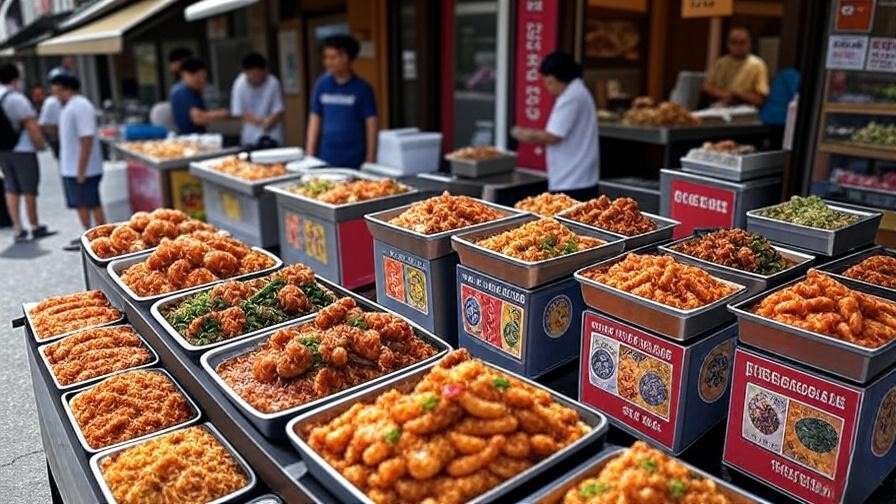
 Korea’s street food scene pulses with fish-based delights. At Seoul’s Noryangjin Fish Market, vendors skewer eomuk (fish cakes) and serve them in steaming broth, perfect for chilly evenings. Gwangjang Market offers bungeoppang, fish-shaped pastries filled with custard, a nod to Korea’s playful fish imagery. These markets are sensory playgrounds, where the aroma of grilled fish and the hum of crowds create unforgettable experiences. For travelers, sampling eomuk at a street stall is an accessible entry into Korea’s fish culture.
Experiencing Korea’s Fish Culture as a Traveler
Best Places to Explore Fish Markets and Seafood
Korea’s fish markets are cultural landmarks. Here’s a curated list of must-visit spots:
- Jagalchi Fish Market (Busan): Korea’s largest seafood market, offering fresh hwe and guided tours. Open 5 AM–9 PM, closed Tuesdays.
- Noryangjin Fish Market (Seoul): A 24/7 hub with auctions and restaurants. Try sannakji (live octopus) for an adventurous meal.
- Soraepogu Fish Market (Incheon): Known for its crab and fish cake stalls, ideal for budget travelers.
Travel Tip: Bring cash for small vendors and learn basic phrases like “Igeo eolmaeyo?” (How much is this?) to navigate markets confidently.
Fish-Related Festivals and Events
 Korea’s fish culture comes alive during vibrant festivals that celebrate its maritime heritage. The Busan Jagalchi Festival, held annually in October, transforms Busan’s waterfront into a lively celebration of seafood, featuring cooking competitions, fish auctions, and cultural performances. Visitors can sample fresh hwe and watch haenyeo divers demonstrate their skills. Similarly, the Incheon Soraepogu Fish Market Festival in September offers crab-catching contests and seafood tastings, drawing foodies and families alike. According to the Korea Tourism Organization, these events attracted over 500,000 visitors in 2024, highlighting their global appeal. Attending these festivals offers travelers an immersive way to connect with Korea’s coastal traditions.
Travel Tip: Check festival dates on official tourism websites like visitkorea.or.kr to plan your visit, and book accommodations early for popular events like Jagalchi.
Tips for Enjoying Fish Dishes Authentically
To fully embrace Korea’s fish cuisine, understanding dining etiquette is key. Use chopsticks to pick apart grilled fish, starting from the backbone, and pair dishes with soju or makgeolli for an authentic experience. If you’re new to hwe, dip the fish lightly in chojang sauce to enhance its natural flavor. For travelers with dietary restrictions, many restaurants offer vegetarian banchan or can customize dishes—don’t hesitate to ask, even with a language barrier. Apps like Papago can help translate menus or communicate requests.
Practical Tip: If raw fish feels intimidating, start with cooked dishes like eomuk or godeungeo gui to ease into Korea’s seafood culture. For hygiene-conscious diners, reputable markets like Noryangjin ensure fresh, safe seafood, often prepared on-site.
Fish in Modern Korean Culture
Fish in Contemporary K-Pop and Media
 Fish continue to make waves in Korea’s modern pop culture, especially in K-pop and variety shows. In episodes of Running Man, idols like Song Ji-hyo visit fish markets, competing in challenges like catching live octopus, delighting fans with their reactions. Similarly, BTS In the Soop features the group cooking grilled fish by a serene lake, showcasing the comfort of simple seafood meals. These moments resonate with global audiences, blending Korea’s fish culture with its entertainment juggernaut. As media analyst Choi Eun-kyung observes, “Fish in K-pop content humanizes idols, connecting them to everyday Korean life.” For fans, these scenes inspire curiosity about Korea’s culinary traditions.
SEO Tip: Optimize for niche queries like “fish in K-pop shows” or “BTS cooking seafood” to capture engaged K-pop audiences.
The Role of Fish in Korean Wellness and Beauty
 Korea’s beauty industry, a global leader, incorporates fish-derived ingredients for their health benefits. Fish collagen, extracted from scales, is a star in K-beauty supplements and skincare products, promising radiant skin and joint health. Brands like Dr. Jart+ and The Face Shop use marine-based ingredients in masks and serums, drawing on Korea’s seafood heritage. A 2023 study in the Journal of Cosmetic Dermatology found that fish collagen improves skin elasticity by 12% after eight weeks, adding scientific credibility to these products. For wellness enthusiasts, fish-based omega-3 supplements are also popular in Korea, reflecting a holistic approach to health.
Expert Insight: Dermatologist Dr. Lee Hye-jin from Seoul notes, “Fish collagen is prized for its bioavailability, making it a staple in Korean beauty routines.” This fusion of tradition and innovation underscores fish’s enduring relevance.
Why Fish Matter to Korean Culture Enthusiasts
For fans of Korean culture, fish are a gateway to understanding the nation’s heart and soul. They appear in the rustic meals of K-dramas, the bustling energy of street markets, and the innovative products of K-beauty, tying together Korea’s past and present. Exploring fish culture deepens appreciation for K-dramas’ emotional storytelling, inspires culinary adventures, and enriches travel experiences. Whether you’re watching a tearful K-drama scene or savoring hwe at a seaside restaurant, fish connect you to Korea’s vibrant identity.
Call to Action: Try a Korean fish dish at a local restaurant, watch a K-drama featuring coastal life, or plan a visit to Jagalchi Market to immerse yourself in this cultural treasure.
FAQs
What are the most popular fish dishes in Korea?
Popular dishes include hwe (raw fish), godeungeo gui (grilled mackerel), myeolchi bokkeum (stir-fried anchovies), and eomuk (fish cakes), each reflecting Korea’s diverse culinary traditions.
How do fish feature in Korean dramas?
Fish often symbolize home, family, or struggle in K-dramas, appearing in market scenes or shared meals, as seen in Hometown Cha-Cha-Cha and Crash Landing on You.
Where can I experience authentic Korean fish markets as a tourist?
Visit Jagalchi Market in Busan, Noryangjin in Seoul, or Soraepogu in Incheon for vibrant seafood experiences, with fresh dishes prepared on-site.
Are there vegetarian alternatives to fish-based Korean dishes?
Yes, many restaurants offer vegetarian banchan or tofu-based dishes. Ask for “no fish” (saengseon eopshi) to customize your meal.
How is Korea addressing sustainable fishing?
Korea enforces fishing quotas and marine protected areas, with initiatives by the Ministry of Oceans and Fisheries reducing overfishing by 15% since 2015.
From ancient folklore to modern K-pop, the fish of Korea weave a rich narrative of culture, cuisine, and community. They star in soulful dishes like godeungeo gui, animate the drama of coastal markets, and inspire global fans through K-dramas and beauty trends. This journey through Korea’s aquatic heritage offers practical insights for travelers, foodies, and culture enthusiasts, inviting you to savor its flavors and stories. Share your favorite Korean fish dish or K-drama moment in the comments below, and let’s celebrate the vibrant world of Korea’s fish culture together.