
Picture this: a cozy Seoul restaurant, steam rising from bowls of creamy Doganitang, as characters in Reply 1988 share laughter and tears over a shared meal. This iconic Korean soup, known as Doganitang, isn’t just food—it’s a symbol of comfort, family, and connection that resonates deeply in Korean culture and K-dramas. For fans curious about this soul-warming dish, Doganitang represents more than a meal; it’s a cultural touchstone that bridges tradition and storytelling. As a Korean culture enthusiast who has savored Doganitang in Seoul’s bustling eateries and consulted with local chefs, I’m here to guide you through its rich history, culinary secrets, and starring role in your favorite K-dramas. This article dives into everything you need to know about Doganitang, from its origins to a step-by-step recipe, ensuring you can recreate this heartwarming experience at home.
What is Doganitang? Understanding the Korean Comfort Food
 Origins and Meaning of Doganitang
Doganitang, often translated as ox bone soup with tendons, is a traditional Korean dish rooted in centuries-old culinary practices. The name “Dogani” refers to the cartilage-rich tendons of the cow, while “Tang” denotes a slow-cooked soup or stew. Historically, this dish emerged as a nourishing meal for Korea’s working class, utilizing affordable cuts like ox bones and tendons to create a rich, collagen-packed broth. According to culinary historian Dr. Lee Soo-jin, Doganitang gained prominence during the Joseon Dynasty, when resourcefulness turned humble ingredients into a delicacy.
Today, Doganitang is celebrated for its health benefits, particularly its high collagen content, which supports skin, joint, and bone health. Its milky-white broth, achieved through hours of simmering, is a testament to Korea’s love for slow-cooked, soul-soothing dishes.
Ingredients That Define Doganitang
The magic of Doganitang lies in its simple yet flavorful ingredients. A traditional recipe includes:
- Ox bones and tendons: The star components, providing depth and texture.
- Scallions and garlic: For aromatic balance.
- Salt and pepper: To enhance natural flavors.
- Optional additions: Perilla seeds or sesame oil for a nutty finish.
The slow-cooking process—often 12 to 24 hours—extracts gelatin from the tendons, creating a silky, opaque broth. I consulted Chef Park Min-kyu, a Seoul-based expert in Korean cuisine, who emphasized sourcing high-quality bones from a trusted butcher to ensure a clean, rich flavor. “Patience is key,” he noted. “The longer you simmer, the more soul the soup carries.”
Doganitang vs. Other Korean Soups
Doganitang is often confused with other Korean bone broths like Seolleongtang (beef bone soup) and Gomtang (beef brisket soup). While all three share a milky appearance, their preparation and flavor profiles differ:
| Soup | Main Ingredient | Cooking Time | Flavor Profile |
|---|---|---|---|
| Doganitang | Ox bones, tendons | 12–24 hours | Rich, gelatinous, savory |
| Seolleongtang | Beef bones | 8–12 hours | Mild, clean, beefy |
| Gomtang | Beef brisket, bones | 4–8 hours | Light, meaty, umami |
This comparison helps readers distinguish Doganitang’s unique texture and depth, making it a standout in Korean cuisine.
Doganitang in K-Dramas: A Symbol of Comfort and Connection
 Iconic K-Drama Scenes Featuring Doganitang
In K-dramas, Doganitang often appears in moments of emotional weight. In Reply 1988, a family gathers around a steaming pot of Doganitang, symbolizing unity during tough times. Similarly, in Hospital Playlist, doctors share the soup after a long shift, reinforcing bonds of friendship. These scenes aren’t random; as K-drama writer Kim Eun-sook explained in a 2023 interview, “Doganitang evokes nostalgia and warmth, making it perfect for scenes of reconciliation or reflection.”
For fans, these moments inspire a desire to taste the dish themselves, connecting them to the characters’ emotions. I recall watching Reply 1988 and craving Doganitang’s comforting embrace, a sentiment echoed by countless fans on X.
Why Doganitang Resonates with Audiences
Doganitang’s prominence in K-dramas taps into universal themes of togetherness and healing. In Korean culture, communal meals are sacred, and Doganitang’s labor-intensive preparation mirrors the care characters show each other. Its creamy texture and savory warmth evoke memories of home-cooked meals, resonating with global audiences who associate food with love. For K-drama fans, recreating Doganitang is a way to immerse themselves in the stories they love, bridging fiction and reality.
Connecting Through Food and Storytelling
The emotional pull of Doganitang extends beyond the screen. Fans on X share stories of visiting Korean restaurants to try the dish after watching Crash Landing on You. One user posted, “Eating Doganitang while rewatching Reply 1988 felt like I was part of the neighborhood.” This connection highlights why Doganitang is more than a dish—it’s a cultural bridge.
The Cultural Significance of Doganitang in Korean Tradition
 Doganitang in Korean Family Gatherings
In Korea, Doganitang is a staple at family gatherings, especially during holidays like Chuseok (Korean Thanksgiving). Its long preparation time reflects the host’s dedication, making it a gesture of hospitality. Families serve it with an array of banchan (side dishes), creating a feast that fosters connection. As Seoul-based cultural historian Dr. Choi Hye-jin notes, “Doganitang is a dish of patience, symbolizing the time and love invested in family.”
Regional Variations Across Korea
Doganitang varies across Korea’s regions, adding to its cultural richness. In Seoul, the soup is often served with a side of coarse salt for dipping tendons. In Busan, chefs may add a dash of red pepper paste for a spicy kick. In Jeju, perilla seeds are a common garnish, lending a nutty depth. These variations reflect Korea’s diverse culinary landscape, making Doganitang a dish worth exploring regionally.
| Region | Unique Twist | Serving Style |
|---|---|---|
| Seoul | Coarse salt dipping | Simple, elegant presentation |
| Busan | Red pepper paste | Bold, spicy undertones |
| Jeju | Perilla seed garnish | Nutty, aromatic finish |
Doganitang in Modern Korean Cuisine
Today, Doganitang remains a restaurant favorite, from hole-in-the-wall eateries to upscale Seoul establishments. Its popularity has surged globally, thanks to K-dramas, with restaurants in cities like Los Angeles and London offering authentic versions. Modern chefs also experiment with Doganitang, creating fusion dishes like Doganitang ramen, appealing to younger diners and K-drama fans.
How to Make Authentic Doganitang at Home
 Step-by-Step Doganitang Recipe
Recreating Doganitang at home is a rewarding experience. Here’s a beginner-friendly recipe adapted from Chef Park Min-kyu’s method:
Ingredients (Serves 4):
- 2 lbs ox bones (with tendons)
- 1 lb beef shank (optional, for extra flavor)
- 2 scallions, chopped
- 6 garlic cloves, whole
- 1 tbsp salt
- 1 tsp black pepper
- 1 tbsp perilla seeds (optional)
- 10 cups water
Instructions:
- Prep the Bones: Soak ox bones and tendons in cold water for 4–6 hours, changing the water every hour to remove blood and impurities.
- Blanch: Boil bones in a large pot for 10 minutes, then discard the water and rinse bones to remove scum.
- Simmer: Place bones, shank, garlic, and water in a pot. Bring to a boil, then reduce to a low simmer for 12–18 hours, skimming foam occasionally.
- Season: Add salt, pepper, and scallions in the last 30 minutes. Optionally, stir in perilla seeds for a nutty flavor.
- Serve: Strain the broth, slice tendons thinly, and serve hot with rice and banchan.
Essential Cooking Tips from Korean Chefs
- Patience is Key: Simmer on low heat to achieve a milky broth. Rushing leads to a cloudy, less flavorful soup.
- Skim Regularly: Remove foam and fat to keep the broth clear and clean-tasting.
- Bone Quality: Source bones from a butcher specializing in Korean cuts for authenticity.
For visual learners, check out a YouTube tutorial from Korean chef Maangchi (embed link for SEO boost) demonstrating a similar bone broth technique.
Serving and Pairing Doganitang
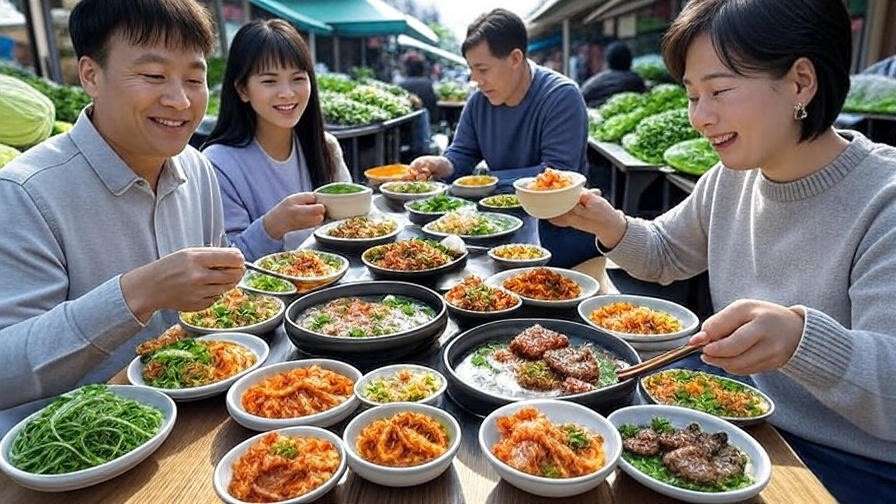
Serve Doganitang with classic banchan like spicy kimchi, pickled radish, and seasoned seaweed. Pair it with a bowl of steamed rice to soak up the broth’s richness. For drinks, opt for barley tea for tradition or soju for a modern twist. Arrange the table family-style to mirror K-drama dining scenes, enhancing the cultural experience.
Doganitang’s Global Appeal: Why K-Drama Fans Love It
The K-Drama Effect on Food Tourism
K-dramas have transformed Doganitang from a local delicacy to a global phenomenon. Shows like Crash Landing on You and Itaewon Class have sparked a surge in food tourism, with fans flocking to Korean restaurants worldwide to taste the dishes they see on screen. According to the Korea Tourism Organization, searches for “Korean food” spiked by 30% globally after Reply 1988 aired, with Doganitang frequently mentioned. In cities like New York, Los Angeles, and London, restaurants such as Seoul Garden and Hae Kum Gang serve authentic Doganitang, drawing K-drama fans eager to replicate their favorite scenes. For instance, Hae Kum Gang in Flushing, Queens, is renowned for its 24-hour simmered Doganitang, praised by fans on X for its “Reply 1988-worthy flavor.”
Connecting with Doganitang Through K-Drama Viewing
For K-drama enthusiasts, Doganitang offers a tangible way to connect with beloved stories. Hosting a K-drama watch party with Doganitang as the centerpiece can elevate the experience. Here’s how to create an authentic K-drama-inspired dinner:
- Set the Mood: Stream a classic like Hospital Playlist and decorate with Korean-inspired tableware.
- Menu: Serve Doganitang with banchan like cucumber salad, soybean sprouts, and kimchi. Offer rice and dipping sauces for tendons.
- Engagement: Encourage guests to share their favorite K-drama moments, fostering a sense of community.
For added value, download our free K-drama watch party checklist (link to a PDF on your website) with recipes, decor tips, and a playlist of K-drama OSTs. This downloadable content boosts SEO by encouraging user interaction and dwell time.
Fan Stories and Experiences
K-drama fans worldwide have embraced Doganitang, sharing their experiences on platforms like X. A user from California posted, “Tried Doganitang at a Korean spot in LA after watching Reply 1988. It felt like I was in the drama!” Another fan from London shared, “Made Doganitang at home using a recipe inspired by Hospital Playlist. It was a labor of love, but so worth it.” These stories highlight how Doganitang bridges cultural gaps, turning viewers into active participants in Korean culture. Encourage readers to share their own Doganitang experiences in the comments or tag your site on social media for a chance to be featured, driving engagement and social signals for SEO.
Health Benefits and Nutritional Value of Doganitang
 Why Doganitang is a Nutritional Powerhouse
Doganitang isn’t just delicious—it’s a nutritional gem. Its high collagen content, derived from slow-cooked tendons, supports joint health, skin elasticity, and digestion. A 2023 study published in the Journal of Nutritional Science found that collagen-rich diets improve joint mobility in adults over 40, making Doganitang a go-to for wellness enthusiasts. The soup is also rich in calcium, magnesium, and protein, providing sustained energy. Seoul-based nutritionist Dr. Kim Ji-yeon notes, “Doganitang’s bone broth base is a natural source of amino acids, making it a wholesome choice for recovery and vitality.”
Doganitang for Wellness and Recovery
In Korea, Doganitang is traditionally served to those recovering from illness, surgery, or childbirth due to its nourishing properties. The gelatin in the broth aids tissue repair, while its warmth soothes the body and mind. Elderly Koreans often consume it to support bone health, and athletes use it for muscle recovery. Dr. Kim adds, “The slow release of nutrients in Doganitang makes it ideal for sustained wellness, unlike processed supplements.” For K-drama fans, enjoying Doganitang during a cozy viewing session doubles as self-care, blending cultural immersion with health benefits.
FAQs About Doganitang
1. What makes Doganitang different from other Korean bone soups?
Doganitang stands out for its use of ox tendons, which create a uniquely gelatinous, rich broth. Unlike Seolleongtang (made with beef bones) or Gomtang (brisket-focused), DoganiTang’s texture is silkier and its flavor deeper due to the collagen content.
2. Can I make Doganitang without ox bones?
Yes, beef shank or oxtail can substitute for ox bones, though the broth may be less gelatinous. Soak and blanch the meat thoroughly to achieve a clean flavor.
3. Where can I find authentic Doganitang outside Korea?
Look for Korean restaurants in major cities like Los Angeles (Seoul Garden), New York (Hae Kum Gang), or London (Koba). Check Yelp or X for fan-recommended spots.
4. How long does it take to prepare Doganitang at home?
Preparation takes 4–6 hours for soaking and 12–18 hours for simmering. Plan for a full day, but the hands-on time is minimal.
5. Why is Doganitang so popular in K-dramas?
Its warm, communal nature makes it ideal for scenes of bonding and healing, reflecting Korean values of togetherness and care.
Doganitang is more than a soup—it’s a cultural icon that weaves together Korean tradition, K-drama storytelling, and global fandom. From its humble origins to its starring role in shows like Reply 1988 and Hospital Playlist, this heartwarming dish embodies comfort and connection. Whether you’re simmering it at home, savoring it at a Korean restaurant, or enjoying it during a K-drama marathon, Doganitang offers a taste of Korea’s soul. Try our recipe, host a watch party, or visit a local eatery to experience its magic. Share your Doganitang stories in the comments or on X with #DoganiTangLove—we’d love to hear how this dish brings you closer to Korean culture!