
Imagine this: You’re curled up on your couch, engrossed in the heartfelt romance of Crash Landing on You, when a friend recommends the visually stunning Japanese anime Your Name. Both captivate you, yet they feel distinctly different. Why? The answer lies in the unique cultural fabrics of Korea and Japan. Understanding the difference between Korean and Japanese cultures not only deepens your appreciation for K-dramas and J-Pop but also helps you connect authentically with these vibrant worlds. As the global popularity of Hallyu (the Korean Wave) and Japanese pop culture soars, fans are eager to explore what sets these two East Asian powerhouses apart. This comprehensive guide unravels the historical, social, and artistic distinctions, offering K-drama and J-Pop enthusiasts a roadmap to celebrate both cultures respectfully and knowledgeably.
In this article, we’ll explore the historical roots, language nuances, entertainment styles, social norms, and aesthetic differences that shape Korean and Japanese identities. Whether you’re a BTS stan or an anime aficionado, you’ll discover actionable insights to enhance your fandom while avoiding cultural missteps. Let’s dive into the fascinating world of Korean and Japanese cultures!
Historical Context: The Roots of Korean and Japanese Cultural Identities

Why History Matters
The difference between Korean and Japanese cultures begins with their historical journeys, which have sculpted their modern identities. Both nations share influences like Confucianism and Buddhism, introduced through ancient trade routes, yet their paths diverged due to geography, politics, and pivotal historical events. Korea, a peninsula often caught between powerful neighbors, developed a resilient spirit, while Japan, an island nation, cultivated periods of isolation that fostered unique traditions. Understanding these roots is key to appreciating how K-dramas and J-Pop reflect their respective cultural values.
Key Historical Influences on Modern Culture
Korea: The Joseon Dynasty (1392–1897) ingrained Confucian values like filial piety and collectivism, which permeate K-dramas today. The Japanese occupation (1910–1945) and the Korean War (1950–1953) further shaped Korea’s narrative of perseverance, evident in stories like Mr. Sunshine, where themes of sacrifice and national pride shine. The rapid modernization post-war, known as the “Miracle on the Han River,” fueled Korea’s globalized entertainment industry, giving rise to the Hallyu wave.
Japan: Japan’s Edo period (1603–1868) emphasized social harmony and artistic refinement, seen in traditional arts like tea ceremonies and ukiyo-e prints. The Meiji Restoration (1868) opened Japan to Western influences, blending tradition with innovation—a balance reflected in anime’s futuristic yet nostalgic themes. Post-World War II, Japan’s economic boom birthed a pop culture empire, with J-Pop and anime like Spirited Away showcasing individuality and aesthetic depth.
Language and Communication: A Core Cultural Divide

Korean vs. Japanese Language
Language is a cornerstone of cultural identity, and the difference between Korean and Japanese languages is striking. Korean, written in Hangul, belongs to the Koreanic language family and is known for its phonetic simplicity and expressive honorifics. Japanese, using Kanji, Hiragana, and Katakana, is part of the Japonic family and emphasizes layered politeness (keigo). In K-dramas like Vincenzo, dialogue often feels direct and emotionally charged, reflecting Korean’s straightforward syntax. In contrast, Japanese anime like My Teen Romantic Comedy Yahari uses subtle, context-heavy dialogue, mirroring keigo’s nuanced politeness.
Example: In a K-drama, a character might say, “I love you” (saranghae) openly, while a Japanese drama might convey the same through indirect gestures, like a shared umbrella in the rain—a nod to cultural restraint.
Nonverbal Communication and Etiquette
Beyond words, nonverbal cues highlight cultural differences. In Korea, bowing is common, but physical closeness among friends reflects a collectivist spirit. In Japan, bowing is more formalized, and personal space is highly valued, aligning with the concept of wa (harmony). For fans, understanding these norms is crucial when engaging with online communities. For instance, addressing a Korean idol with “-nim” shows respect, while using proper honorifics in Japanese forums avoids unintended offense.
Practical Tip: When joining Korean or Japanese fan spaces, observe how members address each other. In Korean communities, warmth and familiarity are welcomed; in Japanese ones, politeness and restraint are key.
| Aspect | Korean Culture | Japanese Culture |
|---|---|---|
| Writing System | Hangul (phonetic) | Kanji, Hiragana, Katakana |
| Communication Style | Direct, emotional | Subtle, context-dependent |
| Bowing Etiquette | Common, less formal among peers | Formal, varies by social hierarchy |

Storytelling Styles in K-Dramas and Japanese Dramas/Anime
The difference between Korean and Japanese entertainment is vivid in their storytelling. K-dramas, like Goblin or Itaewon Class, prioritize emotional depth, romance, and family ties, often weaving melodrama with social commentary. Their 16–20 episode format allows for intricate character arcs, appealing to fans who crave emotional investment. Japanese dramas and anime, such as Hana Yori Dango or Attack on Titan, lean toward philosophical themes, fantasy, or slice-of-life narratives. Anime’s shorter episodes or films, like Your Name, emphasize visual storytelling and emotional subtlety.
Case Study: Compare Descendants of the Sun (Korea), a high-stakes romance with patriotic undertones, to Hana Yori Dango (Japan), a drama blending romance with class struggles and understated emotions. The former grips with raw emotion; the latter captivates with layered character dynamics.
Music: K-Pop vs. J-Pop
K-Pop and J-Pop epitomize cultural distinctions in music. K-Pop, driven by groups like BTS and BLACKPINK, is globalized, with polished choreography and fan-centric content. Its rigorous trainee system produces synchronized performances, as seen in Dynamite’s vibrant energy. J-Pop, with artists like Hikaru Utada or LiSA, spans genres from anime OSTs to experimental sounds, often prioritizing individual artistry. J-Pop’s niche appeal, tied to anime like Demon Slayer, contrasts with K-Pop’s universal accessibility.
Fan Perspective: K-Pop’s interactive fan culture (e.g., lightsticks, fan chants) feels communal, while J-Pop’s focus on concerts and anime tie-ins appeals to dedicated subcultures.
Cultural Values in Entertainment
Korean entertainment reflects collectivism and emotional connection, with K-dramas often showcasing group loyalty or family sacrifice. Japanese media embraces individualism and aesthetic philosophies like wabi-sabi (beauty in imperfection), evident in Studio Ghibli’s poetic visuals. These values shape how stories resonate with audiences.
Expert Insight: Pop culture analyst Mina Takahashi explains, “K-dramas draw you into a collective emotional journey, while Japanese anime invites personal reflection through its artistry.”
Social Norms and Values: Everyday Life in Korea and Japan

Family and Community
Korean culture emphasizes filial piety and community, rooted in Confucian ideals. K-dramas like Reply 1988 highlight tight-knit families and neighborhood bonds. In Japan, the concept of wa balances individual respect with group harmony, seen in films like Our Little Sister, where personal growth aligns with family ties. Fans notice this in K-dramas’ focus on parental approval in romances versus Japanese stories’ emphasis on personal choice.
Work and Education Culture
Korea’s high-pressure education system, exemplified by the suneung exam, and intense work culture shape K-dramas like Misaeng, which explores corporate struggles. Japan’s work ethic, rooted in precision and lifelong employment, appears in anime like Shirobako, depicting the animation industry’s demands. Both reflect dedication but differ in expression: Korea’s intensity versus Japan’s disciplined artistry.
Food and Lifestyle
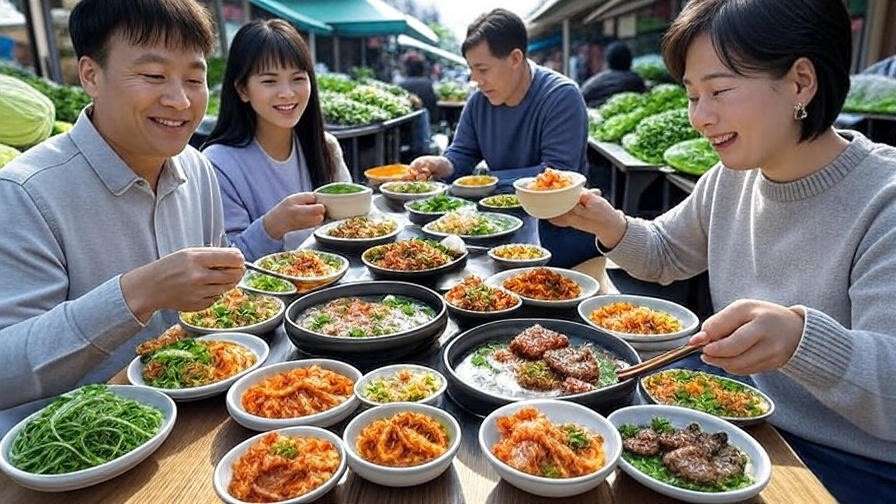
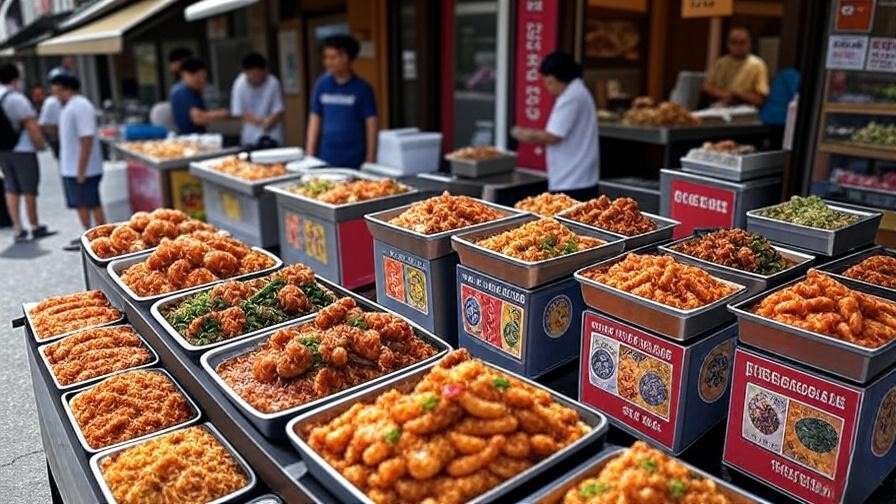
Korean cuisine, with bold flavors like kimchi and bibimbap, is communal, often depicted in K-dramas with lively group meals. Japanese cuisine, emphasizing umami and presentation (e.g., sushi, bento), prioritizes aesthetics, as seen in anime food scenes. These culinary traditions reflect broader cultural values: Korea’s warmth and Japan’s refinement.
Infographic Idea: A visual comparing Korean and Japanese dining etiquette (e.g., chopstick use, sharing dishes) for social media engagement.
Fashion and Aesthetics: Visual Cultural Expressions

Korean Fashion in K-Dramas
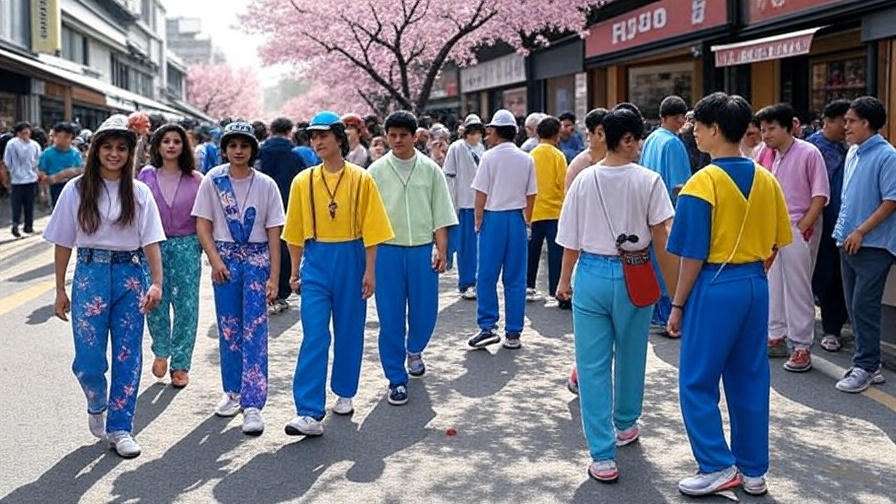
Korean fashion, heavily influenced by the Hallyu wave, is a global trendsetter, blending vibrant streetwear with minimalist elegance. In K-dramas like The King: Eternal Monarch, stars like Lee Min-ho sport tailored suits and trendy outerwear, sparking worldwide fashion trends. The K-fashion aesthetic often emphasizes bold colors, layered looks, and accessibility, making it easy for fans to emulate. Seoul’s Dongdaemun Market and brands like Stylenanda drive this influence, with K-drama characters showcasing outfits that resonate with modern youth culture.
Example: In Itaewon Class, Park Seo-joon’s casual yet edgy style—think bomber jackets and sneakers—reflects Korea’s dynamic, youth-driven fashion scene.
Japanese Fashion in Media and Pop Culture
Japanese fashion is eclectic, ranging from Harajuku’s avant-garde street style to the timeless elegance of kimono-inspired designs. Anime and Japanese dramas, like Nana, highlight this diversity, with characters sporting punk, lolita, or minimalist looks. J-Pop idols, such as those from AKB48, often blend cute (kawaii) aesthetics with bold experimentation, influencing global cosplay culture. Tokyo’s Shibuya and Harajuku districts are fashion hubs, where traditional and modern styles coexist.
Example: Anime like K-On! showcase school uniforms with a kawaii twist, inspiring fans to adopt similar looks at conventions.
Cultural Significance of Aesthetics
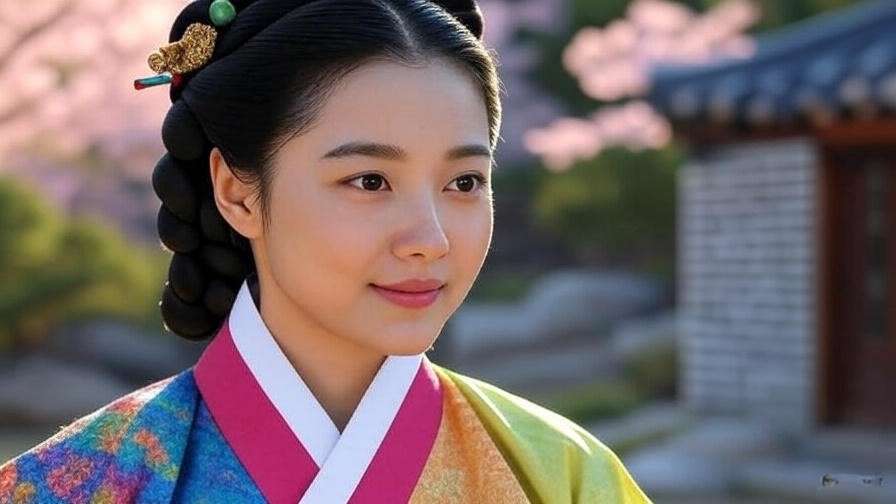
Korean fashion leans toward modern beauty standards, emphasizing flawless presentation and trendiness, often tied to K-pop and K-drama idols. Japanese aesthetics, influenced by concepts like wabi-sabi (beauty in imperfection) and mono no aware (transience), blend tradition with innovation. This is evident in Japanese media’s focus on visually poetic settings, like cherry blossom scenes in anime. For fans, understanding these aesthetics enhances appreciation of both cultures’ visual storytelling.
Practical Tip: To incorporate Korean or Japanese fashion respectfully, research cultural contexts. For Korean style, try pairing oversized sweaters with sleek accessories, as seen in K-dramas. For Japanese style, explore vintage kimono patterns or Harajuku-inspired layering, ensuring you avoid cultural appropriation by crediting inspirations.
Misconceptions and Stereotypes to Avoid
A common misconception is that Korean and Japanese cultures are interchangeable due to their geographic proximity and shared historical influences. This oversimplification ignores their distinct identities. For example, assuming all East Asian media is “the same” dismisses the emotional depth of K-dramas versus the philosophical nuance of Japanese anime. Stereotyping K-pop idols as “manufactured” or Japanese anime fans as “niche” can also alienate communities and perpetuate harmful biases.
Guidance for Fans: Engage with both cultures by learning their unique contexts. Avoid generalizing (e.g., “all K-dramas are melodramatic”) and instead appreciate the diversity within each. When participating in fan spaces, prioritize respect—acknowledge cultural origins when sharing content like fan art or covers.
How to Deepen Your Appreciation for Korean and Japanese Cultures
Engaging with K-Dramas and J-Pop Authentically
To fully appreciate K-dramas and J-Pop, immerse yourself in their cultural contexts. Watch K-dramas with subtitles to catch linguistic nuances, like honorifics in Vincenzo, which reveal social dynamics. For J-Pop, explore anime soundtracks, such as LiSA’s Gurenge from Demon Slayer, to understand emotional storytelling through music. Join respectful fan communities on platforms like X or Reddit, where fans share insights and translations.
Recommended Media:
- K-Dramas: Reply 1988 (family and community), Crash Landing on You (romance and cultural identity).
- Japanese Media: Your Name (philosophical storytelling), Shirobako (work culture).
Learning the Language and Culture
Learning basic Korean or Japanese enhances your connection to their media. For Korean, resources like Talk To Me In Korean or Duolingo teach phrases like “annyeonghaseyo” (hello), helping you grasp K-drama dialogue. For Japanese, WaniKani or NHK Easy Japanese offer Kanji and conversational skills, unlocking anime’s subtle humor. Even basic phrases deepen your understanding of cultural nuances.
Example: Knowing Korean’s “uri” (we/our) reflects collectivism, while Japanese’s “boku” (I, informal) highlights individuality in anime scripts.
Travel and Cultural Immersion

Visiting Korea or Japan offers firsthand cultural experiences. In Korea, explore K-drama filming locations like Nami Island (Winter Sonata) or Itaewon’s vibrant streets. In Japan, attend cultural festivals like Kyoto’s Gion Matsuri or visit anime hubs like Akihabara. Respect local etiquette: in Korea, share food communally; in Japan, avoid loud conversations in public.
Practical Tip: Research cultural norms before traveling. In Korea, bow slightly when greeting; in Japan, follow bowing hierarchies based on context.
FAQs: Addressing Common Questions About Korean and Japanese Cultures
- What is the main difference between Korean and Japanese culture? Korean culture emphasizes emotional connection and collectivism, rooted in Confucian values, while Japanese culture balances individuality with harmony, influenced by concepts like wabi-sabi.
- How do K-dramas differ from Japanese dramas or anime? K-dramas focus on emotional depth and family dynamics with longer formats, while Japanese dramas and anime prioritize philosophical themes and visual artistry, often in shorter formats.
- Can I enjoy K-Pop and J-Pop without understanding the language? Yes! Subtitles, translations, and fan communities make both accessible. Learning basic phrases enhances enjoyment but isn’t required.
- Why do Korean and Japanese cultures feel similar yet distinct? Shared historical influences like Buddhism create similarities, but unique histories—Korea’s resilience, Japan’s isolation—shape distinct identities.
- How can I respectfully engage with Korean and Japanese fan communities? Use proper etiquette (e.g., honorifics), credit cultural origins, and avoid stereotypes. Join platforms like X to learn from fans directly.
The difference between Korean and Japanese cultures lies in their historical roots, language, entertainment, social norms, and aesthetics. Korea’s emotive, collectivist spirit shines in K-dramas and K-pop, while Japan’s blend of tradition and individuality captivates through anime and J-Pop. By understanding these distinctions, fans can engage more deeply with their favorite media, from the heartfelt romances of Goblin to the poetic visuals of Spirited Away. Embrace this journey by watching authentically, learning basic phrases, or exploring cultural hubs respectfully. What’s your favorite K-drama or J-Pop song, and how does it reflect its culture? Share in the comments to keep the conversation going!