Picture this: you’ve decided to move on from your job in South Korea, but the thought of writing a Korean resignation letter that respects cultural norms feels like navigating a maze. One wrong word could strain professional relationships or leave a lasting negative impression. In Korea’s hierarchical workplace culture, a resignation letter isn’t just a formality—it’s a reflection of respect, gratitude, and professionalism. Whether you’re an expat navigating a Korean company or a local seeking the perfect tone, this guide provides everything you need: step-by-step instructions, culturally sensitive templates, and insider tips to ensure a smooth exit. Let’s dive into crafting a resignation letter that honors Korean etiquette and leaves doors open for future opportunities.
Understanding the Importance of a Korean Resignation Letter

Why Resignation Letters Matter in Korean Culture
In South Korea, workplace communication is deeply rooted in respect, hierarchy, and the concept of chemyeon (face), which emphasizes maintaining dignity for all parties. A resignation letter is more than a notice—it’s a formal gesture that demonstrates your professionalism and gratitude toward your employer. According to a 2023 survey by the Korea Employers Federation, 78% of Korean HR managers value a well-written resignation letter as a sign of an employee’s character. A poorly crafted letter, on the other hand, can harm your reputation in Korea’s interconnected job market, where personal networks play a significant role.
Differences Between Korean and Western Resignation Letters
Unlike Western resignation letters, which often prioritize brevity and directness, Korean resignation letters emphasize humility, gratitude, and formality. For example, a Western letter might simply state, “I’m resigning effective [date],” while a Korean letter would include polite expressions of thanks and a deferential tone, especially when addressing superiors. Korean letters also avoid overly personal or negative reasons for leaving, focusing instead on maintaining harmony. Understanding these nuances ensures your letter aligns with cultural expectations and leaves a positive impression.
Key Cultural Considerations for Writing a Korean Resignation Letter

Respecting Hierarchy and Politeness
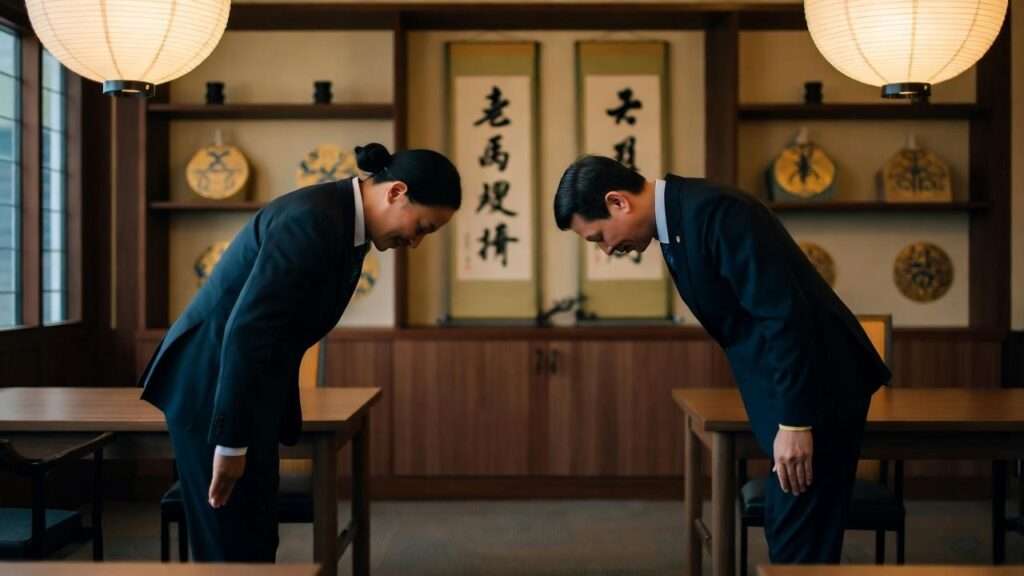
Korean workplace culture places immense value on hierarchy, and this extends to resignation letters. Using jondaemal (honorific language) when addressing managers or executives is non-negotiable. For instance, addressing your boss as “Manager Kim” (Kim Gwajang-nim) rather than their first name shows respect. Your tone should remain humble yet professional, avoiding any hint of arrogance or entitlement. This deference reflects the Confucian principles that underpin Korean professional etiquette.
Timing and Delivery Etiquette
Timing is critical when resigning in Korea. The standard notice period, as outlined in the Korean Labor Standards Act, is 30 days for most employees, though some contracts may specify longer periods. Submitting your resignation letter in person to your direct supervisor before providing a copy to HR is considered polite. Schedule a private meeting to discuss your decision, and present the letter during this conversation to demonstrate sincerity. Avoid sending the letter via email unless explicitly permitted by your workplace culture.
Avoiding Common Cultural Missteps
Common mistakes include using overly casual language, failing to express gratitude, or mentioning controversial reasons for leaving (e.g., dissatisfaction with management). For example, an expat once submitted a resignation letter citing “toxic workplace culture,” which was perceived as disrespectful and led to strained professional ties. Instead, keep your tone neutral and focus on positive aspects, such as the growth opportunities you gained.
Tip: Here’s a quick checklist of cultural do’s and don’ts:
- Do: Use formal language, express gratitude, and offer to assist during the transition.
- Don’t: Be overly blunt, criticize the company, or skip the in-person handover.
Step-by-Step Guide to Writing a Korean Resignation Letter

Writing a Korean resignation letter may seem daunting, but breaking it down into clear steps makes the process manageable. Below is a detailed guide to crafting a letter that meets cultural and professional expectations.
Step 1: Choose the Right Format
A Korean resignation letter typically follows a structured format:
- Greeting: Address your supervisor or HR with their proper title (e.g., Gwajang-nim or Sajang-nim for CEO).
- Statement of Resignation: Clearly state your intent to resign and specify your last working day.
- Reason for Leaving: Provide a brief, neutral reason (optional in some cases).
- Gratitude: Express appreciation for the opportunities and support received.
- Closing: Offer assistance during the transition and end with a polite sign-off.
If you’re working in a Korean company, write the letter in Korean unless otherwise specified. For international firms, a bilingual letter (Korean and English) may be appropriate.
Step 2: Craft a Polite Opening
Begin with a respectful salutation, such as:
“Dear Manager Kim Gwajang-nim,” (Kim Gwajang-nim Gwiha)
This sets a formal tone and acknowledges your supervisor’s position. Avoid generic openings like “To Whom It May Concern,” as they can feel impersonal in a Korean context.
Step 3: Clearly State Your Intent to Resign
State your resignation clearly, including your last working day. Here’s an example in Korean and English:
Korean: 저는 2025년 11월 30일자로 본 회사에서 사직하고자 합니다. (I respectfully submit my resignation from the company, effective November 30, 2025.)
Be concise and ensure the date aligns with the required notice period (typically 30 days).
Step 4: Include a Brief, Respectful Reason
While not always required, including a neutral reason for leaving shows transparency. Avoid negative or overly personal explanations. Examples include:
- “To pursue new professional opportunities.”
- “To focus on personal growth and development.”
In Korean: 저는 새로운 경력 기회를 추구하기 위해 사직을 결심하였습니다. (I have decided to resign to pursue new career opportunities.)
Step 5: Express Gratitude
Gratitude is a cornerstone of Korean resignation letters. Acknowledge the support, opportunities, or mentorship you received. For example:
Korean: 그동안 회사에서 받은 지원과 배움의 기회에 깊이 감사드립니다. (I am deeply grateful for the support and learning opportunities provided by the company.)
This reinforces goodwill and leaves a positive impression.
Step 6: Close with a Professional Tone
Offer to assist during the transition and end with a polite closing, such as:
Korean: 남은 기간 동안 원활한 업무 인수인계를 위해 최선을 다하겠습니다. 앞으로도 귀사의 번영을 기원합니다. (I will do my best to ensure a smooth transition during the remaining period. I wish the company continued success.)
Sign off with your name and, if applicable, your position.
Korean Resignation Letter Templates
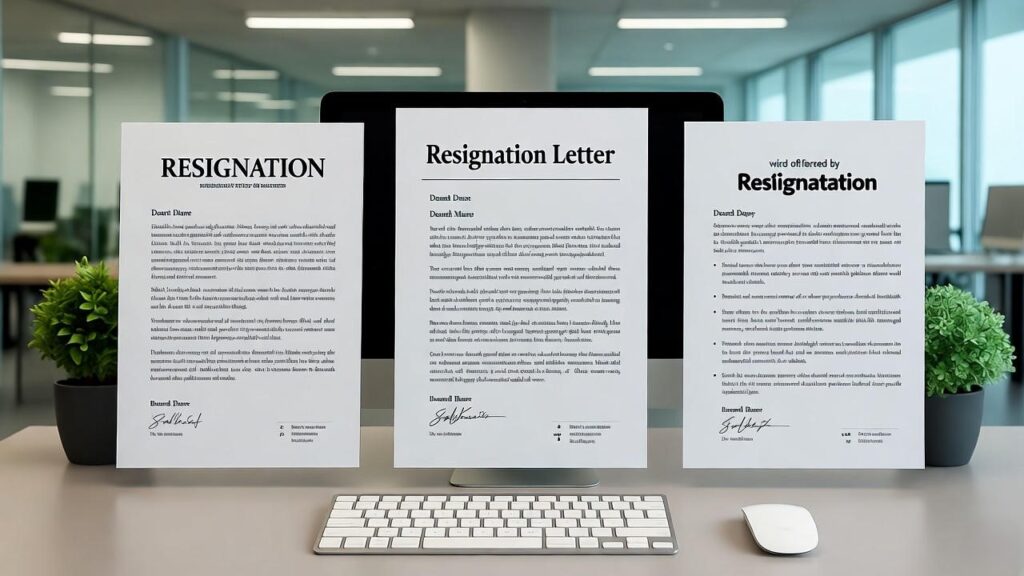
To make the process easier, here are three tailored templates for different workplace contexts. Each includes Korean text, transliteration, and English translation for clarity.
Formal Template for Corporate Settings
This template is ideal for large companies or highly formal workplaces.
Korean: 김 과장님 귀하 저는 2025년 11월 30일자로 [회사명]에서 사직하고자 합니다. 새로운 경력 기회를 추구하기 위해 이 결정을 내리게 되었습니다. 그동안 회사에서 제공한 값진 경험과 동료들의 지원에 깊이 감사드립니다. 남은 기간 동안 원활한 업무 인수인계를 위해 최선을 다하겠습니다. 귀사의 무궁한 발전을 기원합니다. [성명] 드림
Transliteration: Kim Gwajang-nim Gwiha Jeoneun 2025-nyeon 11-wol 30-iljaro [Hoesa-myeong]eseo sajikhagoja hamnida. Sae-roun gyeongnyeok gihoereul chuguhagi wihae i gyeoljeongeul naerige doeeotseumnida. Geudongan hoesaeseo jeogonghan gwi-jin gyeongheomgwa dongryodeul-ui jiwone gipi gamsadeurimnida. Nameun gigan dongan wonhwalhan eopmu insu-in-gyereul wihae choeseoneul dahagetsseumnida. Gwisa-ui mugunghan baljeoneul giwonhamnida. [Seongmyeong] Deurim
English: Dear Manager Kim, I respectfully submit my resignation from [Company Name], effective November 30, 2025. I have made this decision to pursue new career opportunities. I am deeply grateful for the valuable experiences and support from my colleagues during my time here. I will do my best to ensure a smooth transition during the remaining period. I wish the company continued success. Sincerely, [Your Name]
Polite Template for Small Businesses or Startups
This template suits smaller, less formal workplaces while maintaining respect.
Korean: [대표님/팀장님] 귀하 저는 2025년 11월 30일자로 [회사명]에서 사직하고자 합니다. 개인적인 성장과 새로운 도전을 위해 이 결정을 내렸습니다. 그동안 함께 일하며 많은 것을 배울 수 있었습니다. 남은 기간 동안 책임을 다해 업무를 마무리하겠습니다. 회사의 미래를 응원합니다. [성명] 드림
Transliteration: [Daepyo-nim/Timjang-nim] Gwiha Jeoneun 2025-nyeon 11-wol 30-iljaro [Hoesa-myeong]eseo sajikhagoja hamnida. Gaeinjeokin seongjang-gwa sae-roun dojeoneul wihae i gyeoljeongeul naeryeotseumnida. Geudongan hamkke ilhamyeo manheun geoseul baeul su isseotseumnida. Nameun gigan dongan chaegimeul daha eopmureul mamurihagetsseumnida. Hoesa-ui miraereul eungwonhamnida. [Seongmyeong] Deurim
English: Dear [CEO/Team Leader], I respectfully submit my resignation from [Company Name], effective November 30, 2025. I have decided to pursue personal growth and new challenges. I have learned so much while working together. I will fulfill my responsibilities to complete tasks during the remaining period. I wish the company a bright future. Sincerely, [Your Name]
Bilingual Template for International Employees
This template is ideal for non-Korean speakers in multinational companies.
Korean: 김 과장님 귀하 저는 2025년 11월 30일자로 [회사명]에서 사직하고자 합니다. 새로운 경력 기회를 추구하기 위해 이 결정을 내렸습니다. 그동안의 지원과 팀워크에 감사드립니다. 남은 기간 동안 원활한 업무 인계를 위해 노력하겠습니다. [성명] 드림
English: Dear Manager Kim, I am writing to formally resign from my position at [Company Name], effective November 30, 2025. I have decided to pursue new career opportunities. I am grateful for the support and teamwork during my tenure. I will strive to ensure a smooth transition during the remaining period. Sincerely, [Your Name]
Table: Key Phrases for Korean Resignation Letters
| English Phrase | Korean Phrase | Transliteration |
|---|---|---|
| I respectfully resign | 저는 정중히 사직합니다 | Jeoneun jeongjunghi sajikhamnida |
| Thank you for the opportunities | 기회에 감사드립니다 | Gihoee gamsadeurimnida |
| I wish the company success | 귀사의 번영을 기원합니다 | Gwisa-ui beonyeongeul giwonhamnida |

How to Prepare for the Resignation Conversation
Before submitting your letter, request a private meeting with your supervisor. Prepare a brief explanation of your decision, focusing on positive reasons like career growth. Practice your tone to remain calm and respectful, even if the conversation becomes emotional. For example, you might say, “I’ve valued my time here, but I’ve decided to explore new opportunities.” This approach aligns with Korean cultural expectations of maintaining harmony.
Navigating the Notice Period
Under the Korean Labor Standards Act, most employees must provide 30 days’ notice, though some contracts may require more. Use this period to document your tasks, train replacements, or create handover notes. Proactively addressing loose ends demonstrates professionalism and goodwill. For instance, create a detailed guide for your role to ease the transition for your team.
Maintaining Professional Relationships Post-Resignation
Korea’s job market is highly networked, so leaving on good terms is crucial. Connect with colleagues on LinkedIn or exchange contact information for future opportunities. A polite follow-up email after your departure, such as thanking your team for their support, can reinforce positive ties.
Common Questions About Korean Resignation Letters (FAQs)
To address common concerns and capture long-tail search queries, here are answers to frequently asked questions about writing a Korean resignation letter. These responses are designed to provide clarity and align with the search intent of users seeking practical guidance.
Do I Need to Write the Letter in Korean?
The language of your resignation letter depends on your workplace. In traditional Korean companies, writing in Korean using jondaemal (honorific language) is expected to show respect. For multinational companies or firms with English-speaking management, a bilingual letter or an English-only letter may suffice. If you’re unsure, consult with HR or observe how internal communications are handled. For non-Korean speakers, consider asking a trusted colleague to review your Korean draft for accuracy.
What If My Employer Asks Me to Stay?
It’s common in Korean workplaces for employers to encourage valued employees to reconsider their resignation. If this happens, respond politely but firmly. For example: “I deeply appreciate your support and the opportunities here, but I’ve made this decision after careful consideration.” Reiterate your gratitude while standing by your choice. Avoid sharing overly personal reasons, as this could complicate the conversation. Maintaining professionalism ensures you leave on good terms.
Can I Email My Resignation Letter?
In most Korean workplaces, delivering a physical resignation letter in person is the preferred method, as it demonstrates sincerity and respect. Emailing may be acceptable in less formal or international companies, but only after discussing your resignation with your supervisor. If emailing, use a formal tone and attach a PDF version of your letter. Always follow up with a hard copy if possible to adhere to cultural norms.
What If I’m Resigning Due to a Negative Experience?
Even if you’re leaving due to dissatisfaction, avoid mentioning negative reasons in your letter. Korean workplace culture values harmony, and criticism could be perceived as disrespectful. Instead, use neutral phrases like “pursuing new opportunities” or “focusing on personal growth.” If pressed during a resignation conversation, maintain a positive tone and focus on your future goals rather than past grievances. This approach preserves your professional reputation.
Additional Resources for Navigating Korean Workplace Culture

To provide readers with a comprehensive guide, this section offers tools and insights to deepen their understanding of Korean workplace etiquette and support a smooth resignation process.
Understanding Korean Labor Laws
The Korean Labor Standards Act governs resignation protocols, including the standard 30-day notice period for most employees. However, some contracts, especially in academia or public sectors, may require longer notice (e.g., 60 days). Employees are entitled to receive their final paycheck, including unused vacation pay, within 14 days of their last working day. For authoritative information, visit the Ministry of Employment and Labor website, which provides detailed guidelines on employee rights.
Learning Polite Korean Phrases
For non-Korean speakers, mastering polite phrases can enhance your resignation letter and workplace interactions. Here are a few key expressions:
- “Thank you for your guidance”: 지도를 해주셔서 감사합니다 (Jidoreul haejusyeoseo gamsahamnida)
- “I will do my best”: 최선을 다하겠습니다 (Choesoneul dahagetsseumnida)
- “Please continue to support me”: 앞으로도 지지 부탁드립니다 (Apurodo jiji butakdeurimnida)
Consider using language apps like Talk To Me In Korean or Duolingo to practice workplace-specific vocabulary. These tools can help you craft a letter that resonates with Korean cultural norms.
Cultural Resources for Expats in Korea
Navigating Korean workplace culture can be challenging for expatriates. To deepen your understanding, explore these resources:
- Books: Korean Business Etiquette by Boye Lafayette De Mente offers insights into professional norms.
- Blogs: Websites like The Korea Herald or Seoulistic cover workplace culture and expat experiences.
- YouTube Channels: Channels like “Dave in Korea” provide practical tips for foreigners working in South Korea.
Writing a Korean resignation letter is more than a formality—it’s an opportunity to leave your job with grace, respect, and professionalism. By following the step-by-step guide, using our culturally sensitive templates, and adhering to Korean workplace norms, you can ensure a smooth exit that preserves relationships and enhances your reputation. Whether you’re an expat navigating a Korean company or a local seeking the perfect tone, this guide equips you with the tools to resign confidently.