
Picture yourself standing atop the ancient walls of Gongsanseong Fortress, the golden hues of a Chungnam-do sunset casting a glow over rolling hills and historic treasures. This isn’t just a scene from a beloved K-drama—it’s the real Chungnam-do, a region where South Korea’s rich cultural heritage and modern storytelling converge. For fans of Korean culture and drama, Chungnam-do offers an authentic journey into the heart of Korea’s past and its cinematic present. As a cultural enthusiast who has explored this region and consulted with local historians, I invite you to discover why Chungnam-do is a must-visit destination. This guide will unveil its historic landmarks, K-drama filming locations, and practical travel tips to craft an unforgettable adventure.
Why Chungnam-do is South Korea’s Cultural Heartland
A Historical Overview of Chungnam-do
Chungnam-do, or South Chungcheong Province, is a treasure trove of Korean history, once serving as the heart of the Baekje Kingdom (18 BCE–660 CE). This ancient kingdom, one of Korea’s Three Kingdoms, left an indelible mark through its sophisticated art, architecture, and cultural innovations. The Baekje Historic Areas, a UNESCO World Heritage Site, include iconic sites like Gongsanseong Fortress in Gongju and the Royal Tombs in Songsan-ri, showcasing the kingdom’s legacy. According to Dr. Kim Young-soo, a historian at Chungnam National University, “Chungnam-do’s Baekje heritage offers a window into Korea’s formative cultural identity, blending spirituality and craftsmanship.”
These sites aren’t just relics; they’re living testaments to Korea’s past, offering visitors a chance to walk through history. The Buyeo National Museum, for instance, houses artifacts like intricate gold ornaments, revealing the Baekje people’s artistic prowess. For travelers seeking to understand Korea’s cultural roots, Chungnam-do is unmatched.
Chungnam-do’s Modern Appeal
Today, Chungnam-do seamlessly blends its historical roots with modern allure, making it a hotspot for K-drama productions and global tourists. The region’s picturesque landscapes and well-preserved historical sites have starred in popular dramas like Mr. Sunshine and Moonlight Drawn by Clouds. Its accessibility from Seoul—just a 1.5-hour KTX ride to Gongju—makes it an ideal destination for cultural explorers and drama fans alike. Visiting during the Baekje Cultural Festival in Buyeo or Gongju, held annually in September or October, immerses you in traditional performances and reenactments, bringing history to life. For the best experience, plan your trip during these festivals to witness Chungnam-do’s vibrant cultural pulse.
Exploring Chungnam-do’s Cultural Landmarks
Baekje Historic Areas: A Journey Through Time
 The Baekje Historic Areas are a must-visit for anyone passionate about Korean heritage. Gongsanseong Fortress, a 5th-century stronghold, offers panoramic views and a glimpse into Baekje’s military ingenuity. Wander its stone walls and imagine ancient warriors defending the kingdom. Nearby, the Royal Tombs in Songsan-ri feature serene burial mounds of Baekje kings, their simplicity belying their historical weight. The Buyeo National Museum complements these sites with exhibits that contextualize Baekje’s contributions to Korean culture.
Itinerary Tip: Start your day at Gongsanseong Fortress (entry: $1.50), followed by the Royal Tombs (free entry), and end at the Buyeo National Museum ($1). From Seoul, take the KTX to Gongju Station (1.5 hours, $20) or a bus to Buyeo (2 hours, ~$12). This day trip covers the core of Baekje’s legacy, perfect for history buffs.
Temples and Spiritual Heritage
 Chungnam-do’s temples, like Magoksa and Beopjusa, are spiritual havens that also captivate K-drama fans. Magoksa, nestled in Gongju’s forested hills, is a UNESCO Biosphere Reserve site known for its tranquil ambiance and traditional architecture. Its wooden pavilions and serene courtyards have appeared in dramas like The King: Eternal Monarch. Beopjusa, in Boeun, boasts a towering Buddha statue and intricate temple art, offering a peaceful retreat. According to Venerable Sunwoo, a monk at Magoksa, “These temples embody Korea’s spiritual harmony, inviting visitors to reflect and connect.”
Tip: Visit Magoksa in spring for cherry blossoms or autumn for vibrant foliage, both enhancing the K-drama aesthetic. Entry is ~$2–3, and guided tours are available for deeper insights.
Traditional Villages and Hanok Experiences
For an immersive cultural experience, stay in a hanok village like Yeonhwajae in Sejong. These traditional Korean homes, with their wooden beams and ondol-heated floors, offer a glimpse into historical living. Activities like hanbok rentals (~$10/hour), tea ceremonies, or pottery workshops deepen your connection to Korean traditions. One traveler shared, “Staying in a hanok in Chungnam-do felt like stepping into a K-drama set—authentic and unforgettable.” These experiences, often priced between $50–100 per night, cater to both budget and luxury travelers.
Chungnam-do in Korean Dramas: Filming Locations to Visit
Iconic K-Drama Filming Sites
Chungnam-do’s historic sites double as stunning backdrops for K-dramas. Gongsanseong Fortress, featured in Moonlight Drawn by Clouds, captures the romance of Joseon-era Korea with its stone walls and lush surroundings. Haemi Fortress in Seosan, seen in Mr. Sunshine, evokes the turbulent late 19th century with its rugged charm. These locations draw fans eager to walk in their favorite characters’ footsteps.
Travel Guide: Visit Gongsanseong ($1.50 entry) and Haemi Fortress ($1) in a single trip by renting a car or joining a guided tour (~$50–80). Both are accessible from Daejeon, Chungnam-do’s largest city. Check out apps like VisitKorea for real-time maps of K-drama locations.
Behind the Scenes: Why Chungnam-do Attracts Filmmakers
Chungnam-do’s diverse landscapes—from misty mountains to historic fortresses—make it a filmmaker’s dream. Location scout Park Ji-hoon, who worked on Mr. Sunshine, notes, “Chungnam-do offers an authentic backdrop that transports viewers to Korea’s past without needing heavy CGI.” The region’s well-preserved sites and natural beauty reduce production costs while enhancing visual storytelling, making it a go-to for period dramas.
Planning Your K-Drama Pilgrimage
For K-drama fans, a Chungnam-do pilgrimage is a bucket-list experience. Combine visits to Gongsanseong and Haemi Fortress with stops at lesser-known sites like Sejong’s Yeongi Folk Museum, featured in The Red Sleeve. Most sites are affordable (entry fees under $5) and accessible by public transport. For a seamless trip, download the K-Drama Location Map app or join a guided K-drama tour from Seoul (~$100), which often includes Chungnam-do stops.
Tip: Visit in early morning or late afternoon to avoid crowds and capture the golden-hour lighting seen in dramas.
Cultural Experiences Unique to Chungnam-do
Festivals and Events
Chungnam-do’s festivals bring its cultural heritage to life. The Buyeo Seodong Lotus Festival (July) showcases vibrant lotus fields and traditional performances, while the Gongju Baekje Cultural Festival (September/October) features reenactments of Baekje royal processions. These events offer a deep dive into Korean music, dance, and cuisine. A recent visitor to the Seodong Festival shared, “Dancing with locals under lotus lanterns was magical—a true taste of Chungnam-do’s spirit.”
Tip: Book accommodations early for festivals, as hotels in Buyeo and Gongju fill up fast. Check Korea Tourism Organization’s website for exact dates.
Culinary Delights of Chungnam-do
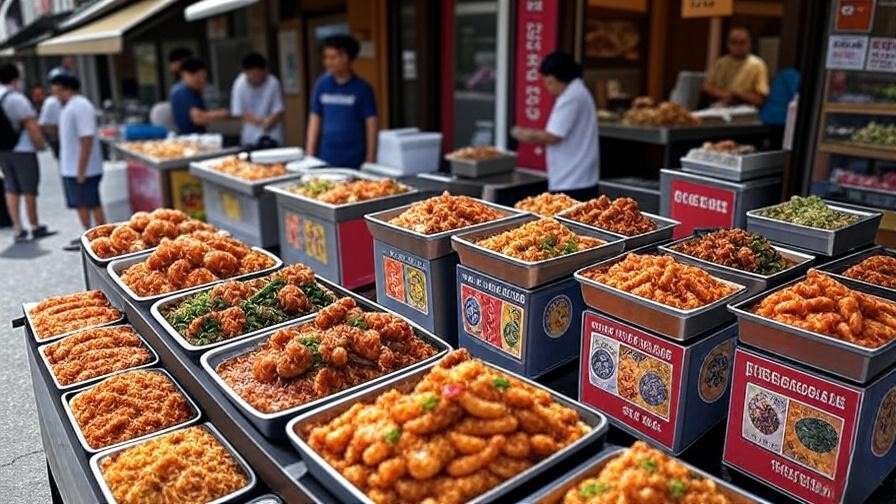
Chungnam-do’s cuisine is a highlight for foodies and K-drama fans alike. Seosan’s garlic-infused dishes, like garlic chicken, reflect the region’s agricultural bounty. Boryeong’s fresh seafood, including raw octopus, mirrors scenes from dramas like Hometown Cha-Cha-Cha. Visit Gongju’s Gomanaru Market for street food like tteokbokki ($3) or dine at restaurants like Baekje Sikdang for authentic Baekje-style meals ($10–15).
Tip: Pair your meal with local makgeolli (rice wine) for a true Chungnam-do experience, available at most eateries.
Hands-On Cultural Activities
 Engage with Chungnam-do’s traditions through activities like calligraphy workshops or kimchi-making classes, often offered at cultural centers like Buyeo’s Baekje Cultural Land (~$10–20). These hands-on experiences connect you to Korea’s living heritage. Local artisan Lee Soo-jin, who teaches pottery in Gongju, says, “Crafting with visitors preserves our traditions and shares Baekje’s creative spirit.” These activities are perfect for travelers seeking authentic cultural immersion.
Practical Travel Tips for Visiting Chungnam-do
Getting to Chungnam-do
Chungnam-do is easily accessible from Seoul, making it an ideal destination for both short trips and extended stays. The KTX high-speed train from Seoul Station to Gongju Station takes about 1.5 hours and costs approximately $20 one way. For a budget-friendly option, intercity buses from Seoul’s Express Bus Terminal to Buyeo or Daejeon take 2–2.5 hours and cost around $12–15. Driving is another convenient choice, with a 2-hour drive from Seoul to Gongju via the Gyeongbu Expressway. Renting a car (~$50/day) offers flexibility for exploring rural sites like Haemi Fortress or Magoksa Temple.
Tip: Purchase a T-Money card (~$4, rechargeable) for seamless use on buses and trains across South Korea. Cards are available at convenience stores or major stations.
Best Times to Visit
Chungnam-do shines year-round, but each season offers unique draws. Spring (March–May) brings cherry blossoms, particularly stunning at Magoksa Temple and Gongsanseong Fortress, creating a K-drama-worthy backdrop. Autumn (September–November) offers vibrant foliage, enhancing the region’s historic sites and natural beauty. Winter is ideal for fewer crowds and crisp views at Beopjusa Temple, while summer hosts vibrant festivals like the Buyeo Seodong Lotus Festival. For K-drama fans, visiting during spring or autumn captures the cinematic lighting often seen in period dramas.
Tip: Avoid peak festival weekends if you prefer quieter visits, and check weather forecasts for comfortable outdoor exploration.
Where to Stay
 Chungnam-do offers accommodations for every budget, from modern hotels to traditional hanok stays. In Daejeon, the region’s largest city, hotels like Lotte City Hotel (
$80–120/night) provide modern amenities and easy access to public transport. For a cultural experience, stay at Yeonhwajae Hanok in Sejong ($60–100/night), where you can sleep on ondol-heated floors and enjoy traditional breakfasts. Budget travelers can opt for guesthouses in Gongju or Buyeo (~$30–50/night), often praised for their hospitality. A TripAdvisor reviewer raved about a Gongju hanok stay, noting, “It felt like living in a Joseon-era drama, with warm hosts and authentic charm.”
Tip: Book hanok stays through platforms like Airbnb or Korea Tourism Organization’s website for verified options and cultural packages.
Why Chungnam-do Deserves a Spot on Your Travel List
A Destination for All Travelers
Chungnam-do caters to diverse interests, making it a must-visit for history buffs, K-drama enthusiasts, and cultural explorers. History lovers will revel in the Baekje Historic Areas, while K-drama fans can chase iconic scenes at Gongsanseong or Haemi Fortress. Families and solo travelers alike will find affordable activities, from free temple visits to low-cost festivals. Compared to bustling Seoul or tourist-heavy Busan, Chungnam-do offers a quieter, more authentic experience without sacrificing accessibility.
Sustainable and Responsible Tourism
 Visiting Chungnam-do supports local communities and preserves Korea’s cultural heritage. By shopping at markets like Gongju’s Gomanaru or participating in artisan workshops, travelers contribute to the region’s economy. Local tourism official Park Min-ji emphasizes, “Tourism in Chungnam-do helps sustain our traditions, from Baekje-era crafts to local festivals.” To travel responsibly, avoid littering at historic sites, support small businesses, and choose eco-friendly accommodations like hanok guesthouses.
Tip: Purchase souvenirs from local artisans, such as pottery or handmade paper, to support Chungnam-do’s cultural preservation efforts.
FAQs
What are the must-visit cultural sites in Chungnam-do?
Gongsanseong Fortress, the Royal Tombs in Songsan-ri, Buyeo National Museum, and Magoksa Temple are essential for understanding Chungnam-do’s Baekje heritage and cultural depth.
Which K-dramas were filmed in Chungnam-do?
Popular dramas like Mr. Sunshine (Haemi Fortress), Moonlight Drawn by Clouds (Gongsanseong Fortress), and The King: Eternal Monarch (Magoksa Temple) feature Chungnam-do’s stunning landscapes.
How can I experience Chungnam-do’s culture on a budget?
Explore free sites like the Royal Tombs, attend public festivals, or visit markets like Gomanaru for affordable street food. Budget accommodations like guesthouses keep costs low.
When is the best time to visit Chungnam-do for festivals?
The Buyeo Seodong Lotus Festival (July) and Gongju Baekje Cultural Festival (September/October) are highlights. Check Korea Tourism Organization for exact dates.
Is Chungnam-do accessible for international travelers?
Yes, English signage is common at major sites, and apps like Naver Maps or VisitKorea offer translations. Local guides and tour operators often provide English-language services.
Chungnam-do is more than a destination—it’s a journey into the soul of Korean culture and drama. From the ancient walls of Gongsanseong Fortress to the lotus fields of Buyeo, this region weaves history, spirituality, and modern storytelling into an unforgettable tapestry. Whether you’re a K-drama fan chasing iconic scenes or a cultural enthusiast seeking authentic experiences, Chungnam-do delivers. Plan your trip to explore its UNESCO sites, savor local flavors, and immerse yourself in festivals that bring Korea’s heritage to life. Share your Chungnam-do adventures in the comments, and check out our guides to Korean culture for more inspiration.