
Imagine the sizzle of chicken galbi hitting a hot plate, the air thick with the spicy-sweet aroma of gochujang and garlic, as friends gather around a bustling Korean restaurant table, chopsticks at the ready. This iconic dish, born in the heart of Chuncheon, South Korea, is more than just a meal—it’s a cultural experience that embodies the warmth and vibrancy of Korean cuisine. Whether you’re a K-drama fan who’s seen characters share heaping plates of chicken galbi in shows like Weightlifting Fairy Kim Bok-joo or a foodie eager to recreate authentic Korean flavors at home, this guide is your ultimate resource. As a passionate explorer of Korean culture with years of experience dining in Seoul’s vibrant food markets and consulting with local chefs, I’ll take you through everything you need to know about chicken galbi—from its rich history to a foolproof recipe, cultural significance, and tips to enjoy it authentically.
What is Chicken Galbi?
 Defining Chicken Galbi
Chicken galbi, also known as dakgalbi, is a beloved Korean stir-fry dish featuring tender chicken marinated in a fiery blend of gochujang (Korean red chili paste), gochugaru (red chili flakes), soy sauce, garlic, and sesame oil. Tossed with vibrant vegetables like cabbage, sweet potatoes, and carrots, and often studded with cylindrical tteok (rice cakes), it’s cooked on a large, sizzling hot plate right at the table. Originating in Chuncheon, Gangwon Province, this dish is known for its bold, spicy-sweet flavor and communal dining style, making it a staple in Korean restaurants and households alike.
Why Chicken Galbi is a Korean Favorite
The allure of chicken galbi lies in its perfect balance of flavors—spicy, savory, and slightly sweet—combined with its affordability and versatility. It’s a dish that brings people together, whether it’s students sharing a budget-friendly meal or families enjoying a lively dinner. Its frequent appearances in K-dramas, such as Crash Landing on You, where characters bond over steaming plates, have cemented its status as a cultural icon. “Chicken galbi is the heart of Korean comfort food,” says Chef Min-ji Kim, a Seoul-based culinary expert. “It’s simple yet bold, and its communal preparation makes every bite a shared experience.”
The History and Cultural Significance of Chicken Galbi
Origins in Chuncheon
Chicken galbi traces its roots to the 1960s in Chuncheon, a picturesque city in Gangwon Province. Initially a tavern dish, it was created as an affordable alternative to beef galbi (grilled short ribs) for workers and students. Local restaurateurs began marinating chicken in a spicy sauce and stir-frying it with vegetables, serving it on sizzling hot plates. This innovation sparked a culinary revolution, and by the 1980s, Chuncheon’s Myeongdong Dakgalbi Alley became a pilgrimage site for food lovers. Today, the city hosts the annual Chuncheon Dakgalbi Festival, drawing thousands to celebrate this fiery dish.
Chicken Galbi in Korean Culture
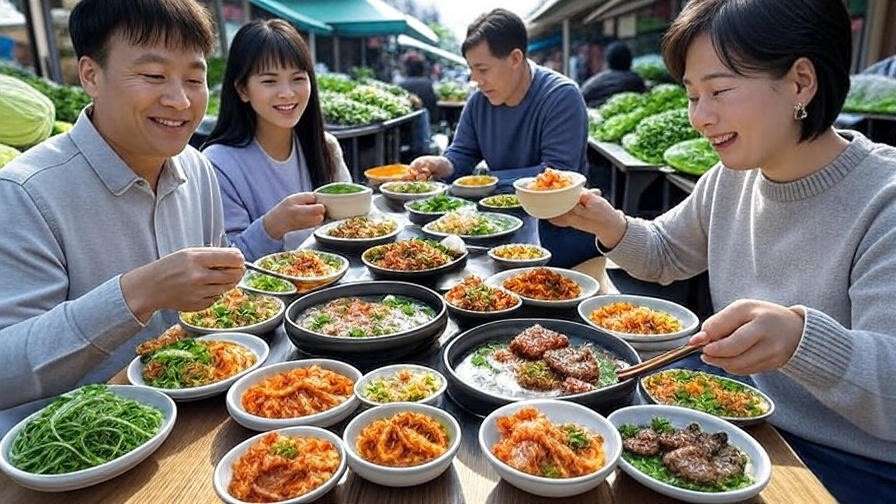
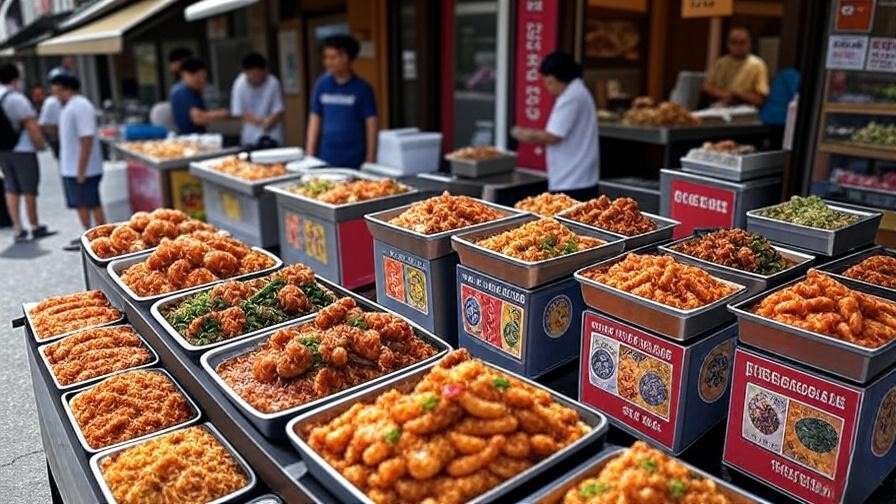
In Korea, chicken galbi is more than food—it’s a symbol of community. Served family-style, it encourages diners to share, laugh, and connect over a shared hot plate. It’s a fixture at social gatherings, from casual hangouts to festive celebrations. The dish’s accessibility has made it a favorite across generations, from university students to grandparents. Its presence in street food markets, like Seoul’s Gwangjang Market, underscores its role as a beloved comfort food that transcends social barriers.
Chicken Galbi in K-Dramas
K-drama fans will recognize chicken galbi from countless scenes where characters gather around a sizzling pan, their chopsticks darting for the best pieces. In Weightlifting Fairy Kim Bok-joo, the titular character shares dakgalbi with friends, reflecting the dish’s role in fostering camaraderie. These moments aren’t just cinematic—they mirror real-life Korean dining culture, where food is a conduit for connection. According to Dr. Hye-jin Park, a cultural historian, “Chicken galbi’s appearance in K-dramas amplifies its appeal, showcasing Korea’s communal dining ethos to global audiences.”
Ingredients That Make Chicken Galbi Irresistible
Core Ingredients
The magic of chicken galbi lies in its carefully balanced ingredients:
- Chicken: Boneless thigh or breast, cut into bite-sized pieces for quick cooking.
- Gochujang: Korean red chili paste, providing heat and umami.
- Gochugaru: Red chili flakes, adding depth and spice.
- Soy Sauce: For savory depth and seasoning.
- Garlic and Ginger: For aromatic intensity.
- Sesame Oil: For a nutty finish.
- Vegetables: Cabbage, sweet potatoes, carrots, and onions for texture and sweetness.
- Tteok: Cylindrical rice cakes for a chewy contrast.
Each component contributes to the dish’s signature flavor, creating a harmonious blend of spicy, sweet, and savory.
Variations and Optional Add-Ons
While the classic recipe reigns supreme, variations abound. Cheese dakgalbi, a modern twist popular in Seoul, adds a layer of melted mozzarella or cheddar, tempering the spice with creamy richness. For vegetarians, tofu or mushrooms can replace chicken, while seafood lovers might add shrimp or squid. Some regions incorporate perilla leaves or green onions for a fresh twist. These adaptations showcase chicken galbi’s versatility, allowing it to evolve with modern tastes.
Sourcing Authentic Ingredients
To recreate chicken galbi at home, sourcing quality ingredients is key. Gochujang and gochugaru are available at Korean grocery stores like H-Mart or online retailers such as Weee! or Amazon. For those without access, sriracha can substitute for gochujang in a pinch, though it lacks the same fermented depth. Opt for fresh, high-quality chicken and vegetables to ensure vibrant flavors. Chef Min-ji Kim advises, “Always check the gochujang label for authenticity—look for brands like Haechandle or Chung Jung One for the best results.”
How to Make Authentic Chicken Galbi at Home
Step-by-Step Recipe
 Here’s a foolproof recipe for chicken galbi, serving 4:
Ingredients (Marinade):
- 1.5 lbs boneless chicken thighs, cut into bite-sized pieces
- 3 tbsp gochujang
- 2 tbsp gochugaru
- 2 tbsp soy sauce
- 1 tbsp sesame oil
- 1 tbsp sugar
- 4 cloves garlic, minced
- 1 tsp grated ginger
- 2 tbsp rice wine (or mirin)
Ingredients (Stir-Fry):
- 2 cups cabbage, chopped
- 1 large sweet potato, sliced thinly
- 1 carrot, sliced thinly
- 1 onion, sliced
- 1 cup cylindrical tteok (soaked in water for 20 minutes if frozen)
- 2 green onions, chopped
- 1 tbsp vegetable oil
Instructions:
- Prepare the Marinade: In a large bowl, mix gochujang, gochugaru, soy sauce, sesame oil, sugar, garlic, ginger, and rice wine. Add chicken and toss to coat. Marinate for at least 30 minutes (or overnight for deeper flavor).
- Prep Vegetables and Tteok: Chop vegetables and soak tteok if needed.
- Cook the Dish: Heat vegetable oil in a large skillet or tabletop grill over medium-high heat. Add marinated chicken and stir-fry for 5 minutes until partially cooked.
- Add Vegetables: Add cabbage, sweet potato, carrot, onion, and tteok. Stir-fry for 10–12 minutes, stirring occasionally, until chicken is cooked through and vegetables are tender.
- Finish and Serve: Sprinkle with green onions and sesame seeds. Serve hot with rice, lettuce wraps, or banchan.
Tips for Perfect Chicken Galbi
- Marinate Longer: Overnight marination enhances flavor penetration.
- Don’t Overcrowd: Cook in batches if your pan is small to avoid steaming.
- Adjust Spice: Reduce gochugaru for a milder flavor or add fresh chili for extra heat.
- Use a Cast-Iron Skillet: It mimics the sizzle of a restaurant hot plate.
Tools You’ll Need
A wide, heavy-bottomed skillet or cast-iron pan works best for even cooking. For an authentic experience, consider a portable tabletop grill (available on Amazon for $30–$50). If using a standard pan, ensure it’s at least 12 inches wide to accommodate ingredients. A pair of tongs and a spatula will make stir-frying easier.
Where to Enjoy Chicken Galbi in Korea and Beyond
 Top Spots in Chuncheon
Chuncheon’s Myeongdong Dakgalbi Alley is a must-visit, with dozens of restaurants serving steaming plates of dakgalbi. Standouts include Chuncheon House and Dakgalbi Maeul, known for their traditional recipes and generous portions. Pair your meal with a visit to Nami Island or Soyang Lake for a full Chuncheon experience. Pro tip: Visit during the Dakgalbi Festival (typically September) for live cooking demos and tastings.
Chicken Galbi Around the World
Outside Korea, authentic chicken galbi can be found in Korean enclaves:
- New York City: Miss Korea BBQ in Koreatown offers classic dakgalbi with a modern twist.
- Los Angeles: Chuncheon Dakgalbi in Koreatown stays true to the original recipe.
- London: On the Bab serves a stellar cheese dakgalbi for fusion fans.
Look for restaurants with Korean chefs or high Yelp ratings to ensure authenticity.
Virtual Food Tours and K-Drama Inspiration
Can’t travel? Explore chicken galbi through virtual experiences. YouTube channels like Maangchi or Korean Bapsang offer detailed cooking tutorials. For K-drama fans, recreate scenes by hosting a watch party with homemade dakgalbi. Websites like KTO (Korea Tourism Organization) offer virtual food tours, showcasing Chuncheon’s culinary scene.
Pairing Chicken Galbi with Drinks and Sides
Traditional Korean Pairings
Chicken galbi’s bold flavors pair perfectly with Korean drinks:
- Soju: Its clean, crisp taste cuts through the spice.
- Makgeolli: This milky rice wine balances the heat with subtle sweetness.
- Korean Beer: Hite or Cass provides a refreshing contrast.
Banchan and Side Dishes
No chicken galbi meal is complete without banchan. Common sides include:
- Kimchi: Spicy fermented cabbage for a tangy kick.
- Pickled Radish: A crunchy, sweet palate cleanser.
- Seaweed Salad: Adds a fresh, umami note.
Quick Banchan Recipe: Pickled Radish
- Ingredients: 1 daikon radish, ½ cup rice vinegar, ¼ cup sugar, 1 tsp salt.
- Instructions: Slice radish thinly, mix with vinegar, sugar, and salt. Let sit for 1 hour. Serve chilled.
Non-Alcoholic Options
For non-drinkers, try sikhye (sweet rice drink) or Korean pear juice. Both offer a refreshing contrast to the dish’s intensity.
Chicken Galbi Variations to Suit Every Taste
Cheese Dakgalbi
 Popular in Seoul’s Hongdae district, cheese dakgalbi adds a layer of melted mozzarella or cheddar around the pan’s edge, creating a gooey, Instagram-worthy dish. To make it at home, sprinkle 1 cup of shredded mozzarella over the cooked galbi during the last 2 minutes of cooking.
Health-Conscious Versions
For a lighter version:
- Use chicken breast instead of thighs to reduce fat.
- Swap gochujang for a low-sodium version or reduce the amount.
- Replace tteok with zucchini or mushrooms for a low-carb option.
Global Fusion Ideas
Creative chefs have adapted chicken galbi into global dishes:
- Chicken Galbi Tacos: Serve in corn tortillas with avocado and kimchi salsa.
- Dakgalbi Pizza: Use galbi as a pizza topping with mozzarella and scallions.
These fusions, inspired by Korean-American chefs like David Chang, showcase the dish’s versatility.
Common Questions About Chicken Galbi (FAQ Section)
What’s the Difference Between Chicken Galbi and Bulgogi?
Chicken galbi and bulgogi are both iconic Korean dishes, but they differ significantly. Chicken galbi is a spicy, stir-fried dish made with marinated chicken and vegetables, cooked on a hot plate for a bold, fiery flavor. Bulgogi, on the other hand, is typically made with thinly sliced beef (sometimes pork or chicken), marinated in a sweeter, soy-based sauce, and grilled or pan-seared. While bulgogi is known for its tender, caramelized texture, chicken galbi offers a vibrant, spicy kick with a mix of textures from vegetables and tteok. Understanding these distinctions helps home cooks choose the right dish for their taste preferences.
Can I Make Chicken Galbi Without a Hot Plate?
Yes, you can make authentic chicken galbi without a hot plate. A large, heavy-bottomed skillet, such as a cast-iron or non-stick pan, works perfectly. Ensure the pan is wide enough (at least 12 inches) to stir-fry ingredients evenly without overcrowding. If you want the tableside experience, a portable electric griddle or tabletop grill can replicate the restaurant vibe. Chef Min-ji Kim notes, “The key is high heat and constant stirring to achieve that slightly charred, crispy texture.”
Is Chicken Galbi Gluten-Free?
Traditional chicken galbi is not always gluten-free due to soy sauce and gochujang, which may contain wheat-based ingredients. To make it gluten-free, use tamari or gluten-free soy sauce and check gochujang labels for wheat-free brands like Chung Jung One. Tteok is naturally gluten-free, but always verify packaged ingredients. With these swaps, chicken galbi can be enjoyed by those with gluten sensitivities without sacrificing flavor.
How Spicy Is Chicken Galbi?
Chicken galbi’s spice level depends on the amount of gochujang and gochugaru used. Traditionally, it’s moderately spicy, with a slow-building heat that’s balanced by sweet and savory notes. For milder palates, reduce gochugaru by half or omit fresh chilies. For spice lovers, add sliced fresh red chilies or extra gochugaru. “The beauty of dakgalbi is its flexibility,” says Chef Kim. “You can adjust the heat to suit anyone’s taste.”
Why Chicken Galbi Captures the Heart of Korean Culture
A Dish of Connection
 Chicken galbi is more than a meal—it’s a ritual of connection. In Korea, sharing a sizzling pan of dakgalbi with friends or family fosters laughter and conversation. Whether it’s a casual weeknight dinner or a celebratory gathering, the communal act of cooking and eating together strengthens bonds. I recall my first dakgalbi experience in Seoul’s Hongdae district, where strangers at a shared table became friends over a steaming hot plate, passing soju and swapping stories. This sense of community is what makes chicken galbi a cultural cornerstone.
Its Role in Modern Korean Trends
Chicken galbi remains a star in Korea’s evolving food scene, fueled by social media and global fascination with K-culture. Instagram feeds are filled with vibrant photos of cheese dakgalbi, while TikTok creators share quick recipes and hacks. The dish’s adaptability—whether served traditionally or as a fusion creation—keeps it relevant. K-pop stars and influencers often spotlight dakgalbi, amplifying its appeal. As food blogger Sarah Lee, who specializes in Korean cuisine, notes, “Chicken galbi’s bold flavors and visual appeal make it a social media darling, inspiring home cooks worldwide.”
Chicken galbi is more than a dish—it’s a gateway to Korean culture, blending bold flavors, communal dining, and a rich history that resonates from Chuncheon’s taverns to global kitchens. Whether you’re stir-frying it at home, savoring it at a Korean restaurant, or recreating a K-drama moment with friends, this spicy, sizzling delight delivers an unforgettable experience. With its versatile recipe, cultural significance, and endless variations, chicken galbi is a must-try for foodies and K-culture enthusiasts alike. Ready to dive in? Try our recipe, visit a local Korean eatery, or share your own dakgalbi story in the comments below. Explore more Korean dishes and K-drama-inspired recipes on our site to keep the cultural journey going!